10
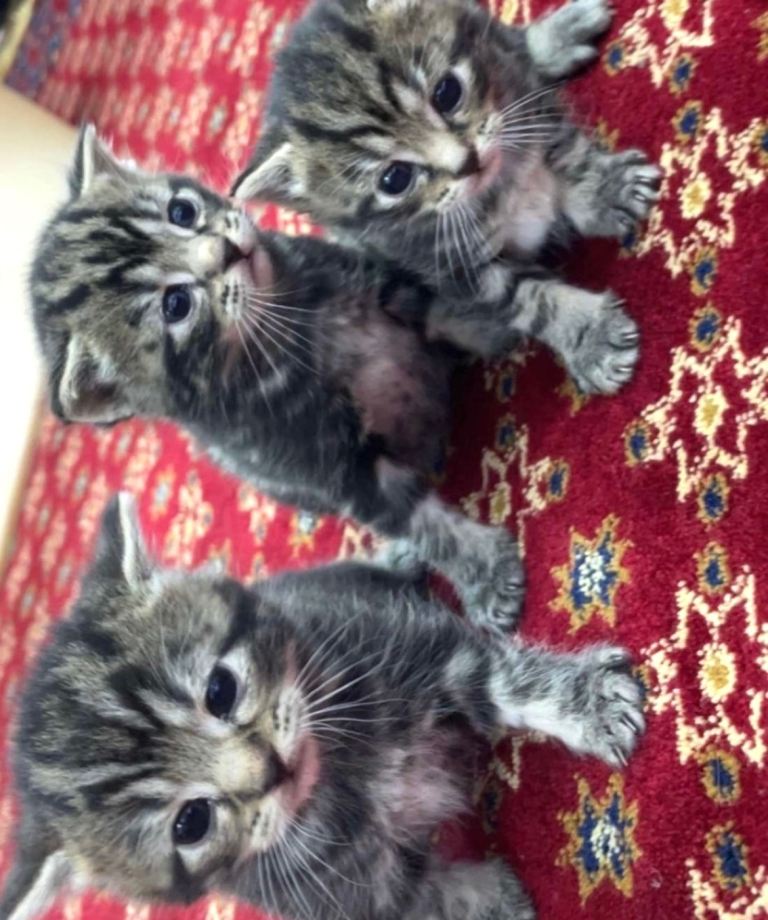
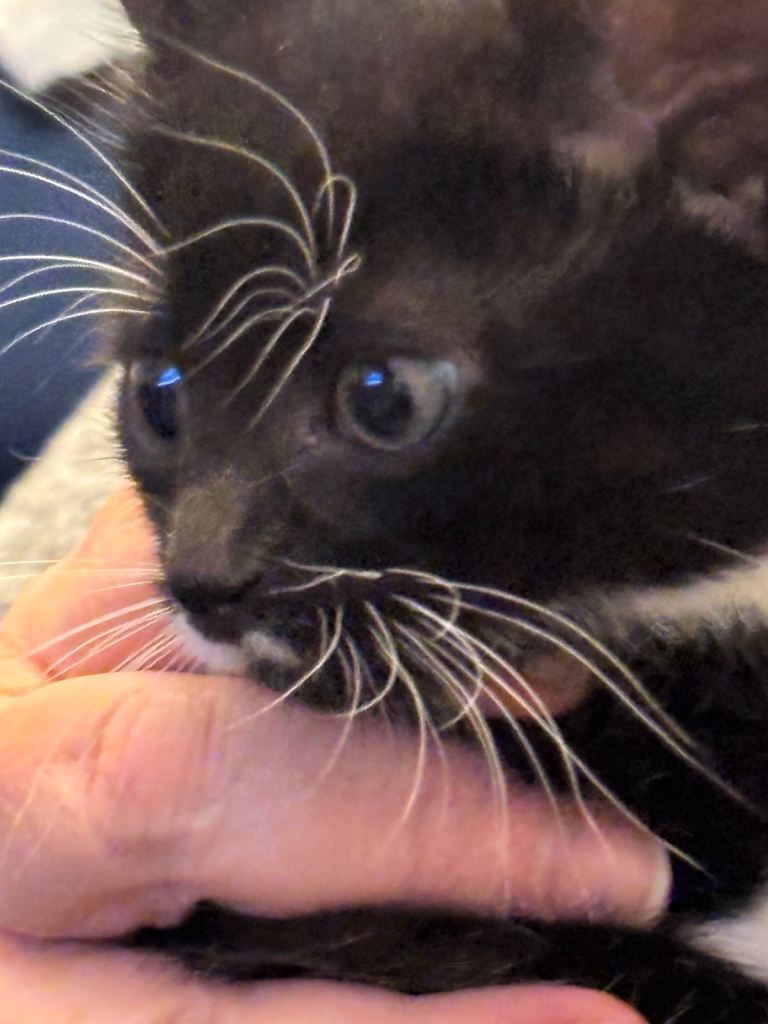
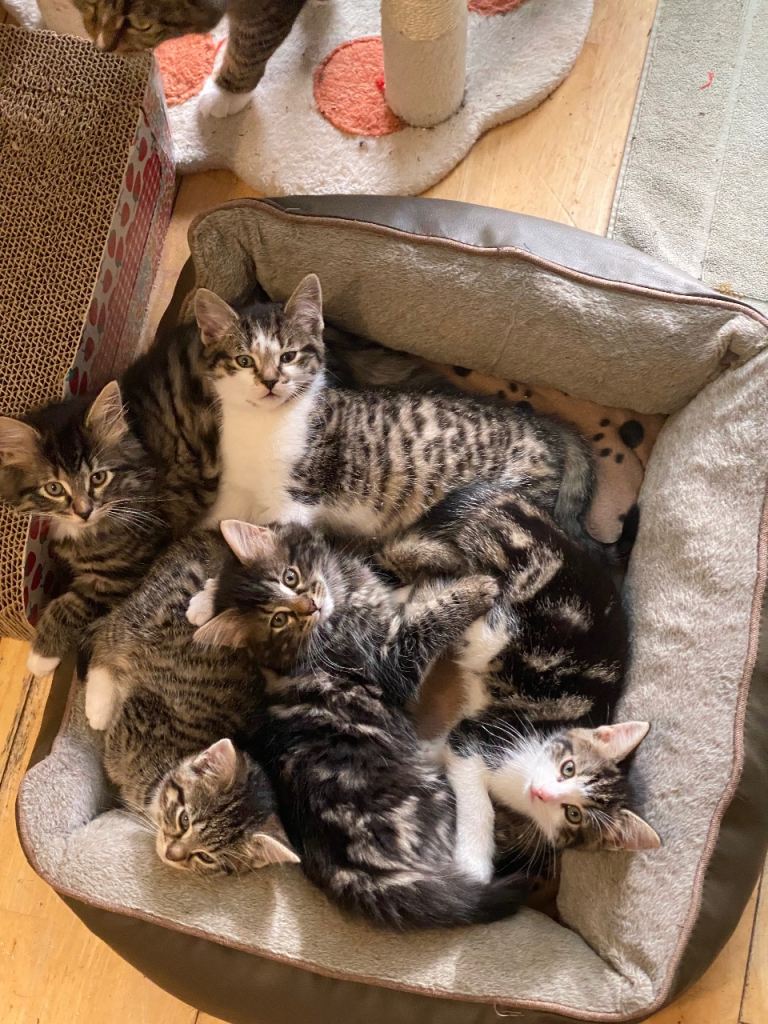
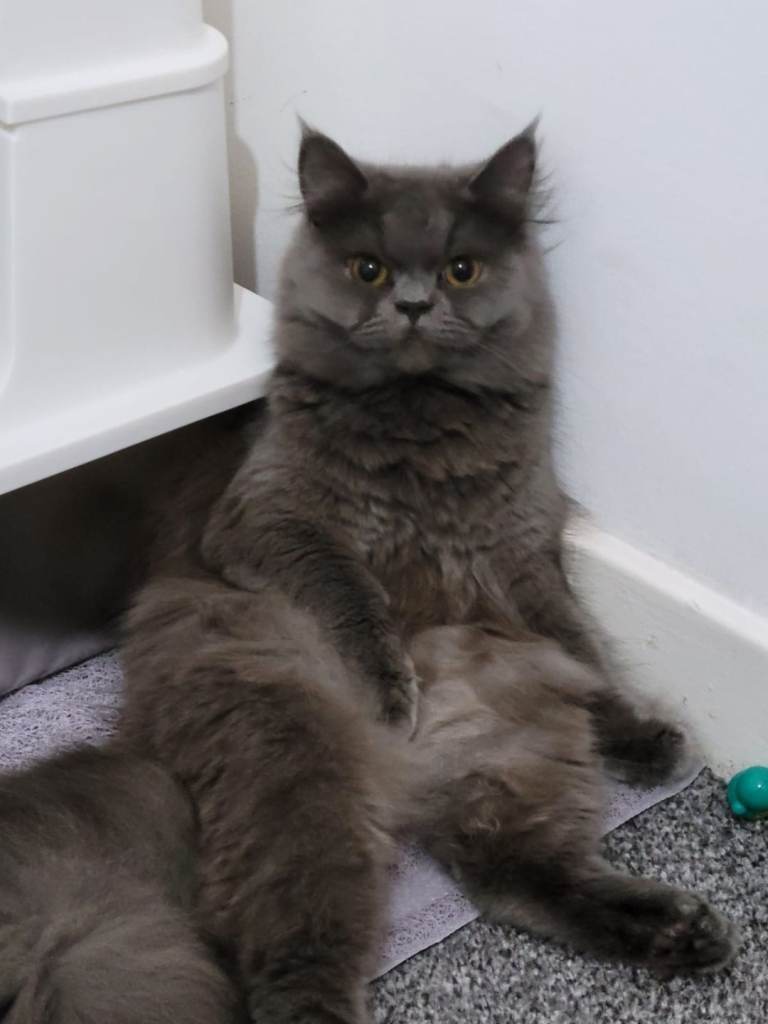
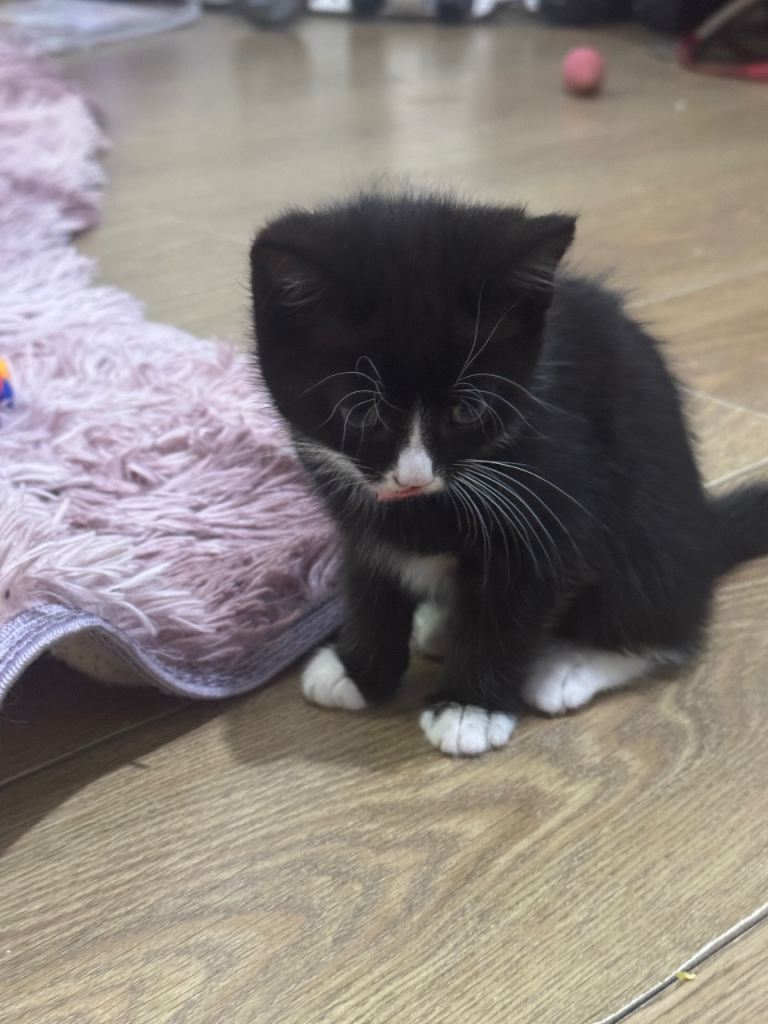
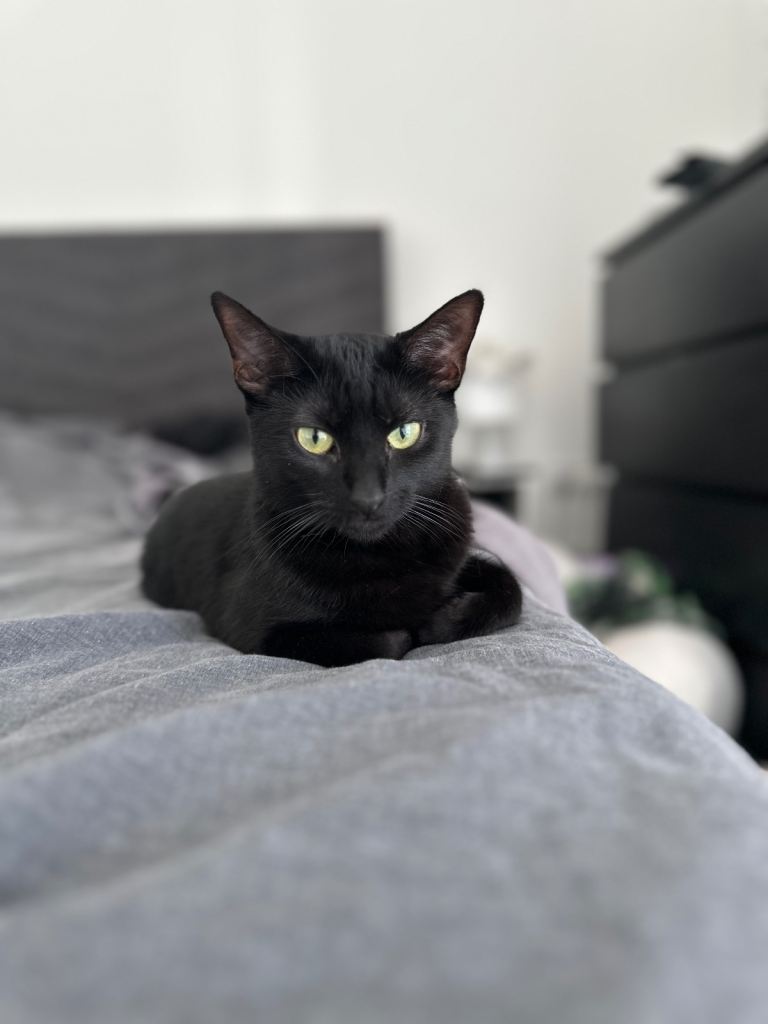
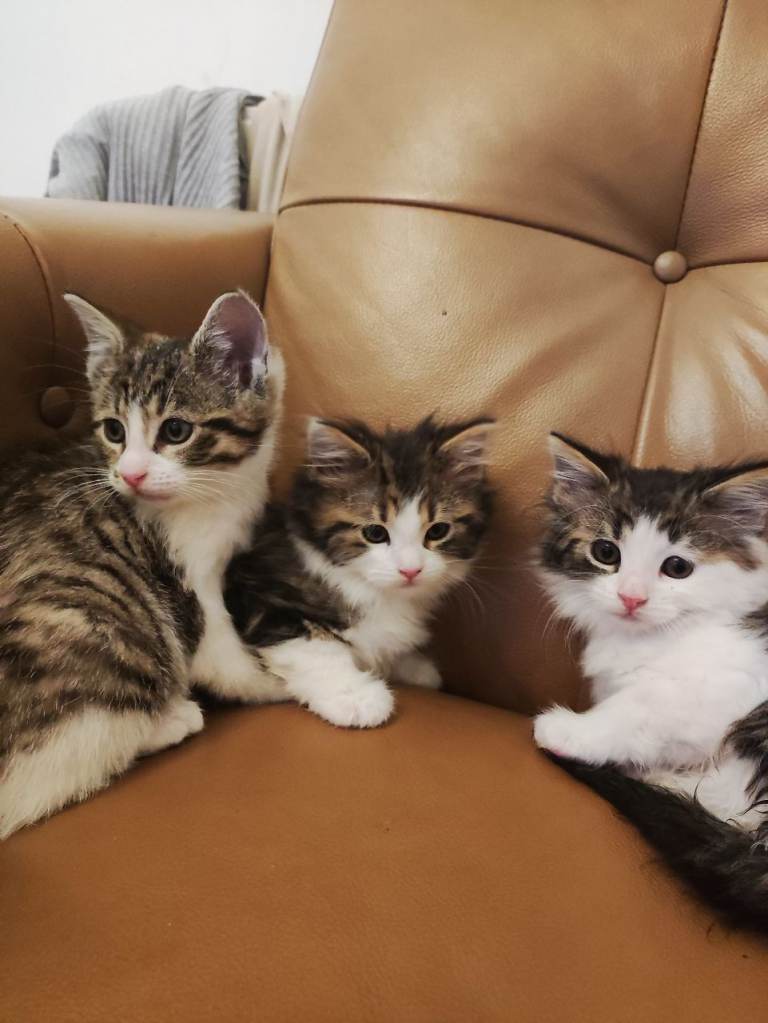
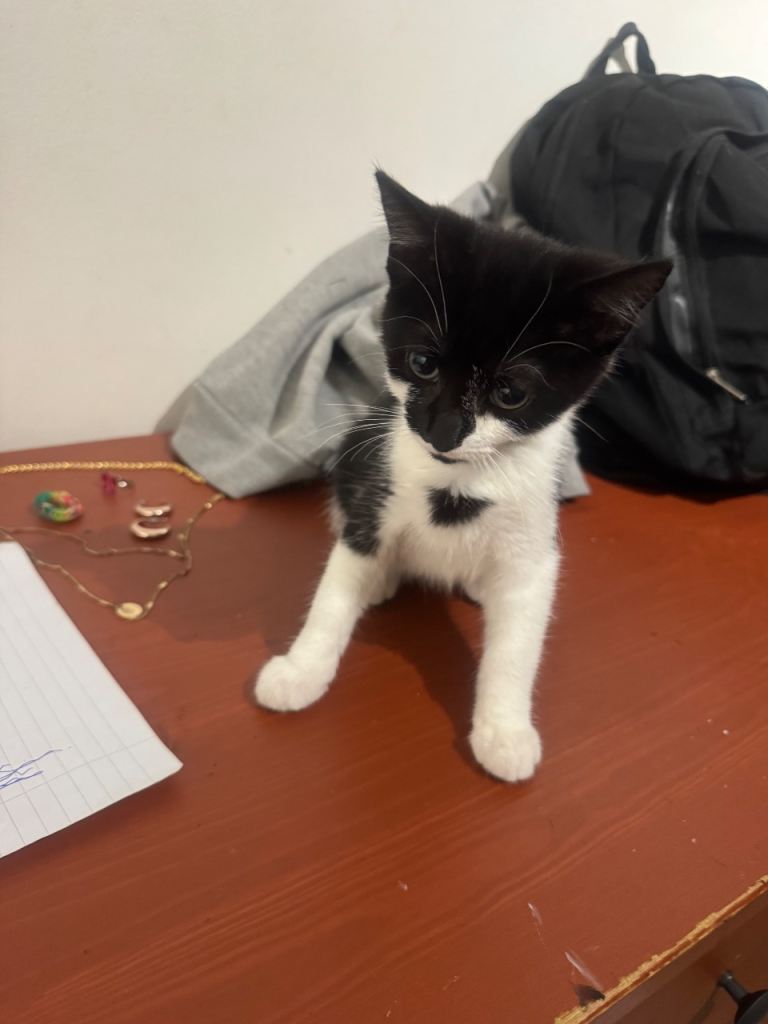
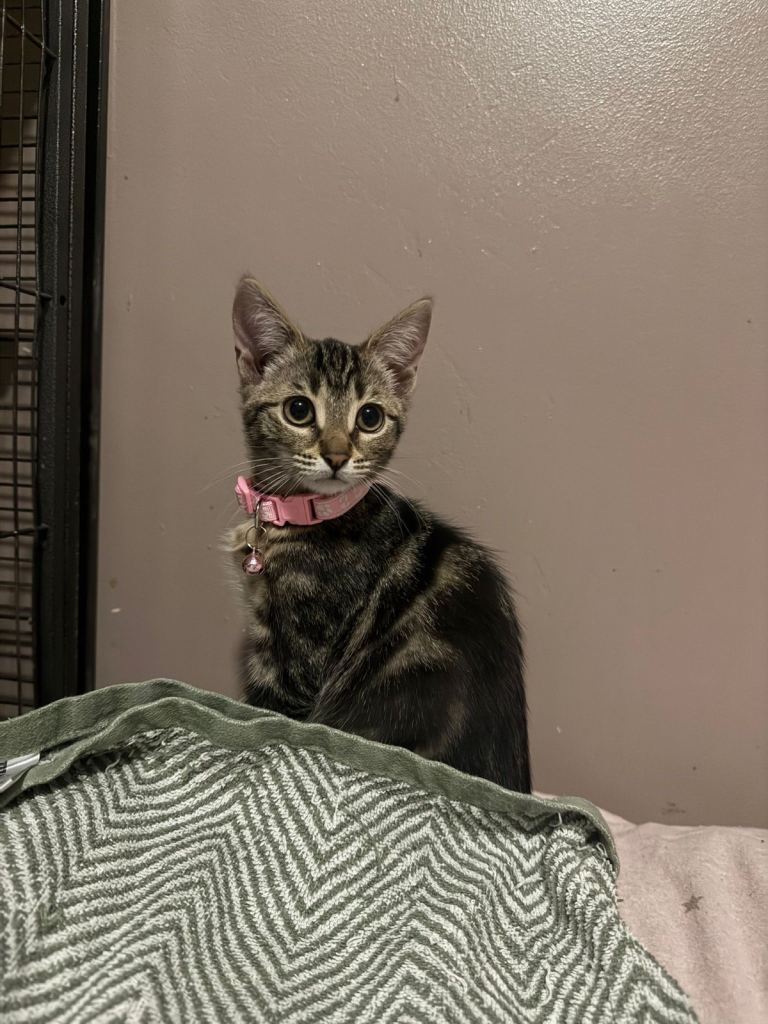
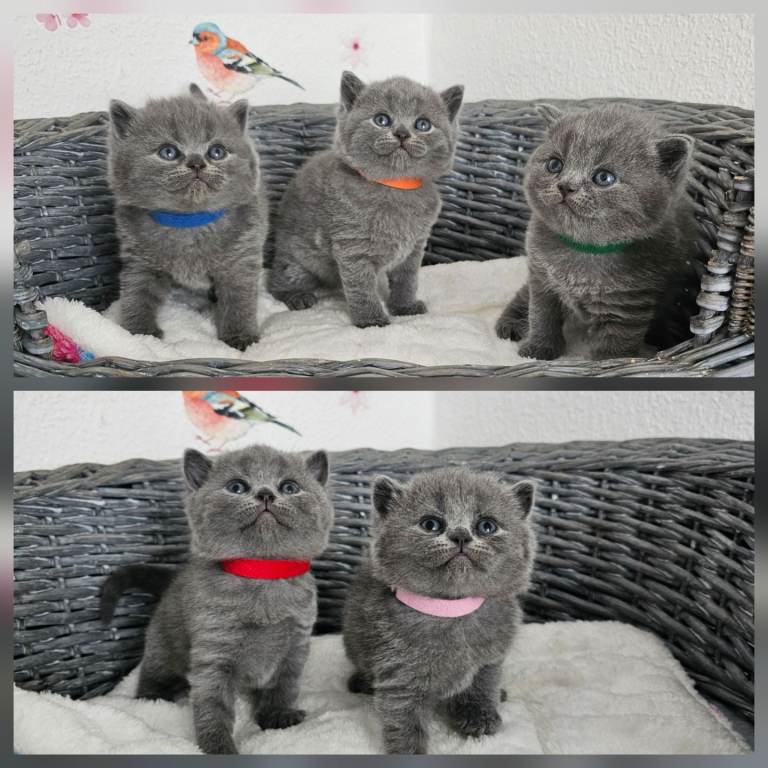
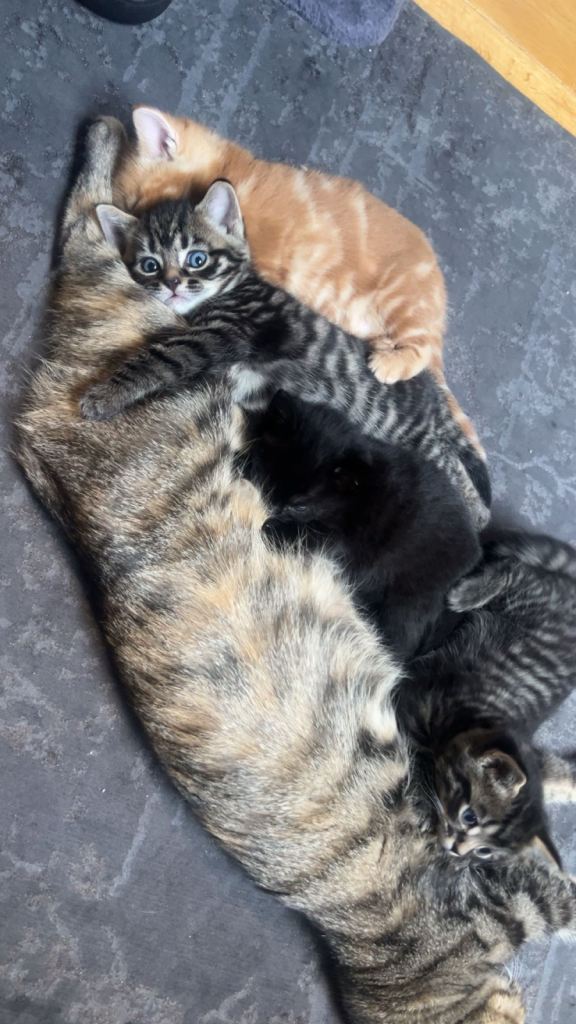
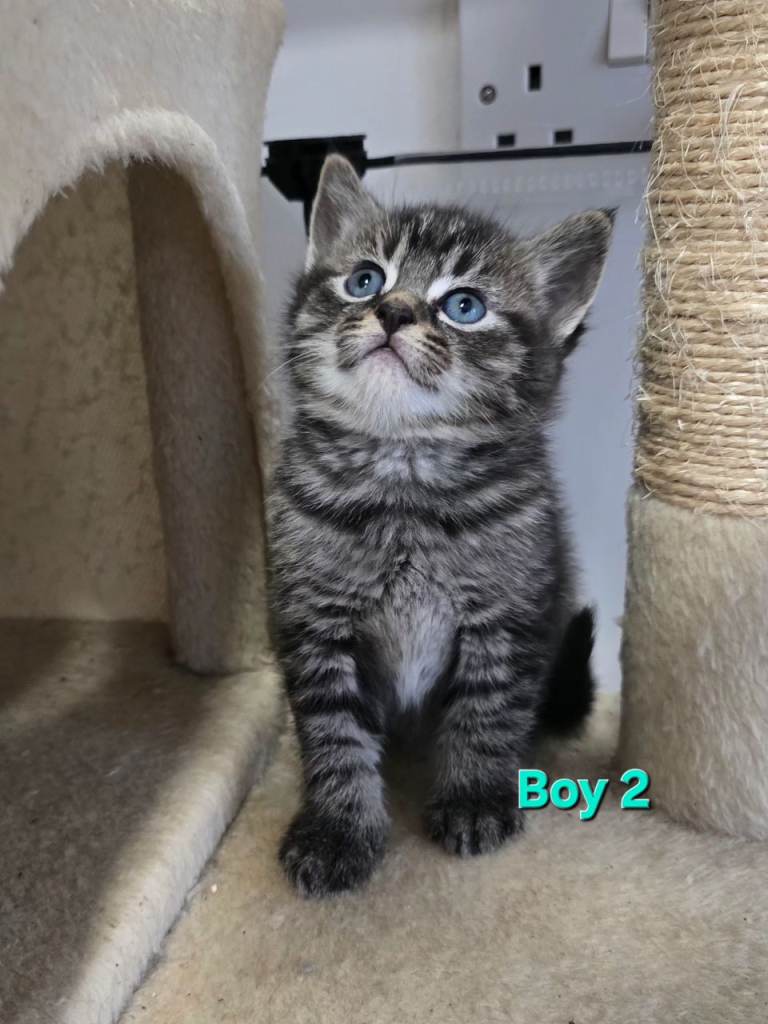
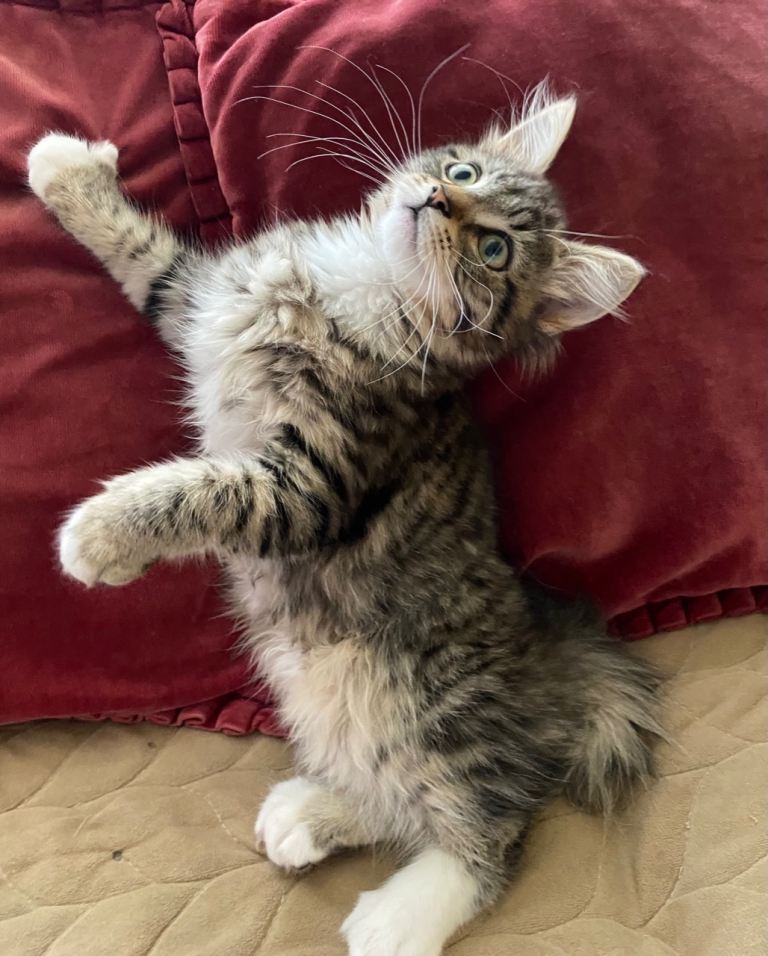
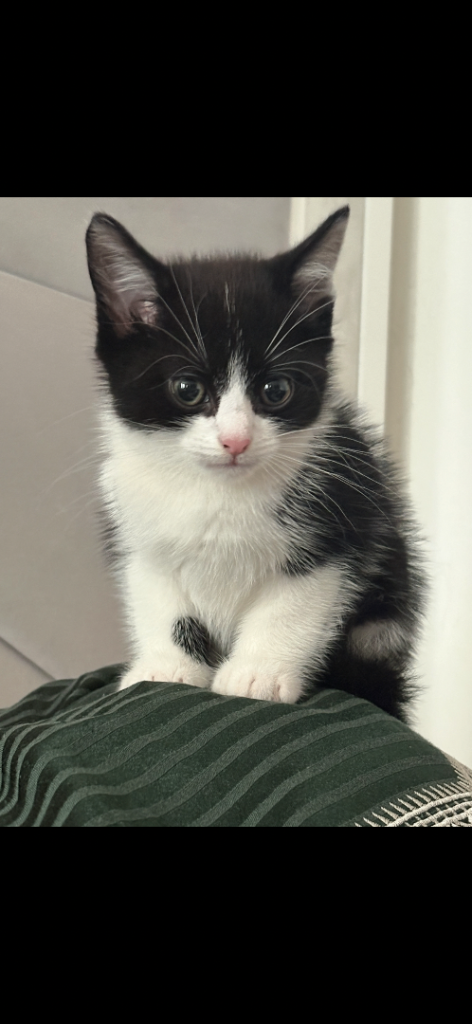
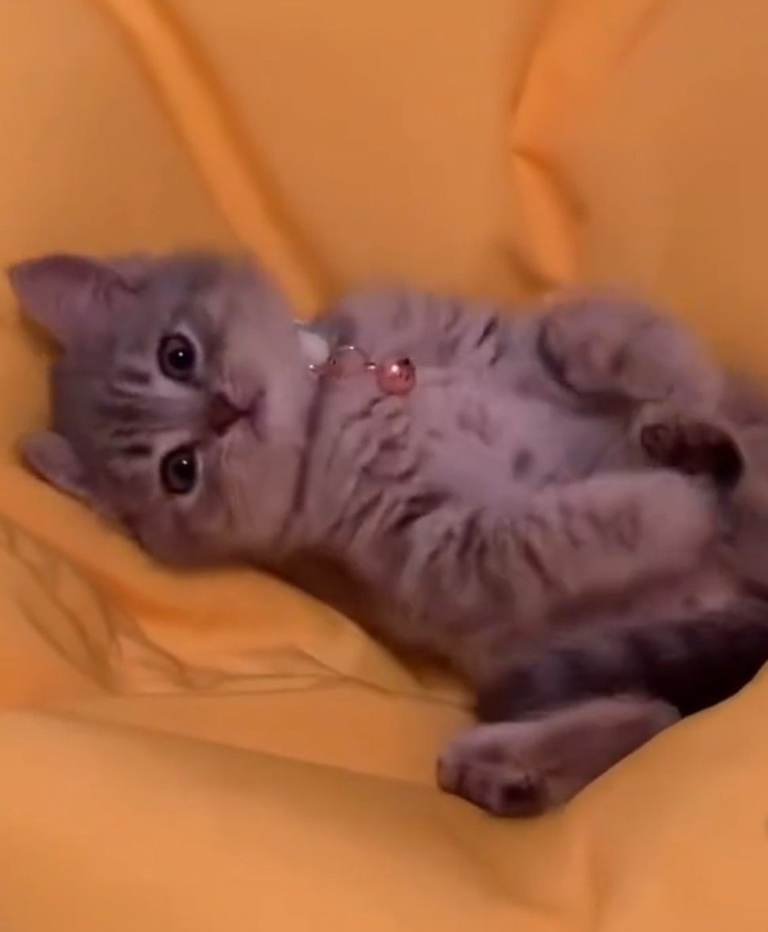
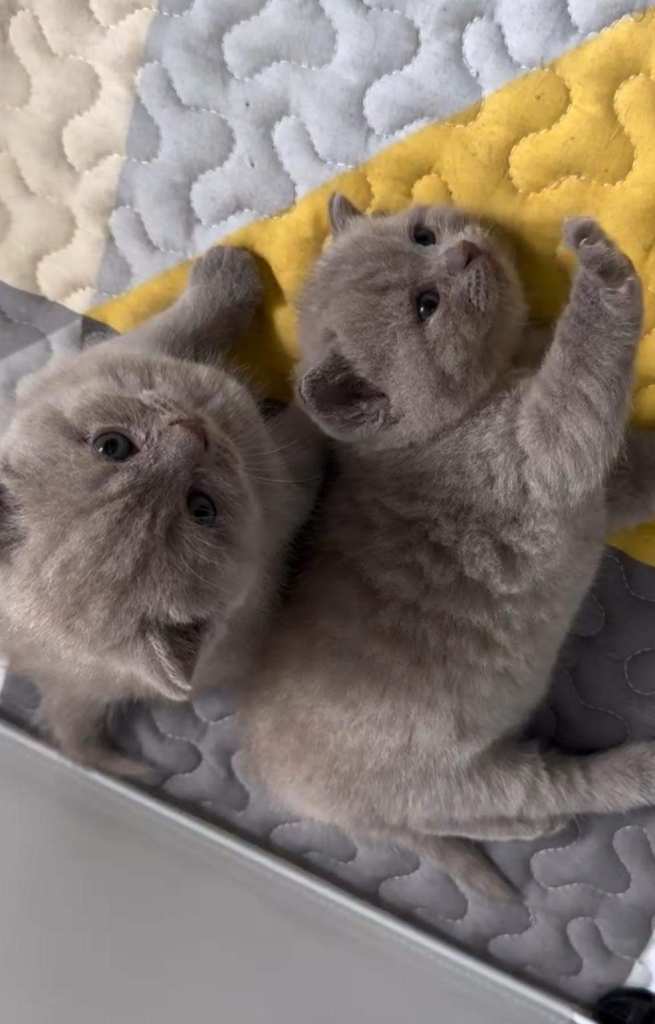
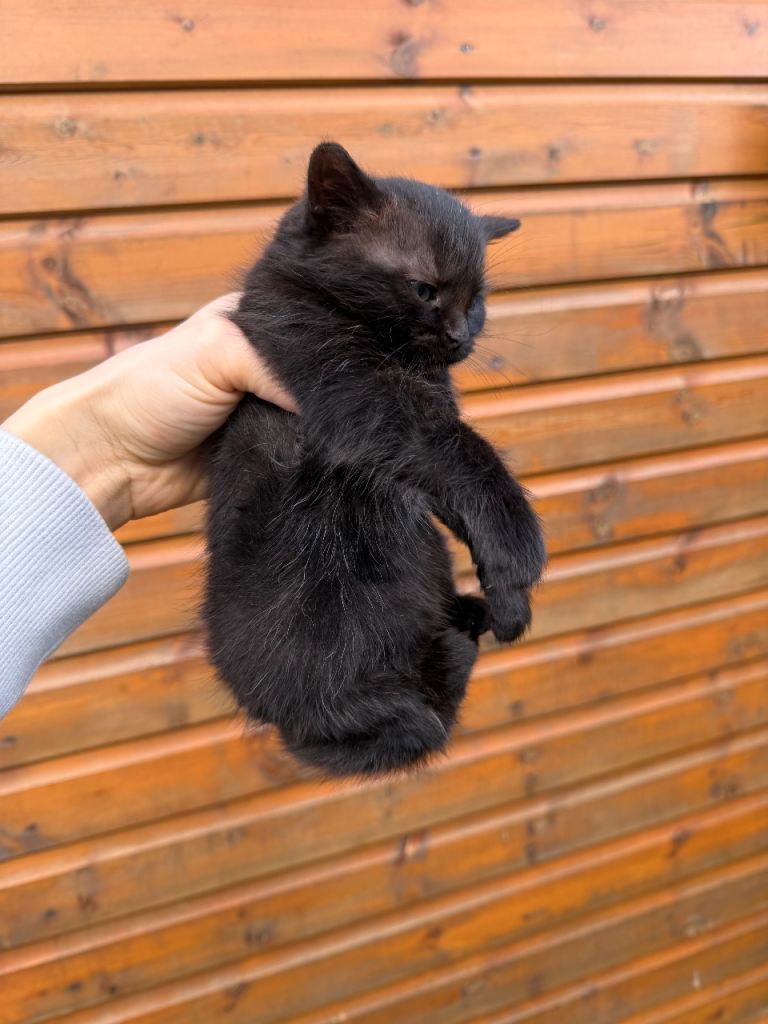
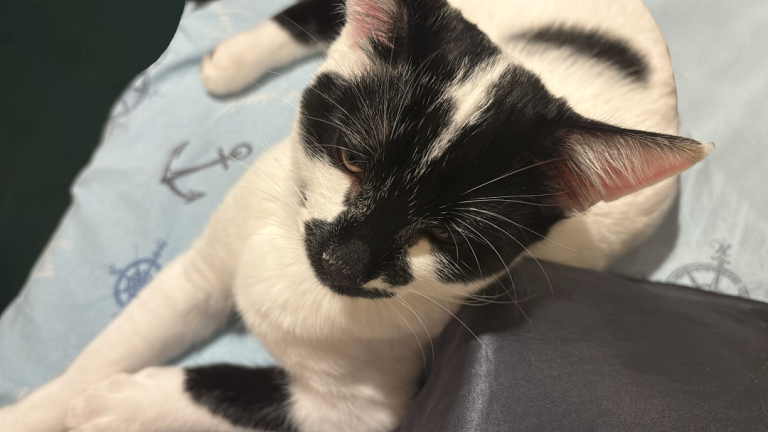
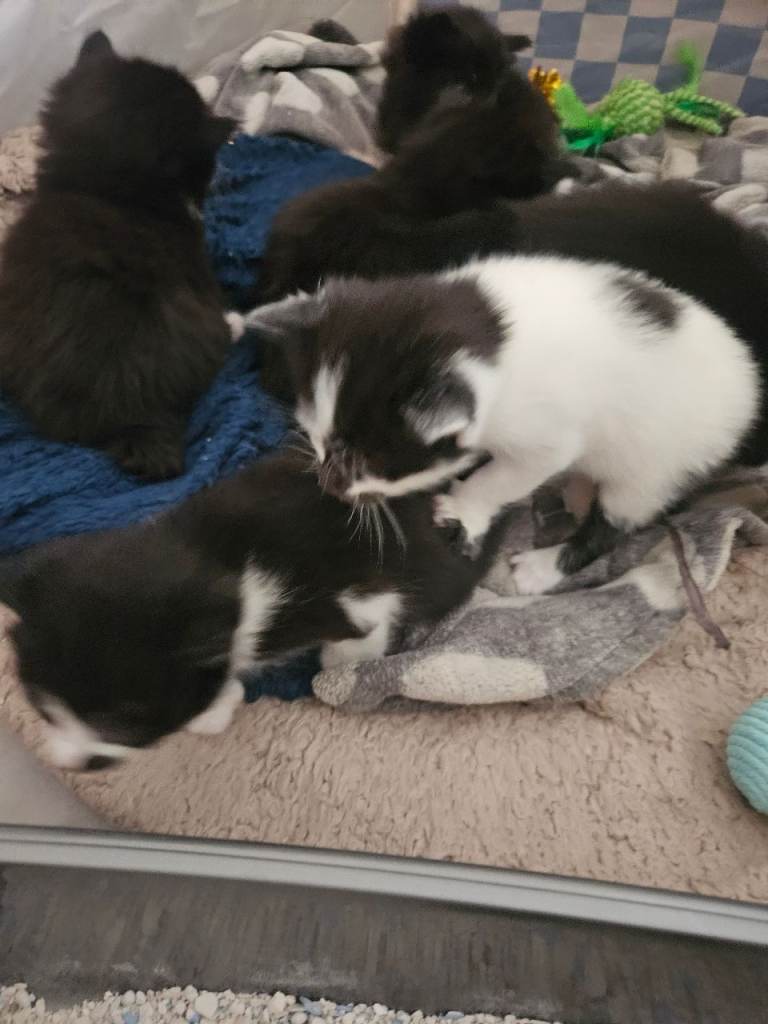
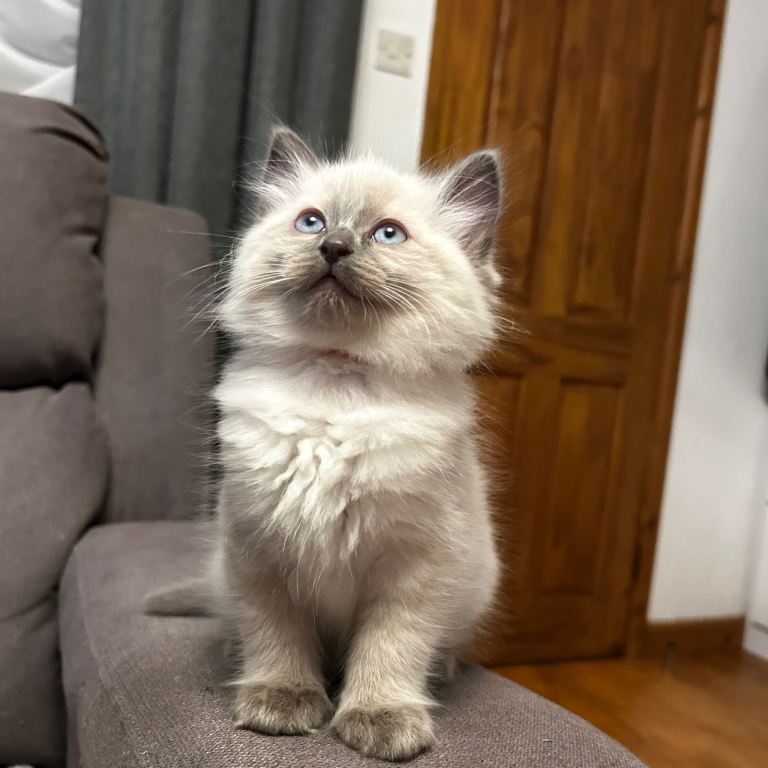
😻Beautiful Purebred Ragdoll kittens😻
Age: 8 weeks
Ready to leave: Now
Slough, Berkshire
£750
When choosing a kitten or cat, observe its behaviour. A healthy cat should be alert, playful, and have clear eyes and a clean coat. Check for any signs of illness, such as sneezing, coughing, or discharge from the eyes or nose. Consider the cat's temperament and whether it suits your lifestyle. Ask the seller about the cat's history, including vaccinations, worming, and any known health issues.
A kitten should ideally have its first vaccinations before being rehomed, typically around 8-9 weeks old. Ask the seller for proof of vaccination and worming. A vet check is also highly recommended to ensure the kitten is healthy and free from any underlying health conditions. Consider getting the kitten microchipped if it hasn't already been done, as this is a legal requirement for cats in England, Scotland and Wales.
Enquire about the cat's age, breed (if known), and temperament. Ask about its diet, litter habits, and whether it's been socialised with other animals or children. Understanding the cat's history and personality will help you determine if it's a good fit for your home. Be wary of sellers who are reluctant to provide information or seem evasive.
As a cat owner, you are responsible for providing your cat with proper care, including food, water, shelter, and veterinary attention. Under the Animal Welfare Act 2006, you have a legal duty to ensure your cat's welfare needs are met. In England, Scotland and Wales, cats must be microchipped by the time they are 20 weeks old and their details kept up to date on a government-approved database. Consider insuring your cat to help cover unexpected veterinary bills.
Ensure your home is safe for a new cat by removing any potential hazards, such as poisonous plants, cleaning products, and loose electrical cords. Provide a safe and comfortable space for the cat to retreat to, such as a bed or carrier. Keep windows and doors closed or screened to prevent escapes. Introduce the cat to other pets gradually and supervise their interactions. Consider using a pheromone diffuser to help the cat adjust to its new environment.