10
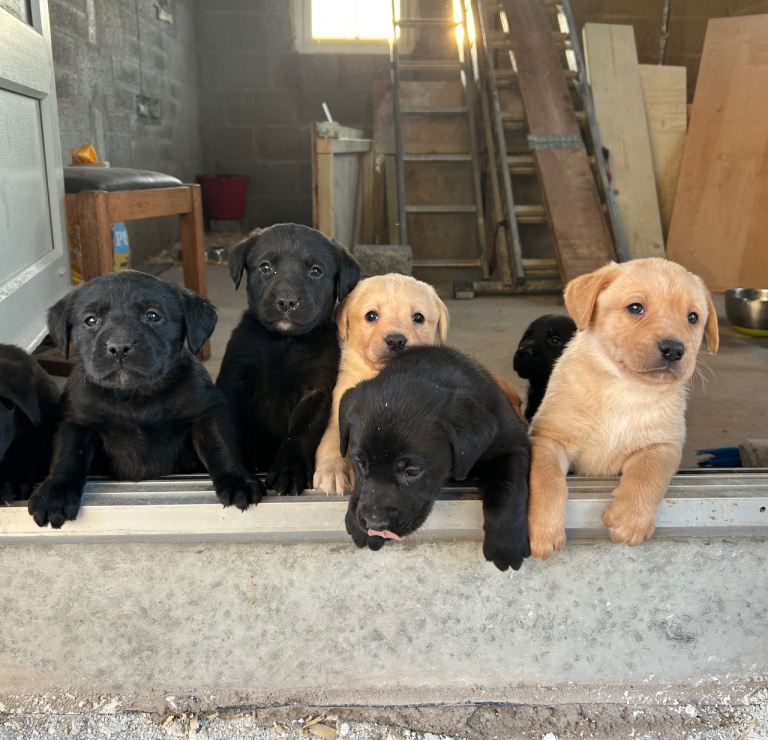
Labrador Puppies for Sale
Age: 4 weeks
Ready to leave: in 4 weeks
Dungannon, County Tyrone
£600
When choosing a rabbit, observe its behaviour. A healthy rabbit should be alert, active, and have bright, clear eyes. Check for signs of illness, such as discharge from the eyes or nose, diarrhoea, or a hunched posture. Ensure the rabbit's coat is clean and free from bald patches or parasites. Consider the rabbit's temperament and whether it suits your lifestyle and experience.
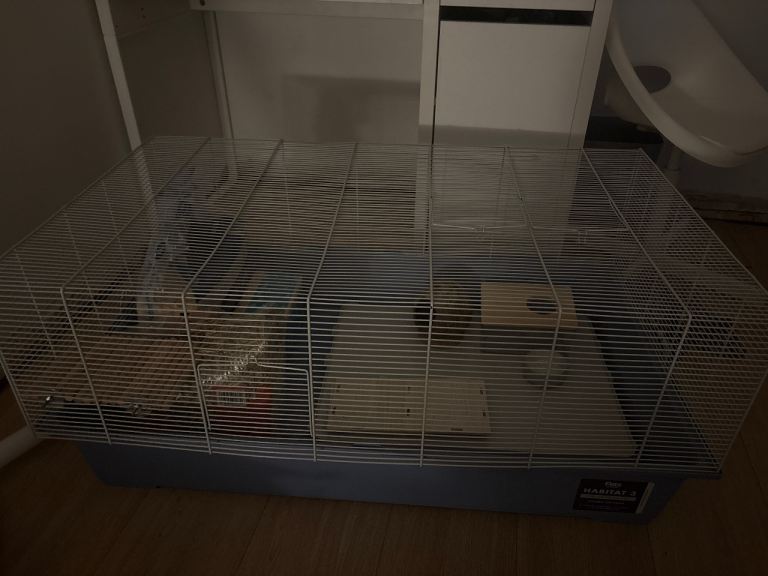
Rabbits require a spacious and secure hutch or indoor enclosure with plenty of room to move around. They need a constant supply of fresh hay, clean water, and a small amount of high-quality rabbit pellets. Regular cleaning of their enclosure is essential to prevent disease. Rabbits also need daily exercise and enrichment, such as toys and tunnels, to keep them mentally and physically stimulated. They also need companionship, so consider getting two rabbits.
Before buying a rabbit, check its teeth to ensure they are not overgrown or misaligned, as this can cause serious health problems. Examine its ears for signs of mites or infection. Gently feel its body to check for any lumps or bumps. Ask the seller about the rabbit's vaccination history and whether it has been treated for parasites. If possible, get the rabbit checked by a vet before finalising the purchase.
In the UK, you are legally responsible for ensuring the welfare of any animal you own. This includes providing adequate food, water, shelter, and veterinary care. It is illegal to abandon an animal or cause it unnecessary suffering. Be aware of the potential costs associated with rabbit ownership, including food, bedding, veterinary bills, and holiday care. Consider pet insurance to help cover unexpected veterinary expenses.
When introducing a new rabbit to existing pets, such as cats or dogs, do so gradually and under supervision. Keep the rabbit in a secure enclosure initially to allow the animals to get used to each other's scent. Never leave a rabbit unsupervised with a predator animal, as this could result in injury or death. Ensure that all pets have separate feeding and sleeping areas to avoid competition and stress.