1
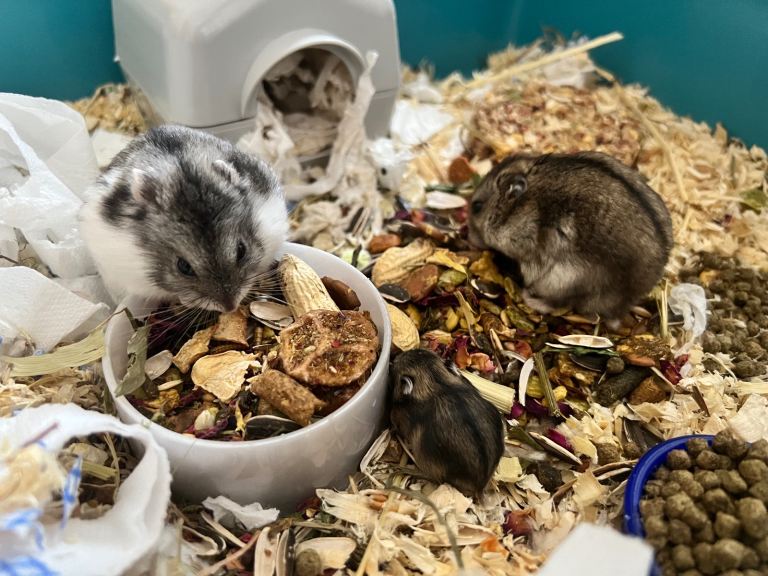
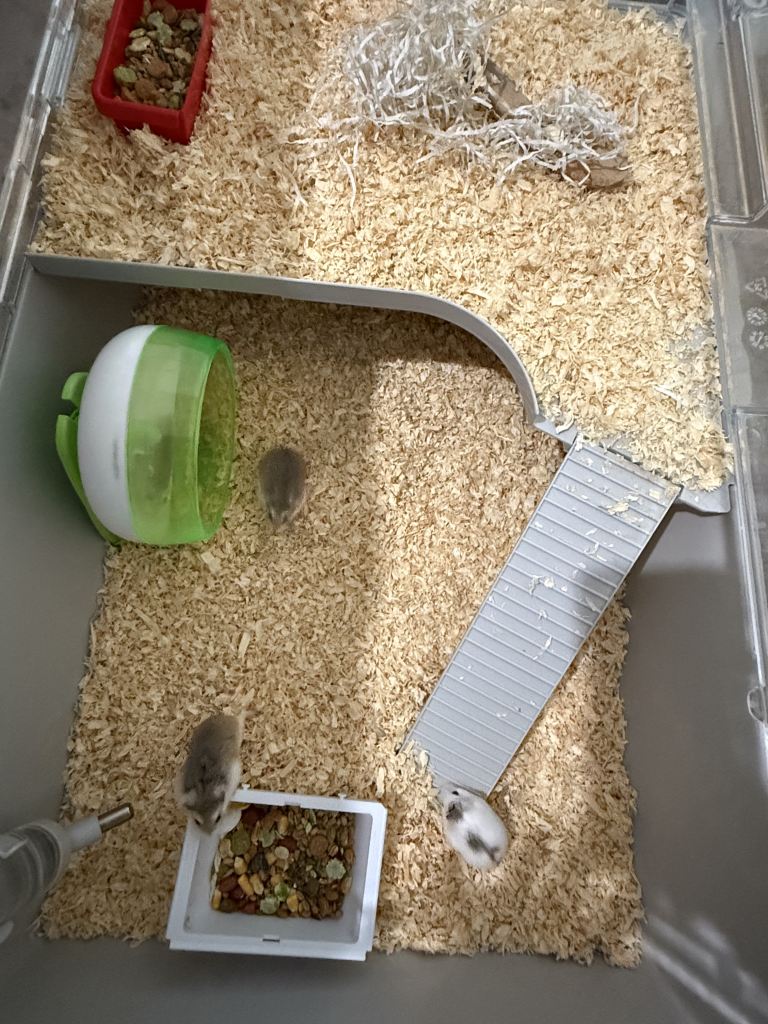
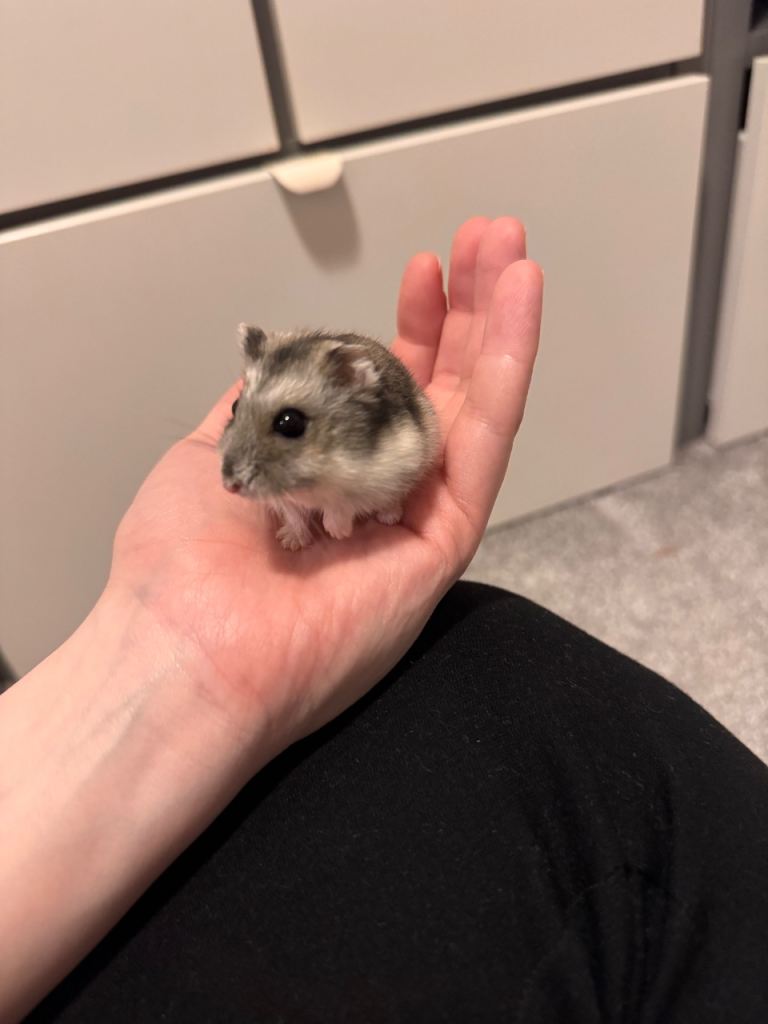
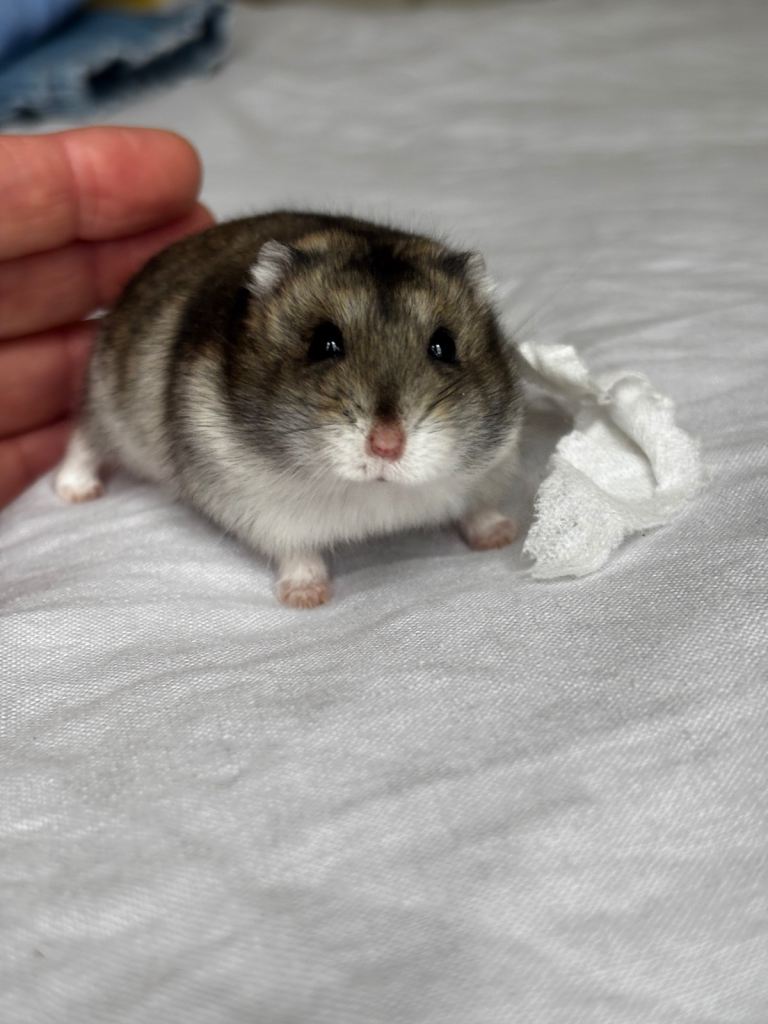
Baby Roborovski Dwarf Hamsters - males and females
Age: 3 months
Ready to leave: Now
Bishopsworth, Bristol
£10
When choosing a dwarf hamster, observe its behaviour. A healthy hamster will be active, curious, and have bright eyes. Check for signs of illness such as a hunched posture, wet tail, or discharge from the eyes or nose. Also, consider the hamster's temperament – some may be more timid than others.
Dwarf hamsters need a cage that is at least 80cm x 50cm x 40cm. While they are small, they are very active and need plenty of space to run, explore, and burrow. A larger cage is always better. Ensure the cage has a solid bottom to protect their feet.
A good quality hamster mix should form the basis of their diet. Supplement this with small amounts of fresh vegetables like broccoli, carrot, and cucumber. Avoid sugary treats, chocolate, and citrus fruits. Always provide fresh water in a bottle or heavy ceramic bowl.
While there aren't specific laws regarding hamster ownership in the UK, you are legally responsible for ensuring the animal's welfare under the Animal Welfare Act 2006. This includes providing a suitable environment, diet, and protection from pain, suffering, injury, and disease. Always research the specific needs of dwarf hamsters before acquiring one.
Common health problems include wet tail (diarrhoea), abscesses, and overgrown teeth. Preventative measures include providing a clean cage, a balanced diet, and regular health checks. If you notice any signs of illness, consult a vet experienced with small animals promptly. Ensure the hamster has access to appropriate chew toys to prevent teeth overgrowth.