11
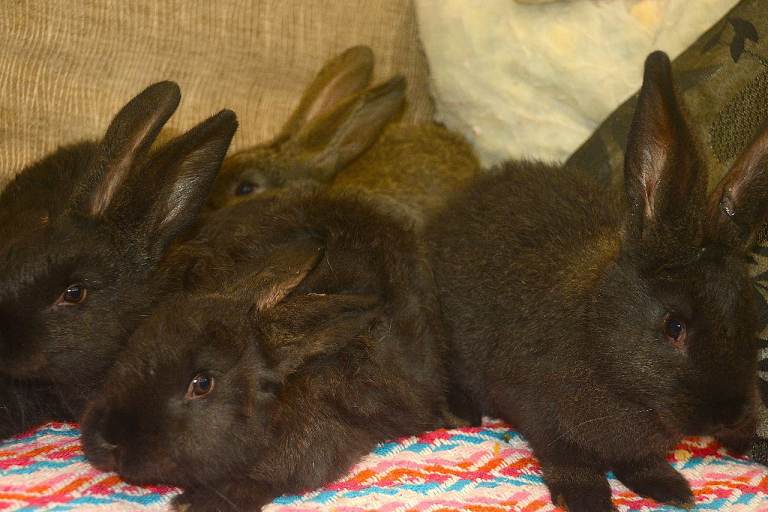
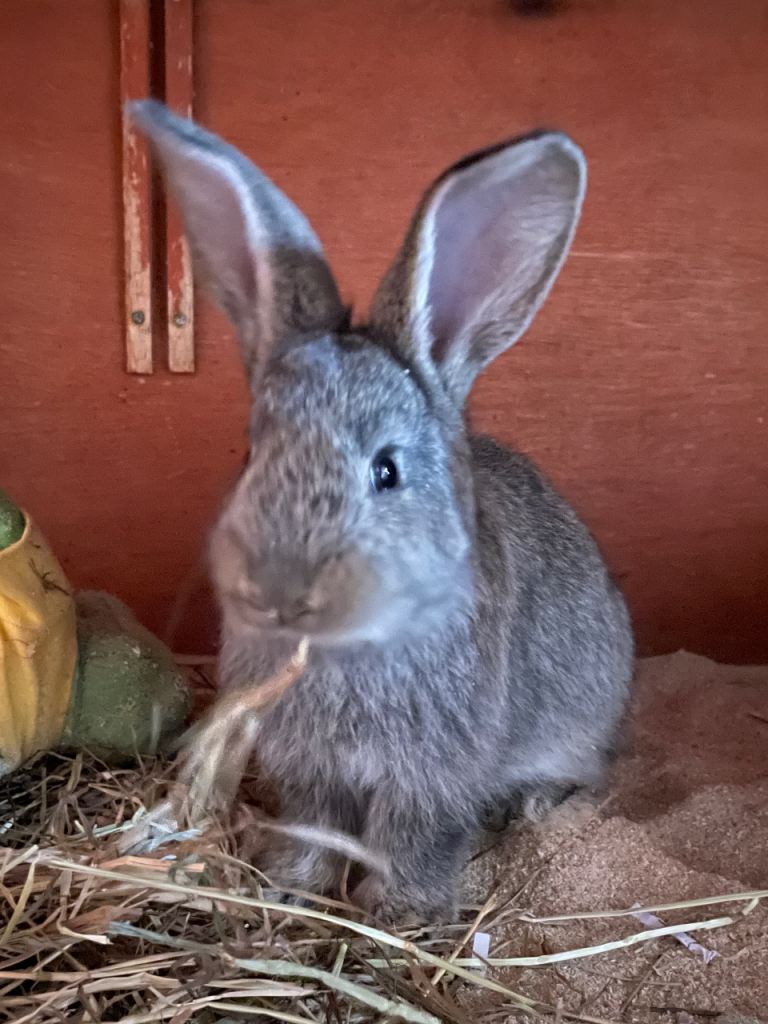
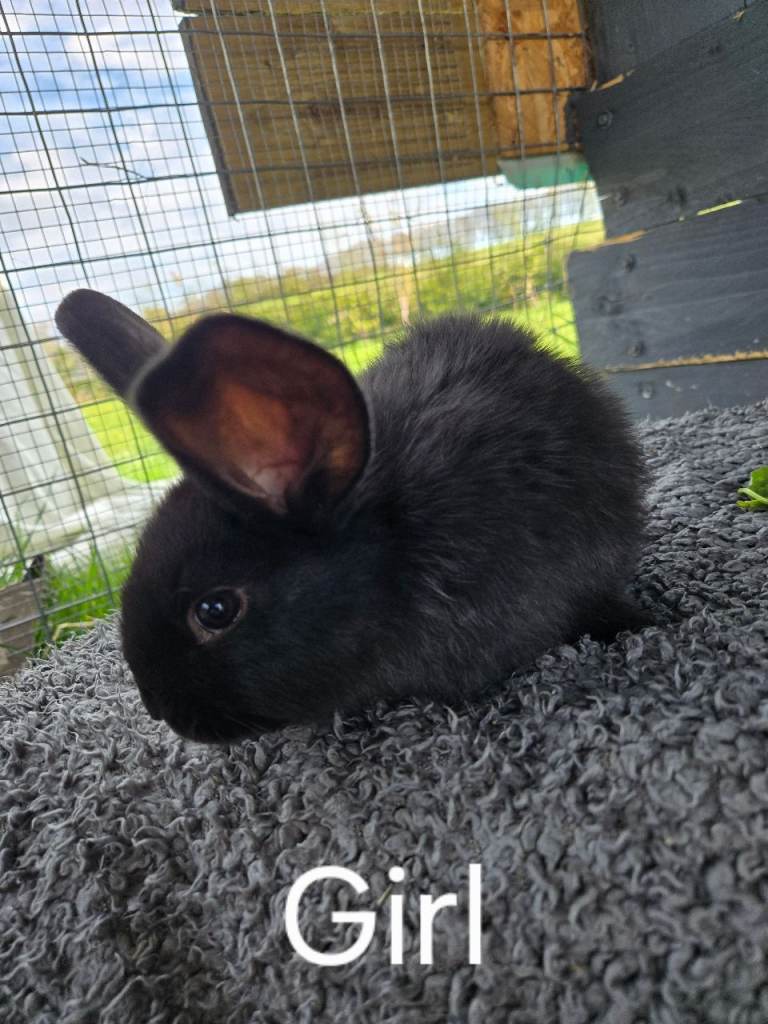
Giant continental X french lops
Age: 5 weeks
Ready to leave: in 3 weeks
Turriff, Aberdeenshire
£80
When choosing a Continental Giant rabbit, consider its temperament, overall health, and lineage. Look for rabbits that are alert, active, and have a clean coat. Check their teeth to ensure they are properly aligned and not overgrown. Ask the seller about the rabbit's history, including its parents' health and any known genetic predispositions. Continental Giants require a lot of space and attention, so ensure you can provide a suitable environment.
Continental Giant rabbits require significantly more space than smaller breeds. A minimum hutch size of 6ft x 2ft x 2ft is recommended for a single rabbit, but ideally, they should have access to a larger run or outdoor space. They need room to hop, stretch, and exhibit natural behaviours. Regular exercise is crucial for their physical and mental well-being.
A Continental Giant rabbit's diet should consist primarily of high-quality hay (around 80%), supplemented with fresh vegetables and a small amount of rabbit pellets. Hay is essential for their digestive health and helps wear down their teeth. Avoid sugary treats and excessive amounts of fruit. Fresh water should always be available.
Continental Giant rabbits are prone to certain health issues, including dental problems (malocclusion), ear infections, and sore hocks (ulcerated feet). Regular veterinary check-ups are essential for early detection and treatment. Ensure their living environment is clean and dry to prevent infections. Be aware of signs of illness, such as loss of appetite, lethargy, or changes in droppings.
Under the Animal Welfare Act 2006, you have a legal duty to ensure your rabbit's needs are met. This includes providing a suitable environment, a healthy diet, the ability to exhibit normal behaviour, appropriate company (if applicable), and protection from pain, suffering, injury, and disease. It's also important to check local council regulations regarding pet ownership, as some areas may have specific requirements.