2
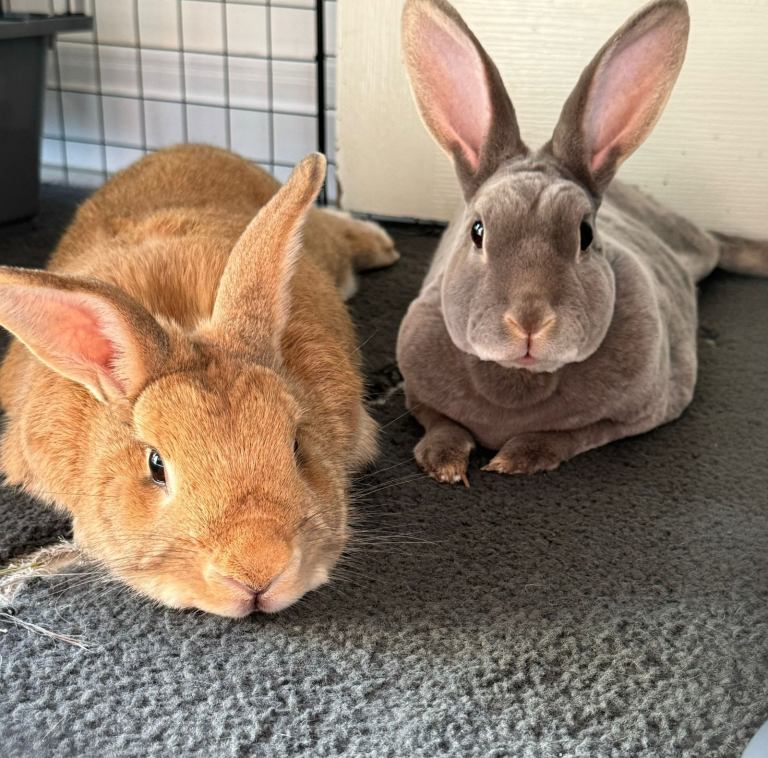
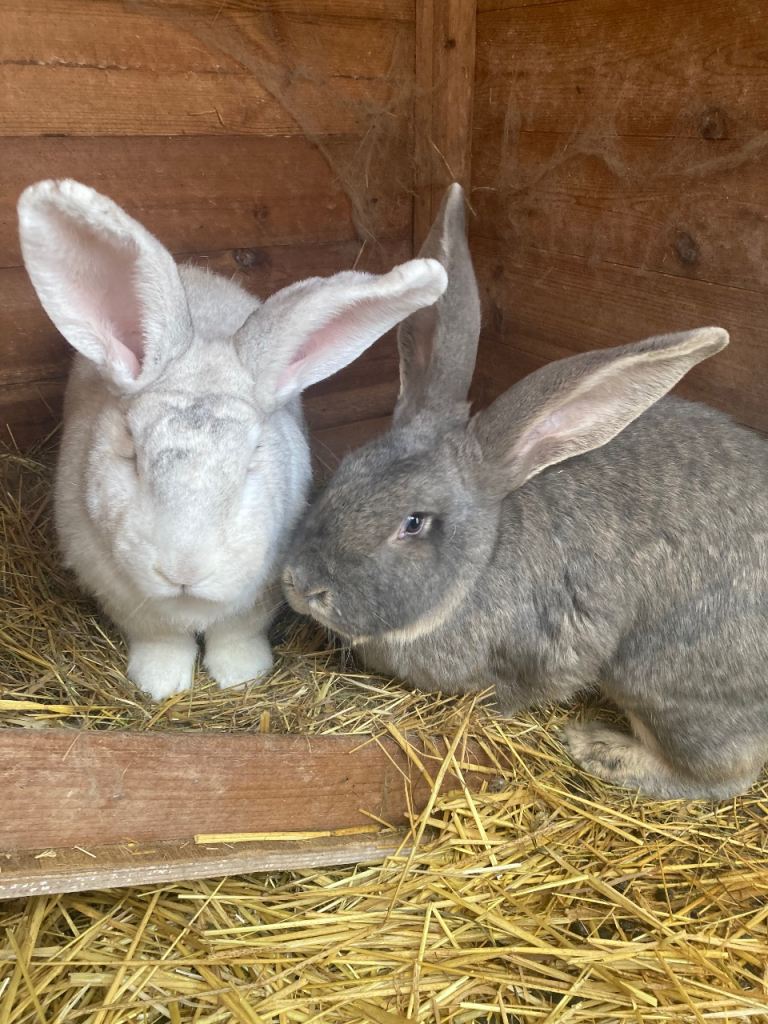
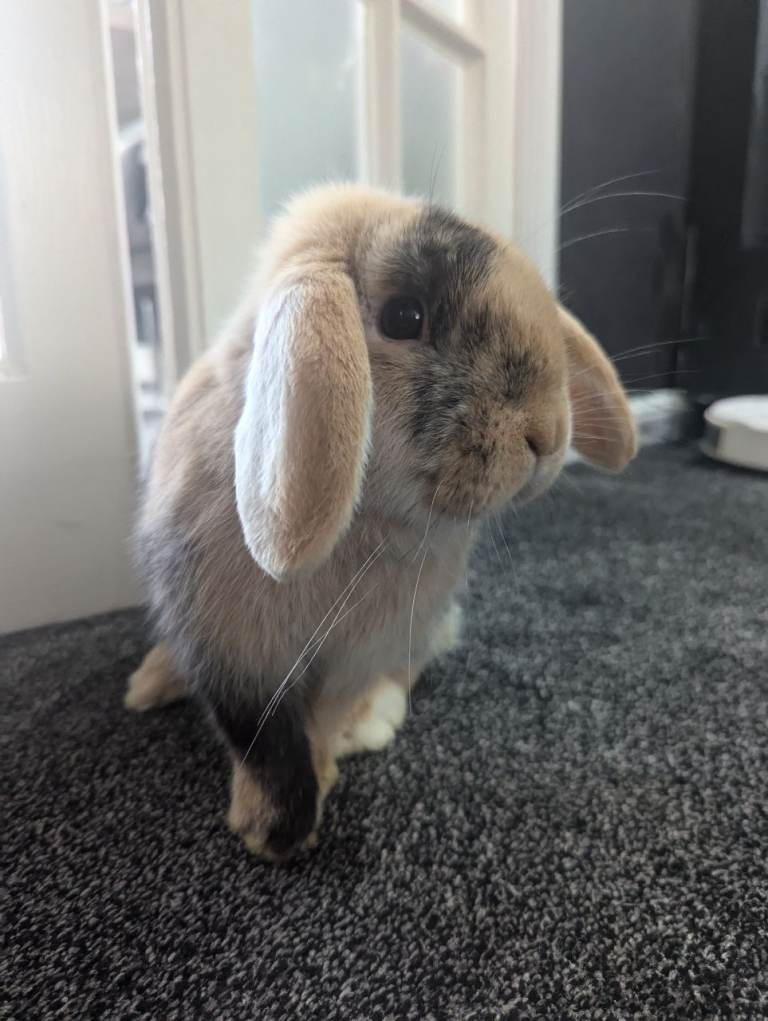
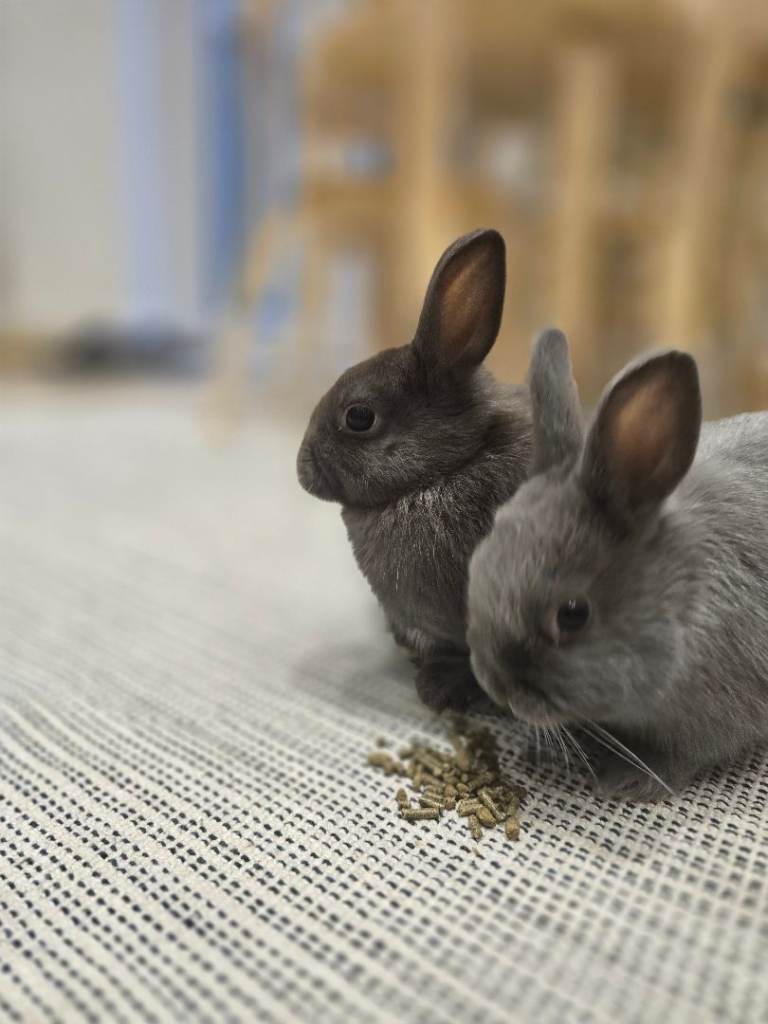
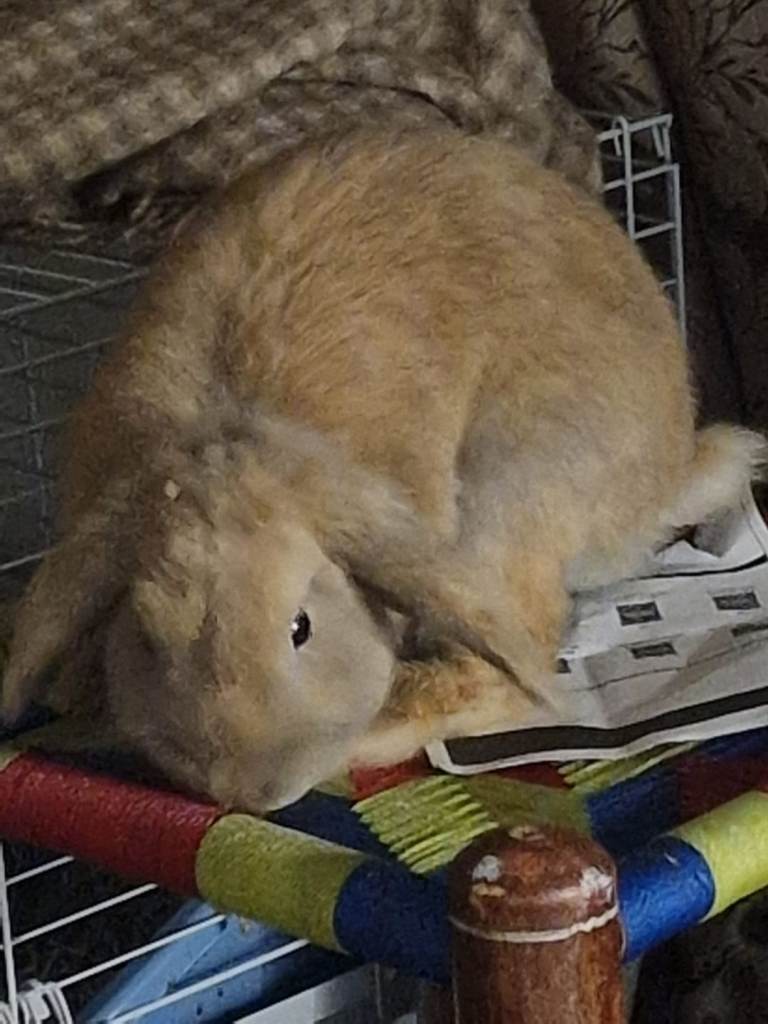
Cute Lovely Rabbit Looking For New Home
Age: 13 months
Ready to leave: Now
East London, London
£35
When choosing a rabbit, look for signs of good health. These include bright, clear eyes, a clean nose and ears, and a healthy coat. The rabbit should be alert and active, and its droppings should be firm and well-formed. Avoid rabbits that appear lethargic, have discharge from their eyes or nose, or show signs of diarrhoea.
Rabbits need a spacious and secure hutch or indoor cage. The hutch should be large enough for the rabbit to stand up, stretch out, and hop around comfortably. It should also provide protection from the elements and predators. The floor of the hutch should be solid and covered with a thick layer of bedding, such as straw or hay. Rabbits also need access to a secure outdoor run for exercise.
A rabbit's diet should consist mainly of hay (around 80-90%), which is essential for their dental and digestive health. They also need a small amount of high-quality rabbit pellets (around 5% of their diet), fresh leafy greens (around 10-15% of their diet), and access to fresh water at all times. Avoid giving rabbits sugary treats, such as fruit, as these can lead to health problems.
Common health problems in rabbits include dental problems, gut stasis, and flystrike. To prevent dental problems, ensure your rabbit has access to plenty of hay to wear down their teeth. Gut stasis can be prevented by providing a high-fibre diet and ensuring your rabbit is eating and drinking regularly. Flystrike can be prevented by keeping the rabbit's hutch clean and dry, and checking the rabbit regularly for signs of fly eggs or maggots, especially during the summer months. Regular veterinary check-ups are also important.
In the UK, you are legally responsible for ensuring the welfare of any animal in your care, including rabbits. This includes providing them with a suitable environment, a healthy diet, and protection from pain, suffering, injury, and disease. You must also ensure that they are able to exhibit their natural behaviours. Neglecting or mistreating a rabbit can result in prosecution under the Animal Welfare Act 2006.