6
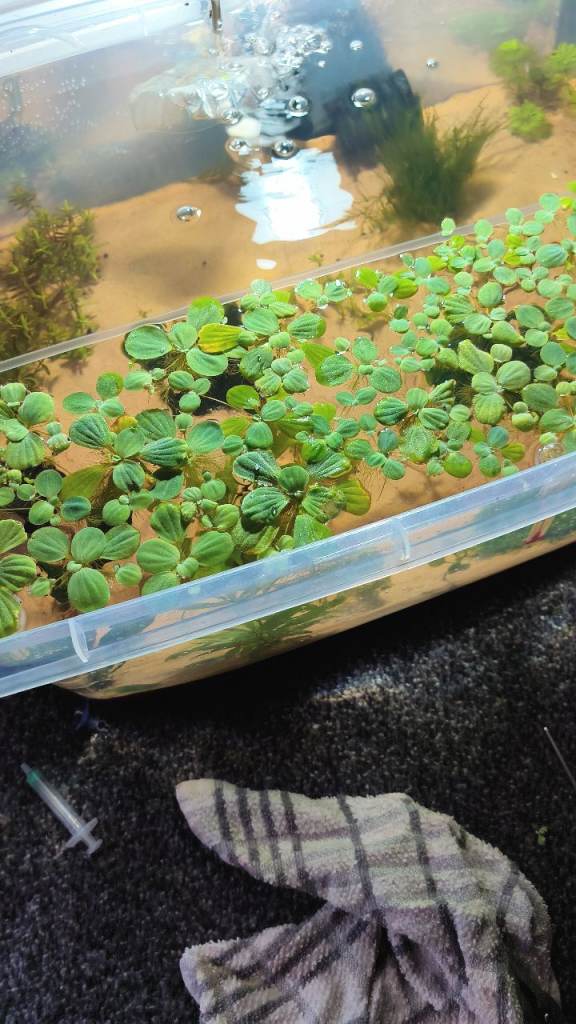
Beautiful rare dwarf parrot fish polar blues and whites
Age: 11 months
Ready to leave: Now
Ivybridge, Devon
£5
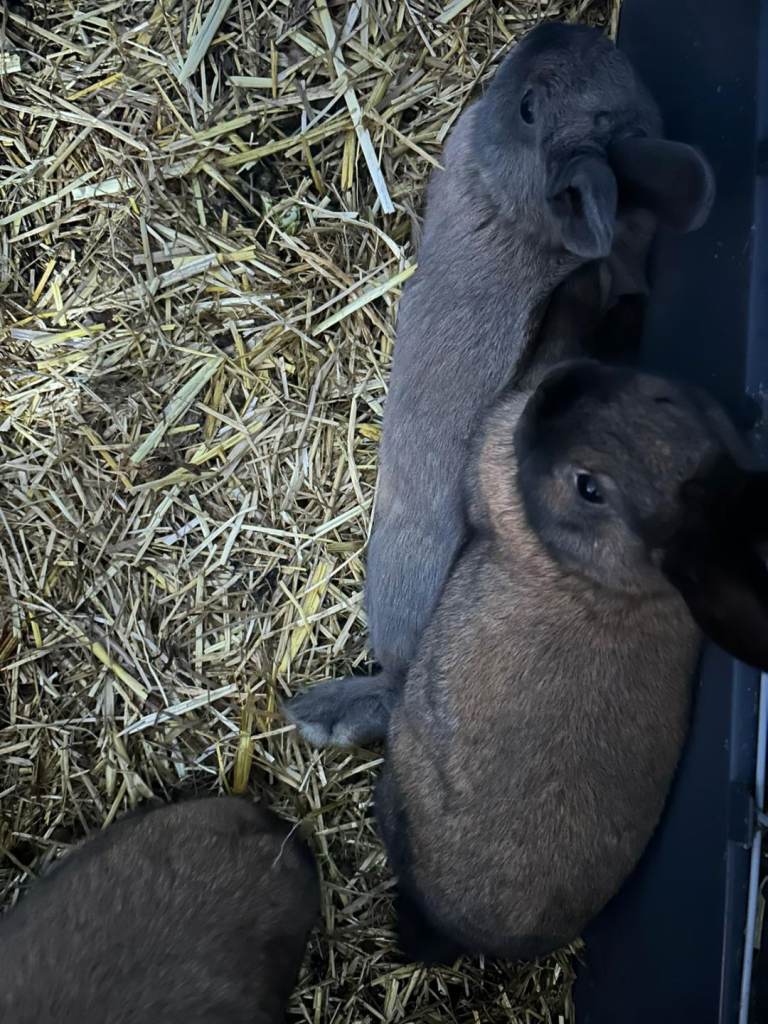
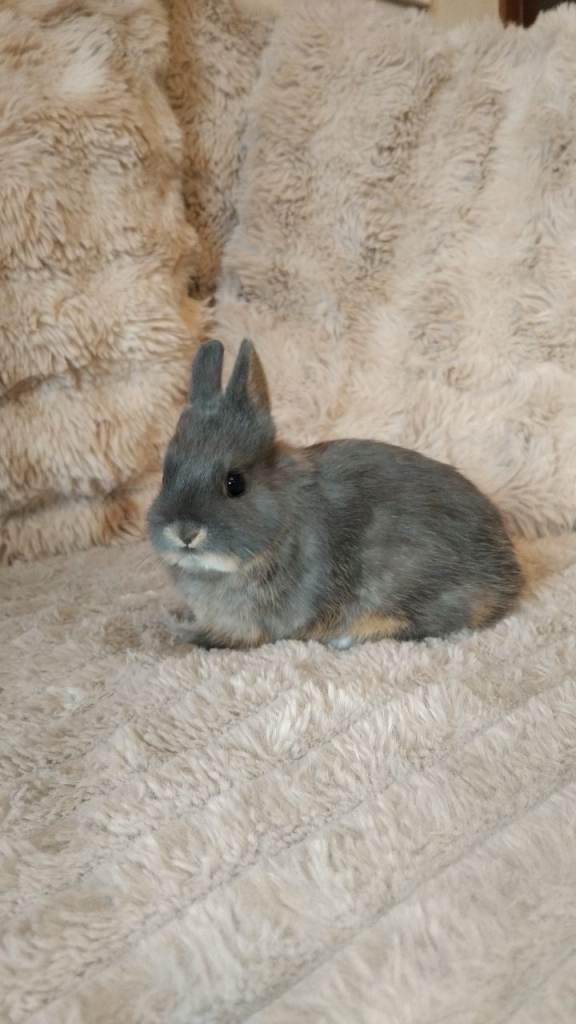
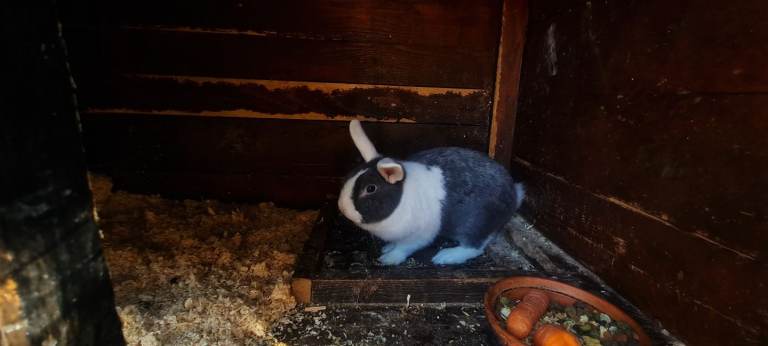
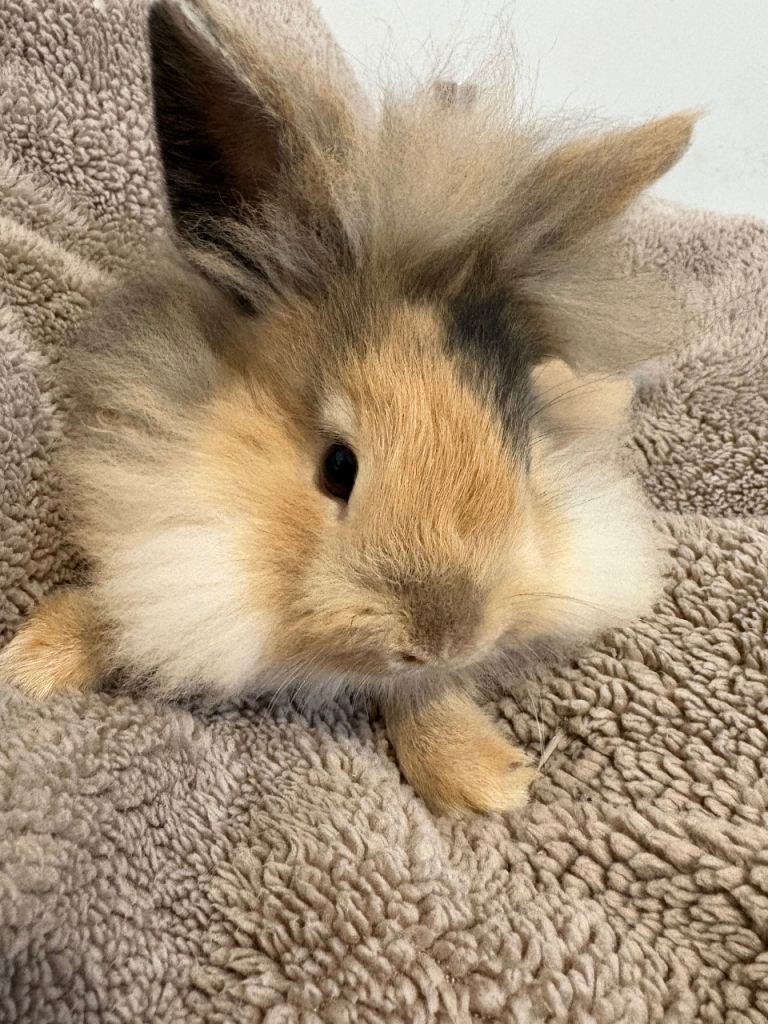
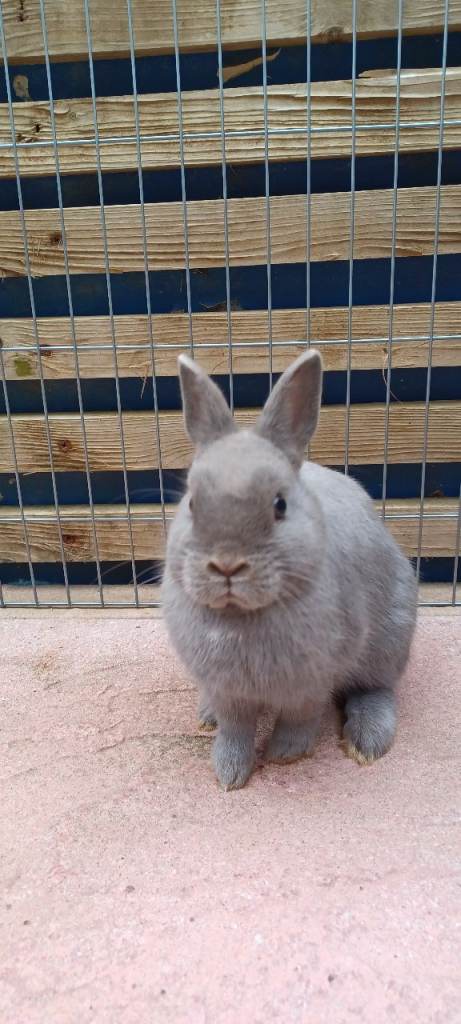
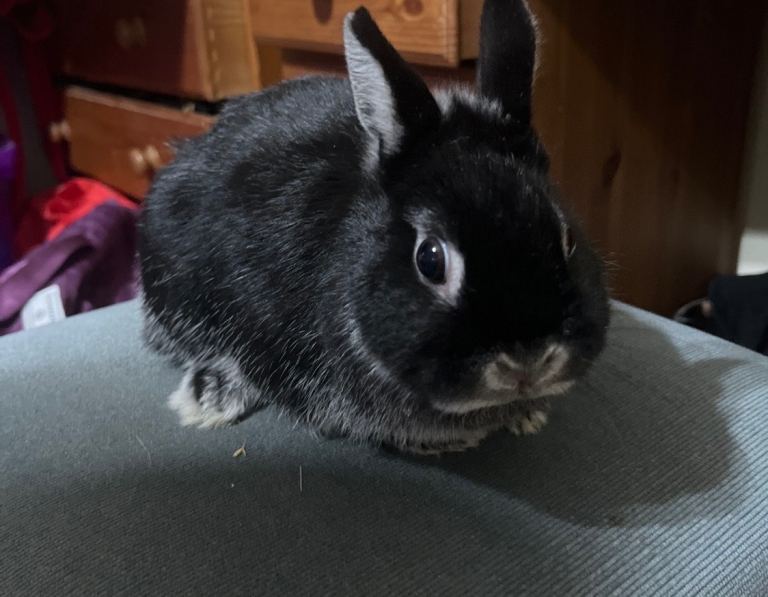
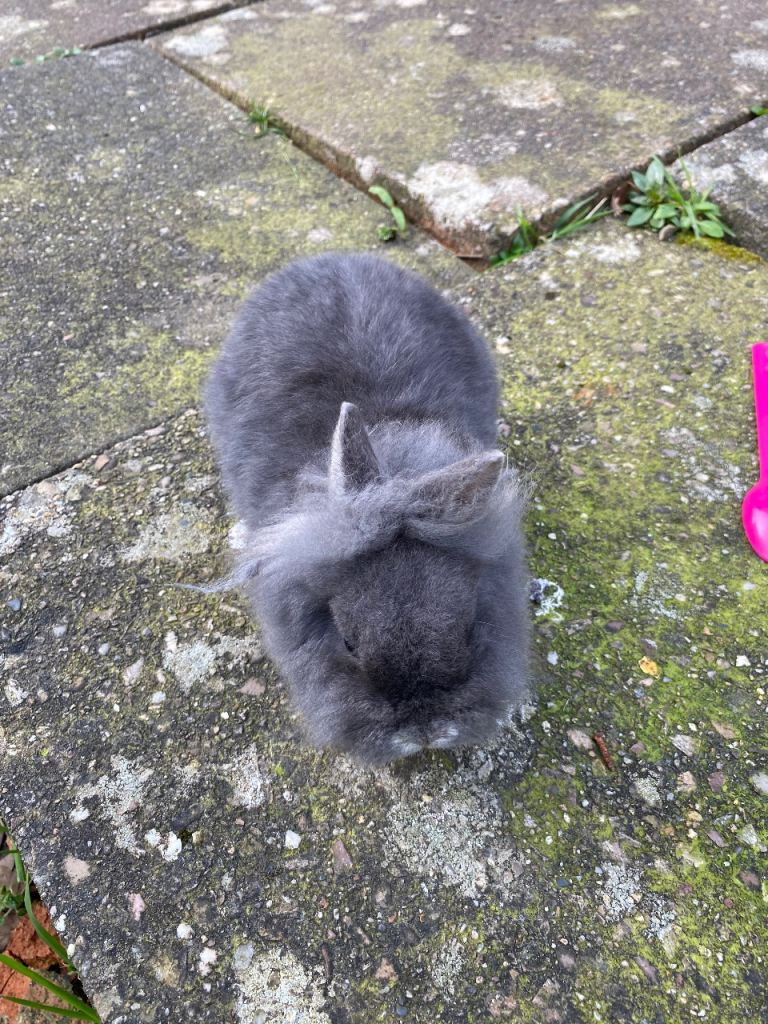
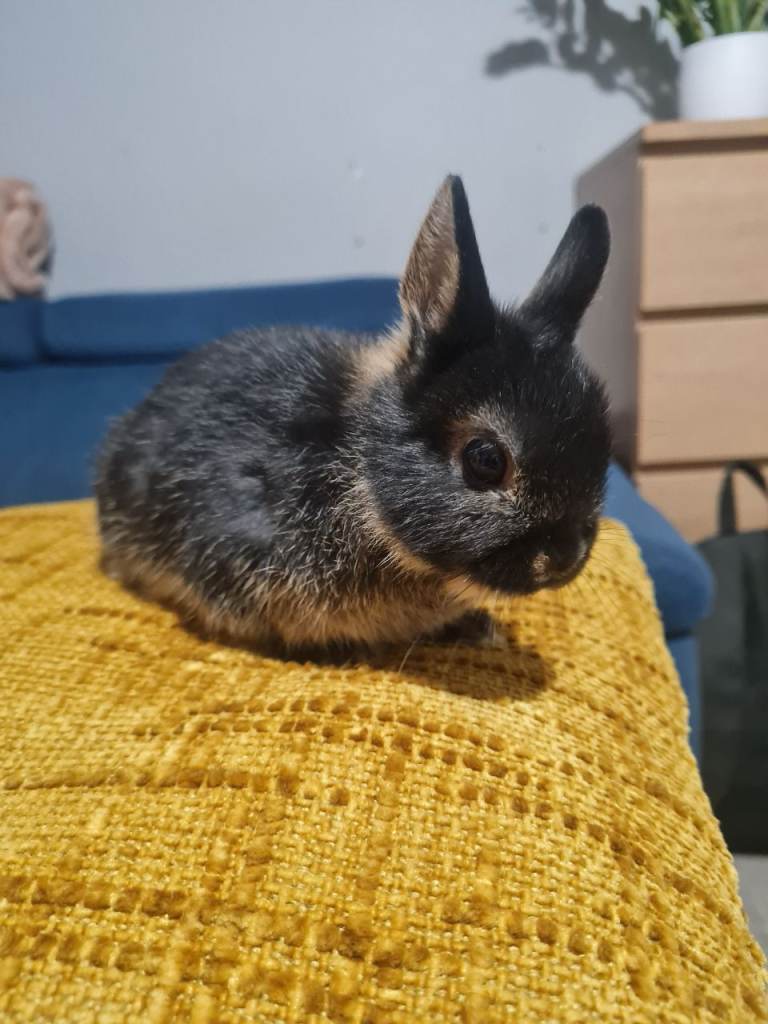
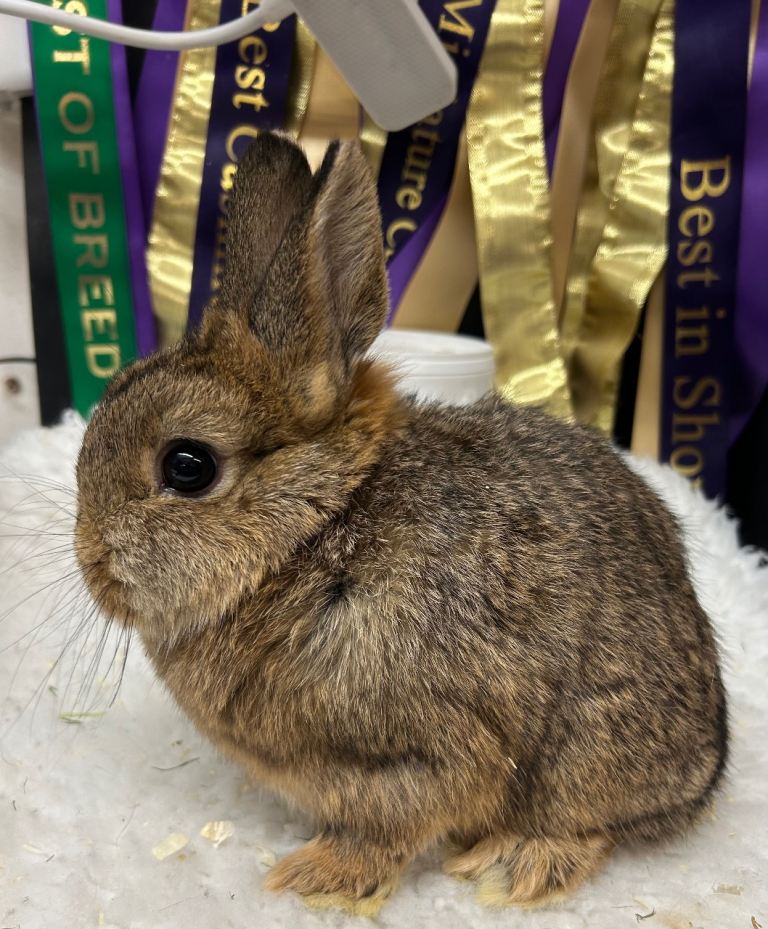
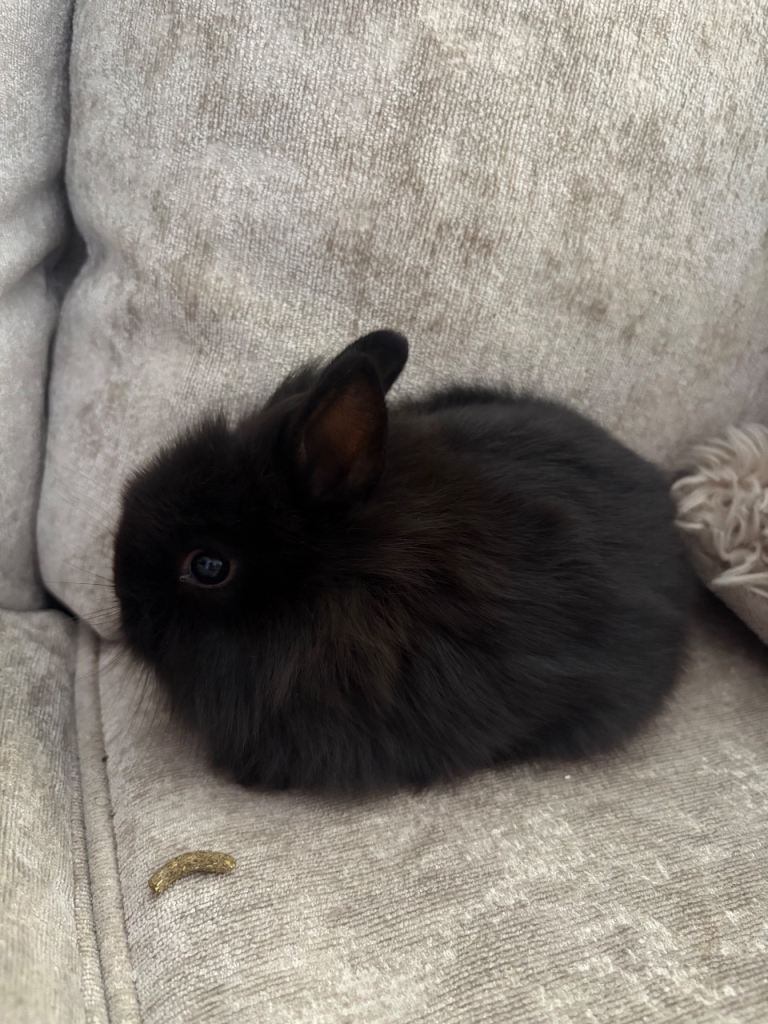
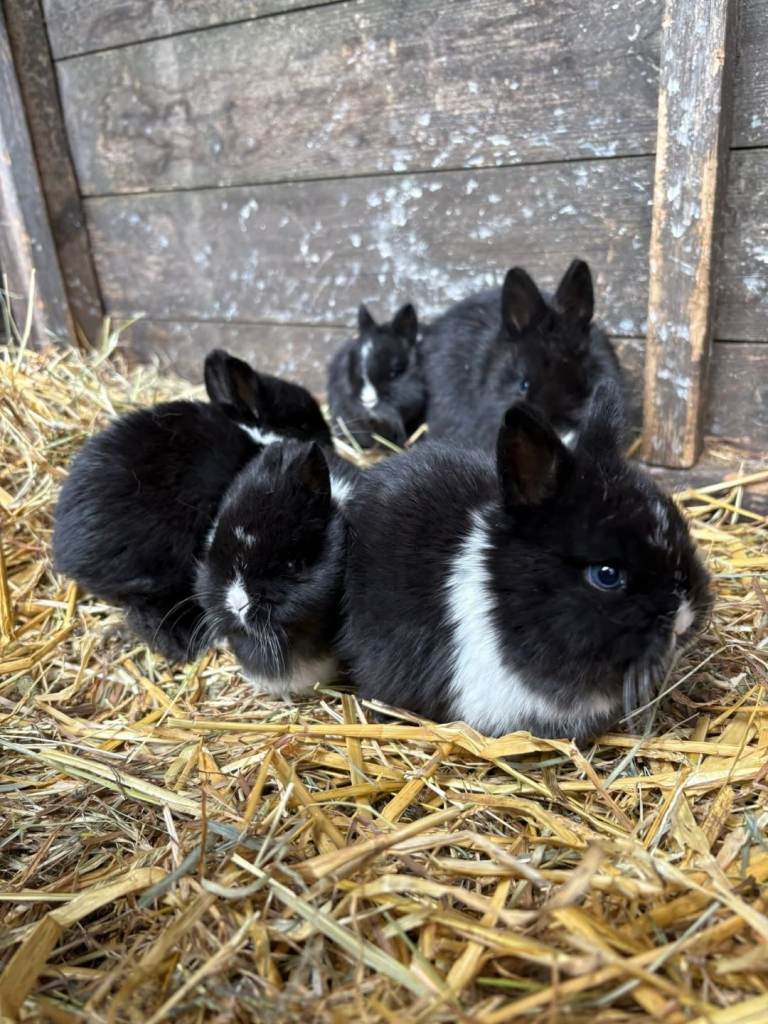
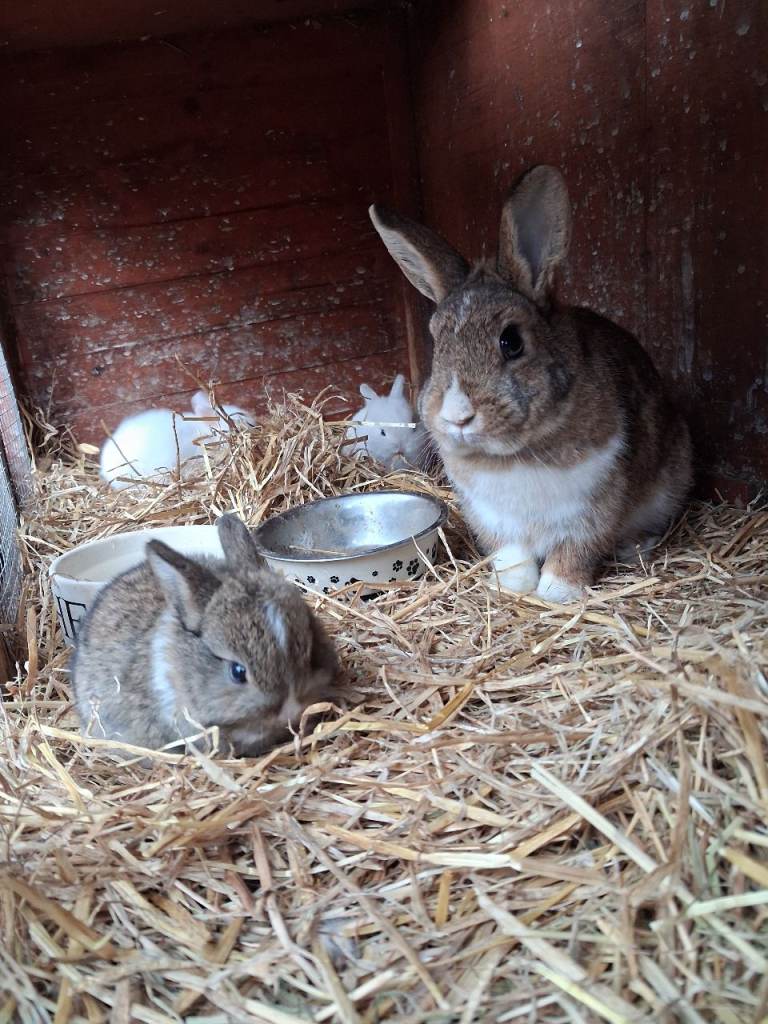
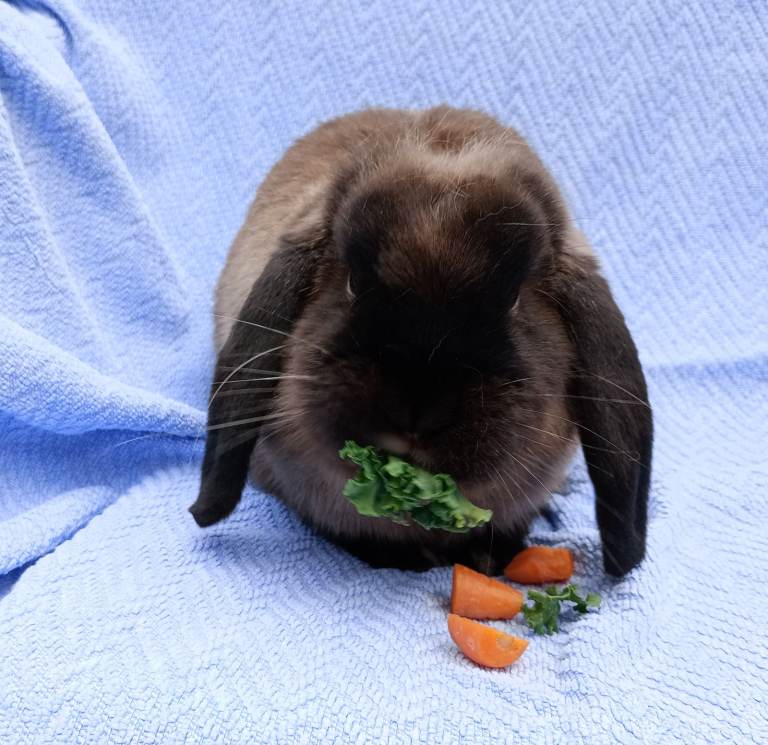
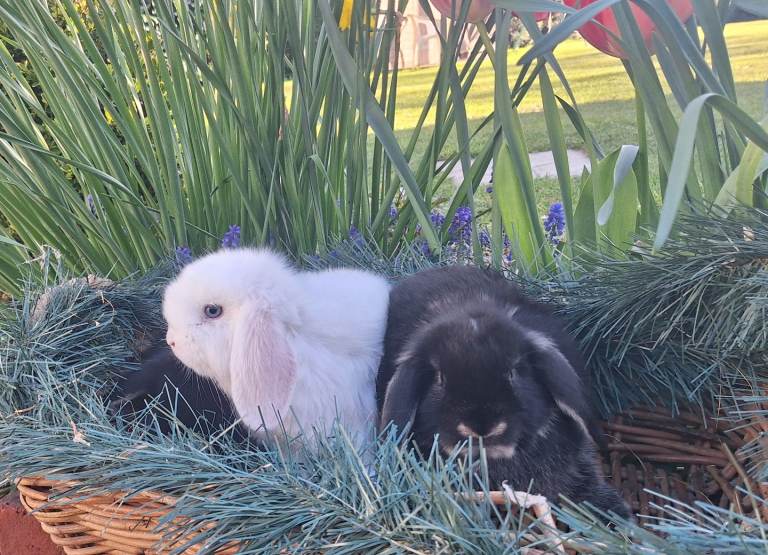
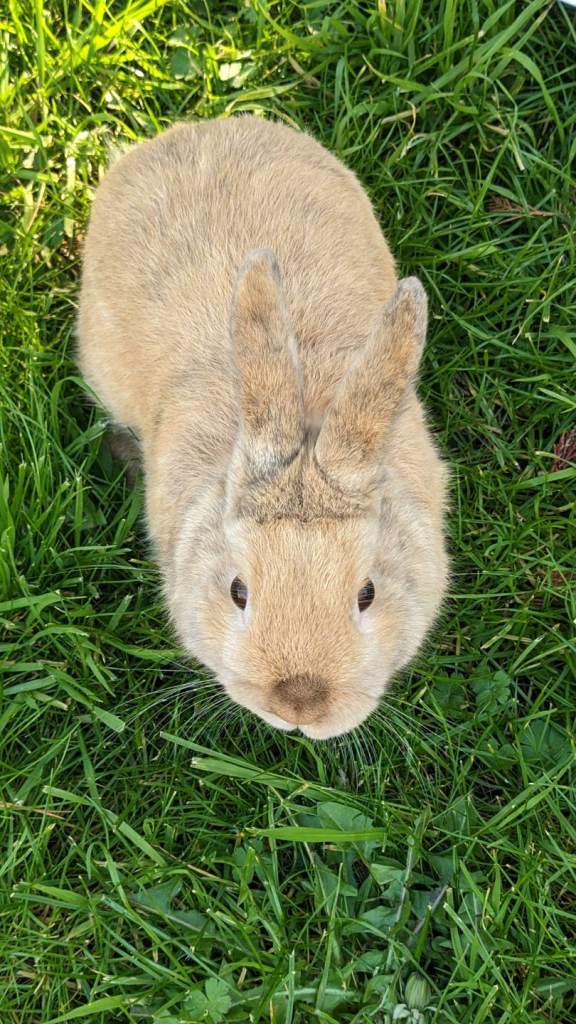
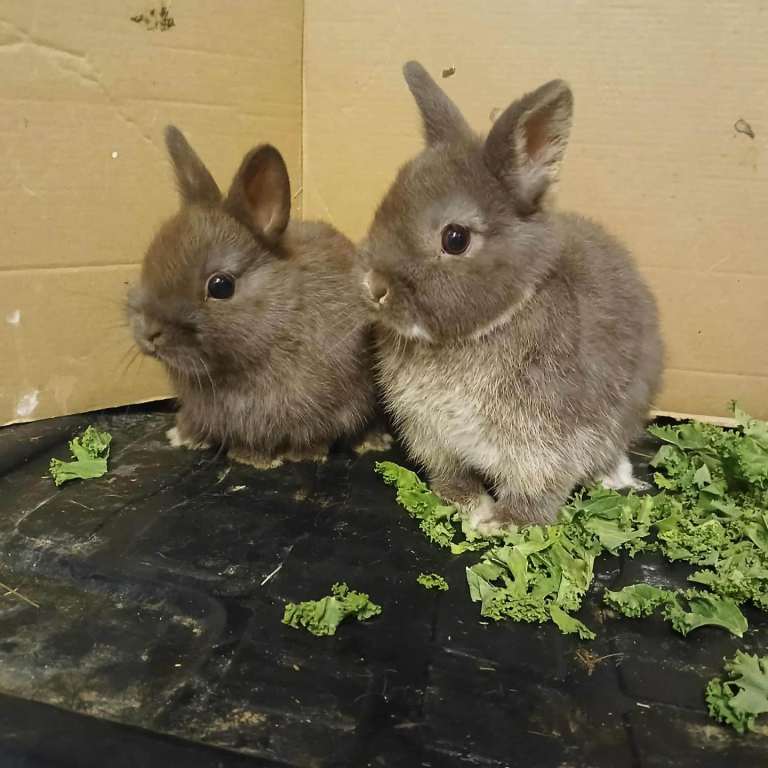
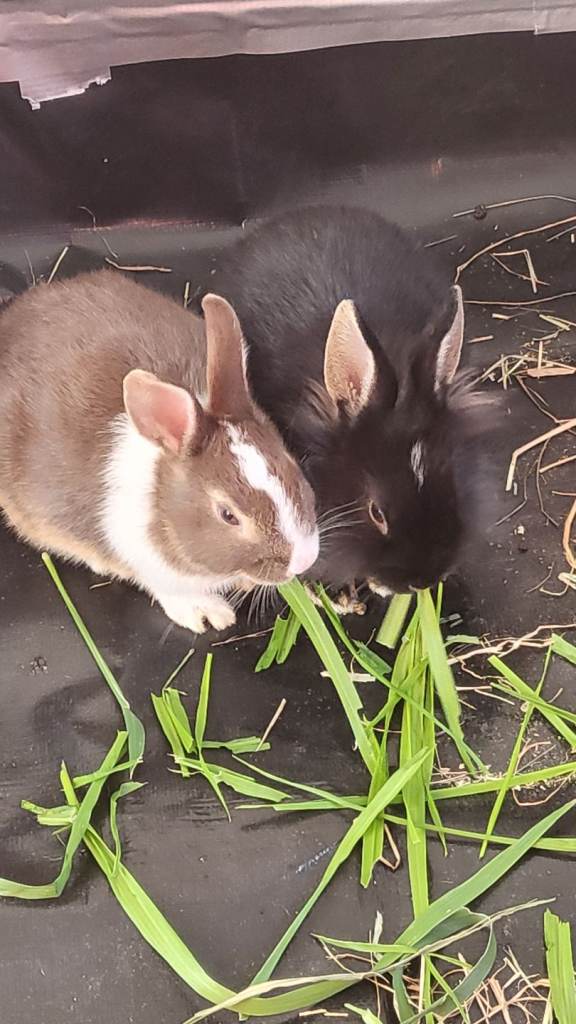
When selecting a dwarf rabbit, observe its behaviour. A healthy rabbit should be alert, active, and have bright, clear eyes. Check for any signs of illness such as discharge from the eyes or nose, laboured breathing, or a hunched posture. Ensure the rabbit's coat is clean and well-groomed, free from mats or bald patches. Also, ask the seller about the rabbit's age, breed, and any known health issues.
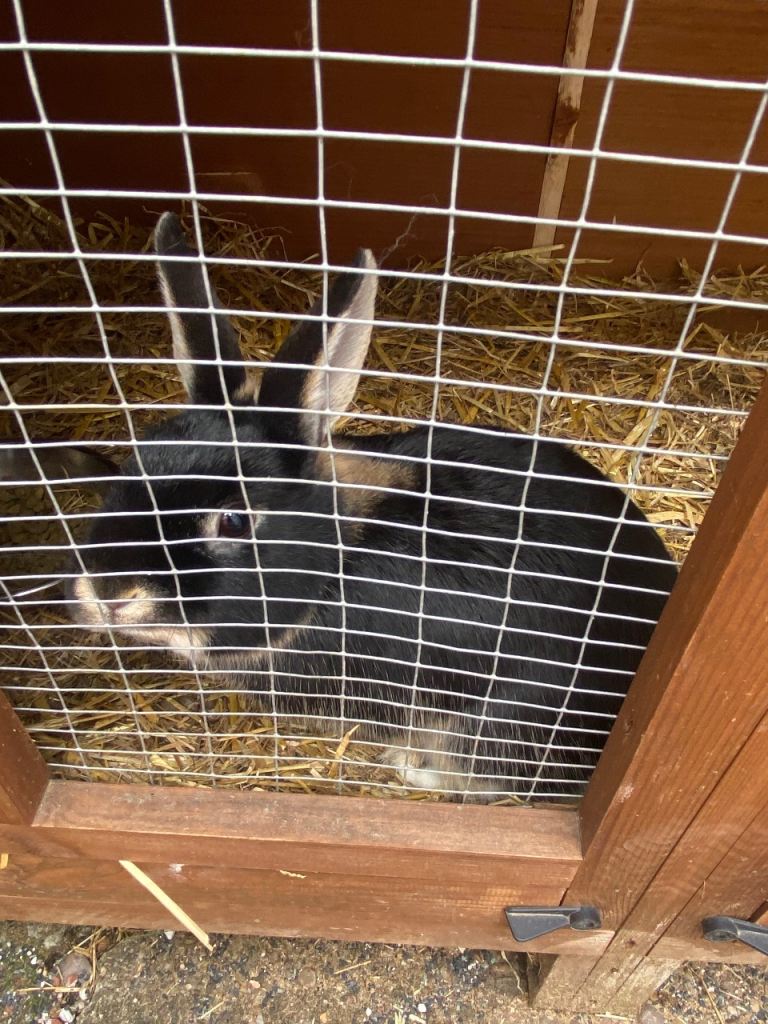
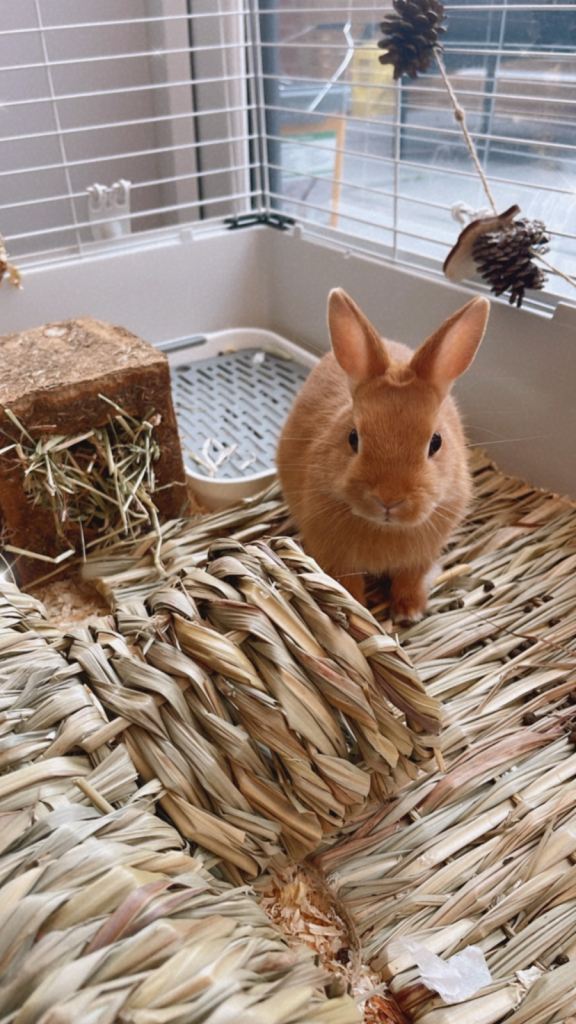
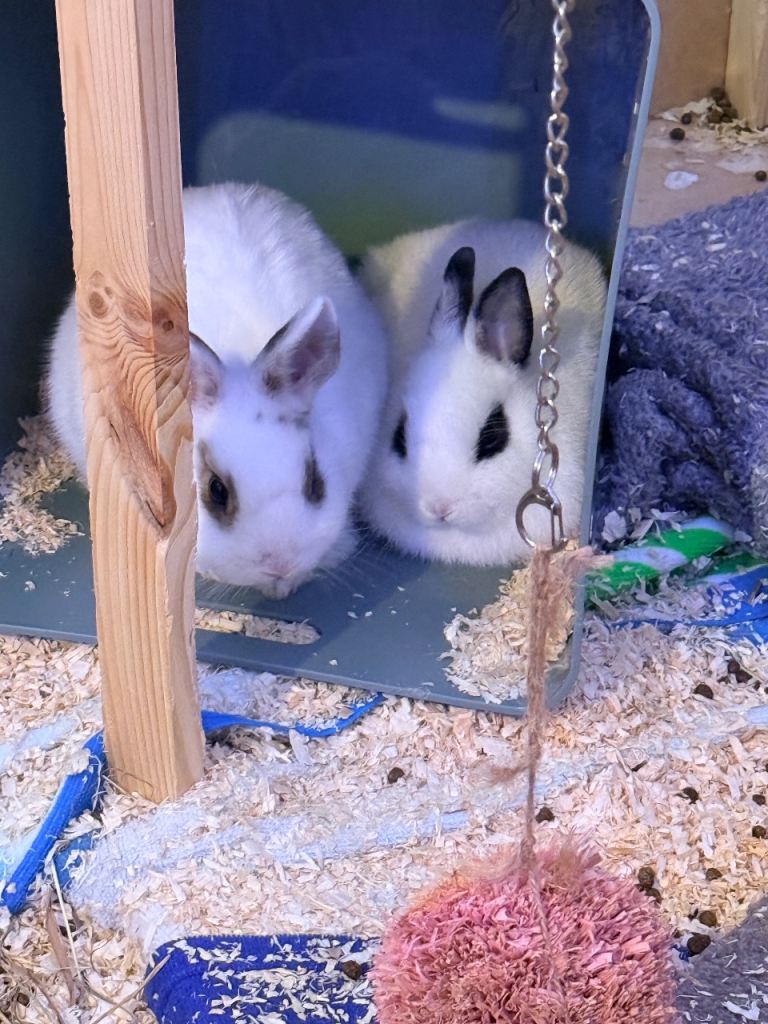
Dwarf rabbits require a spacious hutch or cage with a solid floor, lined with absorbent bedding. They need daily access to fresh hay, such as Timothy hay, as it's crucial for their digestive health. Provide fresh water at all times, ideally in a bottle and a bowl. Supplement their diet with a small amount of rabbit pellets and fresh greens. Regular cleaning of the hutch is essential to prevent health problems. Dwarf rabbits also need daily exercise outside their hutch in a safe, enclosed area.
Dwarf rabbits are prone to certain health issues, including dental problems due to their small jaws, overgrown nails, and ear infections. They can also be susceptible to flystrike, especially during warmer months, so regular checks and preventative measures are crucial. It's important to find a vet experienced with rabbits and schedule regular check-ups. Vaccination against Rabbit Viral Haemorrhagic Disease (RVHD1 and RVHD2) and Myxomatosis is highly recommended in the UK.
Under the Animal Welfare Act 2006, as a pet owner in the UK, you have a legal duty to ensure your rabbit's welfare needs are met. This includes providing a suitable environment, a healthy diet, the ability to exhibit normal behaviour, appropriate company, and protection from pain, suffering, injury, and disease. Selling rabbits under the age of 8 weeks is generally discouraged and may be illegal in some circumstances, so always check the age of the rabbit before purchasing.
Introducing a dwarf rabbit to other pets, such as cats or dogs, should be done gradually and under supervision. Start by allowing them to get used to each other's scent through a barrier. When they are together, ensure the rabbit has a safe space to retreat to, such as its hutch. Never leave a rabbit unsupervised with a dog or cat, especially if they have a strong prey drive. Monitor their interactions closely and separate them if there are any signs of aggression or stress from either animal.