9
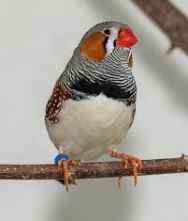
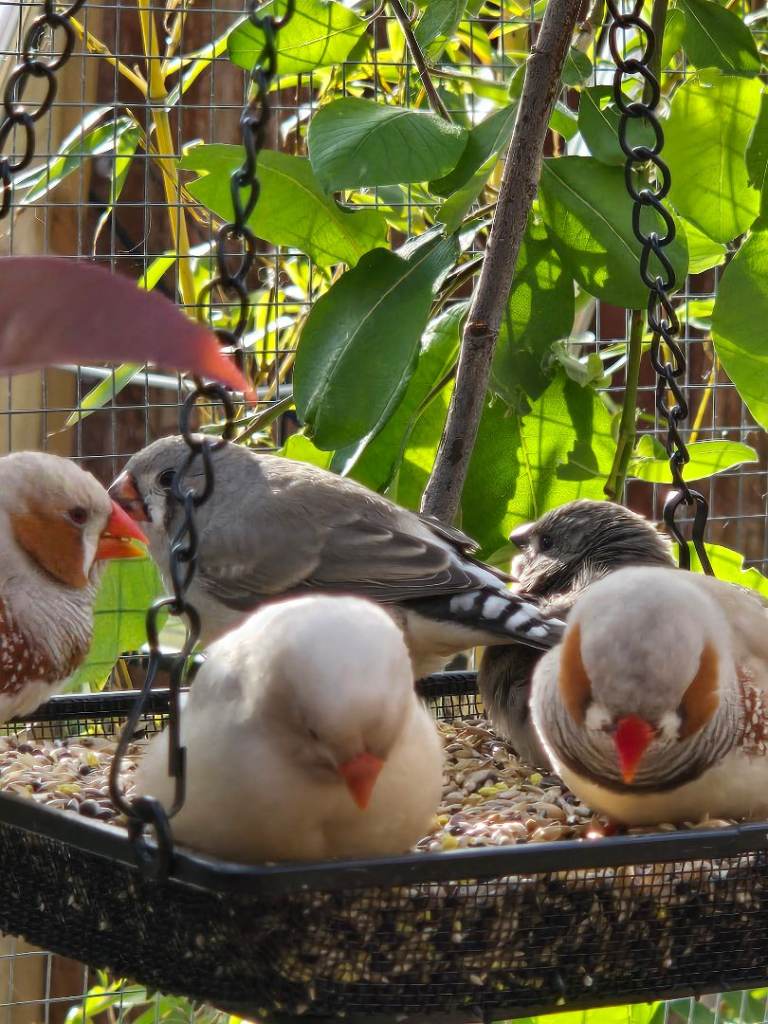
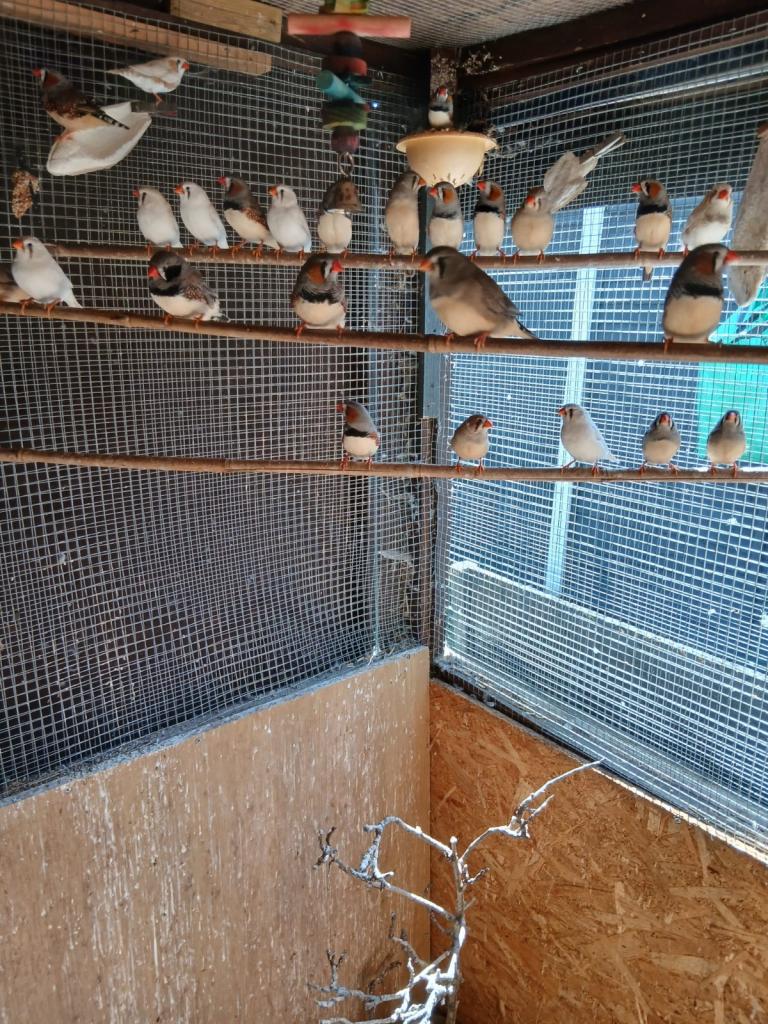
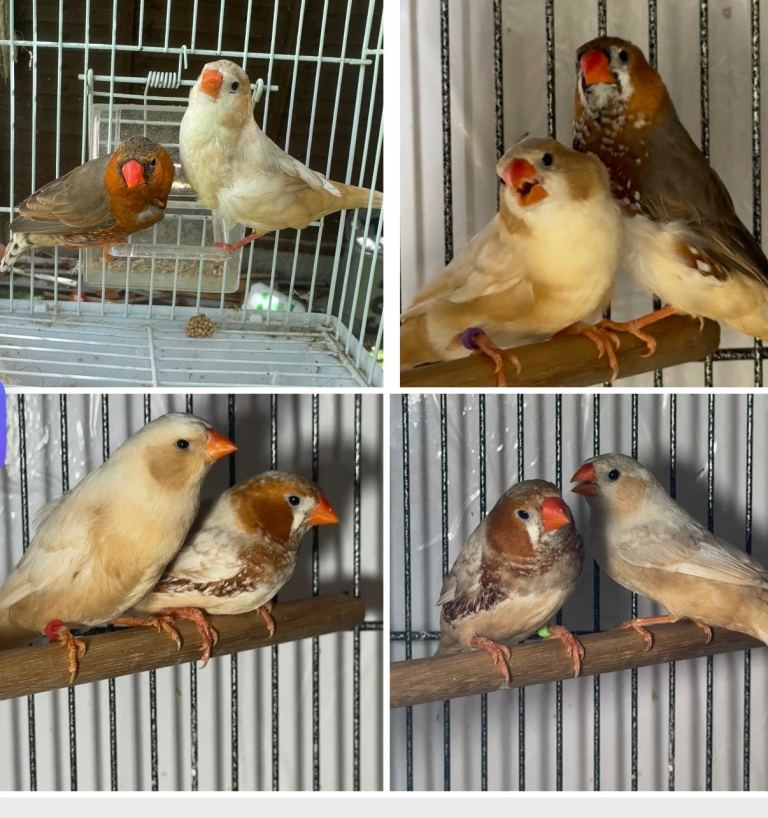
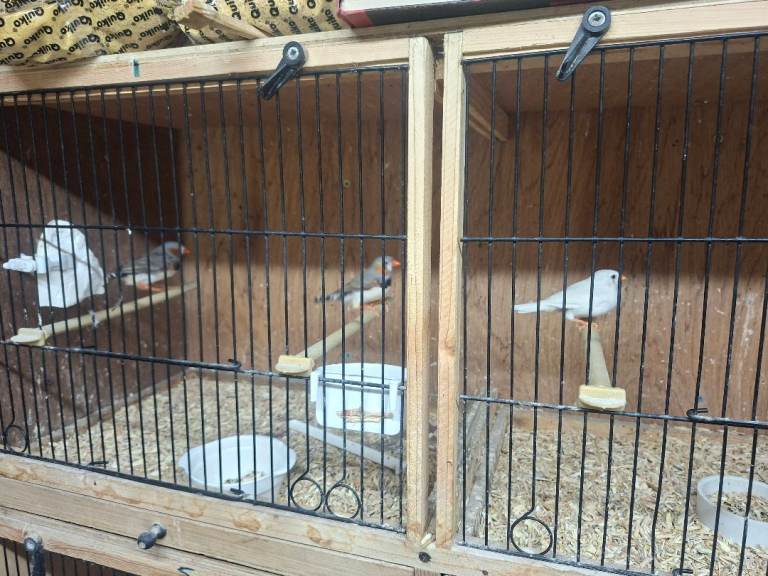
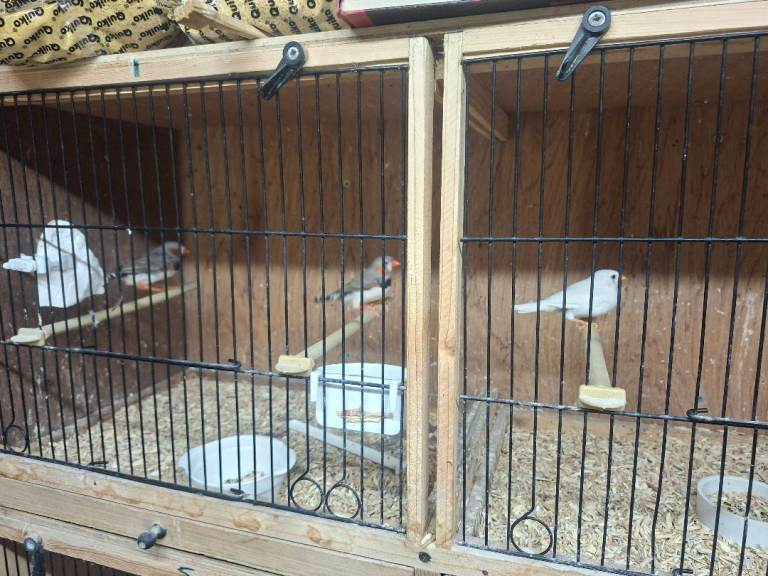
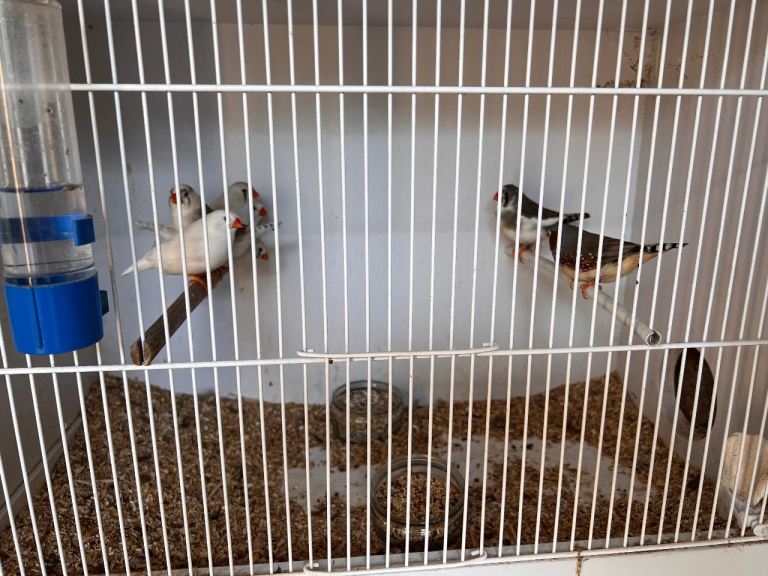
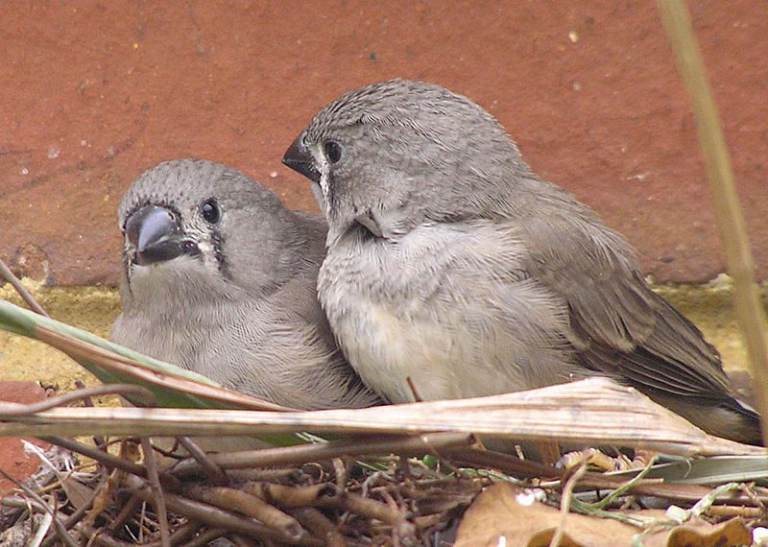
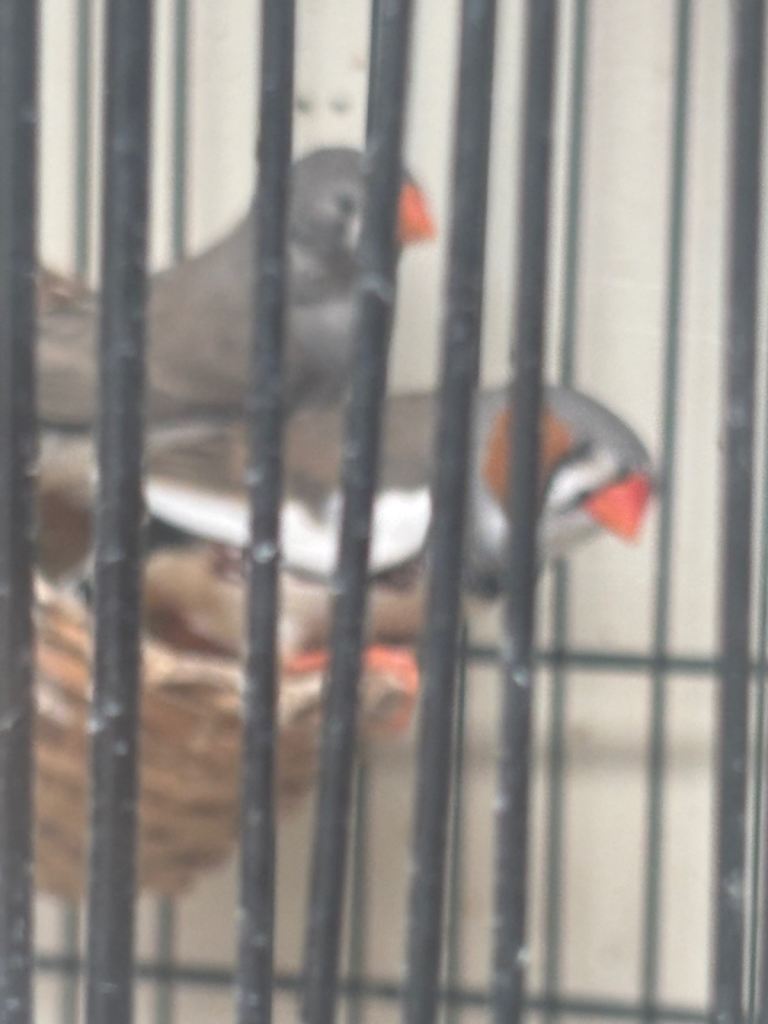
Zebra finches
Age: 14 months
Ready to leave: Now
Small Heath, West Midlands
£10
When selecting a finch, observe its behaviour. A healthy finch will be active and alert, with bright eyes and clean feathers. Check for signs of illness such as ruffled feathers, lethargy, discharge from the eyes or nostrils, and laboured breathing. Also, inspect the vent area for any signs of staining which could indicate diarrhoea.
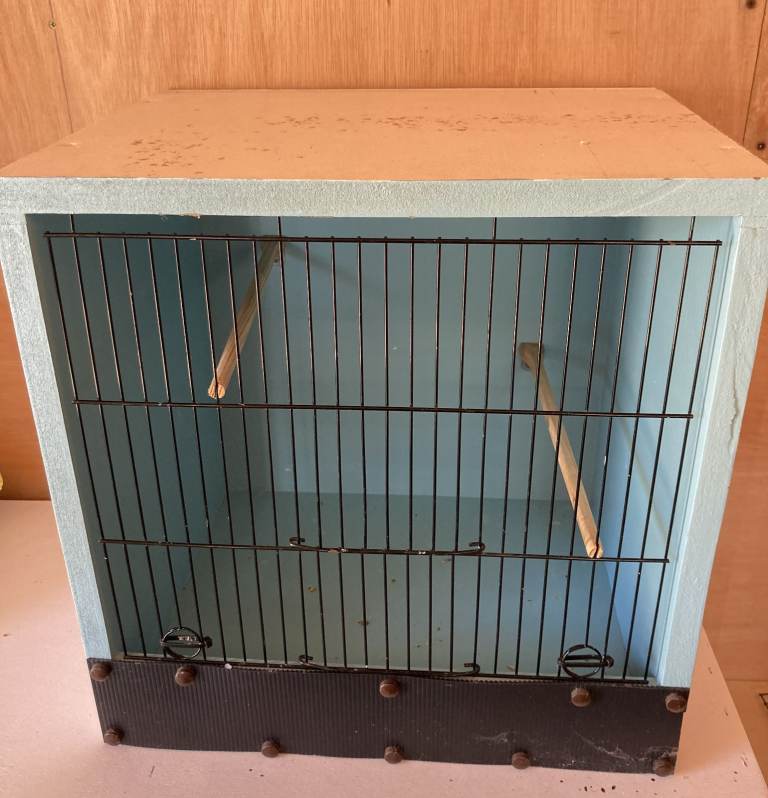
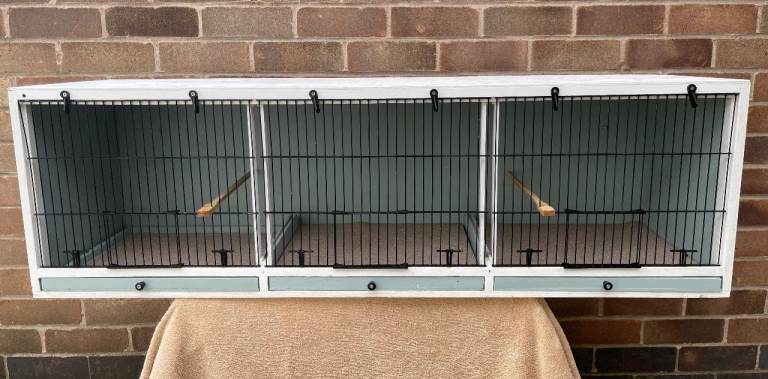
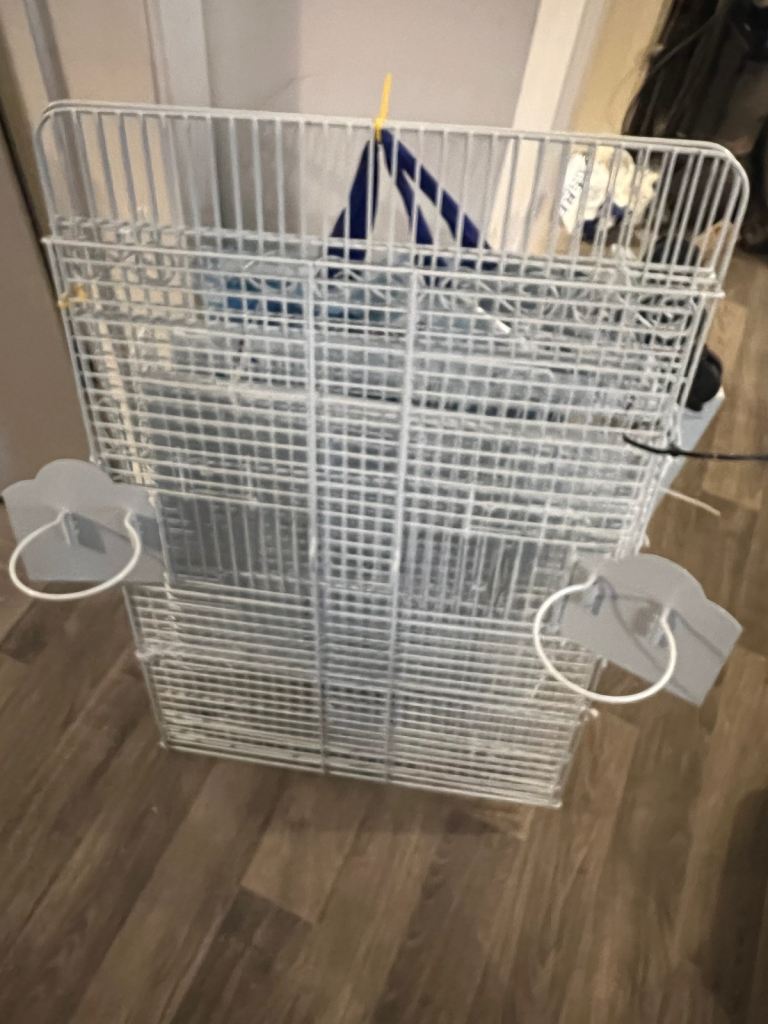
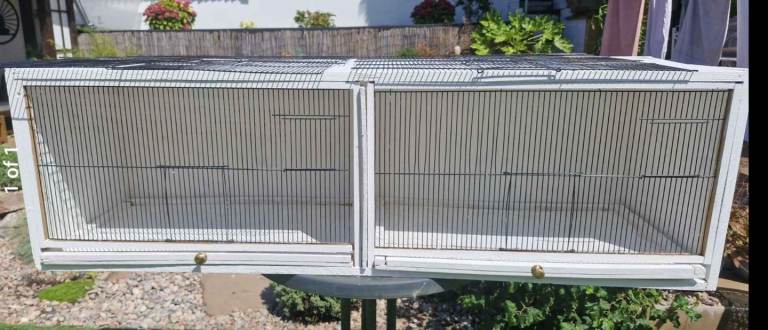
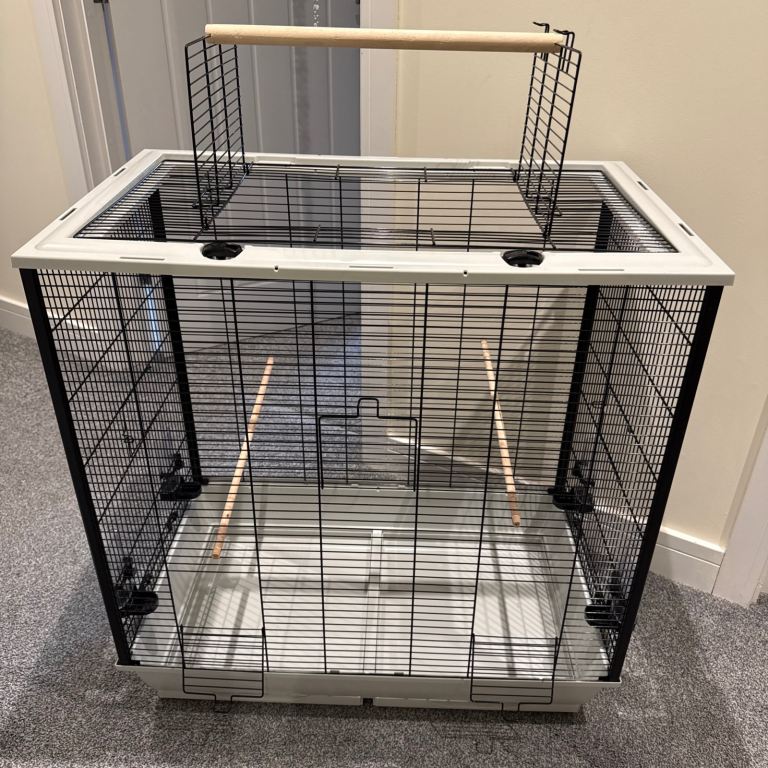
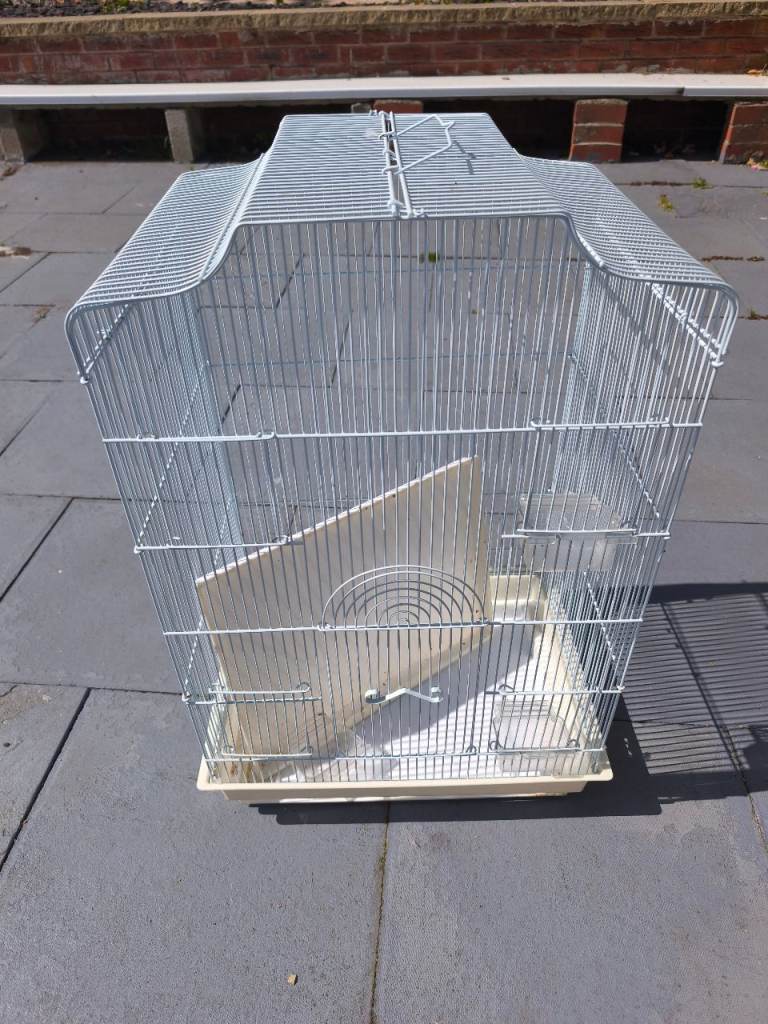
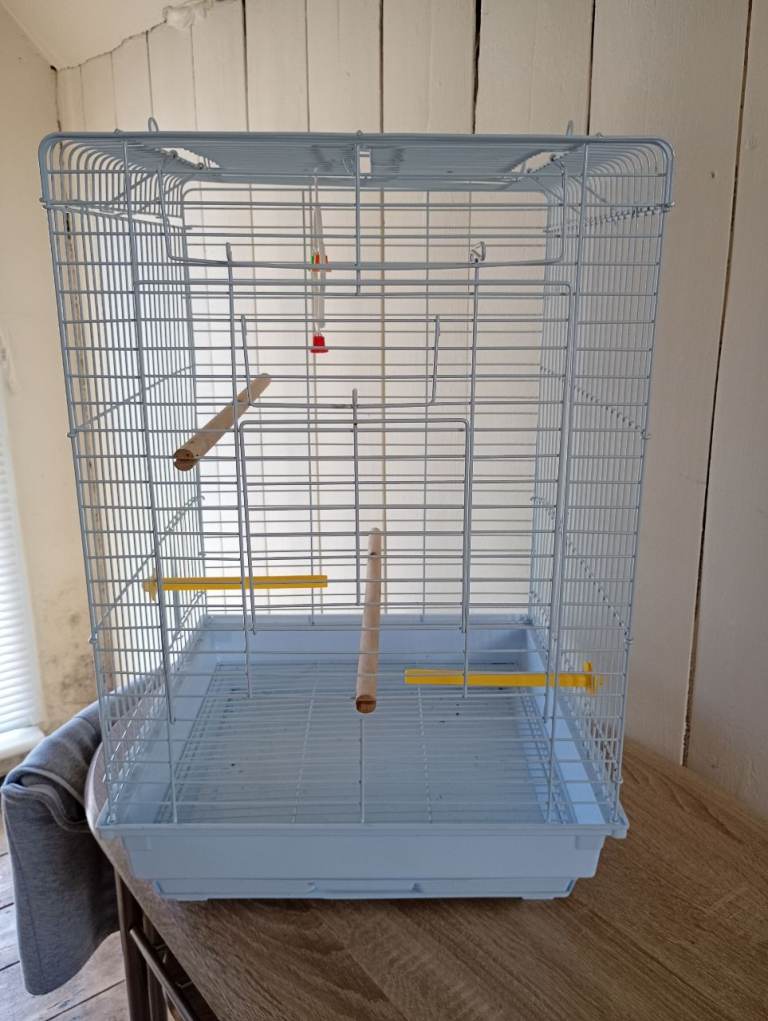
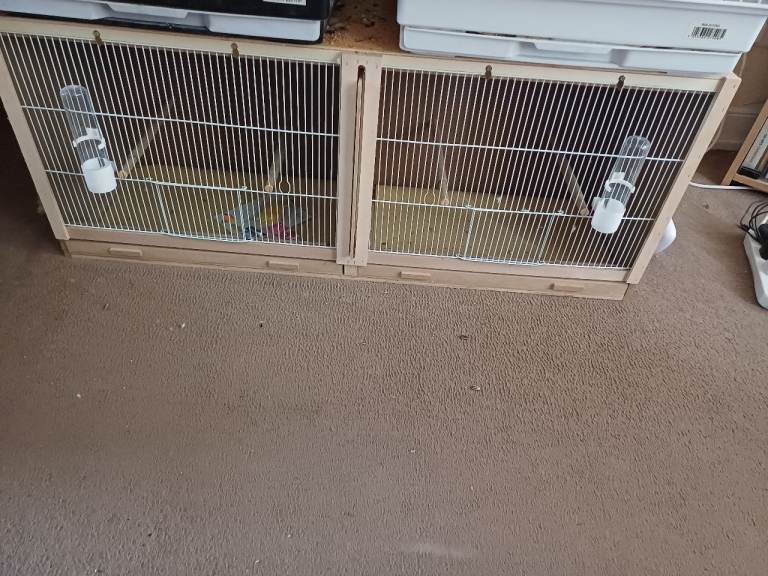
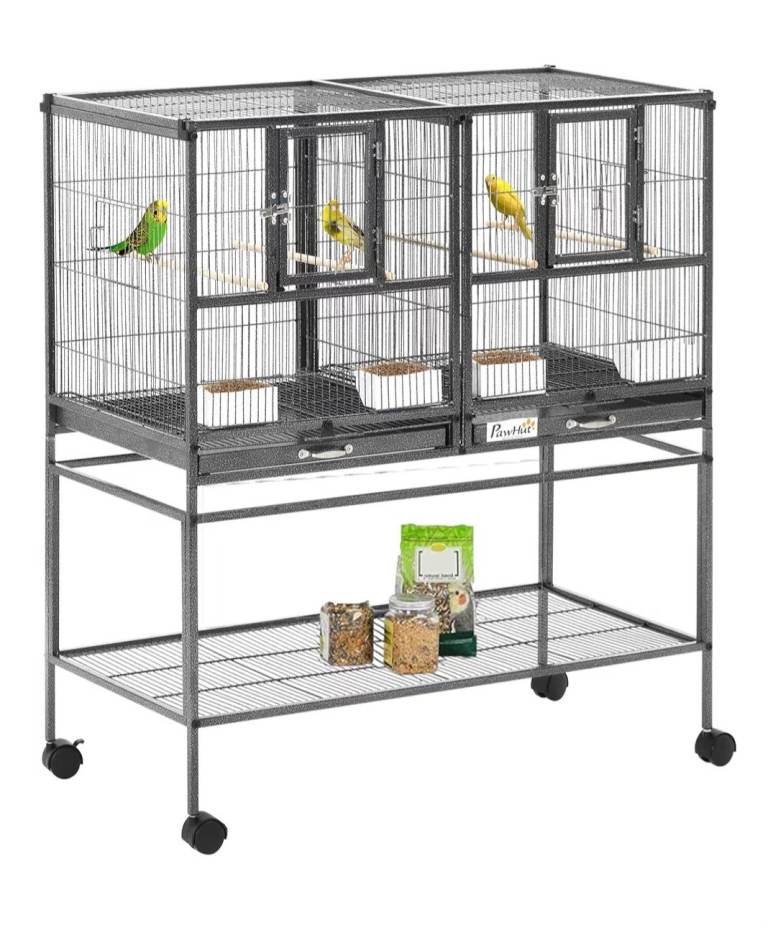
Finches need space to fly horizontally. A cage at least 60cm wide is recommended for a pair of finches, and larger cages are better, especially if you plan to keep more than two. Ensure the bar spacing is narrow enough to prevent them from escaping.
A good finch diet consists primarily of a high-quality finch seed mix. Supplement this with fresh greens like spinach or kale, small pieces of fruit, and occasional treats like millet sprays. Always provide fresh, clean water.
While finches are generally easy to keep, you should be aware of the Animal Welfare Act 2006. This act places a duty of care on animal keepers to ensure the welfare of their animals, including providing a suitable environment, diet, and protection from pain, suffering, injury, and disease. It is also important to check if any local bylaws or regulations apply to keeping birds in your area.
Common finch health problems include feather plucking, mites, and respiratory infections. Preventative measures include providing a clean cage, a varied diet, and regular opportunities for bathing. If you suspect your finch is ill, consult a vet experienced in avian care as soon as possible. Quarantine any new birds before introducing them to your existing flock to prevent the spread of disease.