Featured
11
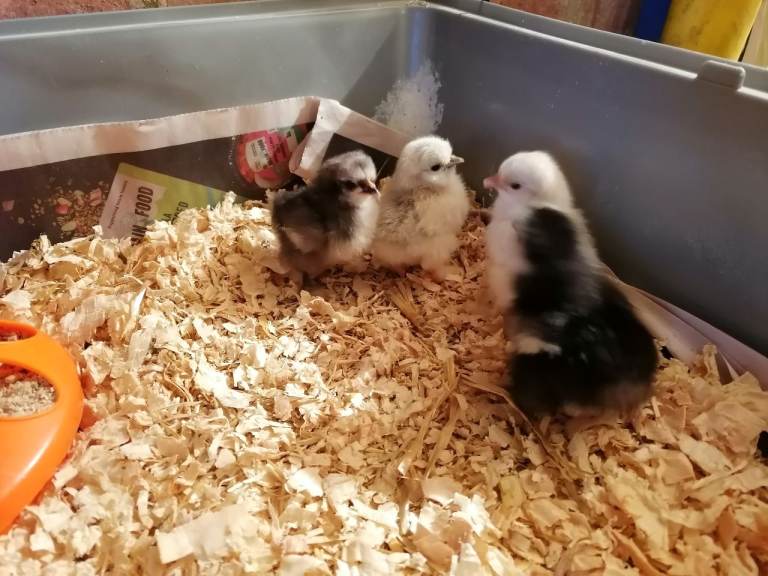
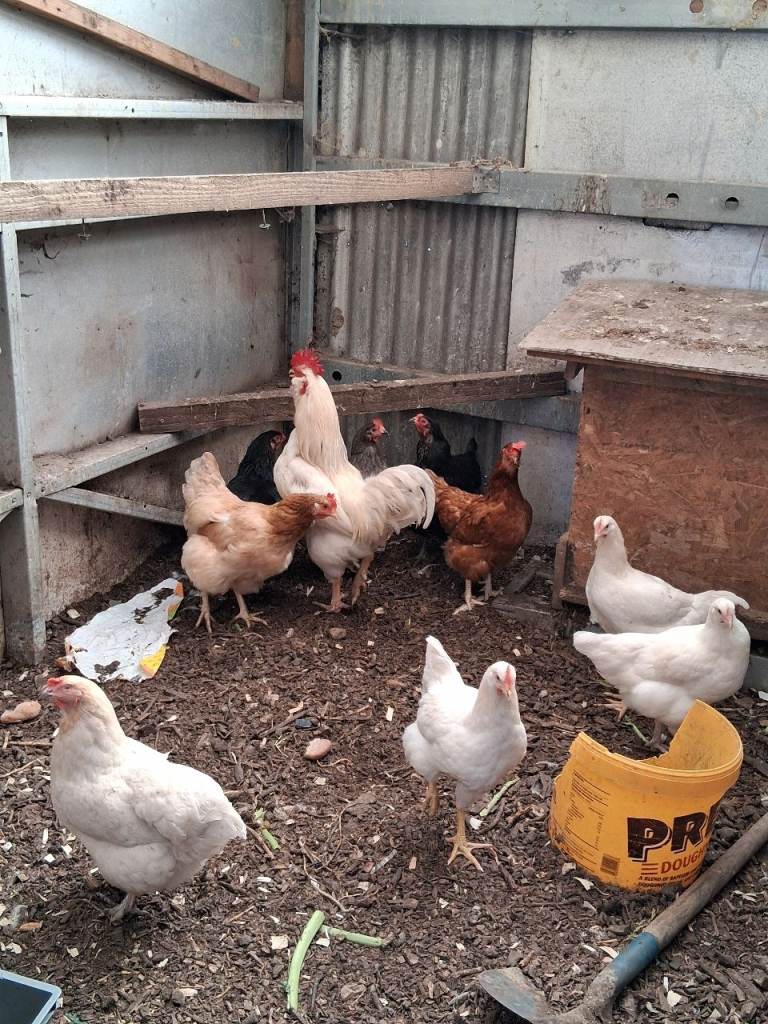
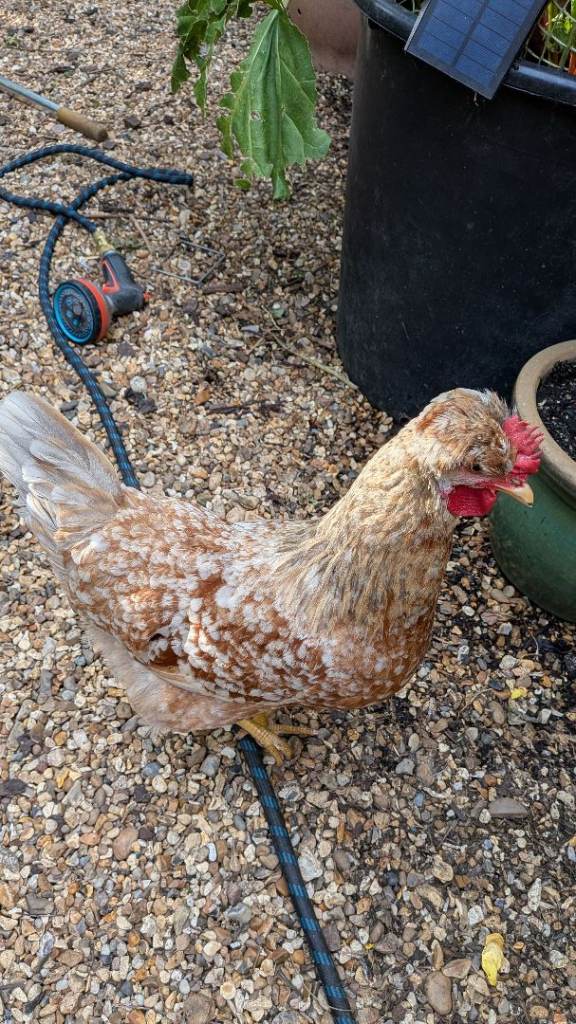
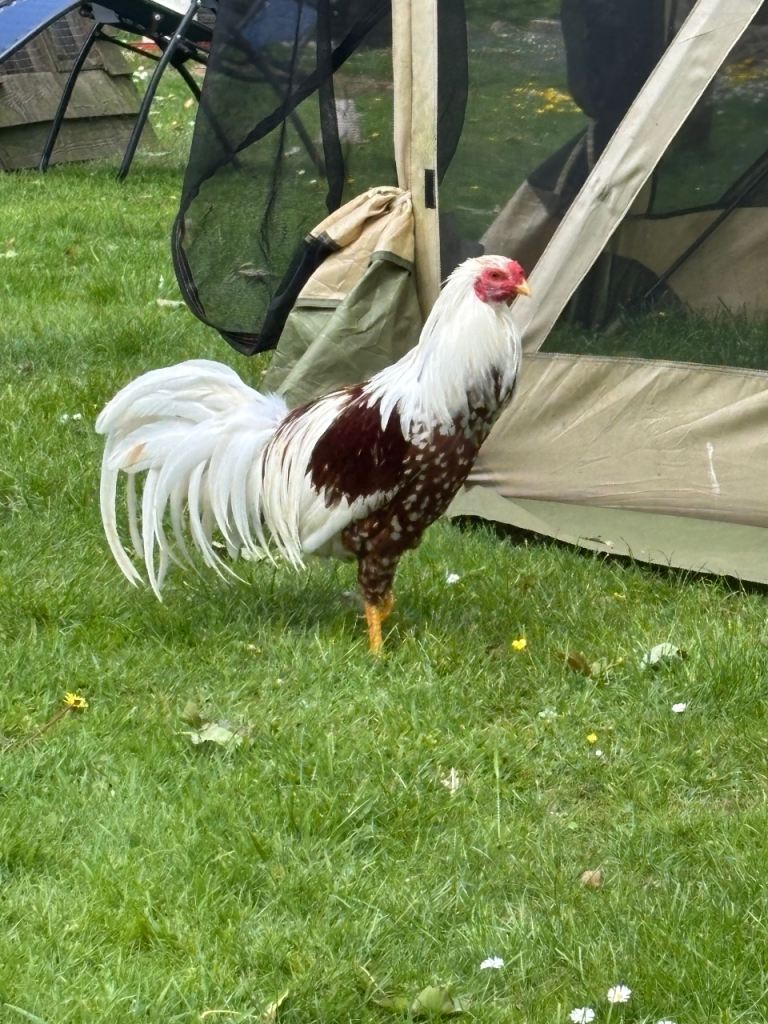
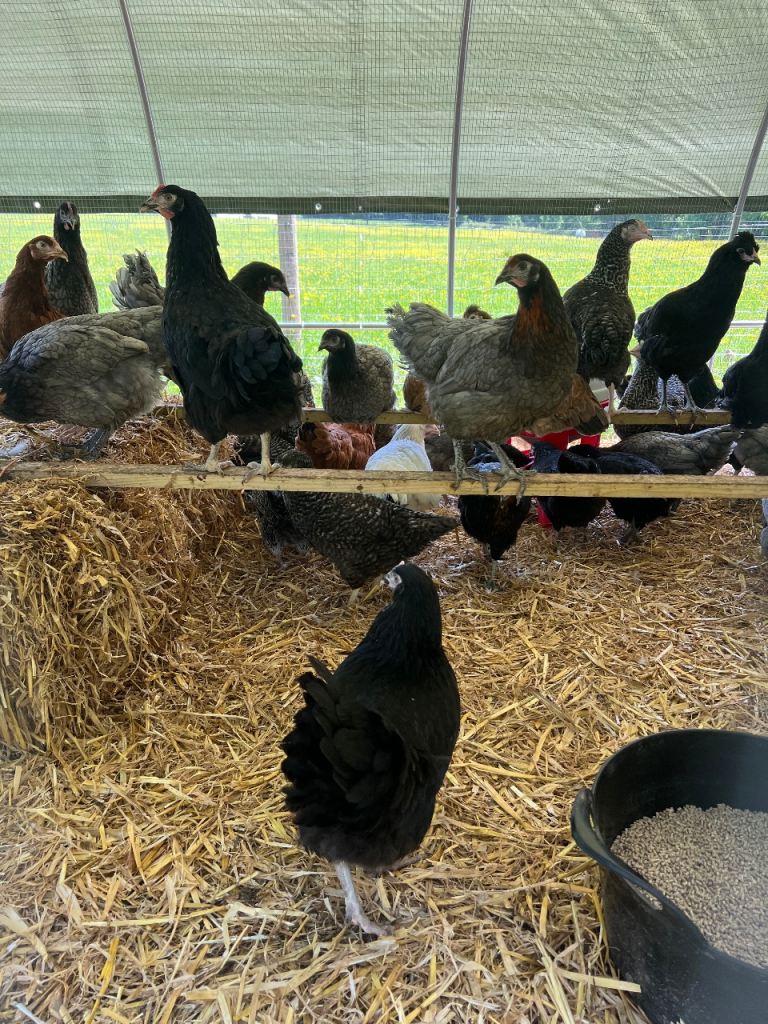
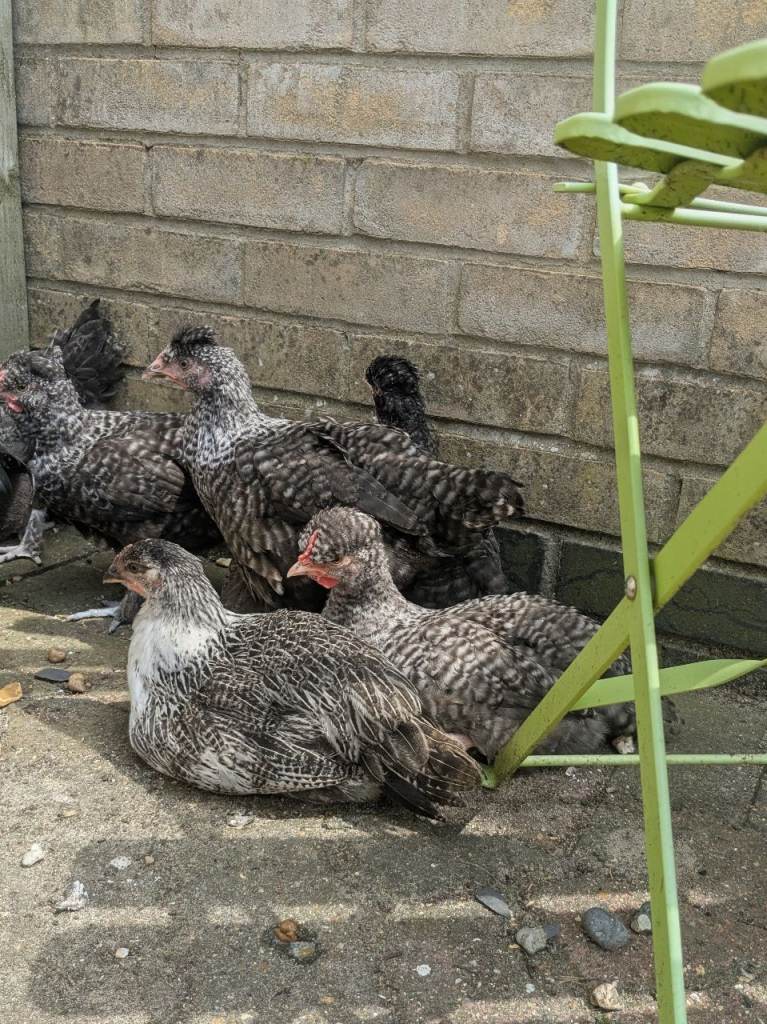
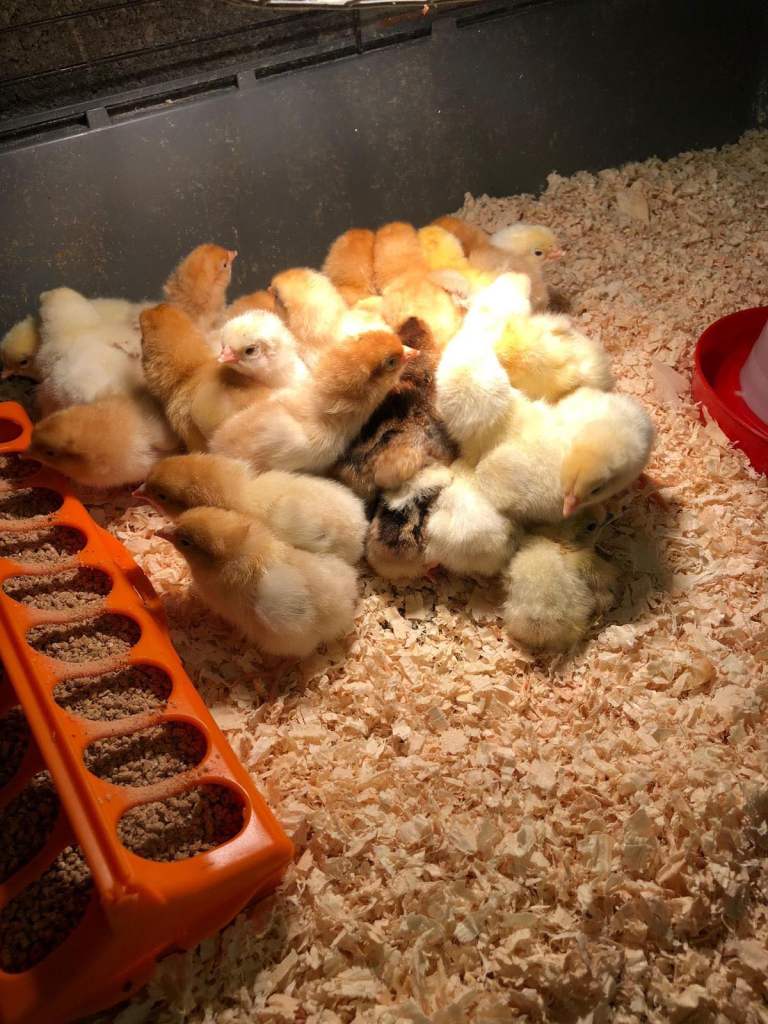
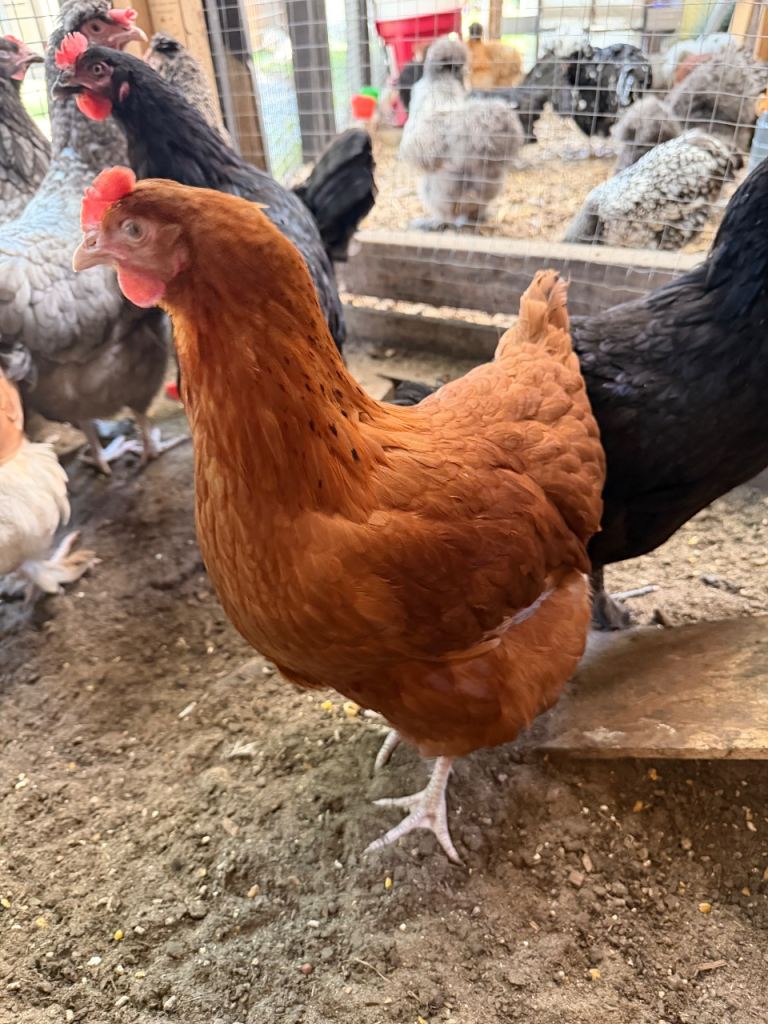
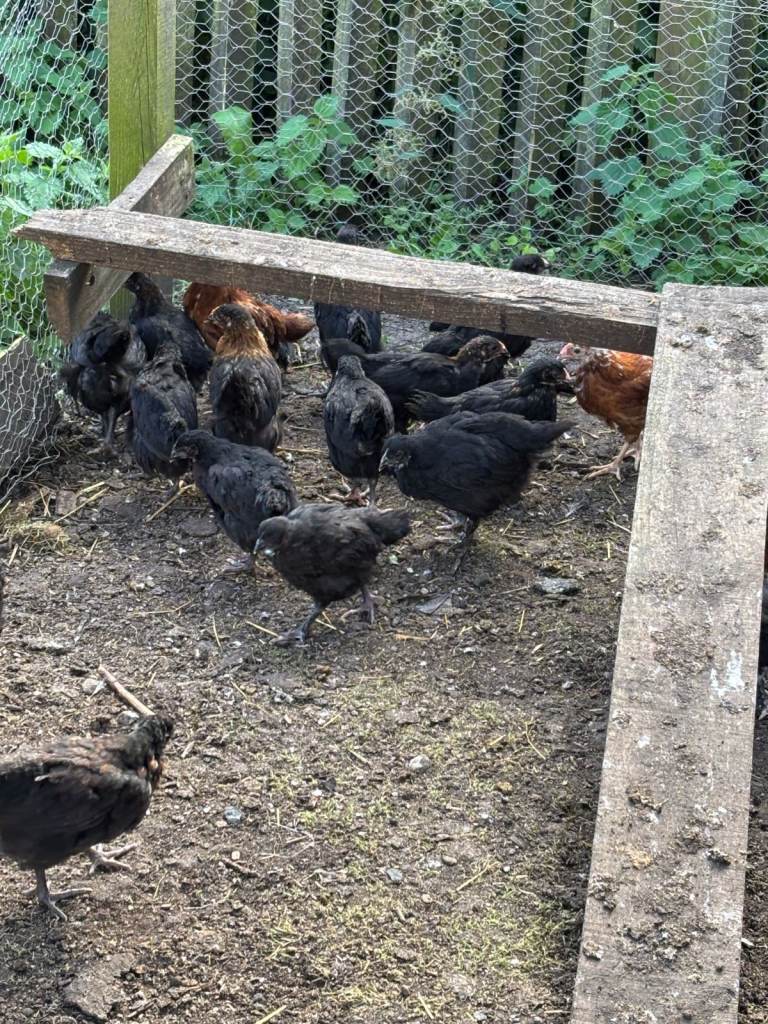
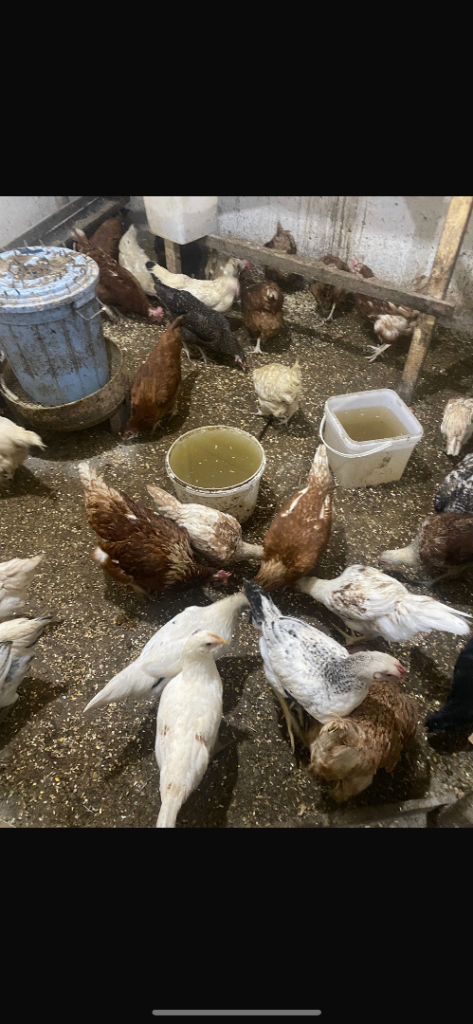
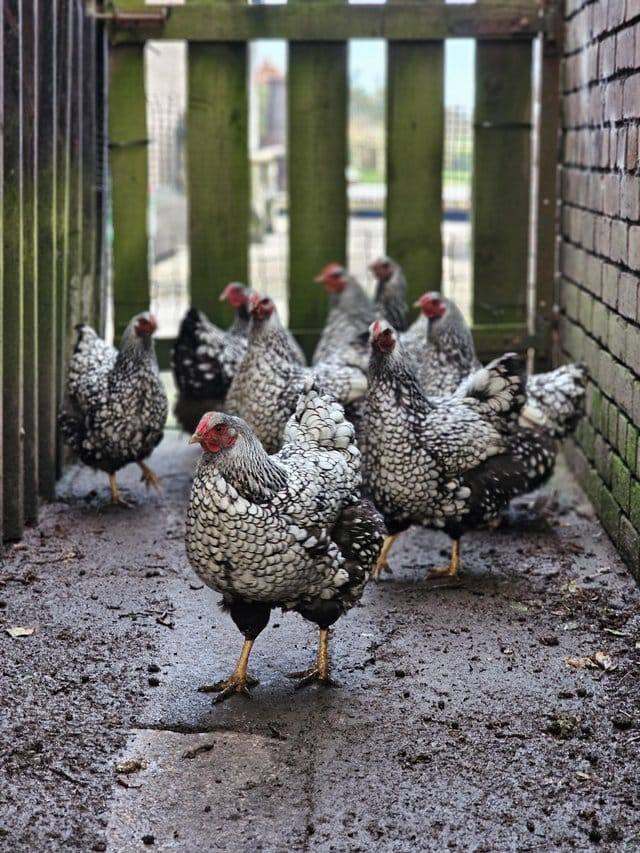
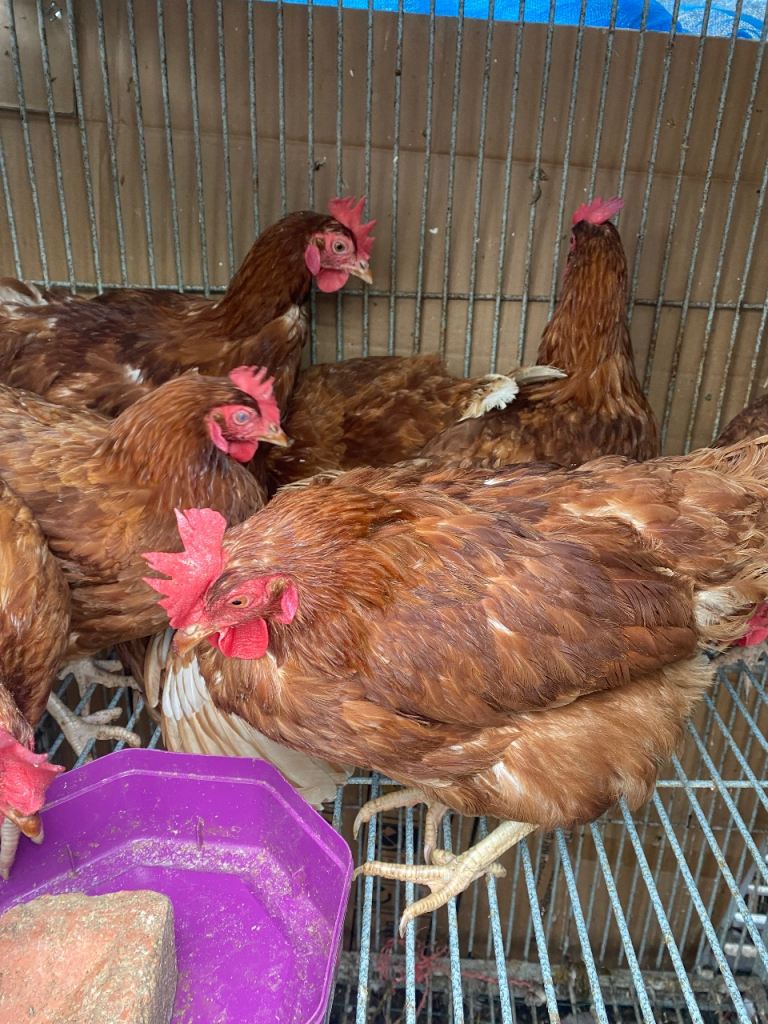
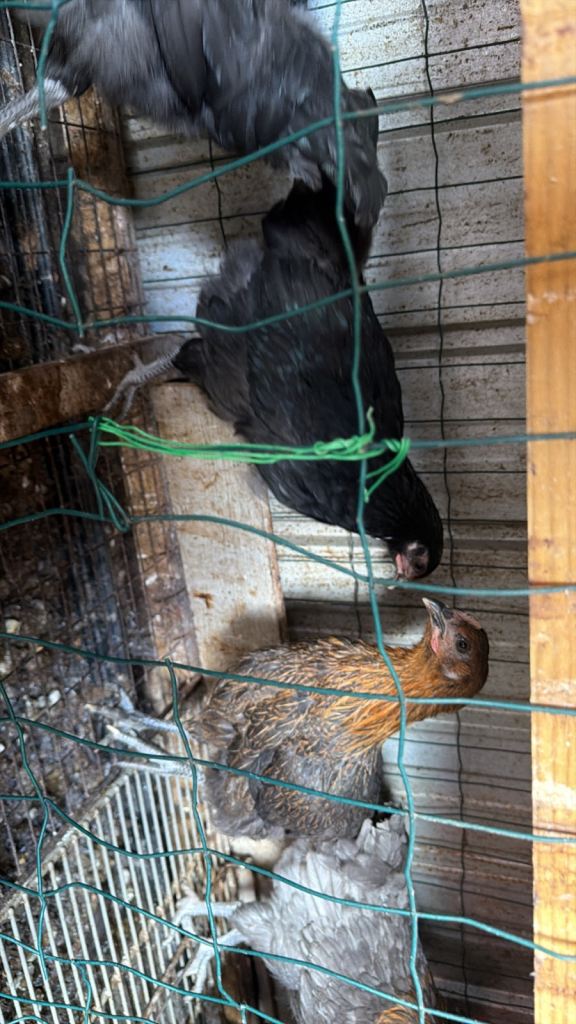
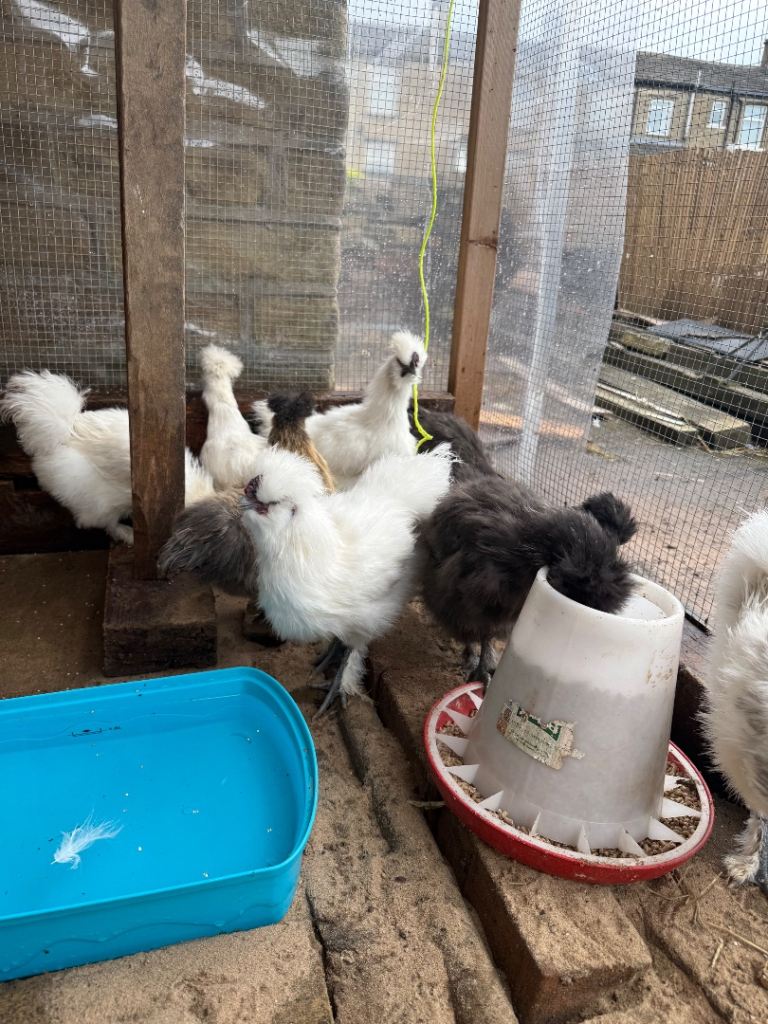
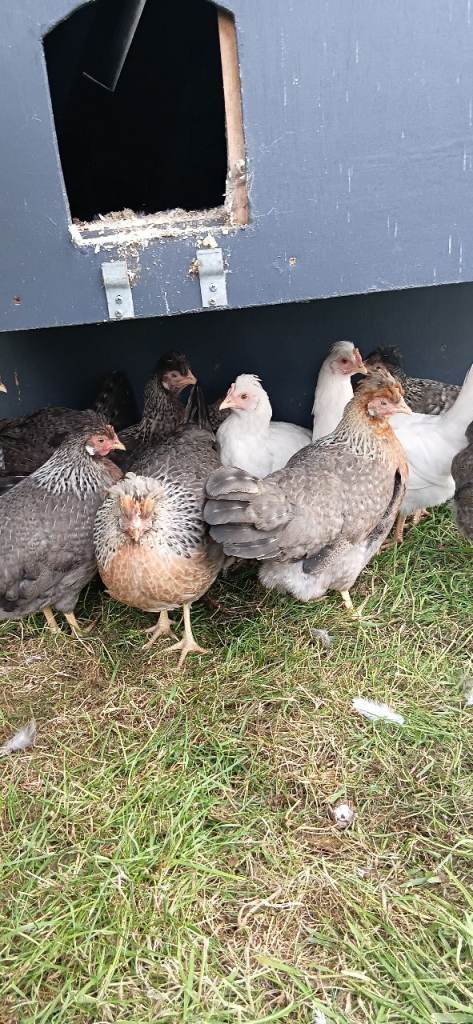
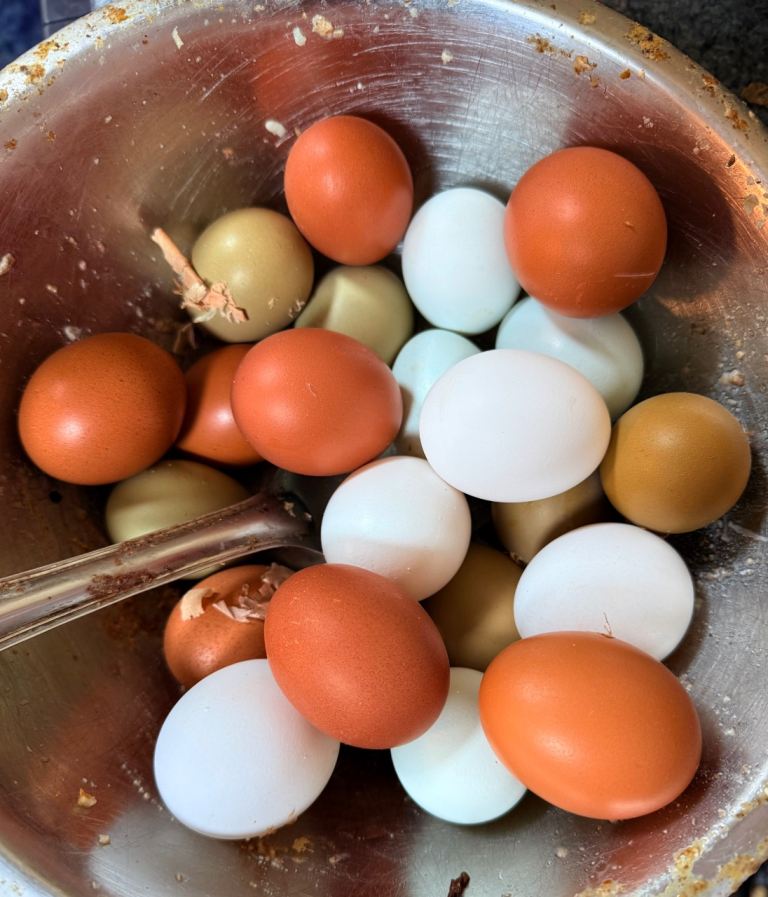
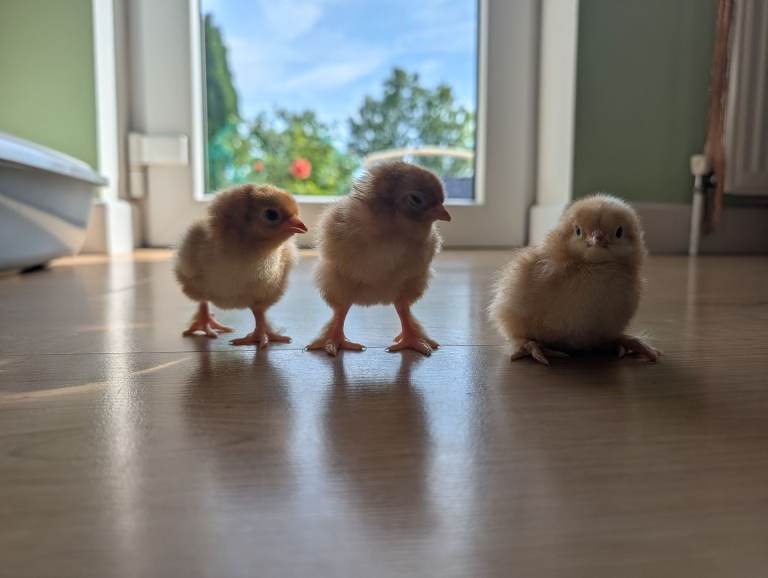
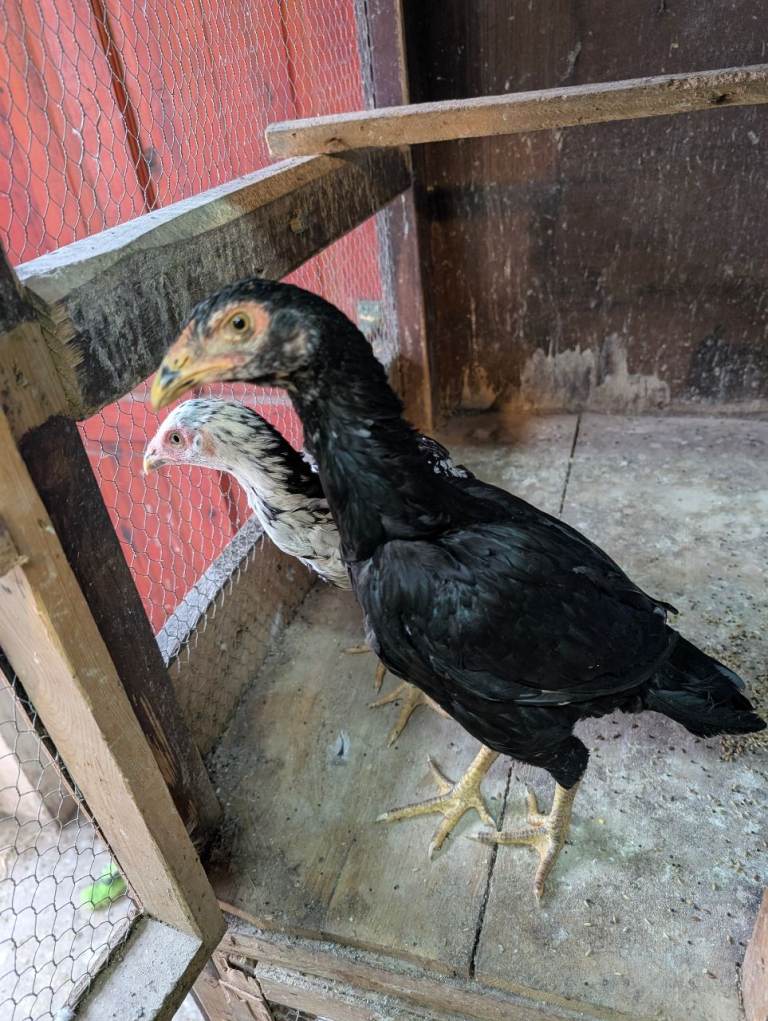
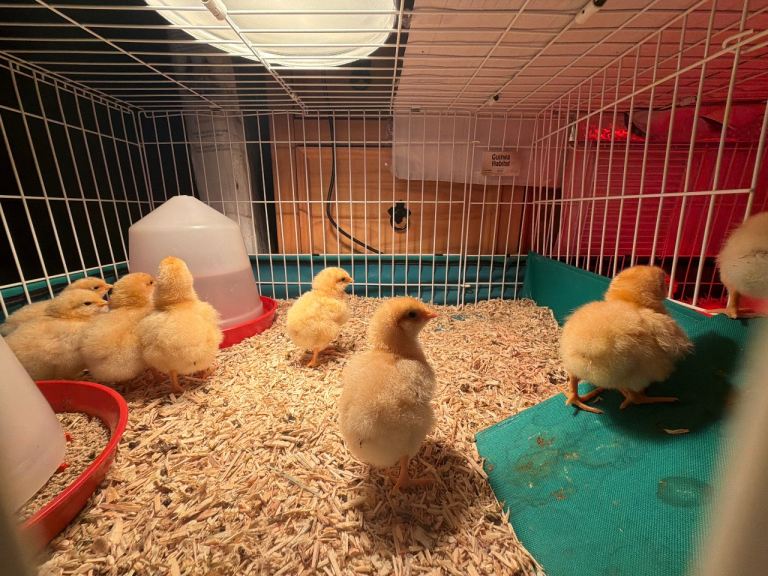
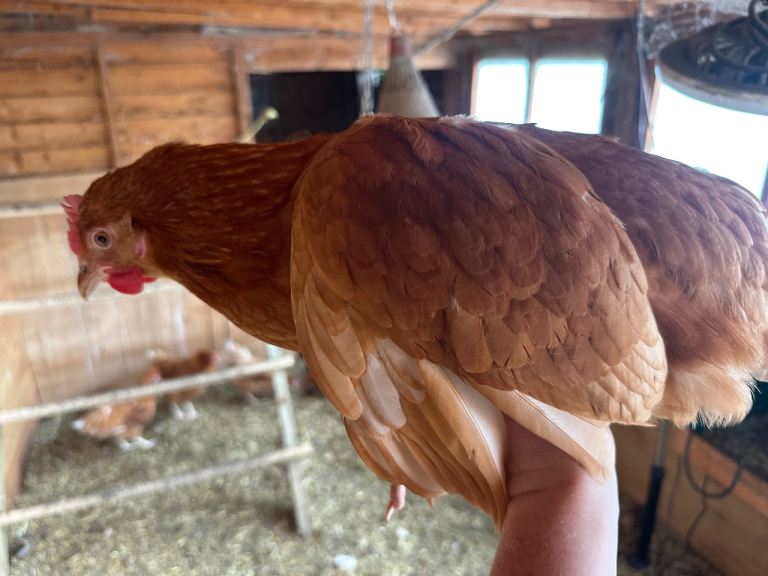
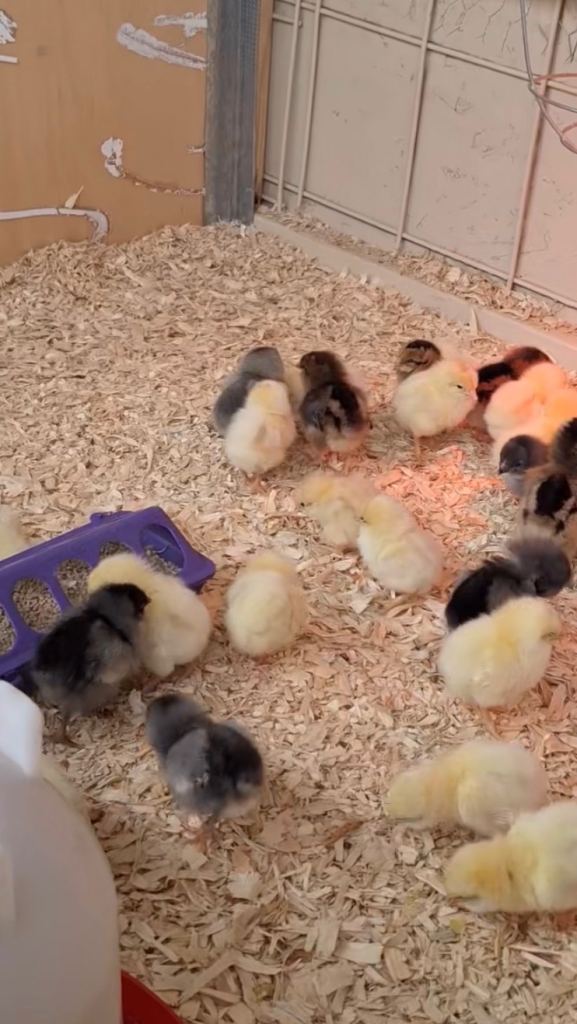
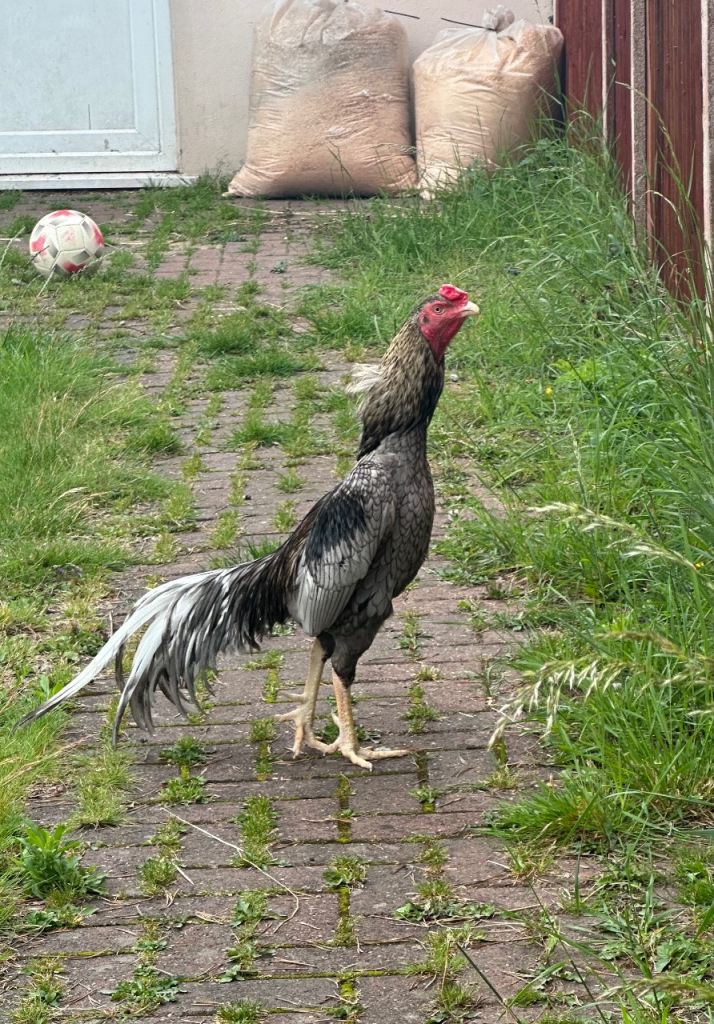
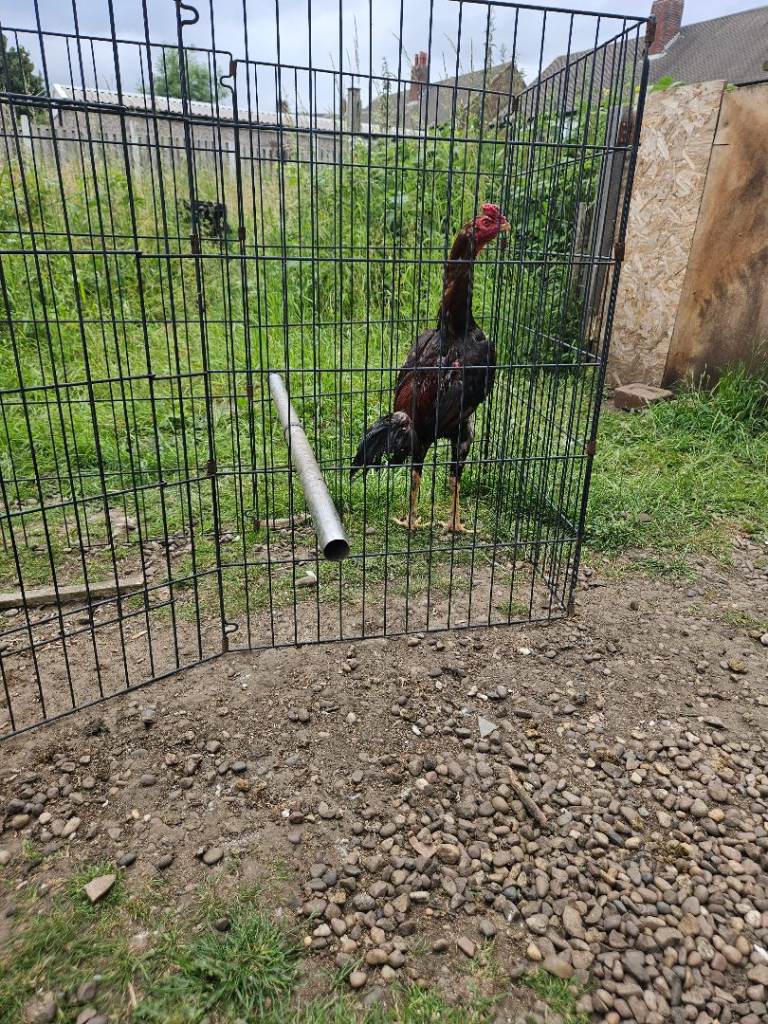
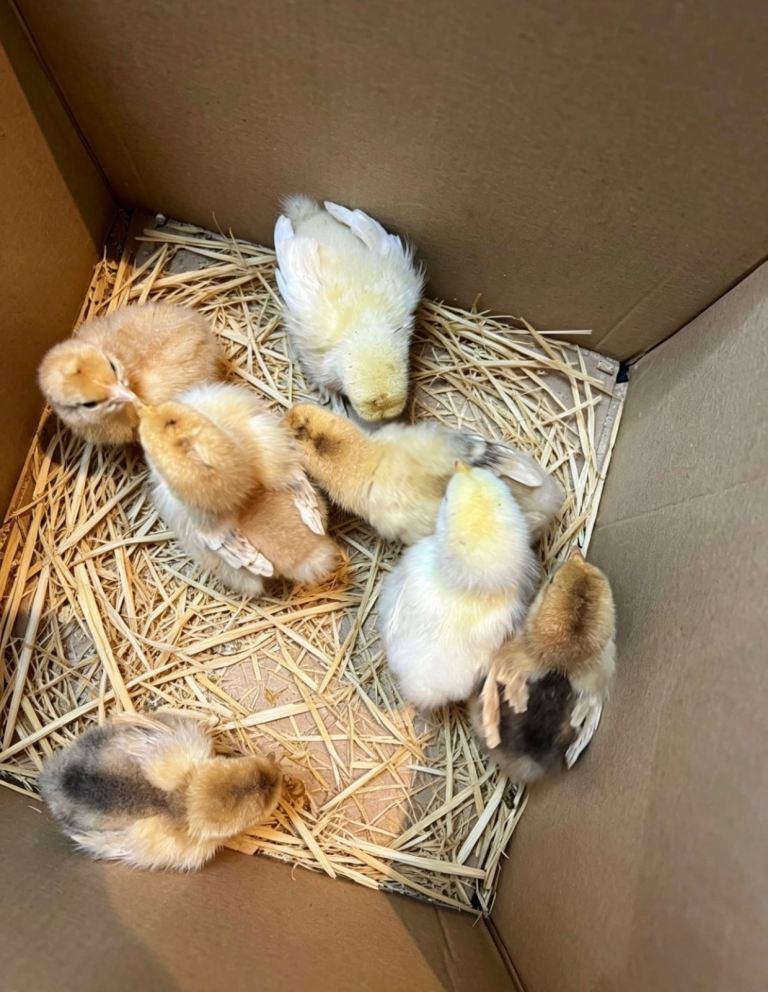
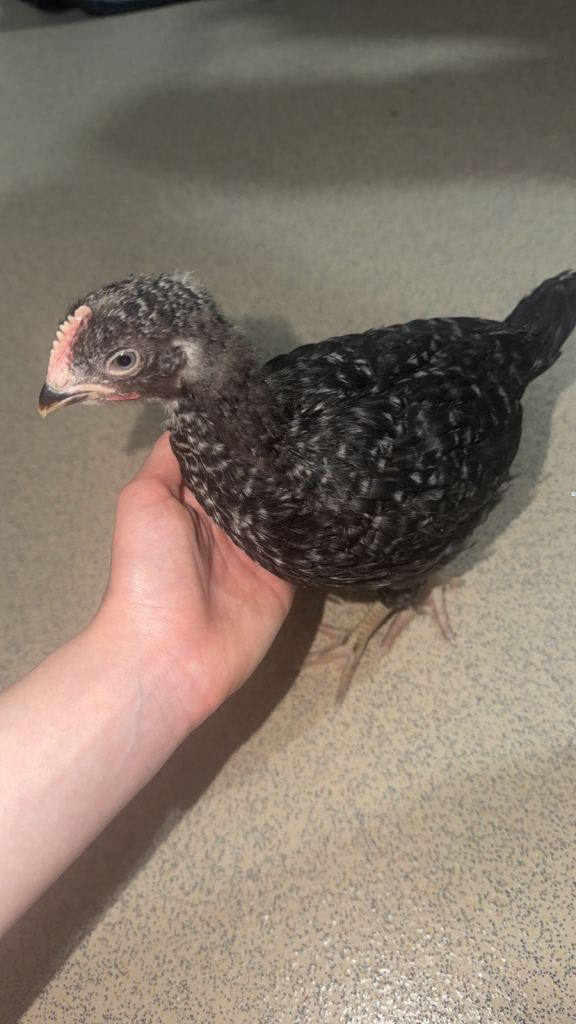
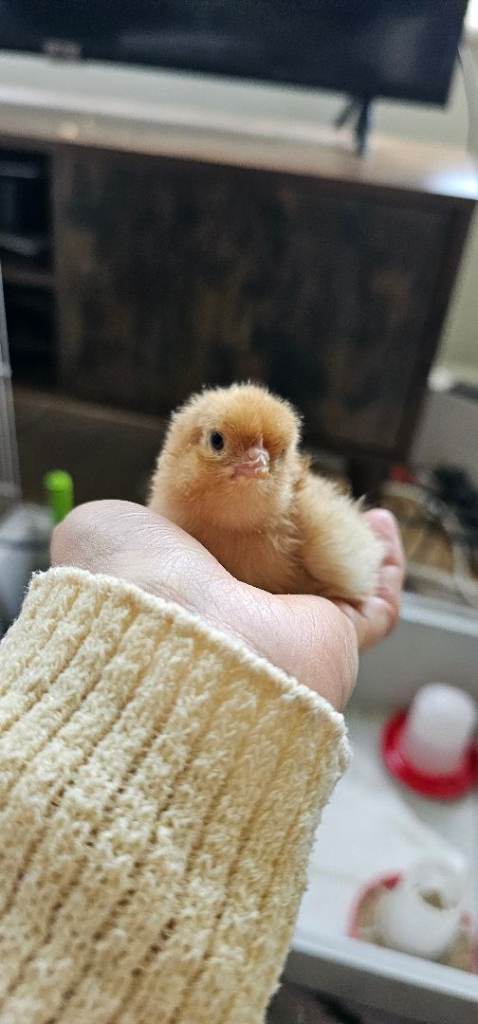
Hybrid chicks for sale
Age: 4 months
Ready to leave: Now
Coventry, West Midlands
£7
When choosing chickens, consider their breed, age, and health. Different breeds have different temperaments and egg-laying capabilities. Inspect the chickens for signs of illness, such as discharge from the eyes or nostrils, ruffled feathers, or lethargy. Ensure they are alert and active.
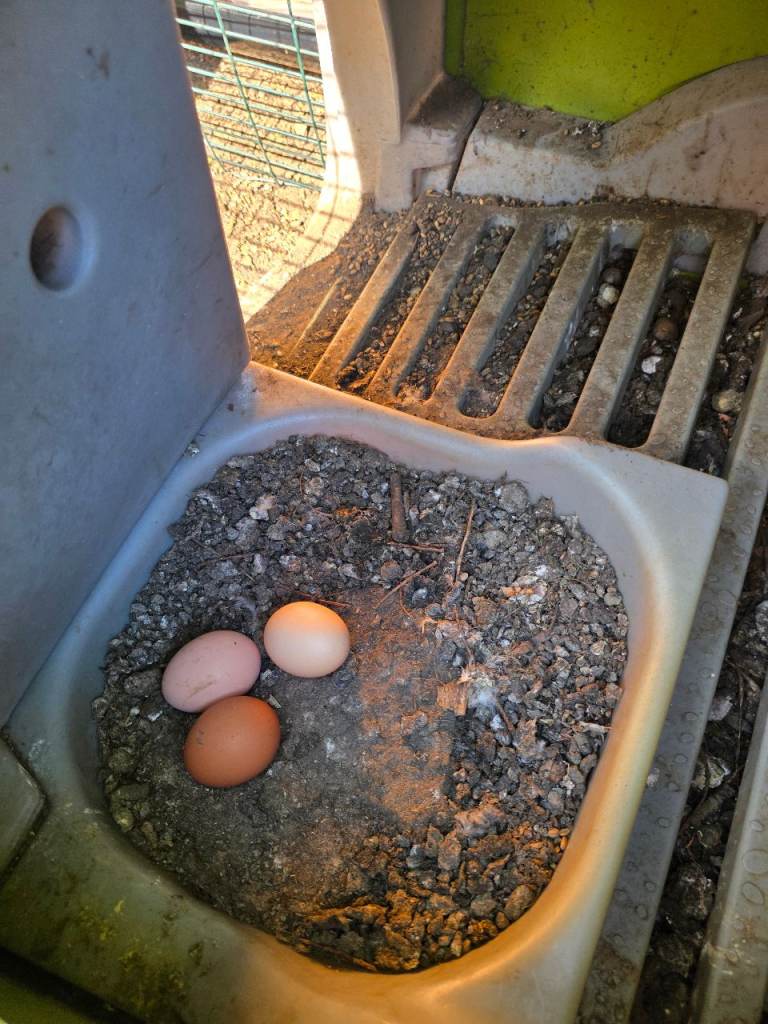
Chickens require a secure coop that protects them from predators and the elements. The coop should have adequate ventilation, roosting bars, and nesting boxes. The floor should be covered with bedding material, such as straw or wood shavings. A run or outdoor area is also essential for chickens to forage and exercise.
Chickens require a balanced diet consisting of commercially available chicken feed, supplemented with greens, fruits, and vegetables. Ensure they have access to fresh water at all times. Avoid feeding them foods that are toxic to chickens, such as chocolate, avocado, and raw potatoes.
In the UK, there are no specific licensing requirements for keeping a small number of chickens for personal use. However, it's essential to check with your local council for any local ordinances or restrictions regarding livestock keeping, noise levels, and waste disposal. You must also register your poultry if you have 50 or more birds.
Common health problems in chickens include mites, lice, worms, and respiratory infections. Regularly check your chickens for signs of infestation or illness. Maintain a clean coop and run, provide fresh water and feed, and consider preventative treatments, such as worming medications. Consult a veterinarian if you suspect your chickens are ill.