3
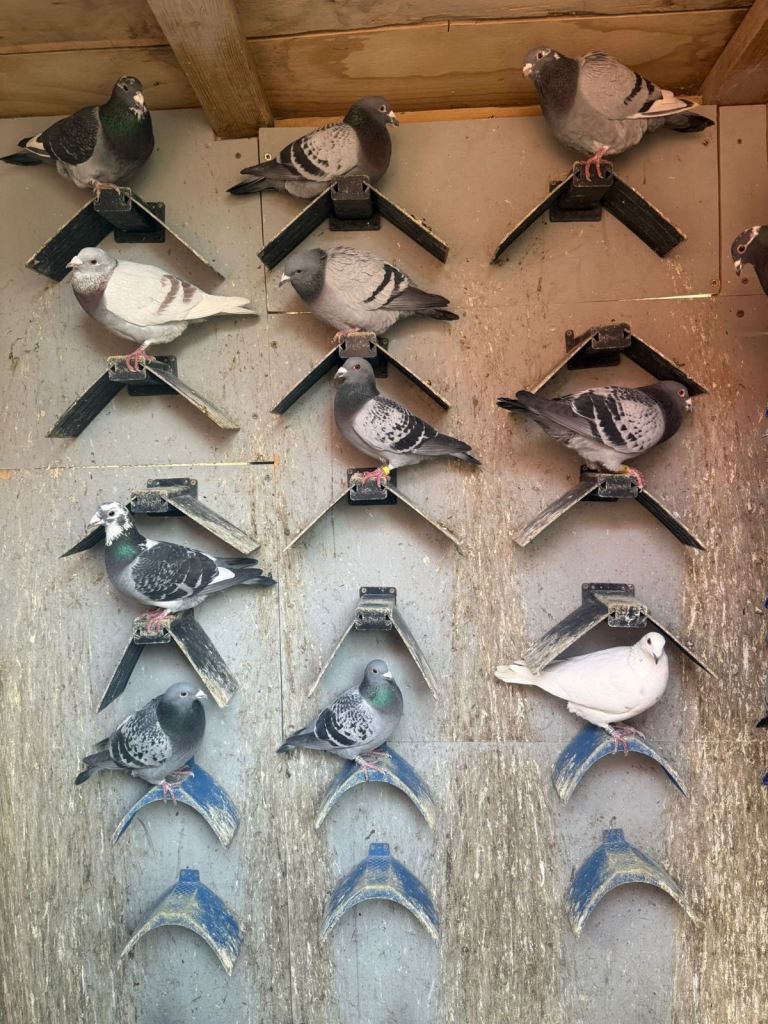
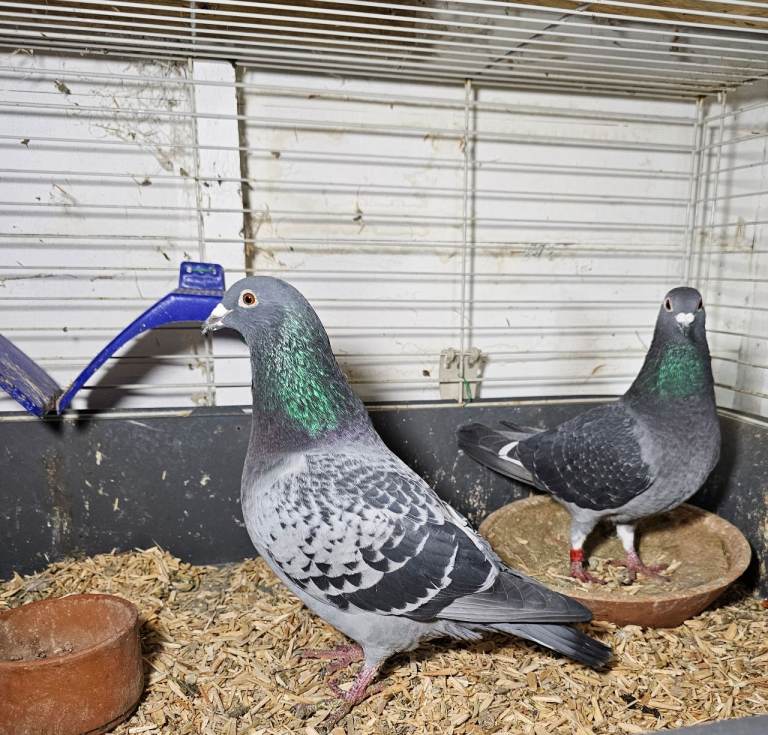
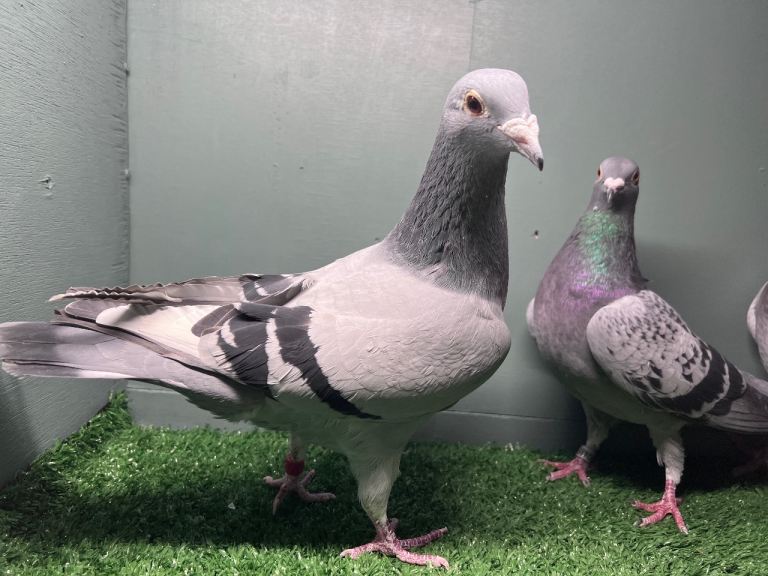
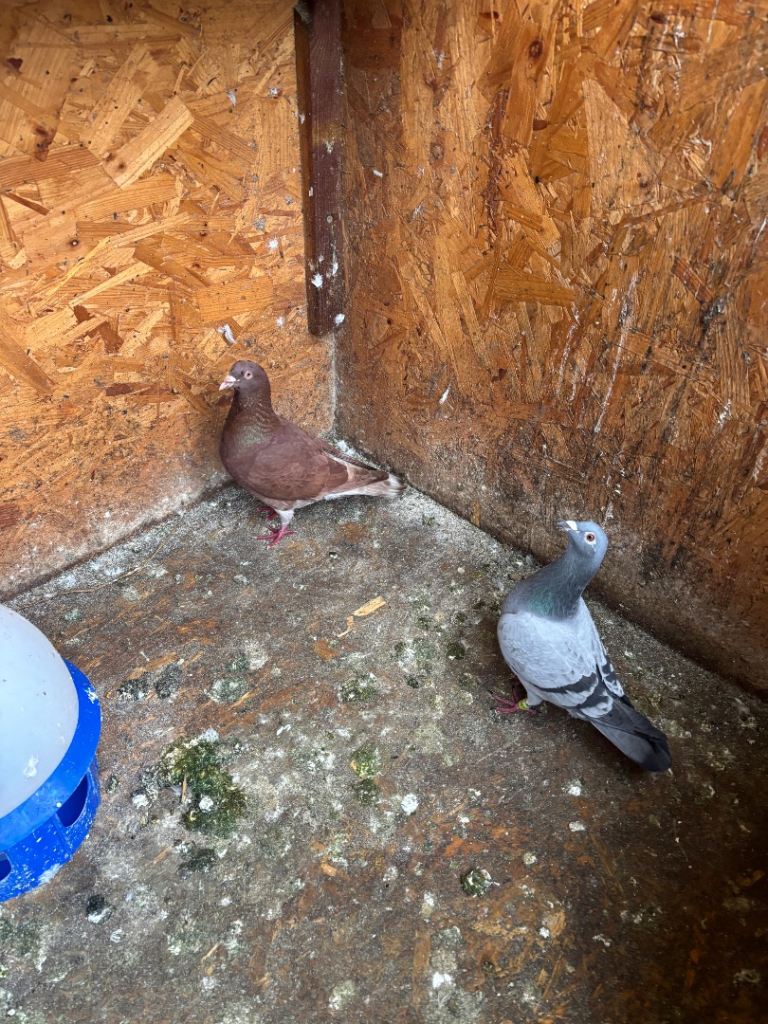
Young Racing pigeons for sale, ASAP
Age: 11 weeks
Ready to leave: Now
Walthamstow, London
£10
Before buying a racing pigeon, carefully observe its overall health. Look for bright, clear eyes, clean nostrils and beak, and smooth, well-maintained plumage. Check for any signs of illness, such as lethargy, ruffled feathers, or discharge from the eyes or nose. A healthy pigeon should be alert and active.
In the UK, racing pigeons are generally considered livestock, and owners have a responsibility to ensure their welfare. You may need to register your loft with a relevant organisation, such as the Royal Pigeon Racing Association (RPRA). It's also important to comply with local regulations regarding the keeping of animals, including noise and hygiene standards. Check with your local council for specific bylaws.
Racing pigeons require a well-ventilated, dry, and secure loft. The loft should provide adequate space for the number of birds you intend to keep, with separate sections for nesting, perching, and feeding. It should also be protected from predators and extreme weather conditions. Regular cleaning is essential to maintain hygiene and prevent disease.
Racing pigeons require a balanced diet consisting primarily of grains and seeds. A typical racing pigeon mix includes ingredients like maize, wheat, barley, and peas. The specific composition of the diet can be adjusted depending on the bird's training schedule and racing demands. Ensuring the pigeons receive adequate nutrition is crucial for their energy levels, stamina, and overall performance.
Racing pigeons are susceptible to various diseases, including paramyxovirus (PMV), pigeon pox, and coccidiosis. Prevention is key, and this includes maintaining a clean loft, providing fresh water and food, and regularly vaccinating your birds against common diseases. Consult with a avian veterinarian for advice on appropriate vaccination schedules and preventative measures. Quarantine any new birds before introducing them to your existing flock.