5
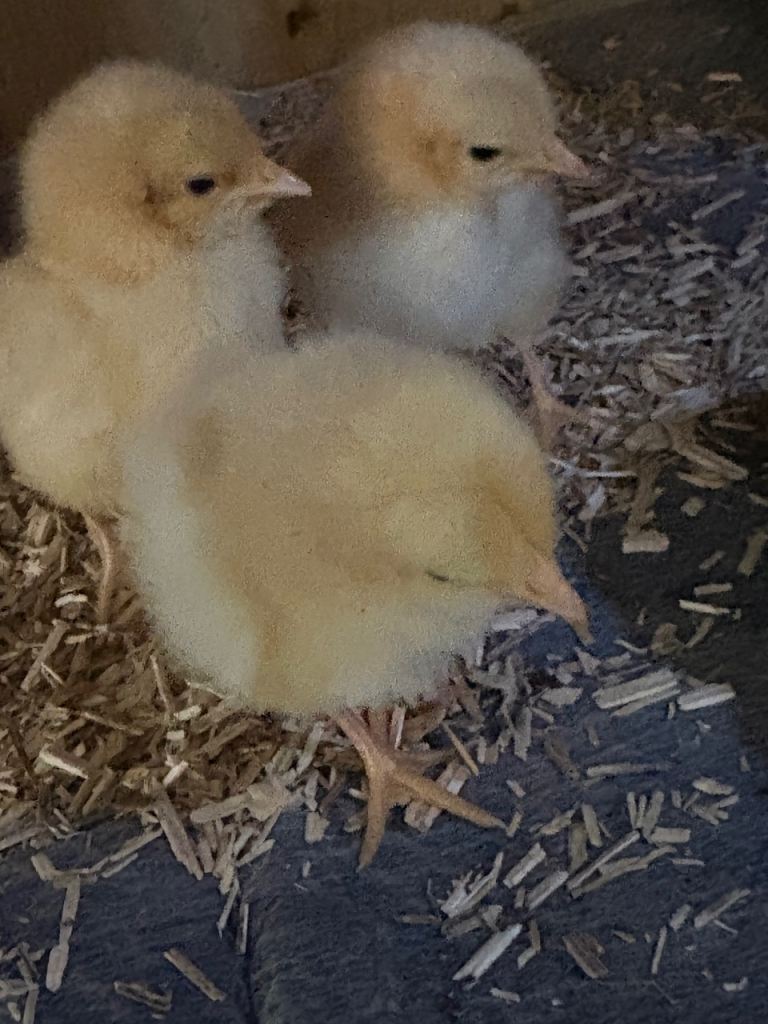
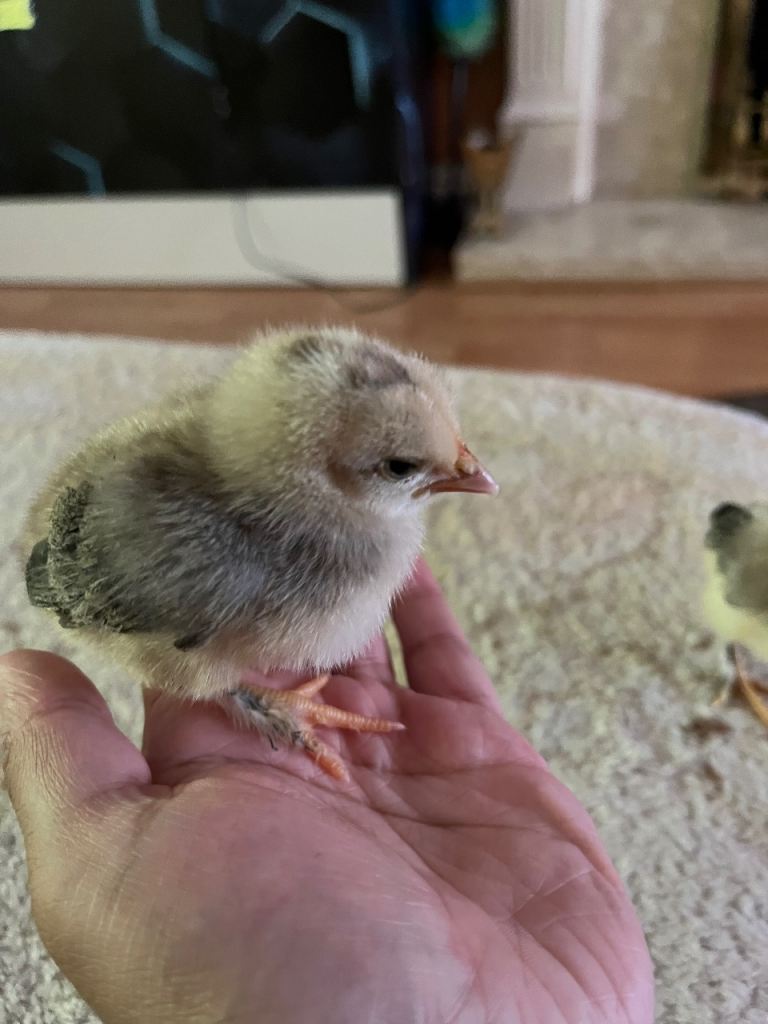
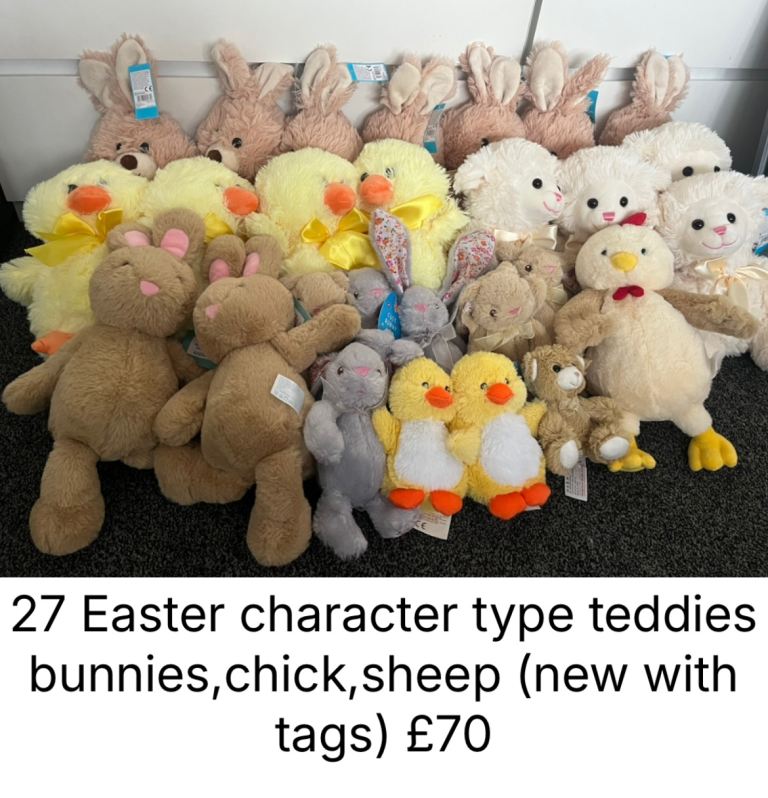
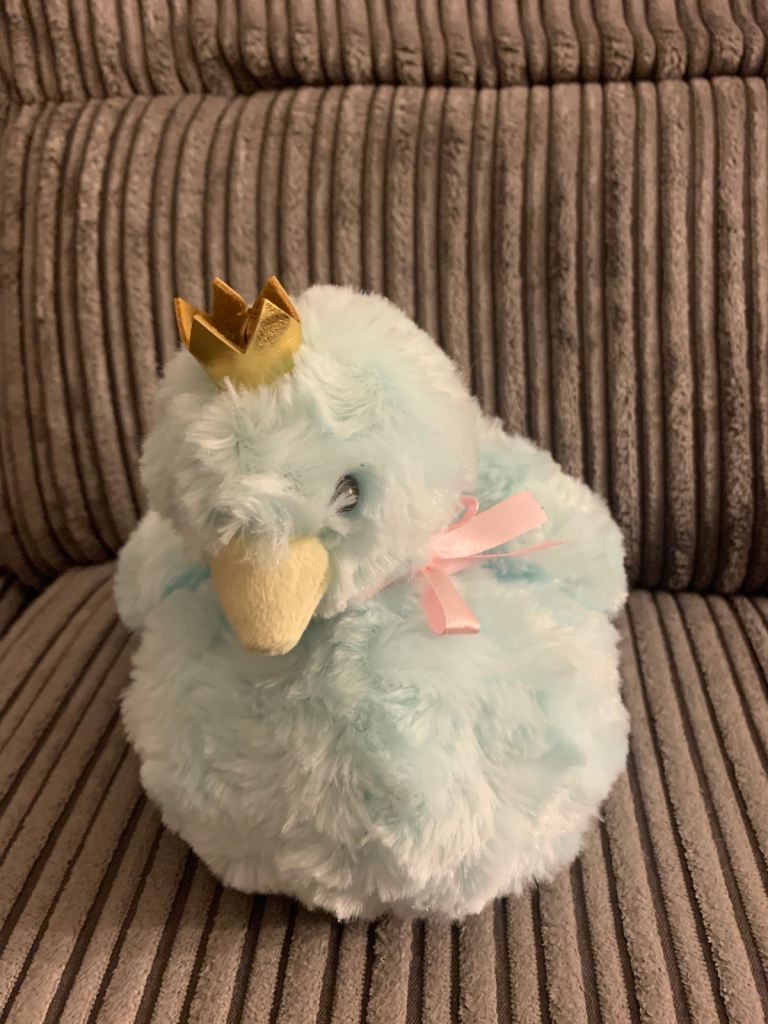
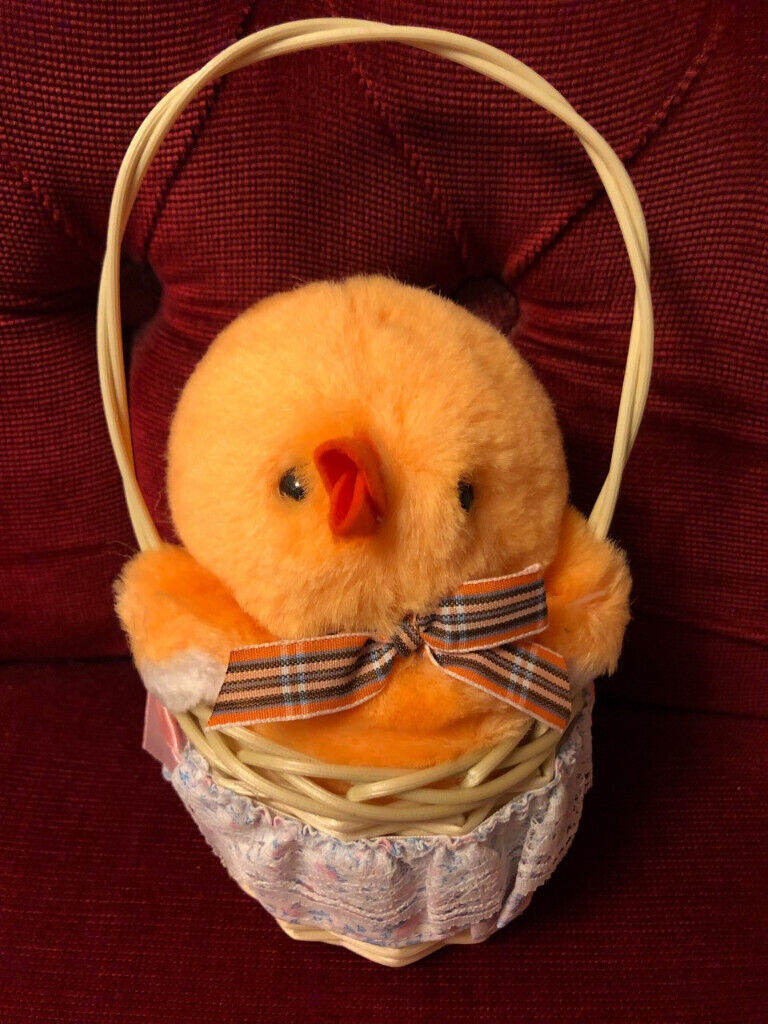
New cute chick in basket.
New cute chick in basket. Approx. total height is 18 cm. Approx. width is 12 cm.
Roundhay, West Yorkshire
£1
Deliver or Collect
When selecting chicks, look for signs of good health. They should be alert, active, and have clean vents. Check for any signs of pasty butt (a build-up of dried faeces around the vent), which can indicate a health problem. Ensure their feathers are clean and fluffy, and that they are eating and drinking well.
In the UK, there are no specific legal requirements for keeping a small number of chickens for personal use, but you must adhere to animal welfare regulations. You are responsible for ensuring the chickens' welfare, including providing adequate food, water, shelter, and veterinary care. Check with your local council for any specific bylaws or restrictions regarding keeping livestock in your area. You must also register your birds if you have 50 or more.
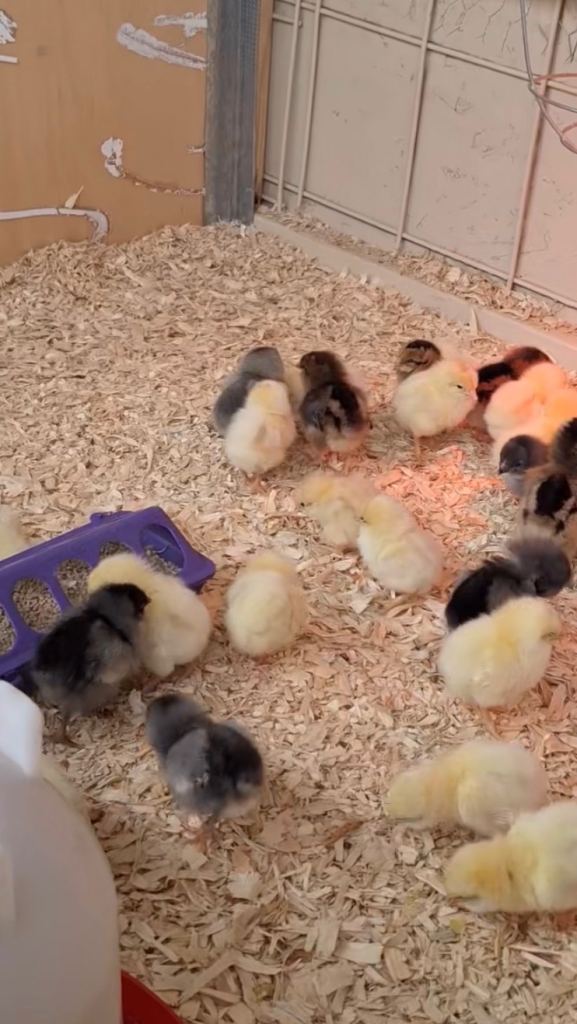
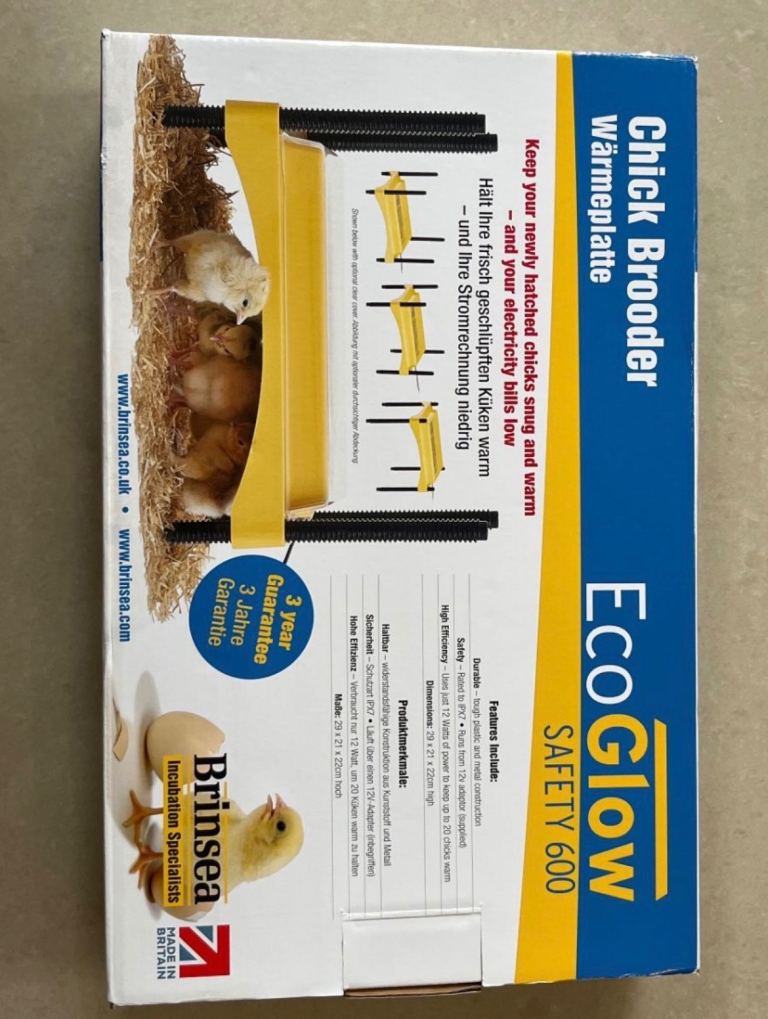
Chicks require a brooder, which is a warm, safe, and draft-free enclosure. This can be a cardboard box, plastic tub, or commercially available brooder. The brooder should be lined with absorbent bedding, such as wood shavings (not cedar). You'll need a heat source, such as a heat lamp or brooder plate, to maintain a consistent temperature of around 35°C (95°F) in the first week, gradually decreasing by a few degrees each week until they are fully feathered.
Chicks need a specially formulated chick starter feed, which is higher in protein than adult chicken feed. This feed should be available to them at all times. You should also provide fresh, clean water in a shallow dish or chick waterer. Avoid giving chicks treats or scratch grains until they are older, as these can disrupt their nutritional balance.
Common health problems in chicks include coccidiosis, pasty butt, and Marek's disease. To prevent these problems, maintain a clean and dry brooder, provide fresh food and water, and avoid overcrowding. Consider vaccinating chicks against Marek's disease. Regularly observe your chicks for any signs of illness and consult a veterinarian if you notice anything concerning. Quarantine any new chicks before introducing them to your existing flock.