2
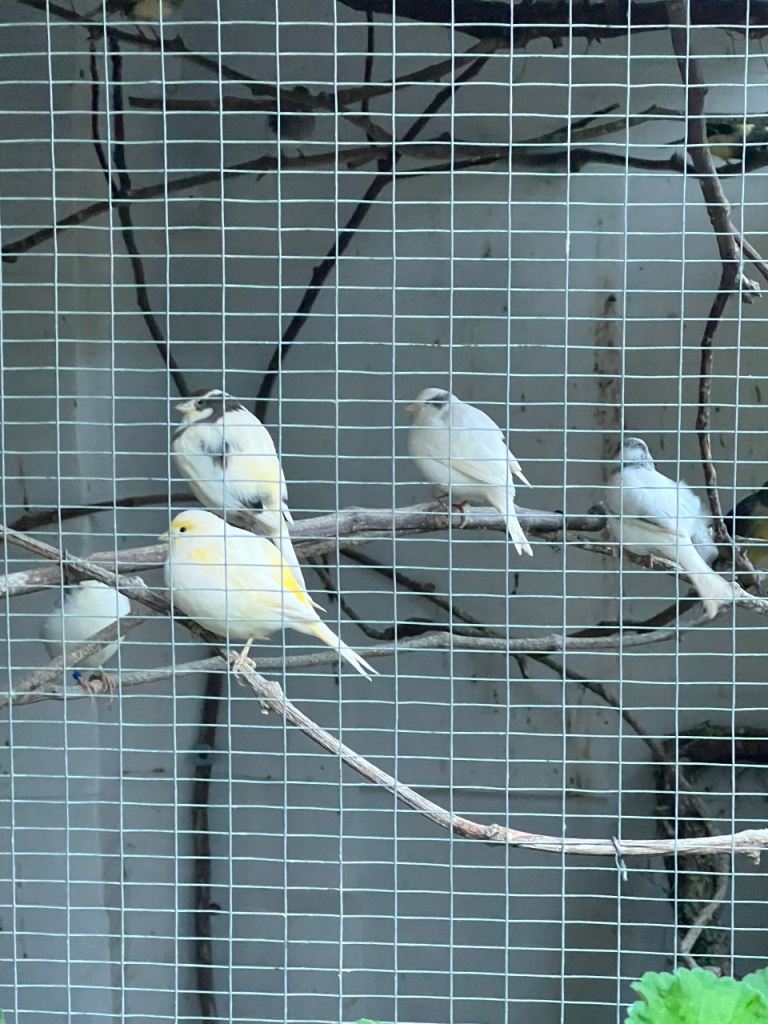
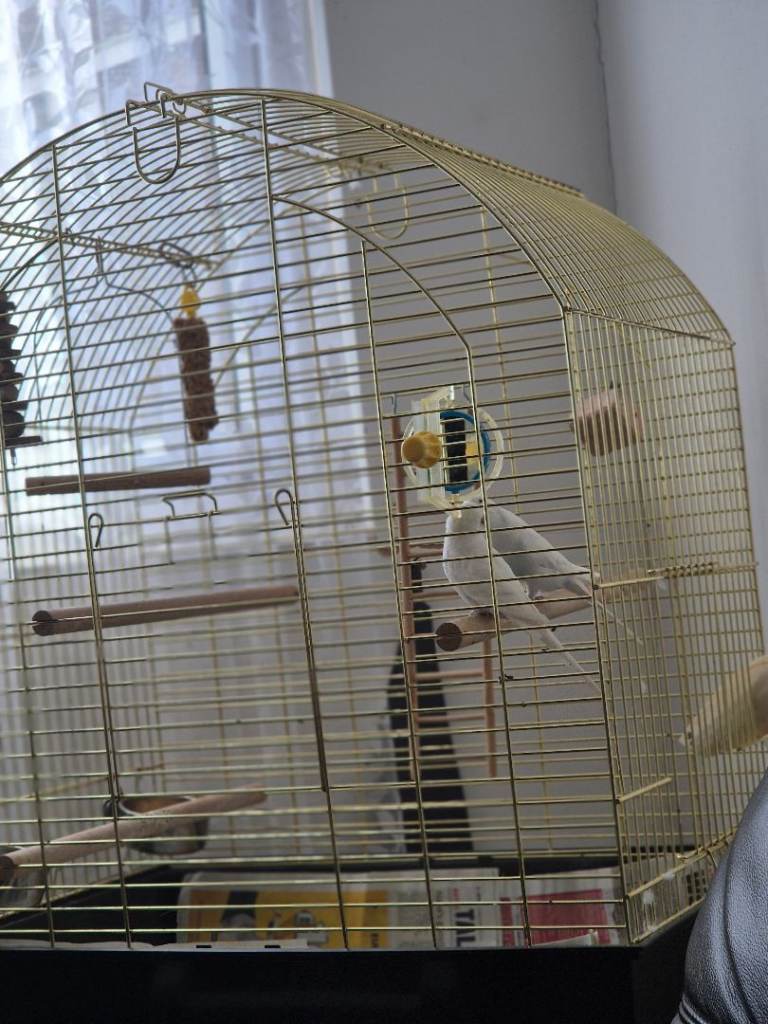
2 beautiful white budgies plus cage and ect
Age: 10 months
Ready to leave: Now
Isle of Dogs, London
£50
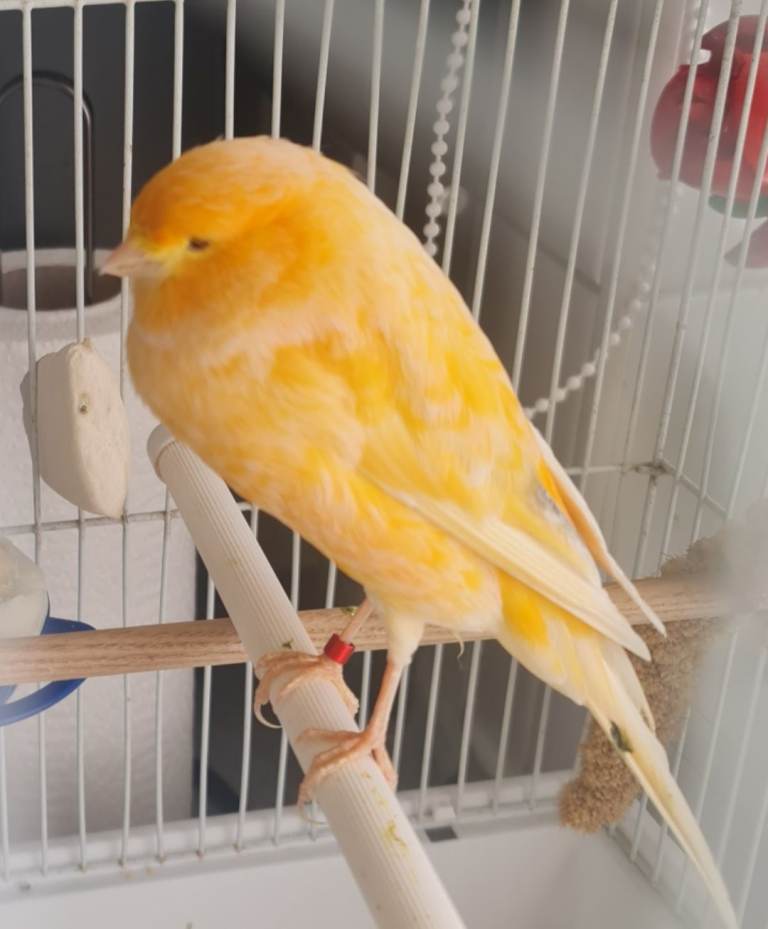
When selecting a canary, look for bright, clear eyes, clean and smooth feathers, and an alert and active demeanour. Avoid birds that appear lethargic, have ruffled feathers, or show signs of discharge around the eyes or nostrils. Check for signs of mites or other parasites.
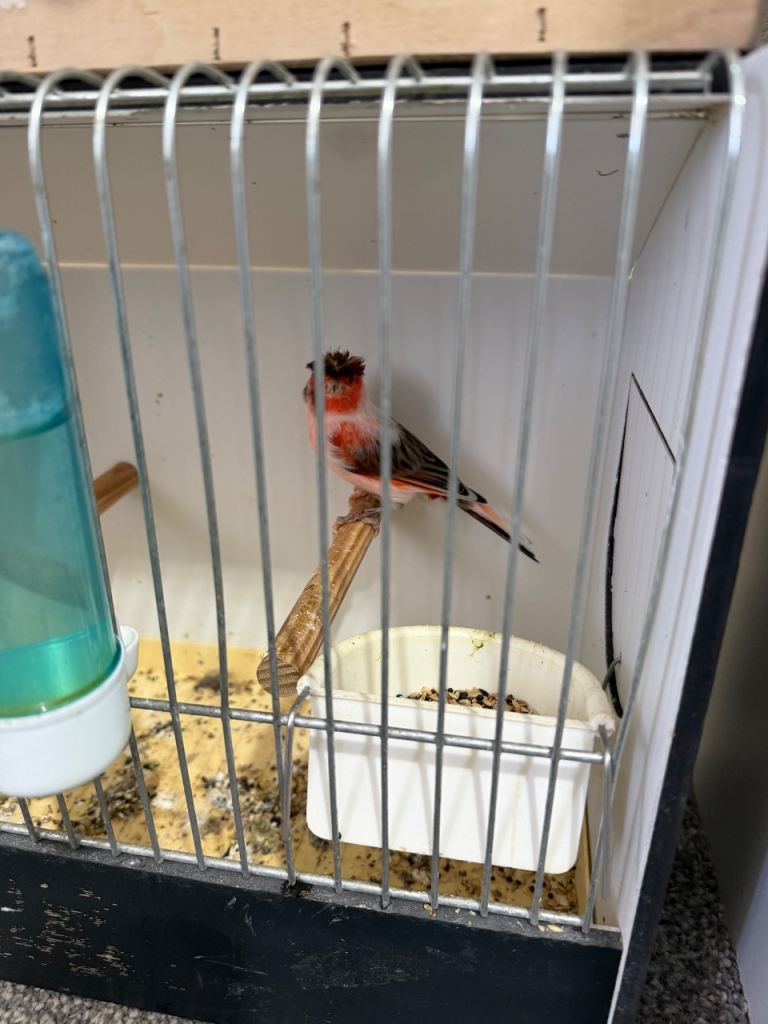
A cage for a single canary should be at least 45cm long, 30cm wide, and 45cm high. Wider cages are preferable to allow the bird to fly horizontally. Ensure the bar spacing is appropriate to prevent escape or injury.
A canary's diet should consist primarily of a good quality canary seed mix. Supplement this with fresh greens like kale or spinach, small pieces of fruit, and occasional treats such as millet sprays. Ensure fresh water is always available.
While there are no specific legal requirements for owning a canary in London, it's important to be aware of the Animal Welfare Act 2006, which requires all animal owners to provide for their animal's needs, including a suitable environment, diet, and protection from pain, suffering, injury, and disease. Also, be mindful of noise levels that may disturb neighbours.
Common health problems in canaries include mites, respiratory infections, and feather plucking. Preventative measures include maintaining a clean cage, providing a balanced diet, avoiding overcrowding, and ensuring a stress-free environment. Regular vet check-ups are also recommended.