7
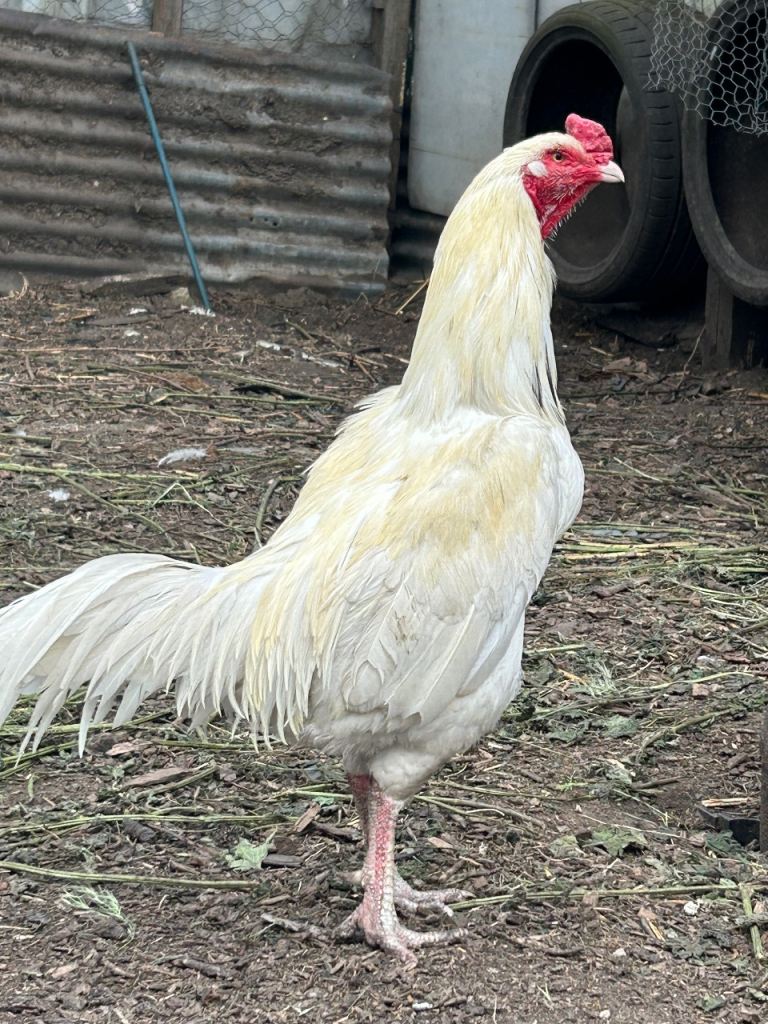
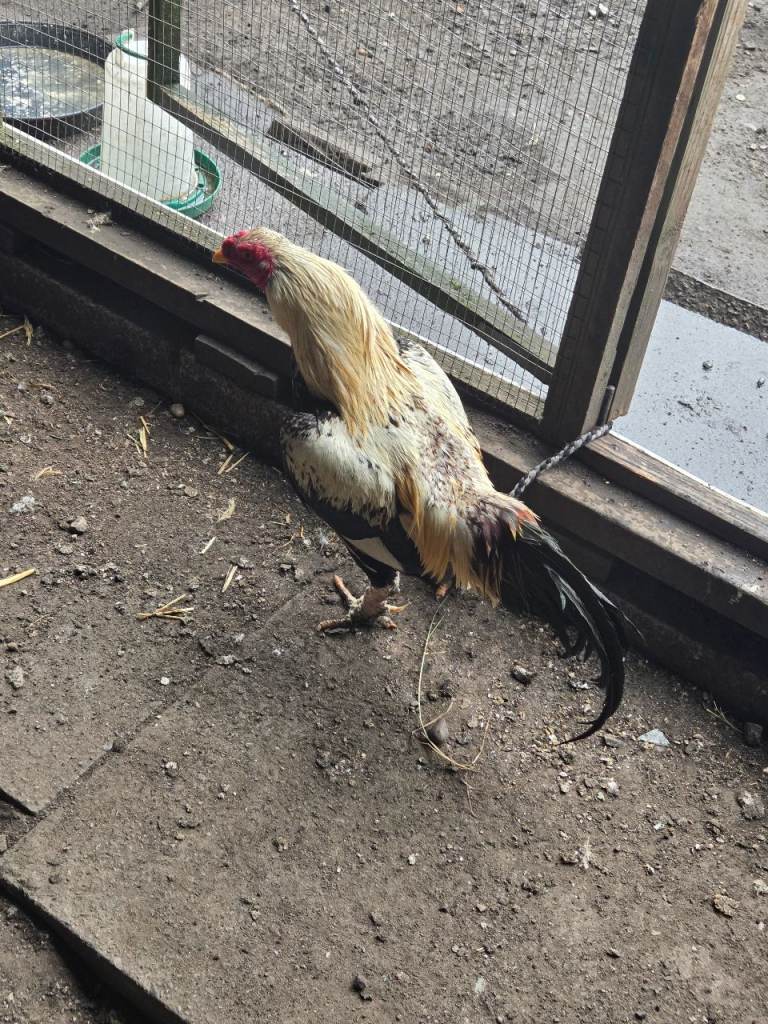
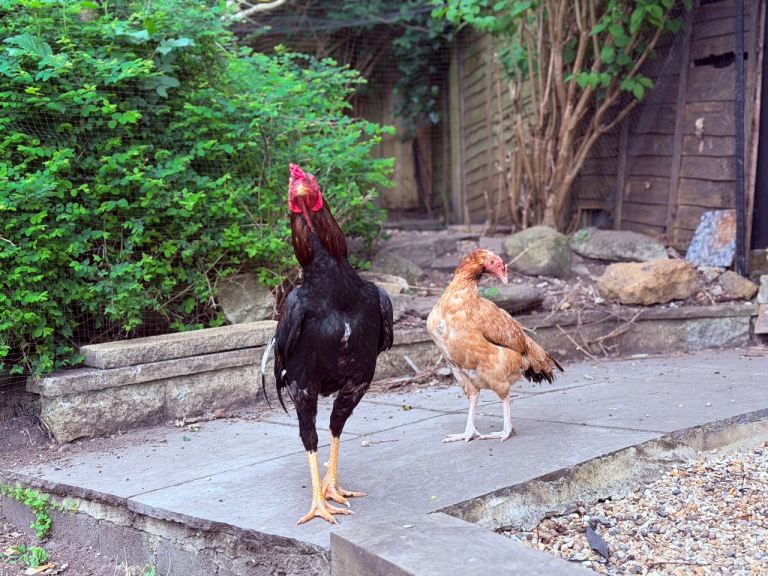
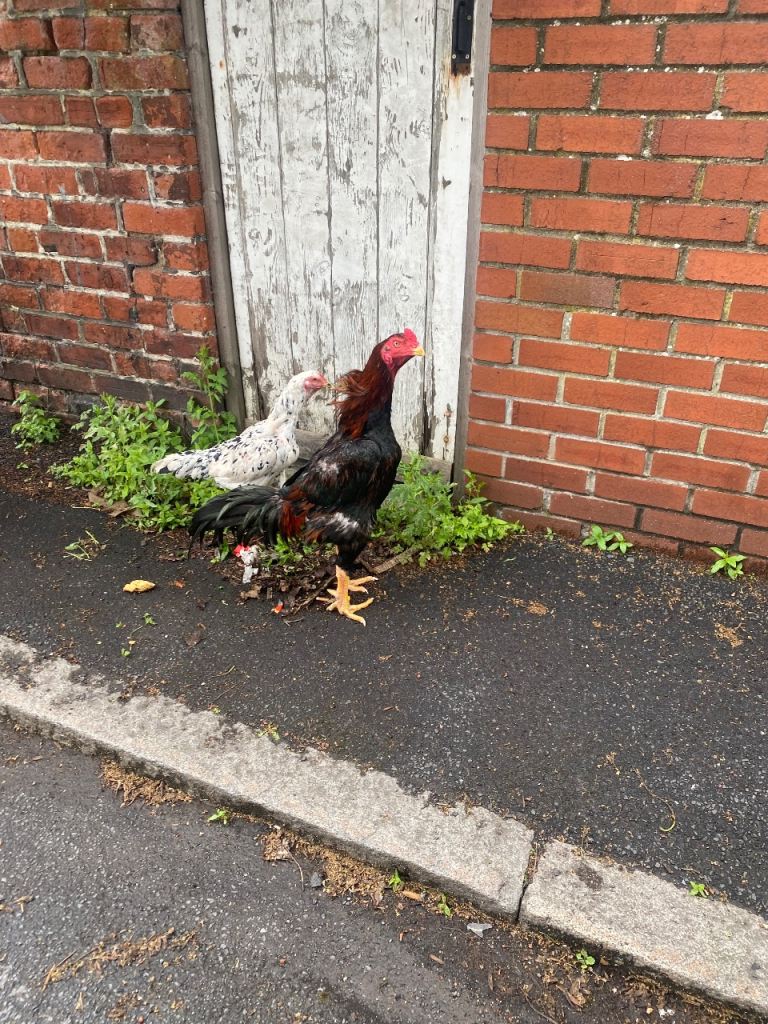
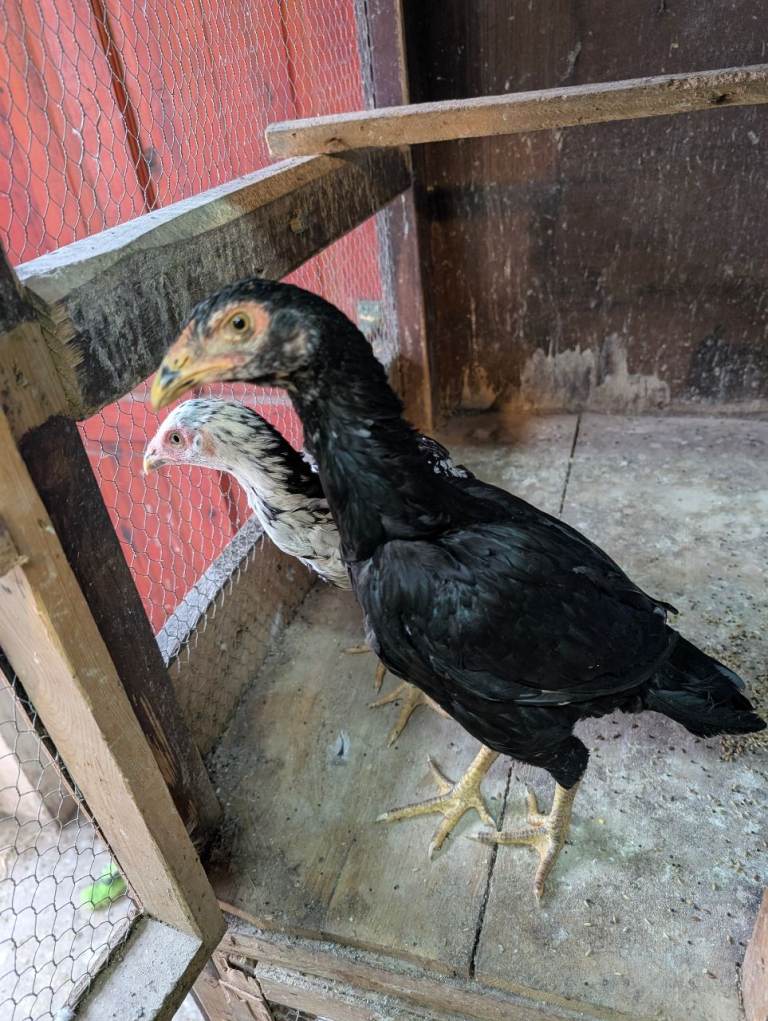
Aseel chicken for sale
Age: 3 months
Ready to leave: Now
Derby, Derbyshire
£70
When buying an Aseel bird, carefully inspect its physical condition. Look for signs of good health, such as bright eyes, clean feathers, and an alert demeanour. Observe its behaviour to ensure it is active and responsive. Ask the seller about the bird's age, breeding history, and any known health issues. Be wary of birds that appear lethargic or show signs of illness.
While owning Aseel birds is generally legal in the UK, it's crucial to ensure their welfare is prioritised and that they are kept in suitable conditions. You must comply with the Animal Welfare Act 2006, which requires you to provide for the bird's needs, including a suitable environment, diet, and protection from pain, suffering, injury, and disease. Check local council by-laws for any specific restrictions on keeping poultry or exotic birds in your area.
Aseel birds require a secure and spacious enclosure that protects them from the elements and predators. They need a balanced diet consisting of grains, seeds, and fresh vegetables. Regular health checks and preventative care, such as worming and mite treatment, are essential. Aseel birds can be aggressive, so careful consideration should be given to their housing and interaction with other birds.
Aseel birds can be susceptible to common poultry diseases such as coccidiosis, avian influenza, and Newcastle disease. They are also prone to parasitic infestations like mites and worms. Regularly monitor your bird for signs of illness, such as changes in appetite, lethargy, respiratory distress, or abnormal droppings. Consult a veterinarian experienced in avian care if you suspect your bird is unwell.
Aseel birds can be strong and potentially aggressive, so handle them with care. Wear gloves to protect yourself from scratches and bites. Supervise children closely when they are interacting with Aseel birds. Be aware of the bird's body language and avoid approaching it if it appears stressed or agitated. If you are unsure about how to handle an Aseel bird, seek guidance from an experienced breeder or avian veterinarian.