Featured
7
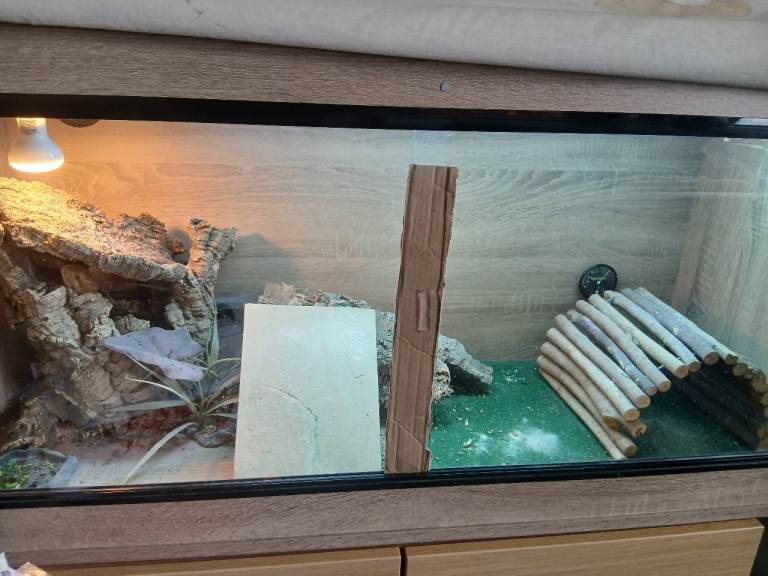
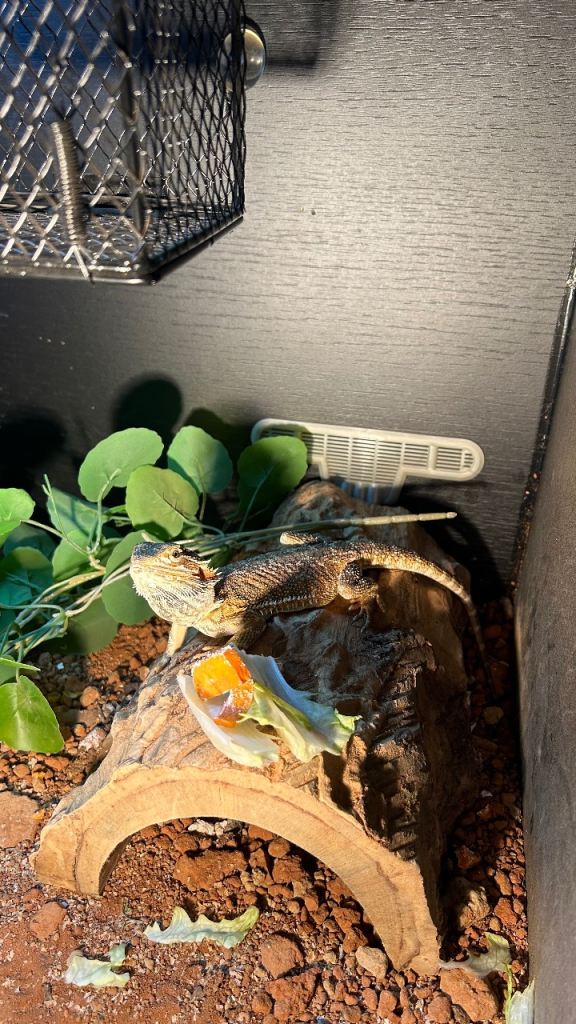
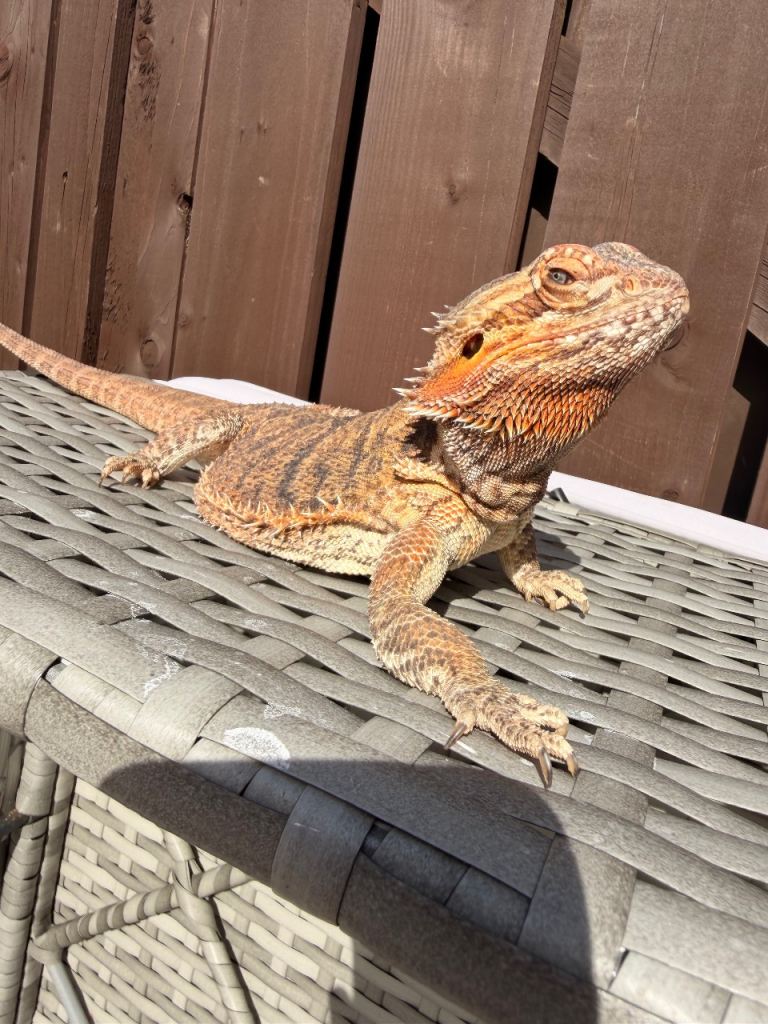
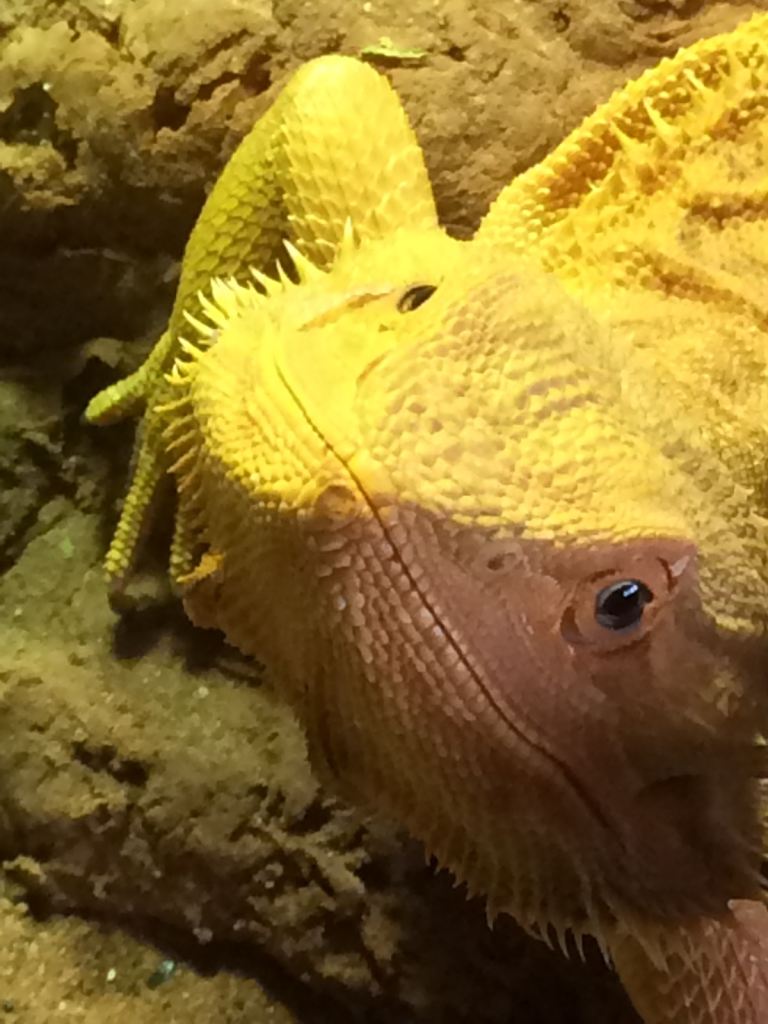
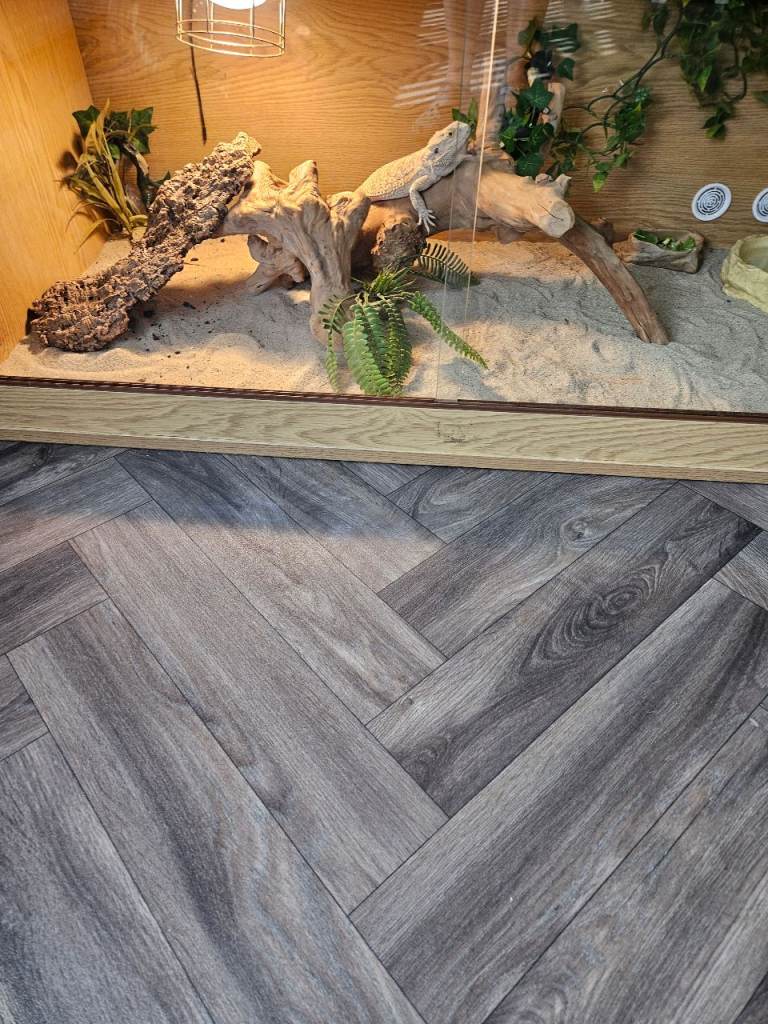
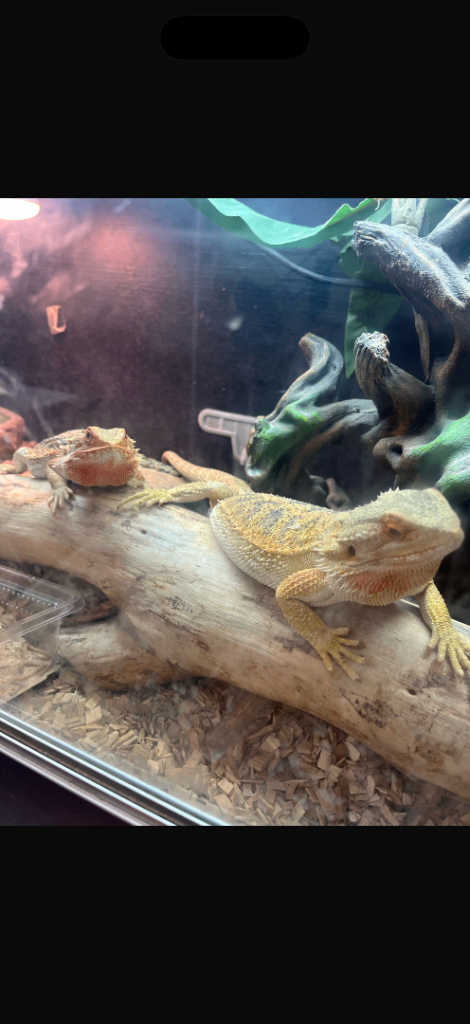
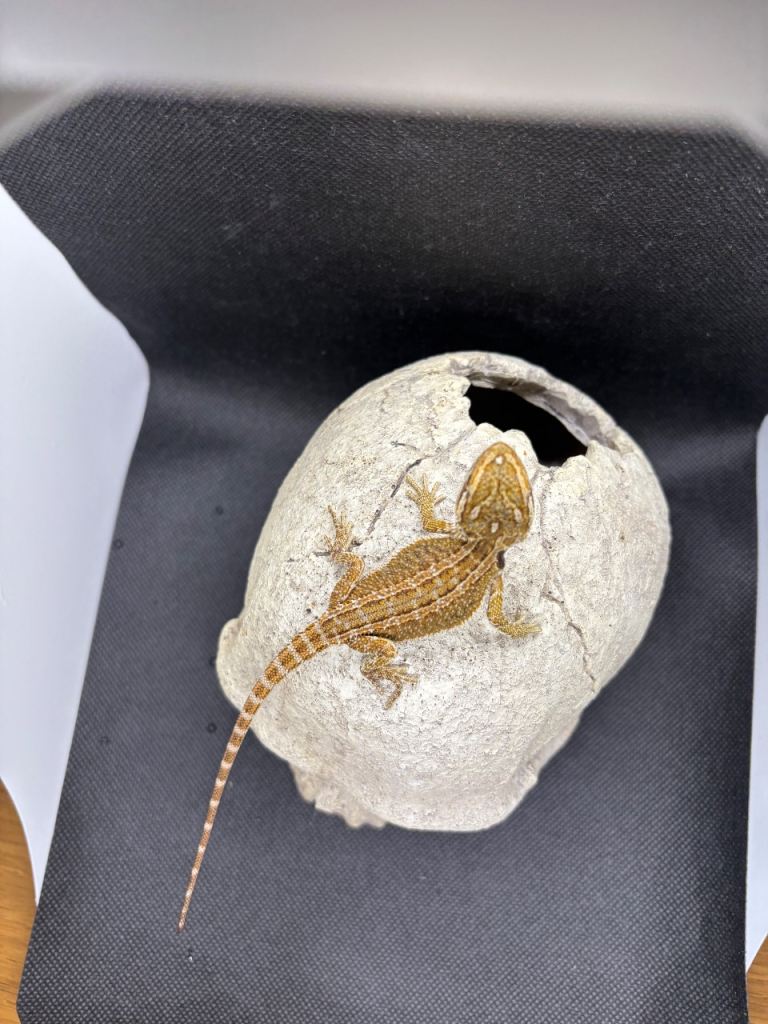
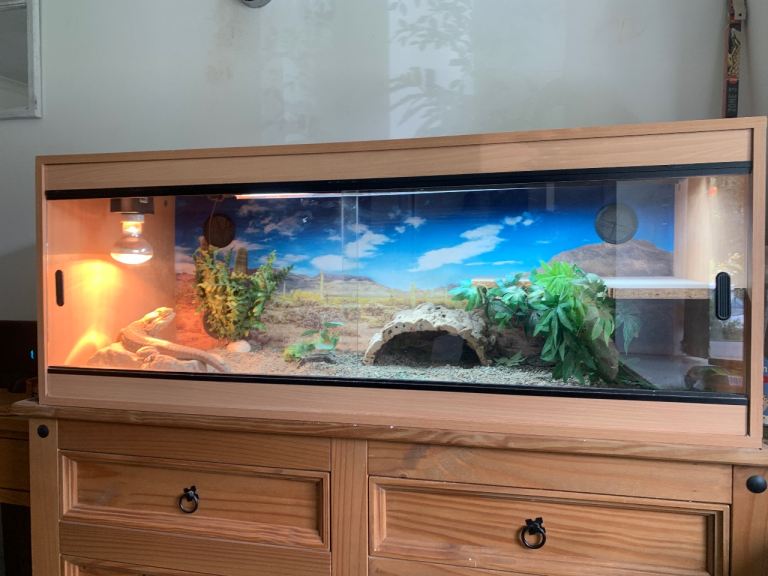
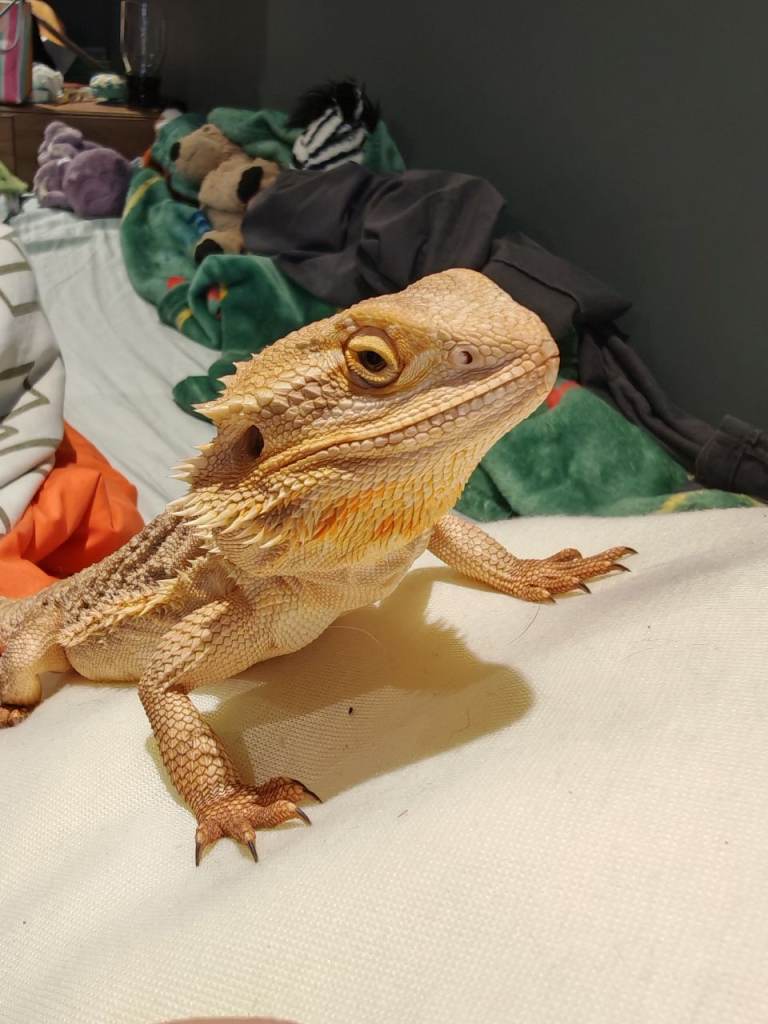
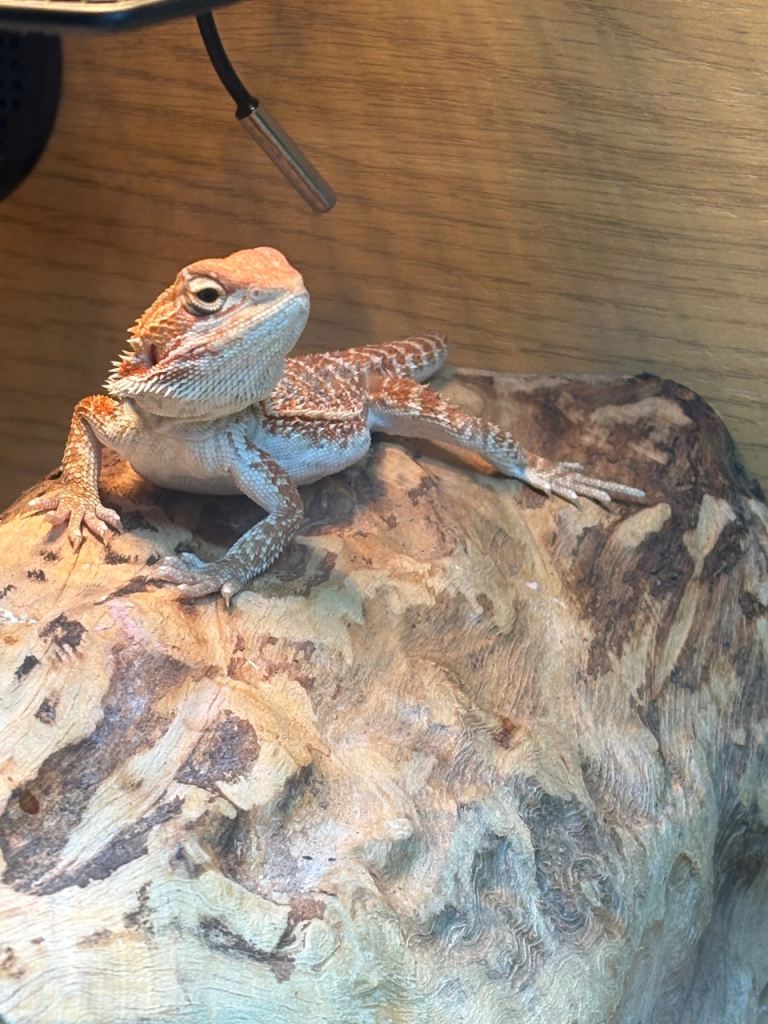
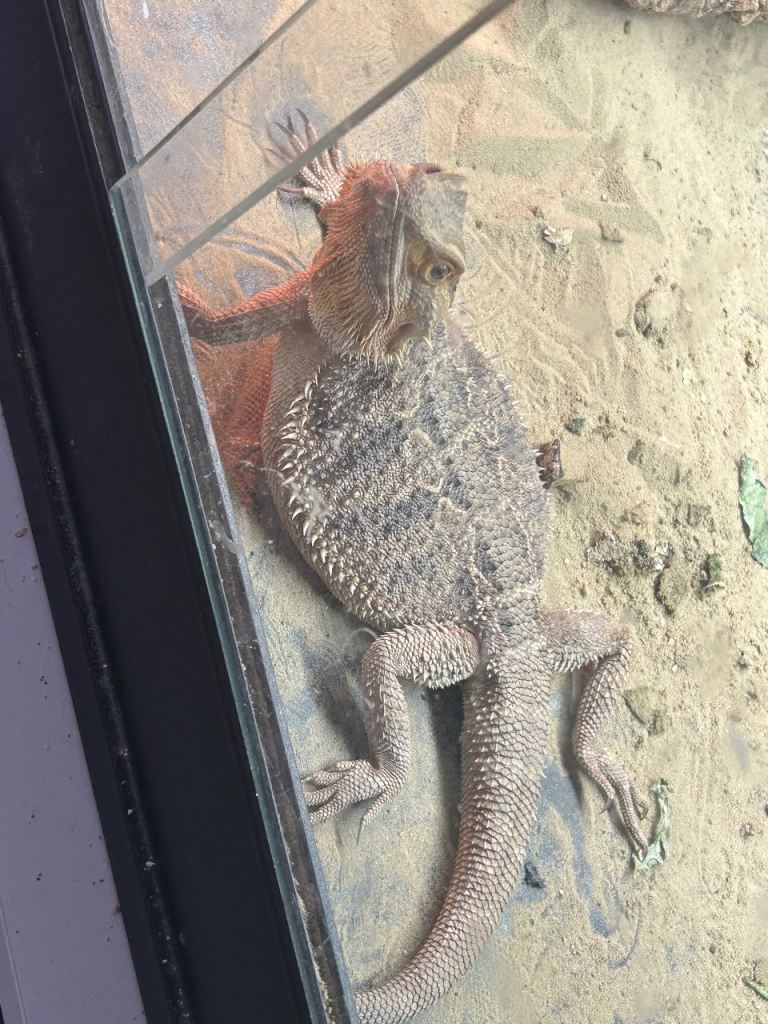
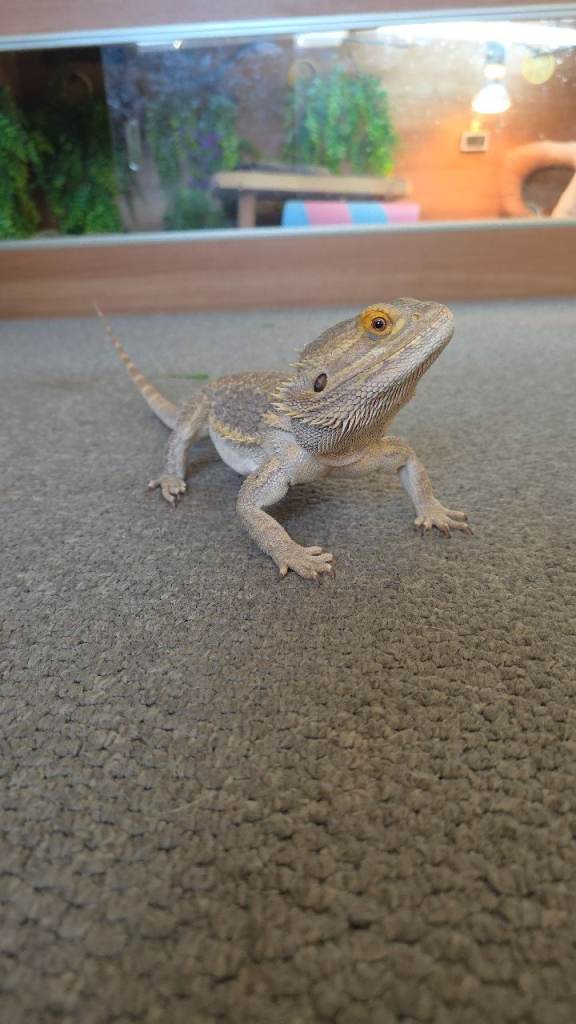
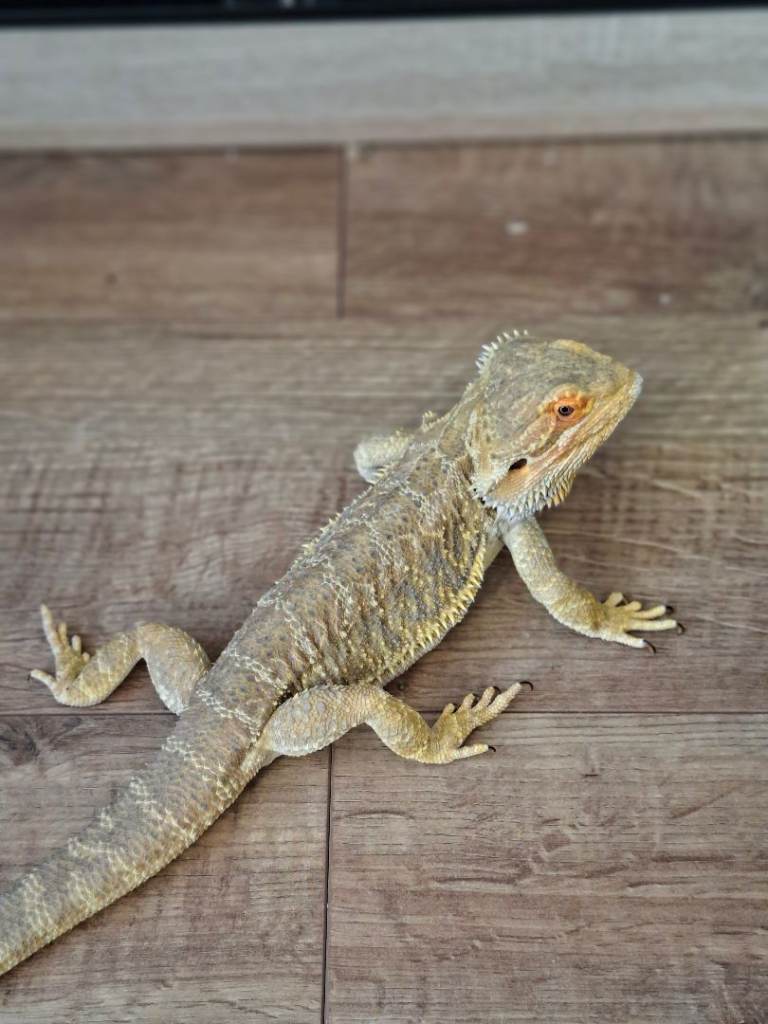
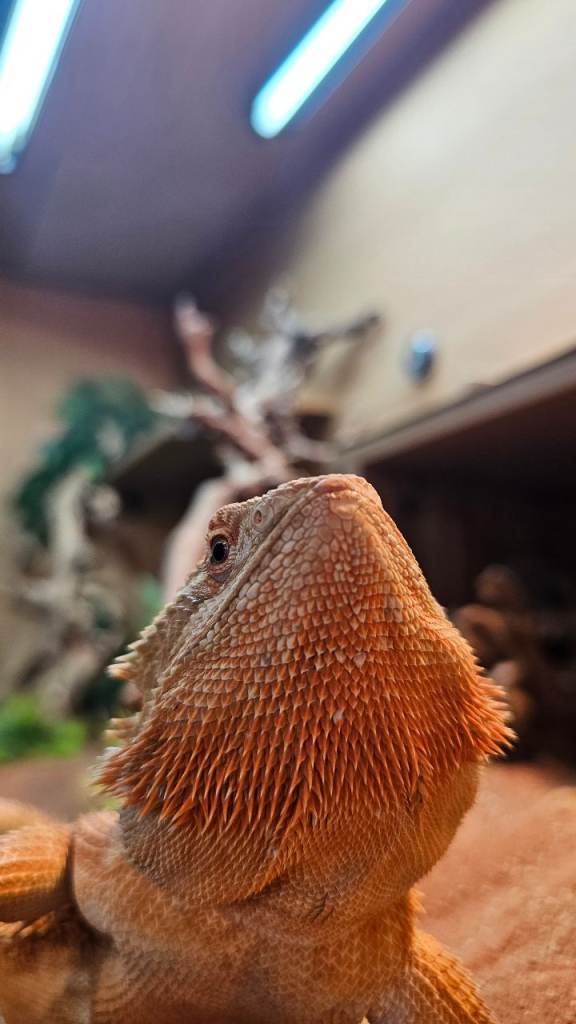
Bearded dragon with full set up
Age: 10 months
Ready to leave: Now
Allestree, Derbyshire
£350
When selecting a bearded dragon, look for clear, bright eyes, a healthy skin tone without signs of shedding issues, and a good body condition (not too thin or bloated). The dragon should be alert and responsive, with no signs of lethargy or difficulty breathing. Check for any injuries or deformities.
A juvenile bearded dragon requires a minimum enclosure size of 3ft x 1.5ft x 1.5ft, while an adult needs at least 4ft x 2ft x 2ft. The enclosure needs a basking spot with a temperature of 38-43°C (100-110°F), a cooler side around 24-29°C (75-85°F), and UVB lighting. Suitable substrates include reptile carpet, paper towels, or tile. Avoid sand, especially for young dragons, as it can cause impaction if ingested.
Bearded dragons are omnivores. A young dragon's diet should consist of approximately 80% insects (crickets, locusts, mealworms, etc.) and 20% greens (collard greens, mustard greens, dandelion greens, etc.). An adult's diet should be roughly 80% greens and 20% insects. Always dust insects with calcium and vitamin D3 supplements. Offer fresh water daily.
Common health issues include metabolic bone disease (MBD) due to insufficient calcium or UVB exposure, impaction from ingesting substrate or large insects, parasites, respiratory infections, and mouth rot. Regular vet check-ups are essential to detect and treat these problems early.
While bearded dragons are not subject to specific licensing requirements in the UK, it's important to ensure the seller is reputable and the dragon has been cared for properly. Be aware of the Animal Welfare Act 2006, which places a duty of care on animal owners to provide for their animal's needs, including a suitable environment, diet, and protection from pain, suffering, injury, and disease. Consider the long-term commitment involved in caring for a reptile, as they can live for 5-10 years or more.