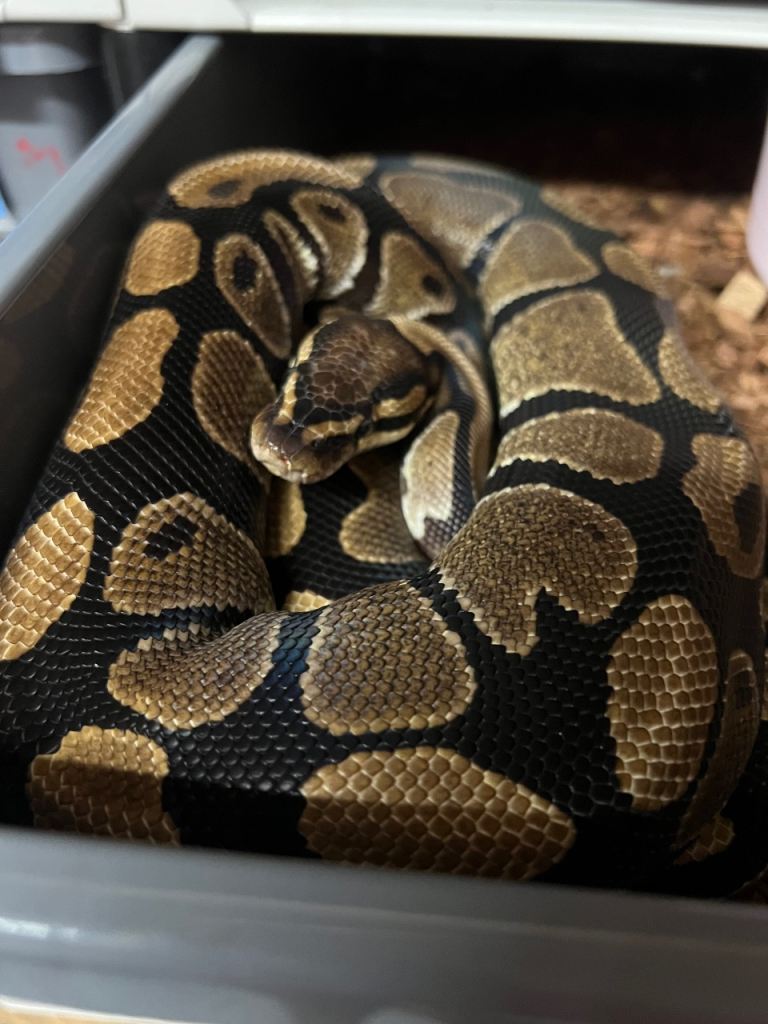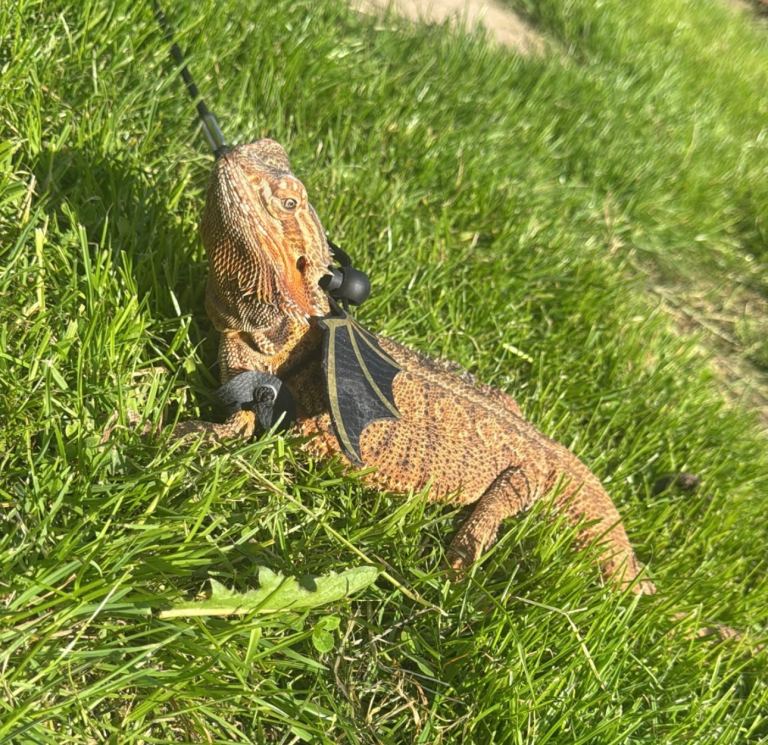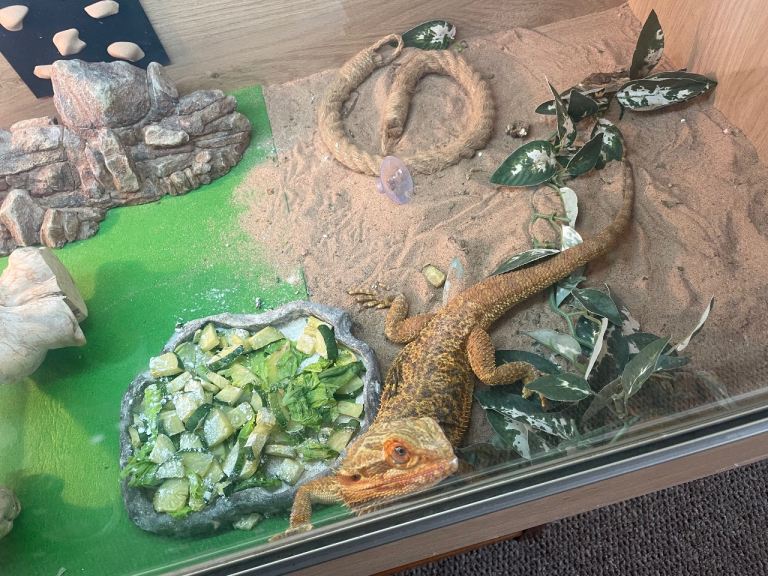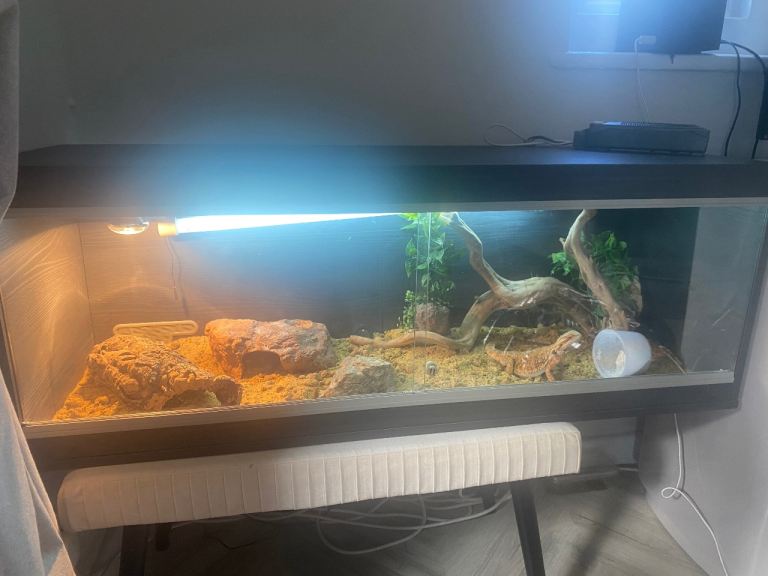
12
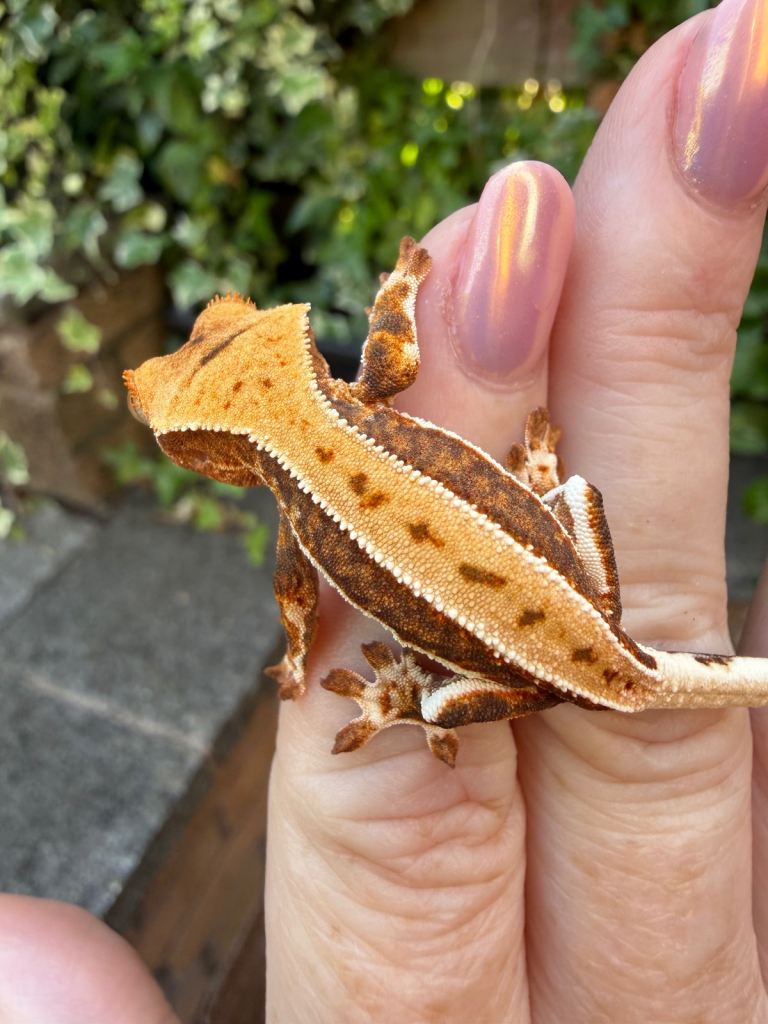
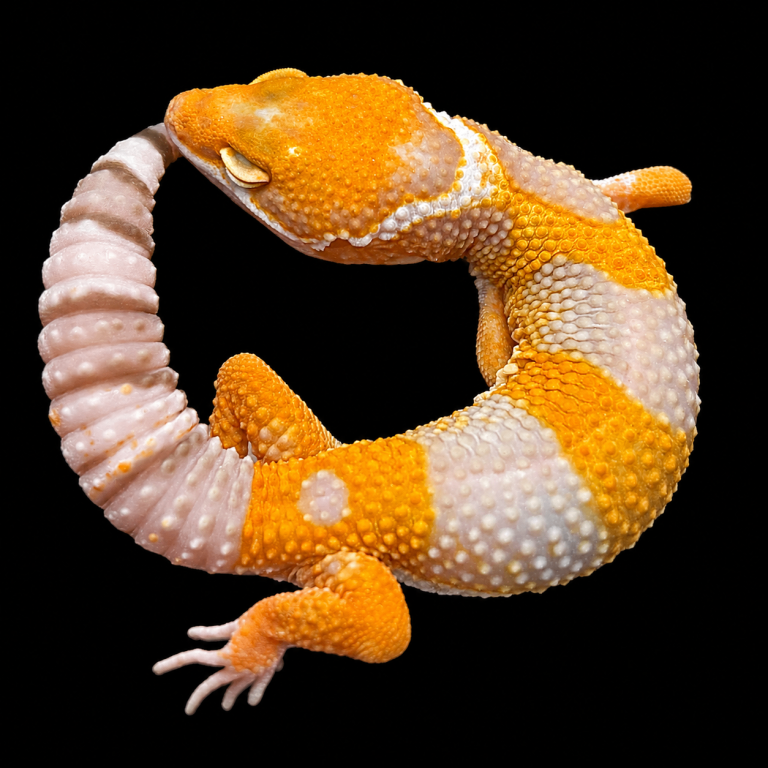
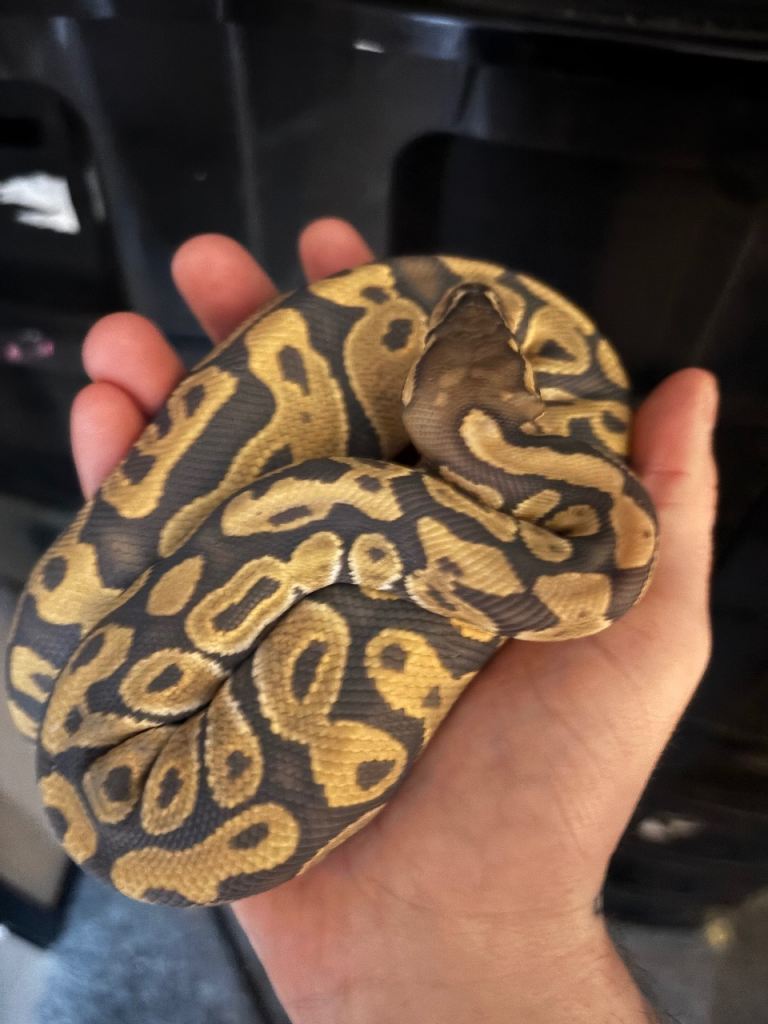
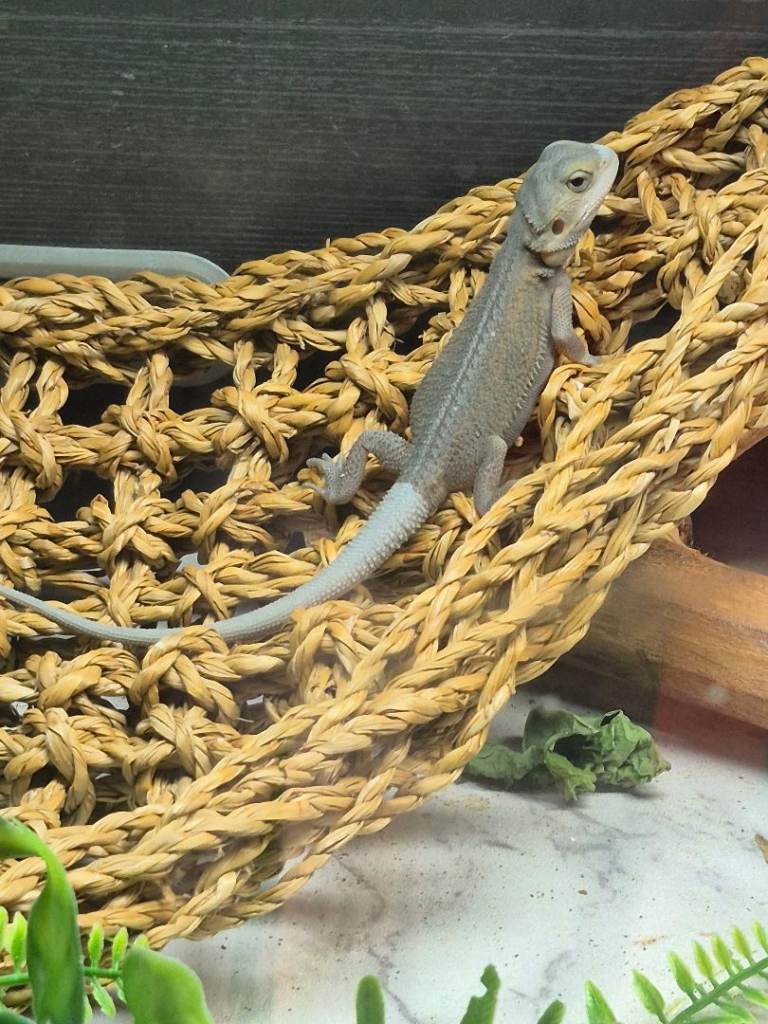
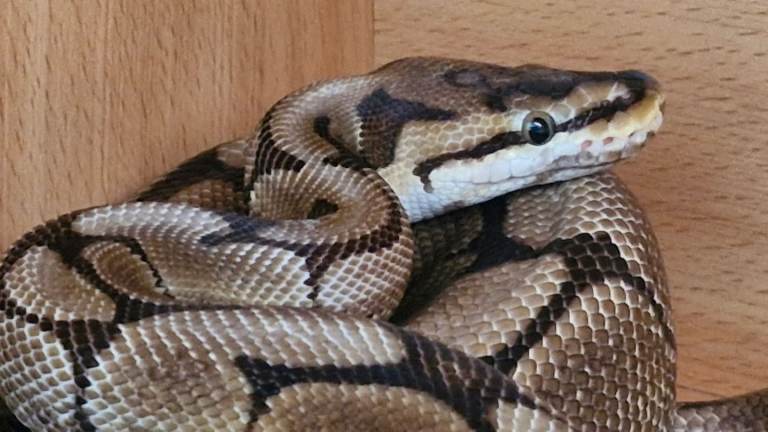
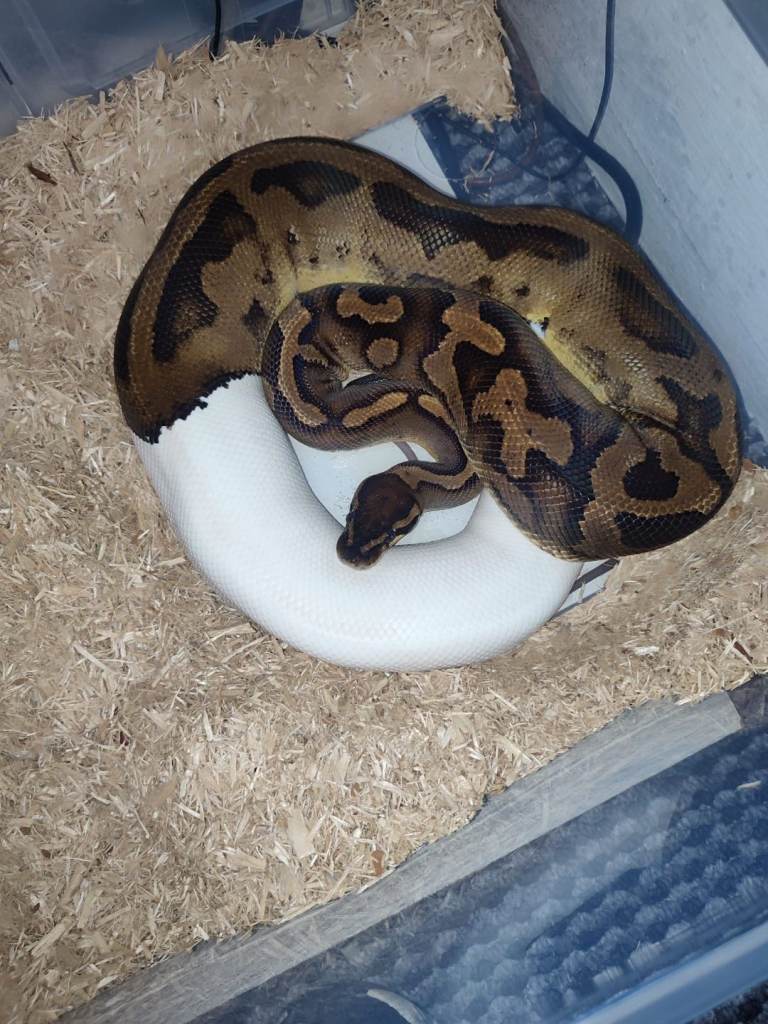
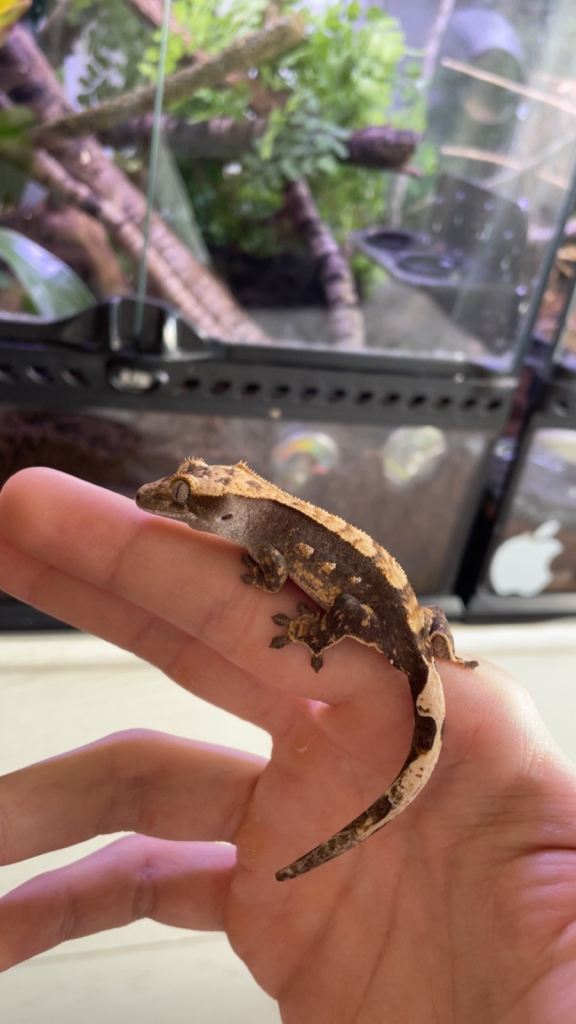
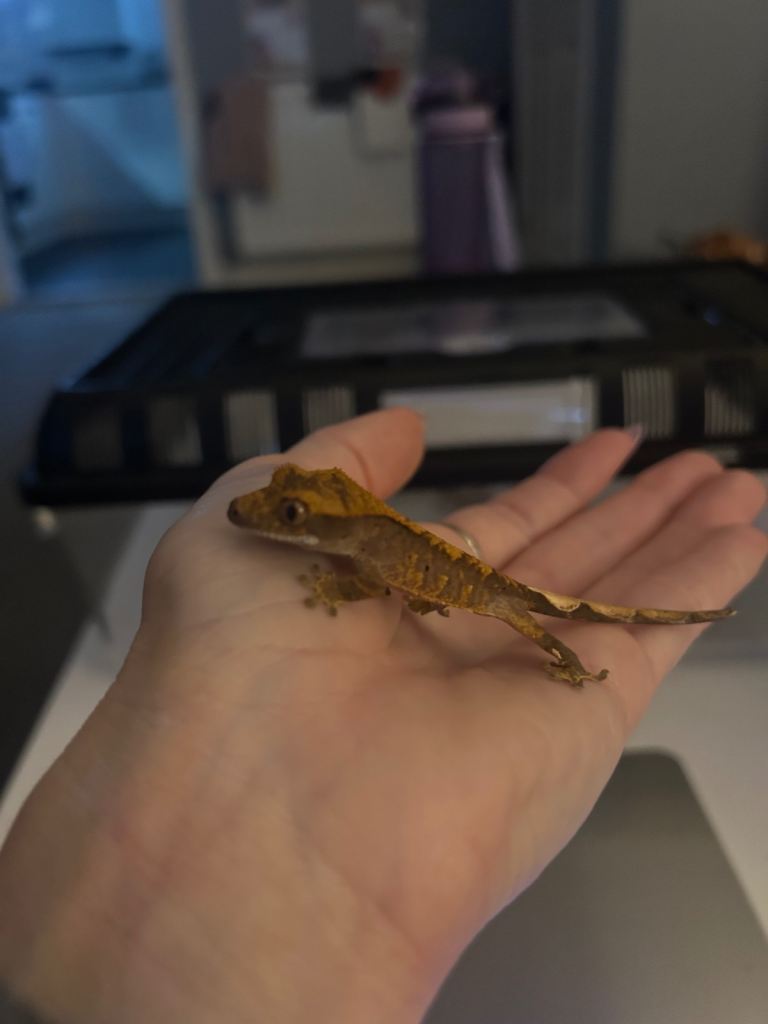
Crested Gecko Babies
Age: 3 months
Ready to leave: Now
Bishopbriggs, Glasgow
£80
Before purchasing a reptile, research its specific needs regarding temperature, humidity, enclosure size, diet, and lighting. Ensure you can provide the correct environment and have the necessary equipment. Consider the long-term commitment, as some reptiles can live for many years. Also, research if the species requires a licence to own in Scotland.
Some reptiles are subject to legal restrictions under the Dangerous Wild Animals Act 1976. Check with your local council to determine if the species you're interested in requires a licence. It's your responsibility to ensure you comply with all relevant legislation regarding reptile ownership in Scotland.
Observe the reptile's behaviour for signs of lethargy or illness. Check for clear eyes, clean vent, and healthy skin with no signs of parasites or shedding problems. Ask the seller about the reptile's feeding habits and recent veterinary history. A reputable seller should be willing to answer your questions and provide relevant information.
Quarantine any new reptile in a separate enclosure away from existing pets for at least 30-60 days. This helps prevent the spread of potential diseases or parasites. Practice strict hygiene by washing your hands thoroughly after handling the new reptile or its enclosure. Use separate equipment for the new reptile to avoid cross-contamination.
Enquire about the reptile's age, origin (captive-bred or wild-caught), feeding habits, shedding history, and any known health issues. Ask about the reptile's temperament and handling experience. A responsible seller should be able to provide detailed information about the reptile's background and care requirements.