Featured
8
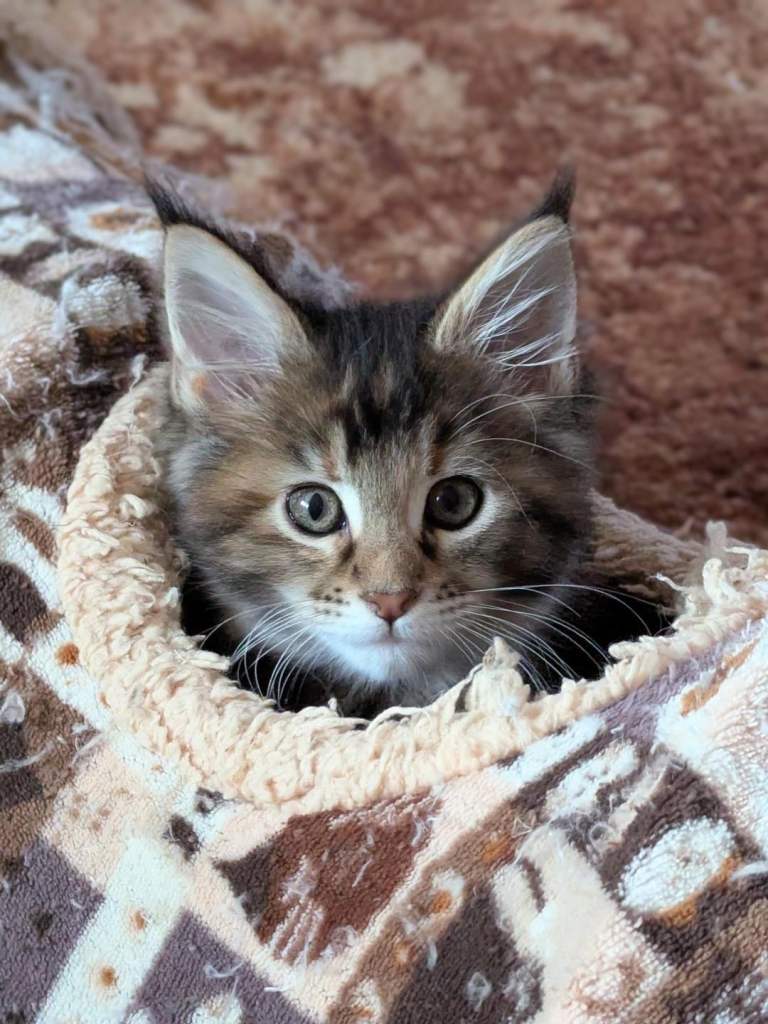
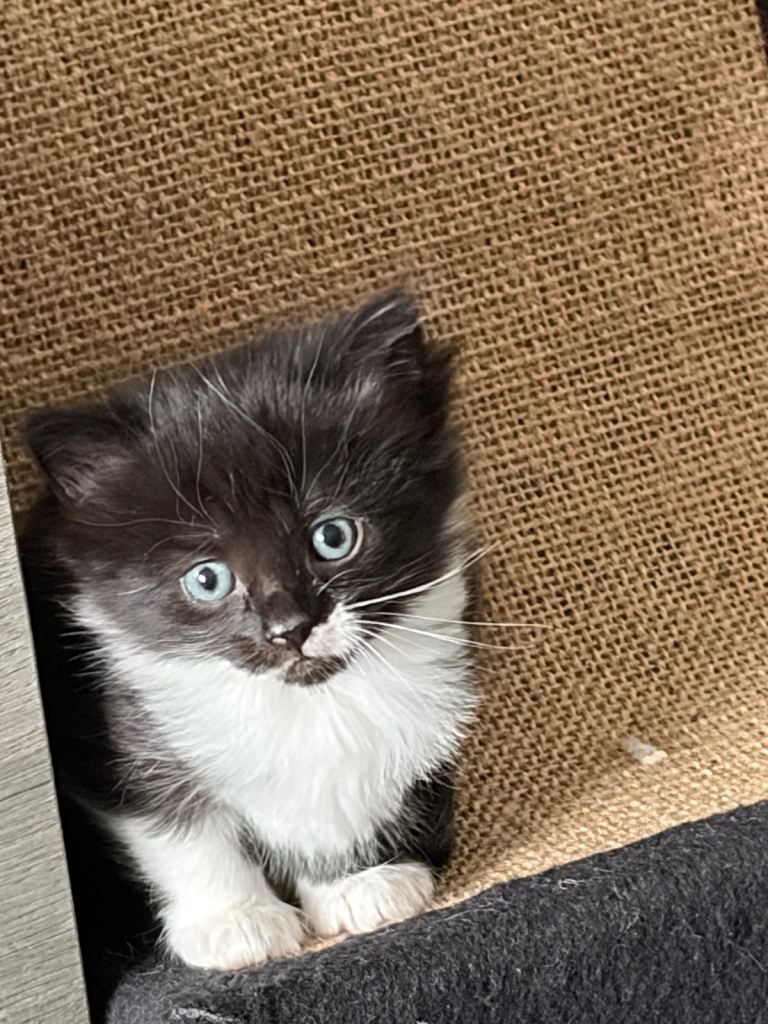
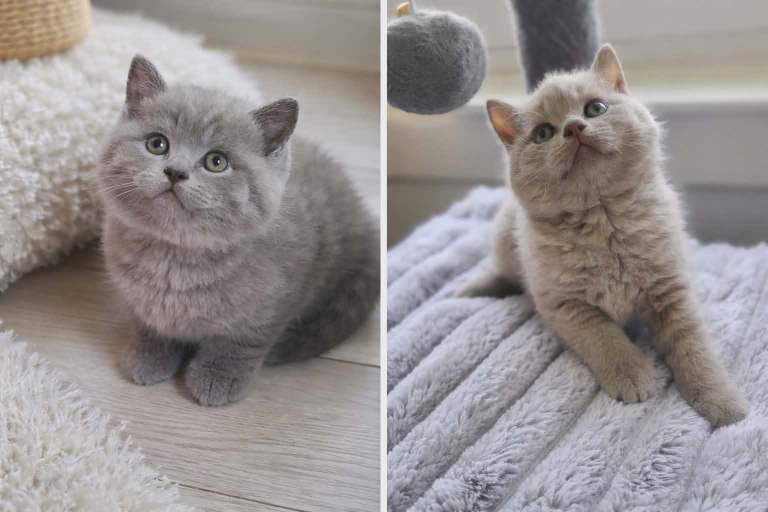
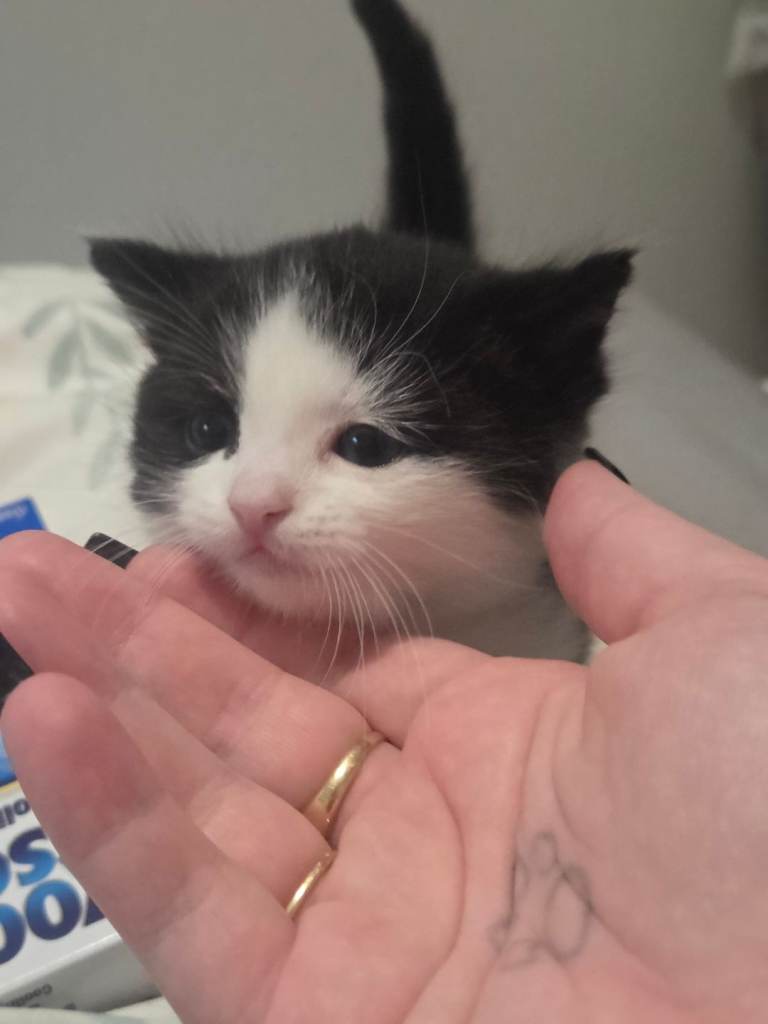
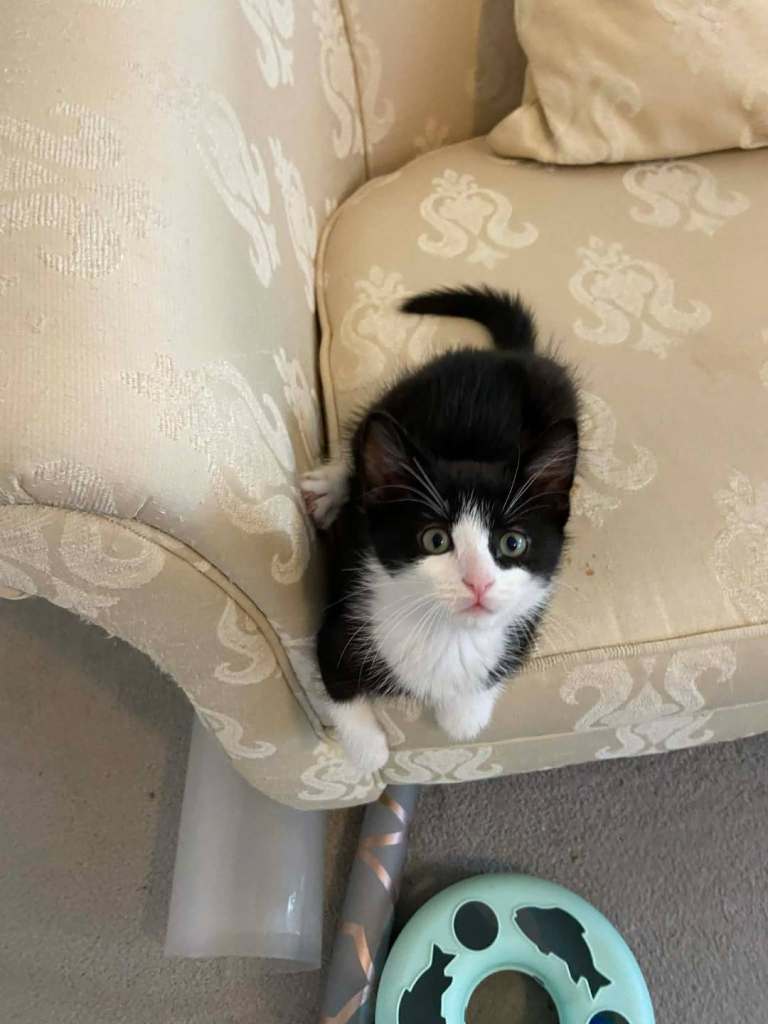
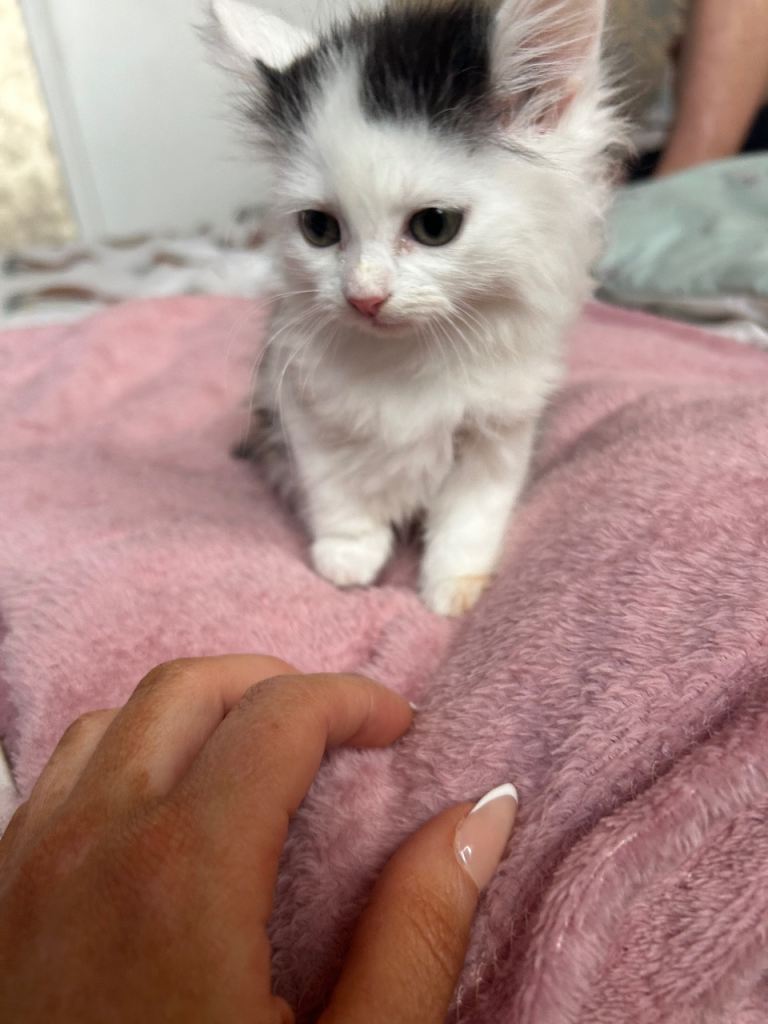
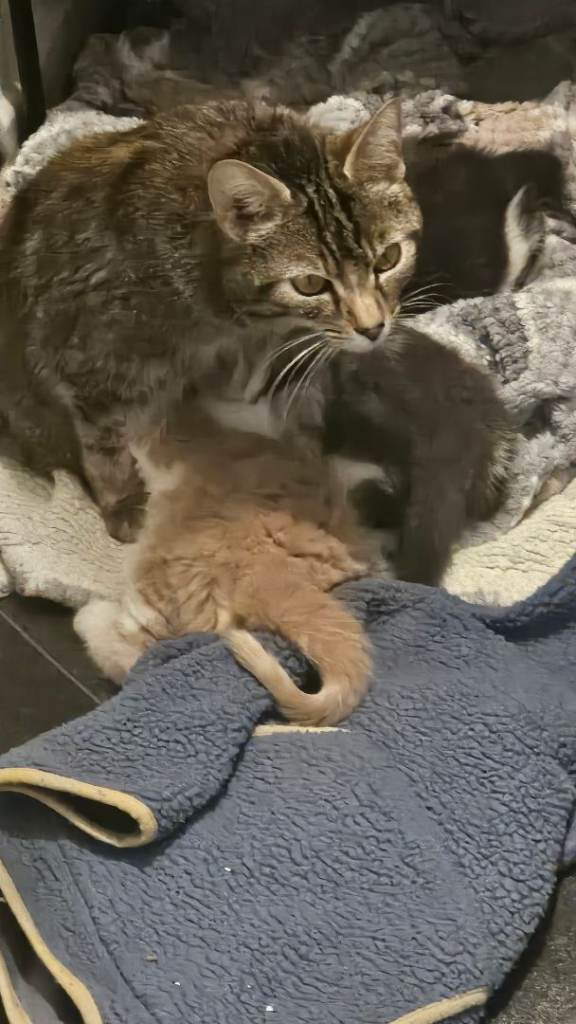
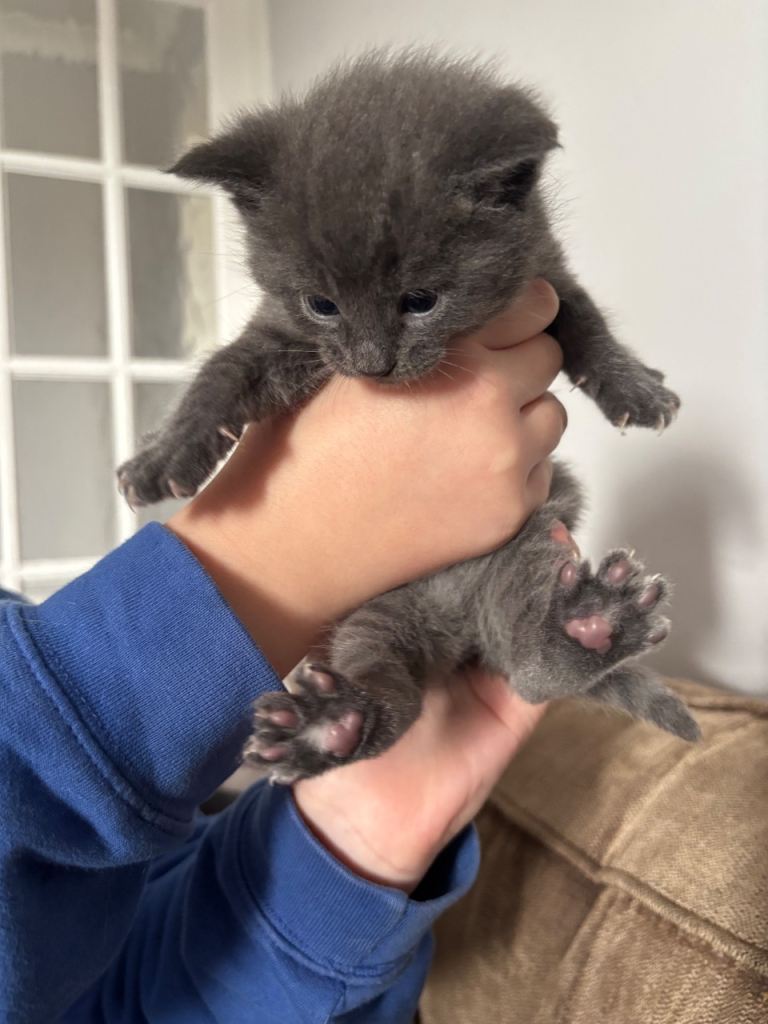
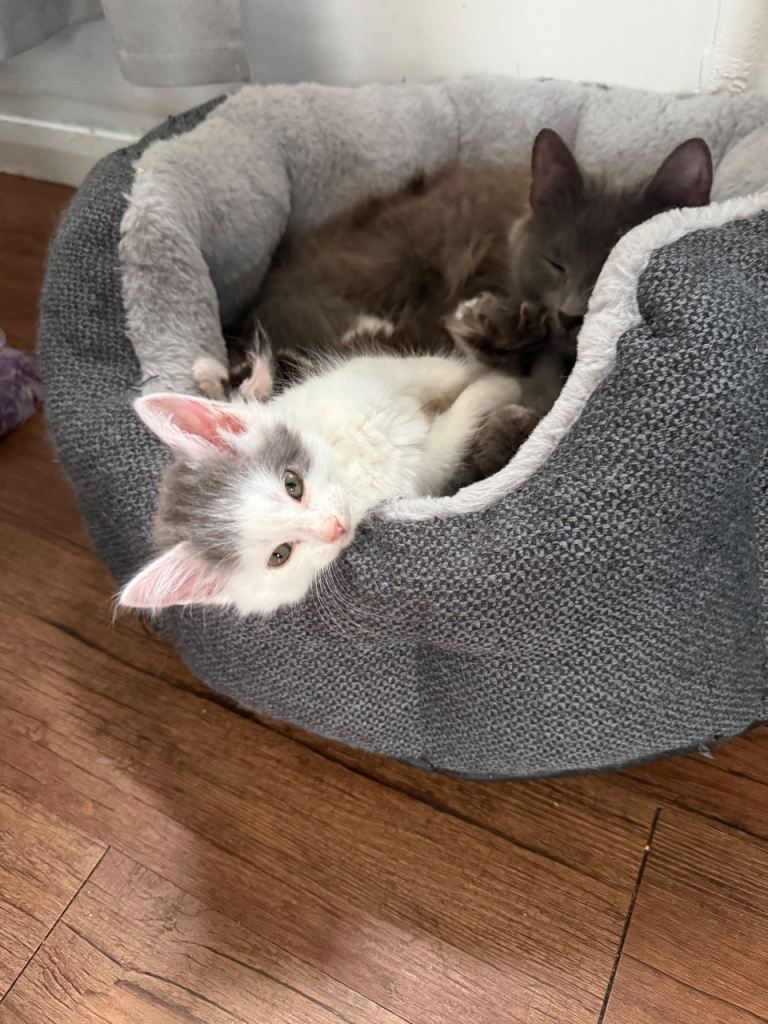
Ragdoll X Kittens looking forever home
Age: 10 weeks
Ready to leave: Now
East End, Glasgow
£500
Consider the cat's personality, age, and breed (if known). Ensure the cat is a good fit for your lifestyle and home environment. Check the cat's overall health, looking for clear eyes, a clean coat, and no signs of illness or distress. Ask the seller about the cat's history, including vaccinations, worming, and flea treatments.
Ideally, the cat should have been checked by a vet. Ask for proof of vaccinations, worming, and flea treatment. Look for signs of common feline illnesses, such as discharge from the eyes or nose, coughing, sneezing, or diarrhoea. If possible, arrange for your own vet to examine the cat shortly after bringing it home, especially if you have other pets.
While microchipping isn't currently legally required for cats in Scotland, it is strongly recommended. Microchipping helps reunite lost cats with their owners. Consider that laws regarding animal welfare apply across the UK, and owners are responsible for providing adequate care, including food, water, shelter, and veterinary treatment. The Animal Welfare Act 2006 places a duty of care on pet owners.
Enquire about the cat's age, breed (if known), and temperament. Ask about its history, including where it came from, whether it has been socialised with other animals and people, and if it has any known behavioural issues. If buying a kitten, ask about its mother's health and temperament. It's also important to understand the cat's feeding habits and any dietary requirements.
Ensure your home is safe for a cat by removing any potential hazards, such as poisonous plants, cleaning products, and loose electrical cords. Provide a safe and comfortable space for the cat to retreat to, such as a bed or carrier. If you have other pets, introduce them gradually and under supervision. Keep windows and doors closed or screened to prevent the cat from escaping, especially in the initial settling-in period.