Featured
1/19
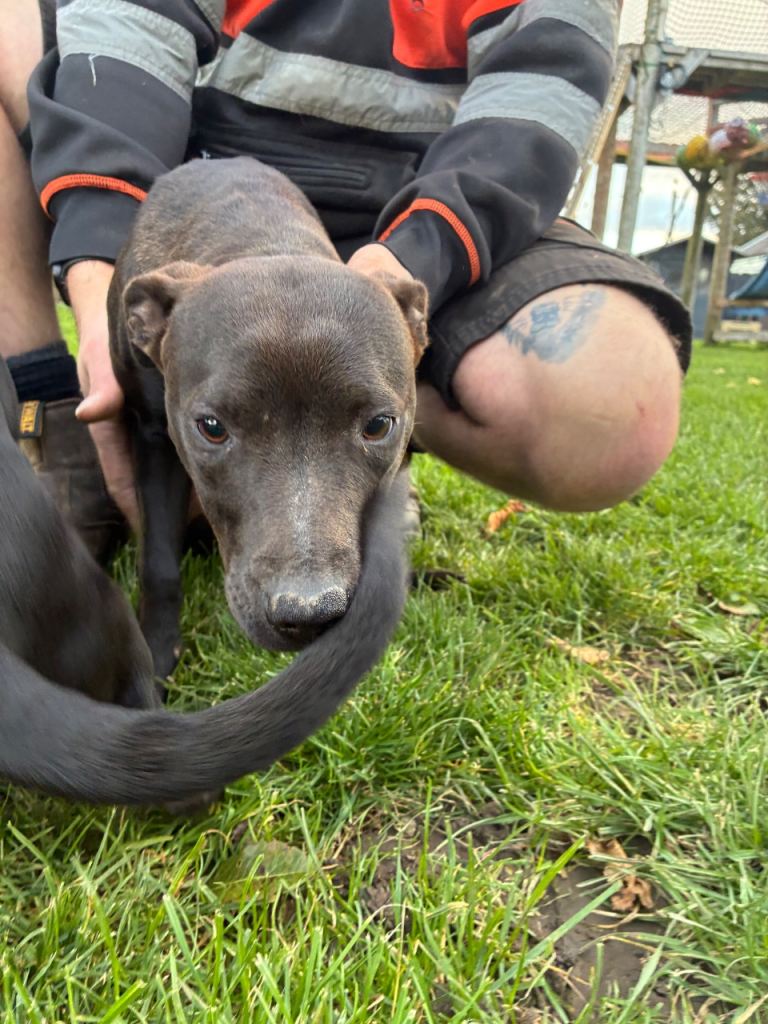
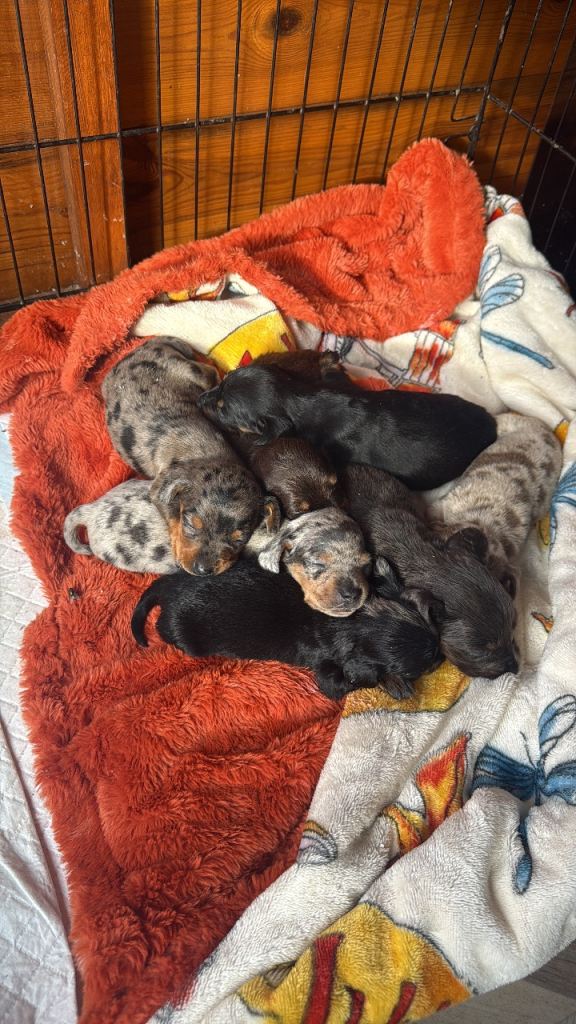
Hungarian Wirehaired Vizsla Puppies
Age:4 weeks
Ready to leave:in 4 weeks
Falkirk
£1,350
When choosing a pet, consider your lifestyle and ability to provide proper care, including exercise, feeding, and veterinary attention. Research the specific breed or species to understand their needs. Always meet the animal in person, ideally in its home environment, to assess its temperament and health. Check for signs of good health, such as clear eyes, a healthy coat, and a good appetite.
Yes. In Scotland, it is illegal to sell a pet without a licence if you are operating a pet shop or breeding animals for sale. Always ask the seller if they have the necessary licences. Microchipping is a legal requirement for dogs over 8 weeks old, and it's essential to ensure the microchip details are updated to your name and address after purchase. Consider the Animal Welfare Act 2006, which places a duty of care on pet owners to ensure their animal's welfare needs are met.
Ideally, the pet should have been checked by a vet, and you should ask for proof of this, including vaccination records and any relevant health certificates. Inquire about the animal's worming and flea treatment history. If possible, arrange for your own vet to examine the animal shortly after purchase to confirm its health and identify any potential issues early on.
Ask about the pet's history, including its age, breed, temperament, and any known health problems. Inquire about its diet, exercise routine, and socialisation. If buying a dog, ask about its parentage and whether they have been health tested for any breed-specific conditions. Be wary of sellers who are reluctant to answer questions or provide information.
Before bringing your new pet home, ensure your home is safe and secure. Remove any potential hazards, such as toxic plants or cleaning products. Provide a quiet and comfortable space for the animal to adjust to its new surroundings. Introduce the pet gradually to other animals in the household to avoid conflict. Supervise children when they interact with the new pet to ensure both the child's and the animal's safety.