Featured
3
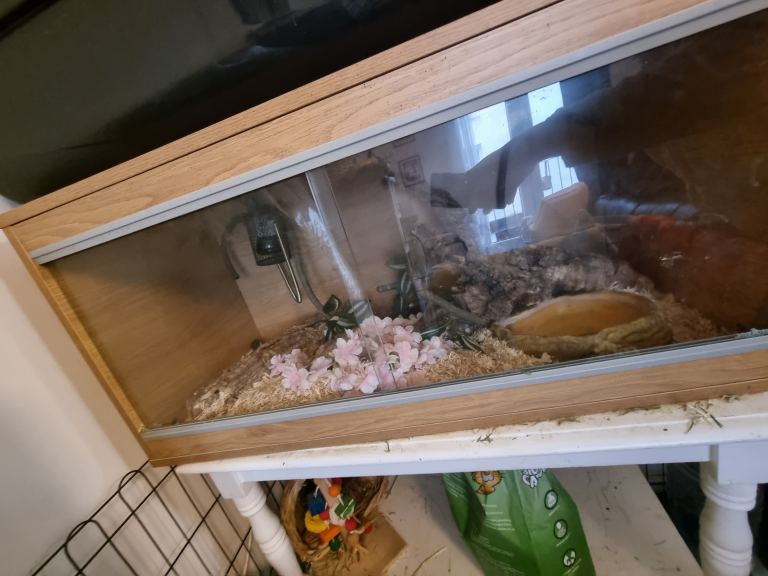
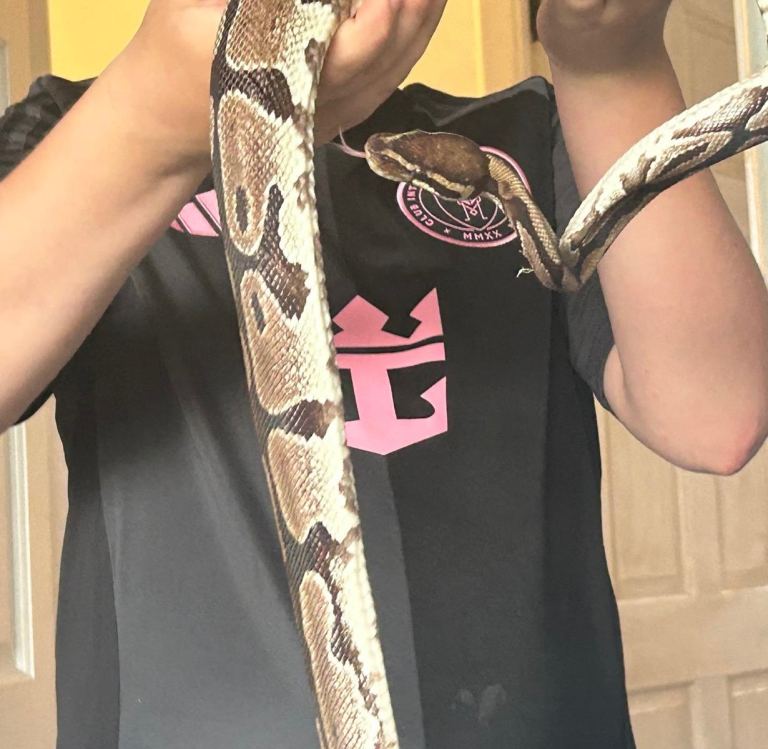
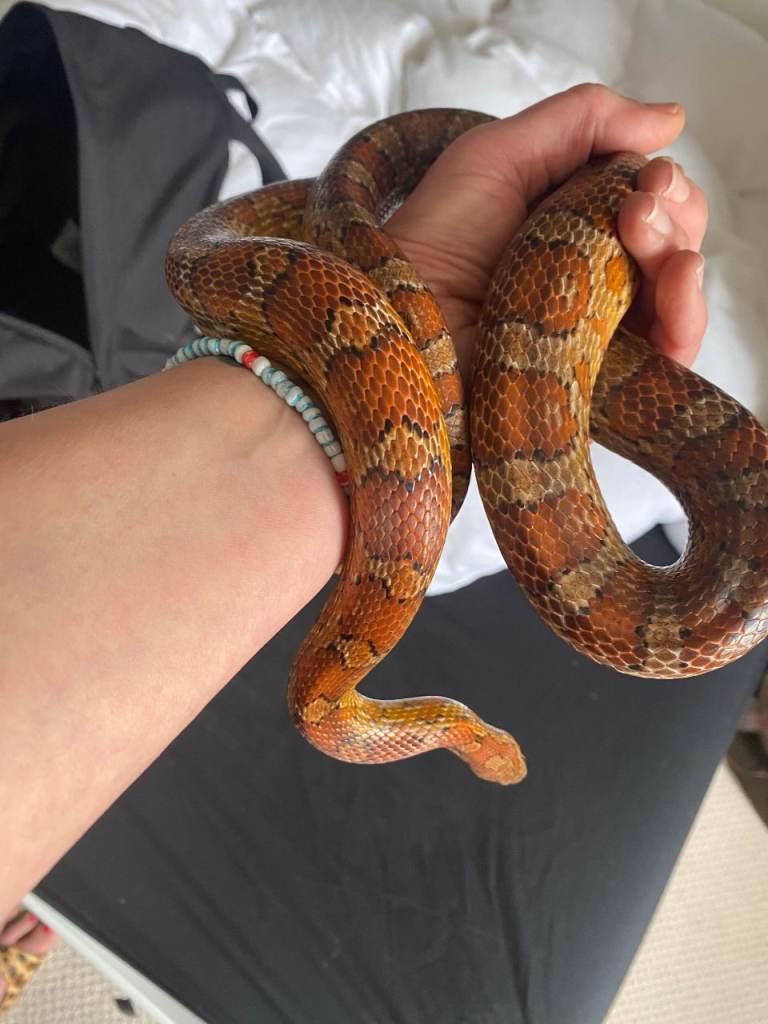
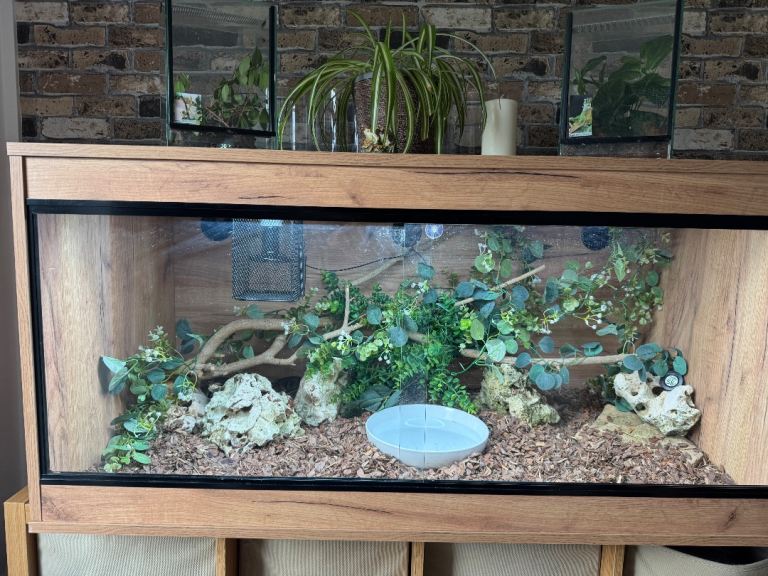
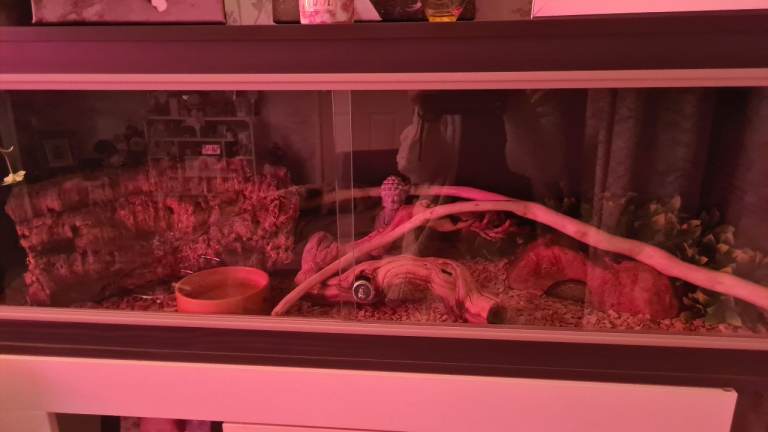
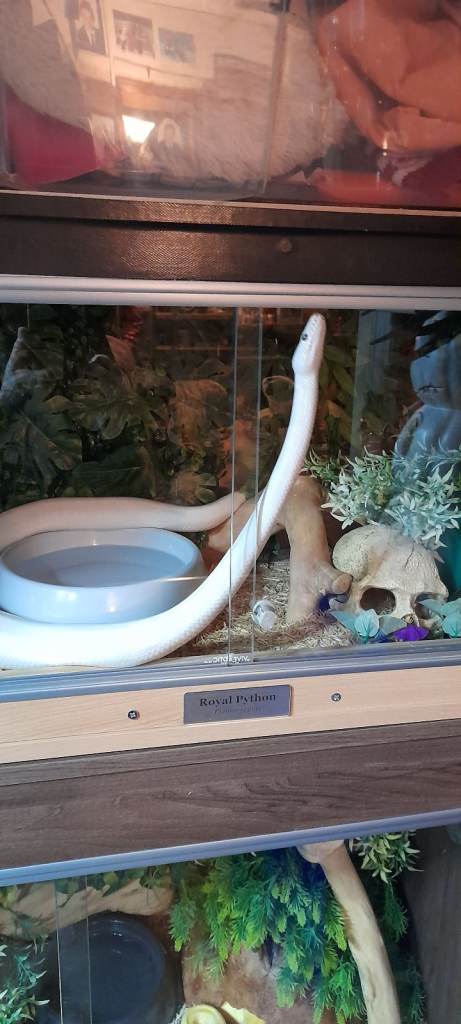
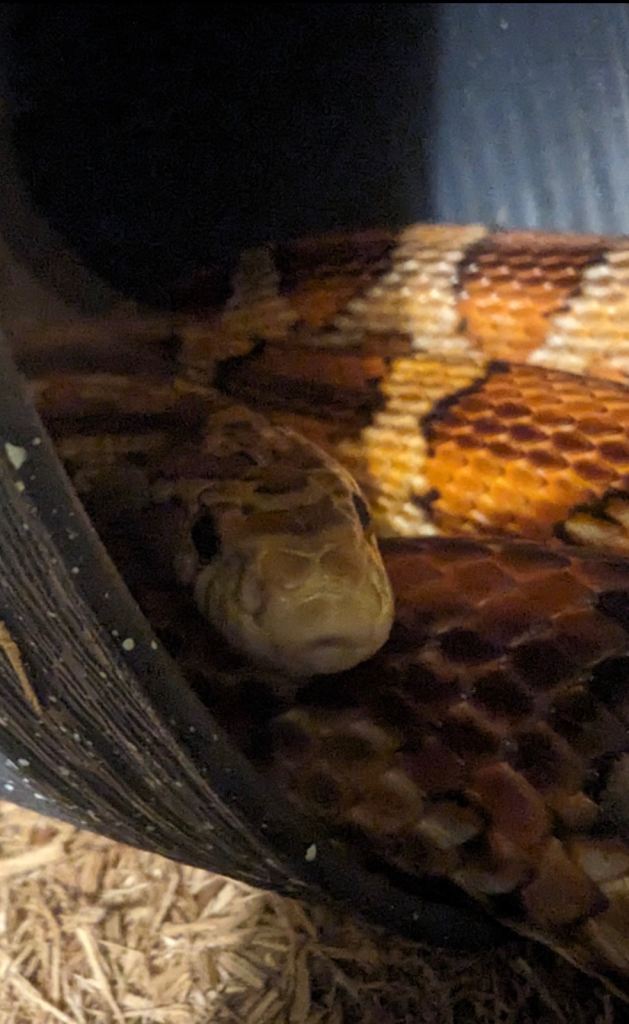
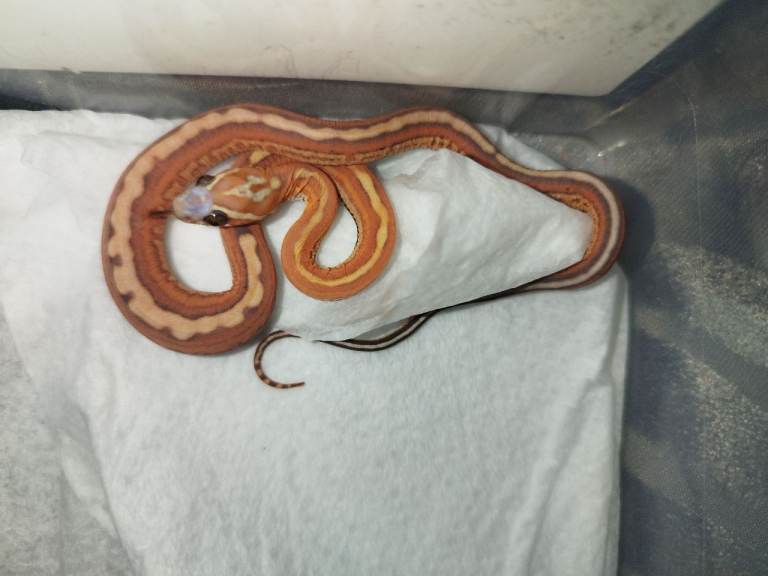
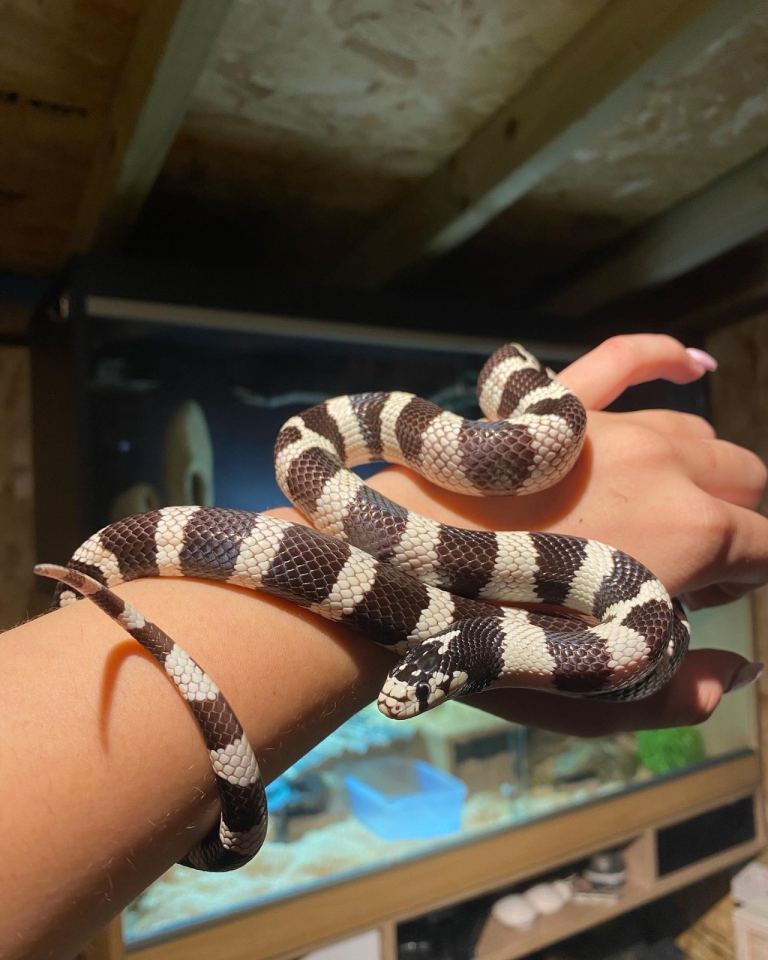
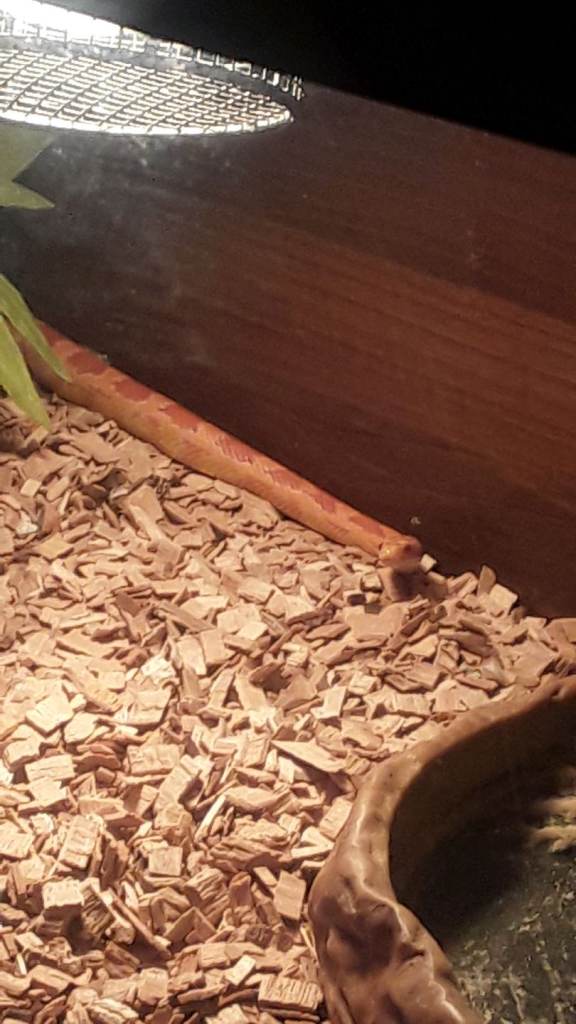
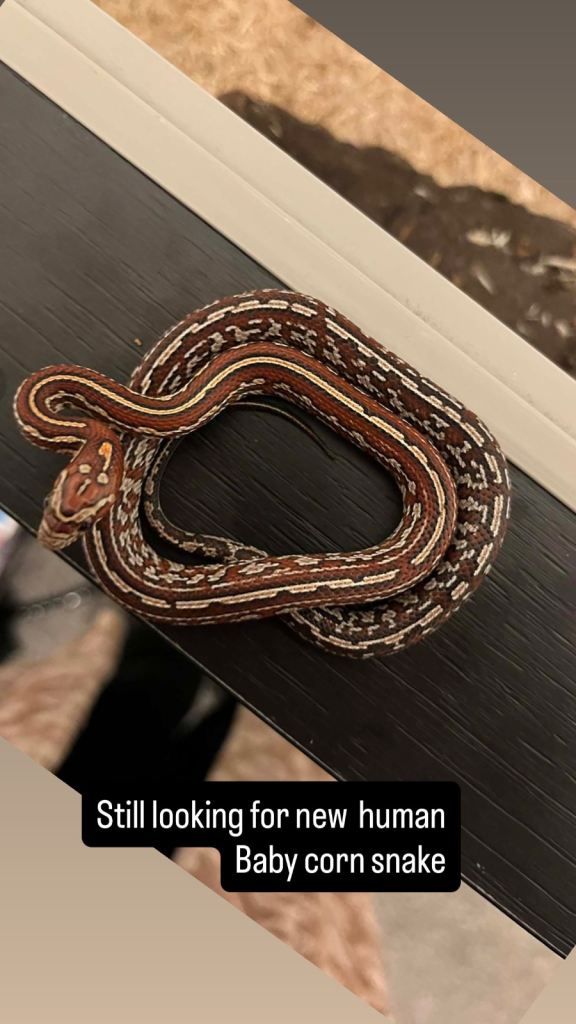
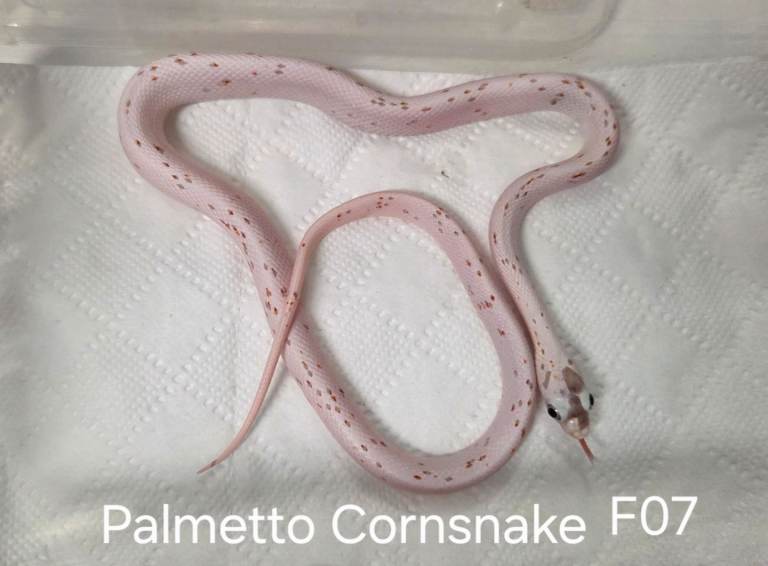
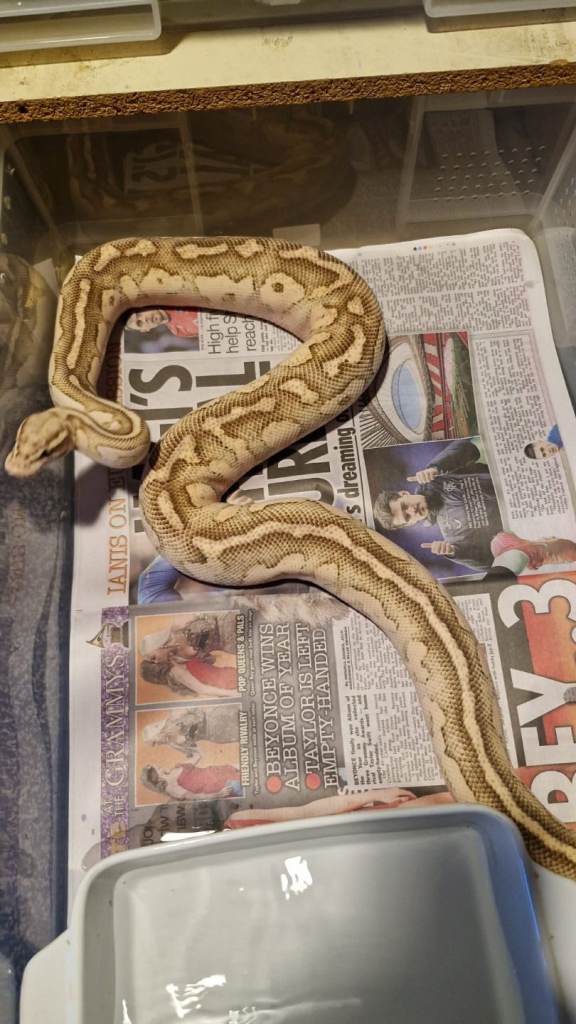
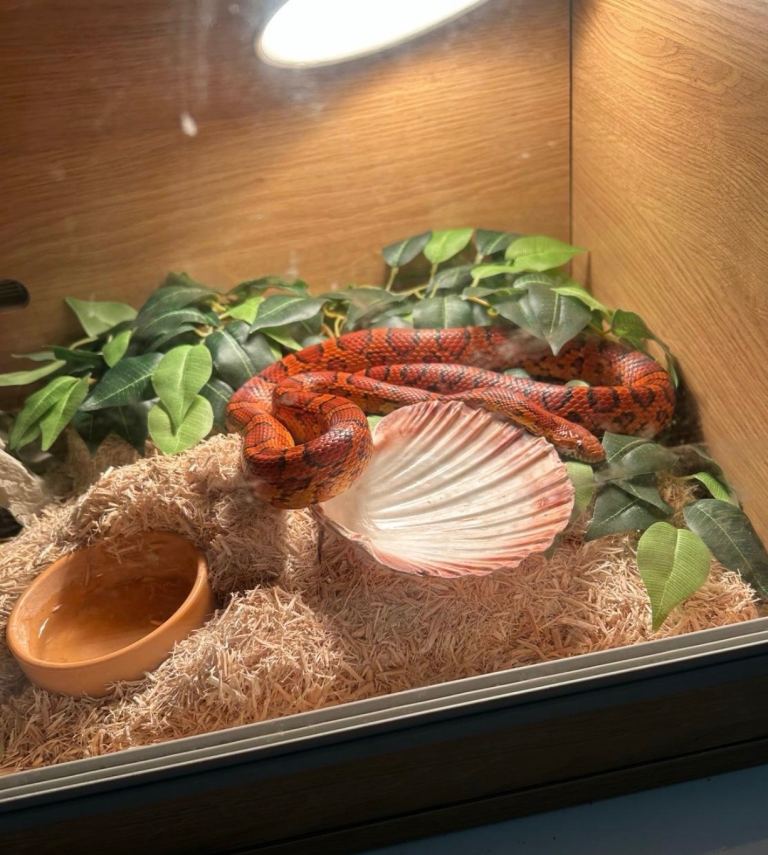
Corn snake 3 years old
Age: 3 years
Ready to leave: Now
Willesden, London
£200
When buying a snake, check for clear eyes, a healthy body condition (not too thin or obese), and a clean vent. Ensure the snake sheds properly and has no signs of mites or ticks. Ask the seller about the snake's feeding habits, including what it eats and how often it's fed. A reputable seller will be happy to provide this information.
While most snakes are legal to own in the UK, some species are controlled under the Dangerous Wild Animals Act 1976. Check if the snake you're interested in requires a license. It's also crucial to ensure that the seller is not illegally importing or trading endangered species. Always ask for proof of origin if you have any concerns.
Ask the seller about the snake's current enclosure setup, including temperature gradients, humidity levels, and lighting. Understand the snake's specific environmental needs and ensure you can replicate them. Enquire about the snake's temperament and handling experience, especially if you're a beginner. Also, ask about any previous health issues or veterinary care.
Signs of an unhealthy snake include lethargy, difficulty shedding, regurgitation after feeding, discharge from the eyes or nose, and visible parasites. Look for any unusual lumps or bumps, and check the snake's skin for signs of scale rot. If you notice any of these symptoms, it's best to consult with a reptile veterinarian before purchasing the snake.
Always wash your hands thoroughly before and after handling a snake to prevent the spread of bacteria. Handle snakes gently and avoid sudden movements that could startle them. Be aware of the snake's body language and avoid handling it if it appears stressed or defensive. If you are bitten, clean the wound thoroughly with antiseptic and seek medical advice if necessary.