Featured
1
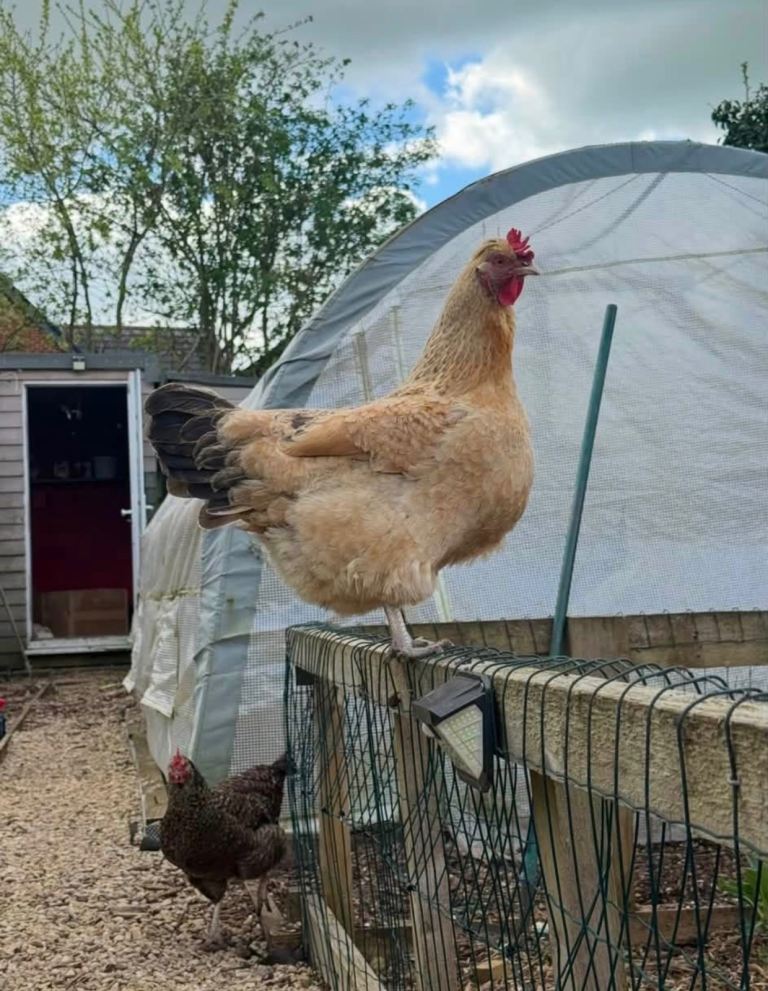
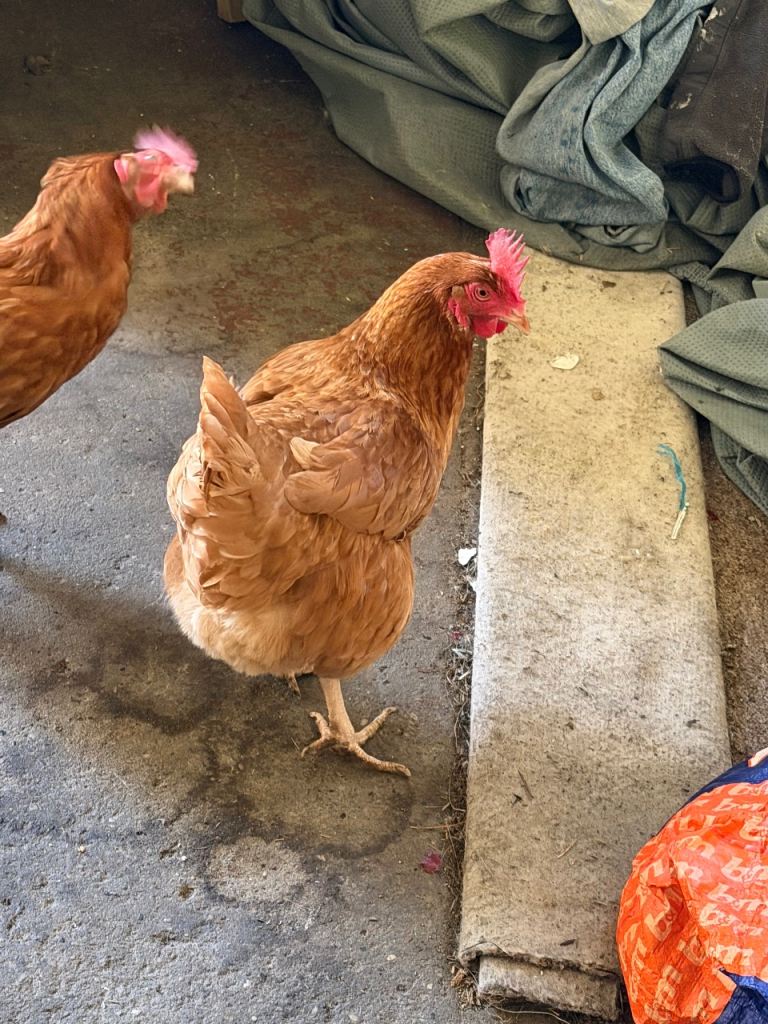
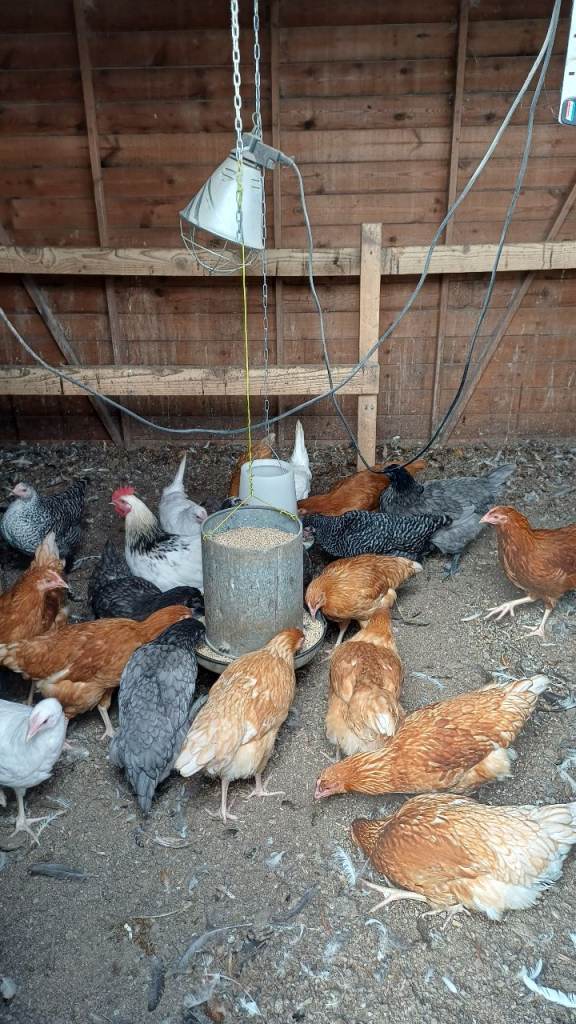
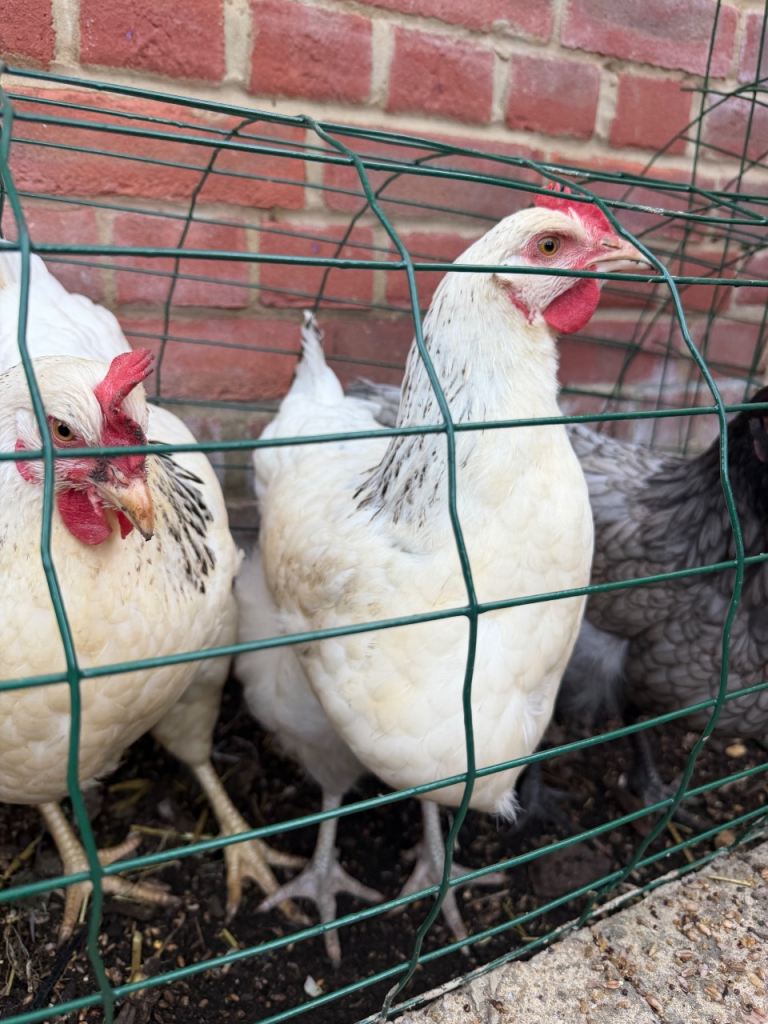
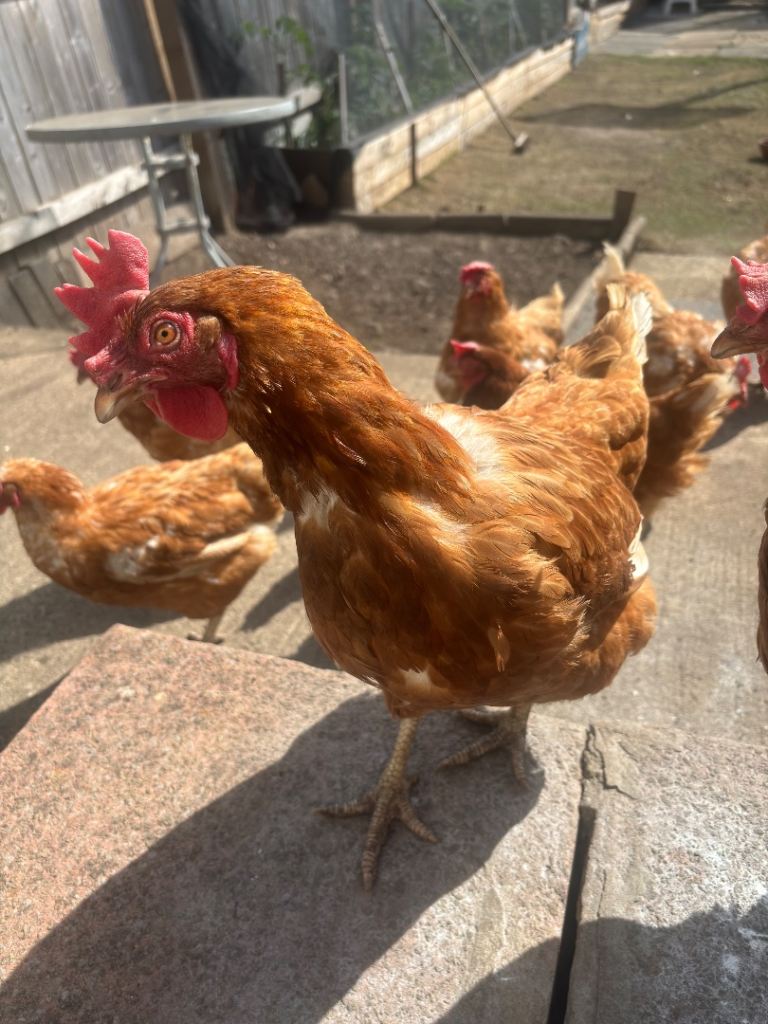
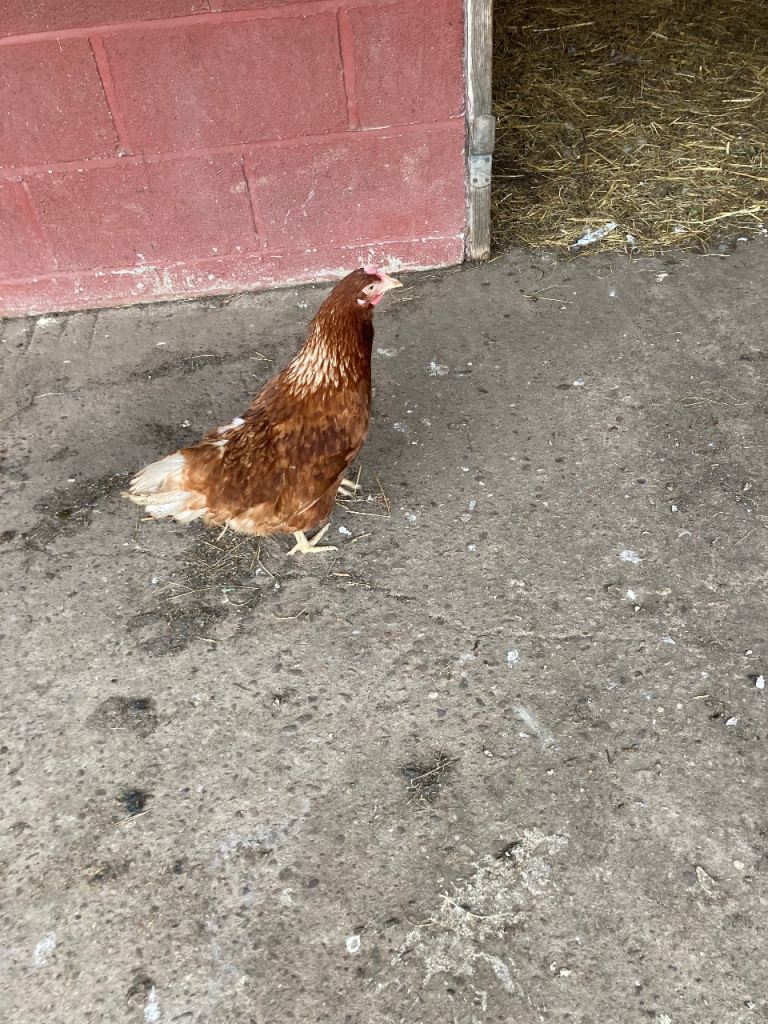
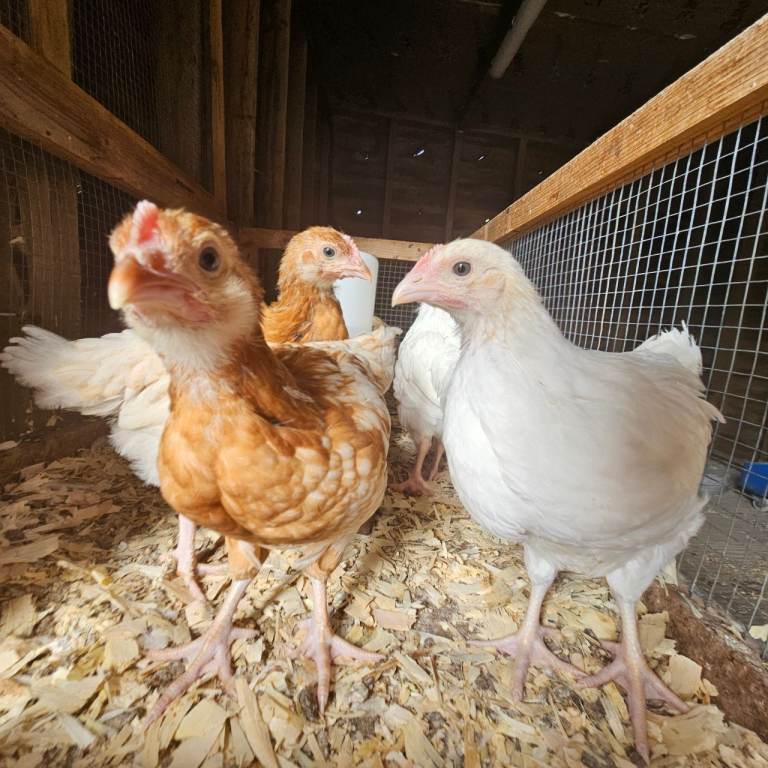
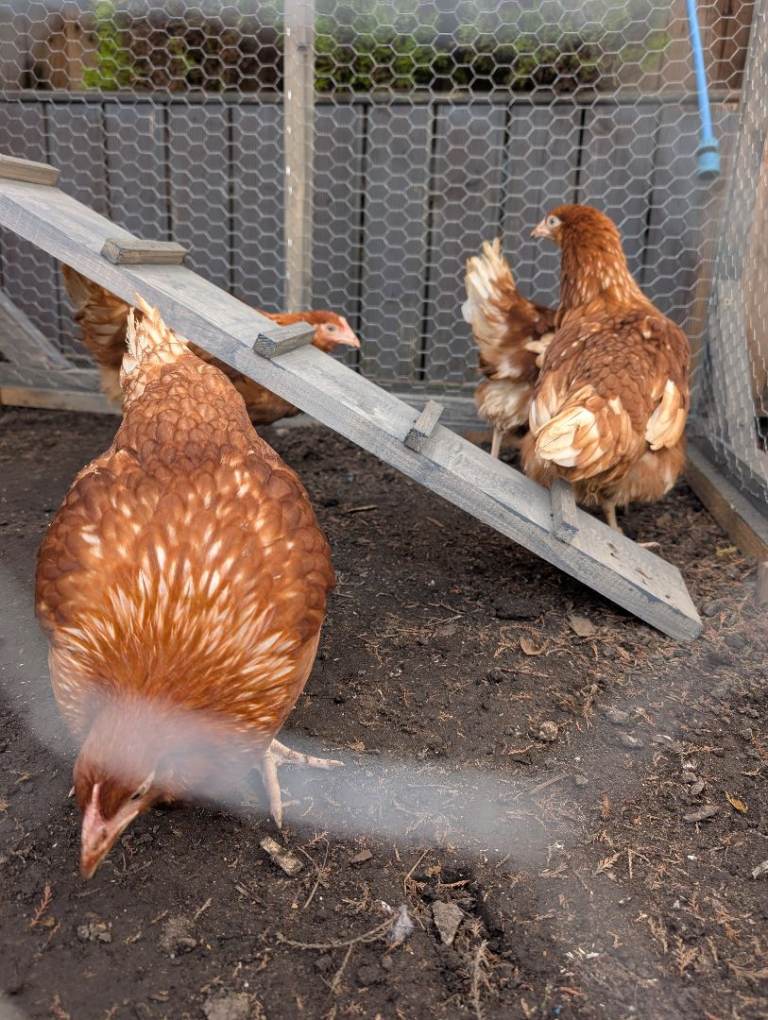
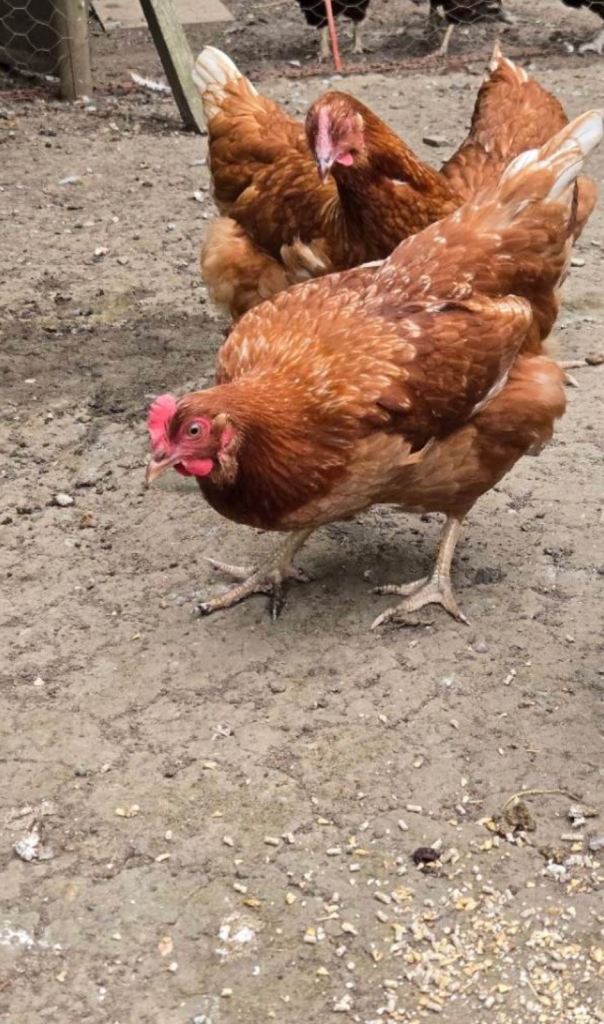
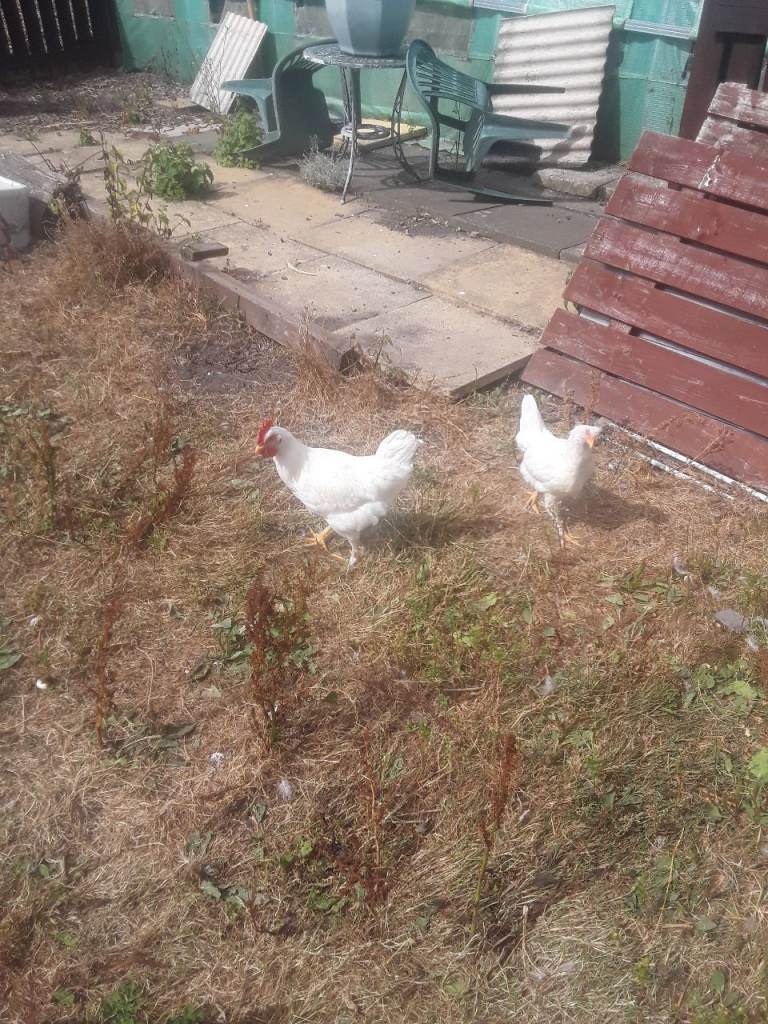
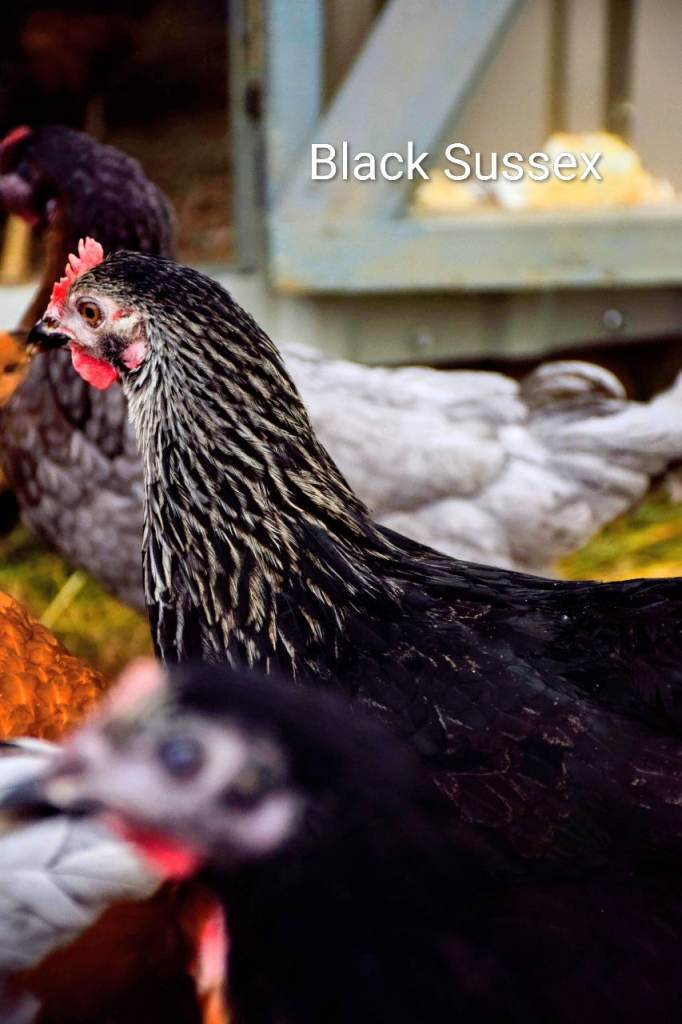
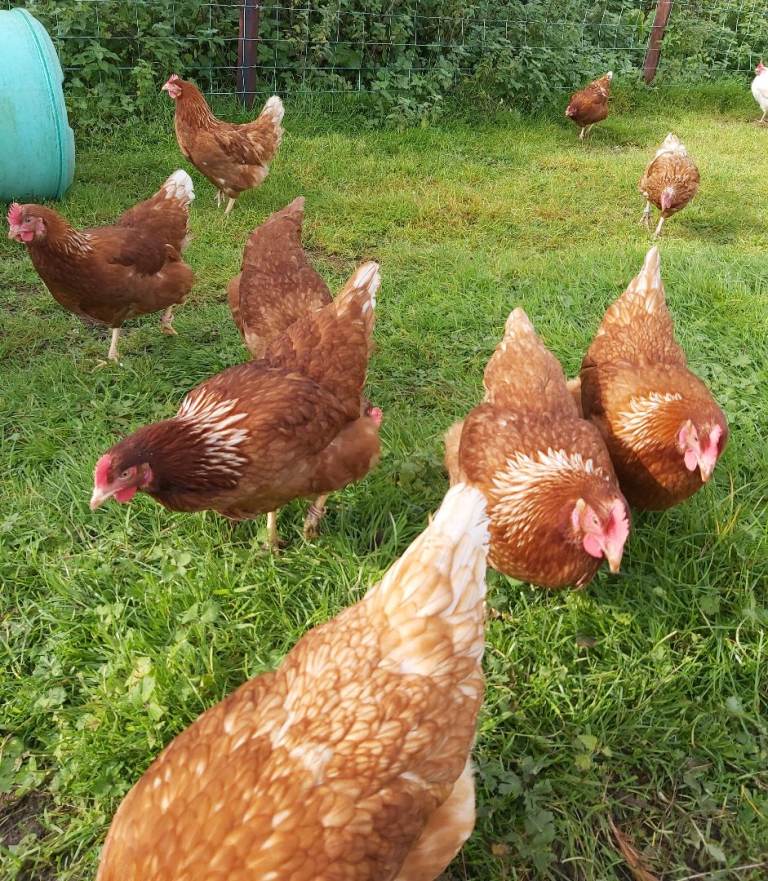
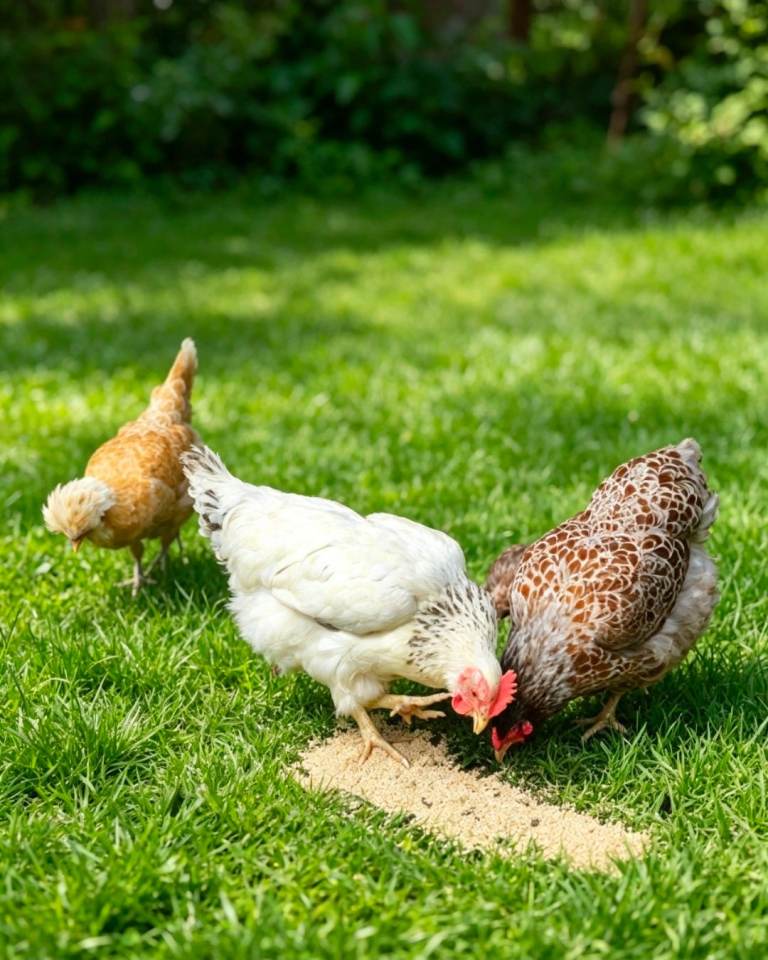
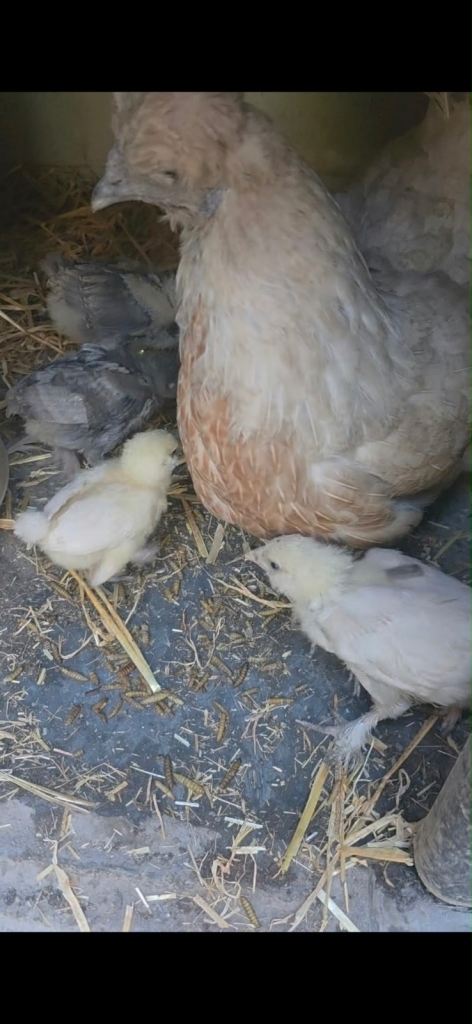
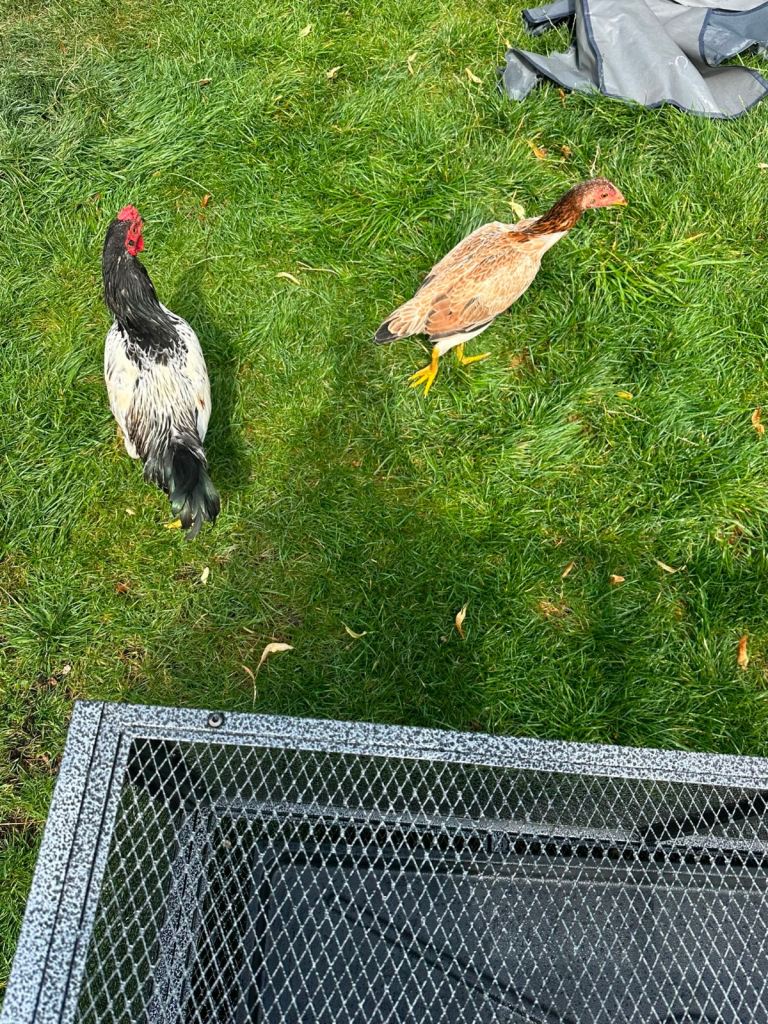
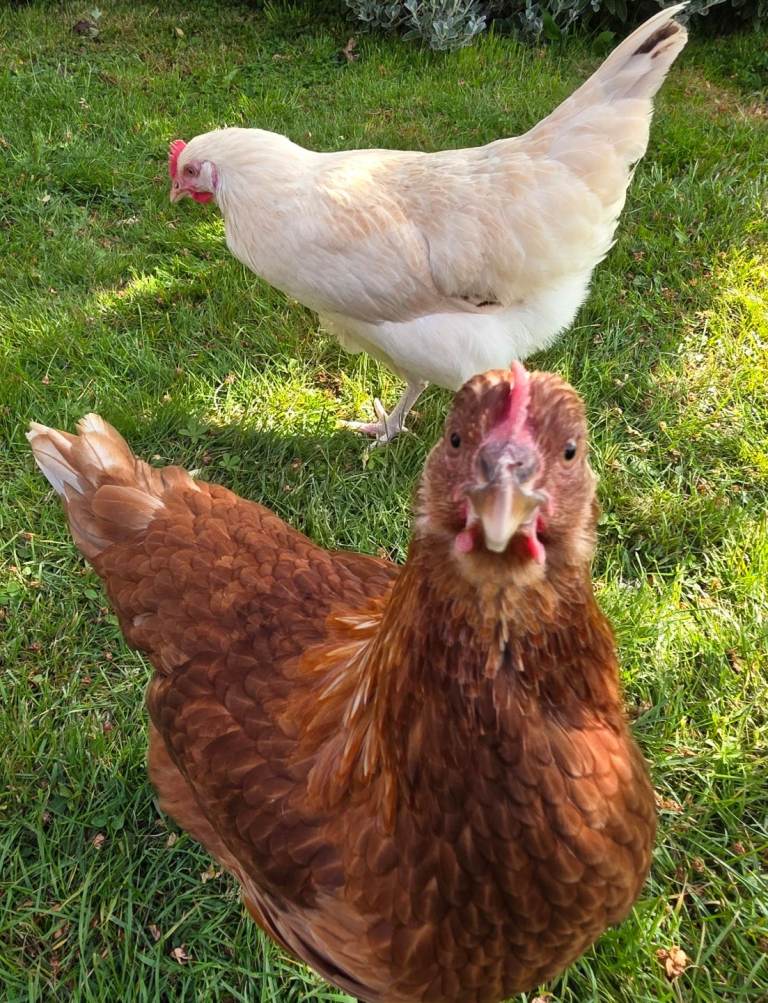
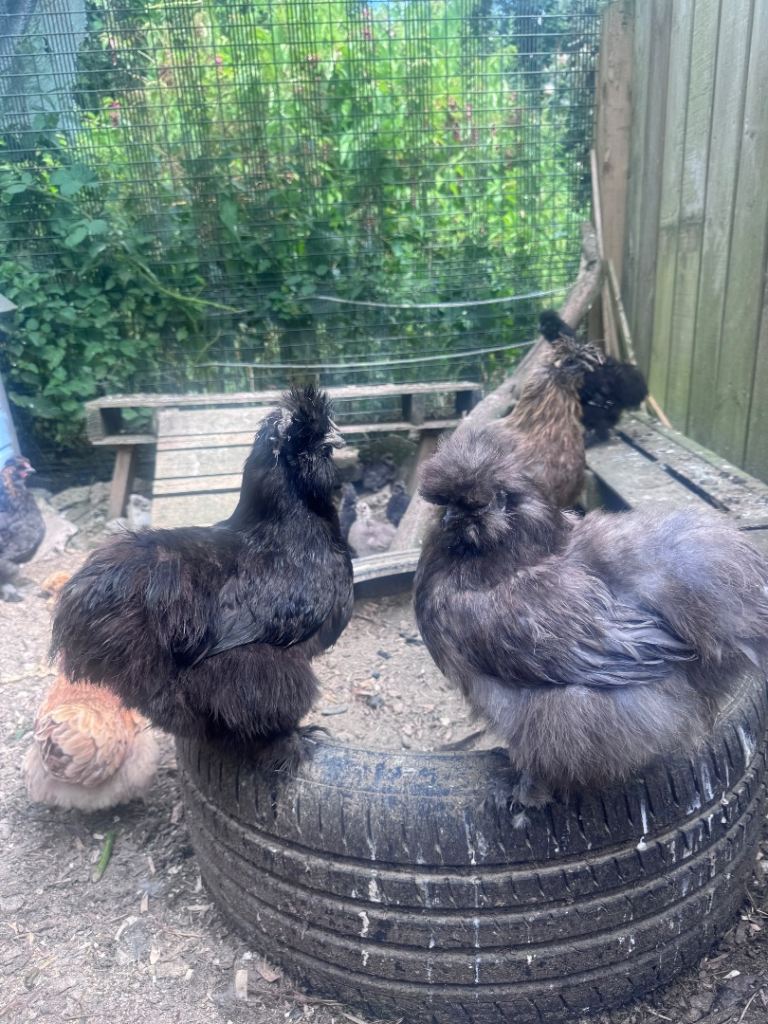
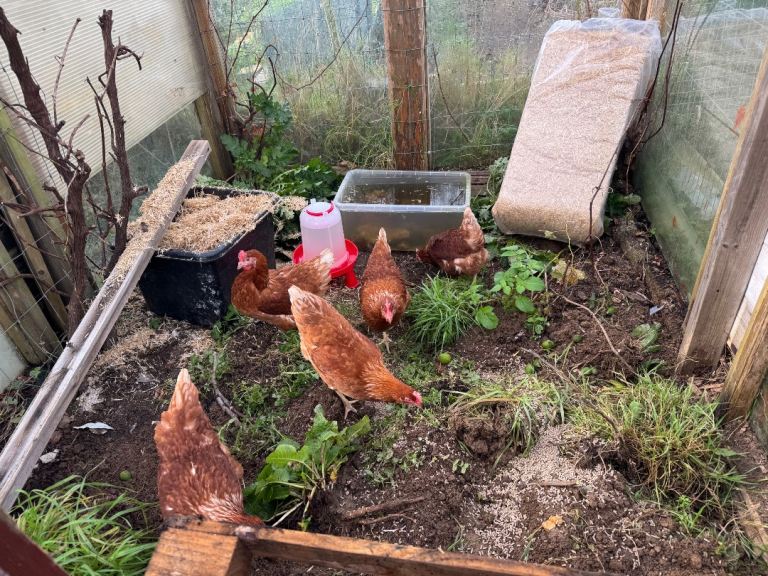
Hybrid laying hens approx 1 year old
Age: 12 months
Ready to leave: Now
Newquay, Cornwall
£80
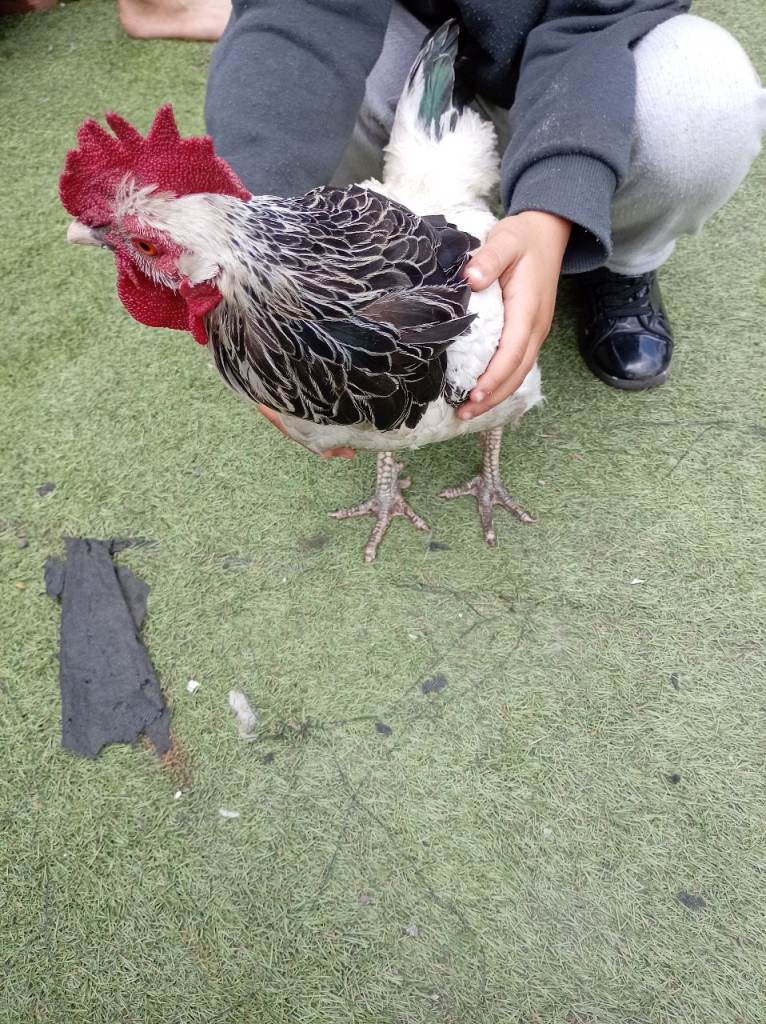
When selecting hens, observe their behaviour. Healthy hens are active, alert, and have bright eyes. Check their feathers for cleanliness and signs of parasites like mites or lice. Examine their combs and wattles; they should be red and firm. Also, inspect their legs for scaly leg mites and ensure they walk normally.
In the UK, there are no specific licenses required for keeping a small number of hens for personal use. However, you must adhere to animal welfare regulations, ensuring they have adequate space, food, water, and protection from the elements and predators. Consider local council by-laws regarding noise and odour, especially in urban areas. You must also register your poultry with the Department for Environment, Food & Rural Affairs (Defra) if you have 50 or more birds.
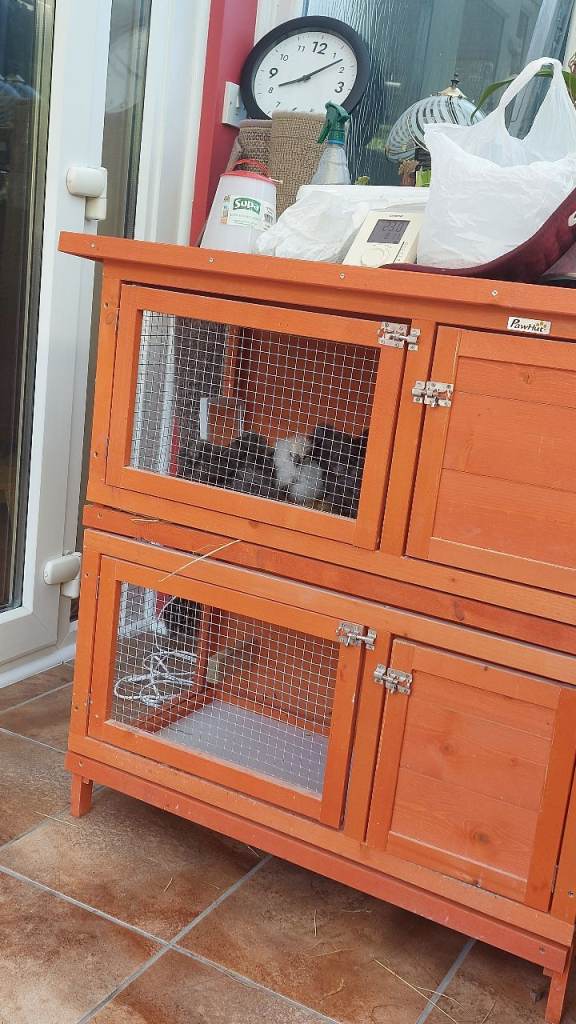
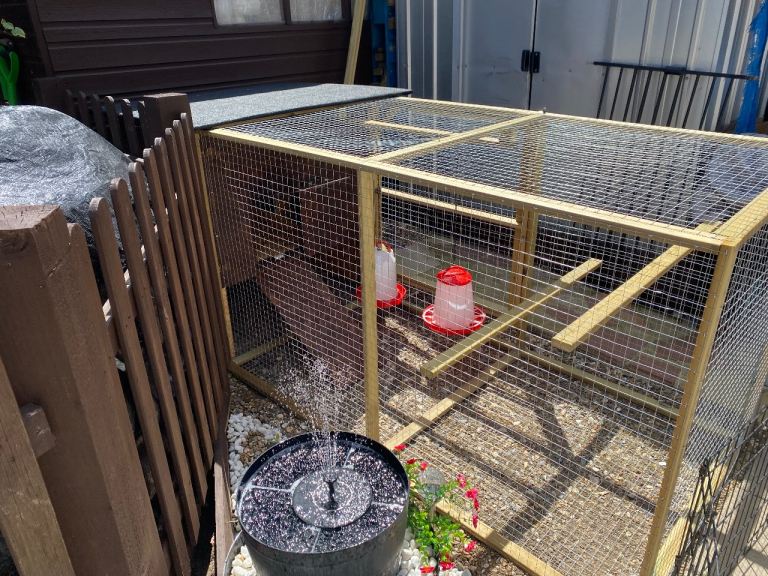
Hens require a secure and weatherproof coop that provides protection from predators and the elements. The coop should have adequate ventilation, perches for roosting, and nesting boxes for laying eggs. A run or outdoor area is essential for allowing hens to forage and exercise. The size of the coop and run should be appropriate for the number of hens you keep, allowing sufficient space to prevent overcrowding and stress.
Hens require a balanced diet that includes a commercial layer feed, which provides the necessary nutrients for egg production. Supplement their diet with grit to aid digestion, and offer fresh vegetables and fruits as treats. Ensure they have access to clean, fresh water at all times. Avoid feeding them chocolate, avocado, or salty foods, as these can be harmful.
Common health problems in hens include mites, lice, worms, and respiratory infections. Regularly inspect your hens for signs of illness, such as lethargy, ruffled feathers, or changes in egg production. Practice good hygiene by cleaning the coop regularly and providing fresh bedding. Consider regular worming treatments and consult a vet if you suspect your hens are unwell. Biosecurity measures, such as preventing contact with wild birds, can help reduce the risk of disease.