6
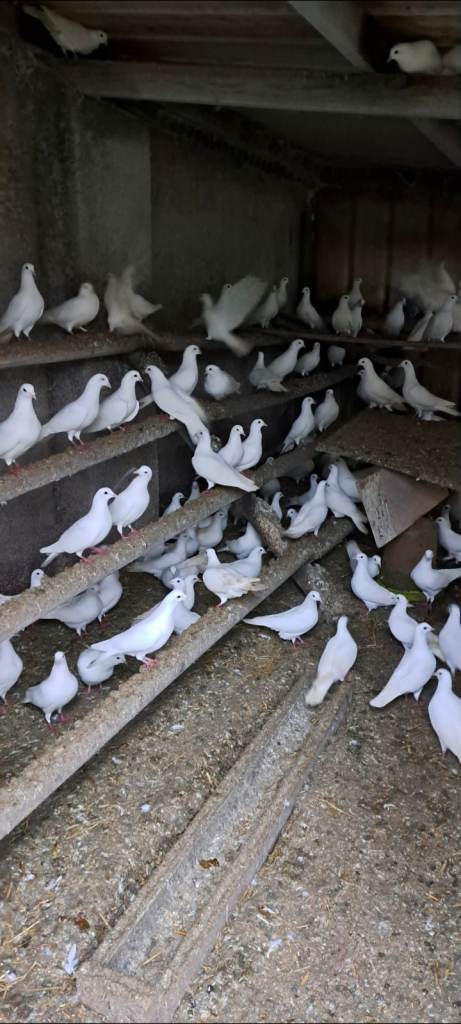
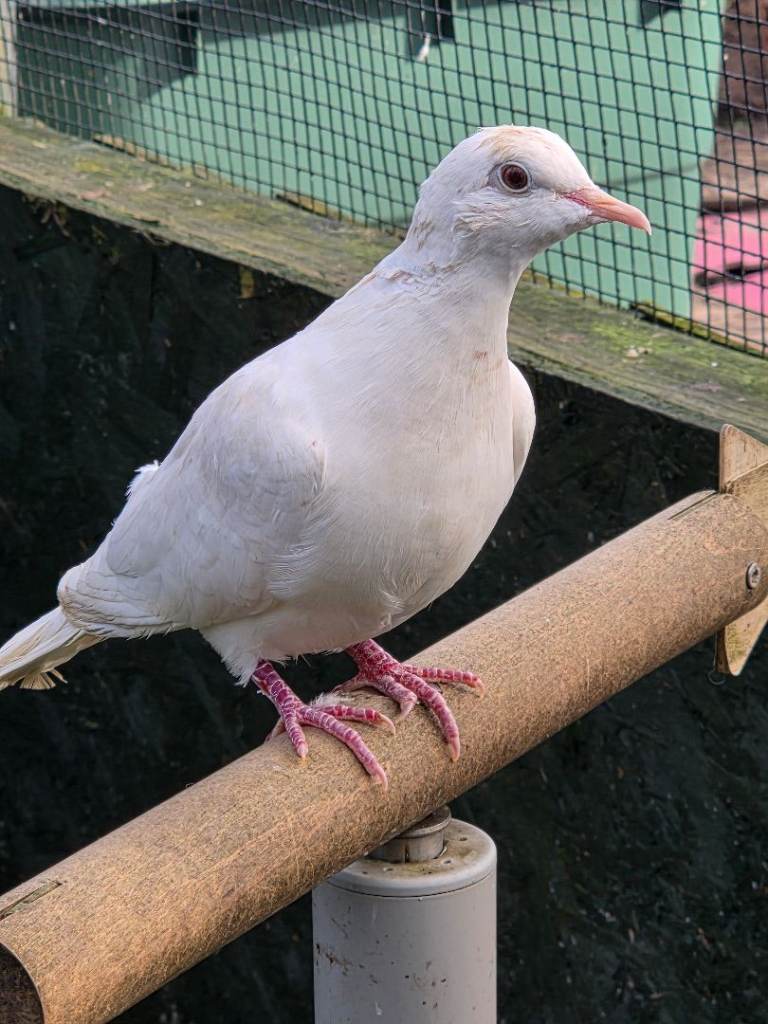
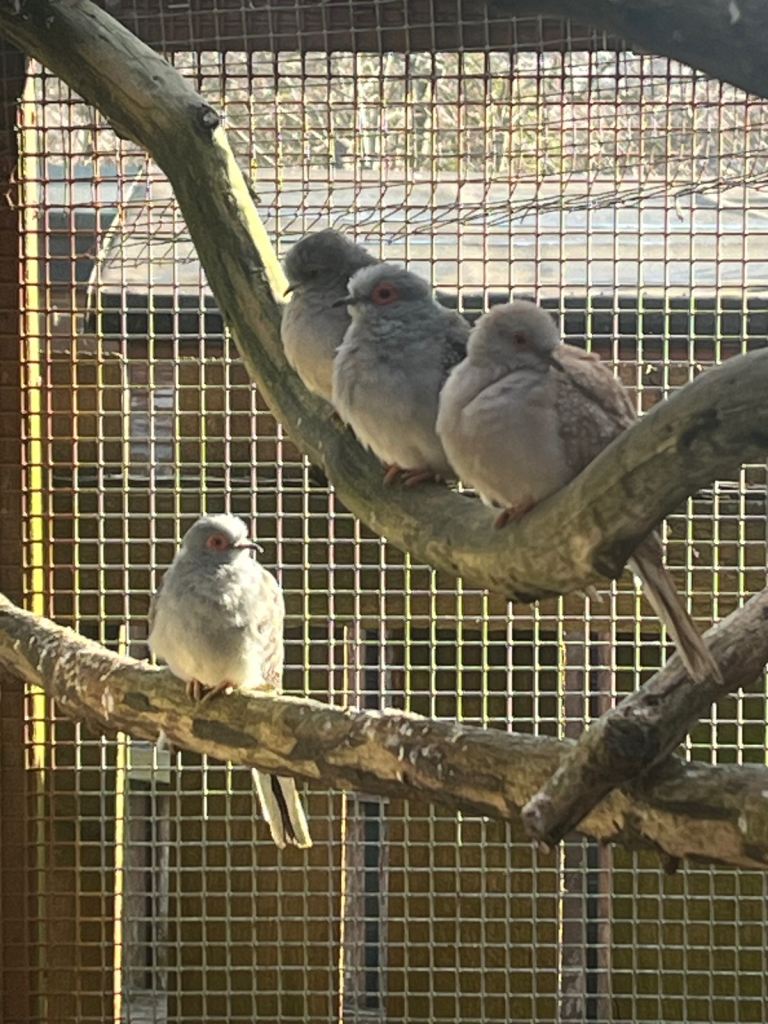
Diamond doves
Age: 2 years
Ready to leave: Now
Allerton, West Yorkshire
£20
When selecting a dove, observe its behaviour. A healthy dove will be alert, active, and have bright, clear eyes. Check its feathers for cleanliness and signs of parasites. Ensure its vent area is clean and dry. A vet check is always recommended after purchase.
While doves don't require specific licenses in the UK, you are legally responsible for their welfare under the Animal Welfare Act 2006. This means providing a suitable environment, a proper diet, and protection from pain, suffering, injury, and disease. Check local council by-laws for any restrictions on keeping birds.
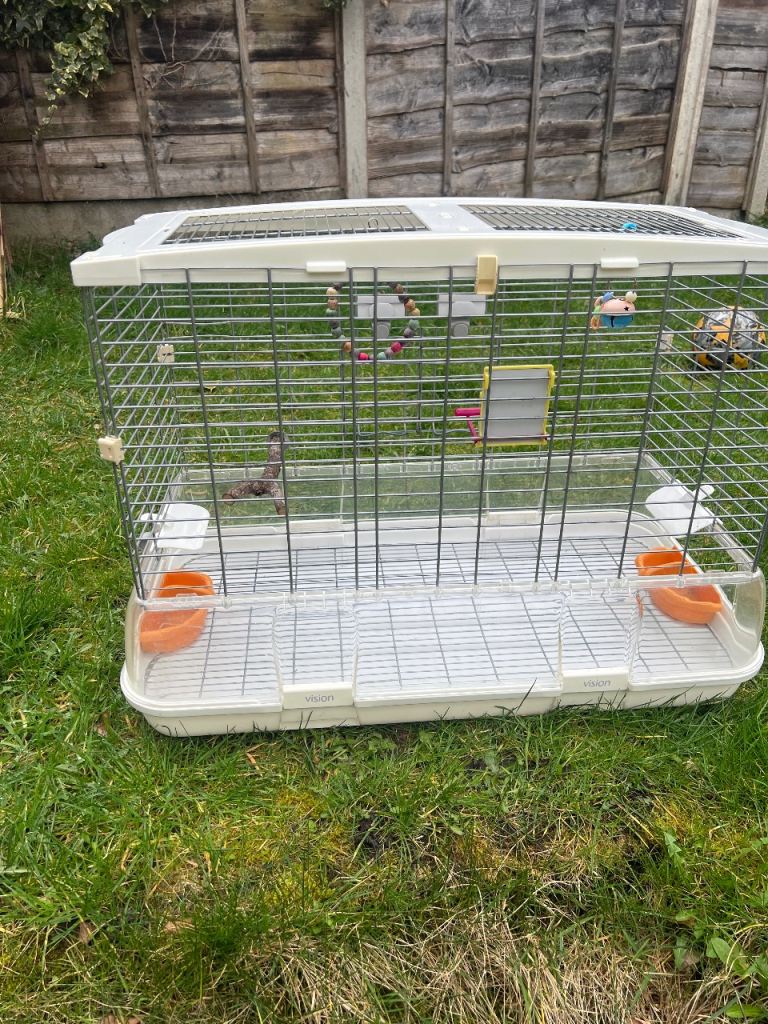
Doves require a spacious cage that allows them to fly short distances. The cage should be made of non-toxic materials and have perches of varying sizes. Provide a dust bath and a shallow dish for bathing. The cage should be kept in a draft-free area away from direct sunlight and extreme temperatures. Regular cleaning is essential to prevent disease.
Doves primarily eat seeds. A good quality dove seed mix should be the basis of their diet. Supplement this with fresh greens, grit (for digestion), and occasionally small amounts of fruit. Always provide fresh, clean water.
Common health problems in doves include respiratory infections, parasites (mites and lice), and egg-binding in females. Preventative measures include maintaining a clean environment, providing a balanced diet, and regular health checks. If you notice any signs of illness, such as ruffled feathers, loss of appetite, or difficulty breathing, consult a vet experienced in avian care immediately.