3
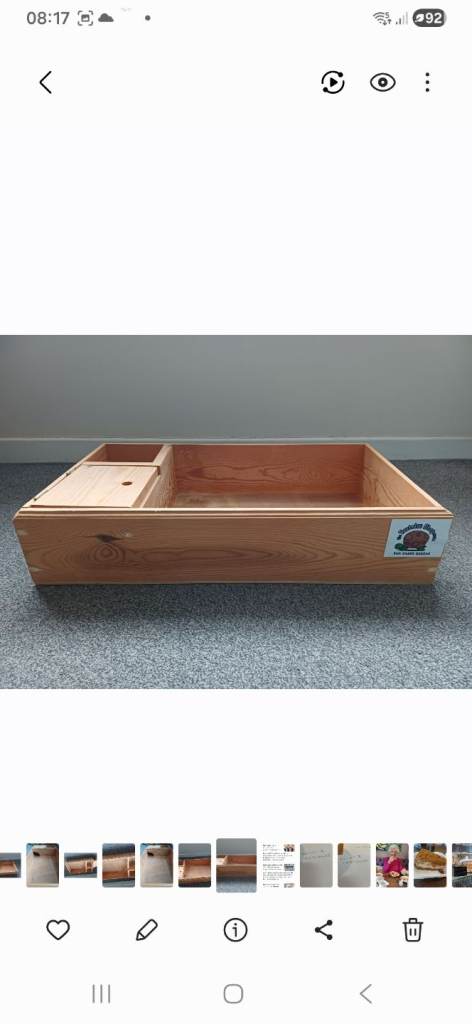
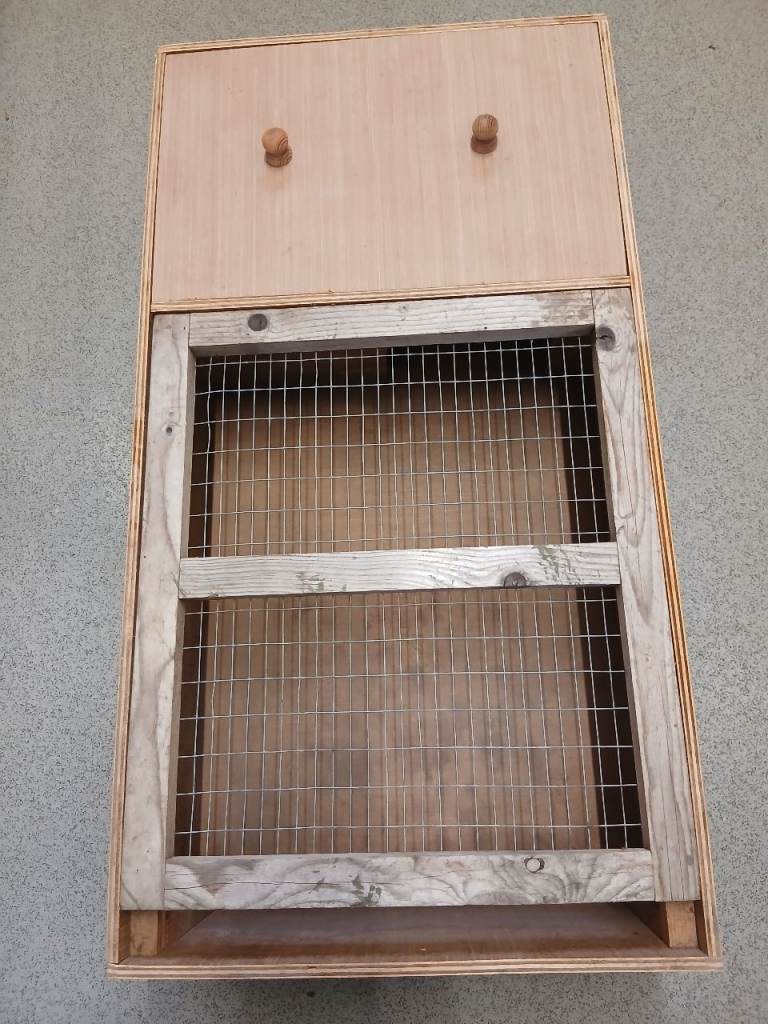
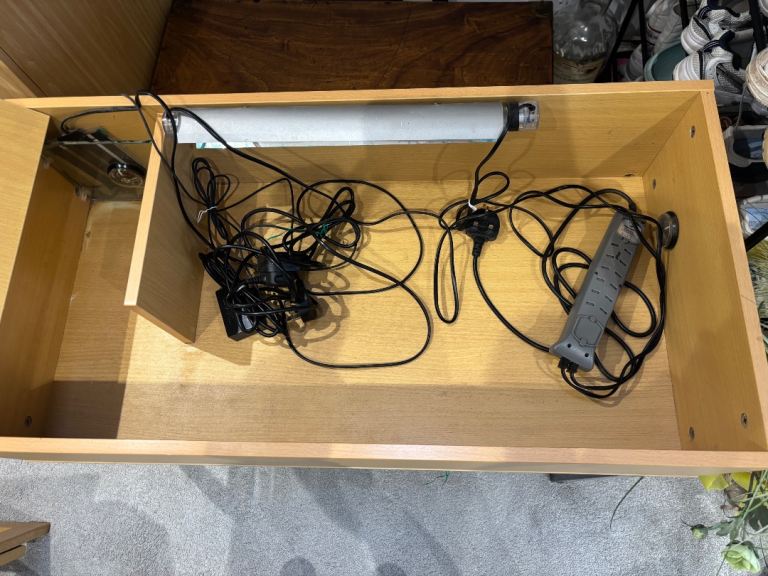
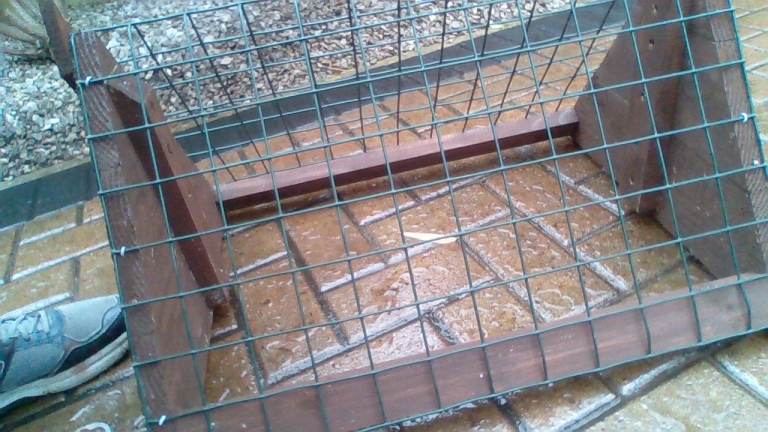
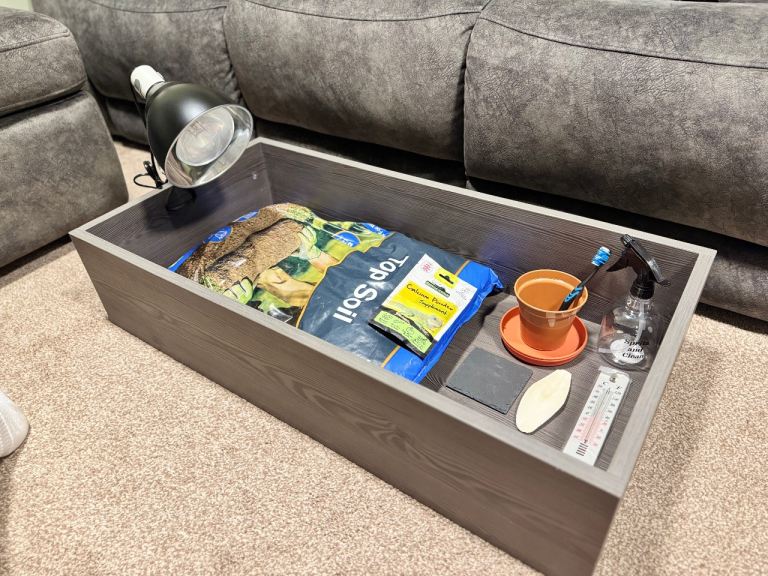
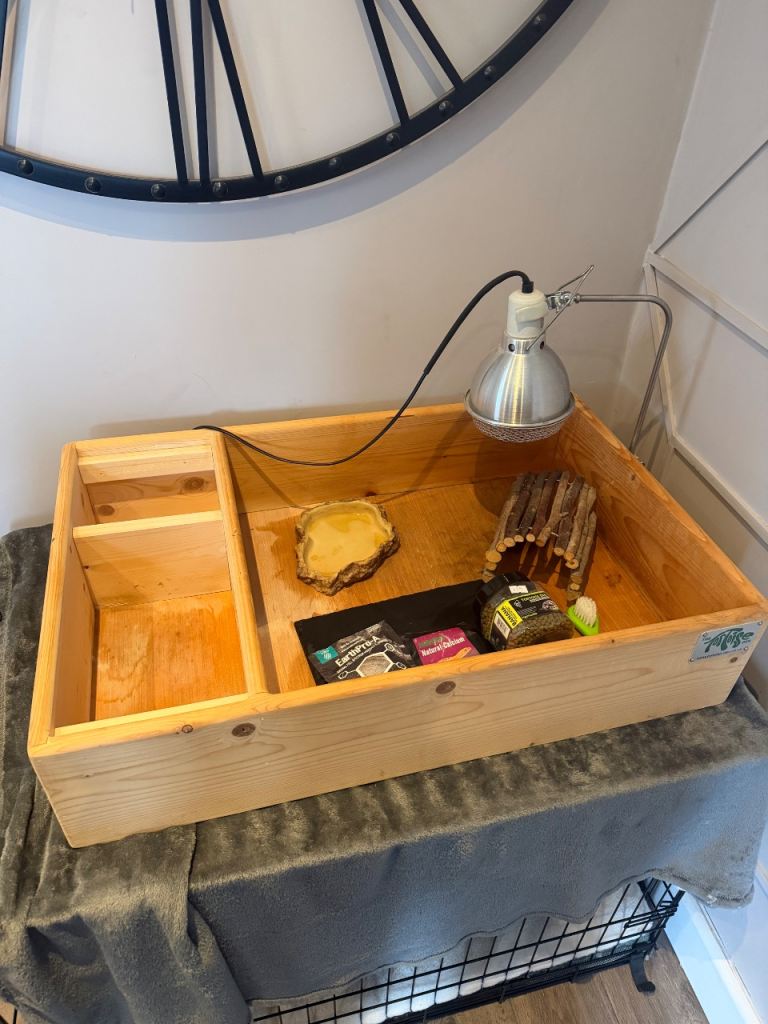
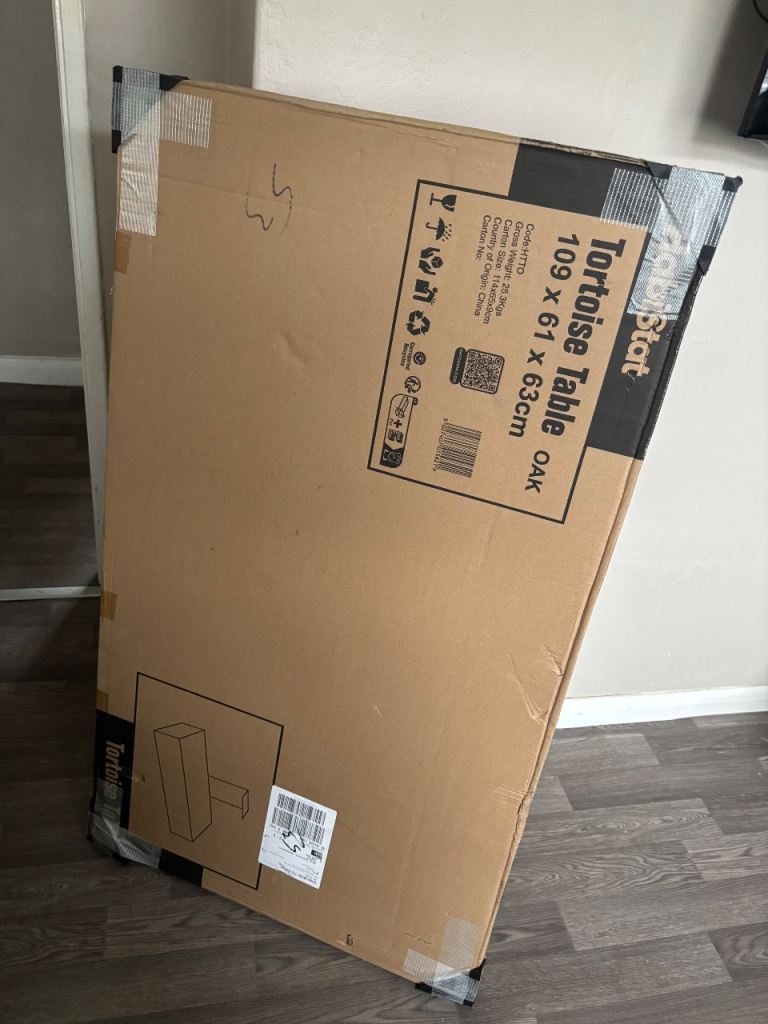
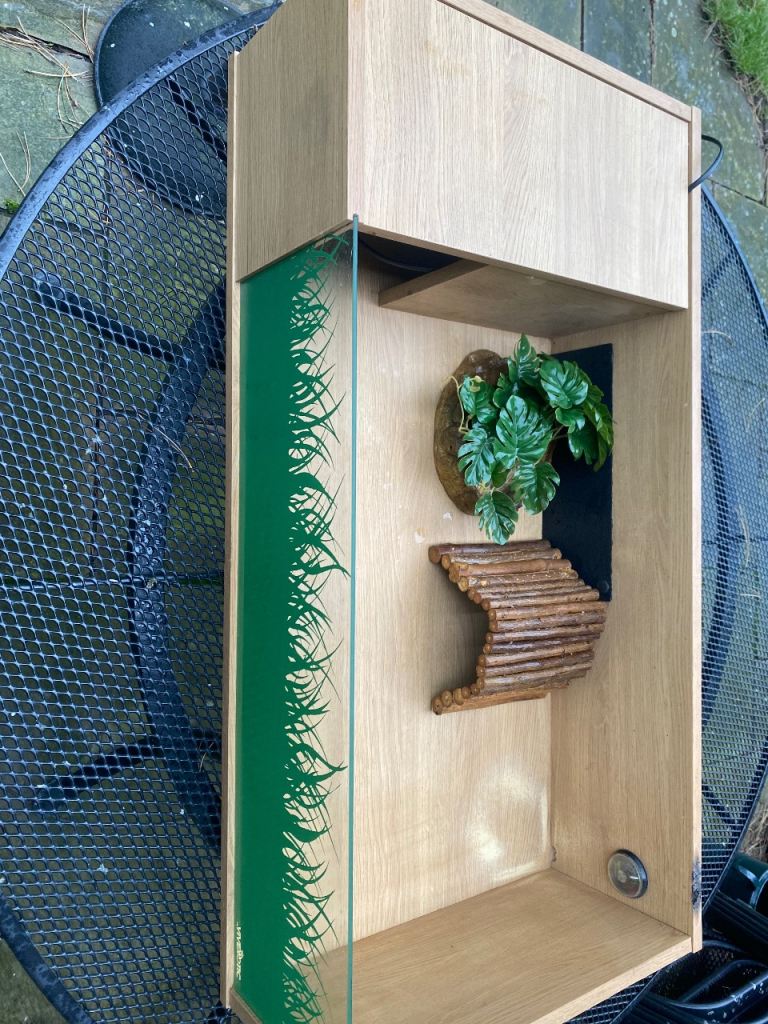
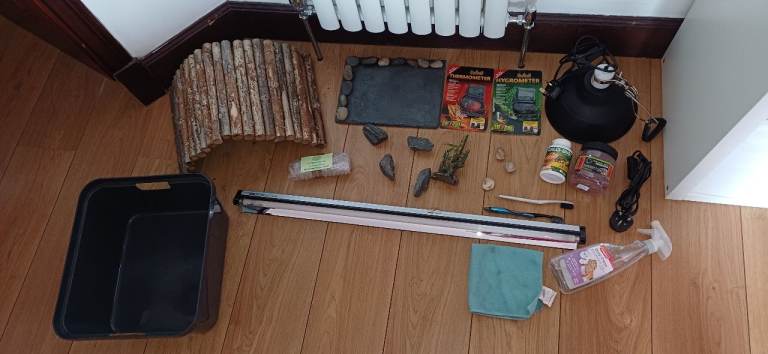
Tortoise accessories
Methil, Fife
£55
When choosing a tortoise, look for clear eyes, a clean vent, and a healthy appetite. The shell should be smooth and free from damage or signs of pyramiding (uneven growth). Observe the tortoise's behaviour; it should be active and alert, not lethargic or withdrawn. Ask the seller about the tortoise's age, species, and any known health issues.
Certain tortoise species require a license or certificate to be legally kept in the UK. This is often related to the Convention on International Trade in Endangered Species (CITES). Check with the Department for Environment, Food & Rural Affairs (DEFRA) to determine if the species you are considering requires any specific documentation. Selling tortoises without the correct documentation is illegal.
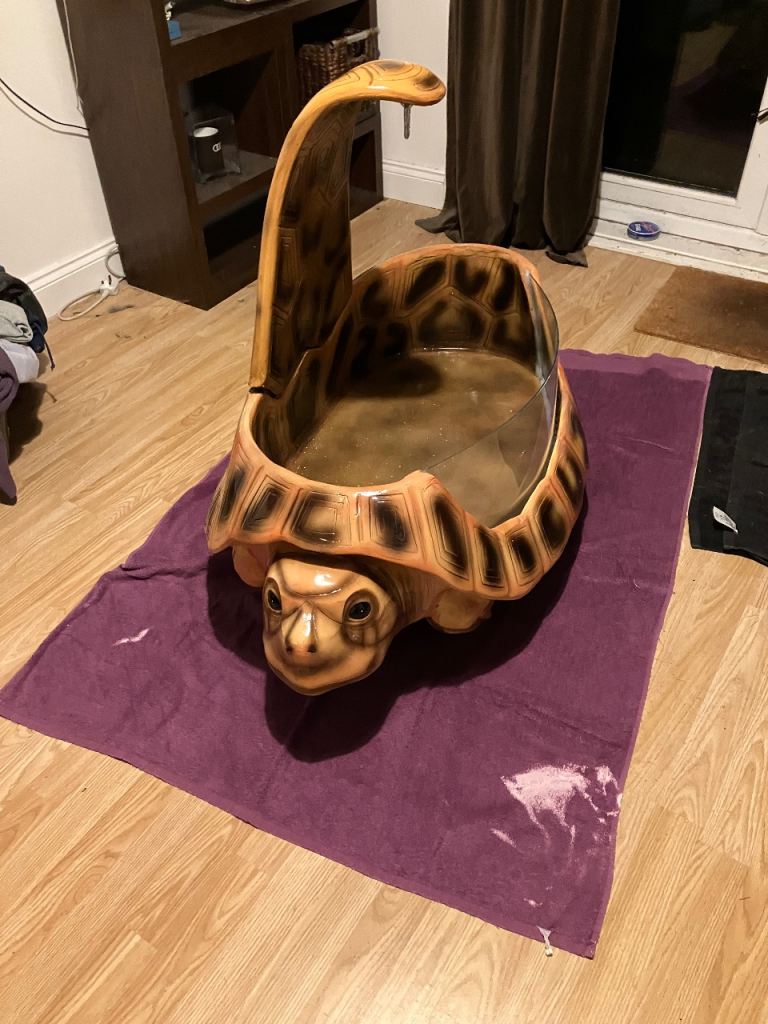
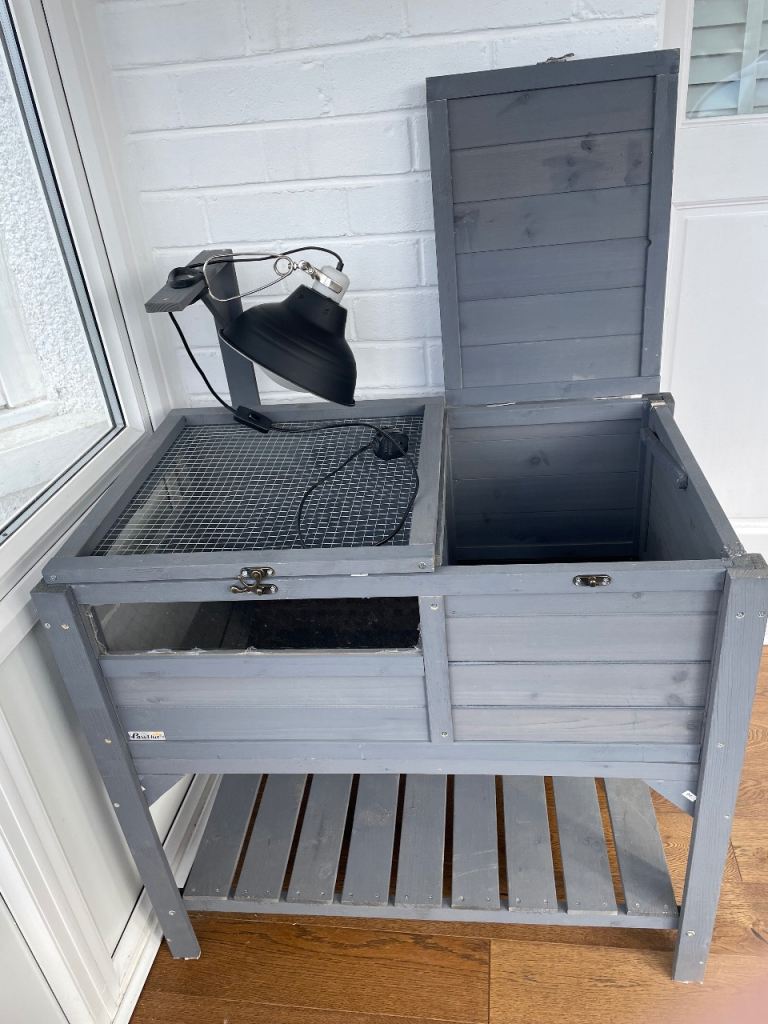
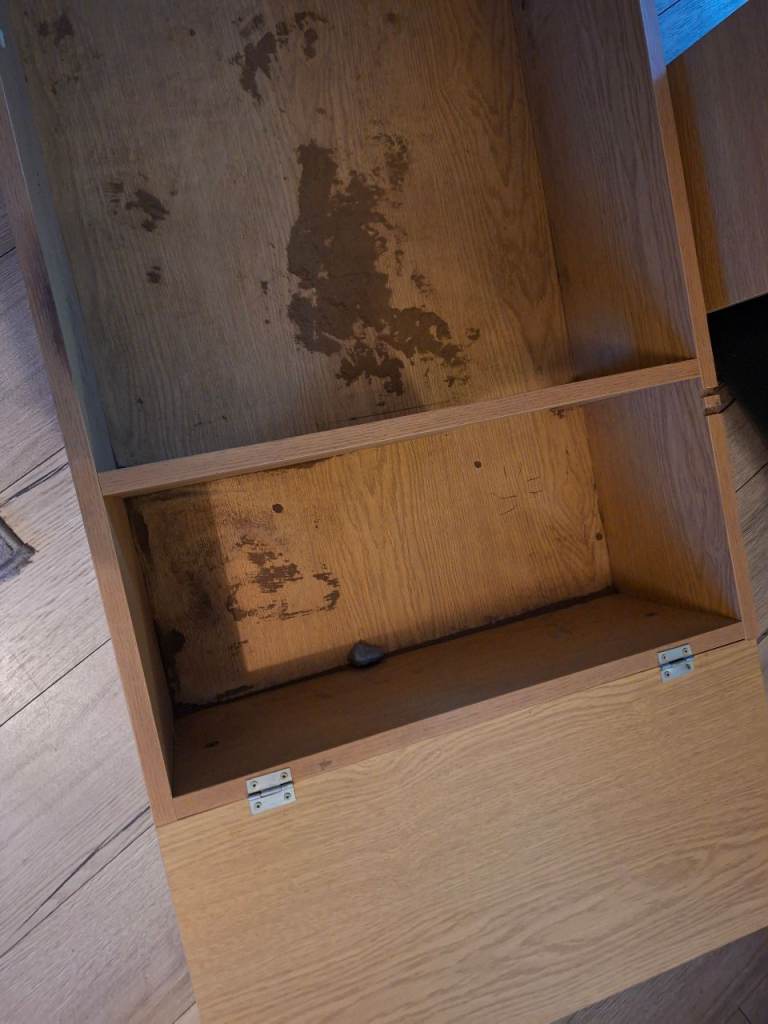
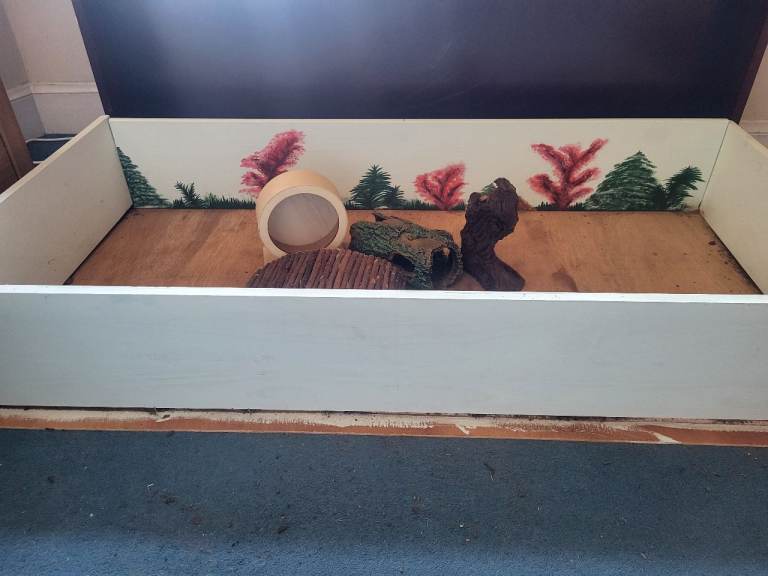
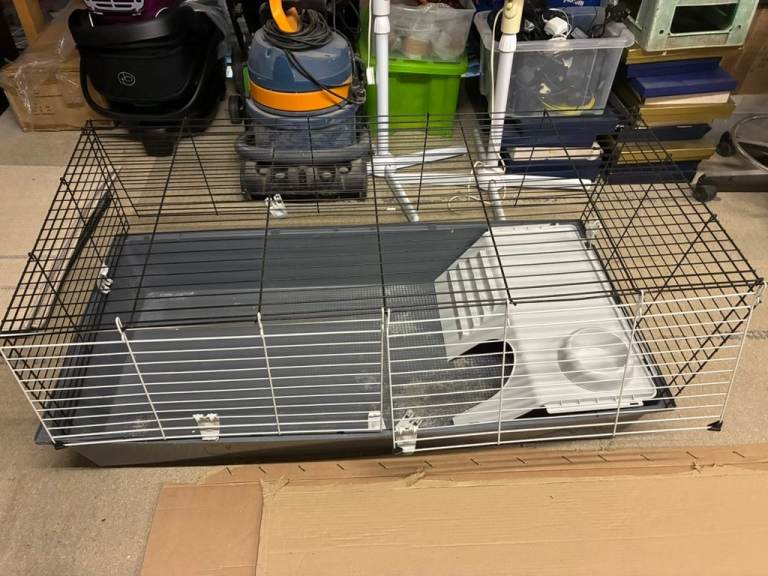
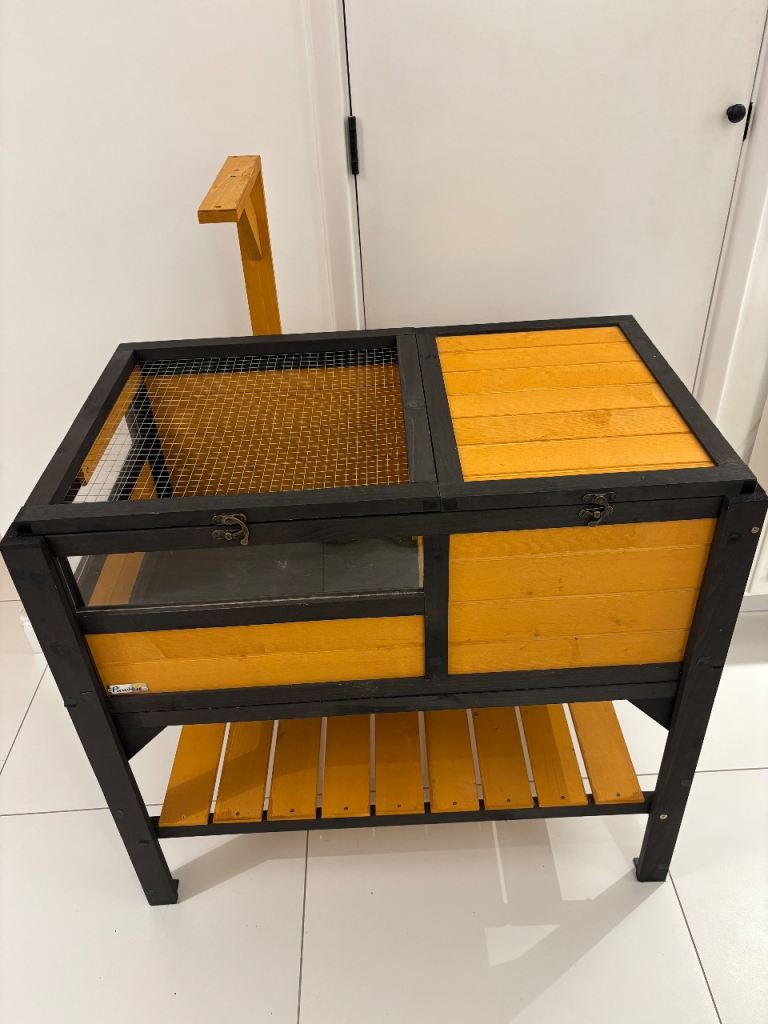
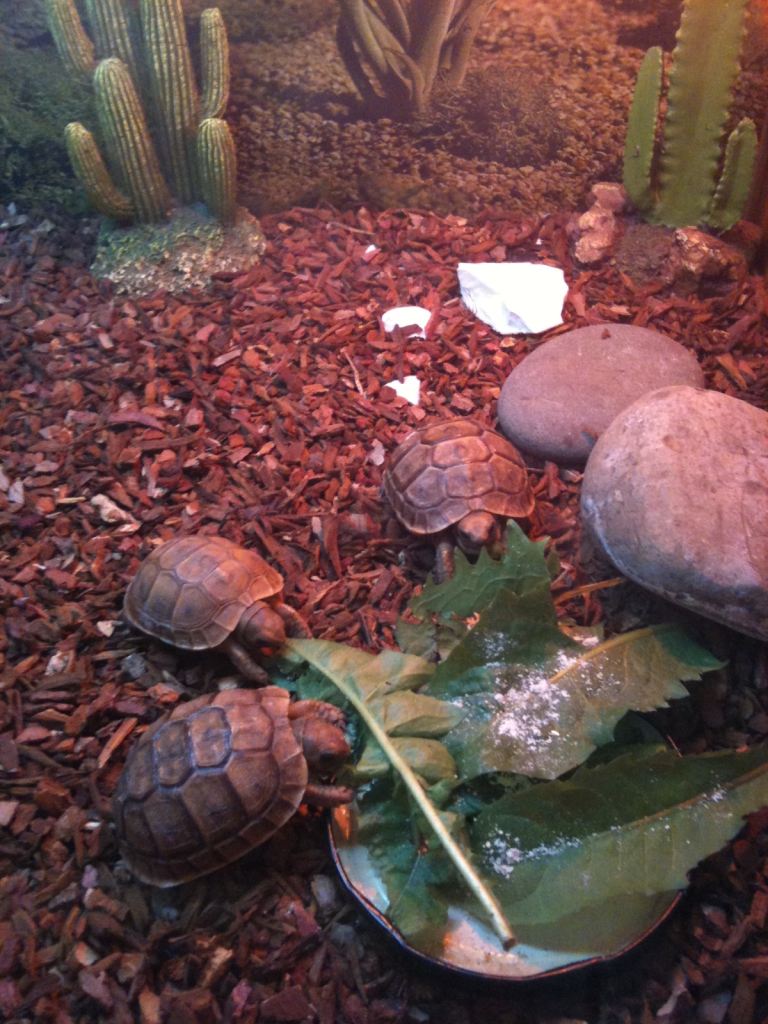
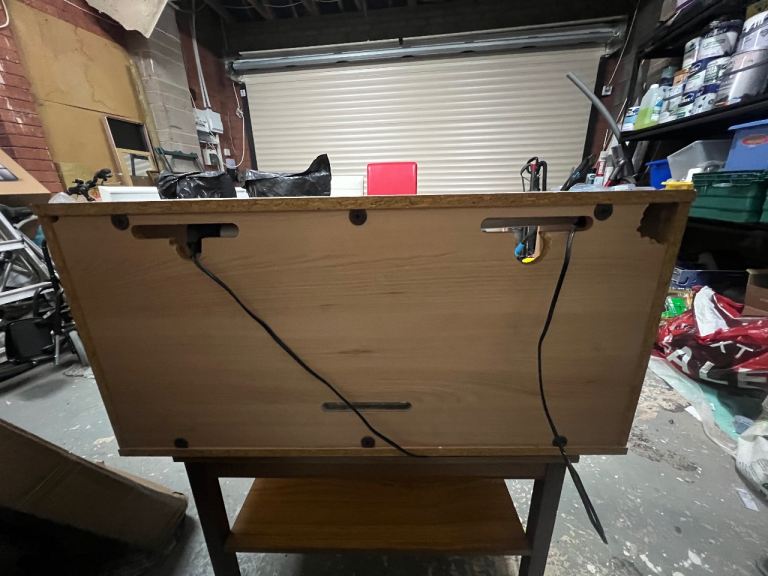
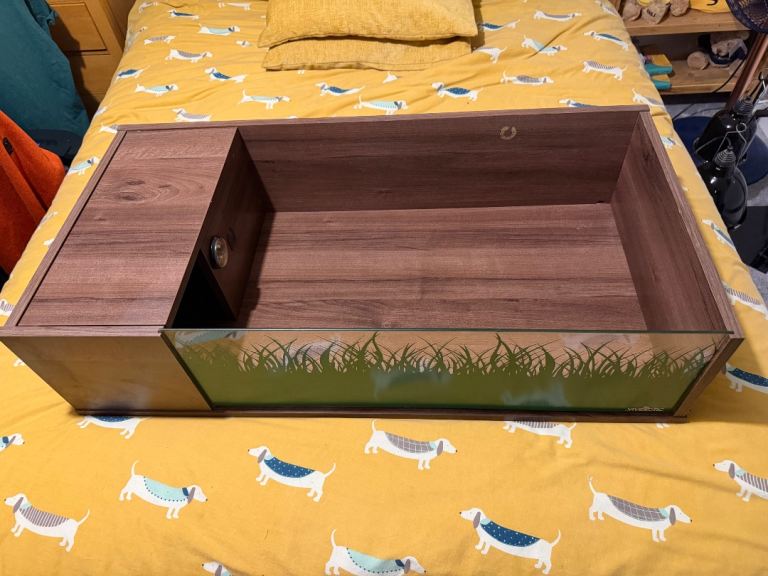
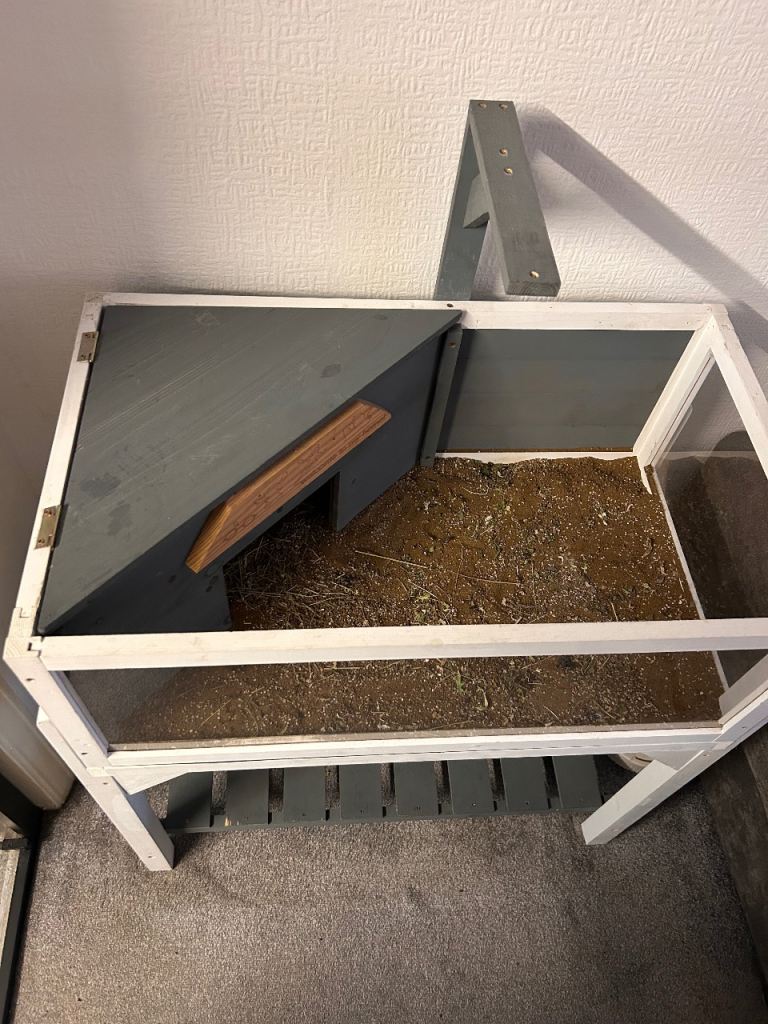
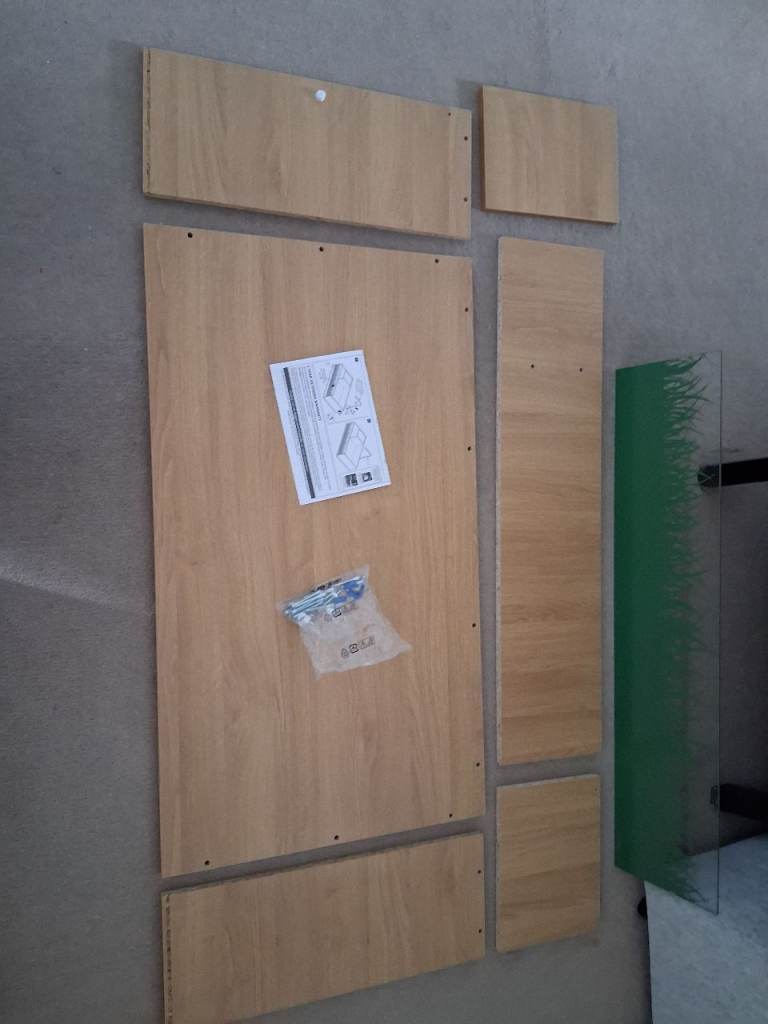
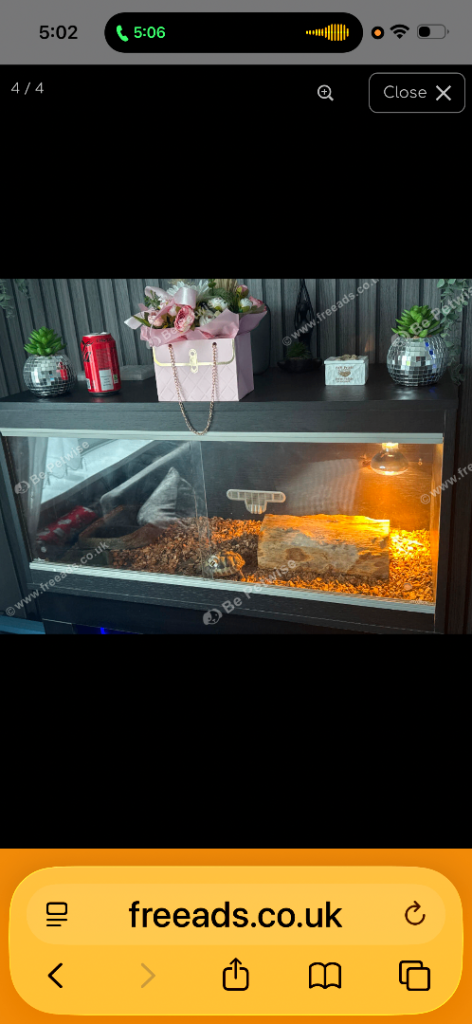
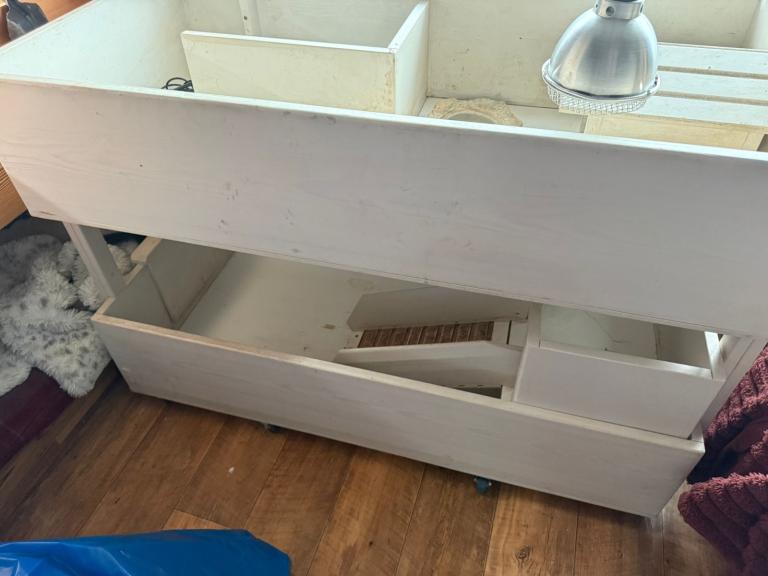
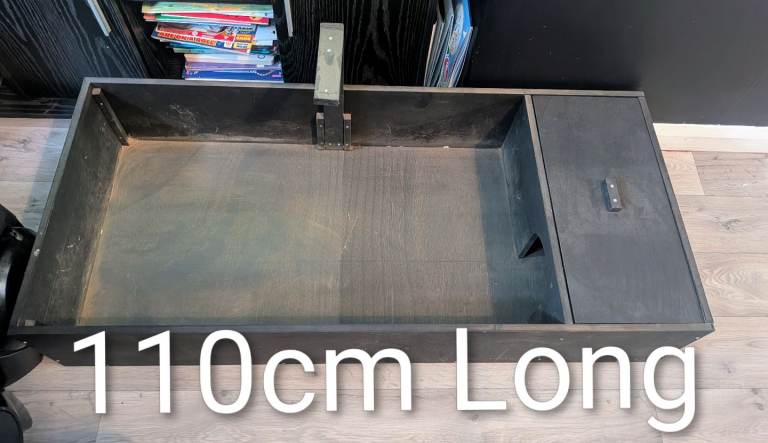
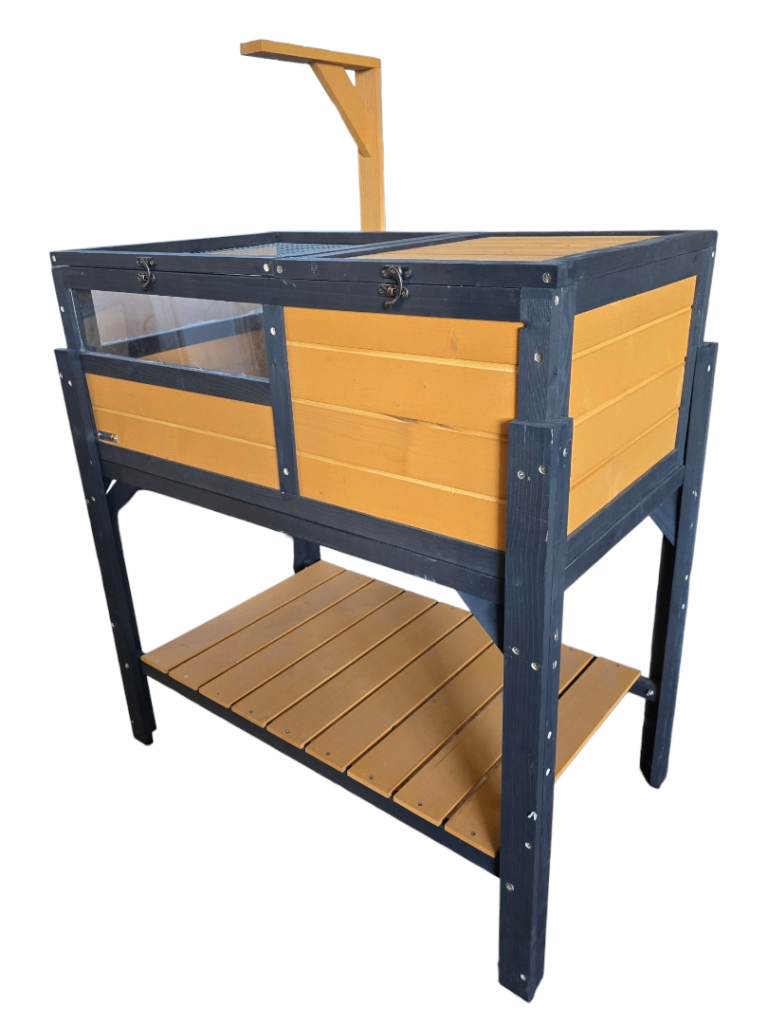
A tortoise enclosure should be appropriately sized for the species and age of the tortoise. It needs to provide both a warm basking area and a cooler shaded area, along with adequate UVB and heat lamps. The substrate should be suitable for digging and burrowing, and the enclosure should be secure to prevent escapes. Outdoor enclosures are beneficial in suitable weather, but protection from predators and the elements is essential.
A tortoise's diet varies depending on the species, but generally consists of leafy greens, weeds, and vegetables. Avoid feeding them fruit, as it is too high in sugar. Provide a calcium supplement regularly, especially for growing tortoises. Research the specific dietary needs of the tortoise species you are considering to ensure you can provide a balanced and healthy diet.
Common health issues in tortoises include respiratory infections, shell rot, and parasites. Look for signs such as runny nose, wheezing, lethargy, soft shell, or unusual behaviour. Regular vet check-ups with a reptile specialist are recommended to ensure your tortoise remains healthy. Quarantine any new tortoise before introducing it to existing pets to prevent the spread of disease.