Bricklayer
Operates in United Kingdom
Bricklayers
Repointing
Bricklayers in the UK typically hold a Level 2 or Level 3 Diploma in Bricklaying. A Construction Skills Certification Scheme (CSCS) card is also essential for working on most construction sites, demonstrating competence and health and safety awareness. Check for these qualifications and cards when hiring.
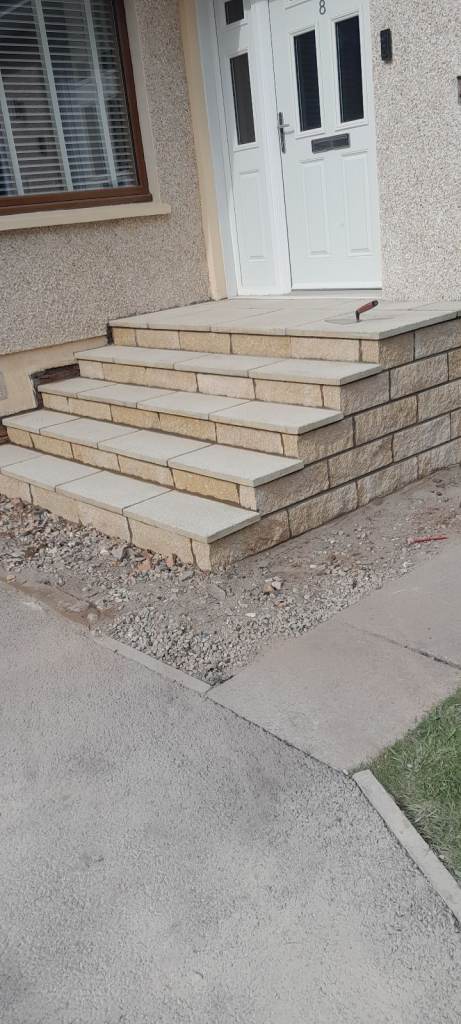
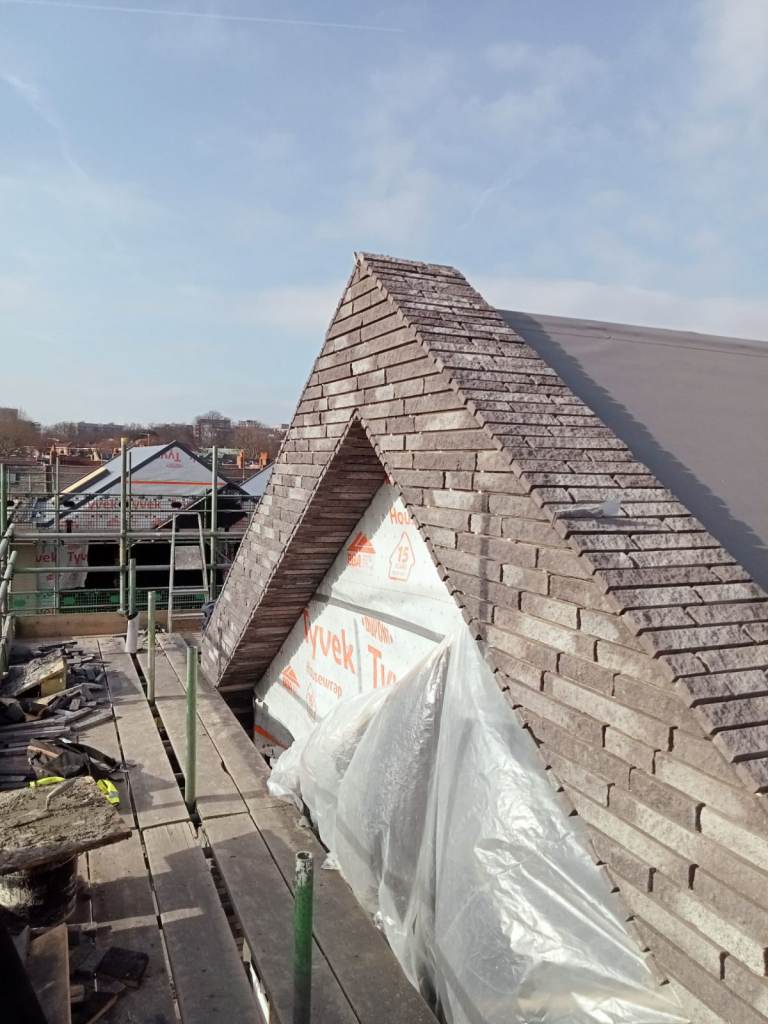
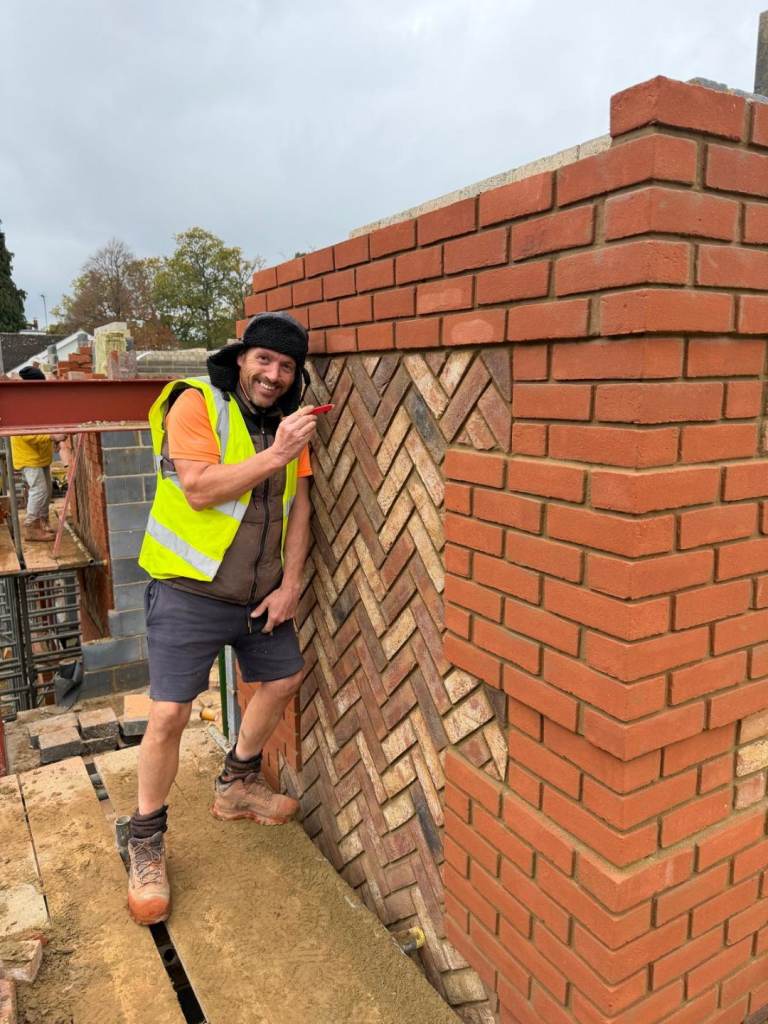
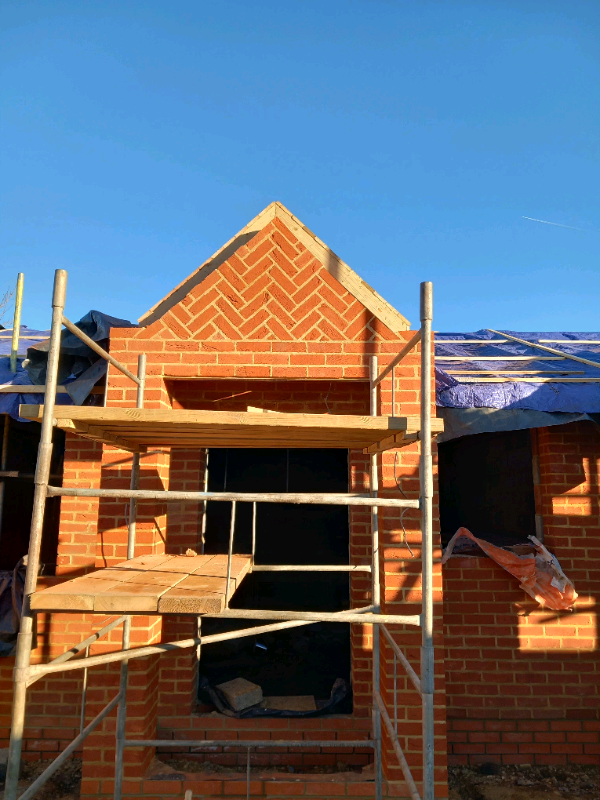
Consider the complexity of the job. For simple tasks, a newly qualified bricklayer might suffice. For more intricate work, such as decorative brickwork or structural repairs, look for someone with several years of experience and a portfolio of completed projects. Ask for references from previous clients.
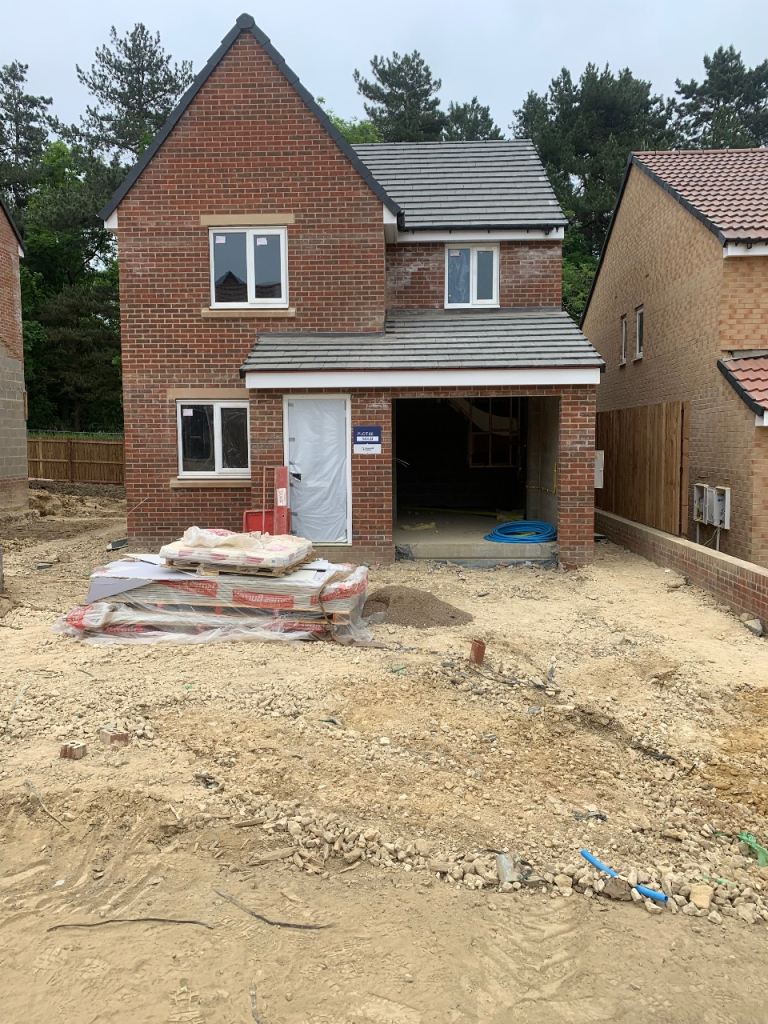
A bricklayer's responsibilities typically include interpreting blueprints, setting out foundations, mixing mortar, laying bricks and blocks to build walls, chimneys, and other structures, ensuring the work is level and plumb, and pointing and finishing brickwork. They may also be responsible for scaffolding and site safety.
Bricklayers should always wear appropriate personal protective equipment (PPE), including safety boots, gloves, eye protection, and a hard hat. They should be trained in manual handling techniques to avoid back injuries. Safe use of tools and equipment, such as brick saws and mortar mixers, is also crucial. Scaffolding must be erected and maintained to a safe standard, adhering to UK health and safety regulations.
A written contract is essential. It should clearly state the scope of the work, the agreed price (including whether it's a fixed price or an hourly rate), the payment schedule, the start and completion dates, and any guarantees or warranties offered. It should also outline who is responsible for supplying materials and clearing the site. Consult a legal professional for advice on contract terms.