5
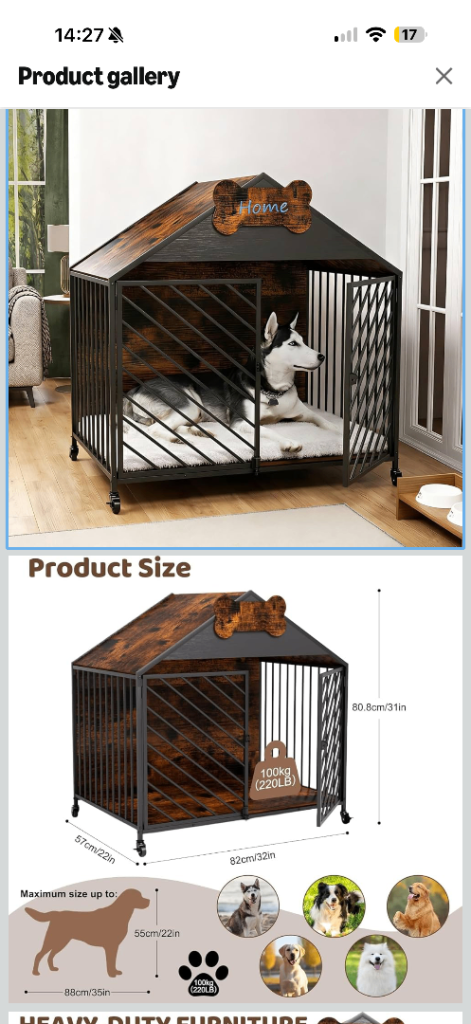
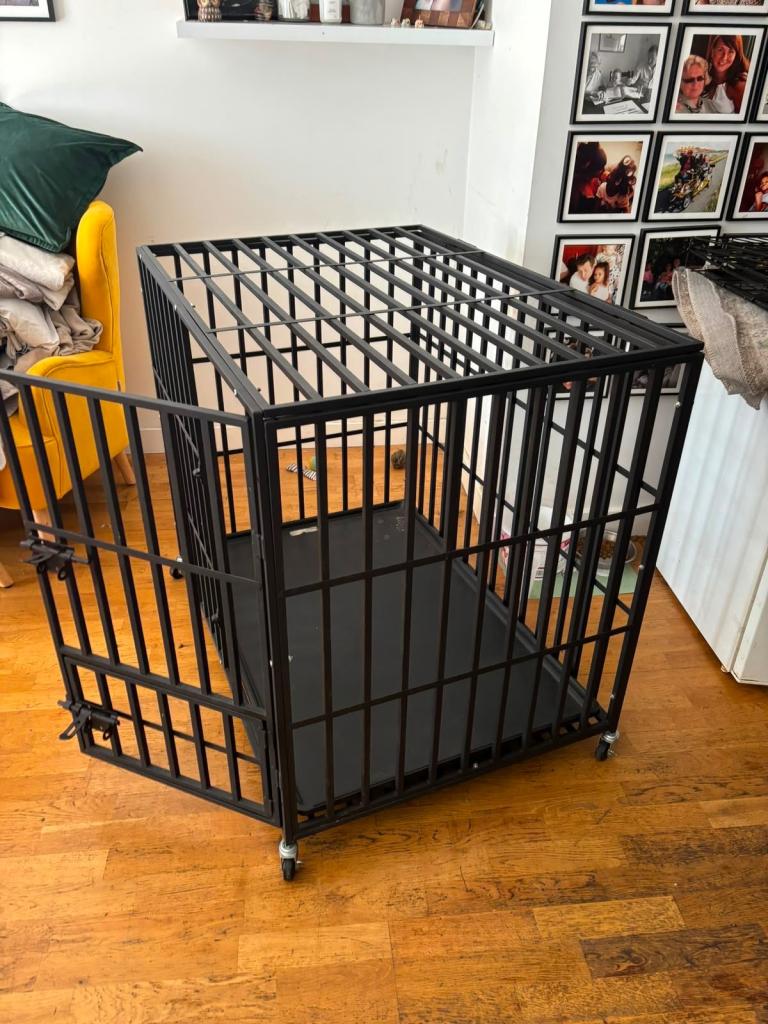
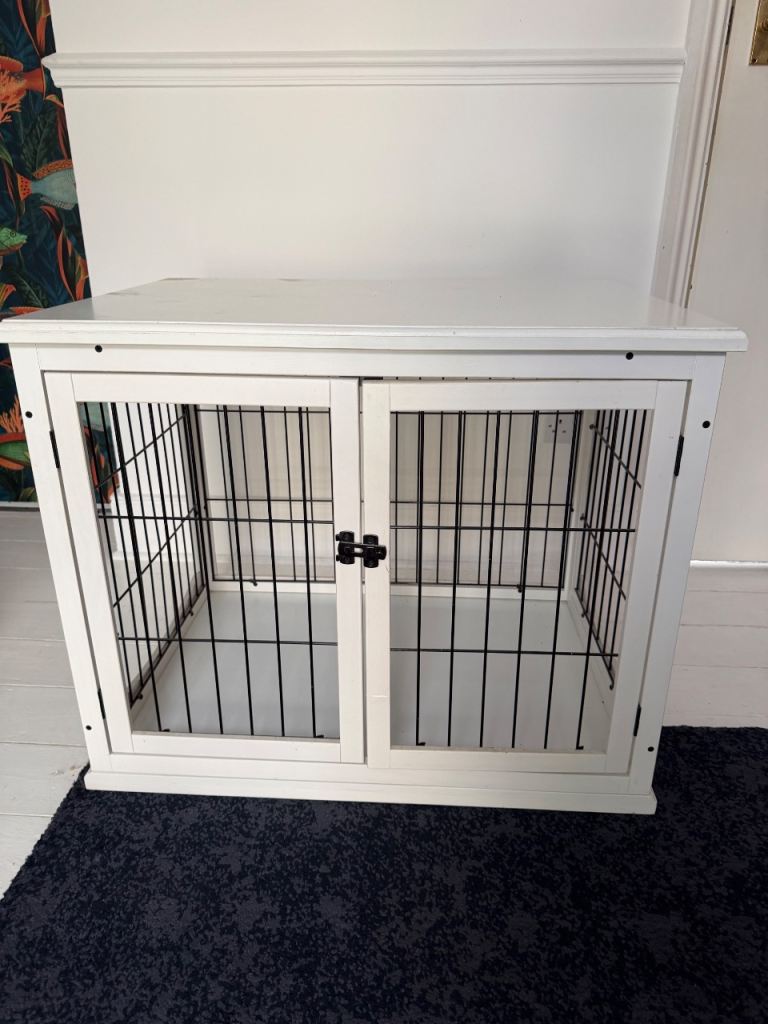
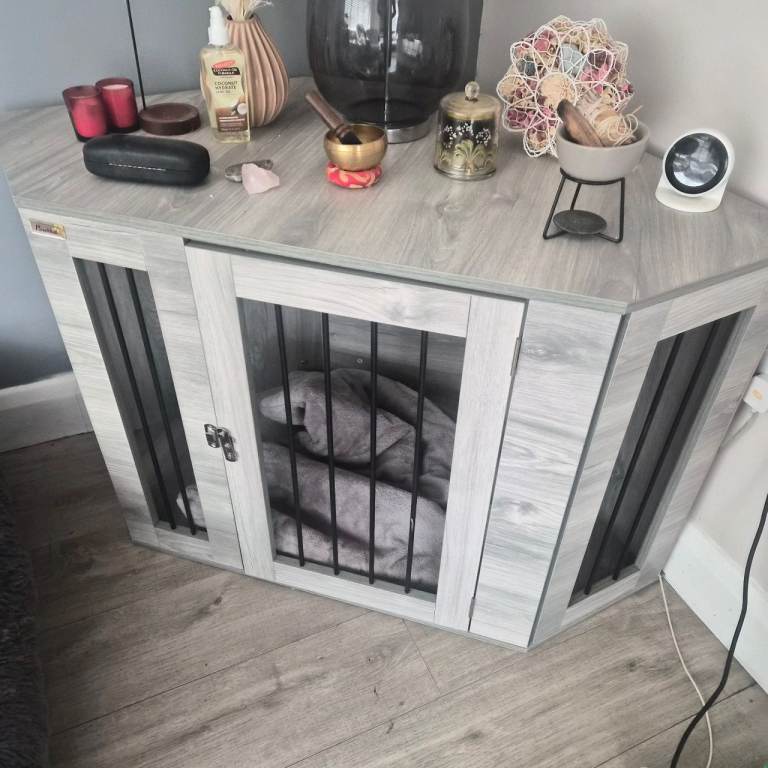
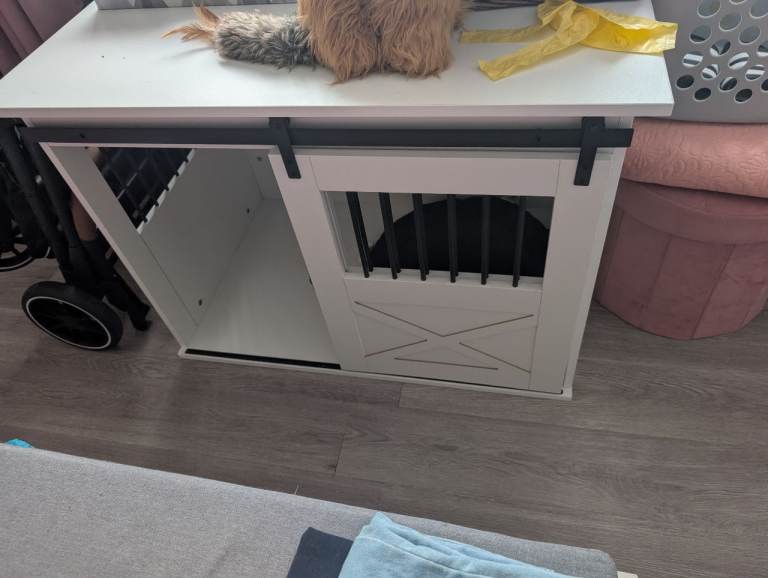
Wooden dog crate
Welling, London
£65
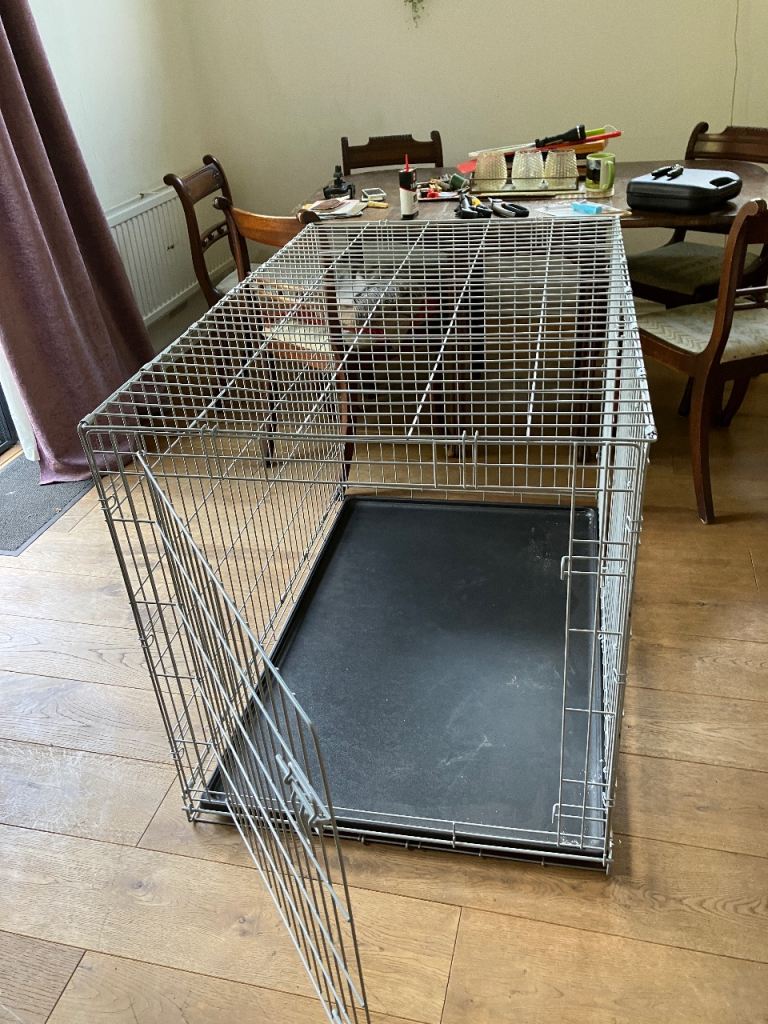
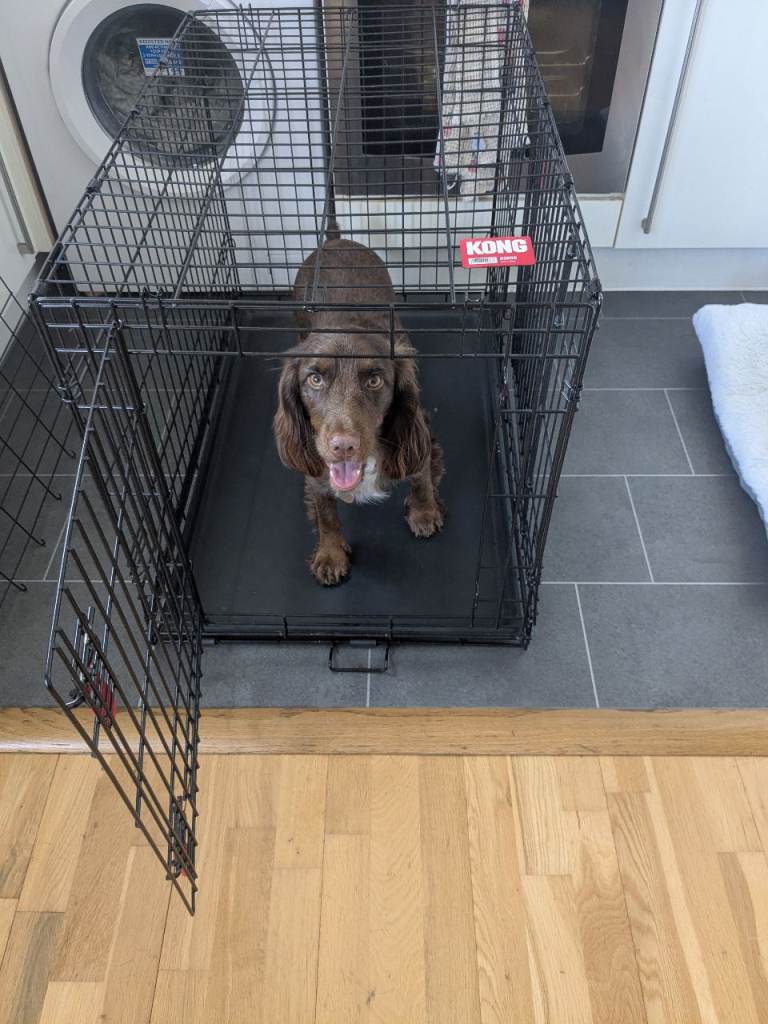
The crate should be large enough for your dog to stand up, turn around, and lie down comfortably. Measure your dog while standing, from the tip of their nose to the base of their tail, and from the top of their head to the ground. Add a few inches to each measurement to determine the minimum crate size. Consider that a puppy will grow, so you may need a larger crate with a divider to adjust the space as they grow.
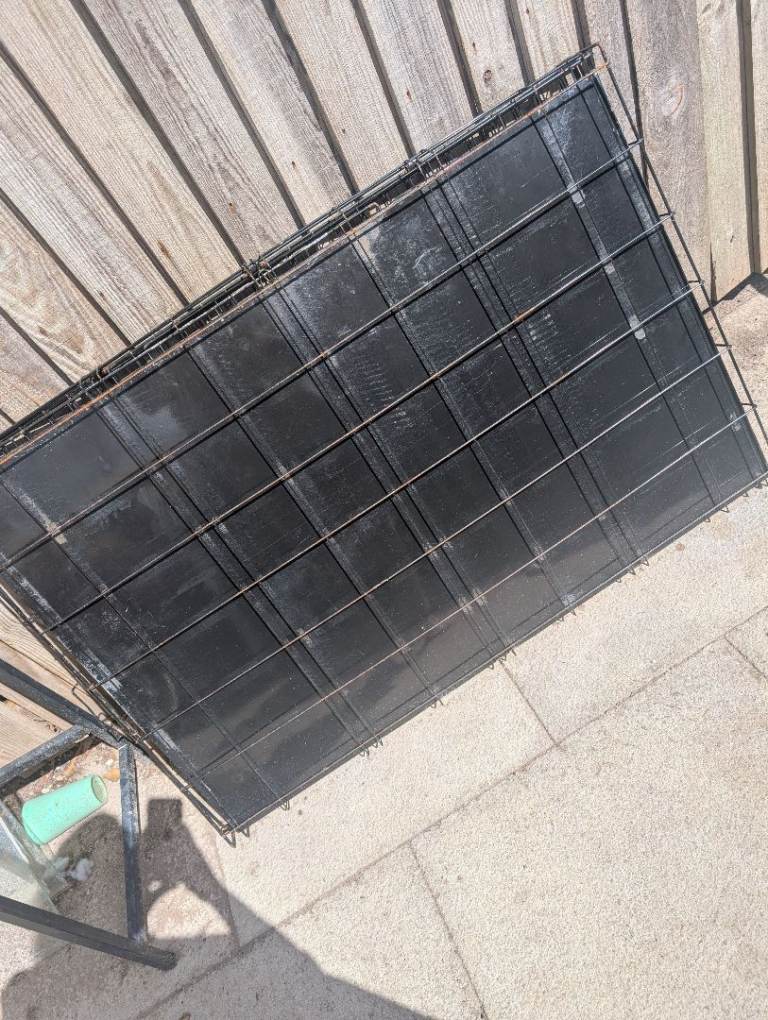
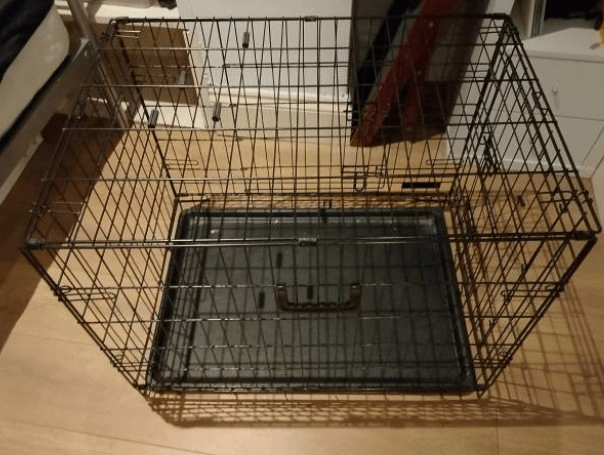
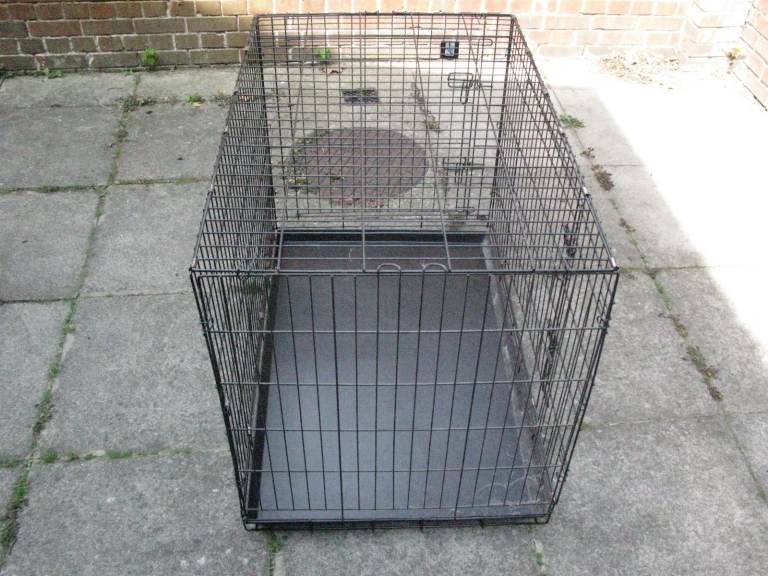
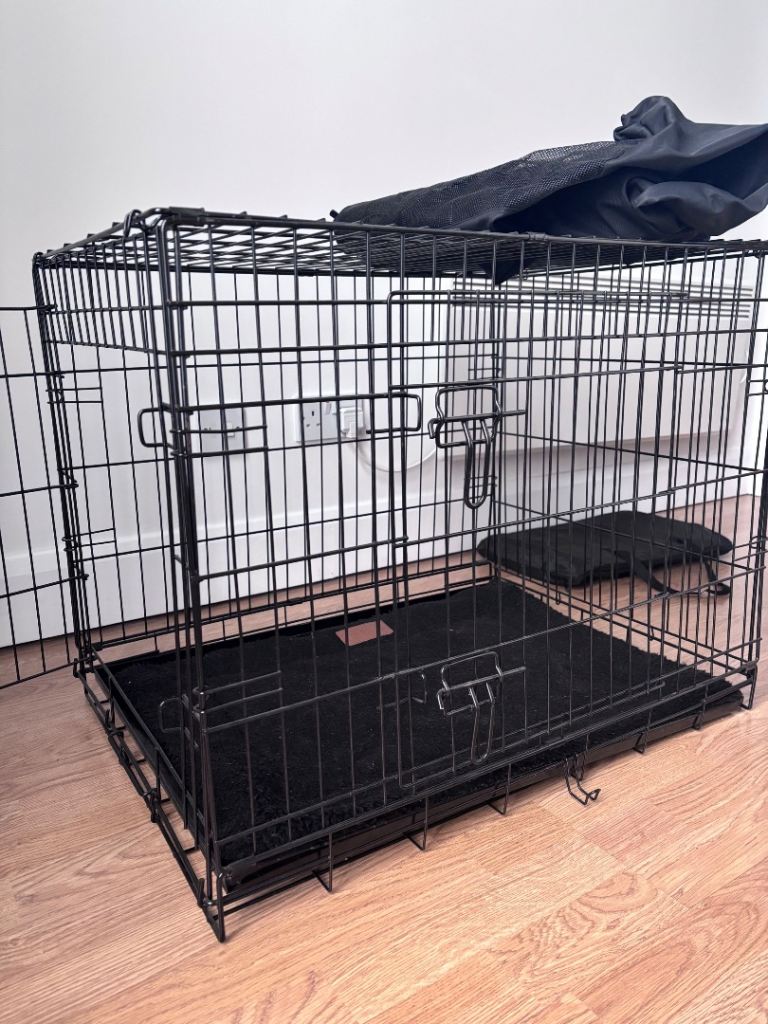
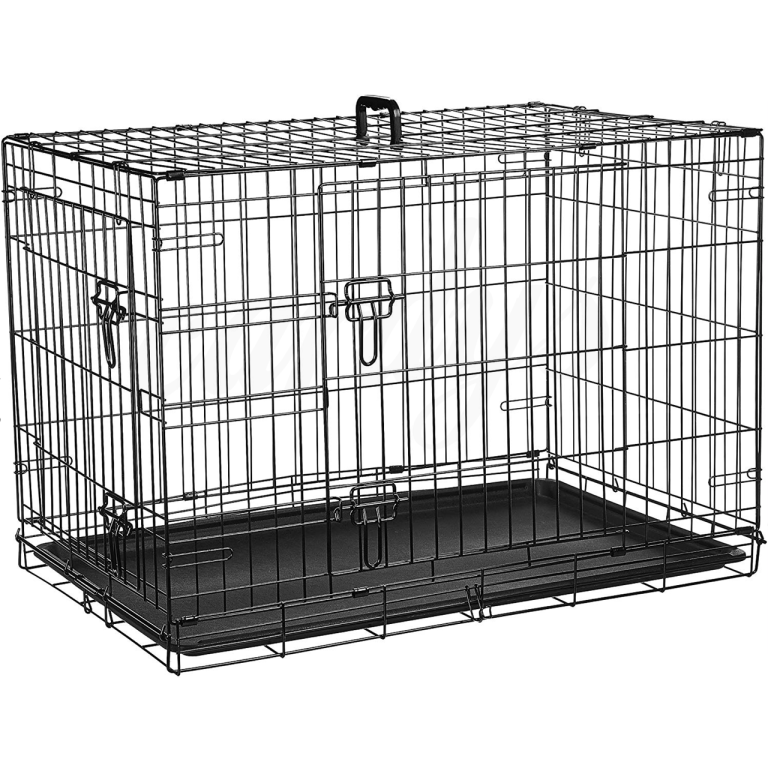
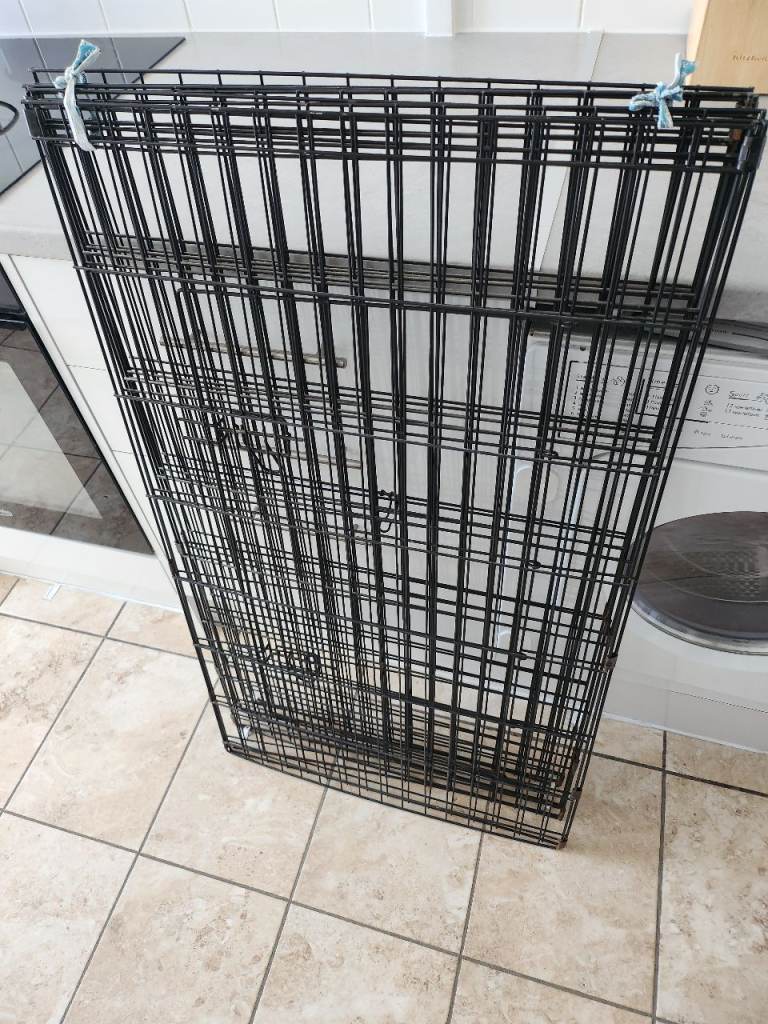
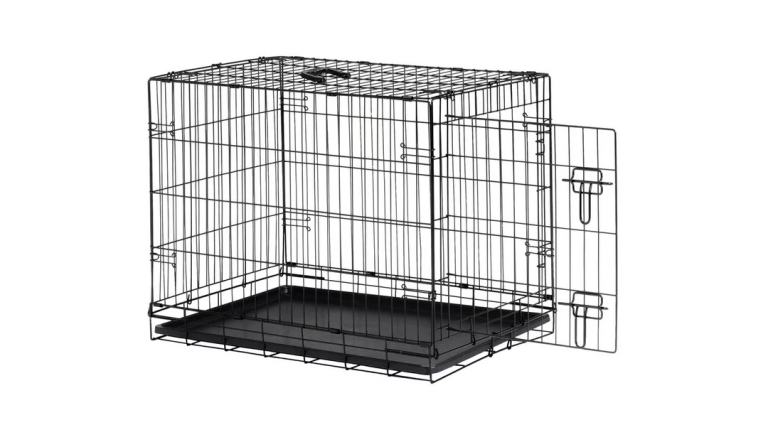
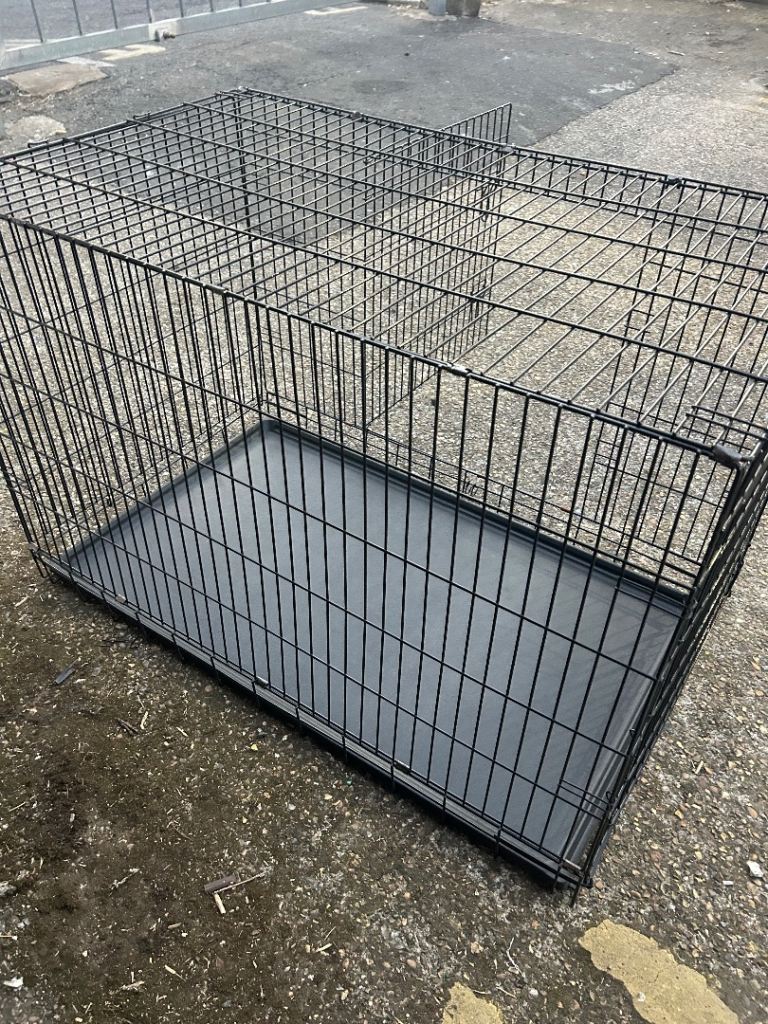
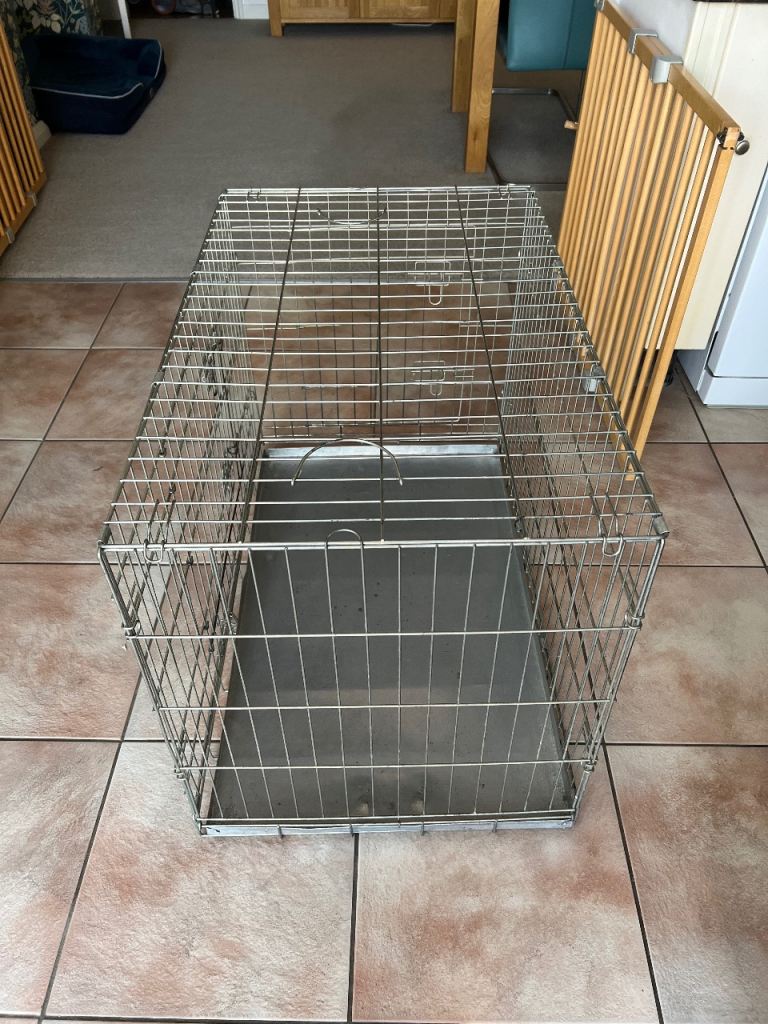
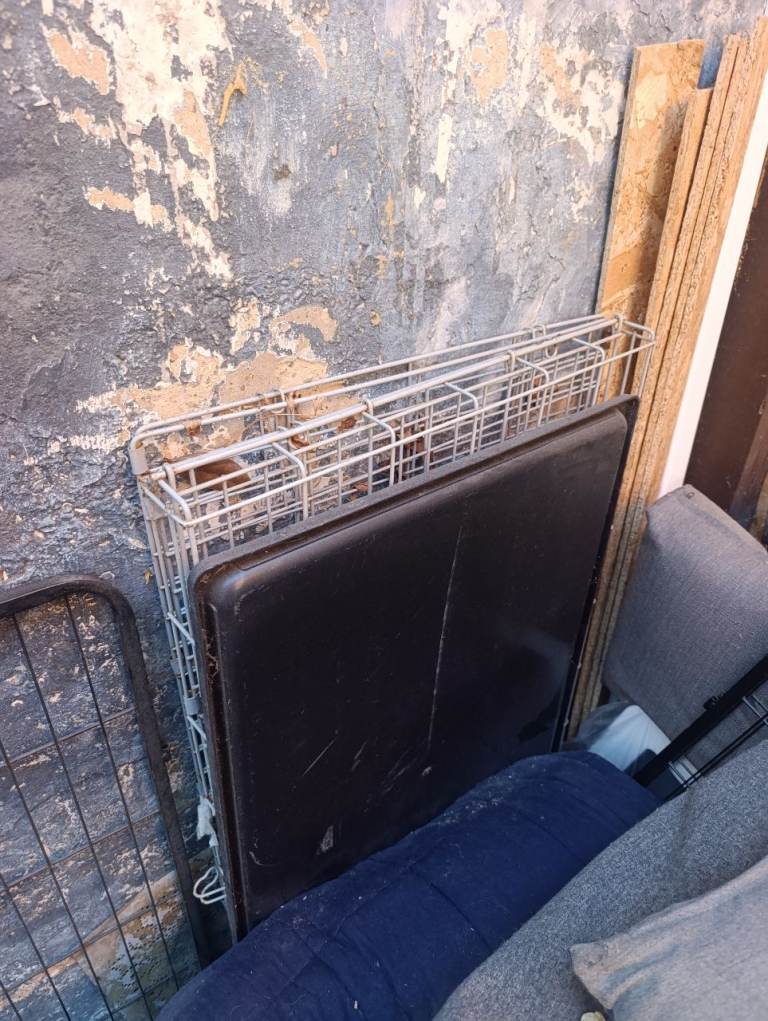
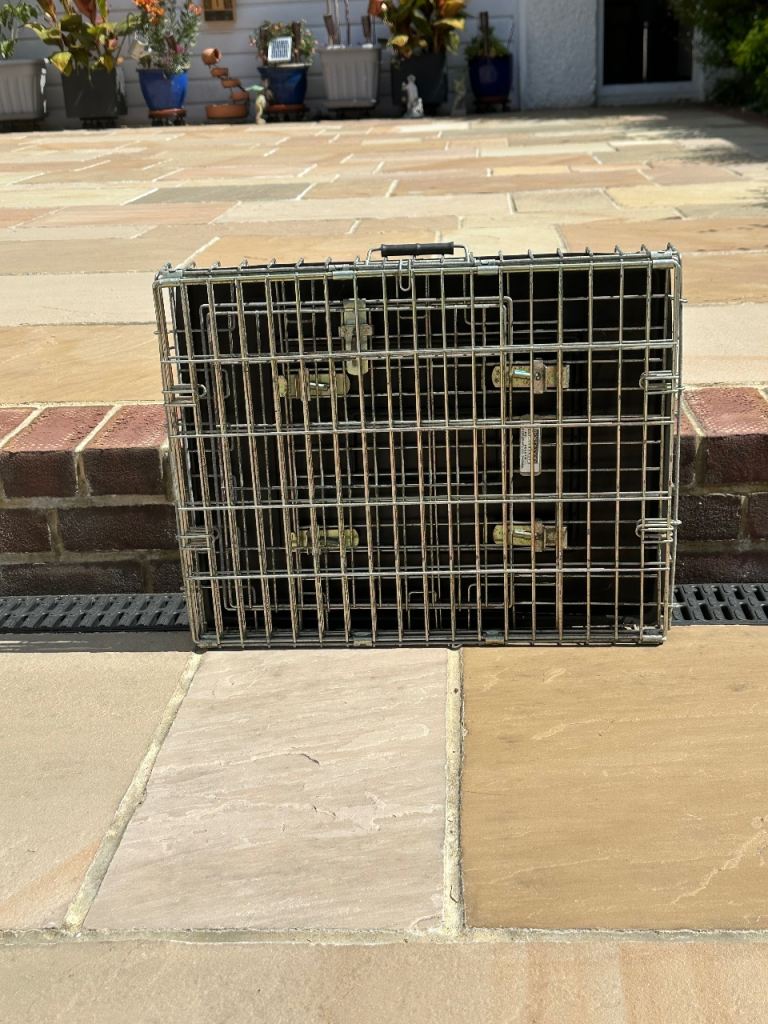
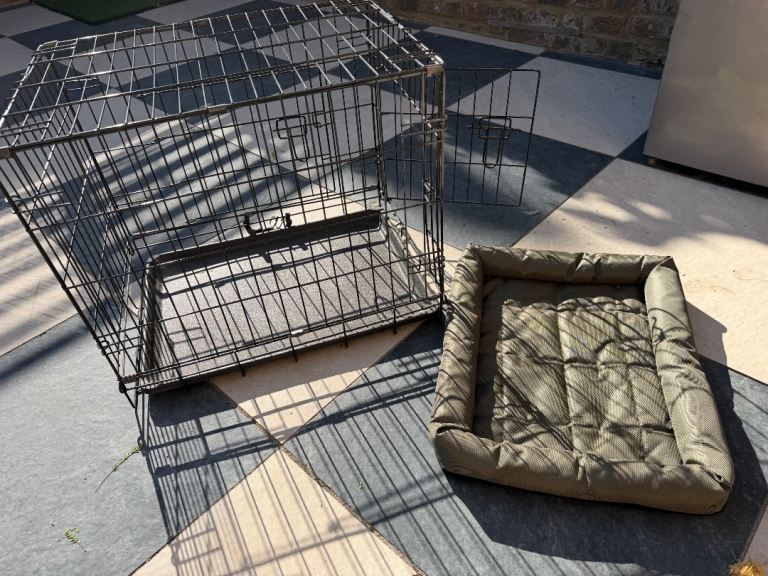
Carefully inspect the crate for any signs of damage, such as broken welds, bent bars, or sharp edges, which could injure your dog. Check the latches and locking mechanisms to ensure they are secure and in good working order. Make sure the crate is clean and free from any lingering odours or stains.
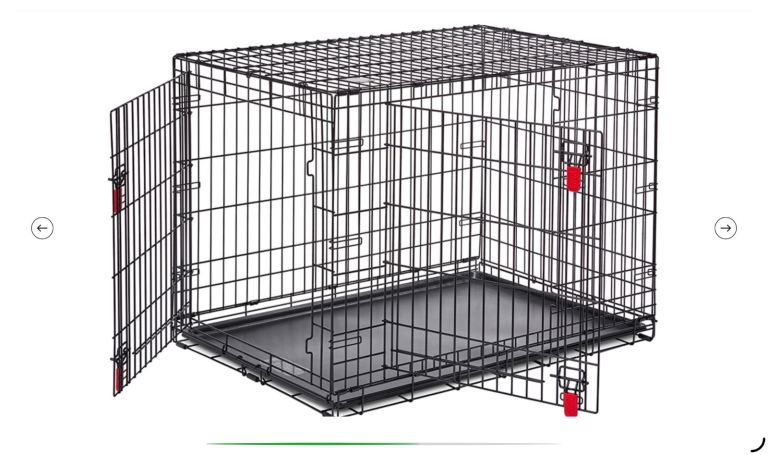
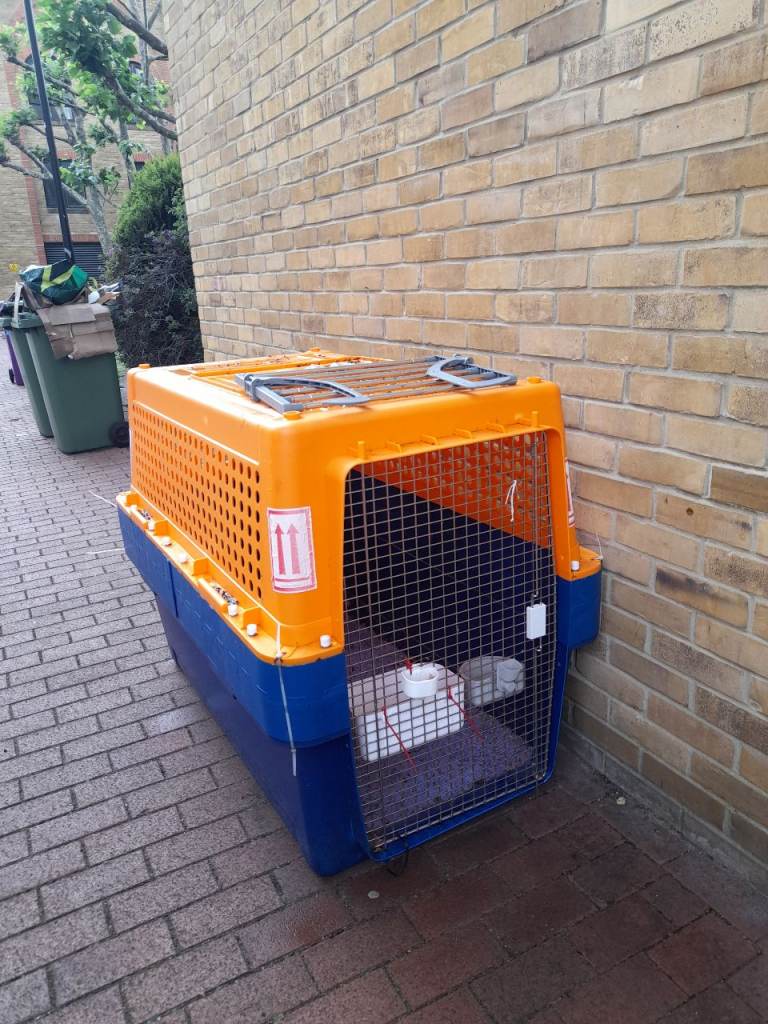
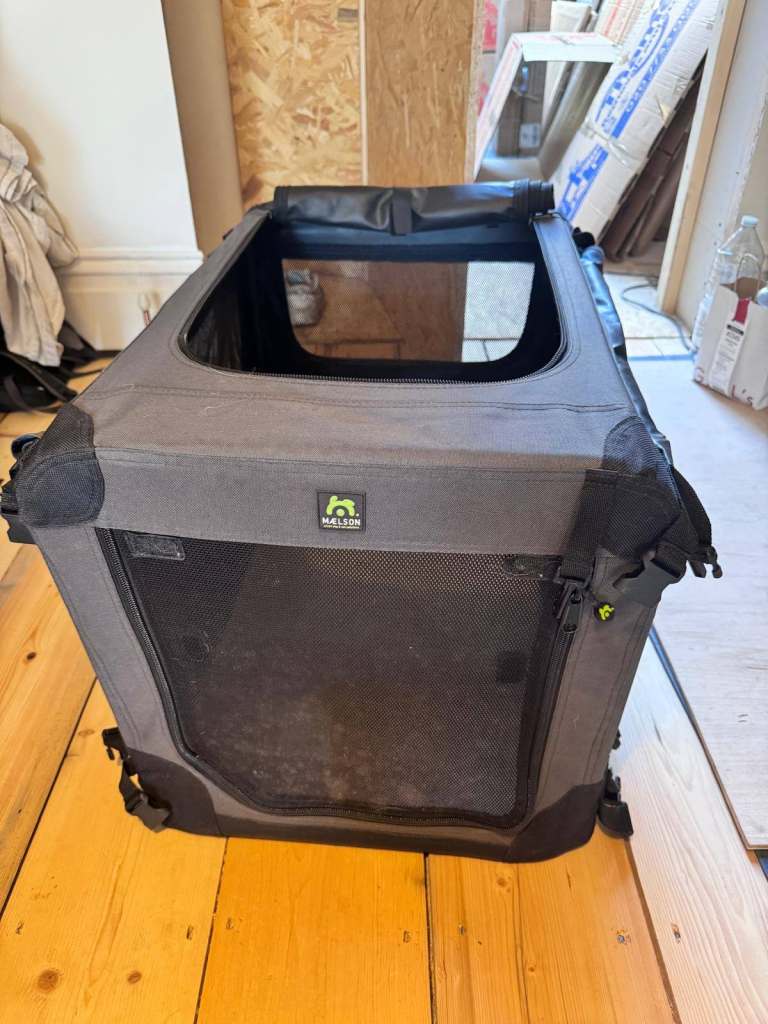
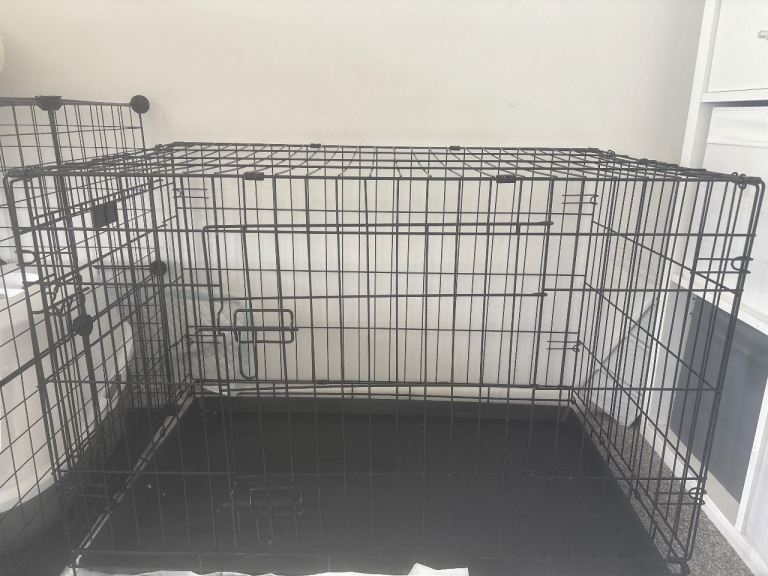
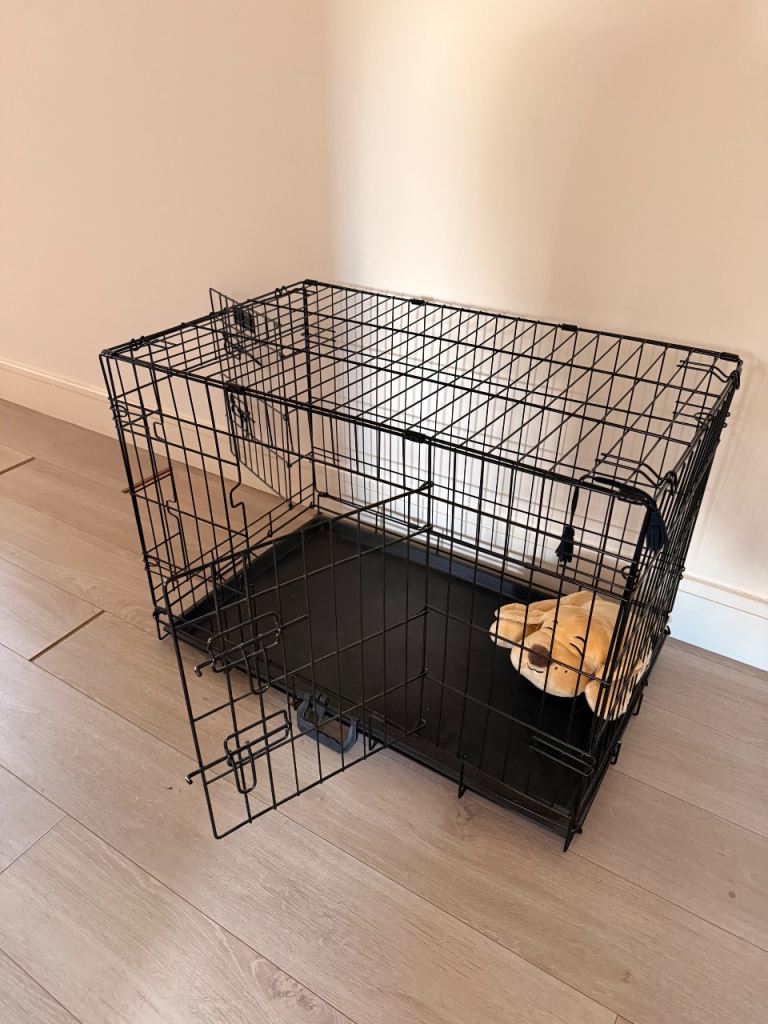
Dog crates are typically made from wire, plastic, or a combination of both. Wire crates offer good ventilation and visibility, while plastic crates provide more privacy and can be easier to clean. Consider your dog's temperament and needs when choosing a material. For example, a dog prone to chewing might damage a plastic crate more easily than a wire one.
Never force your dog into the crate. Make the crate a positive experience by associating it with treats, toys, and praise. Ensure the crate is well-ventilated and placed in a safe location away from direct sunlight or extreme temperatures. Regularly check the crate for any signs of damage that could pose a hazard to your dog.
The Highway Code states that dogs should be suitably restrained in a vehicle so they cannot distract you while you are driving or injure you, or themselves, if you stop quickly. A dog crate secured in the vehicle can be a safe way to transport your dog, provided it is appropriately sized and well-ventilated. Consider using a crate designed for car travel, and ensure it is properly secured to prevent it from moving around during transit.