1
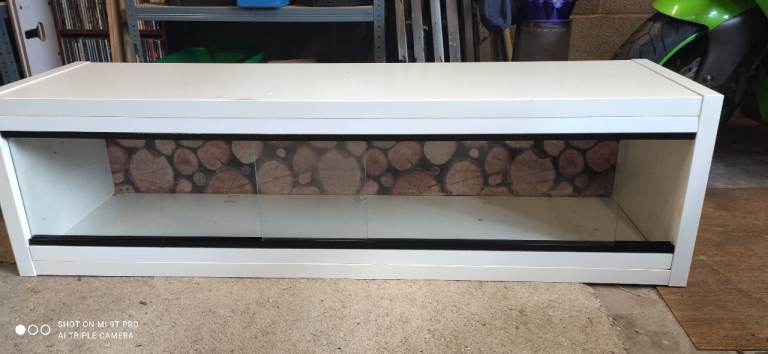
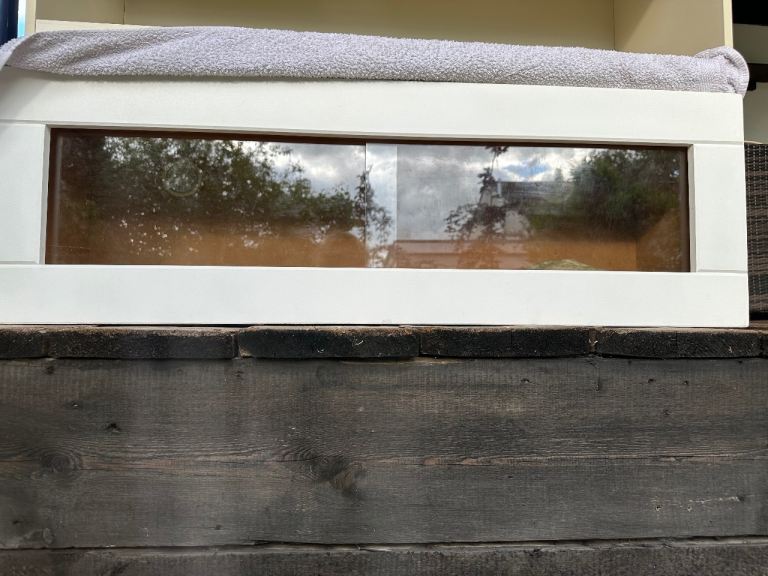
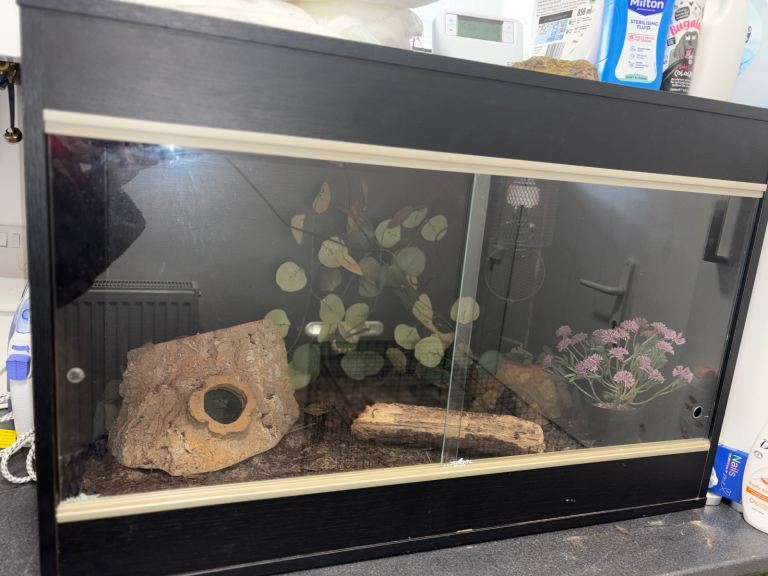
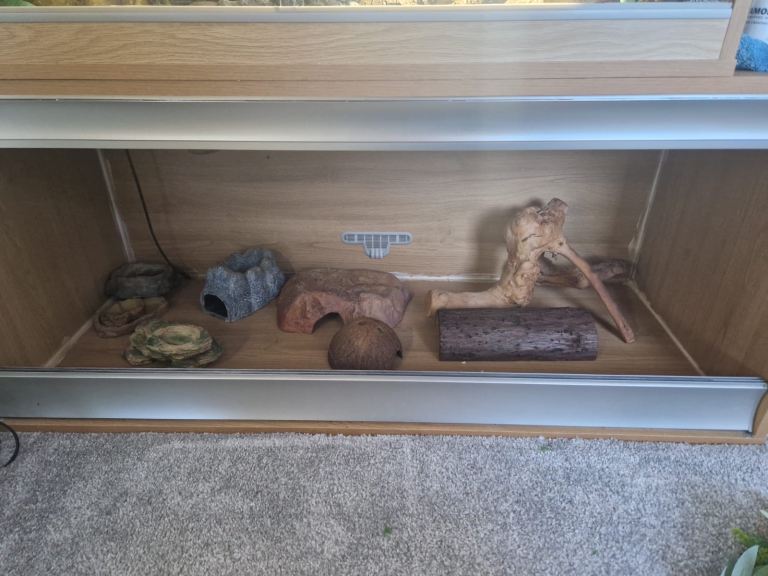
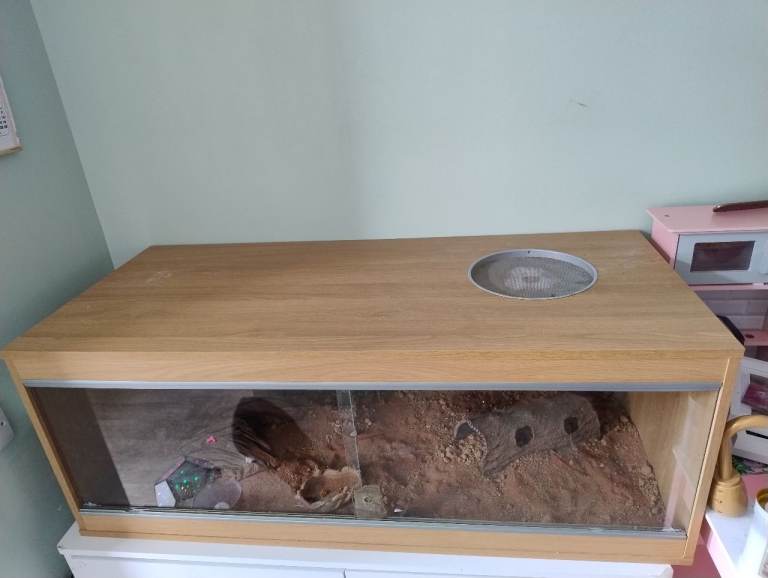
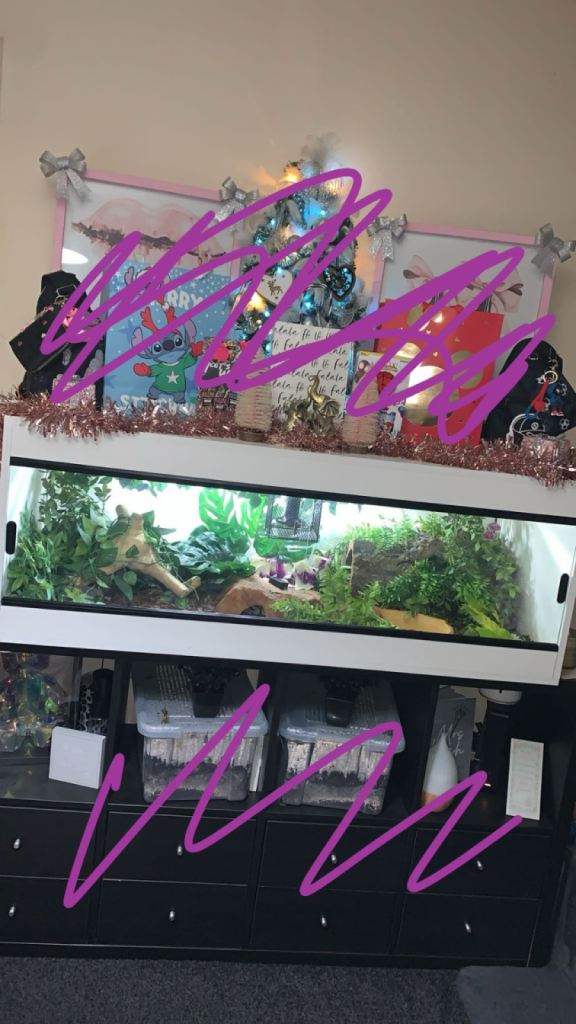
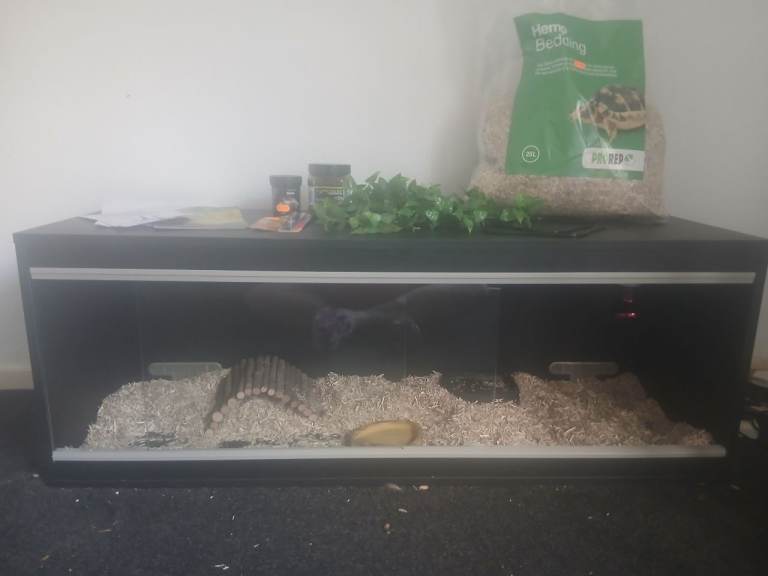
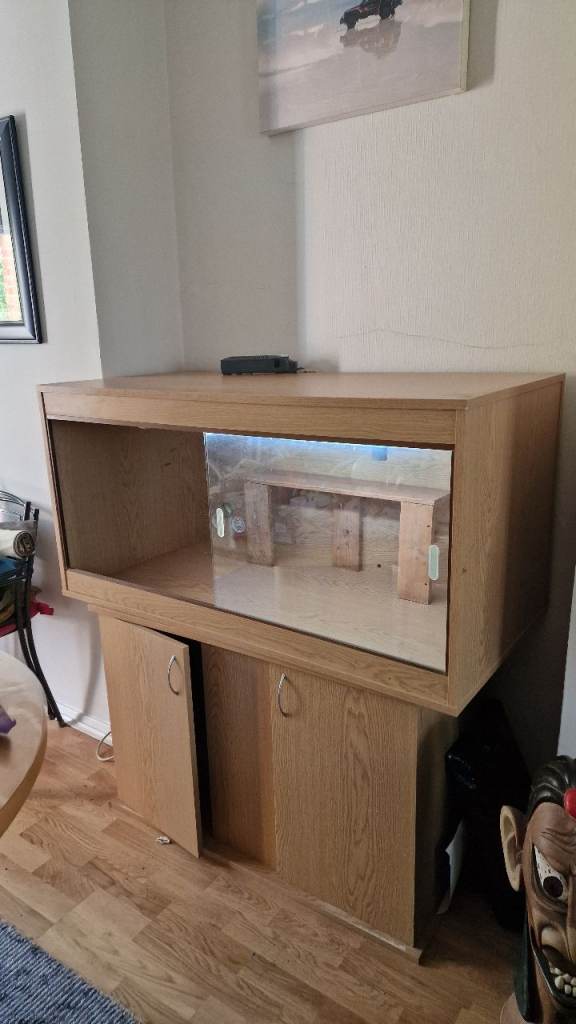
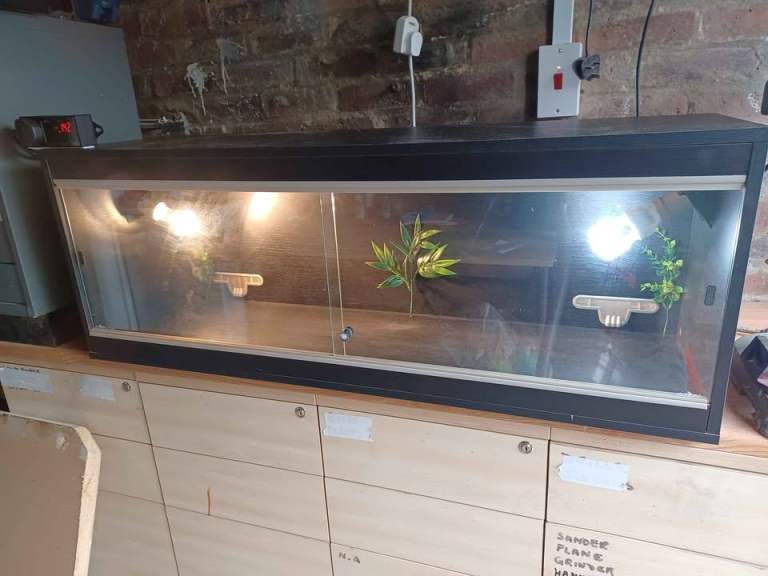
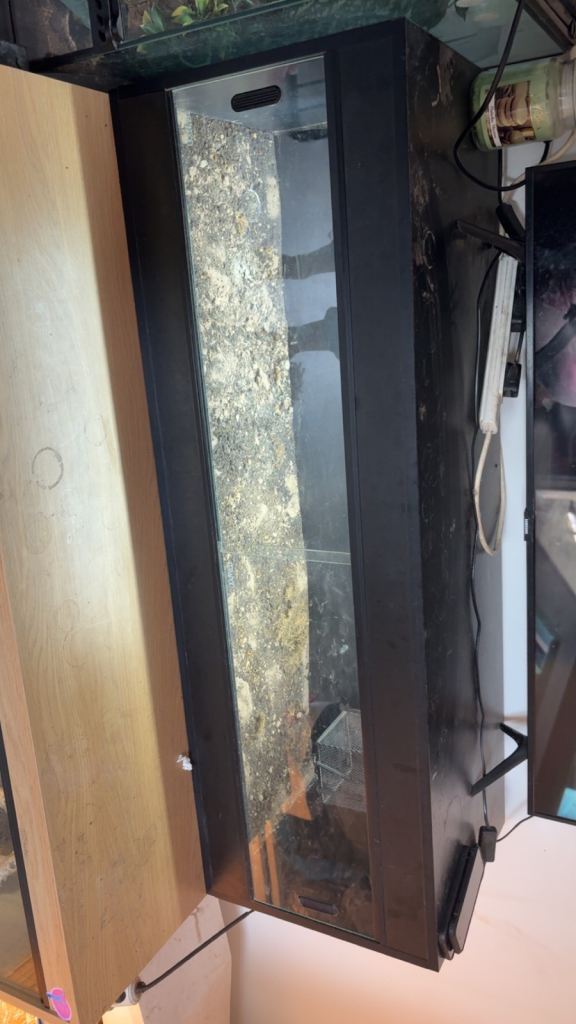
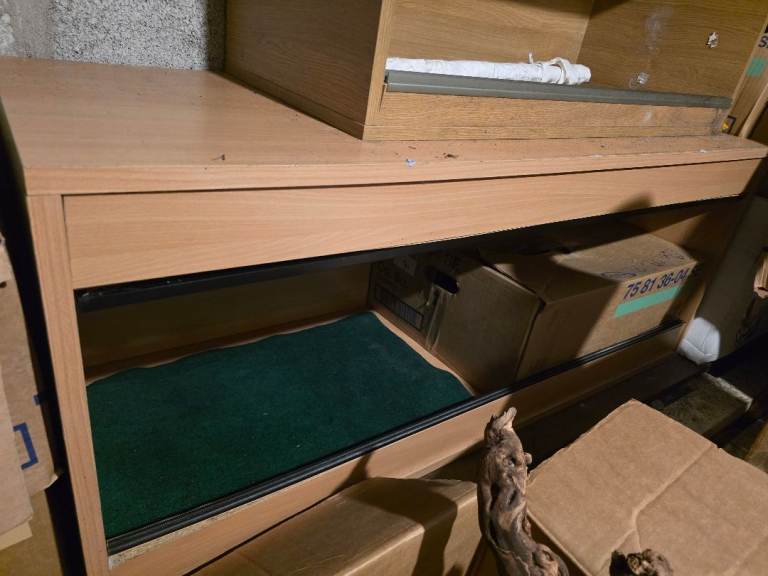
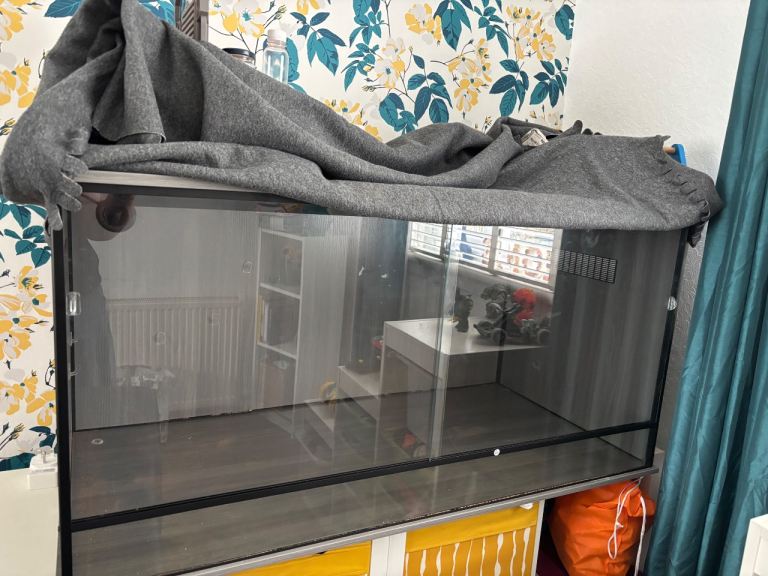
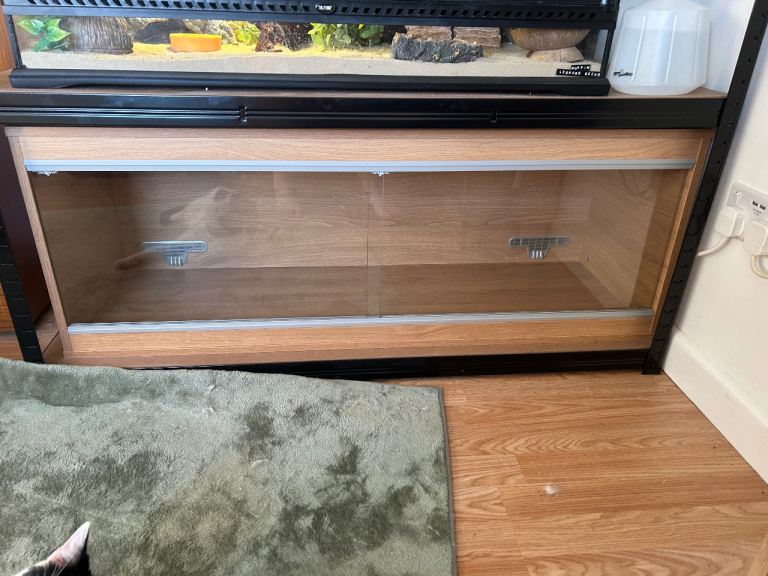
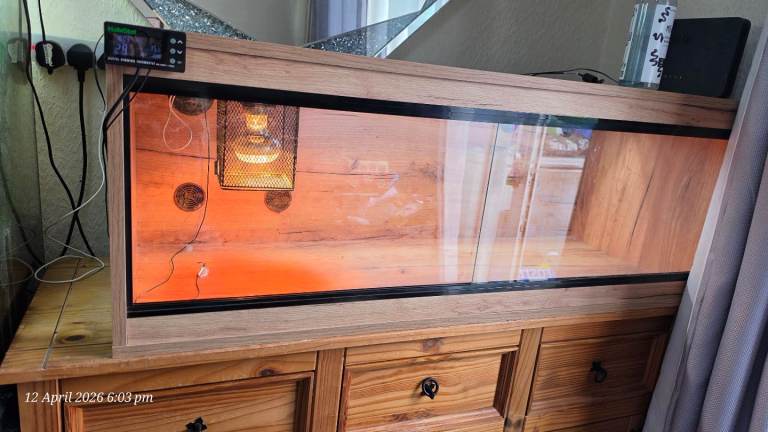
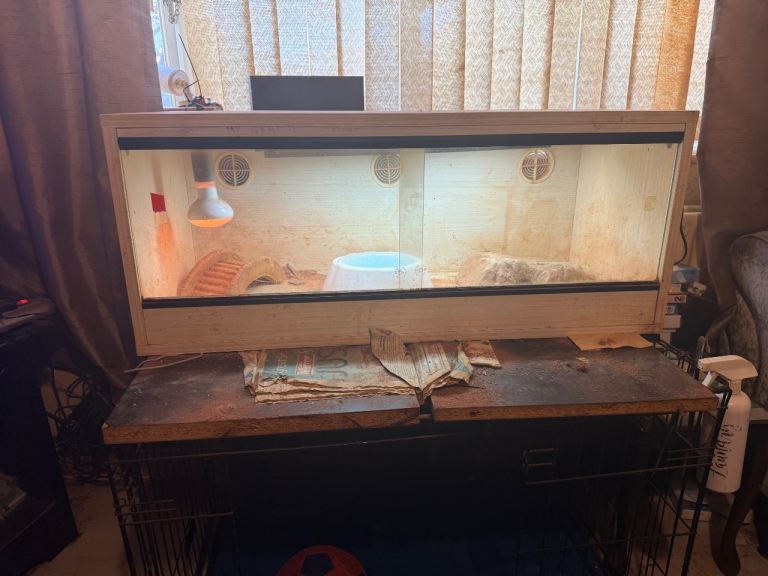
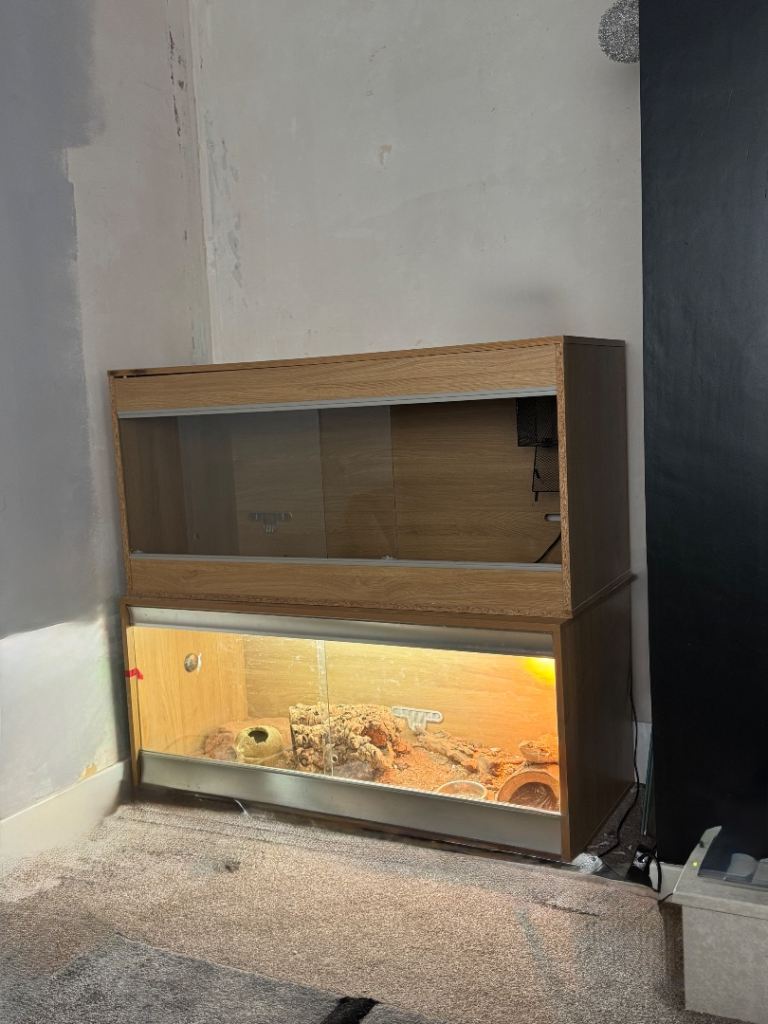
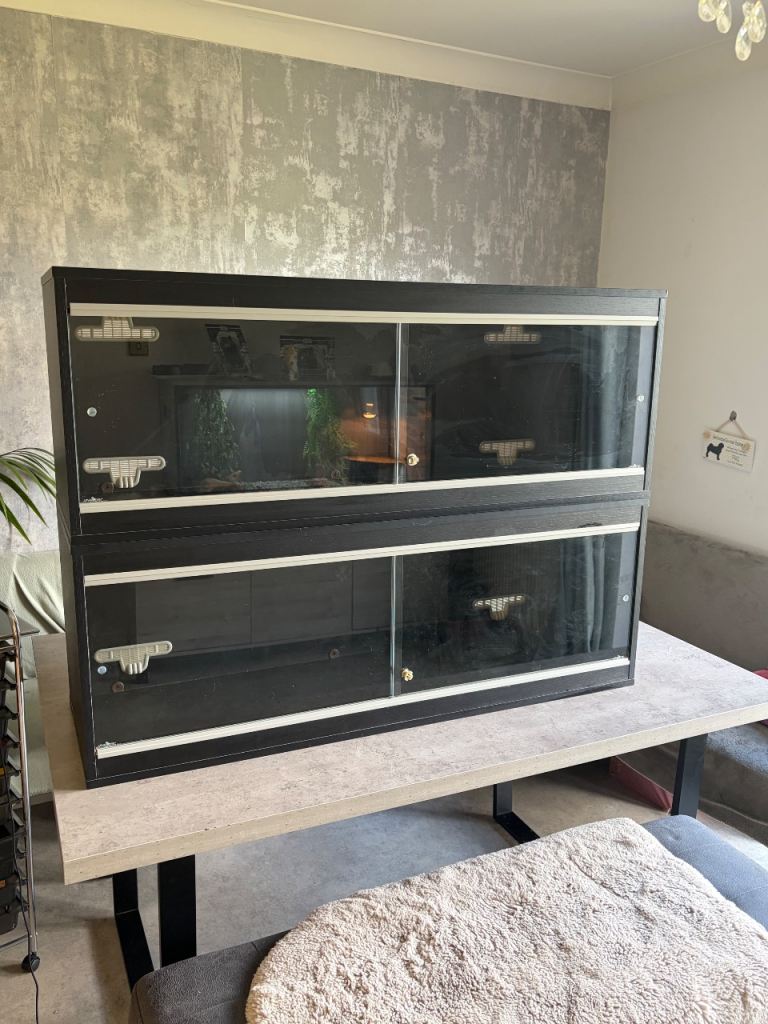
4ft vivexotic Vivarium
Portadown, County Armagh
£70
Inspect the vivarium thoroughly for cracks, chips, or water damage, especially along the seams and edges. Ensure the doors or lids fit securely and the locking mechanisms are functioning correctly. Check for any signs of previous inhabitants, such as residue or strong odours, and ensure the vivarium has been properly cleaned and disinfected.
The appropriate vivarium size depends on the species and adult size of your reptile. As a general rule, the vivarium should be at least twice the length of the reptile for terrestrial species and proportionally larger for arboreal species. Research the specific needs of your reptile to ensure adequate space for movement, thermoregulation, and enrichment.
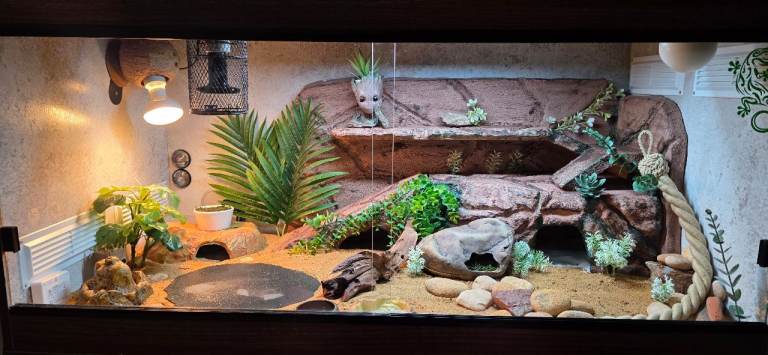
Reptiles require appropriate heating and lighting to regulate their body temperature and facilitate essential biological processes. This typically includes a heat source, such as a heat lamp or ceramic heater, and UVB lighting for vitamin D3 synthesis. The specific requirements vary depending on the reptile species, so research their needs carefully. Always use thermostats and timers to regulate temperature and light cycles.
The appropriate substrate depends on the reptile species and its natural habitat. Options include reptile carpet, paper towels (for quarantine), soil-based substrates, and sand-based substrates. Research the specific needs of your reptile to choose a substrate that is safe, non-toxic, and facilitates proper humidity levels. Avoid substrates that can be ingested and cause impaction.
Certain reptile species are subject to licensing requirements under the Dangerous Wild Animals Act 1976. Check with your local council or the Department for Environment, Food & Rural Affairs (Defra) to determine if your chosen reptile requires a licence. It is also illegal to release non-native species into the wild in the UK.