Featured
12
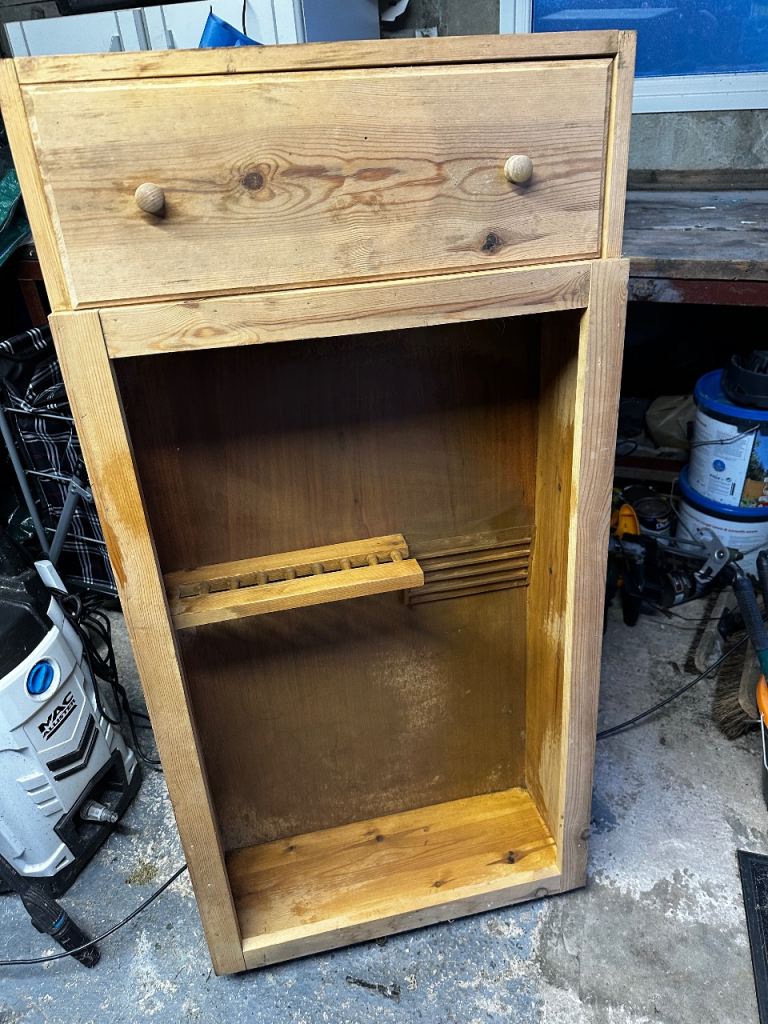
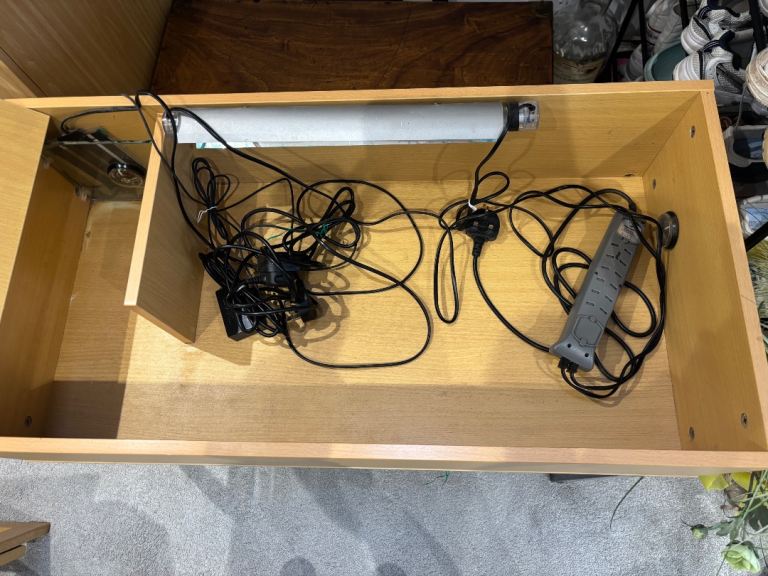
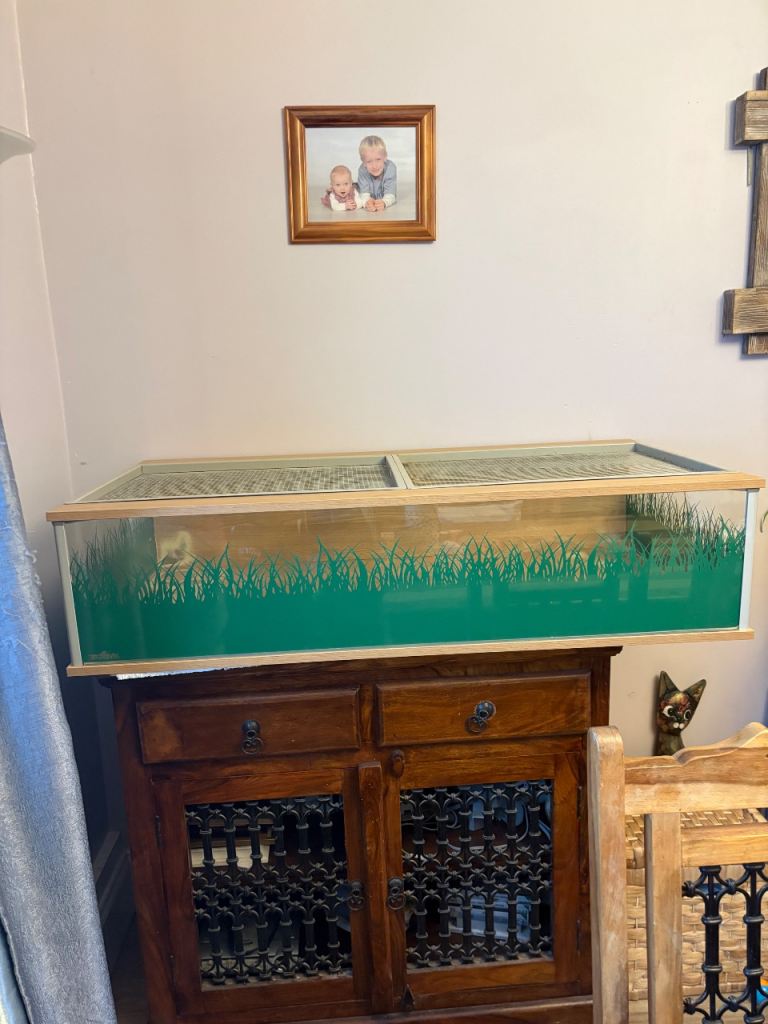
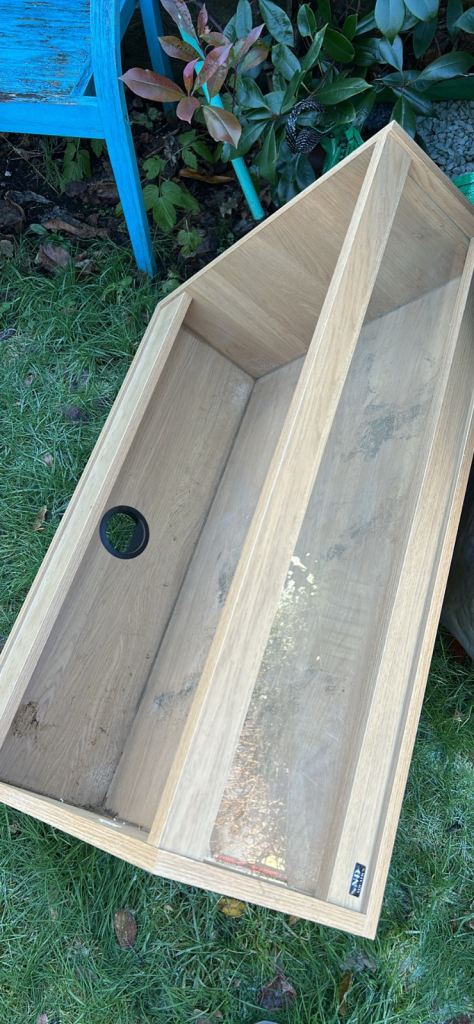
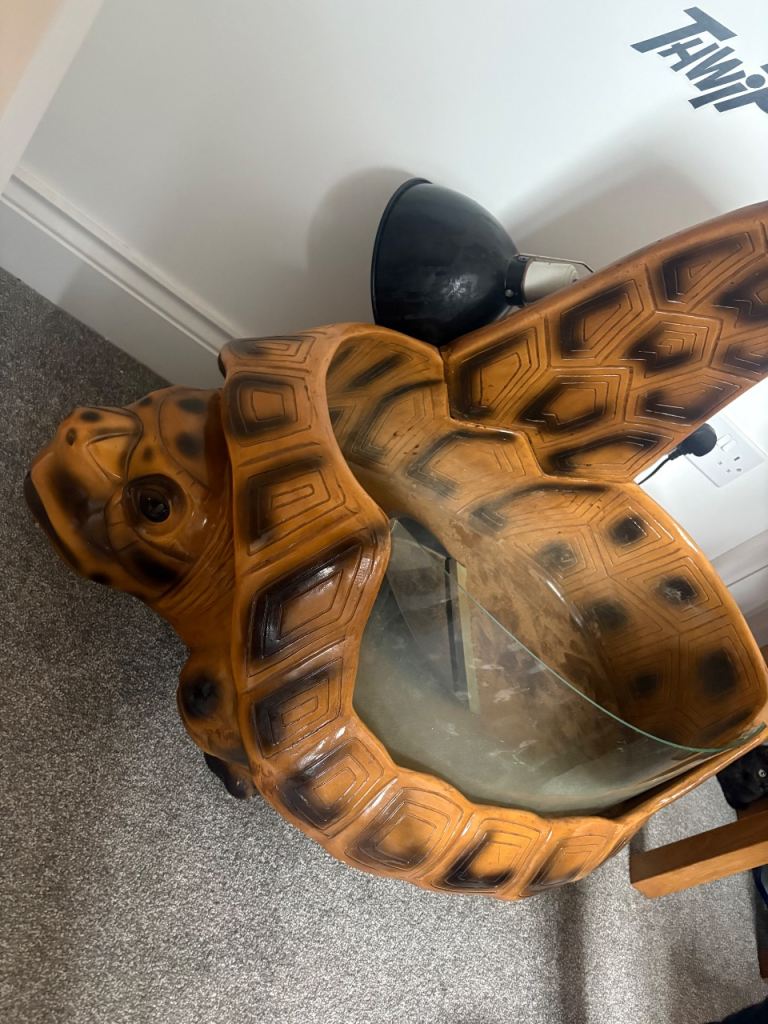
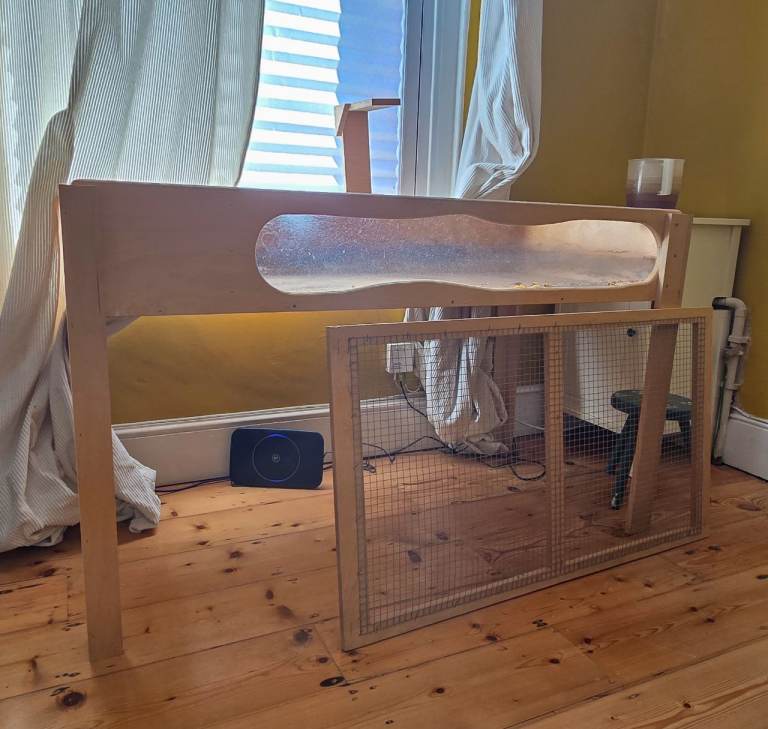
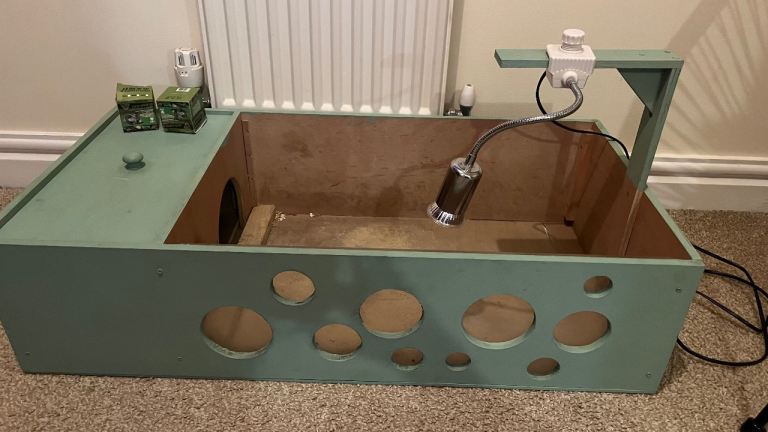
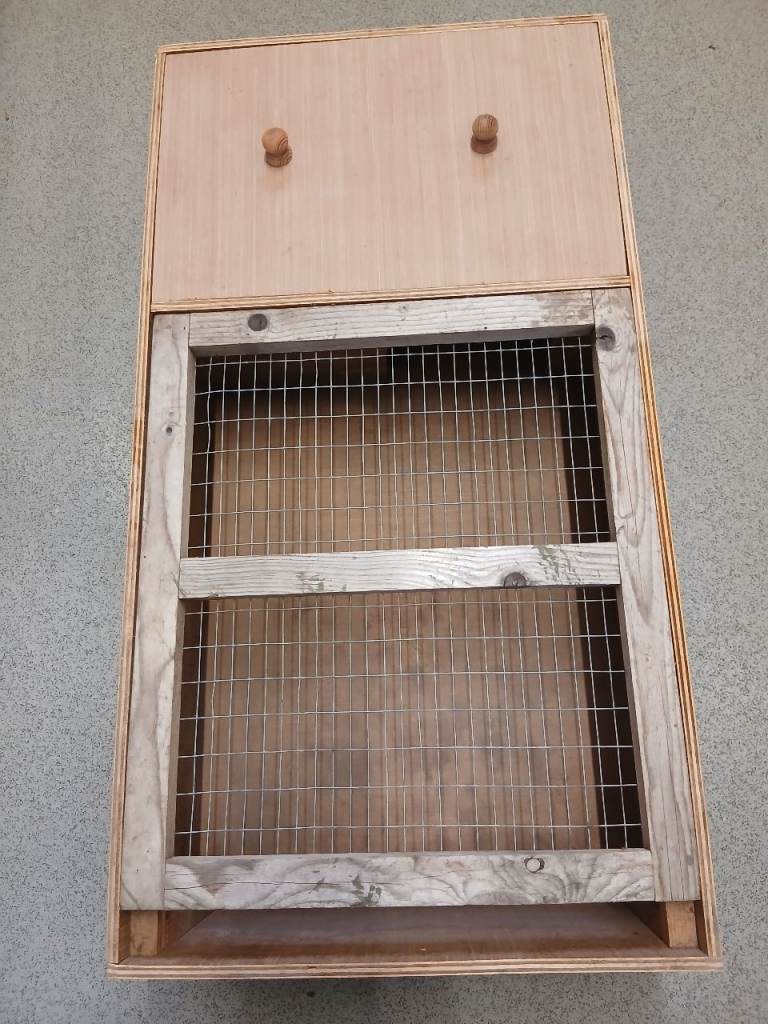
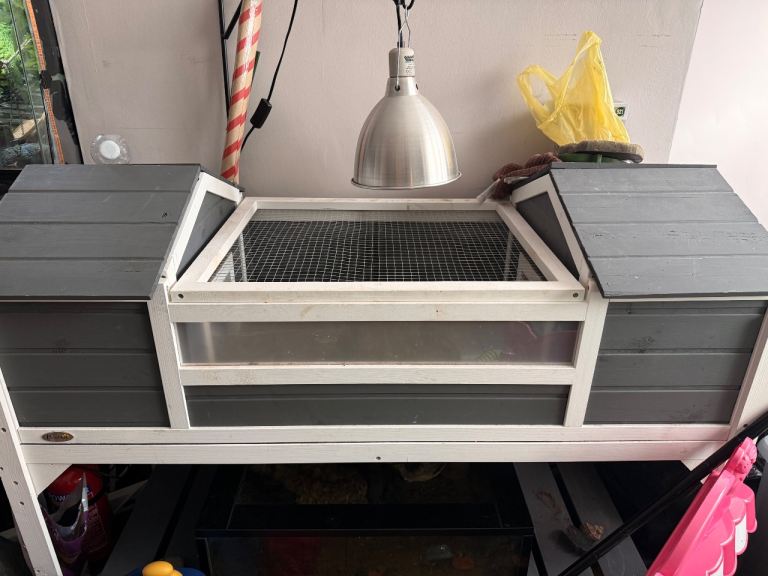
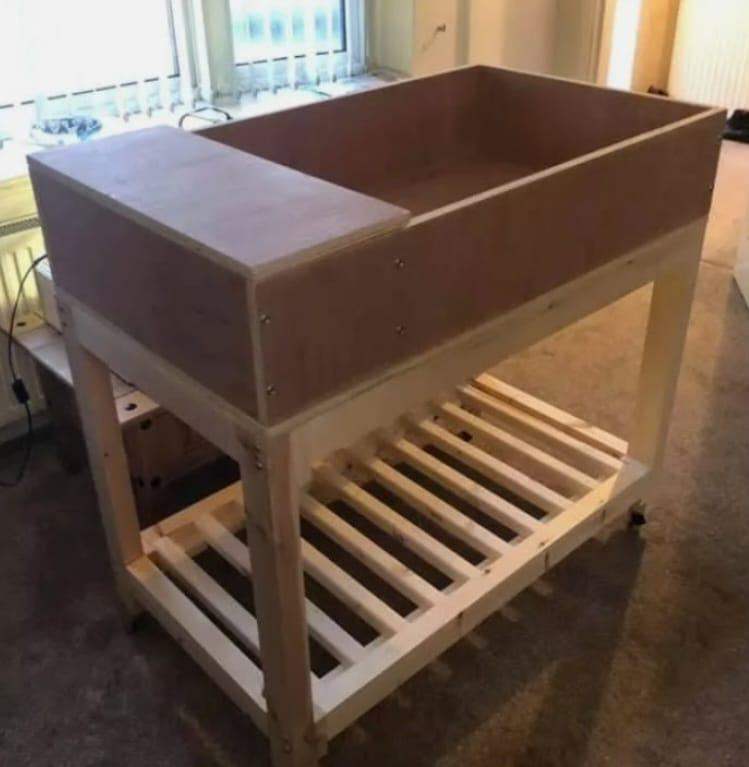
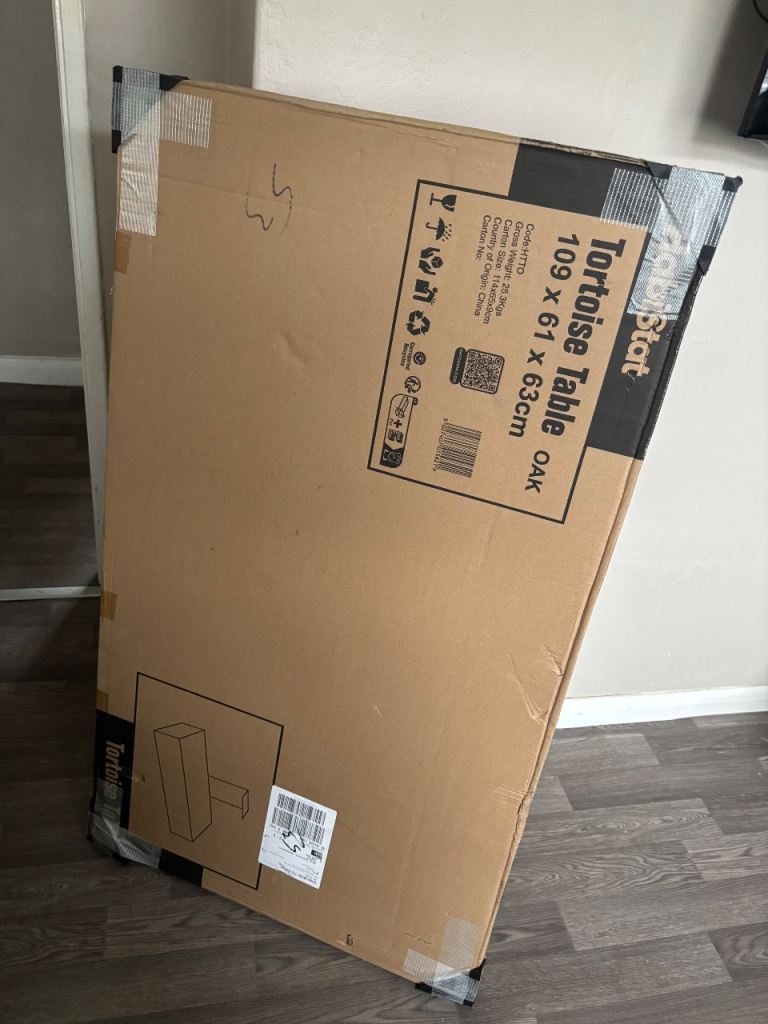
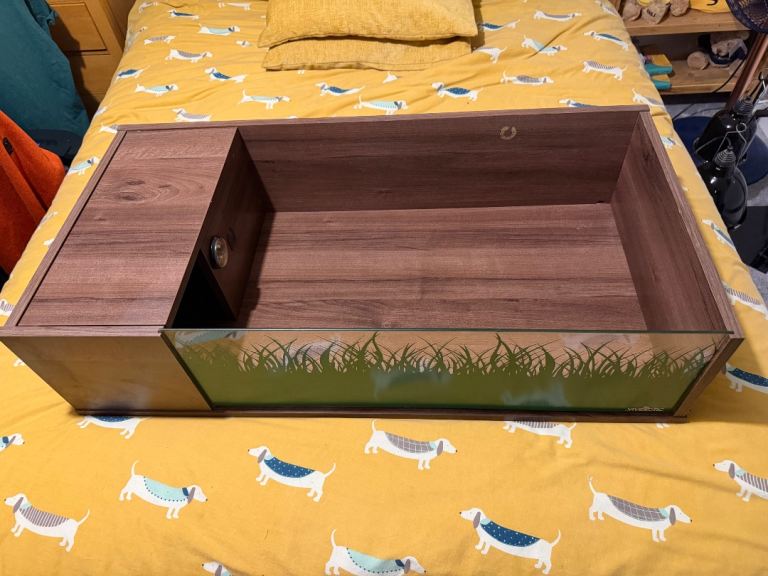
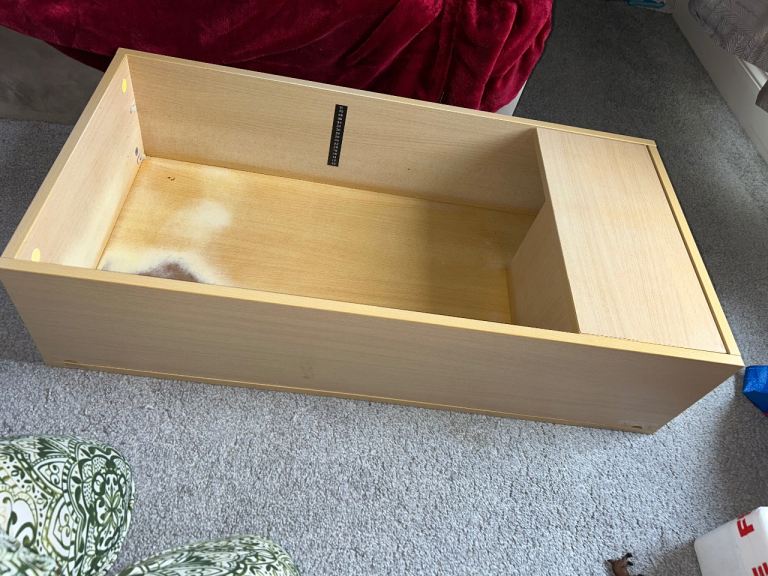
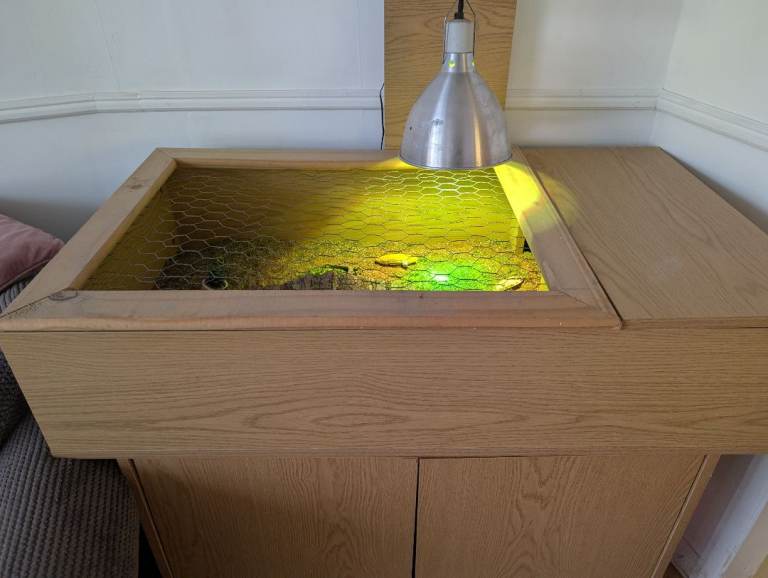
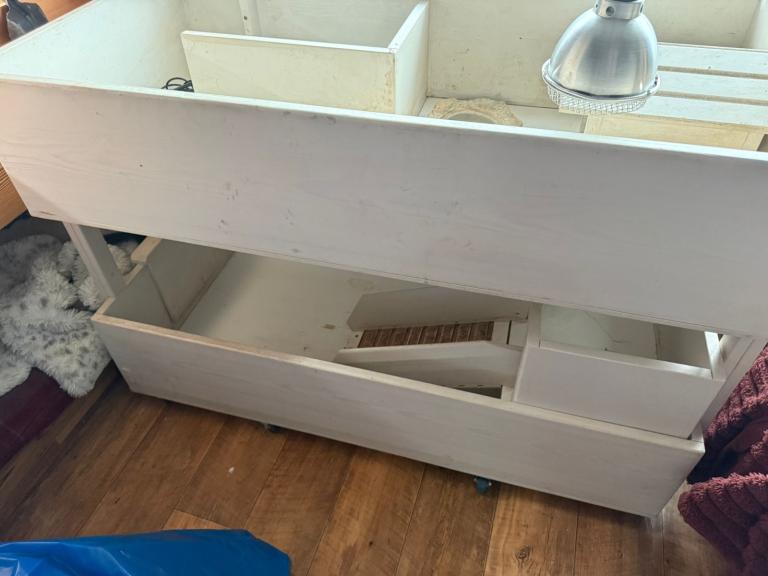
2 tier tortoise table with accessories
Whitchurch, Bristol
£280
Consider the size of your tortoise and its expected adult size. The table should be large enough to allow for exercise and exploration. Ensure the table is made from non-toxic materials and is easy to clean. Look for features like sheltered areas, different substrate zones, and secure sides to prevent escape.
A suitable substrate mix is crucial for a tortoise table. A common mix includes topsoil, play sand, and coir. Avoid cedar or pine shavings, as these can be harmful to tortoises. Ensure the substrate is deep enough for burrowing and retains some moisture to help maintain humidity levels.
Tortoises require both UVB and heat lamps. UVB is essential for vitamin D3 synthesis, which is crucial for calcium absorption and bone health. A basking lamp provides a heat gradient, allowing the tortoise to regulate its body temperature. Ensure the lamps are positioned safely and at the correct distance to prevent burns. Consult a veterinarian or reptile specialist for specific recommendations based on your tortoise species.
Regular cleaning is essential to prevent the build-up of harmful bacteria. Spot clean the table daily, removing any faeces or uneaten food. Replace the substrate regularly, typically every 1-3 months, depending on the size of the table and the number of tortoises. Disinfect the table and accessories with a reptile-safe disinfectant during substrate changes.
Certain tortoise species are protected under UK law and may require specific licenses or permits to keep. Check the DEFRA (Department for Environment, Food & Rural Affairs) website for up-to-date information on protected species and any relevant regulations. Ensure you can provide adequate care and housing for the tortoise throughout its lifespan, which can be several decades.