7
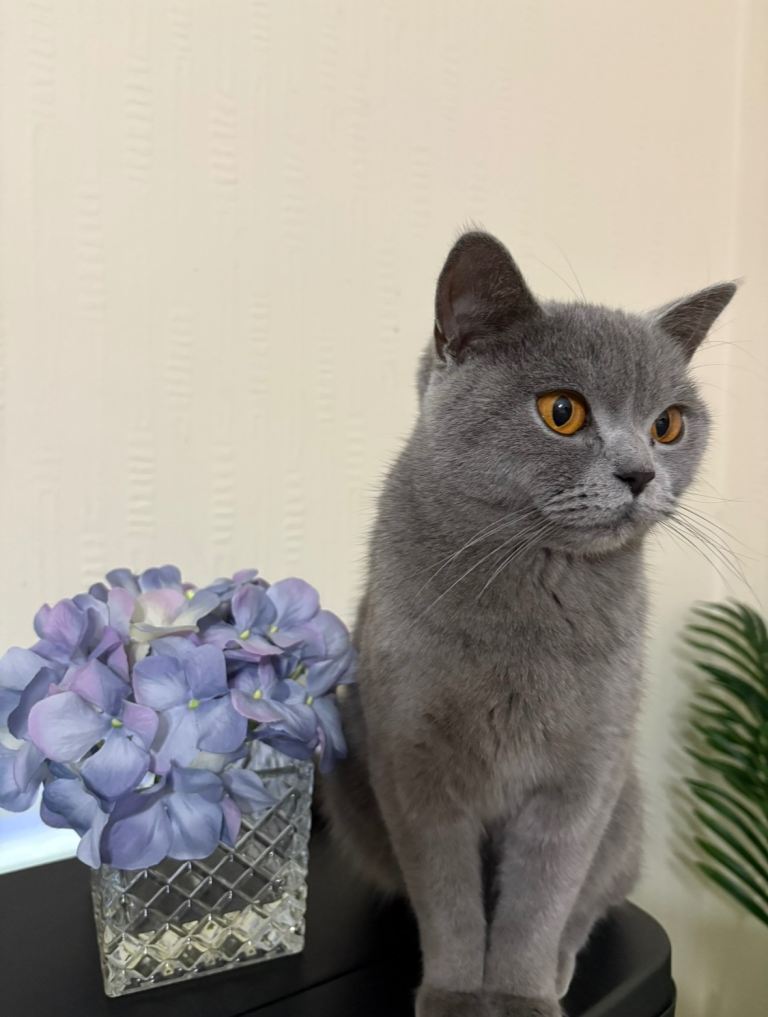
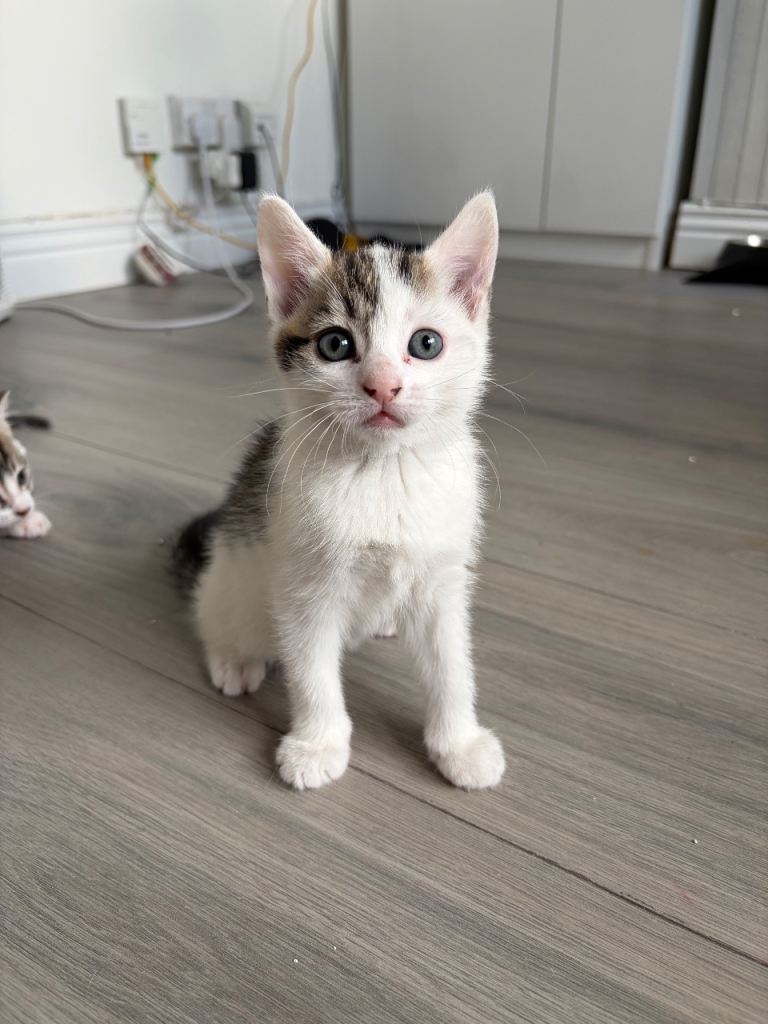
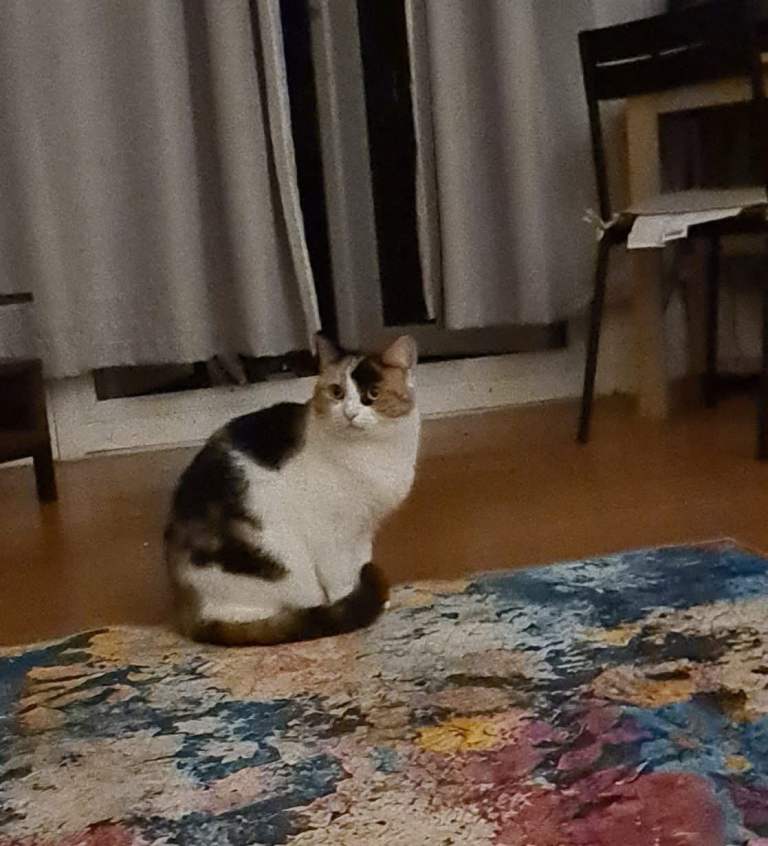
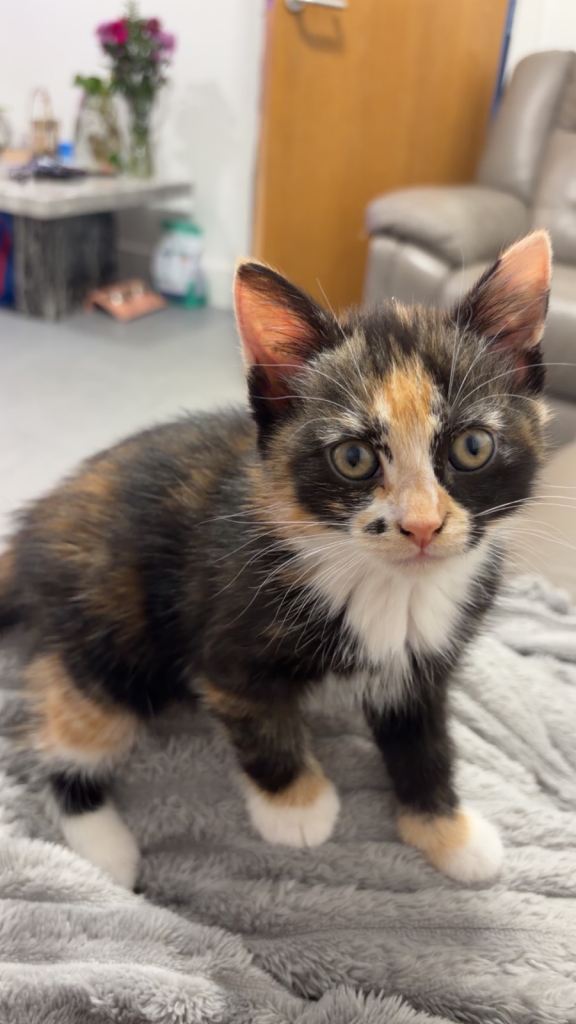
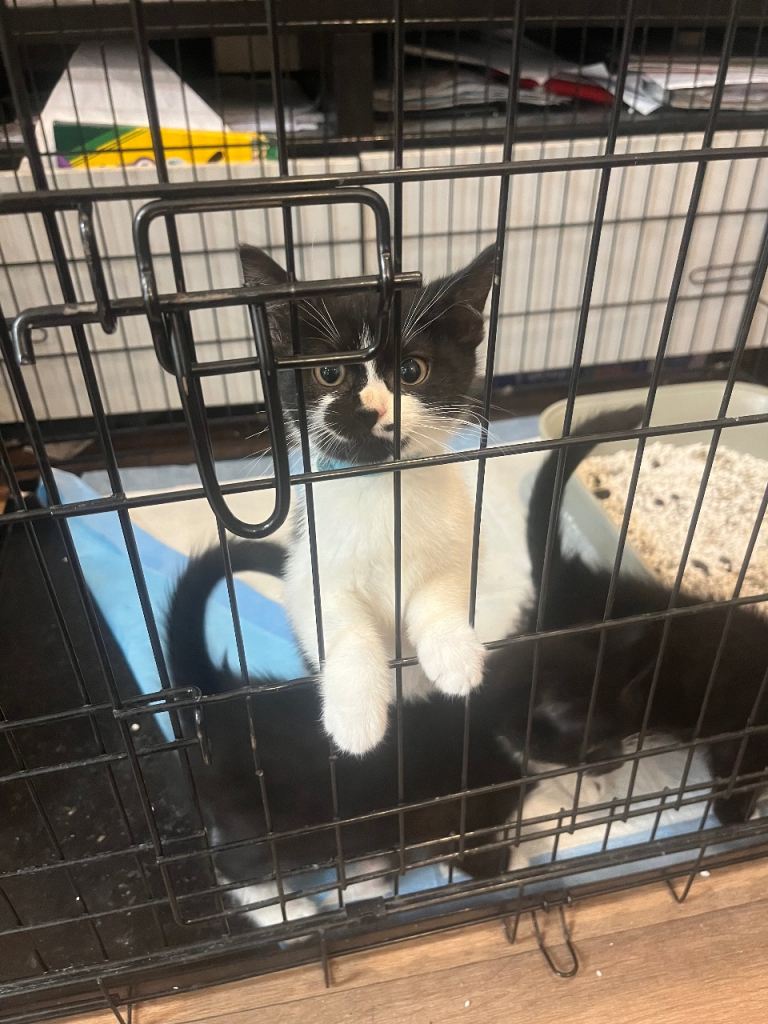
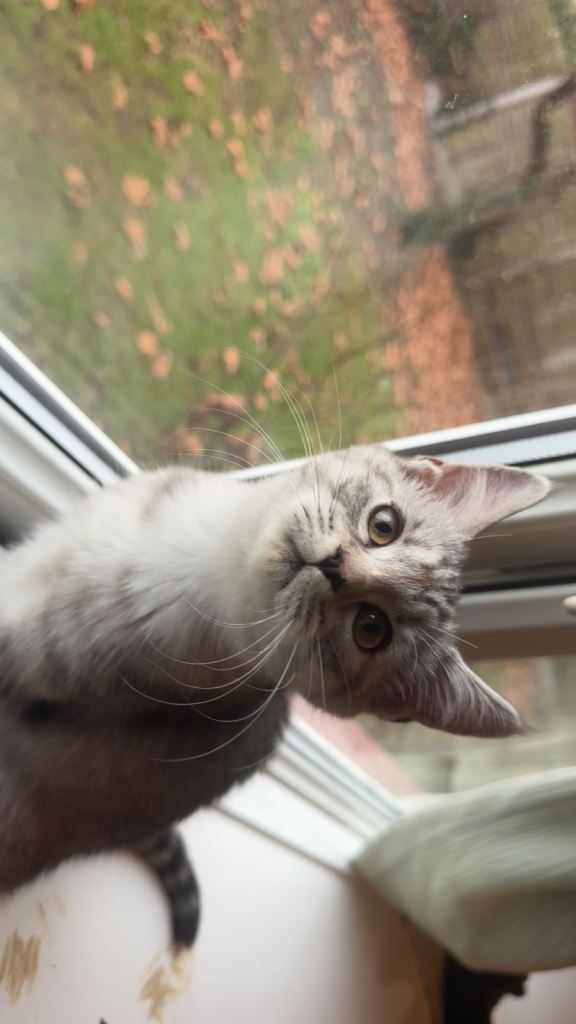
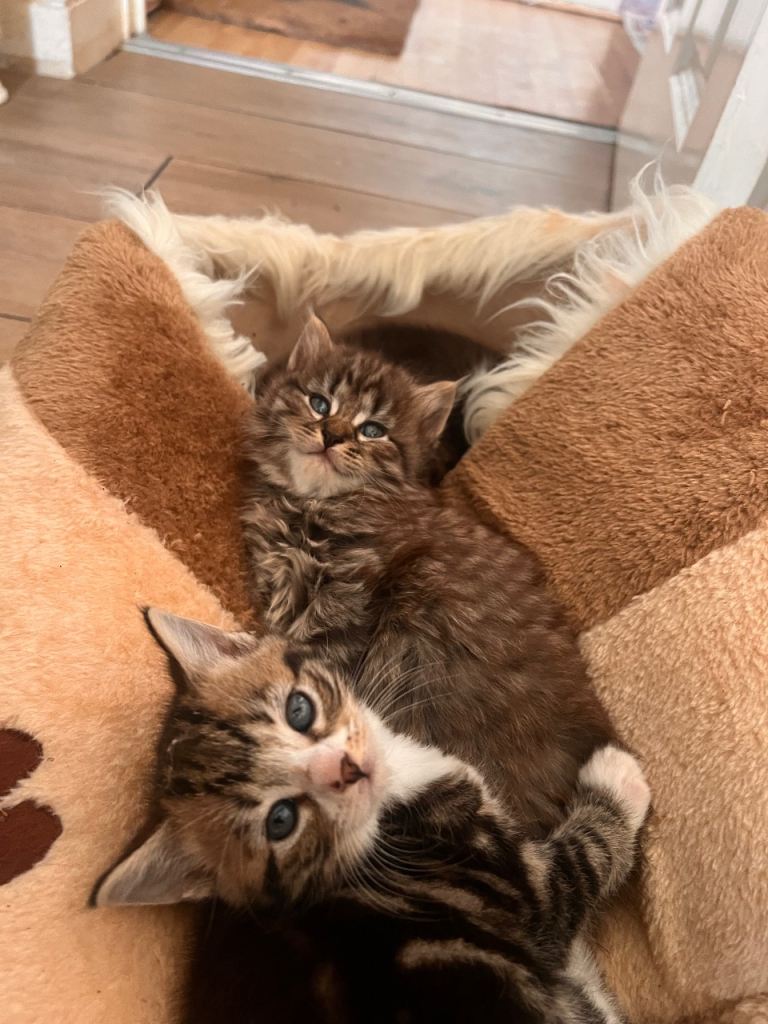
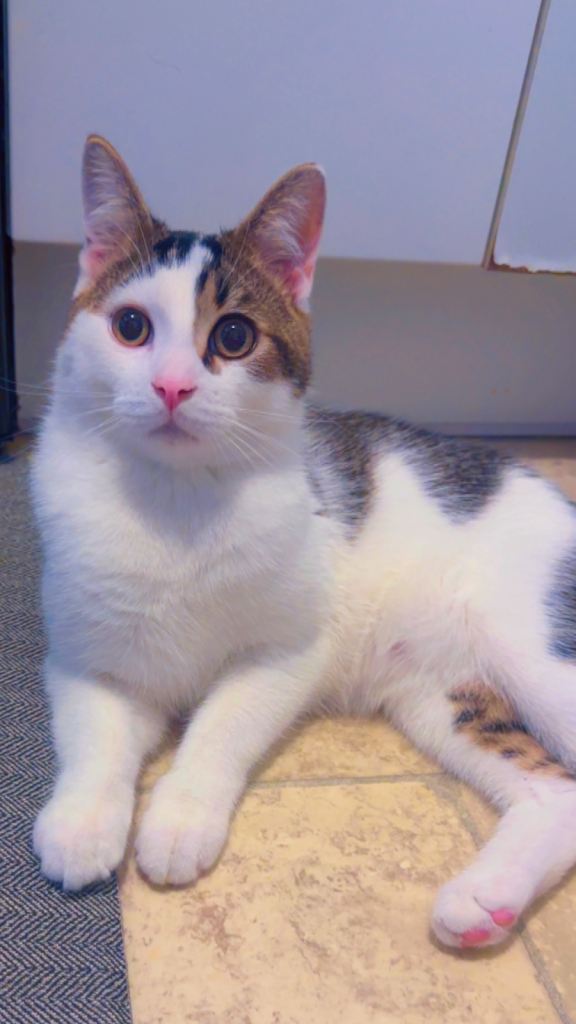
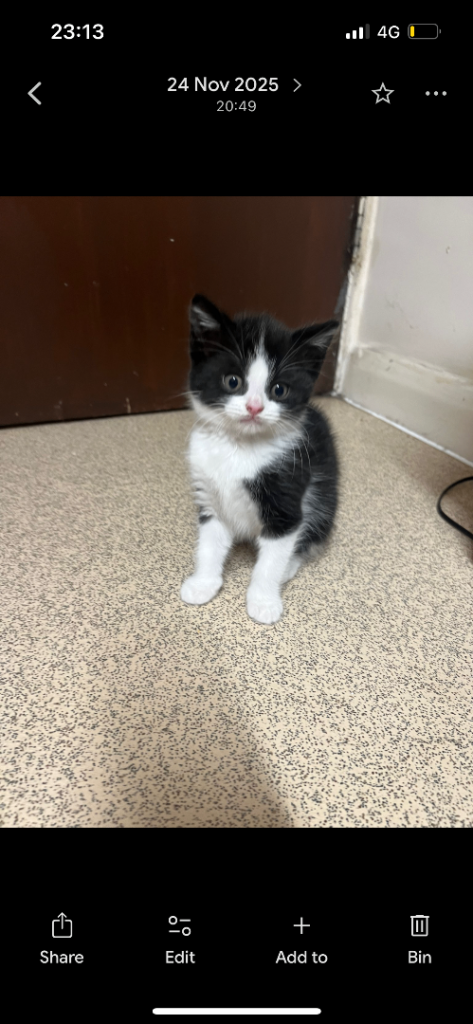
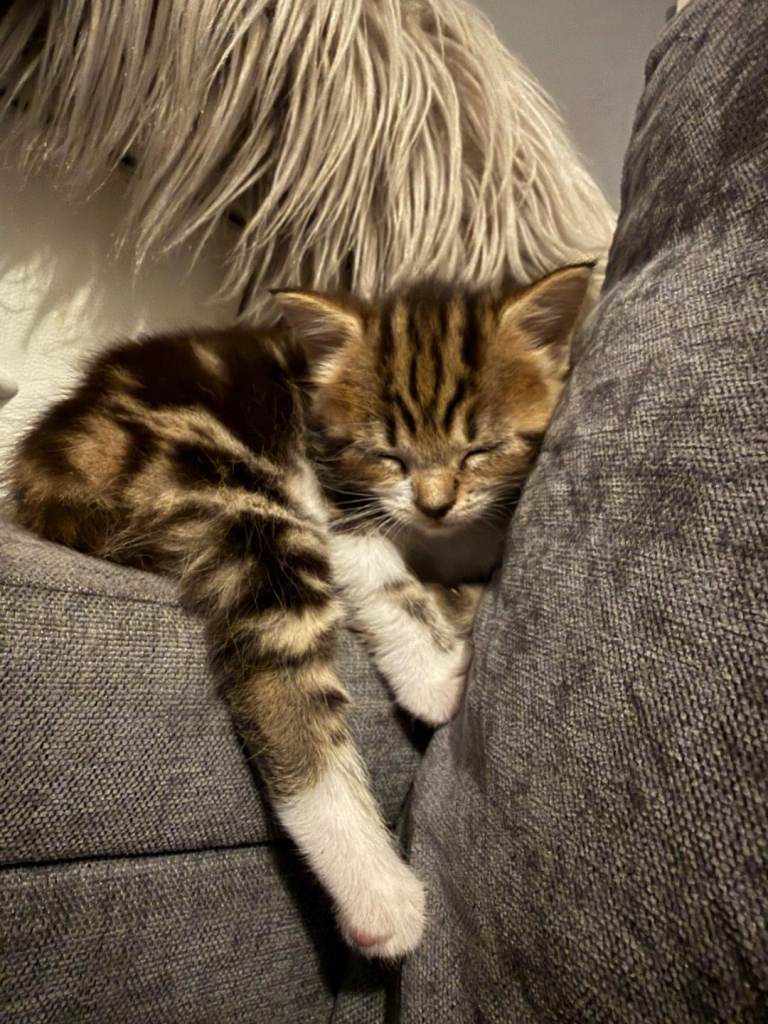
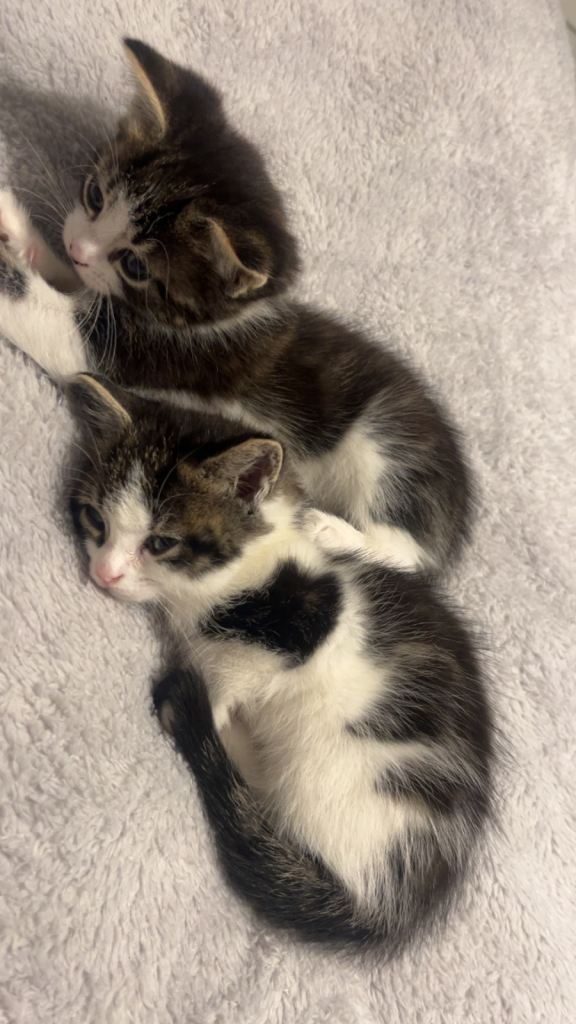
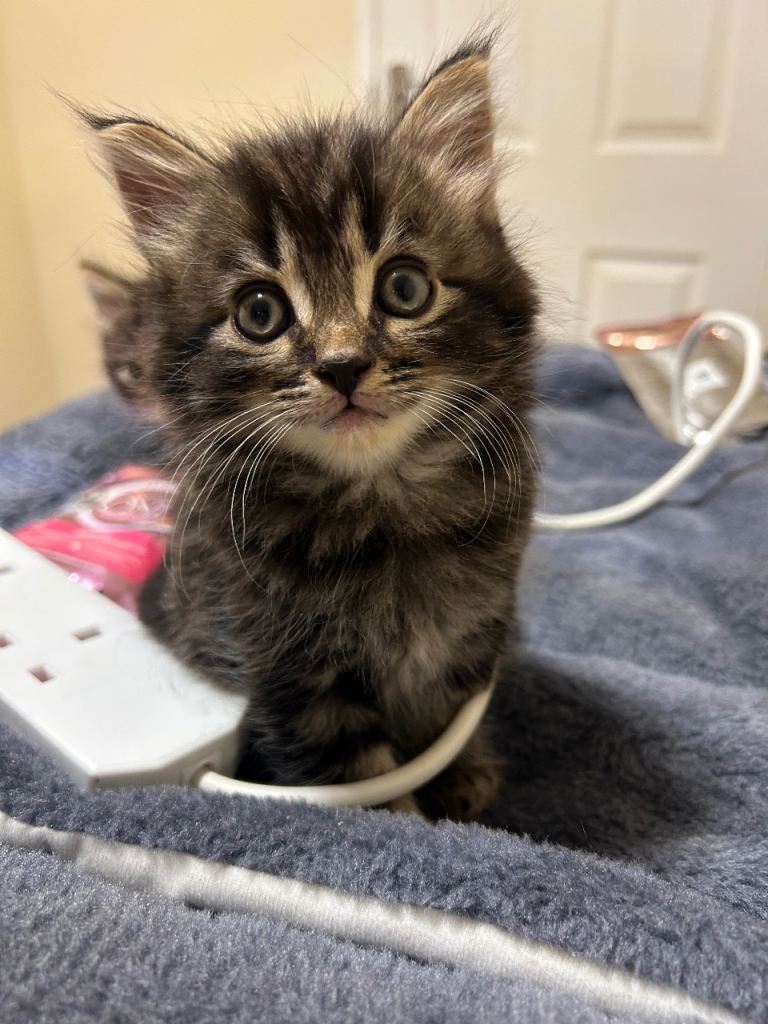
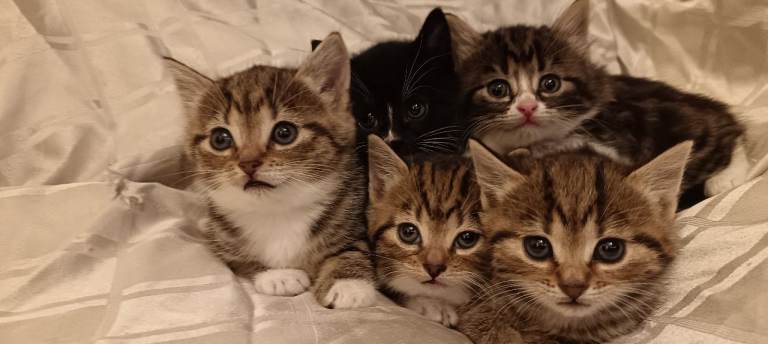
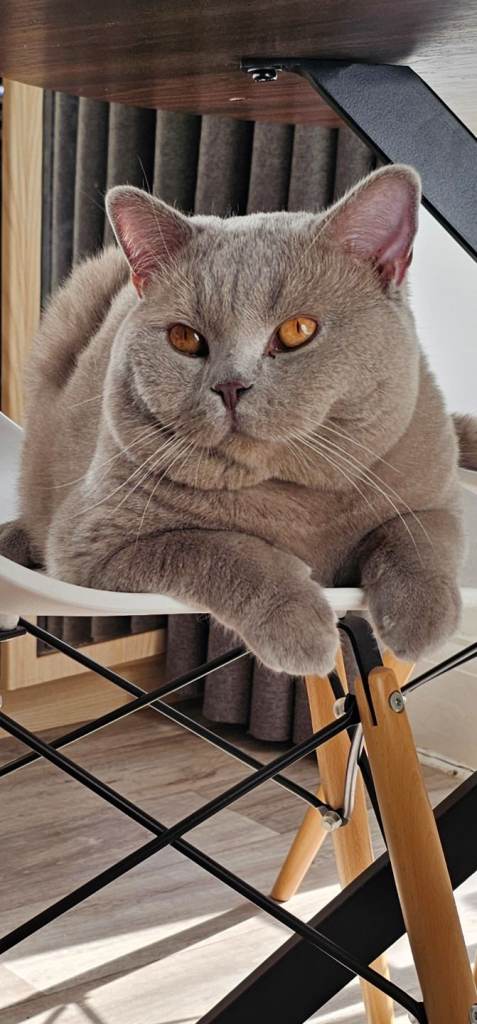
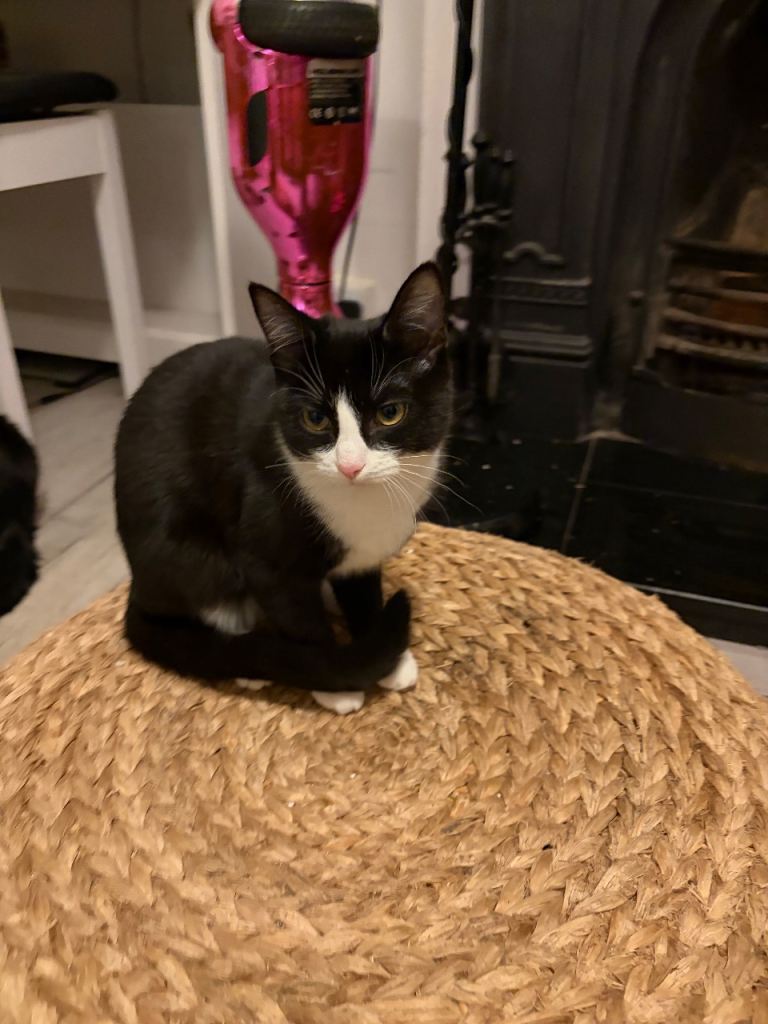
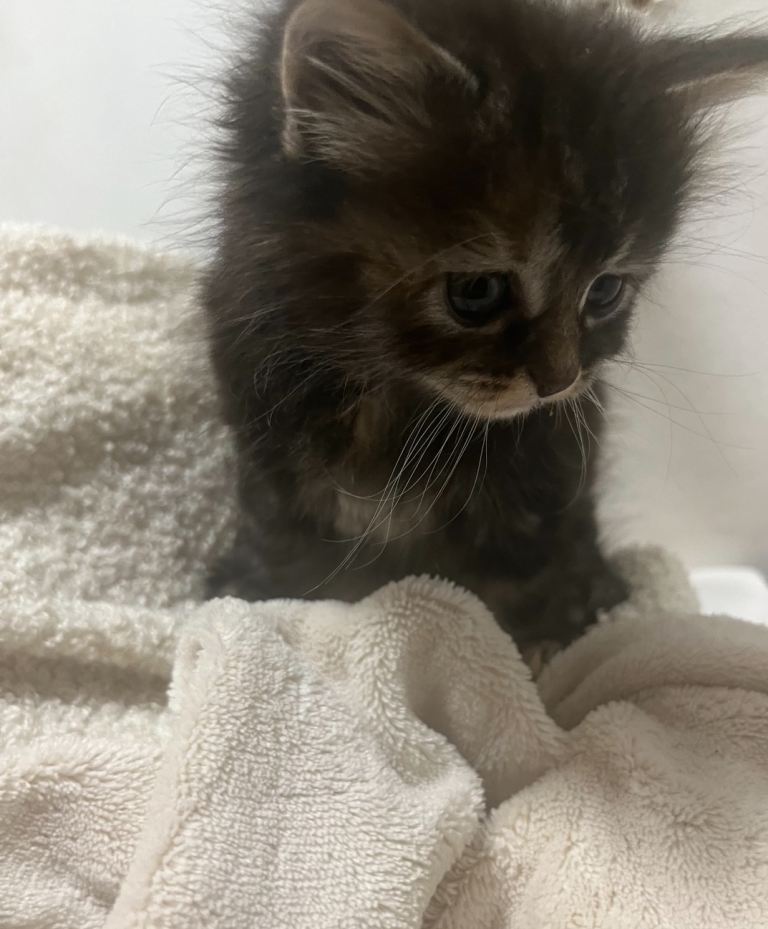
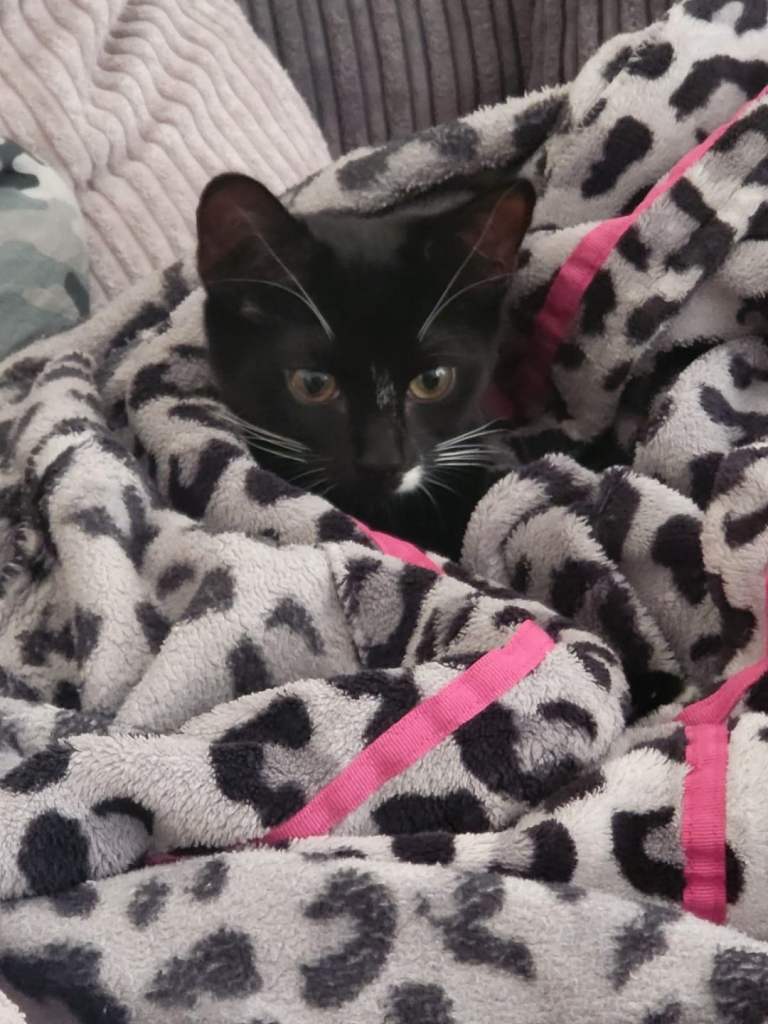
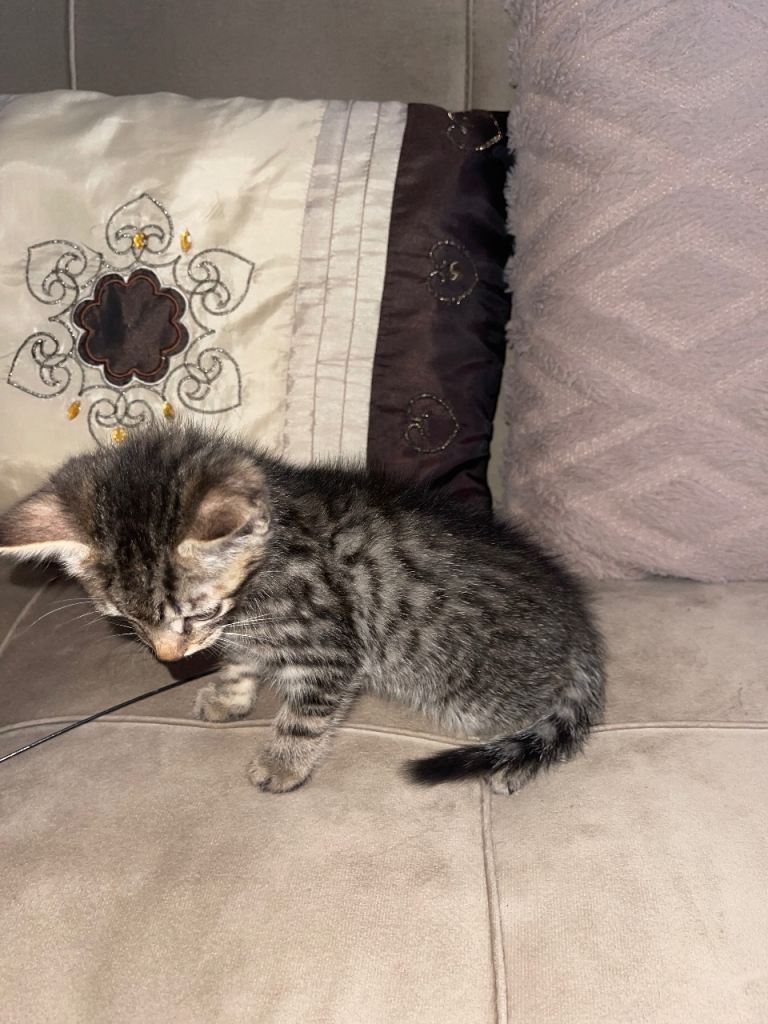
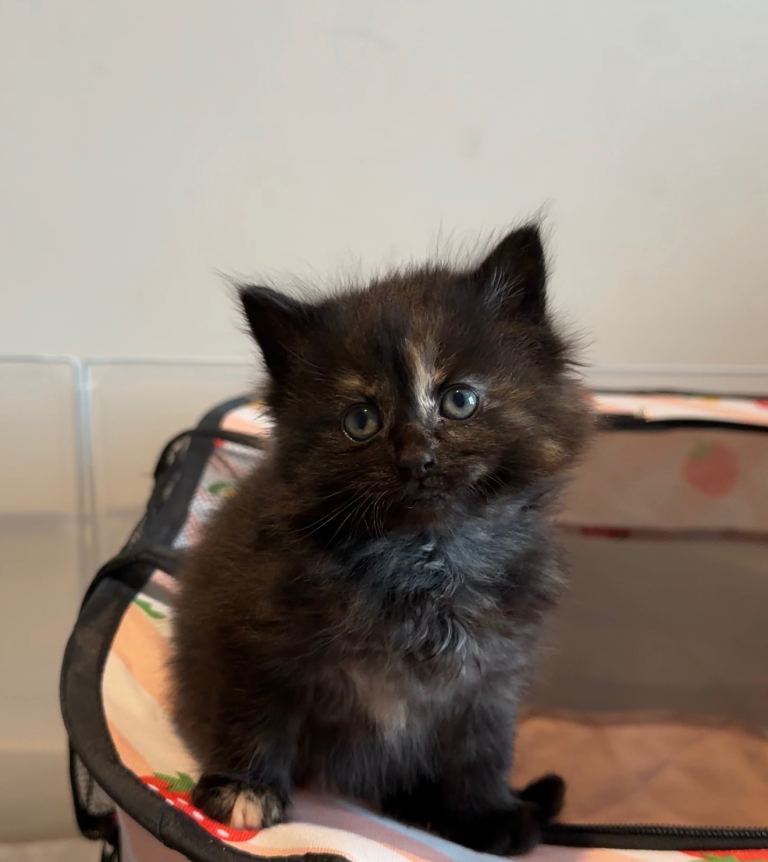
🐾 Beautiful Kittens Looking for Loving Homes 🐾
Age: 5 weeks
Ready to leave: in 3 weeks
Greenford, London
£300
When choosing a kitten, observe its behaviour. A healthy kitten should be playful and alert. Check for clear eyes, a clean nose and ears, and a healthy coat. Ensure the kitten has been properly socialised and is comfortable around people. Ask about the kitten's vaccination and worming history, and request relevant documentation from the seller.
Before buying a cat, carefully examine its overall health. Look for signs of illness such as discharge from the eyes or nose, coughing, sneezing, or diarrhoea. Check for fleas or other parasites. It's advisable to take the cat to a vet for a thorough health check-up shortly after purchase to identify any potential underlying health issues.
Enquire about the cat's age, breed (if known), and temperament. Ask about its diet, litter habits, and any known allergies or health conditions. If the cat is from a breeder, request information about the parents' health and lineage. It's also important to understand the cat's history with other animals and children to ensure it will be a good fit for your home.
While microchipping isn't currently a legal requirement for cats in the UK (though this is changing), it's highly recommended as it significantly increases the chances of being reunited with your cat if it gets lost. Consider pet insurance to help cover unexpected veterinary costs. Be aware of your responsibilities under the Animal Welfare Act 2006 to provide for your cat's needs, including a suitable environment, diet, and protection from pain, suffering, injury, and disease.
When bringing a new cat home, ensure your home is safe and cat-proofed. Remove any potential hazards such as poisonous plants, cleaning products, and loose electrical cords. Provide a safe and quiet space for the cat to adjust, with access to food, water, and a litter box. Supervise interactions with other pets and children initially, and gradually introduce the cat to its new environment to minimise stress.