5
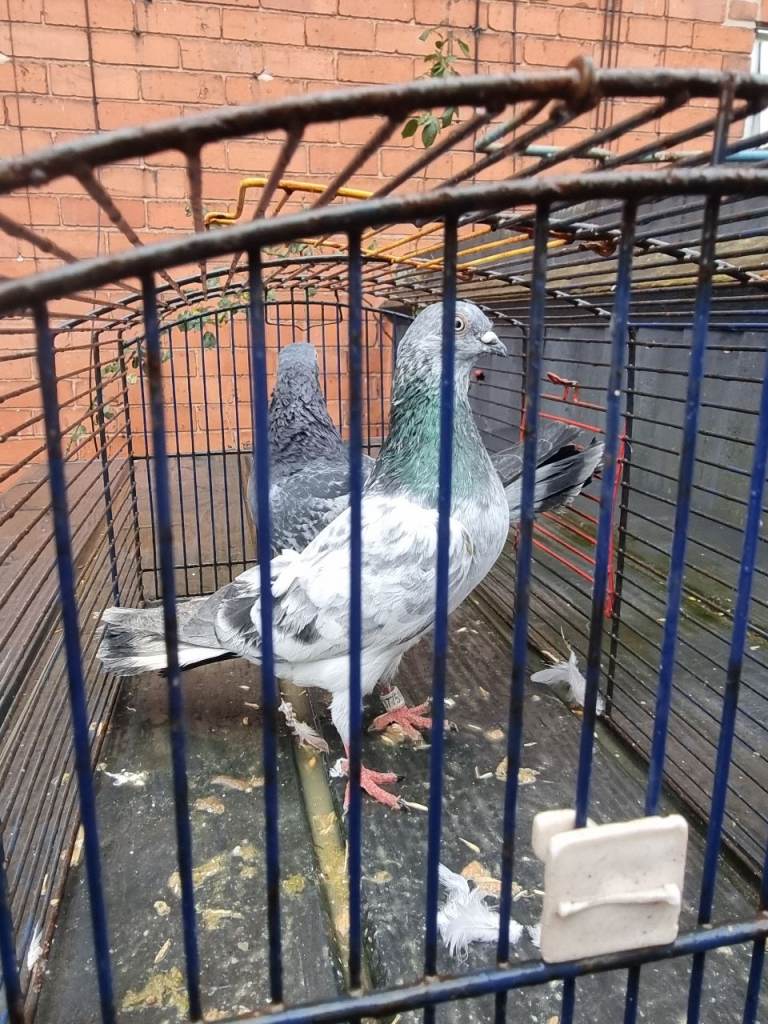
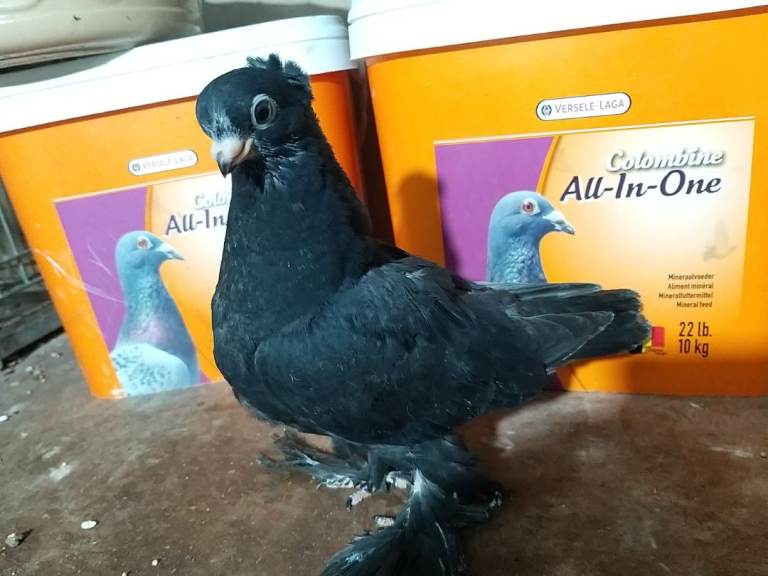
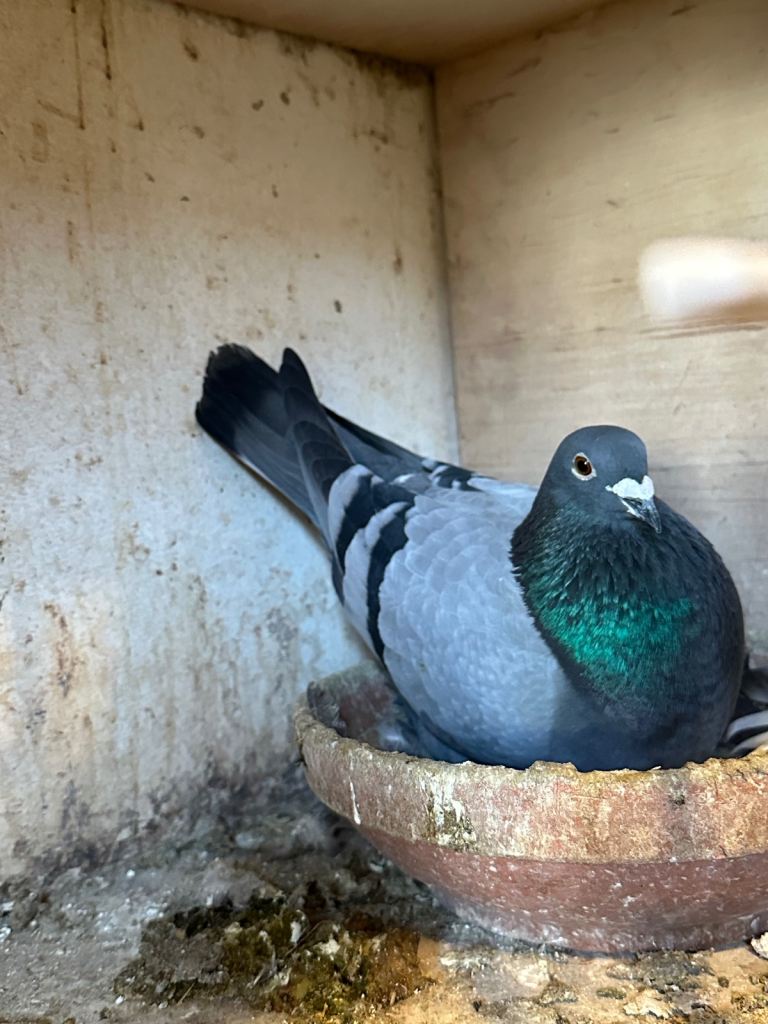
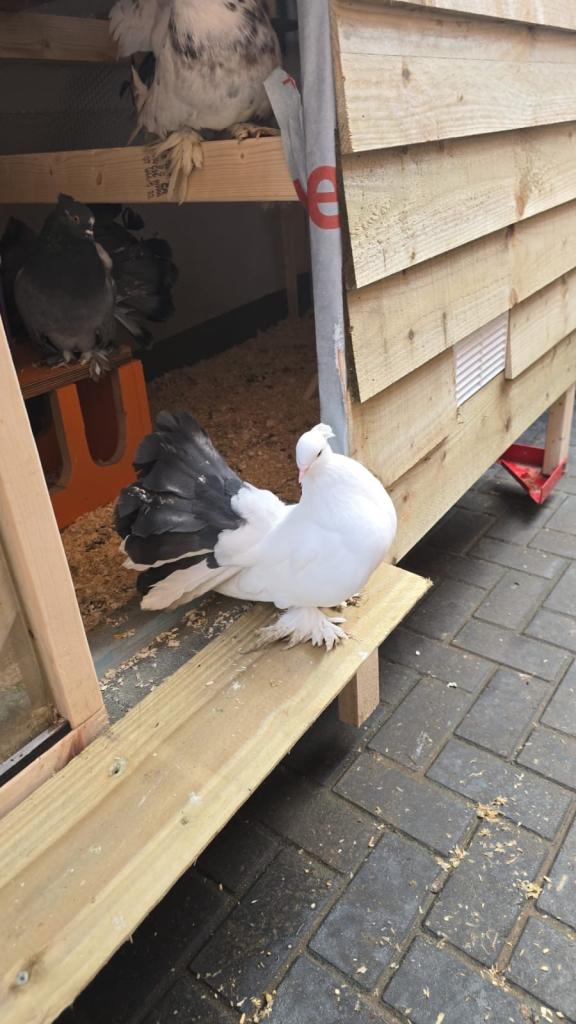
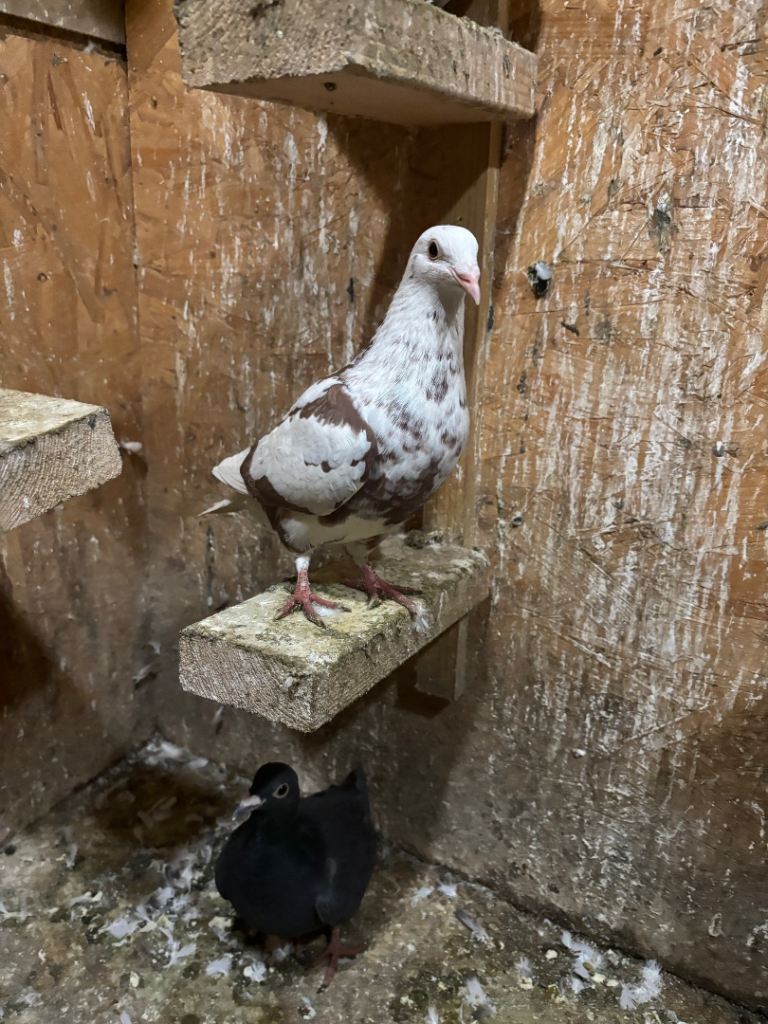
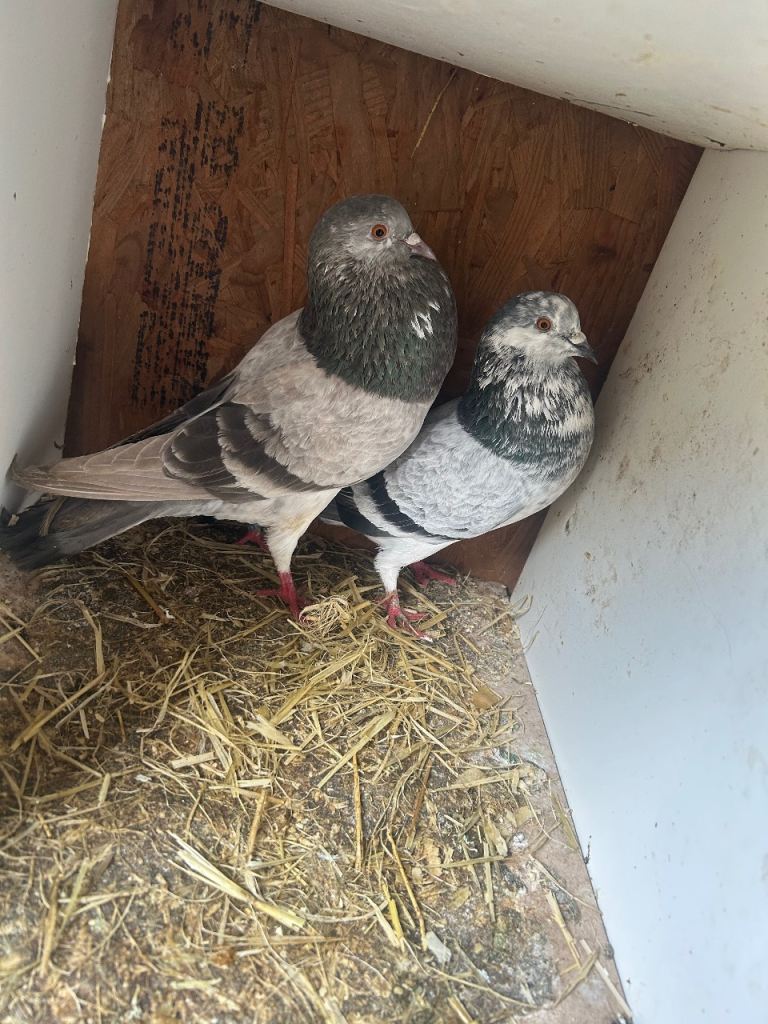
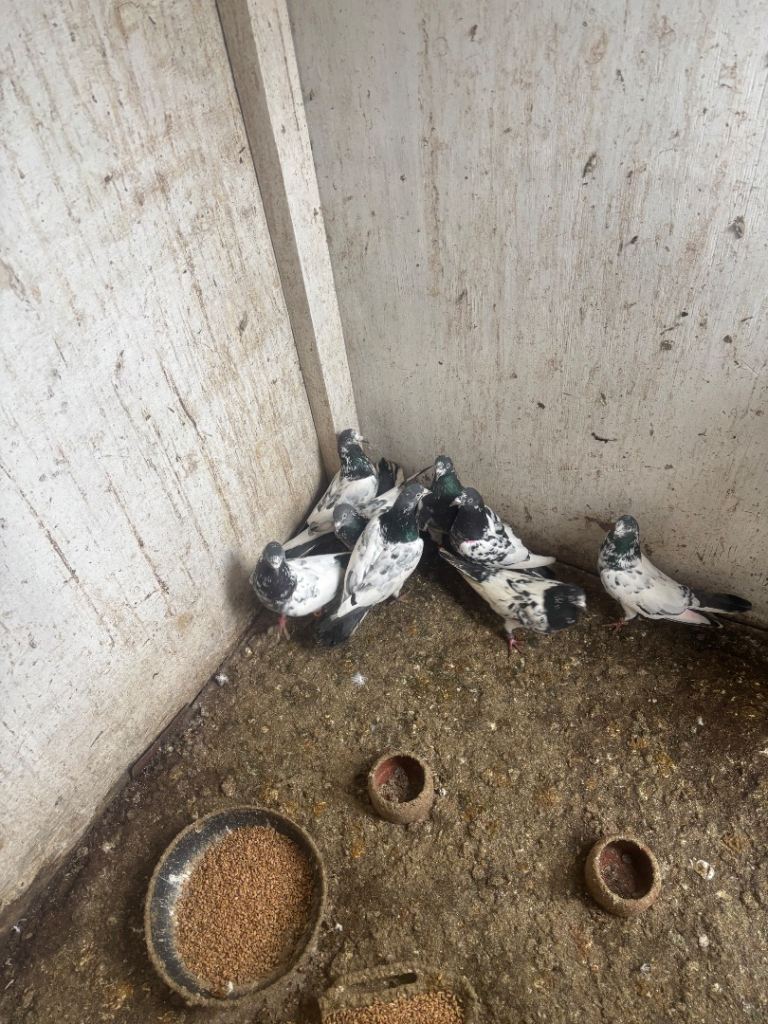
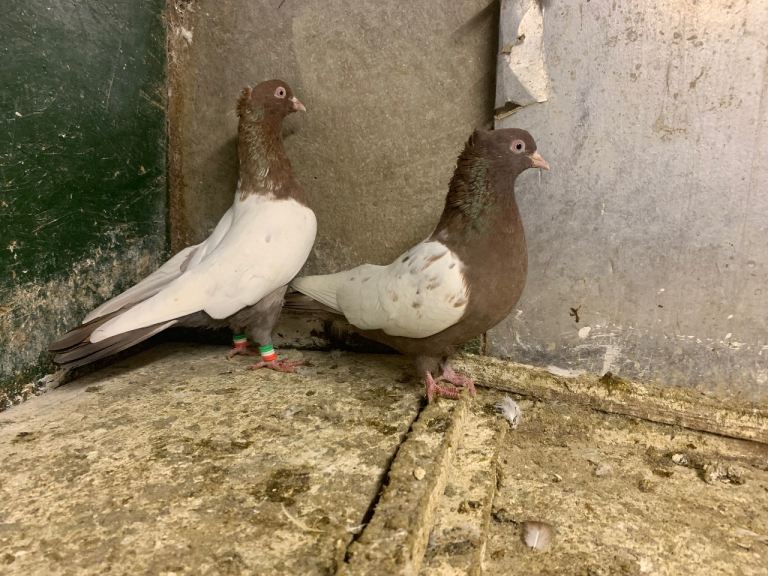
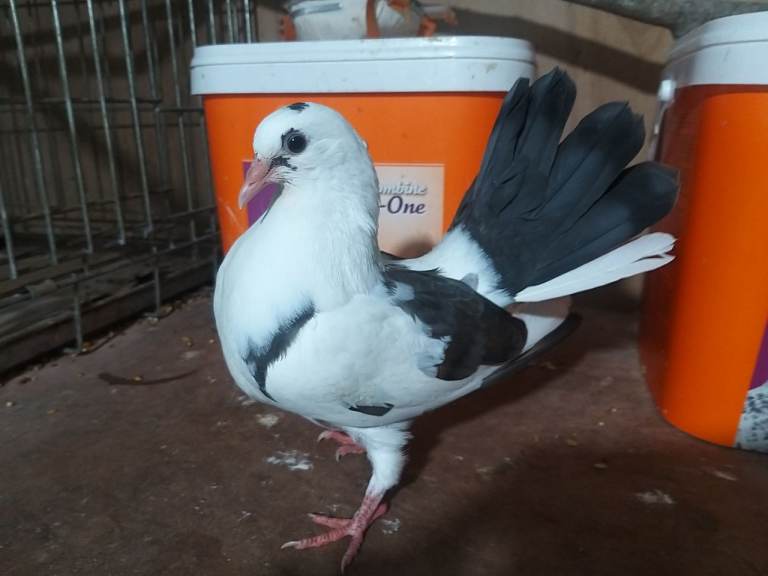
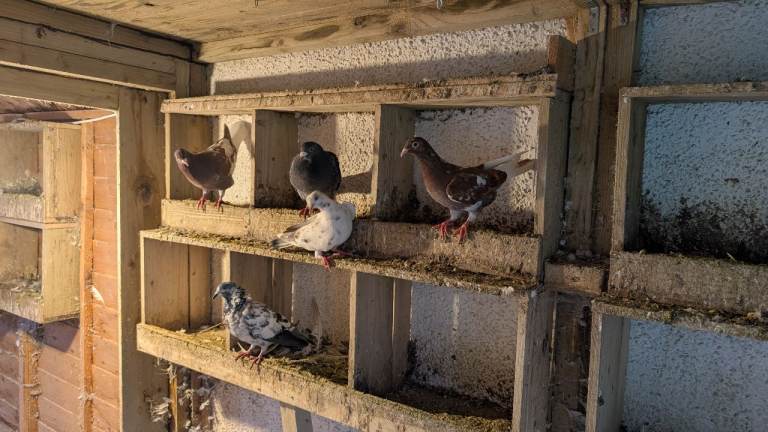
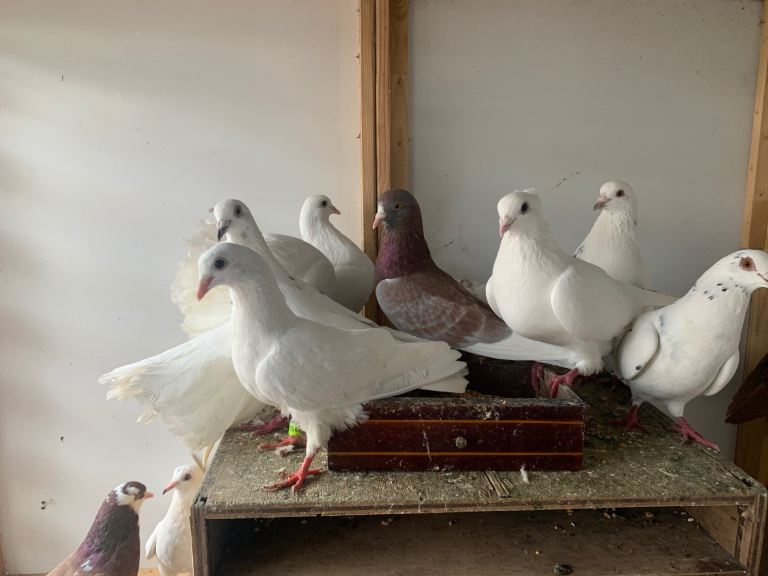
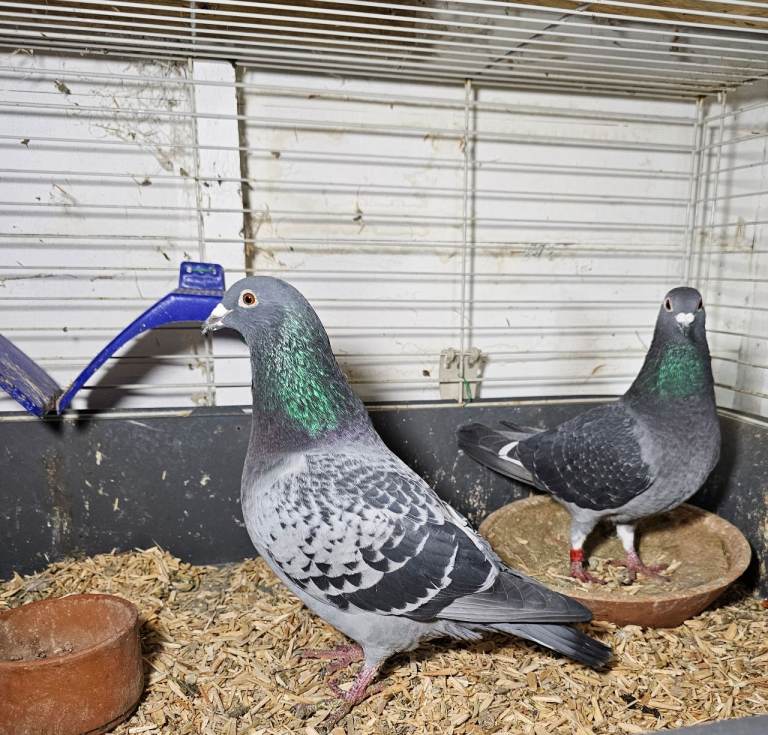
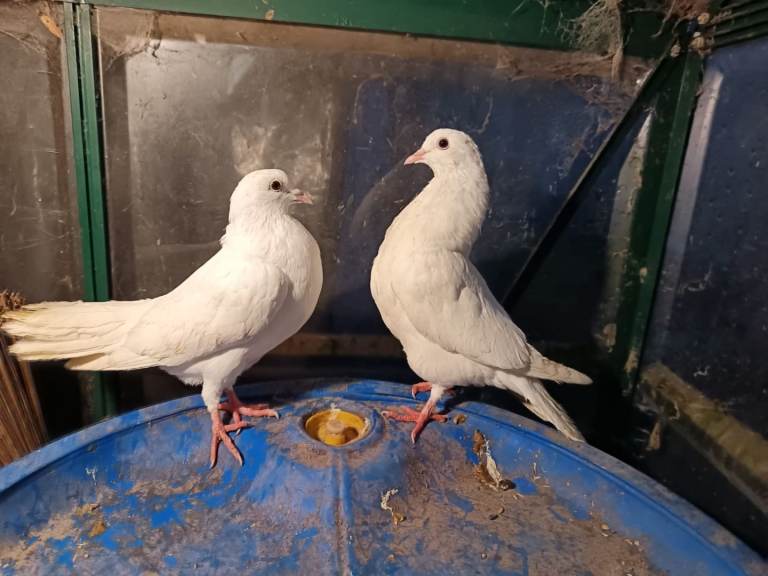
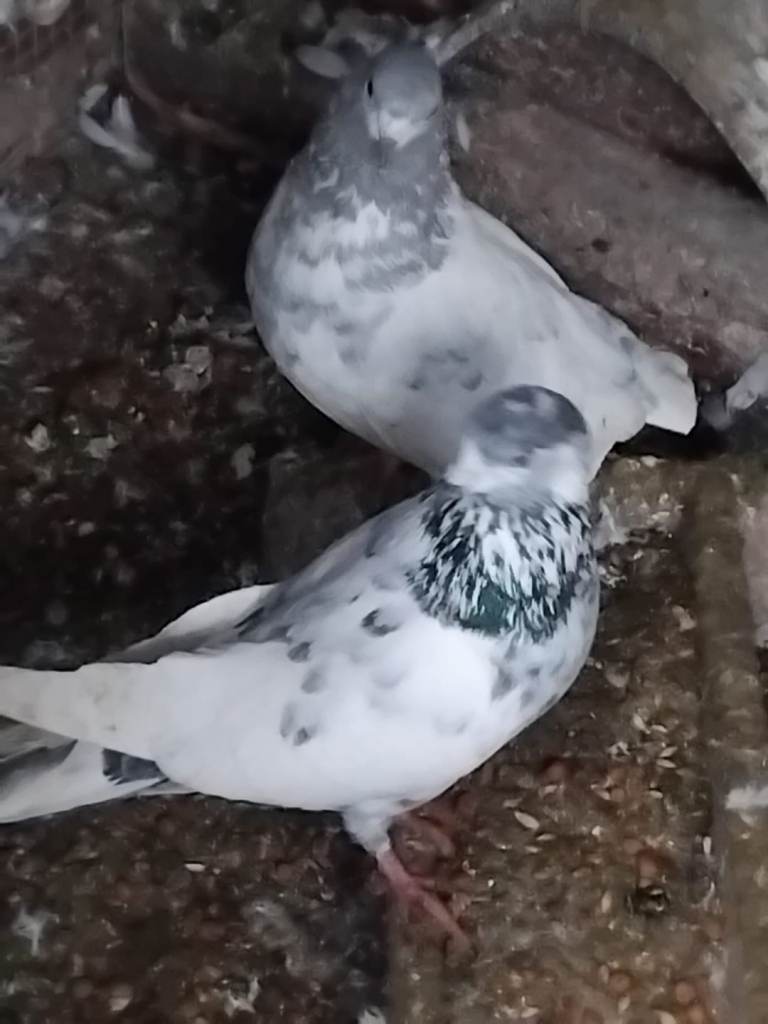
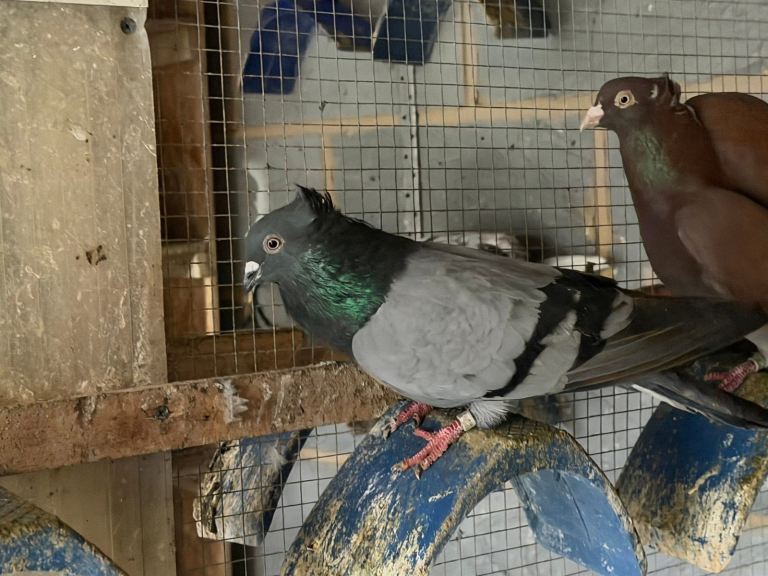
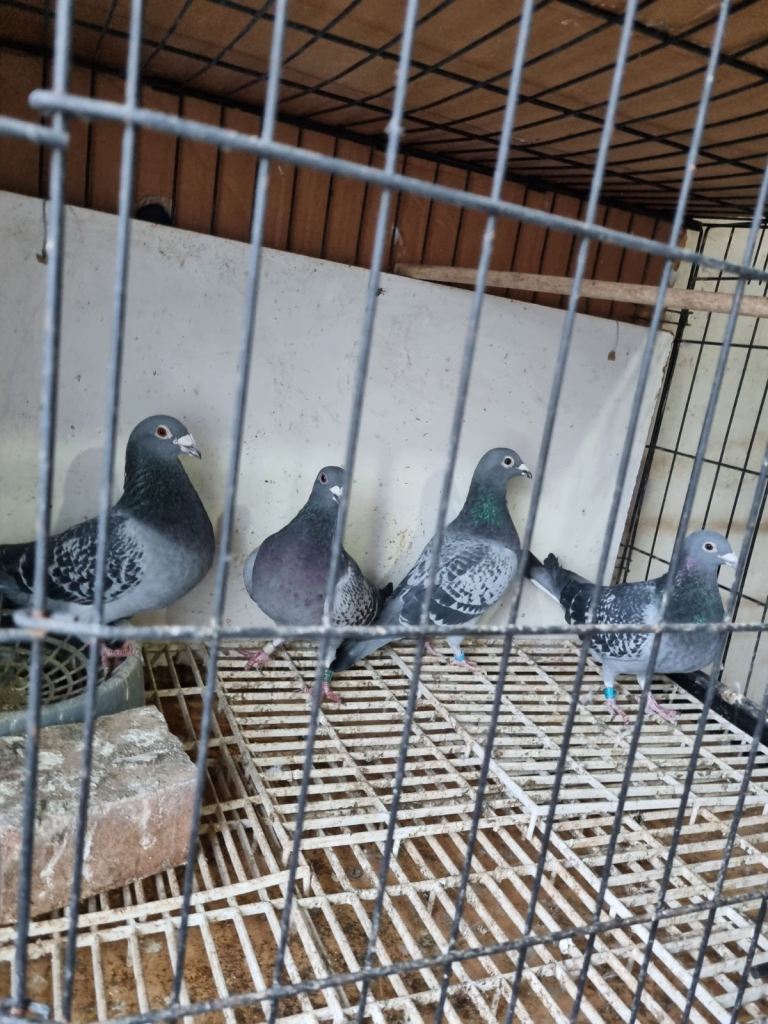
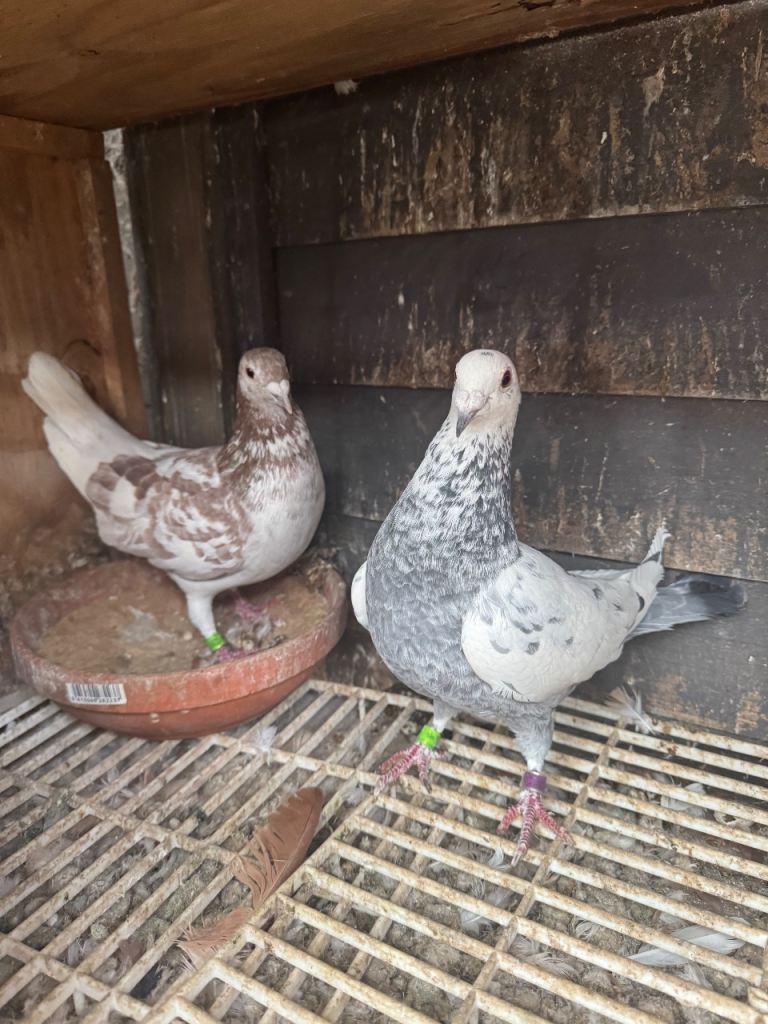
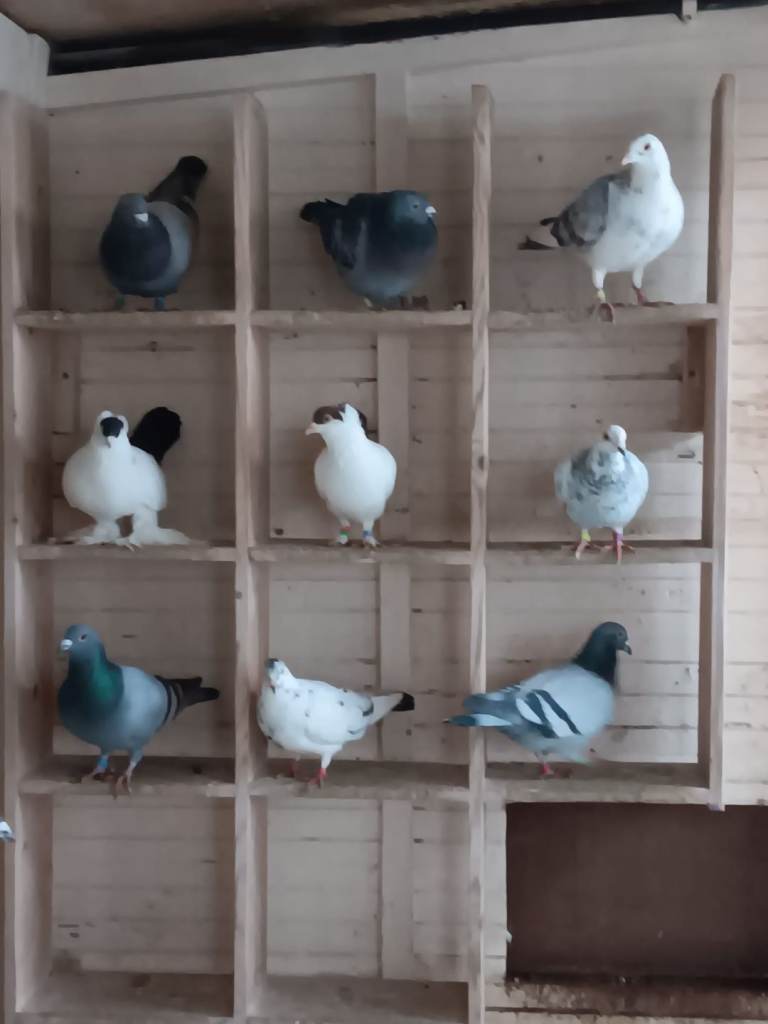
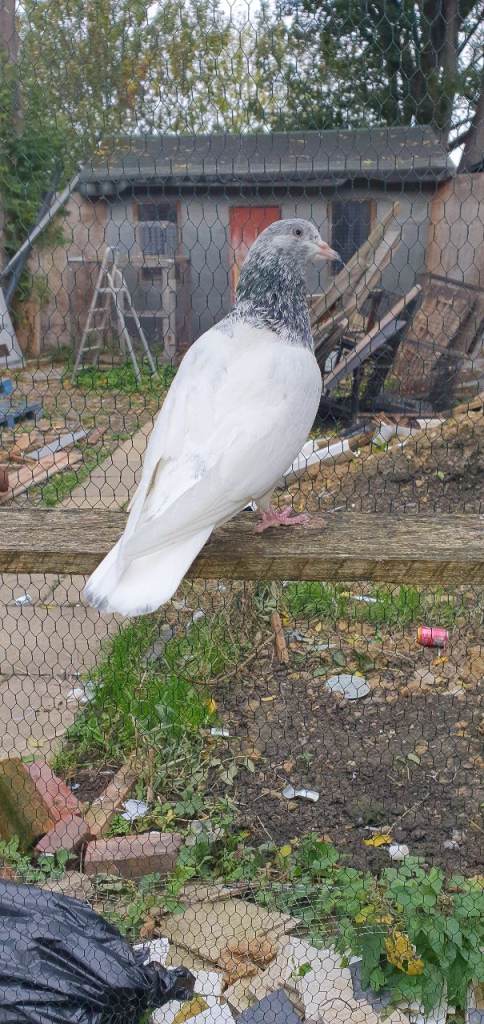
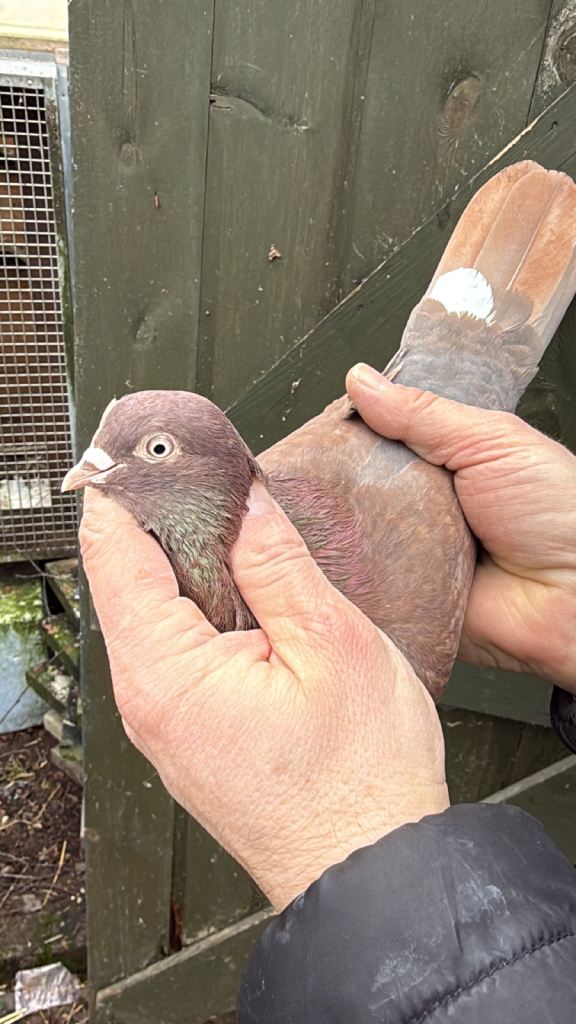
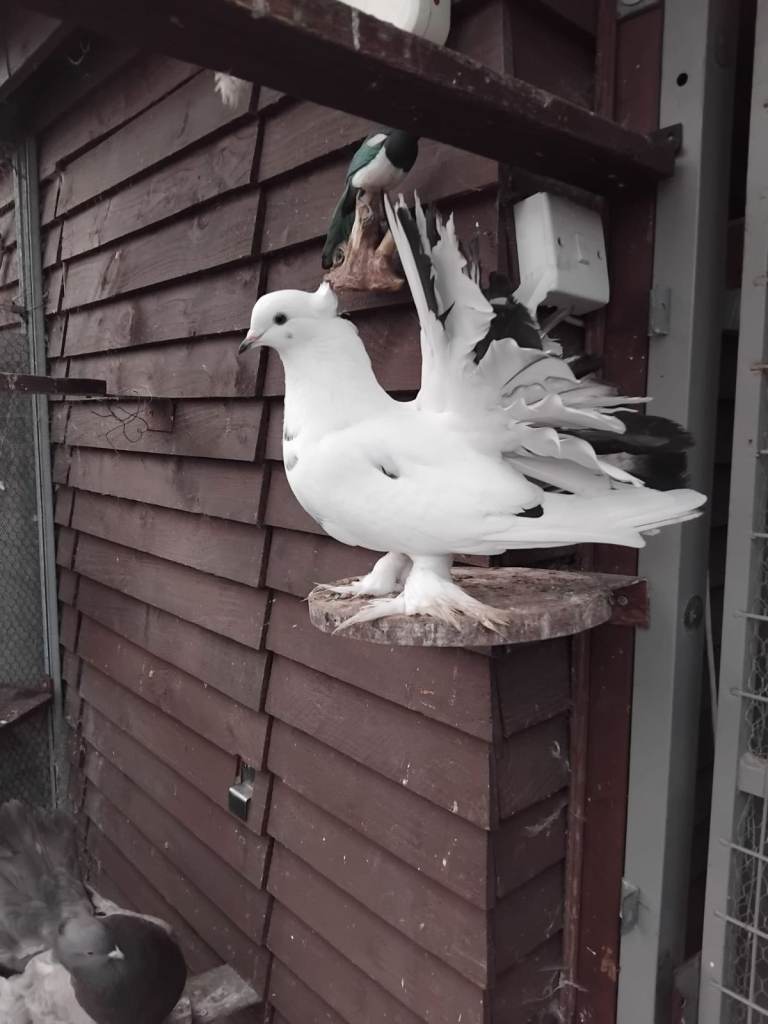
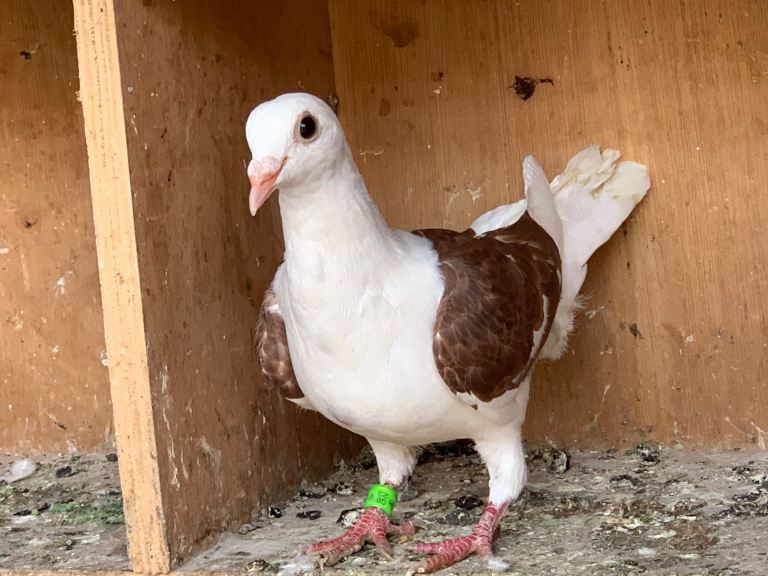
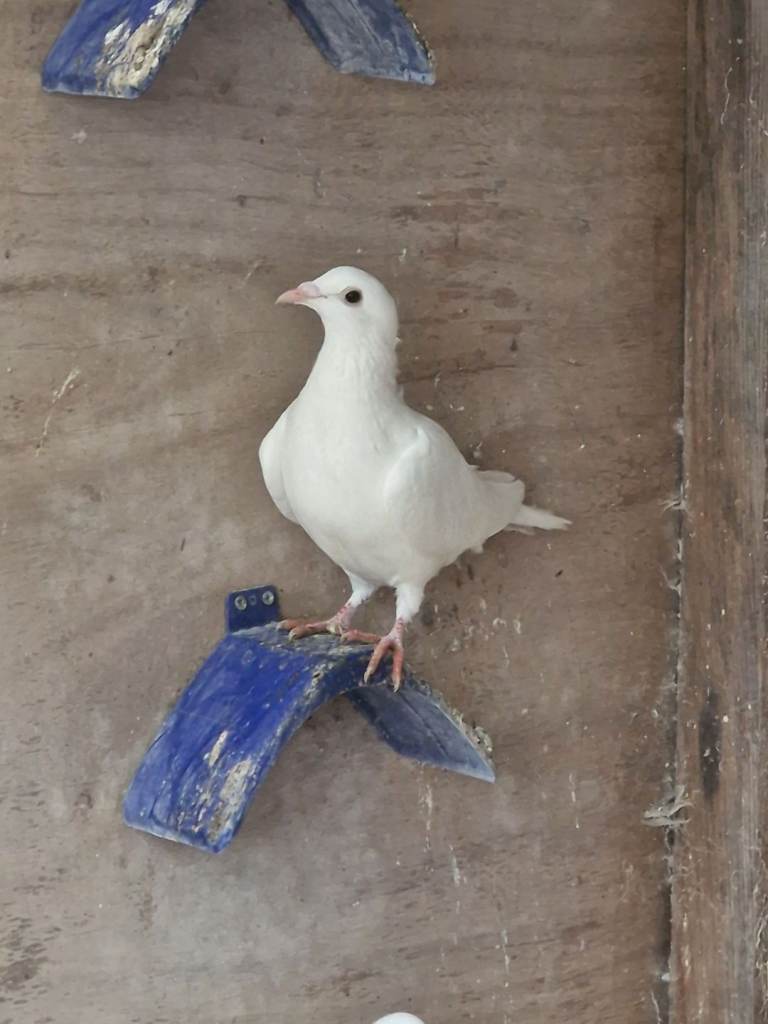
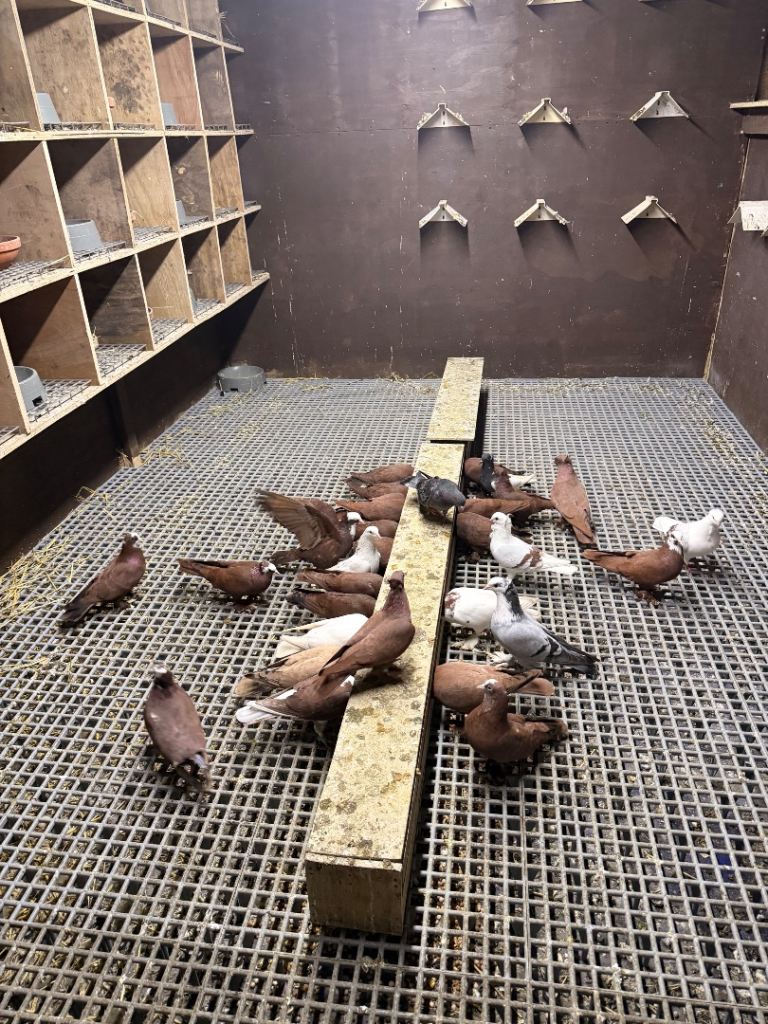
Iraqi pigeons for sale
Age: 4 months
Ready to leave: Now
Kingsbury, London
£40
When selecting pigeons, observe their overall health and vitality. Look for bright, clear eyes, clean plumage, and an alert posture. Check for any signs of illness, such as discharge from the eyes or nostrils, ruffled feathers, or lethargy. Ensure the pigeons are of the breed you desire and that they meet the breed standards if applicable. Consider their age and breeding history if you intend to breed them.
There are no specific licensing requirements for keeping pigeons as pets in the UK, unless you are keeping a large number of racing pigeons, in which case you may need to register with a recognised organisation. However, you must ensure that you provide adequate care for your pigeons, including appropriate housing, food, water, and veterinary attention. It is also important to be mindful of any local bylaws or regulations regarding keeping livestock or birds in your area.
Pigeons require a dry, draught-free, and secure loft or coop. The size of the housing should be adequate for the number of pigeons you intend to keep, allowing them sufficient space to move around and roost comfortably. The loft should be well-ventilated to prevent the build-up of ammonia and other harmful gases. Provide perches for the pigeons to roost on, and nesting boxes if you intend to breed them. Regular cleaning is essential to maintain hygiene and prevent the spread of disease.
Pigeons require a balanced diet consisting of grains, seeds, and legumes. A commercially available pigeon feed mix is a convenient option, but you can also supplement their diet with individual grains such as wheat, barley, maize, and peas. Grit is also essential for pigeons, as it aids in digestion. Fresh, clean water should be available at all times. Avoid feeding pigeons bread or other processed foods, as these are not nutritionally adequate and can lead to health problems.
Before introducing new pigeons to your existing flock, it is essential to quarantine them for at least 30 days. This will allow you to observe them for any signs of illness and prevent the spread of disease to your other birds. During the quarantine period, monitor the new pigeons for any symptoms such as sneezing, coughing, diarrhoea, or weight loss. If you notice any signs of illness, consult a veterinarian experienced in avian medicine. It is also advisable to worm and vaccinate new pigeons before introducing them to your flock, following veterinary advice.