3
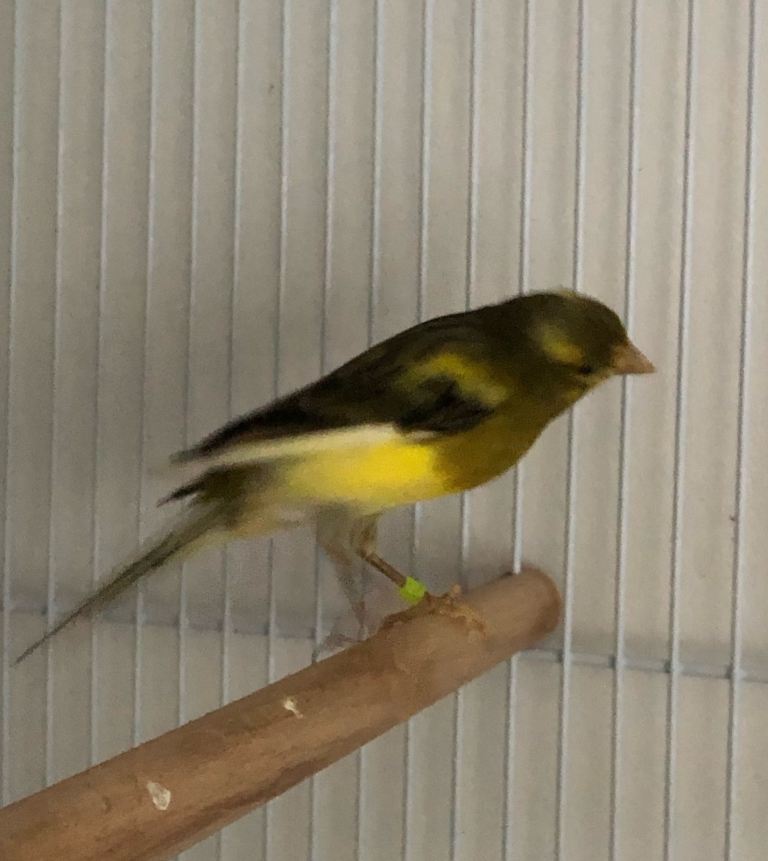
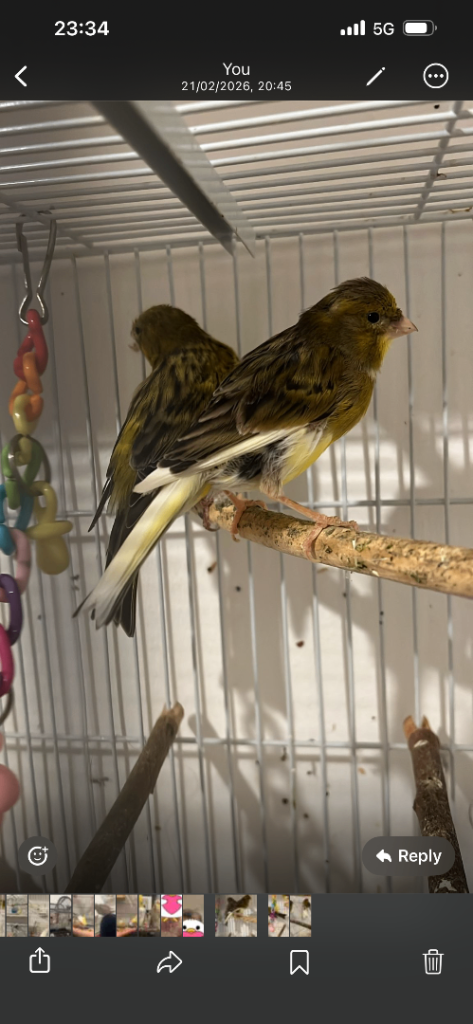
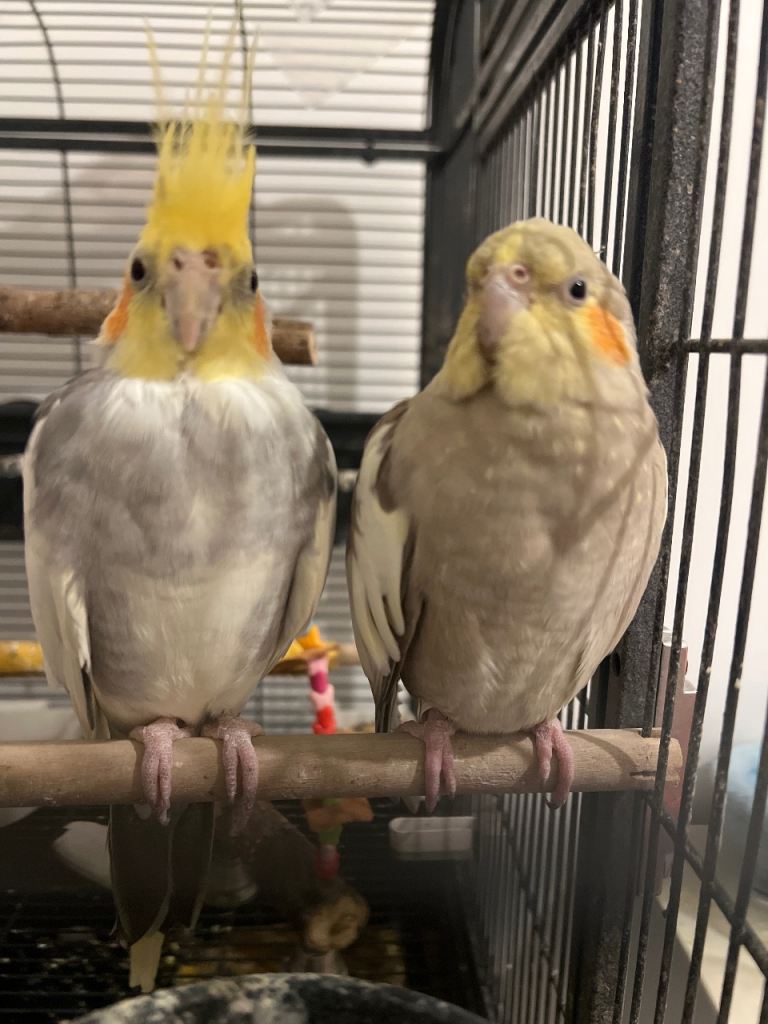
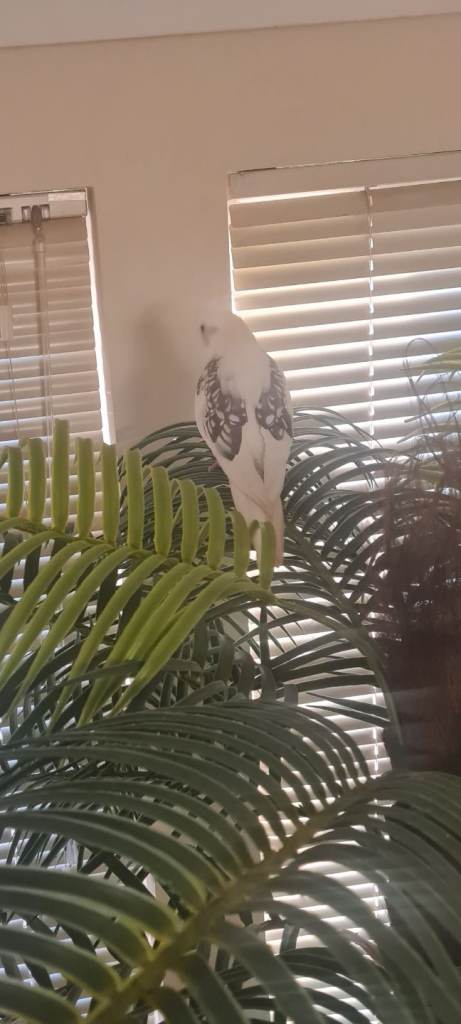
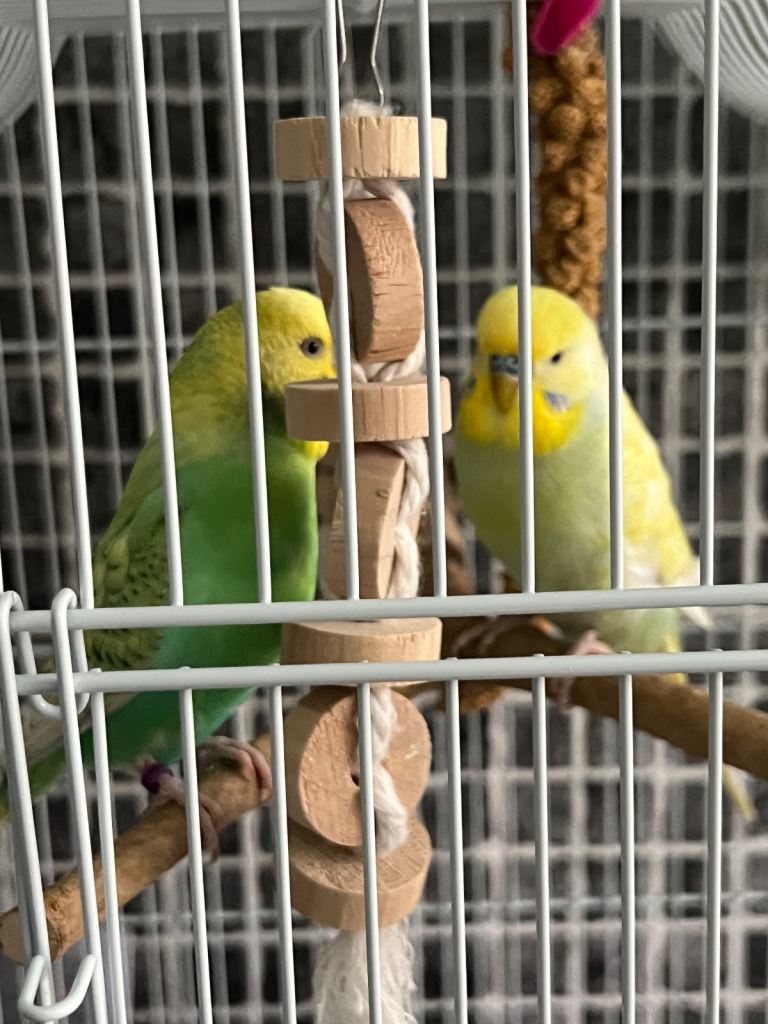
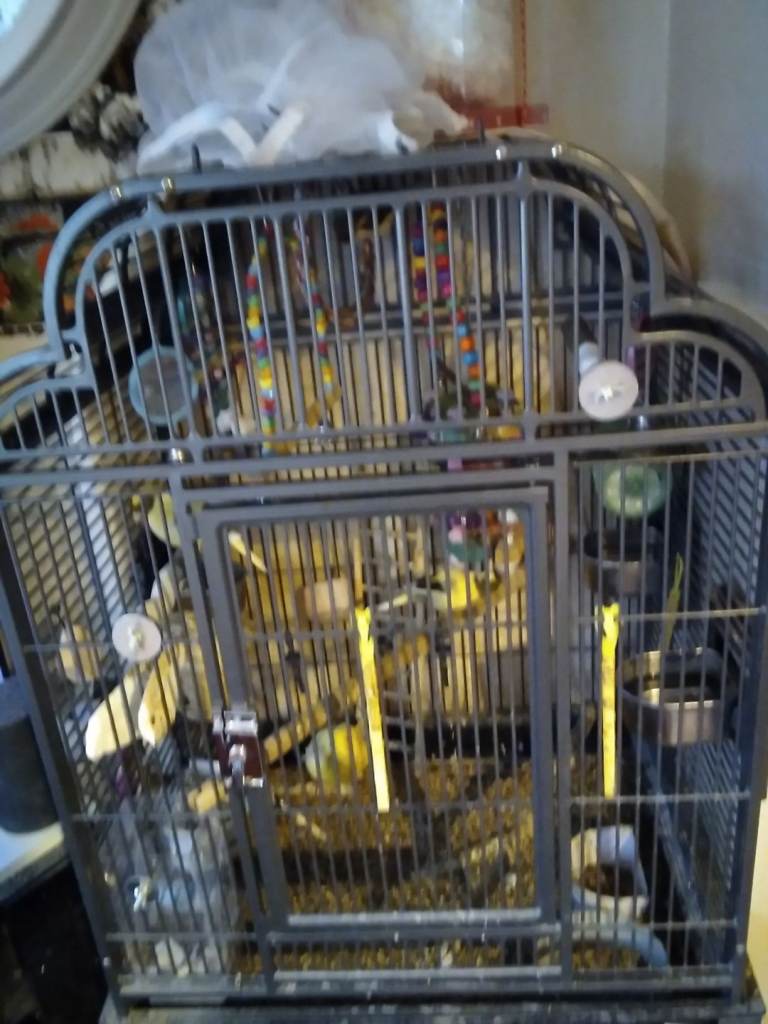
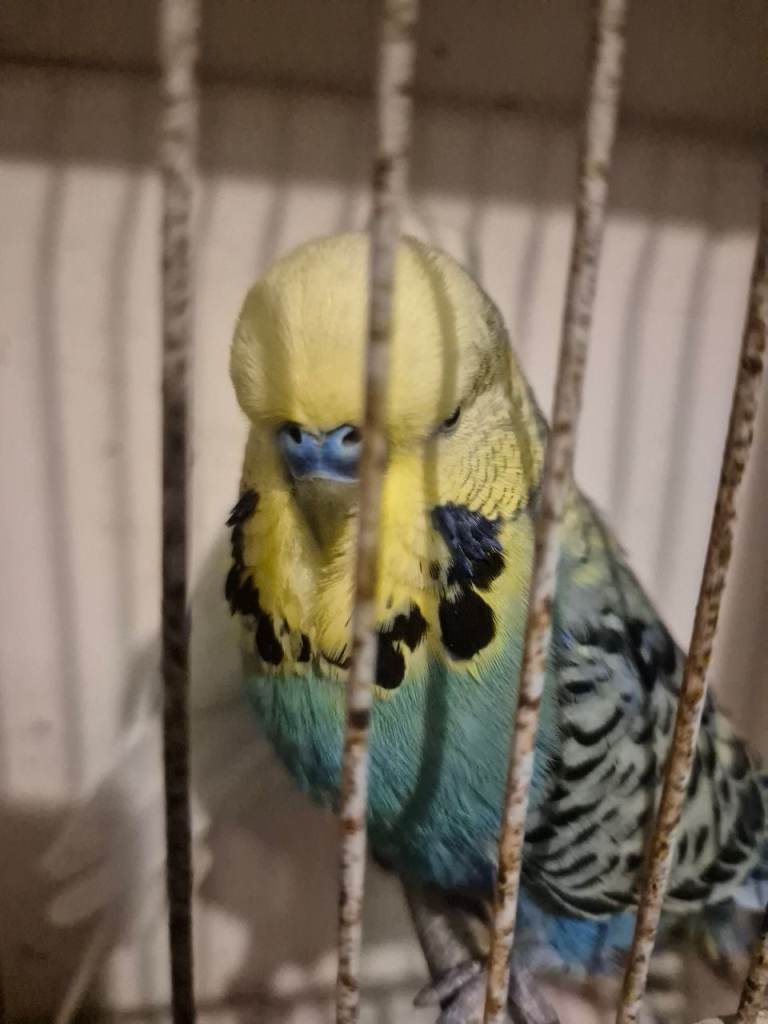
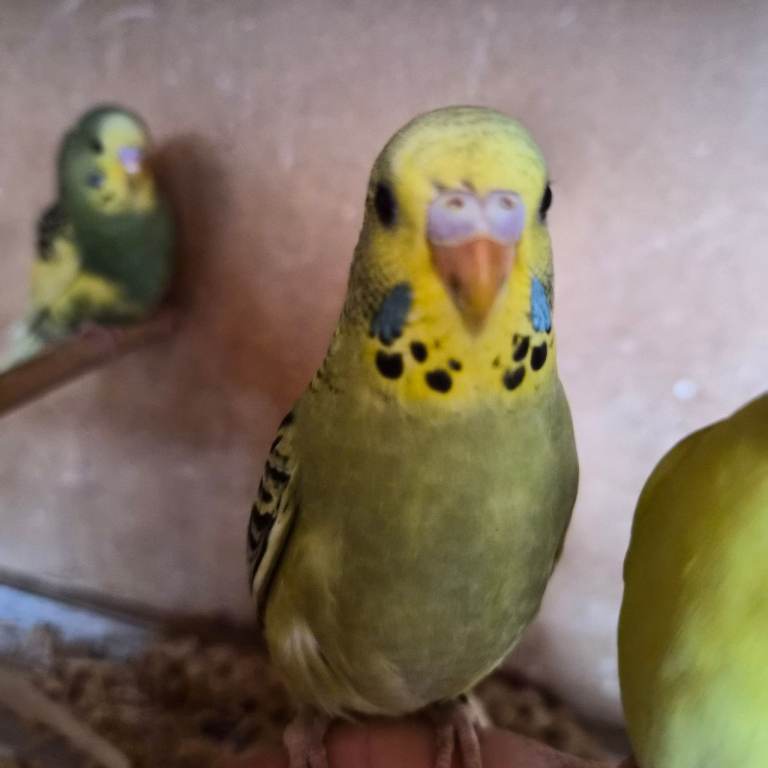
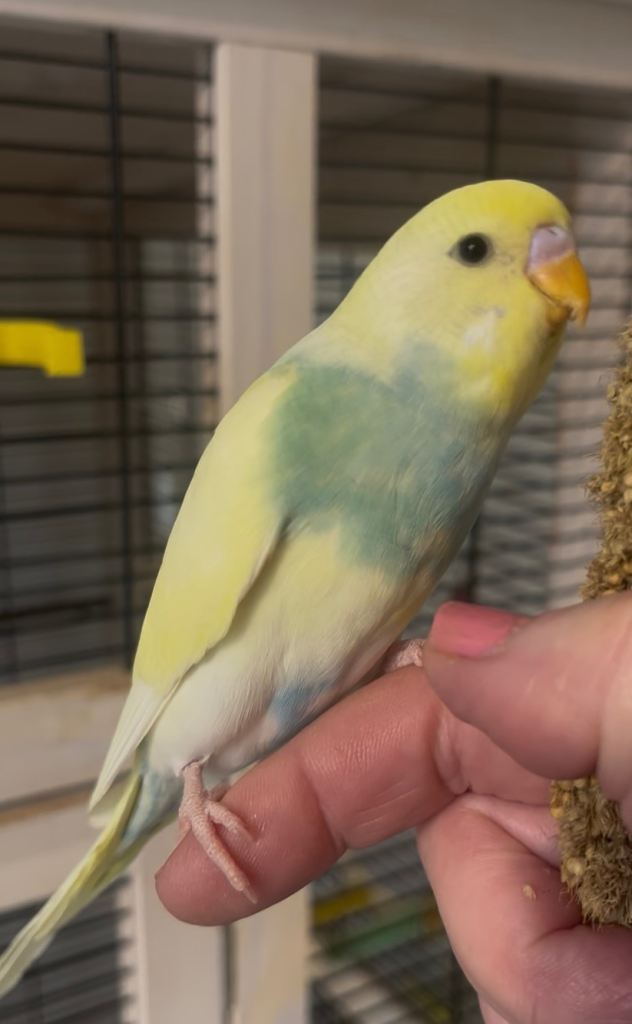
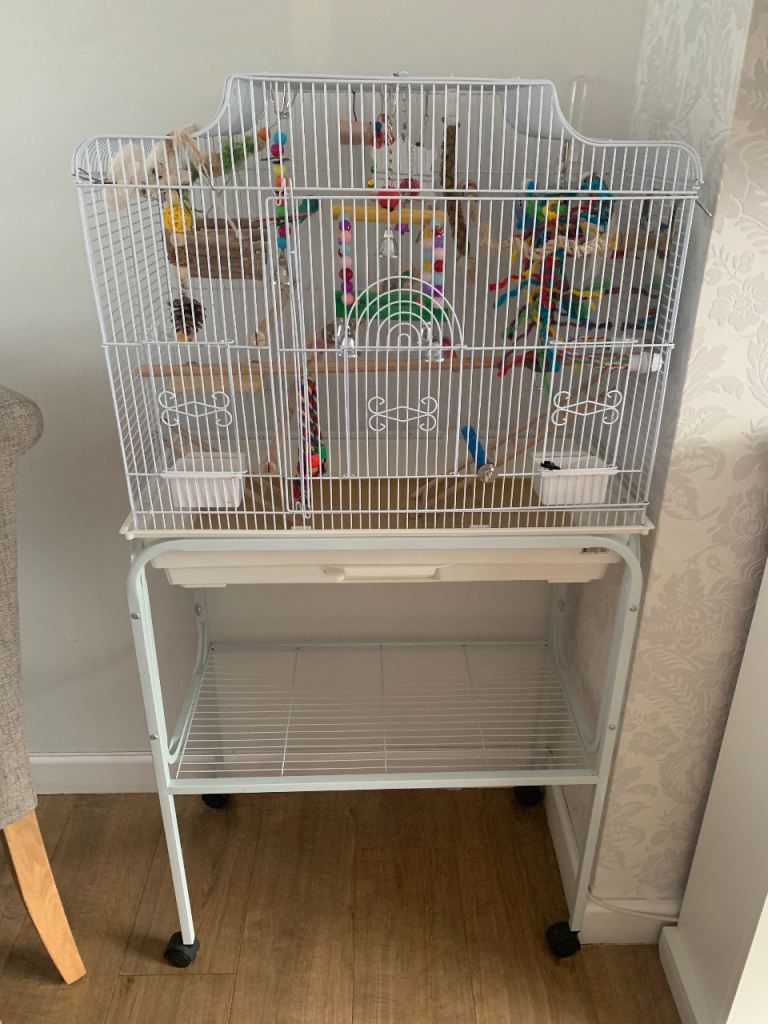
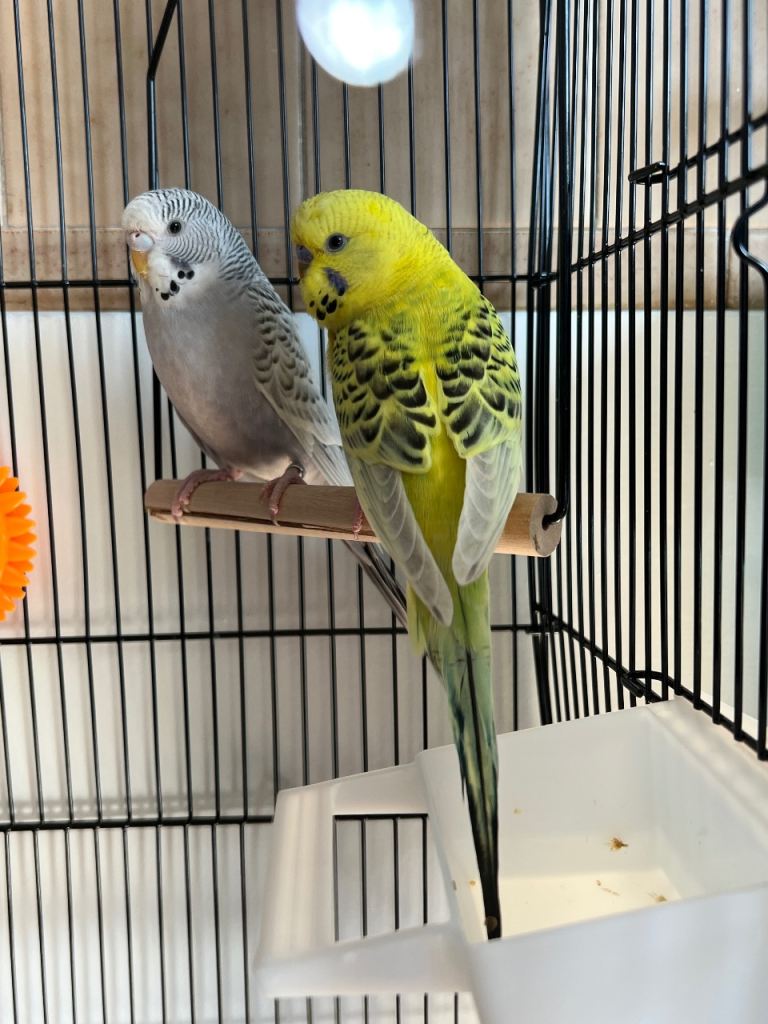
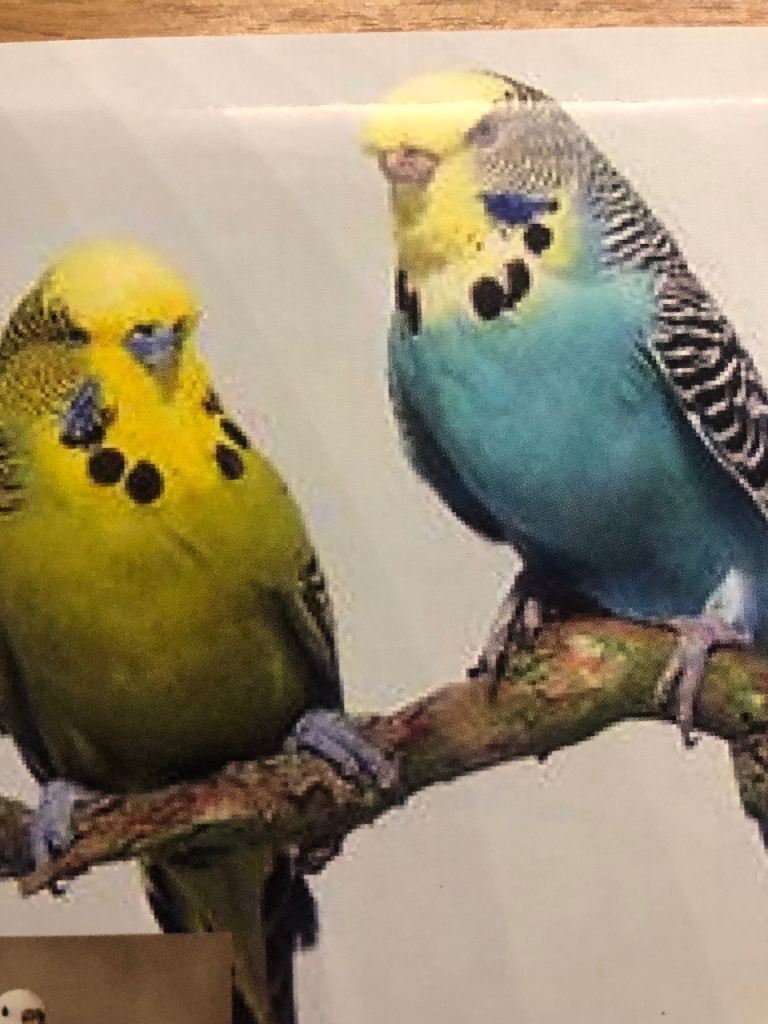
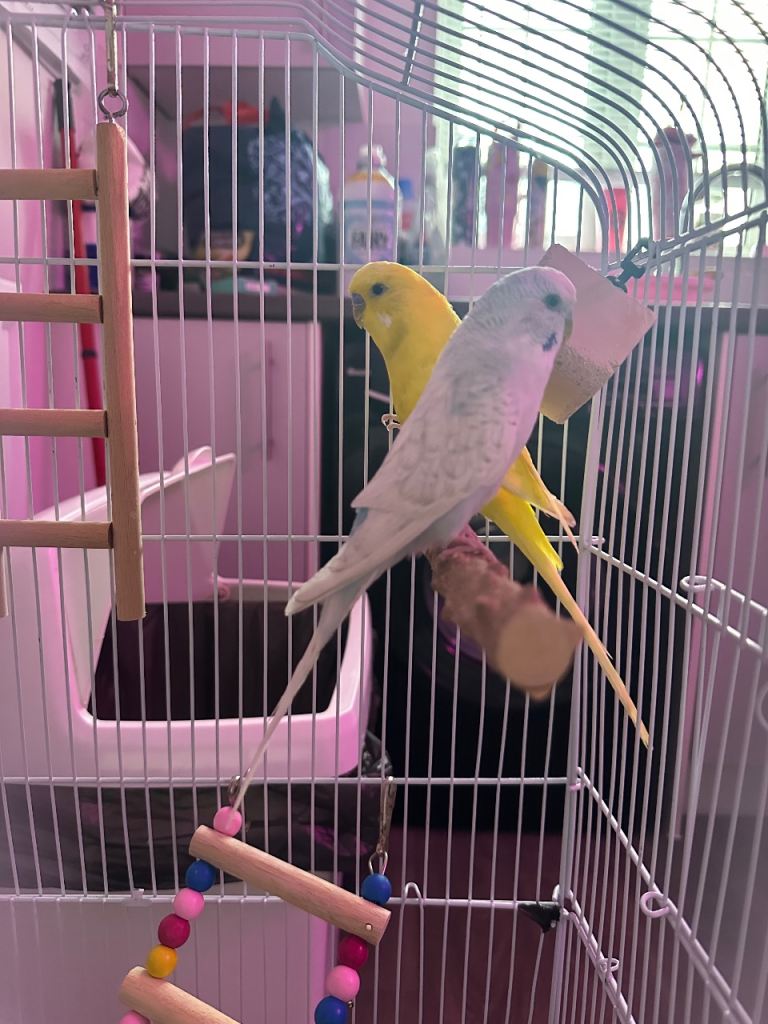
2 budgies and cage
Age: 13 months
Ready to leave: Now
Southampton, Hampshire
£200
When buying a bird, look for signs of good health. These include bright, clear eyes, clean and dry nostrils, smooth and well-kept feathers, and an alert and active demeanour. Avoid birds that appear lethargic, have ruffled feathers, or show signs of discharge from the eyes or nose. Check for any signs of feather plucking, which can indicate stress or illness.
Certain bird species are protected under UK law, and it's crucial to ensure that the bird you intend to purchase is legally allowed to be kept as a pet. Some species may require specific licenses or permits. Check with the Department for Environment, Food & Rural Affairs (Defra) or local authorities for the latest regulations.
Enquire about the bird's age, diet, and previous living conditions. Ask about any health issues the bird has had, including vaccinations or treatments. It's also important to understand the bird's temperament and whether it's accustomed to human interaction. Inquire about the type of cage and accessories the bird is used to, to ease its transition to a new home.
A suitable environment for a pet bird includes a spacious cage that allows for flight and movement, appropriate perches of varying sizes, and access to fresh food and water. The cage should be placed in a safe location away from drafts and direct sunlight. Regular cleaning of the cage is essential to maintain hygiene. Consider the bird's specific needs in terms of temperature, humidity, and social interaction.
Common signs of stress or illness in birds include changes in appetite, lethargy, ruffled feathers, discharge from the eyes or nose, changes in droppings, and difficulty breathing. If you notice any of these signs, consult a qualified avian veterinarian as soon as possible. Early intervention can significantly improve the bird's chances of recovery.