Featured
1/11
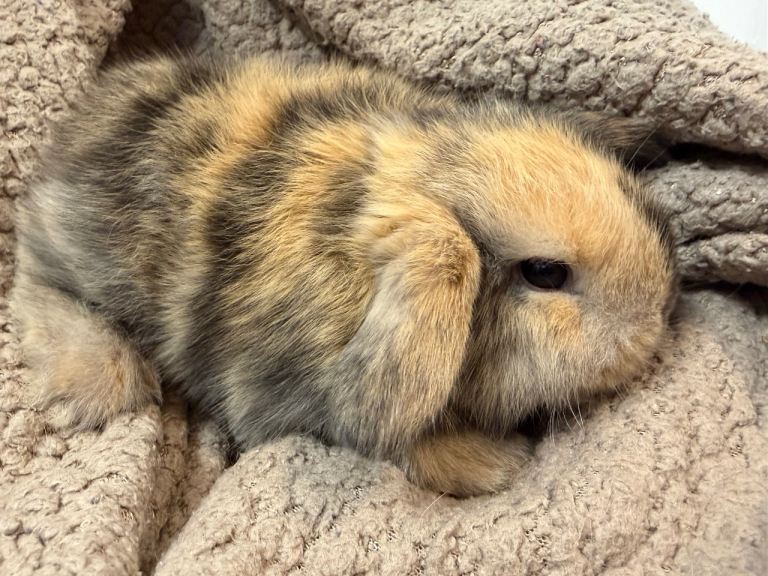
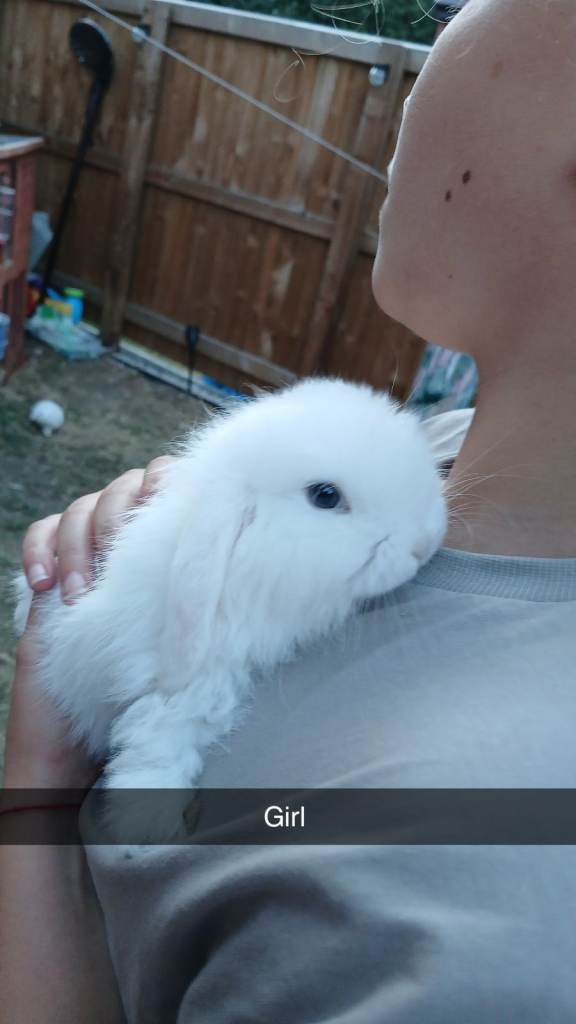
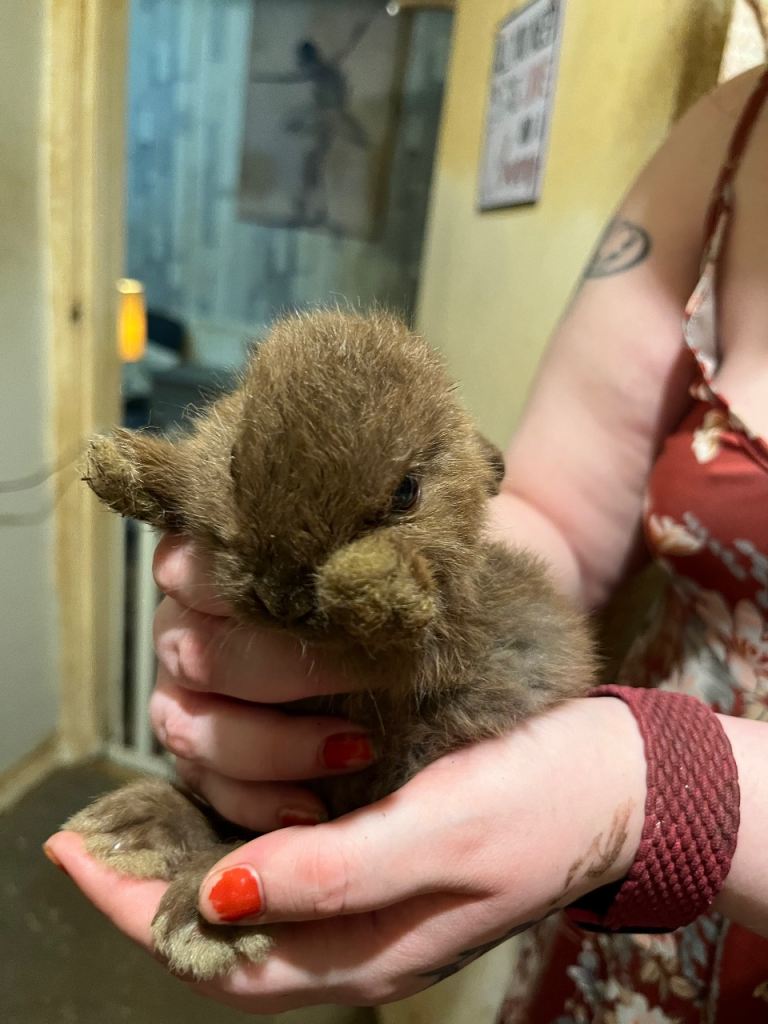
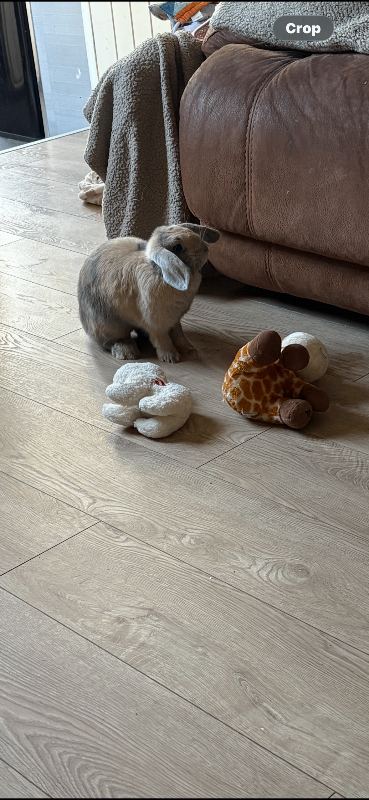
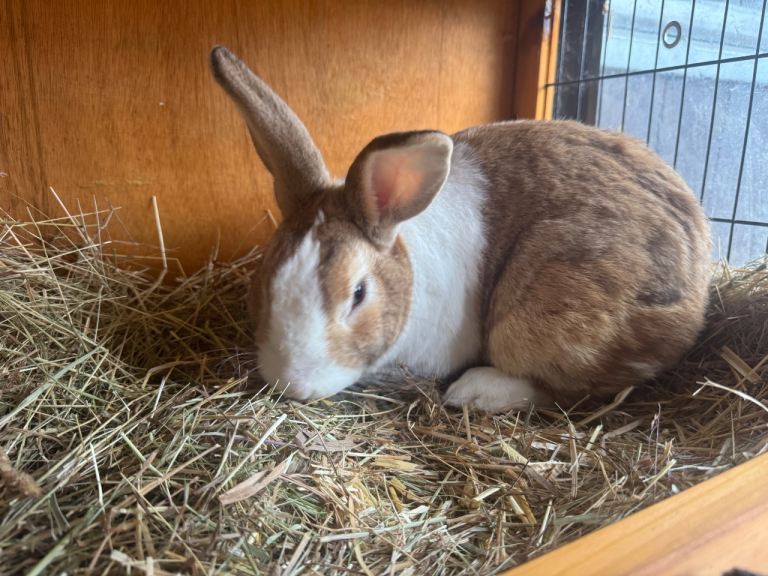
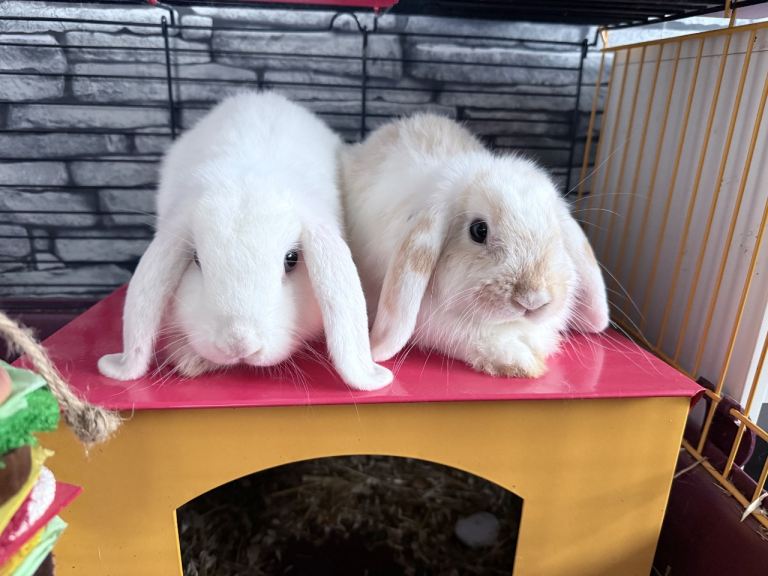
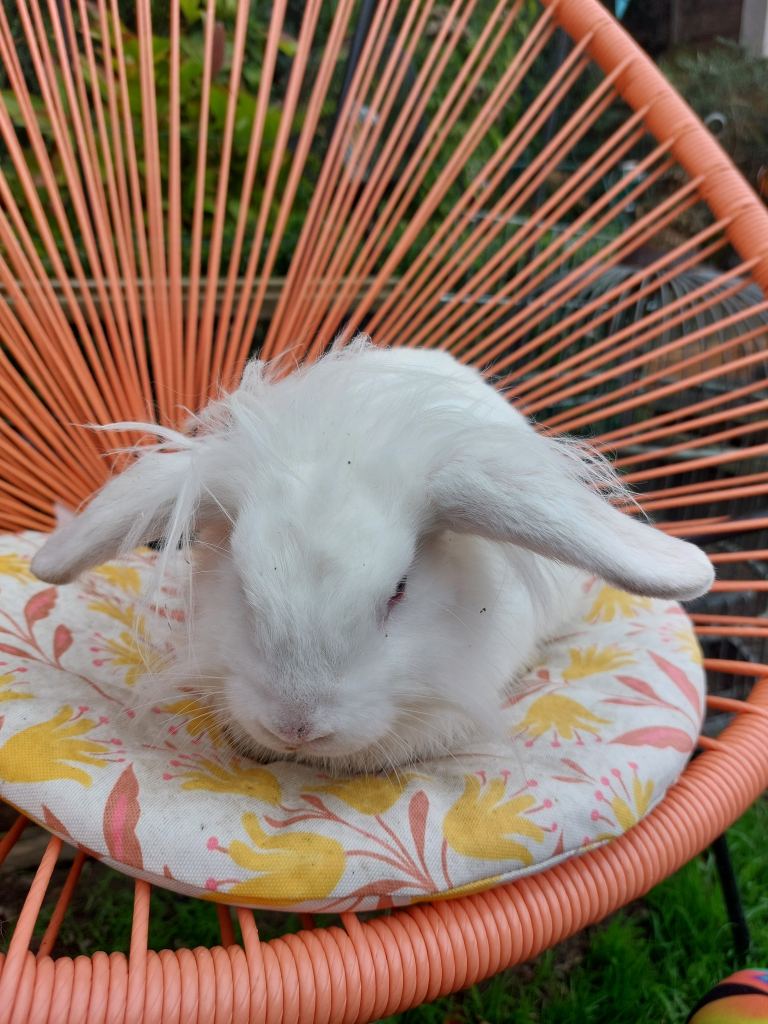
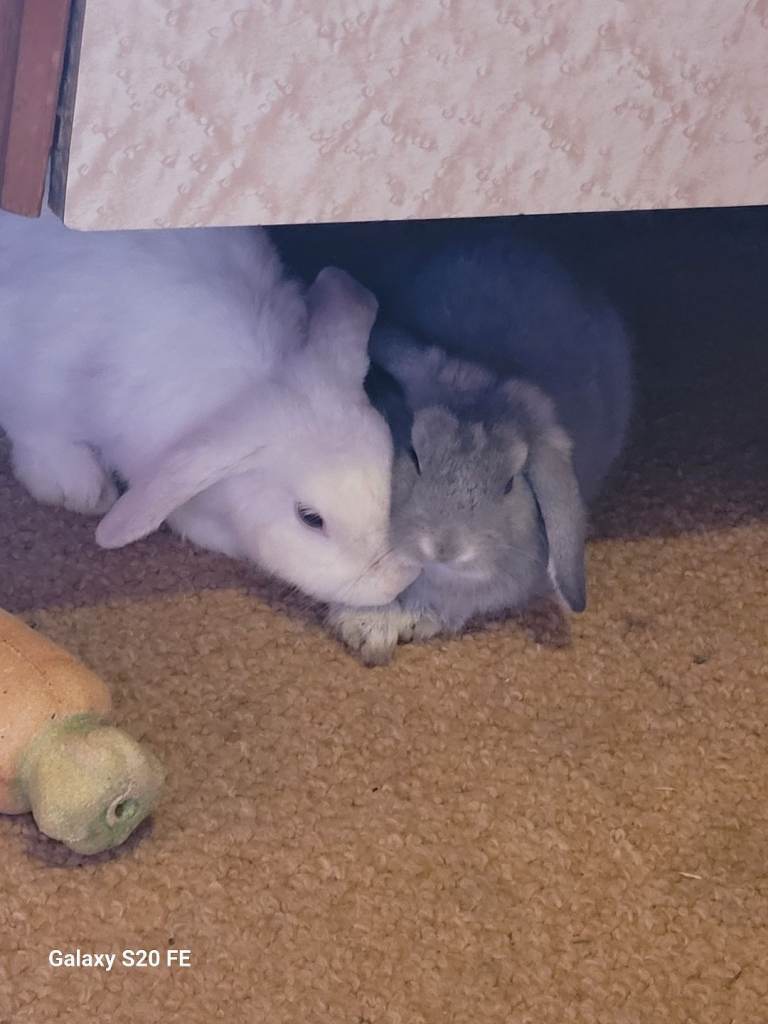
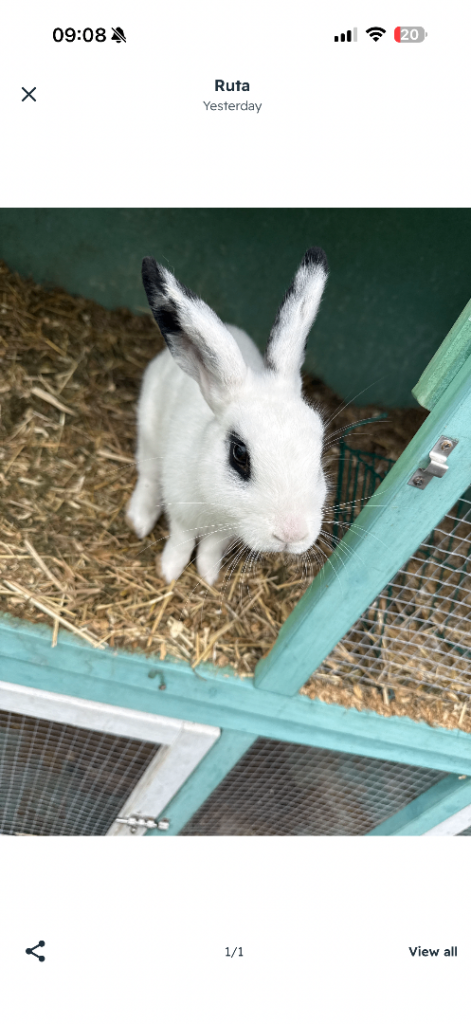
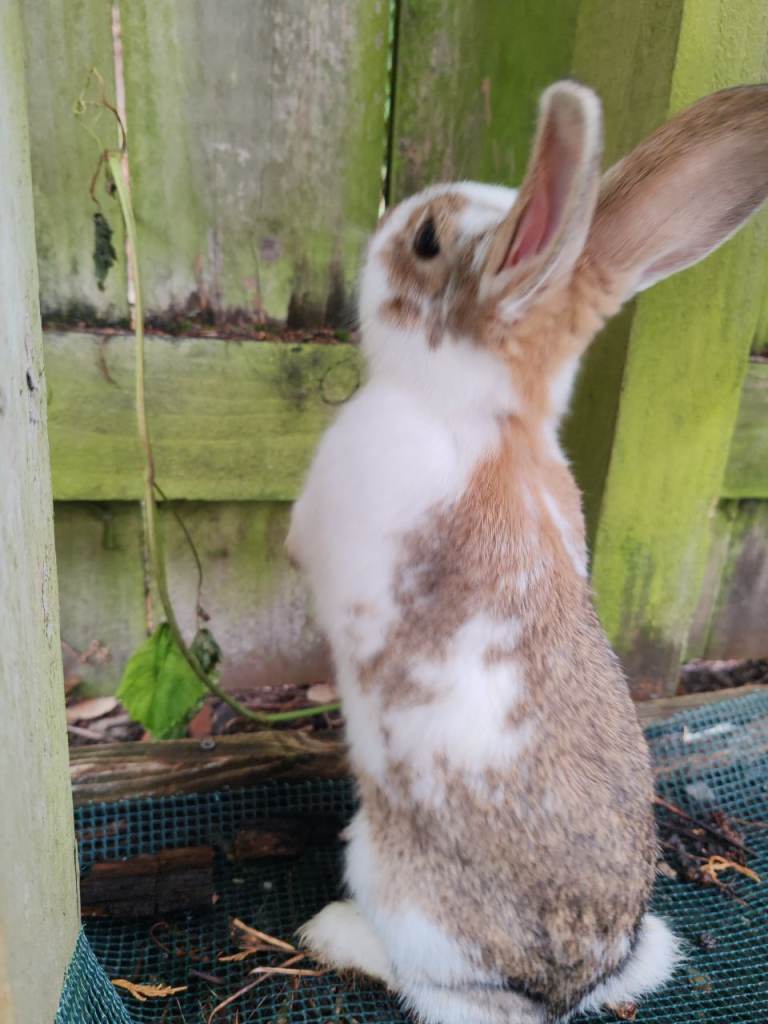
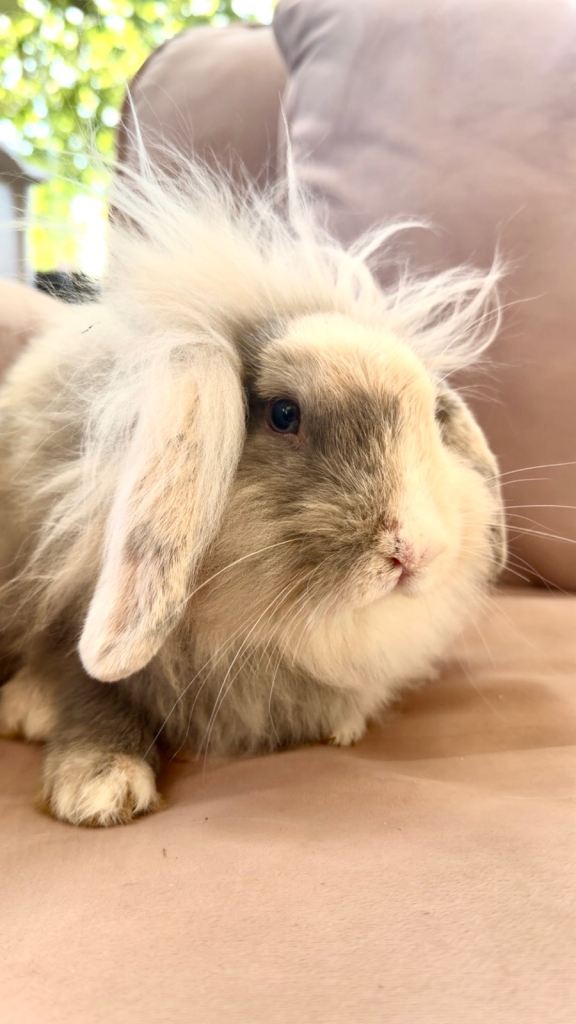
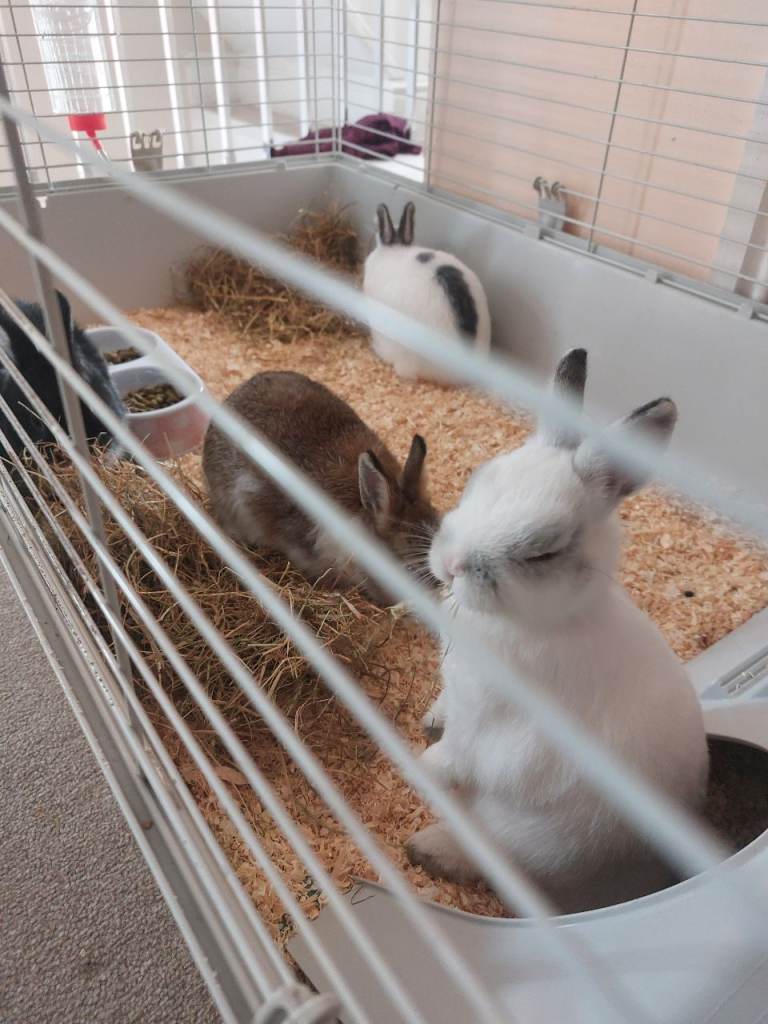
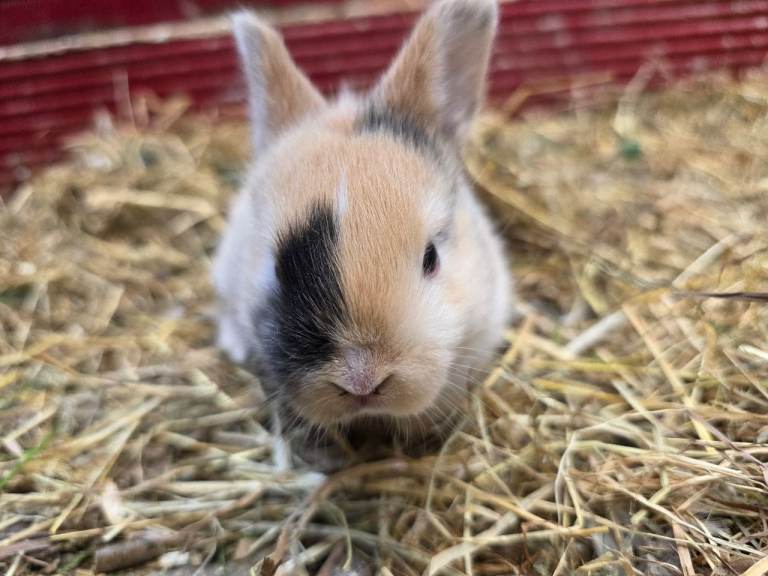
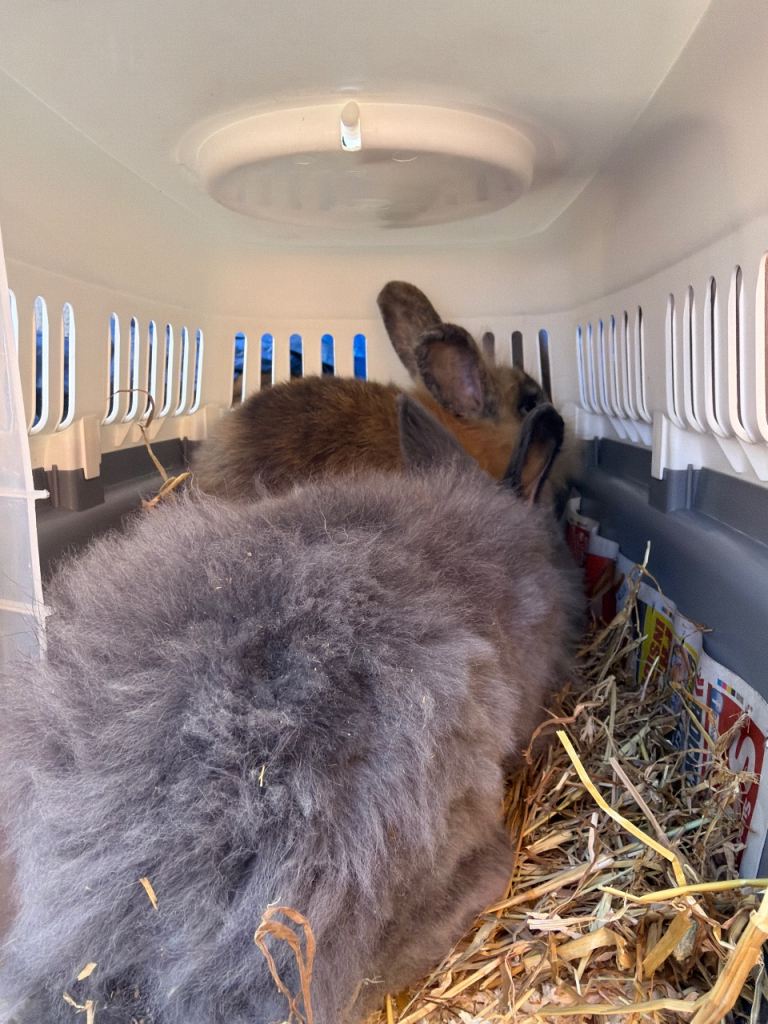
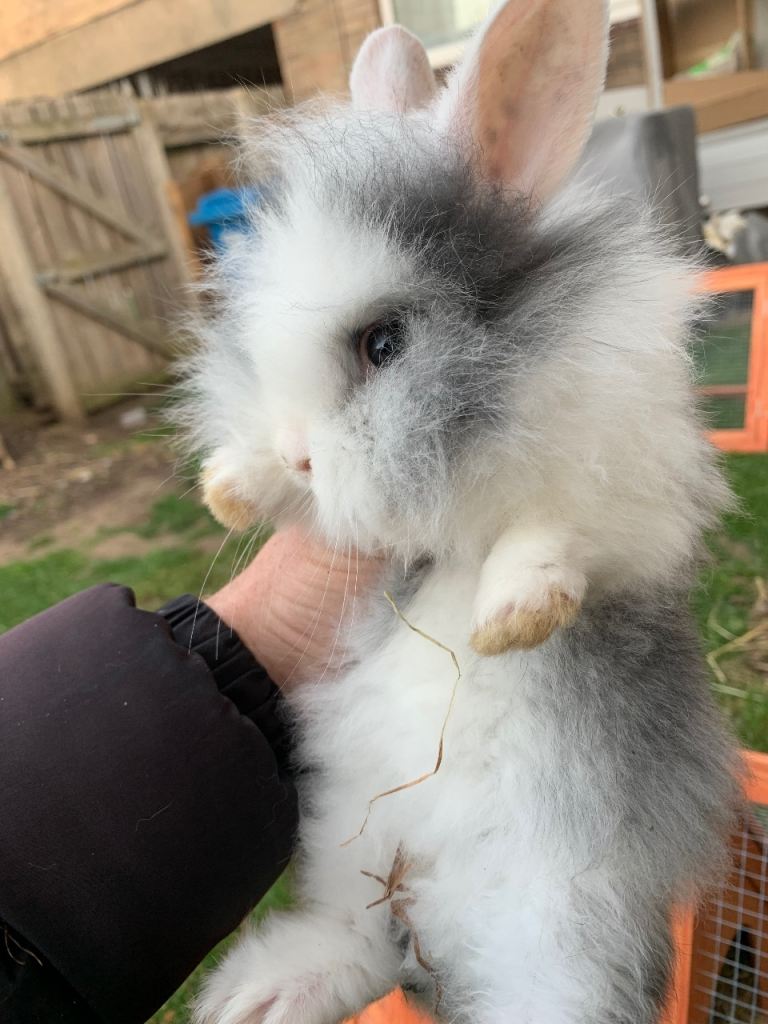
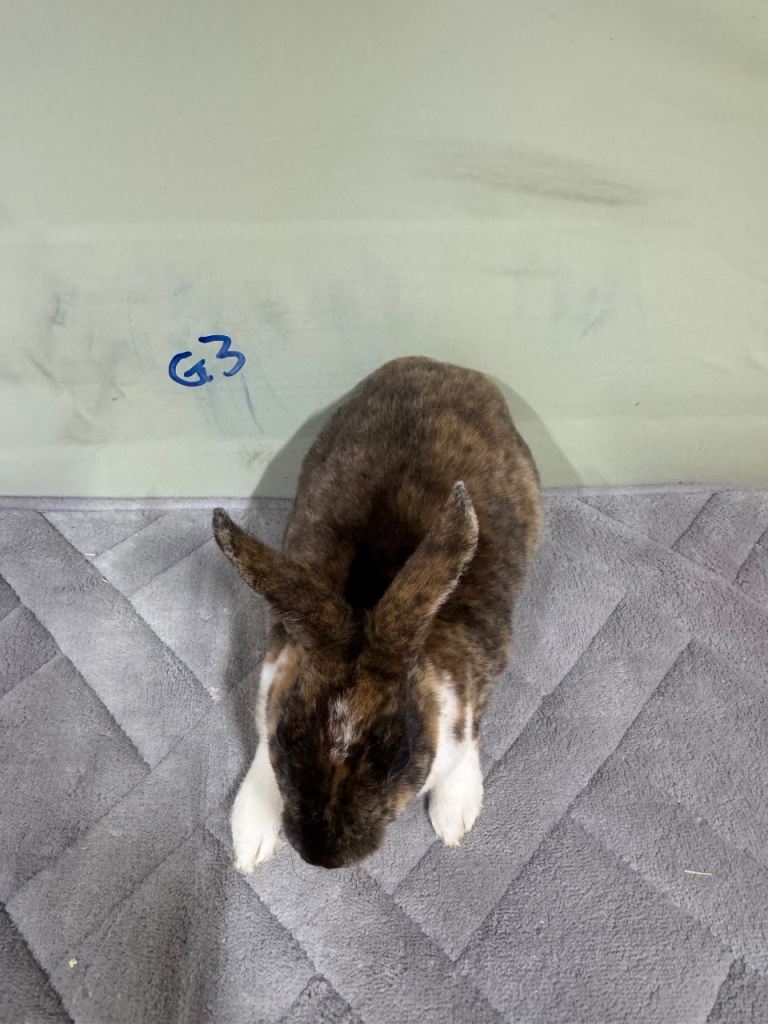
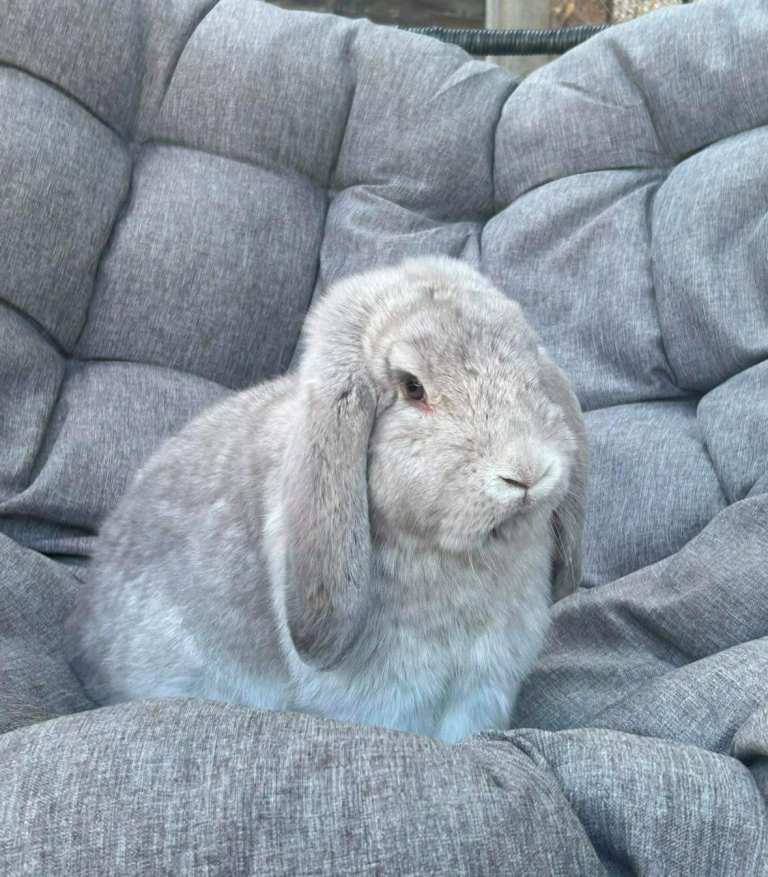
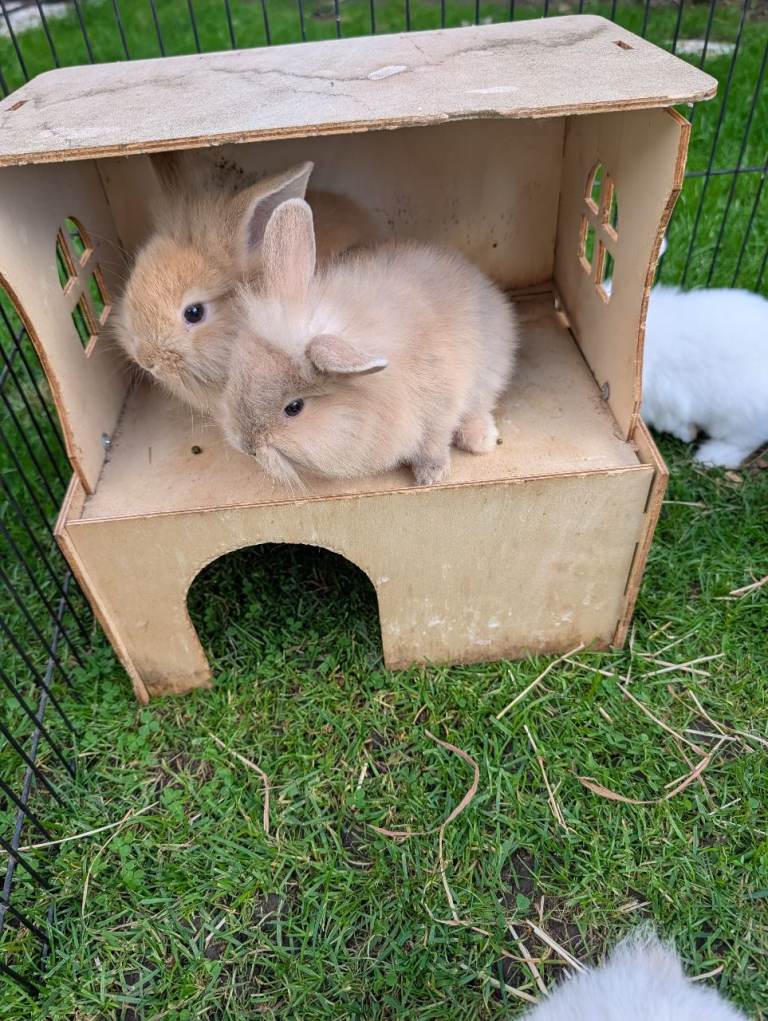
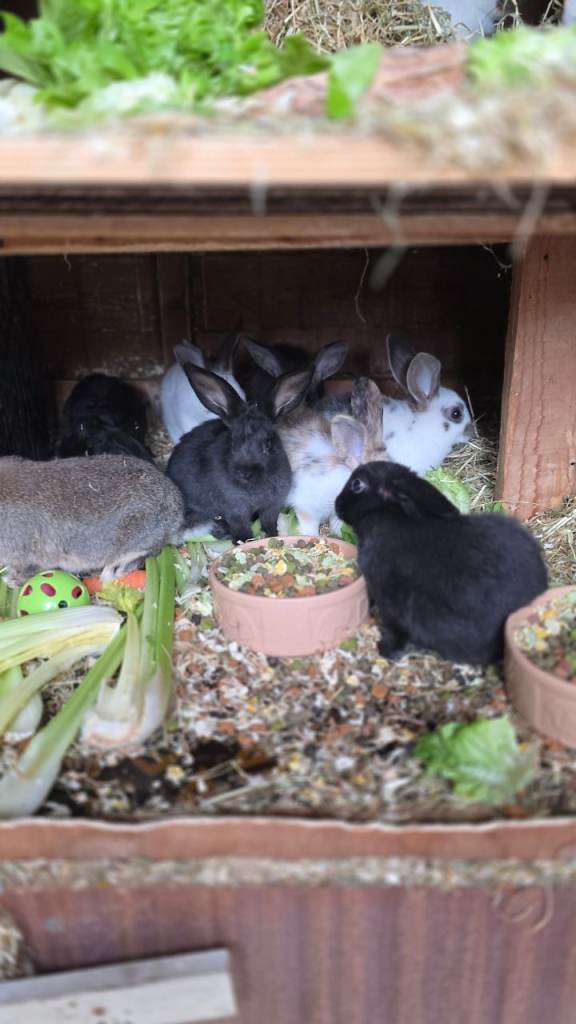
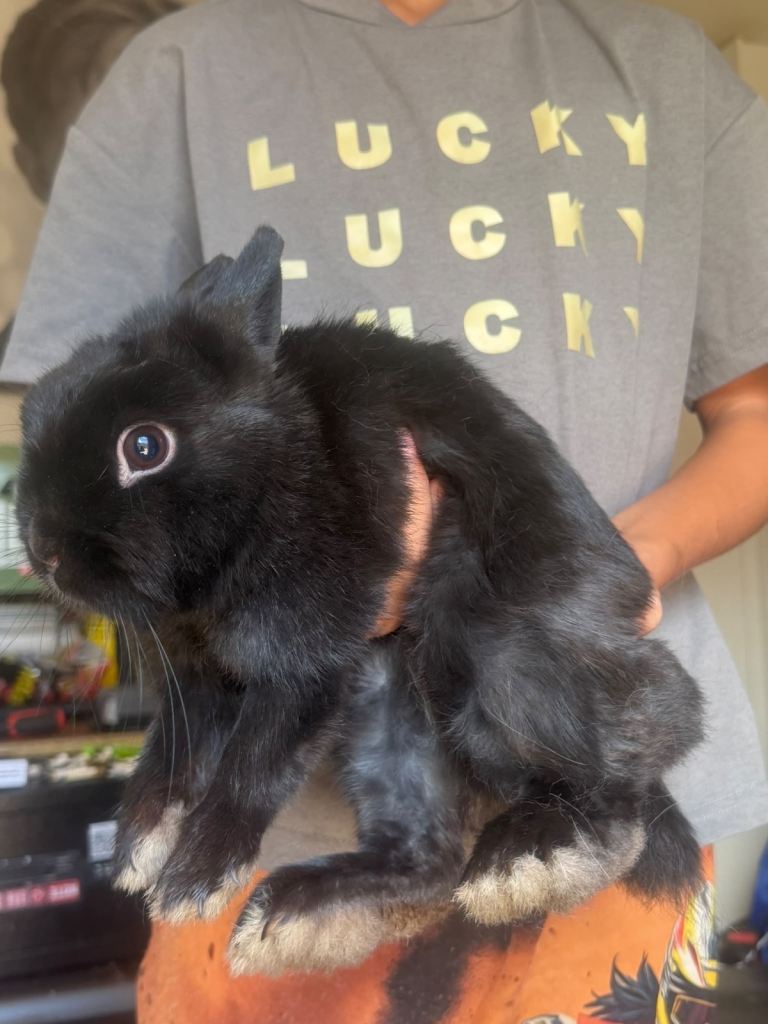
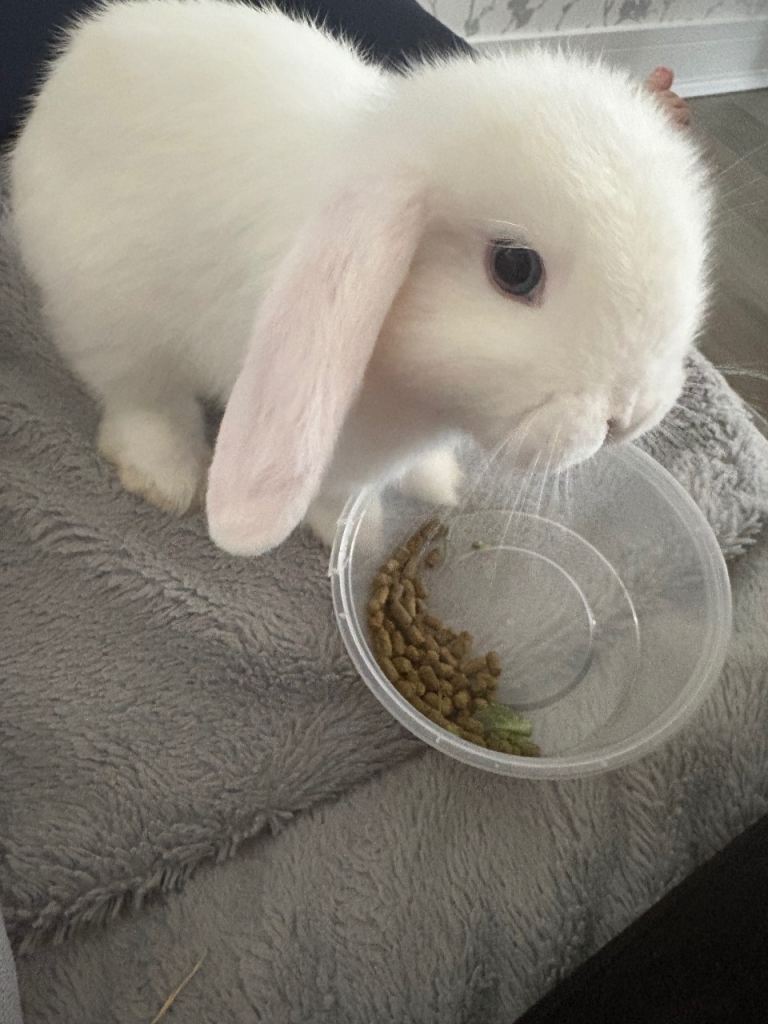
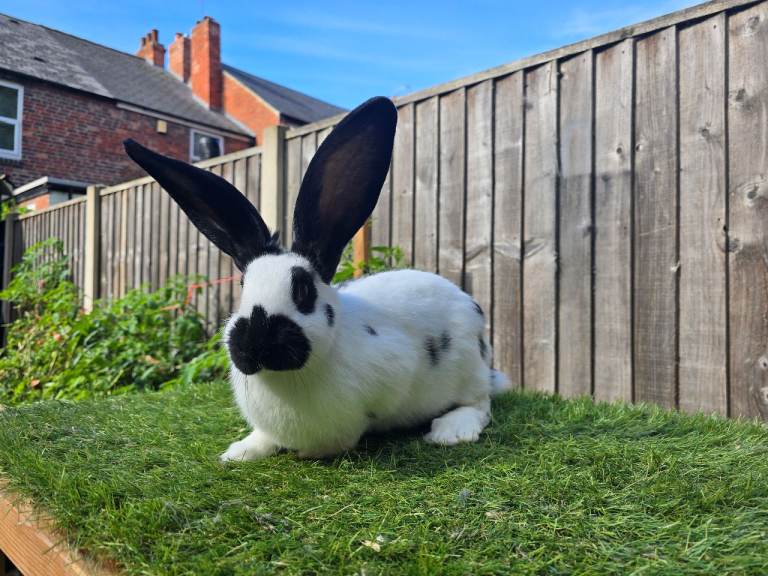
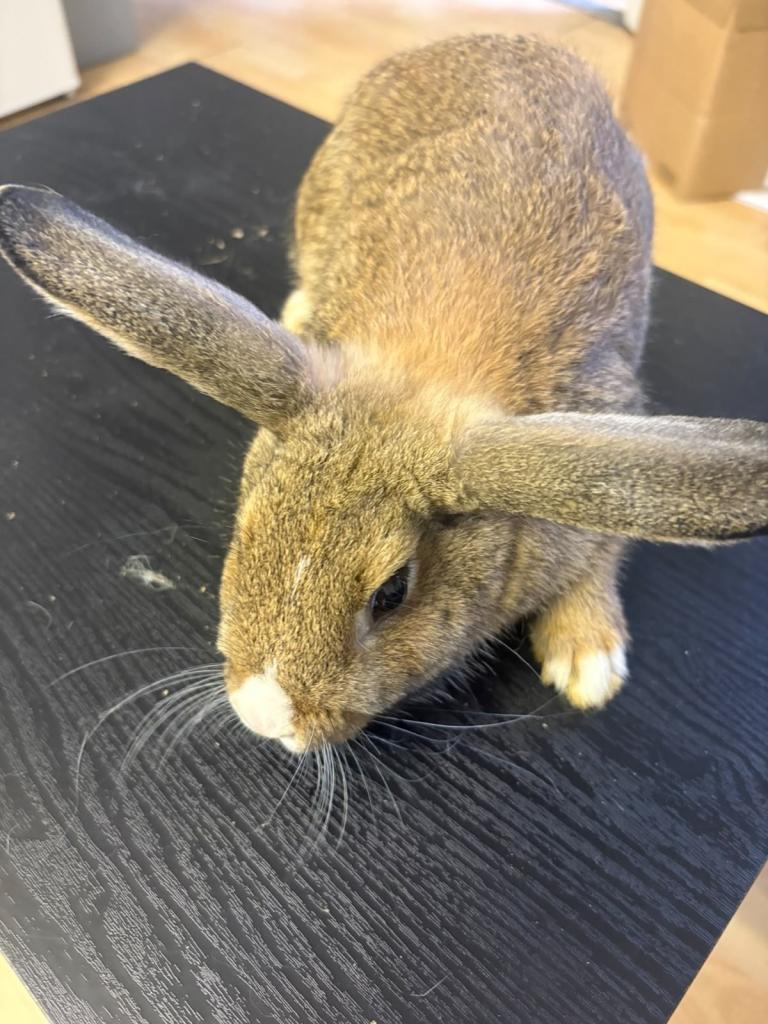
One male rabbit and one female rabbit
Age:12 months
Ready to leave:Now
Sheffield, South Yorkshire
£220
Consider the rabbit's breed, temperament, and size. Ensure the rabbit appears healthy, with bright eyes, a clean coat, and no signs of illness or injury. Check if the rabbit is suitable for your lifestyle and living space. Rabbits are social animals, so consider getting a pair.
In the UK, you are legally responsible for ensuring your rabbit's welfare. This includes providing a suitable environment, a healthy diet, and protection from pain, suffering, injury, and disease. You should also familiarise yourself with the Animal Welfare Act 2006.
Rabbits need a spacious and secure hutch or enclosure, both indoors or outdoors, that protects them from the elements and predators. The hutch should be large enough for the rabbit to stand up, stretch out, and hop around comfortably. Provide a separate area for sleeping and hiding, and ensure proper ventilation.
A rabbit's diet should consist primarily of hay (around 80-90%), supplemented with fresh vegetables and a small amount of high-quality rabbit pellets. Avoid sugary treats and human food, as these can be harmful to their digestive system. Fresh water should always be available.
Rabbits should be vaccinated against myxomatosis, Viral Haemorrhagic Disease (VHD1 and VHD2). Regular health checks by a vet are recommended to detect and treat any potential health problems early. Monitor your rabbit for signs of illness, such as loss of appetite, lethargy, or changes in their droppings. Consider neutering or spaying your rabbit to prevent unwanted litters and certain health problems.