Featured
12
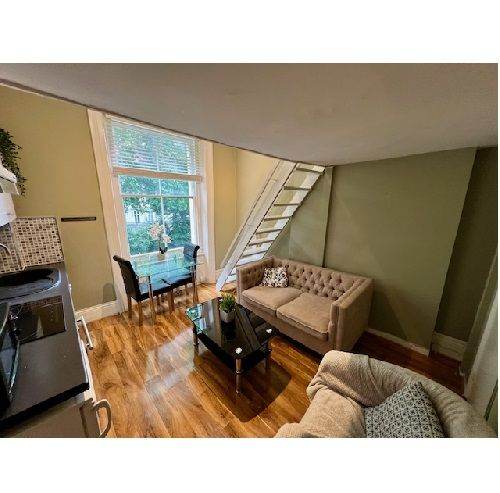
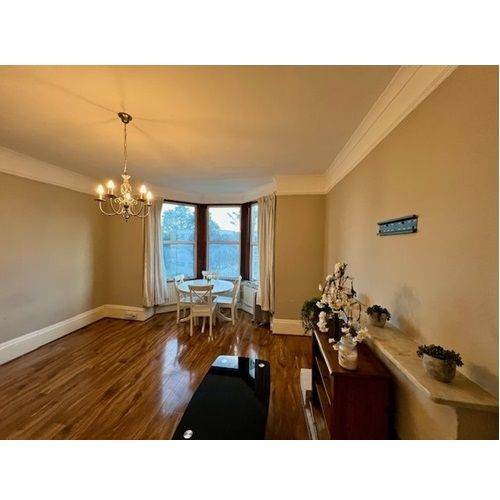
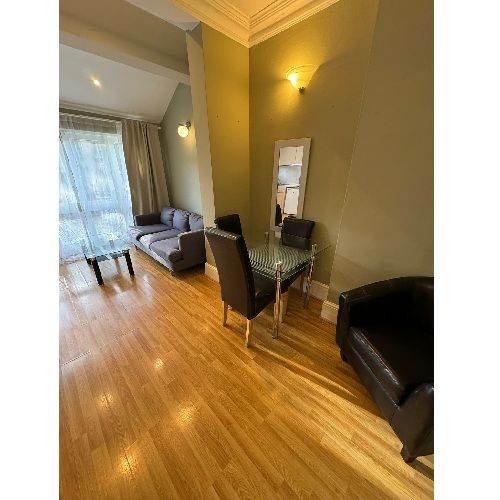
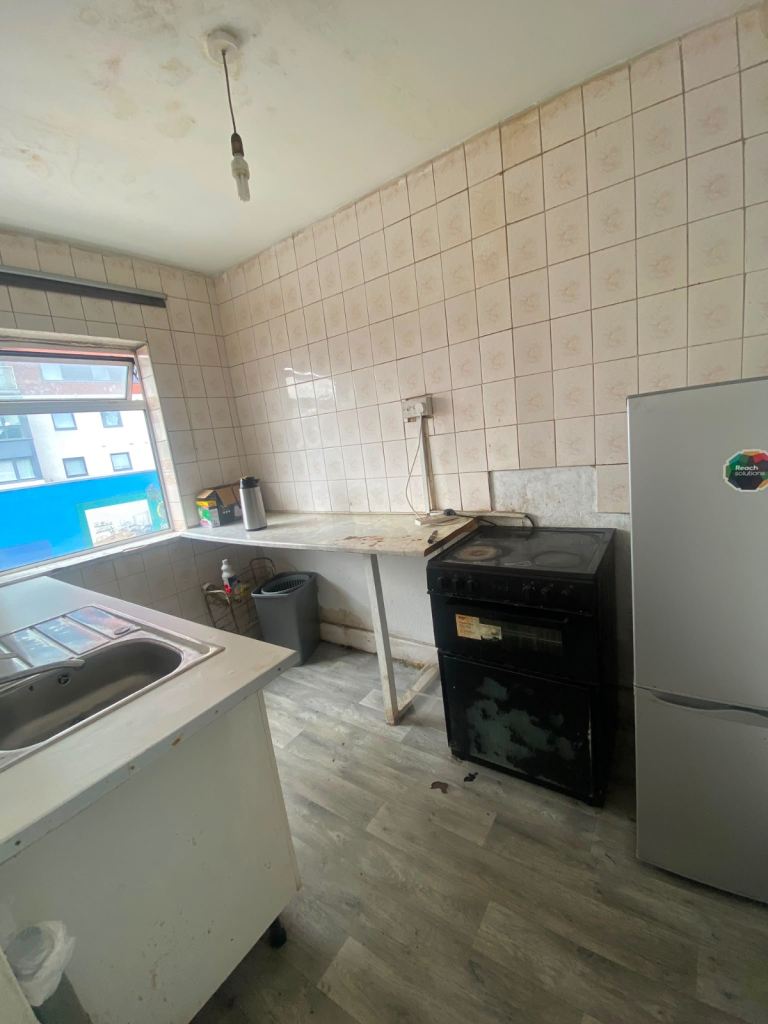
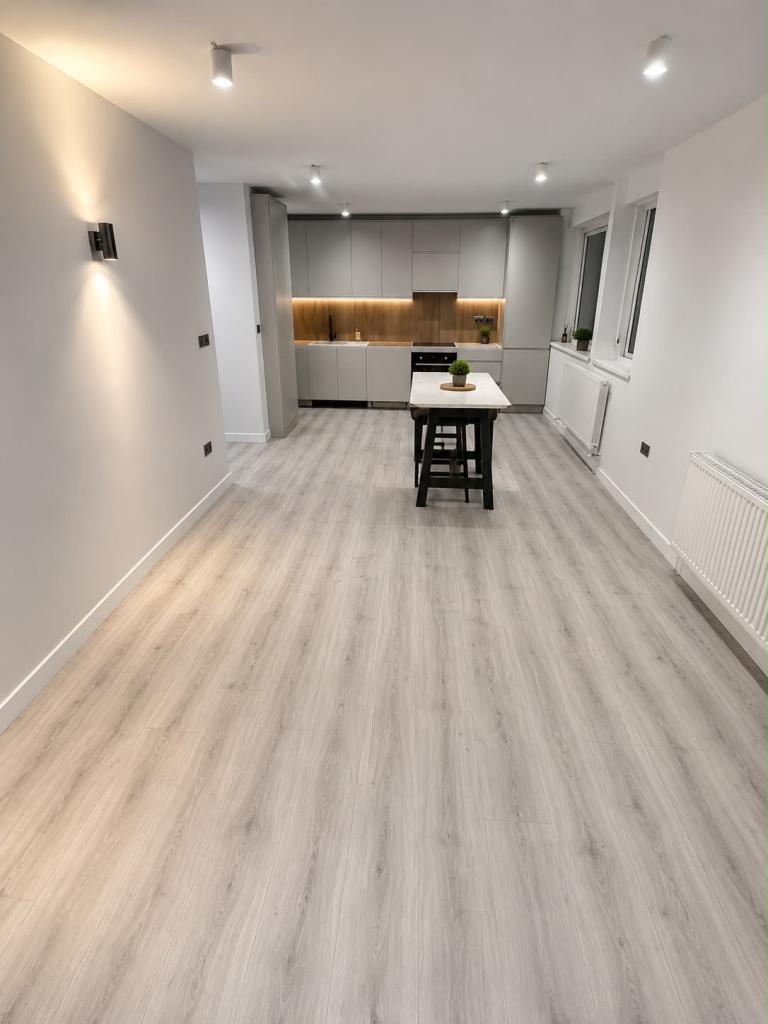
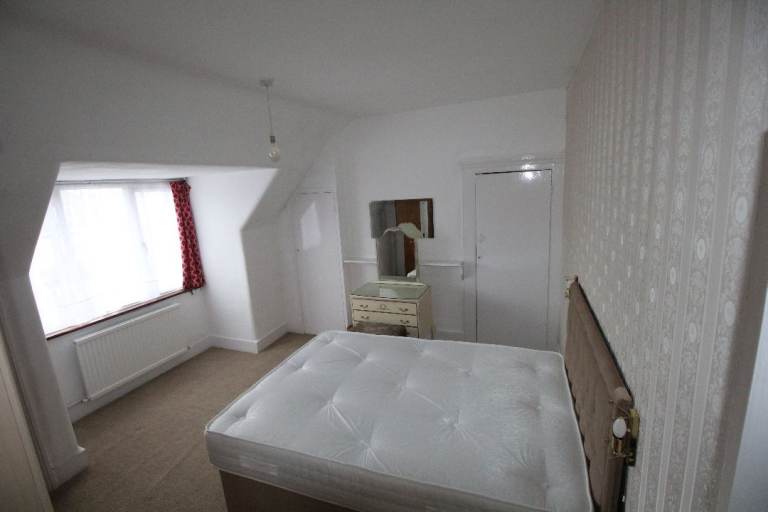
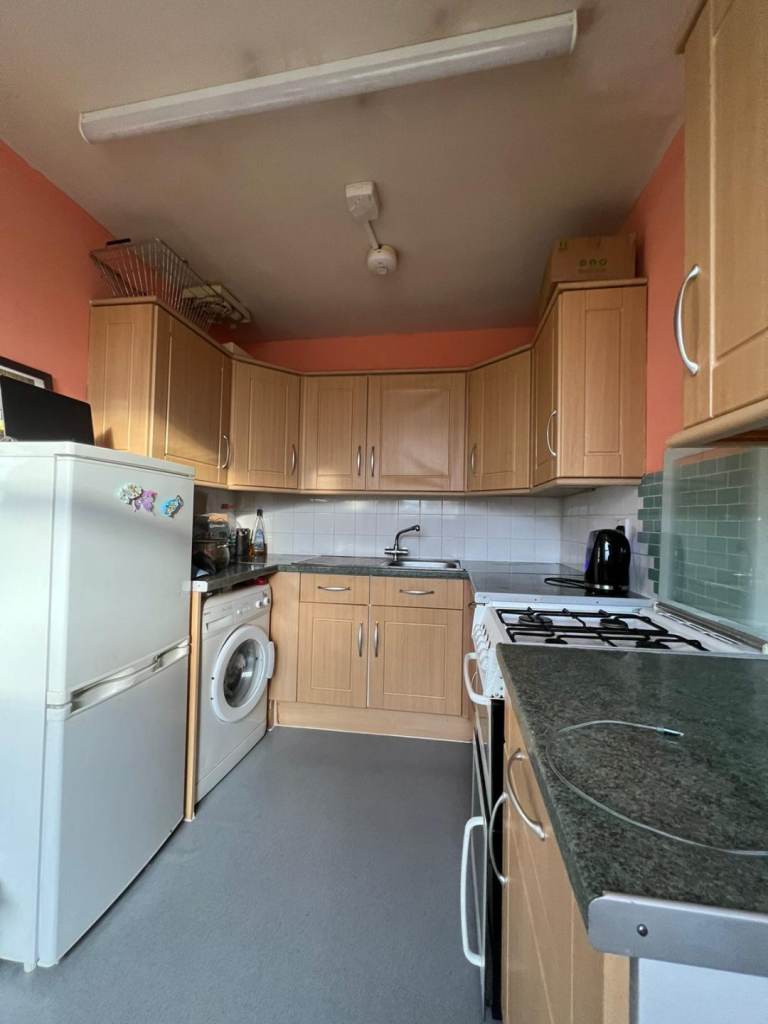
1 bed for rent cr0
PrivateDate available: 14 Aug 2026Flat1 Bed
Croydon, London
£1,450pm
When viewing a flat in London, check for damp or mould, especially in bathrooms and kitchens. Inspect the windows and doors for drafts and ensure they close properly. Ask about the council tax band and energy performance certificate (EPC) rating to estimate your bills. Also, consider the proximity to public transport and local amenities.
As a tenant in the UK, including London, you have the right to live in a safe and habitable property. Your landlord is responsible for most repairs, including structural issues, heating, and plumbing. You also have the right to quiet enjoyment of the property. Make sure you have a written tenancy agreement that clearly outlines your rights and responsibilities.
In the UK, landlords must protect your deposit in a government-approved scheme within 30 days of receiving it. The schemes are: Deposit Protection Service (DPS), MyDeposits, and Tenancy Deposit Scheme (TDS). At the end of your tenancy, the deposit must be returned to you promptly, provided you've met the terms of your tenancy agreement and haven't caused any damage beyond fair wear and tear.
A break clause is a provision in your tenancy agreement that allows either you or the landlord to end the tenancy early, usually after a fixed period (e.g., six months). It's important to understand the terms of the break clause, including the notice period required, as it can provide flexibility if your circumstances change.
Landlords in the UK are legally required to ensure the property is safe for tenants. This includes having a valid Gas Safety Certificate, which must be renewed annually by a Gas Safe registered engineer. They must also ensure that all electrical equipment is safe and provide smoke alarms on each floor and carbon monoxide alarms in rooms with a solid fuel-burning appliance (e.g., a wood-burning stove).