5
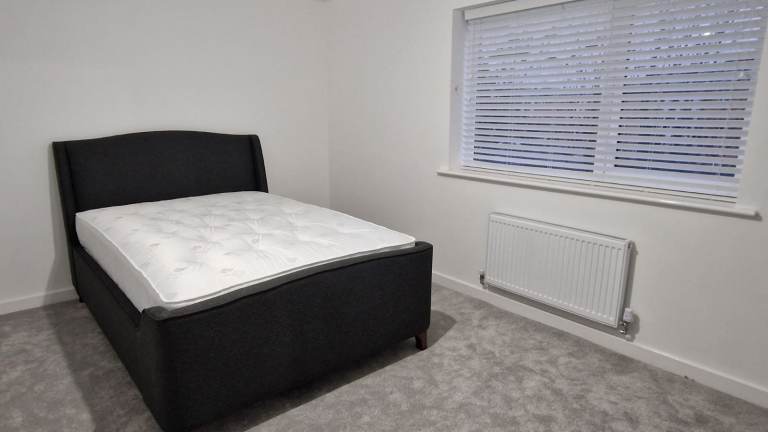
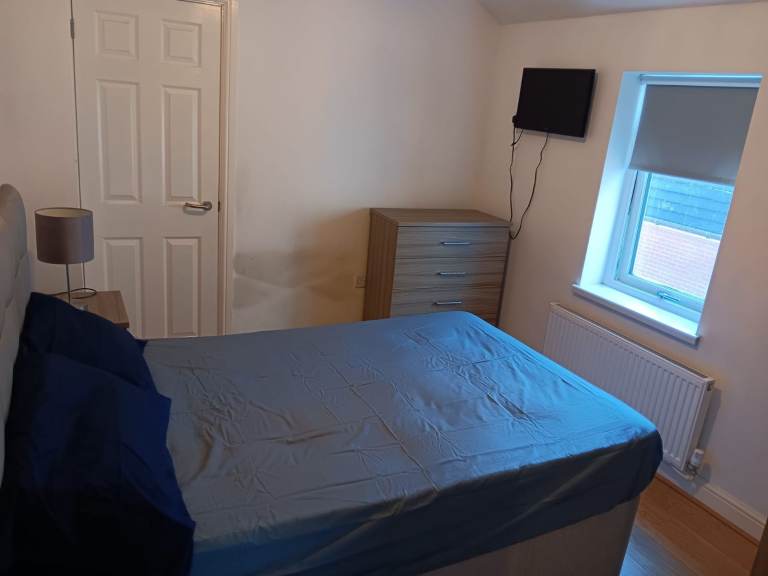
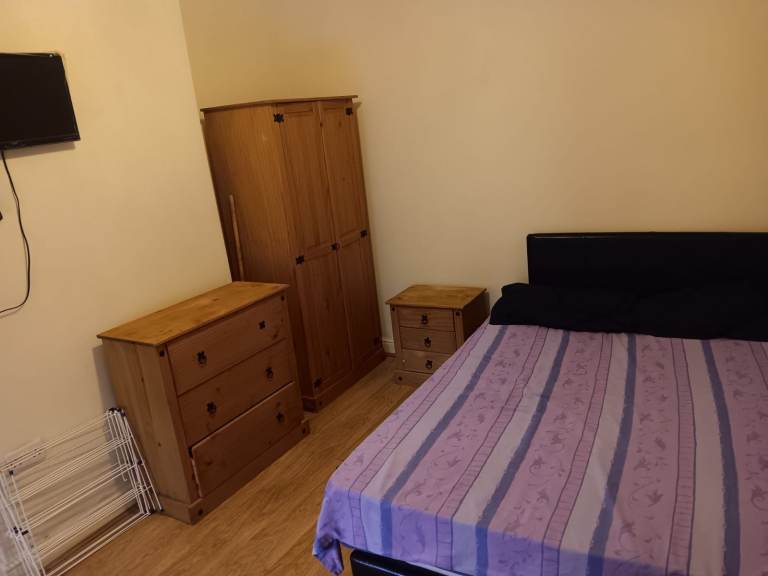
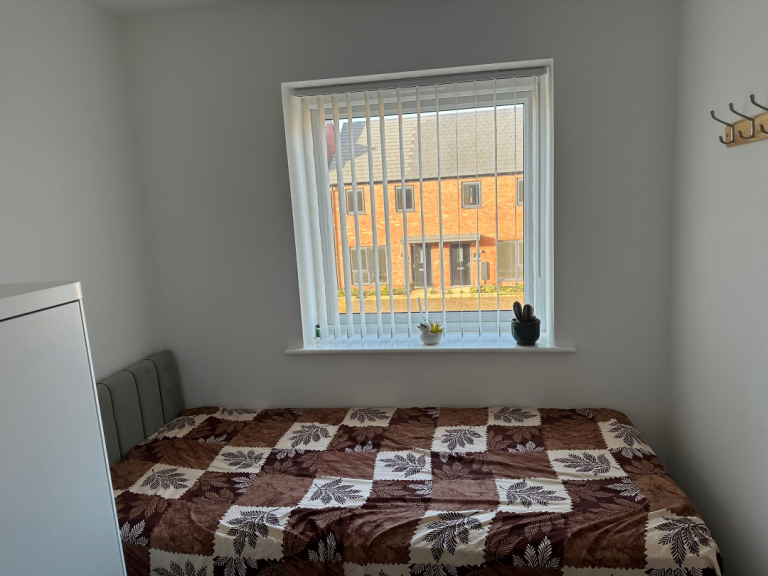
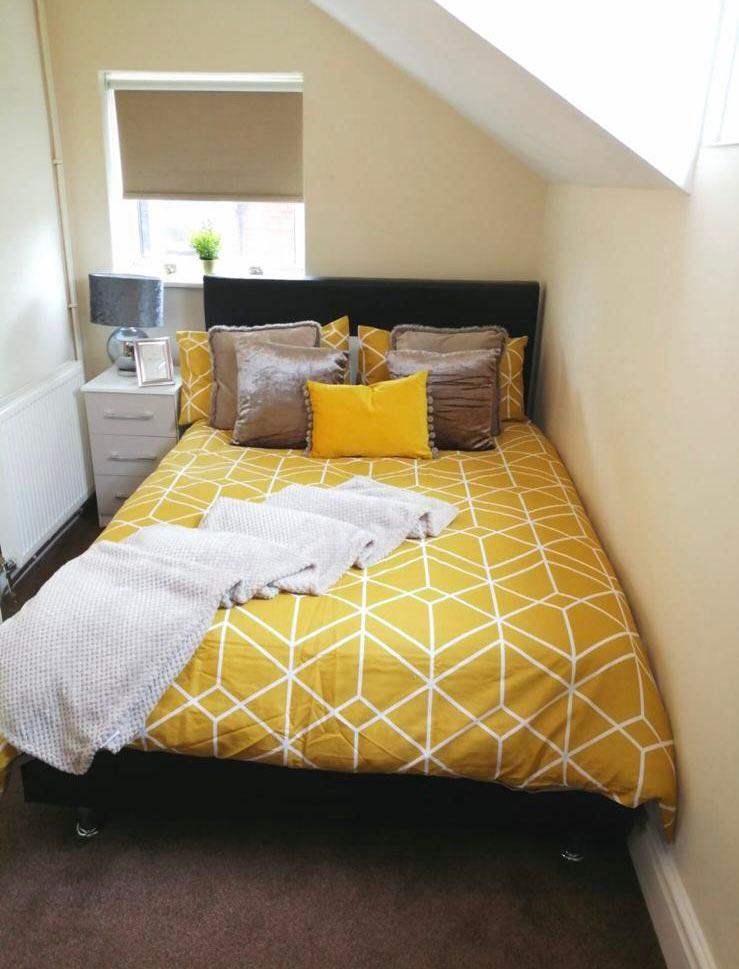
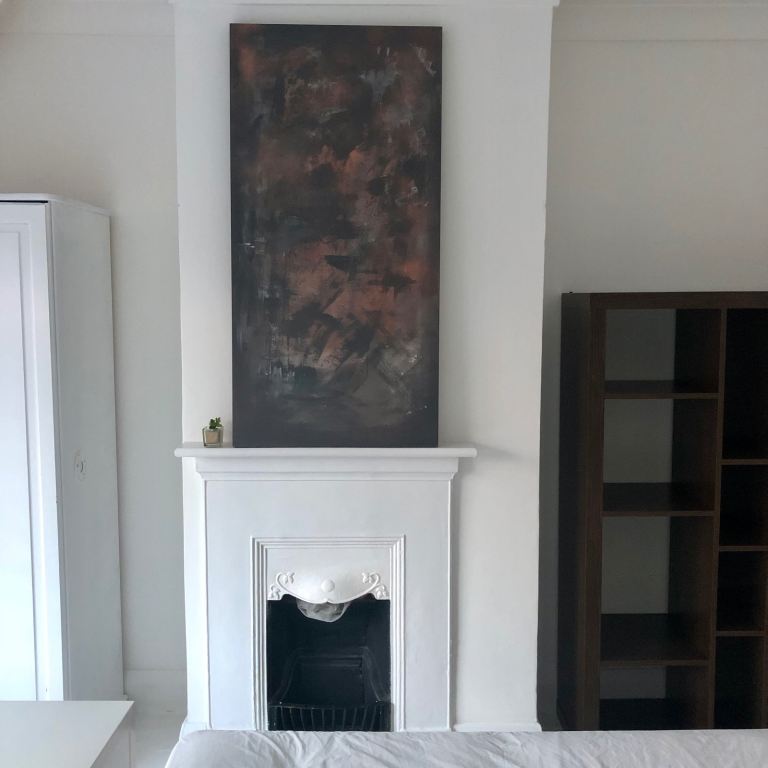
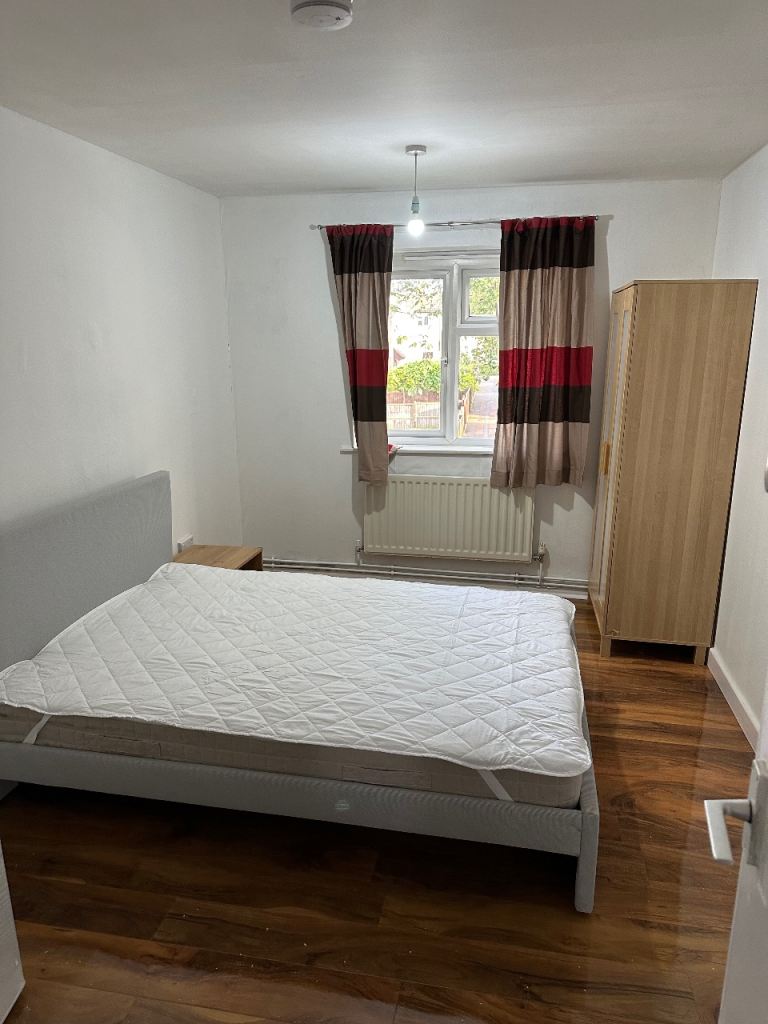
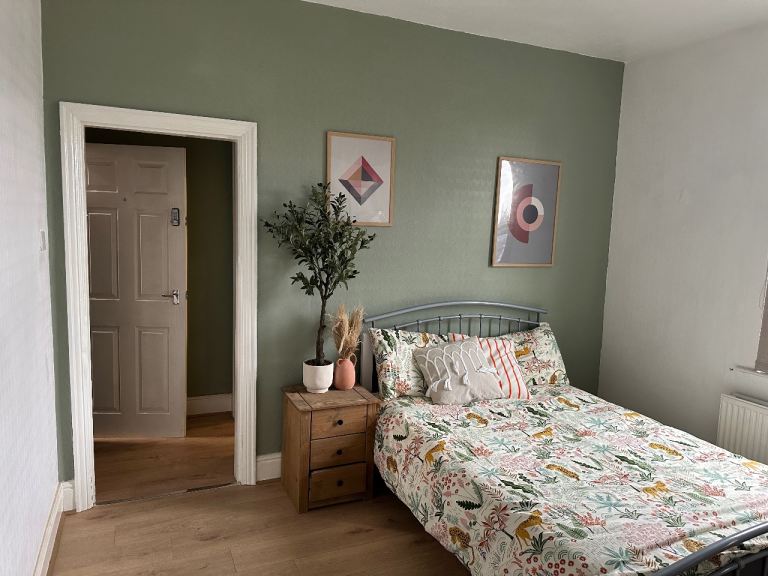
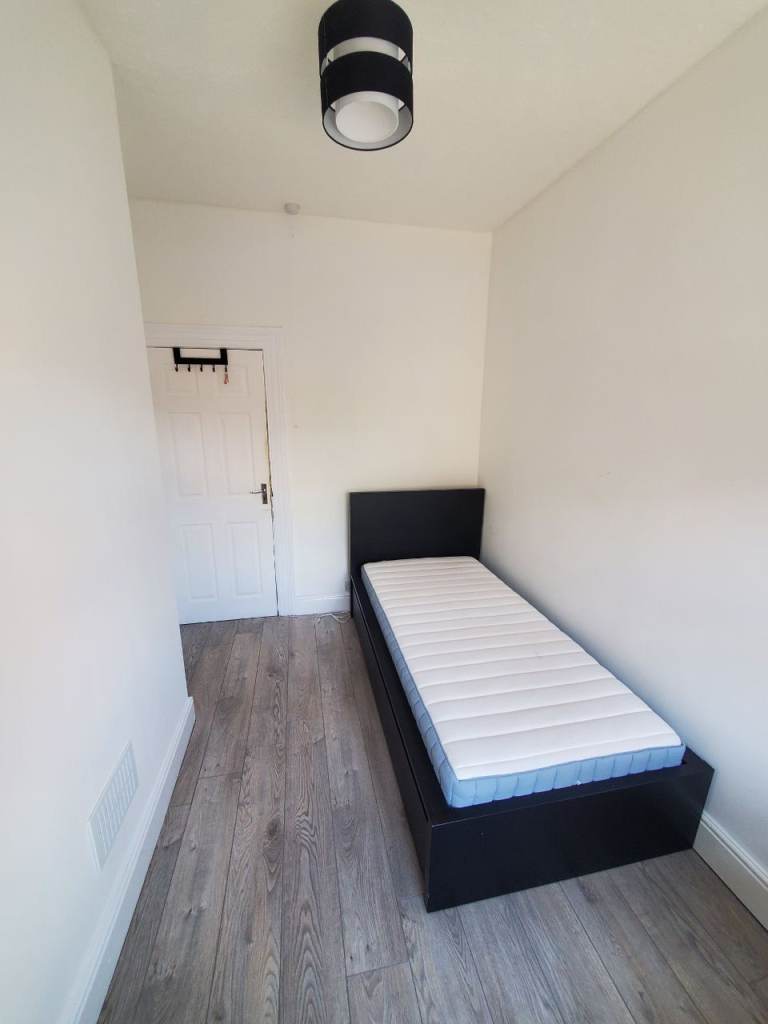
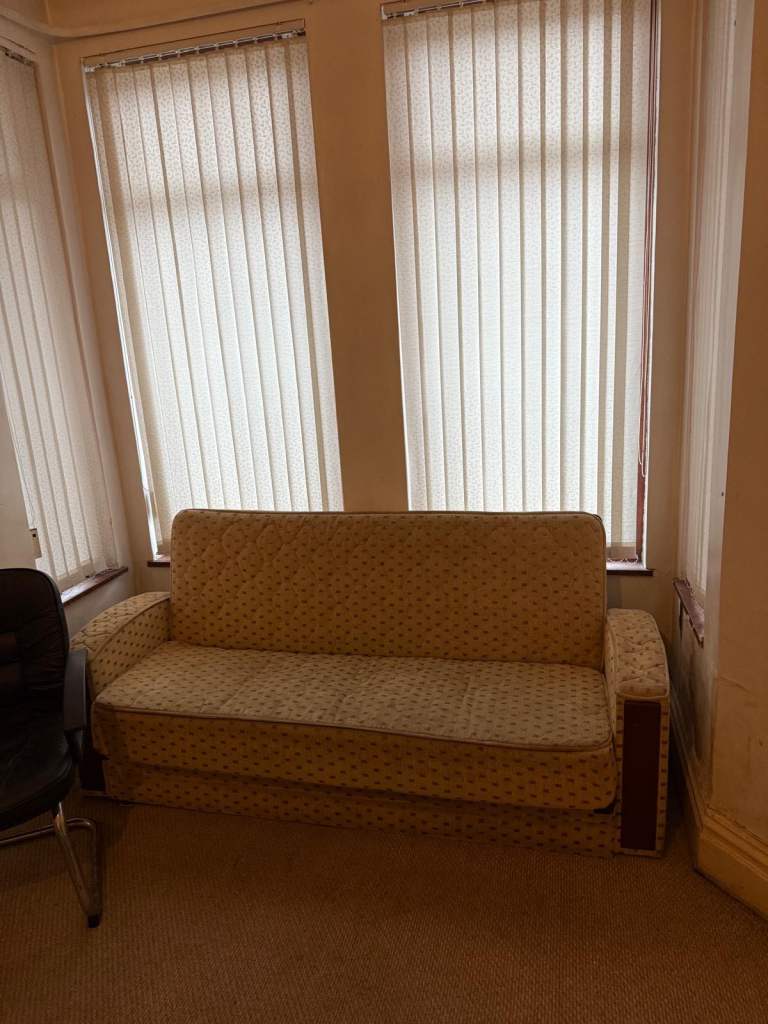
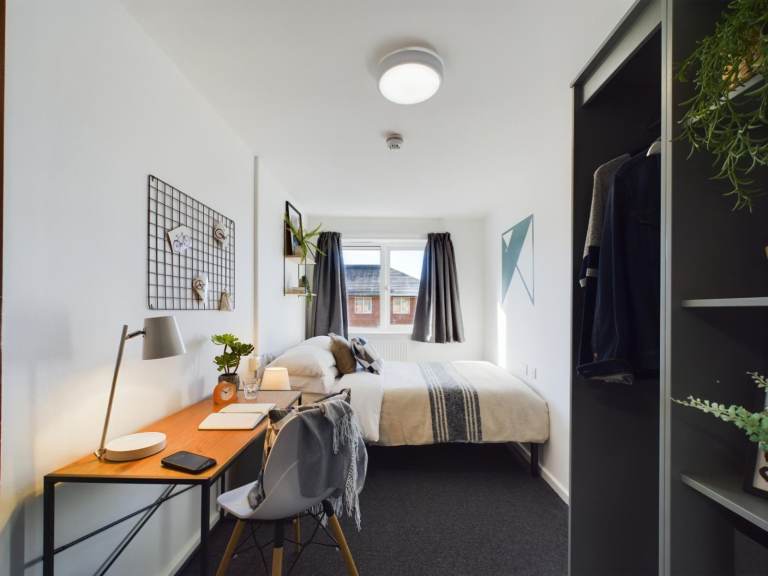
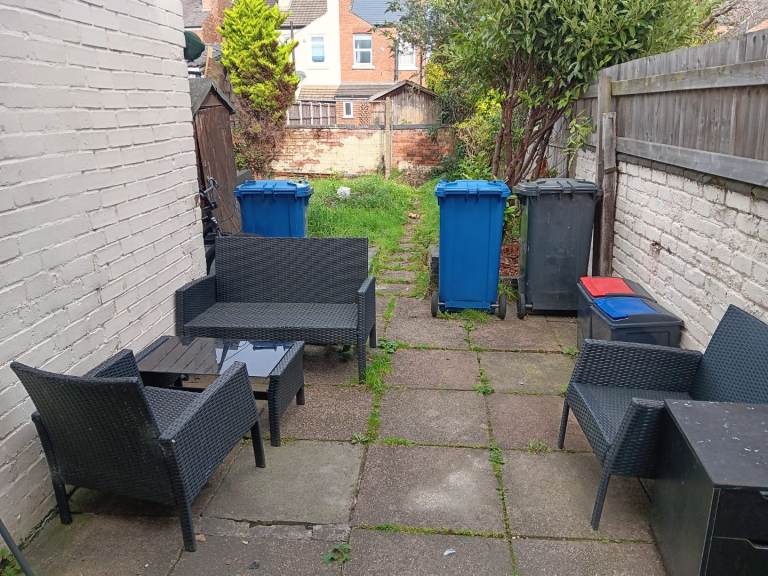
Spacious & Cosy Single Room For Rent AT DE24 9NP
AgencyDate available: 06 Dec 2025House
Sinfin, Derbyshire
£500pm
When viewing a potential property share, carefully inspect the condition of the room and the shared spaces (kitchen, bathroom, living room). Check for cleanliness, signs of damp or mould, and whether the existing tenants are respectful of the property. Ask about the heating system, hot water availability, and any shared responsibilities for cleaning or maintenance.
It's essential to understand the lifestyle and habits of your potential flatmates. Ask about their working hours, social habits, cleanliness preferences, and whether they have guests over frequently. Discussing these aspects upfront can help avoid future conflicts and ensure a harmonious living environment. Also, clarify how bills are split and managed.
Ensure you have a written tenancy agreement that clearly outlines your rights and responsibilities, including the rent amount, deposit details, and notice period. Understand whether you are a 'lodger' (sharing accommodation with the landlord) or a tenant with more extensive rights. Landlords are legally required to protect your deposit in a government-approved scheme.
Arrange viewings during daylight hours if possible, and consider bringing a friend or family member with you. Trust your instincts; if anything feels uncomfortable or unsafe, leave the property. Before agreeing to anything, research the area and check crime statistics to ensure it's a safe neighbourhood. Ensure there are working smoke alarms on each floor.
Clarify which utilities and bills are included in the rent. Common inclusions are gas, electricity, water, council tax, and internet. Some landlords may also include a TV licence. It's crucial to understand the payment arrangements (e.g., whether bills are split equally or based on usage) to avoid unexpected expenses.