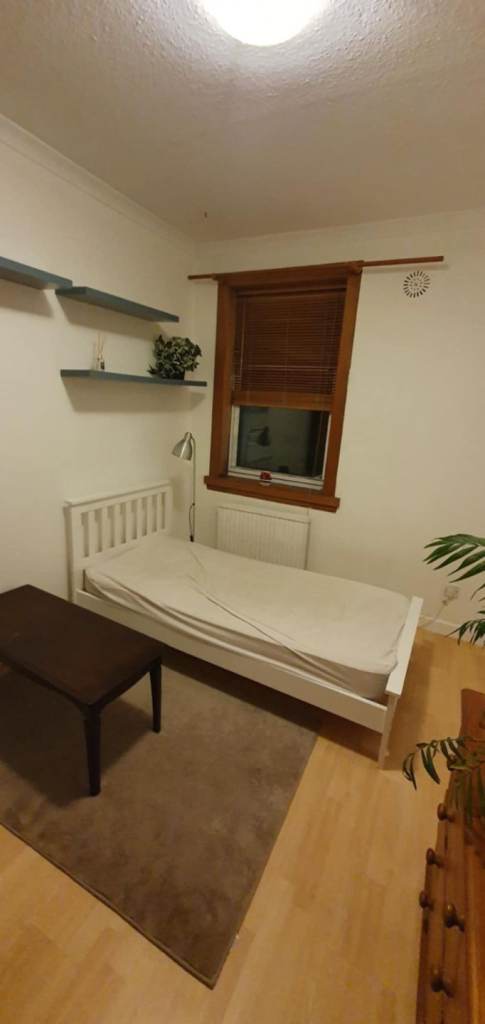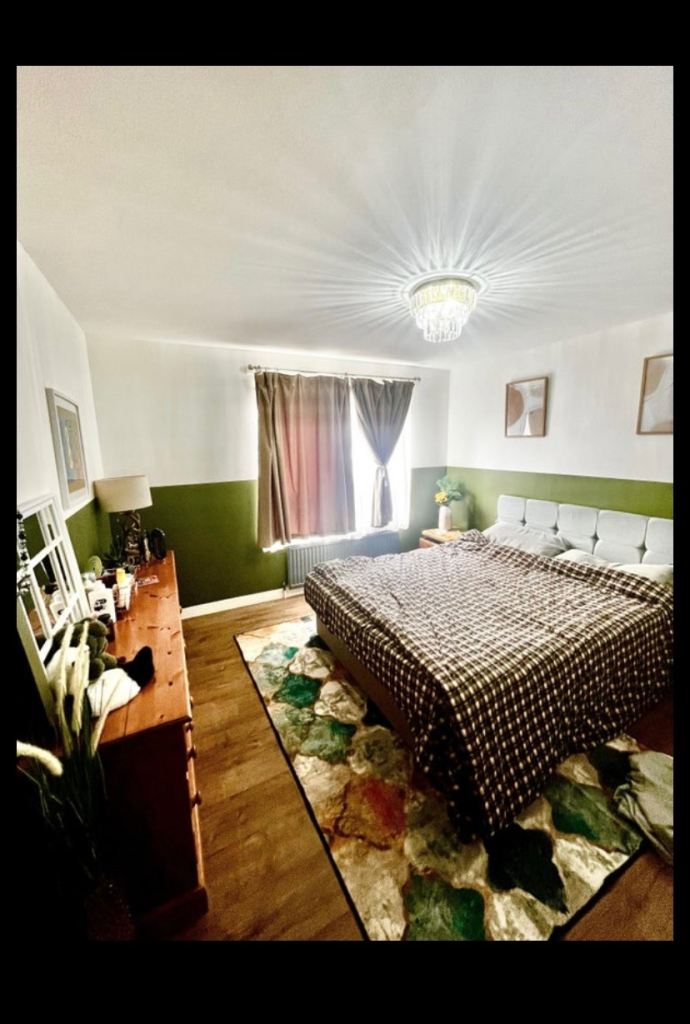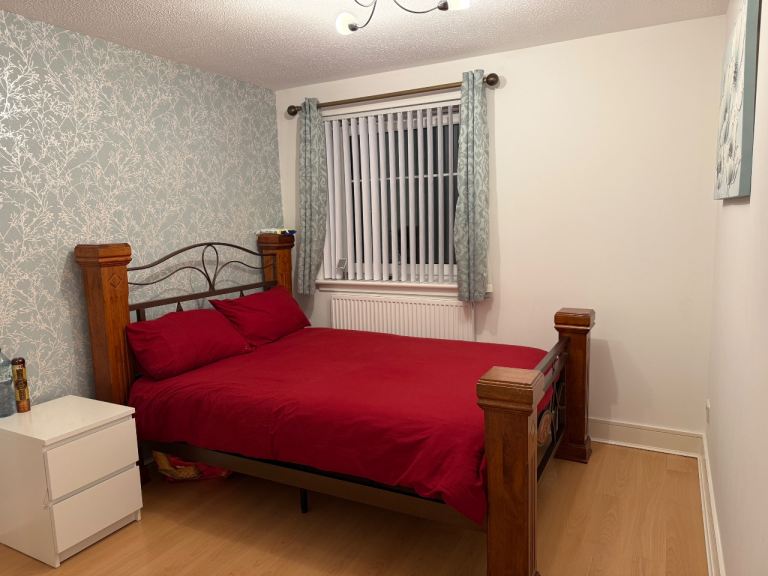
6
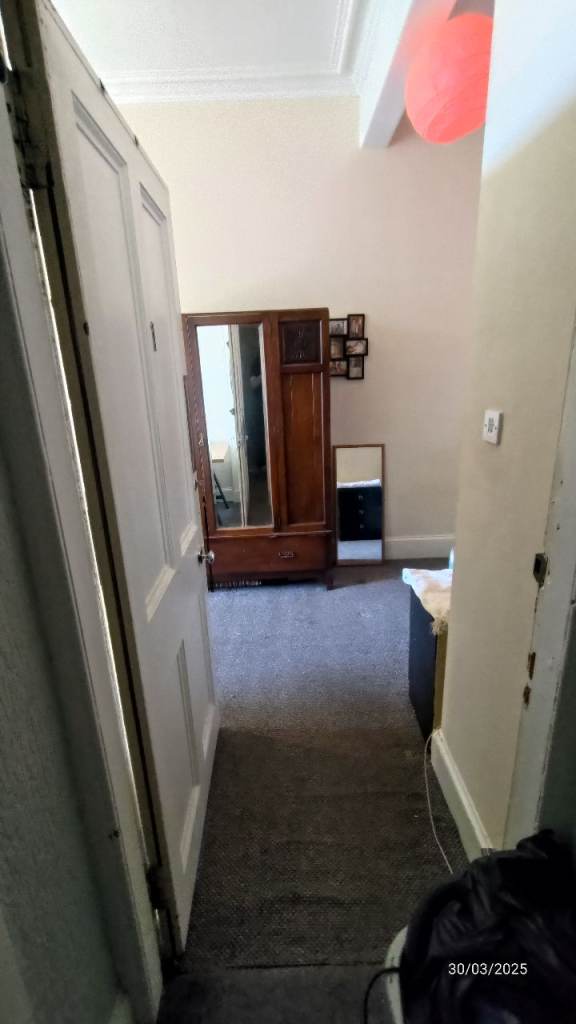
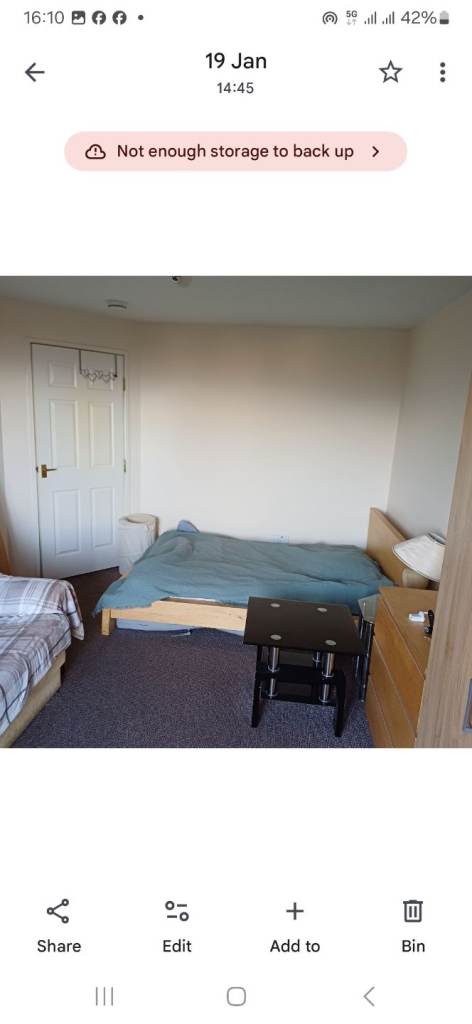
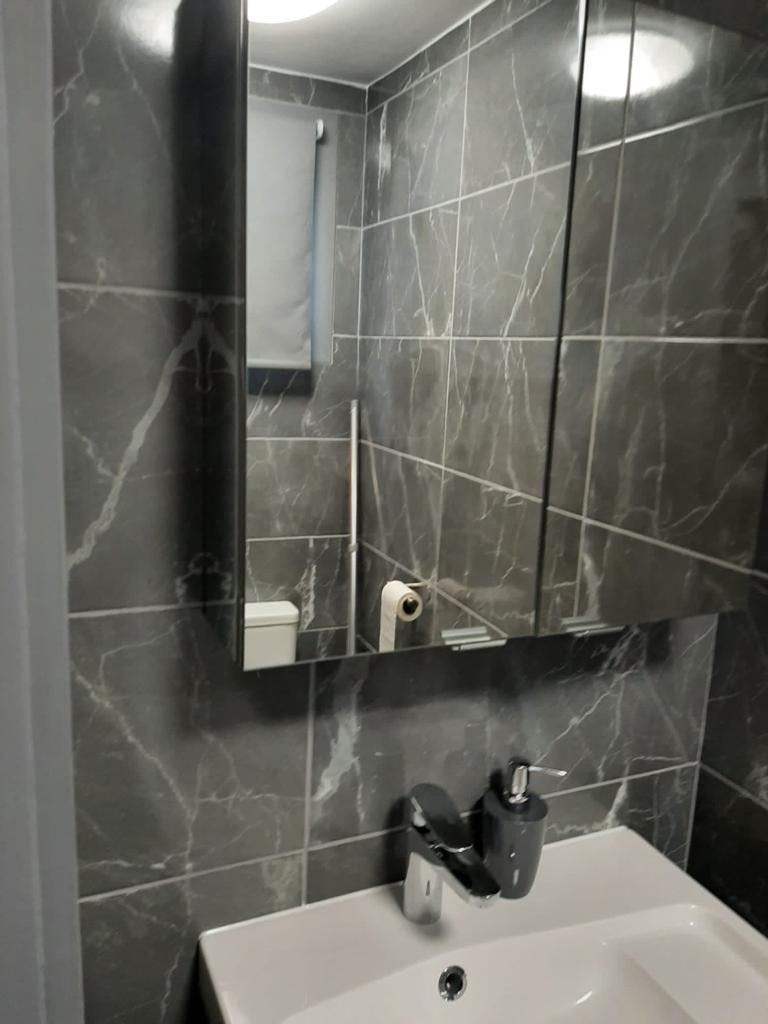
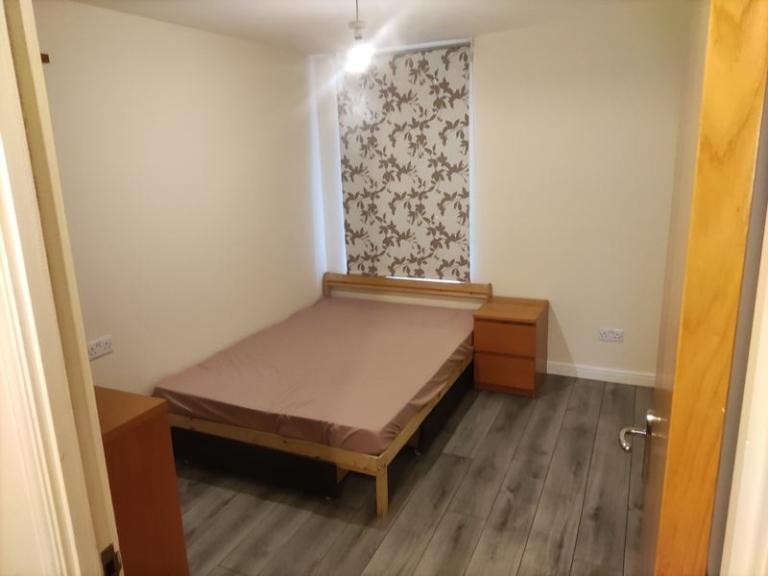
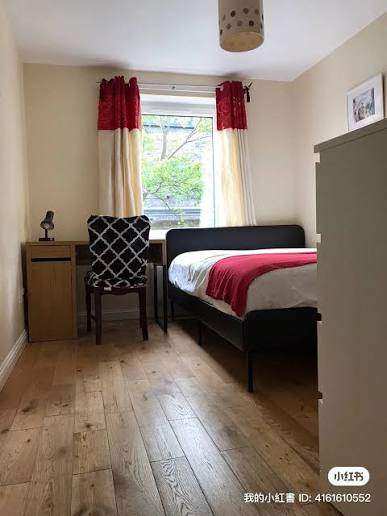
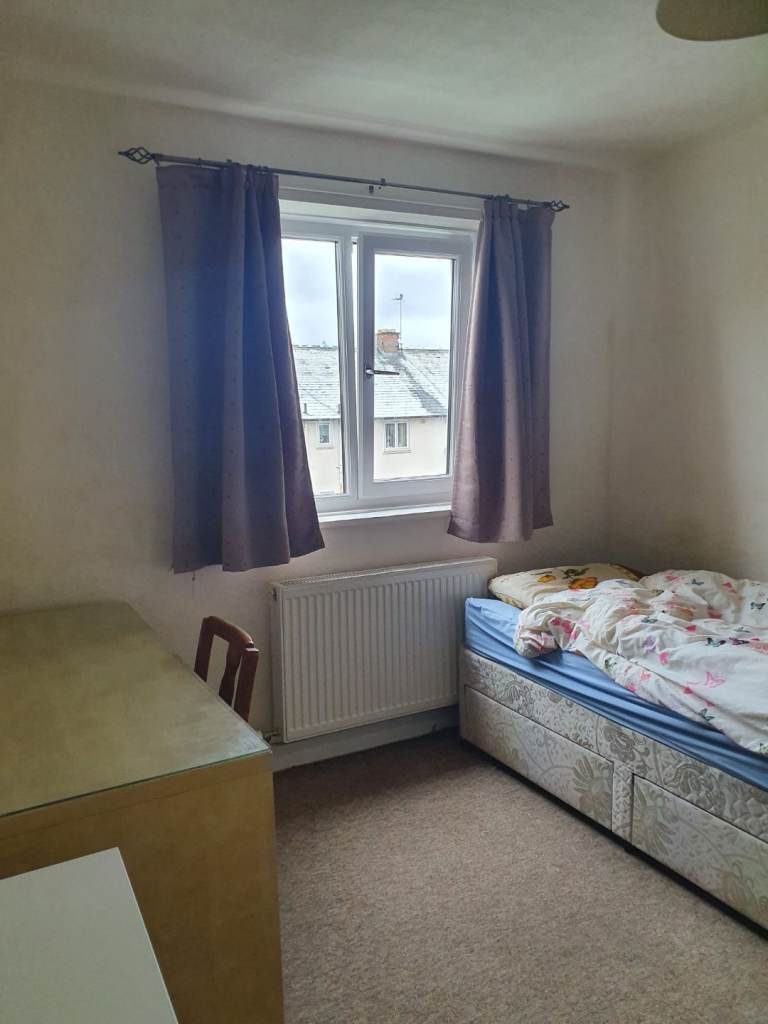
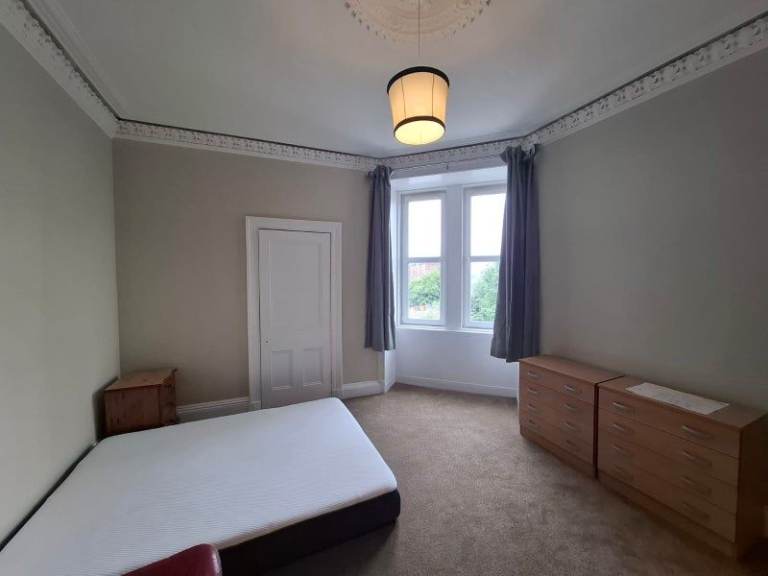
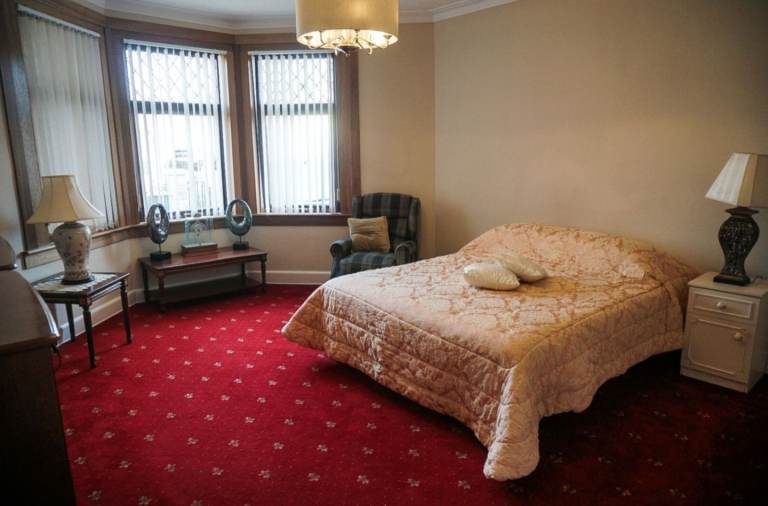
Double room for rent
PrivateDate available: 01 Feb 2026Flat
Stenhouse, Edinburgh
£600pm
Ensure the tenancy agreement clearly outlines your rights and responsibilities, including the rent amount, payment schedule, deposit amount and protection scheme, notice period, and house rules. In Scotland, most private residential tenancies are now 'private residential tenancies', offering more security than older types. Check for clauses regarding bills, repairs, and guest policies.
Arrange viewings during daylight hours whenever possible. Let a friend or family member know where you're going and when you expect to be back. If possible, take someone with you. Be aware of your surroundings and trust your instincts. If you feel uncomfortable, leave immediately.
Enquire about the other tenants' lifestyles, cleaning schedules, and noise levels to ensure compatibility. Ask about the landlord's responsiveness to maintenance issues. Clarify who is responsible for paying which bills and how they are split. Also, ask about the internet speed and reliability.
In Scotland, your deposit must be protected in a government-approved tenancy deposit scheme within 30 working days of the start of the tenancy. The landlord must provide you with details of the scheme used. At the end of the tenancy, you are entitled to receive your deposit back, provided you have met the terms of the tenancy agreement and there are no justifiable deductions for damage or unpaid rent. Disputes can be raised with the deposit scheme.
The property must meet certain safety standards, including having working smoke alarms on each floor and a carbon monoxide detector if there are fuel-burning appliances. The property should also be structurally sound and free from hazards like damp or mould. Landlords in Scotland have a legal duty to ensure their properties meet the Repairing Standard.