1
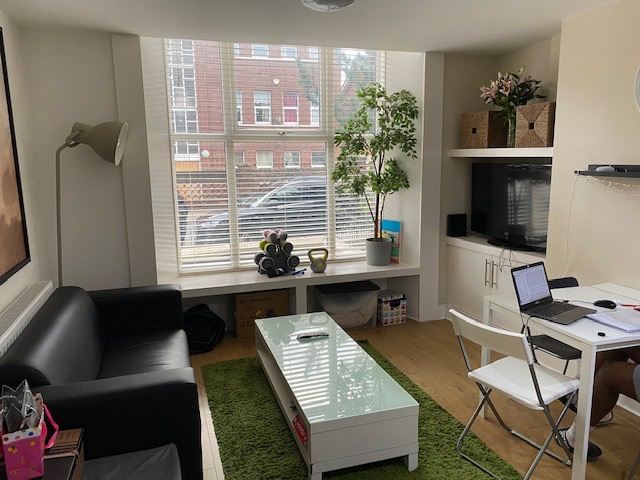
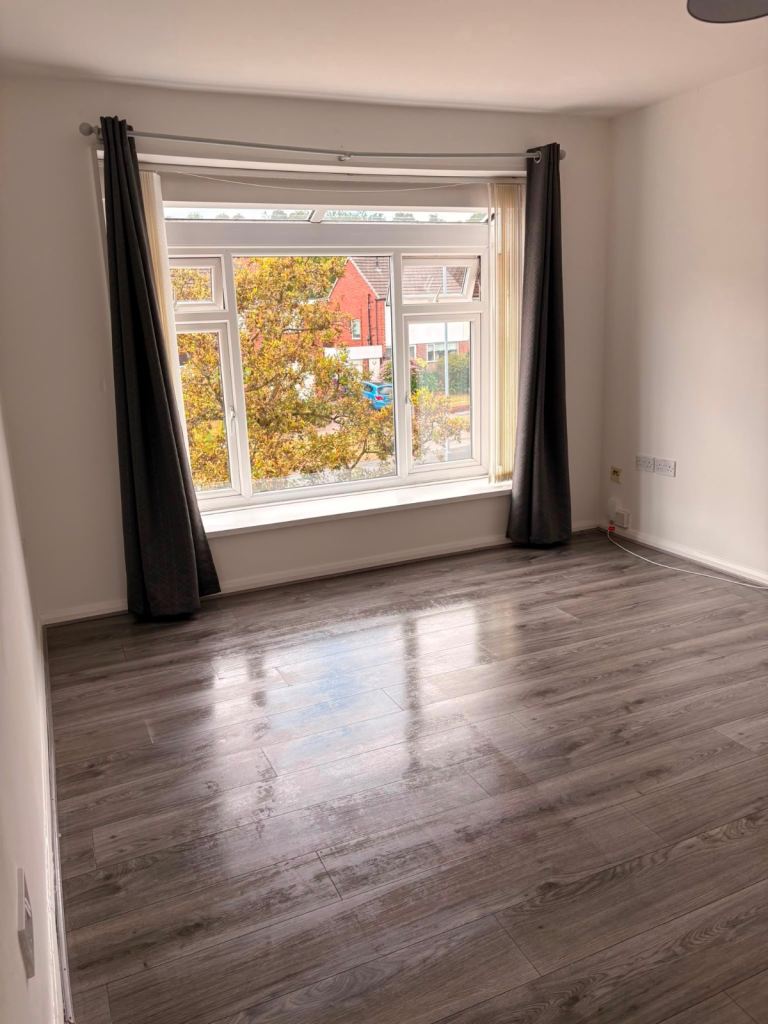
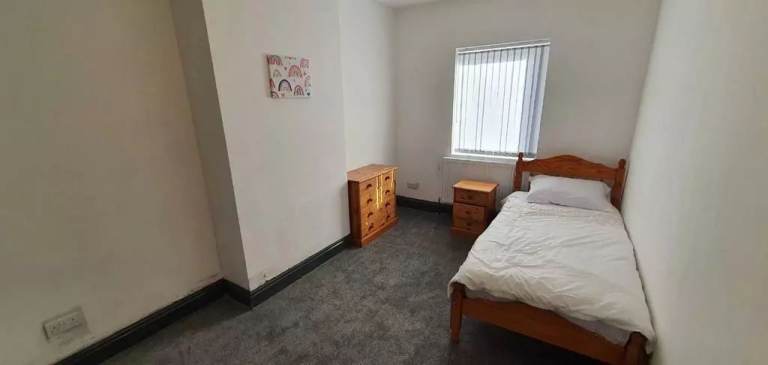
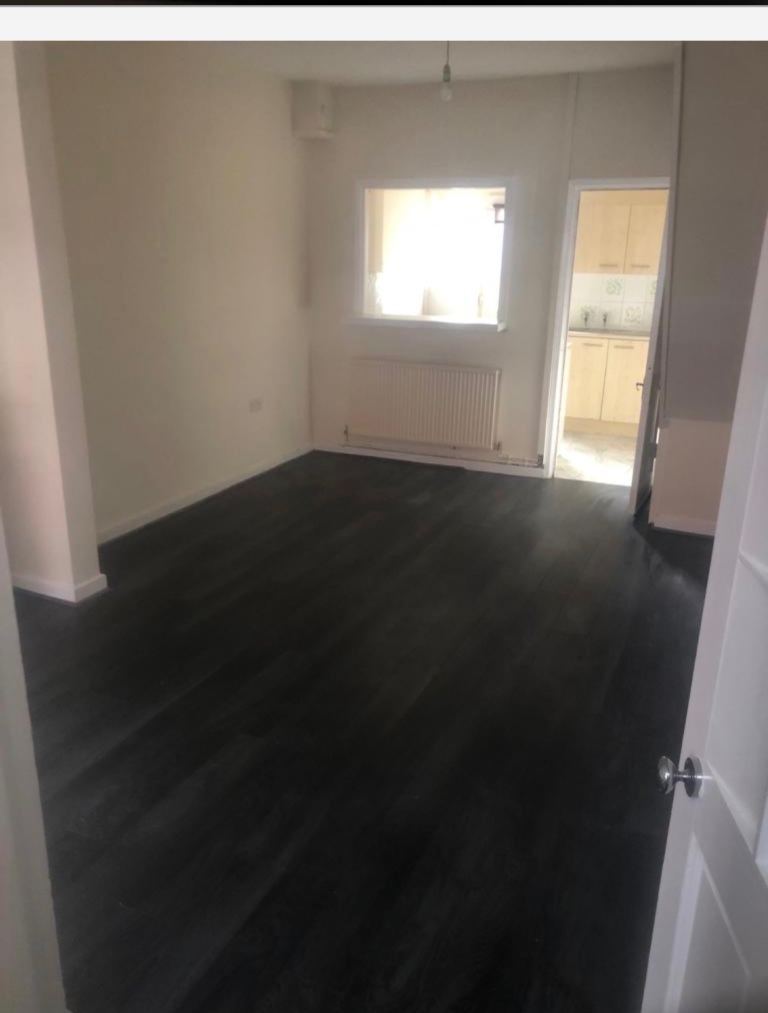
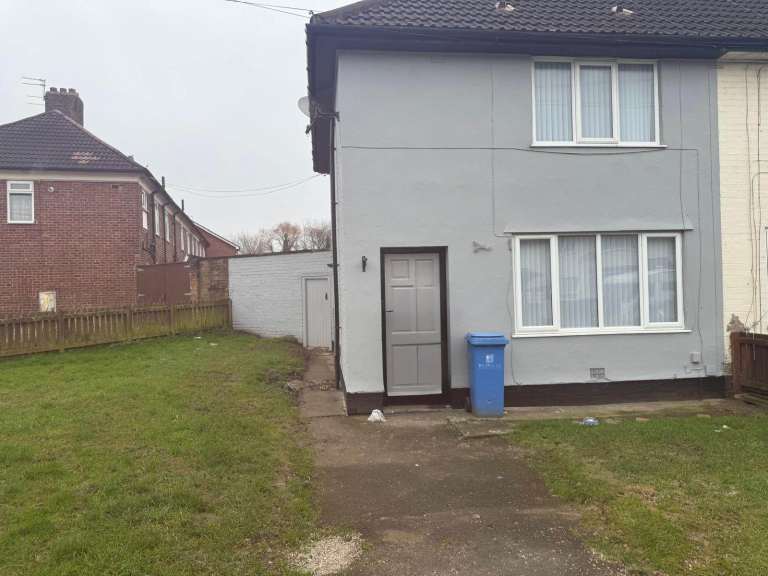
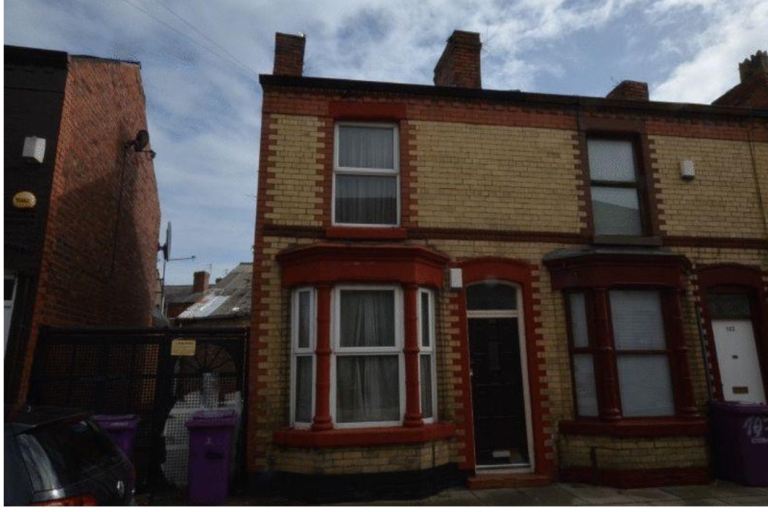
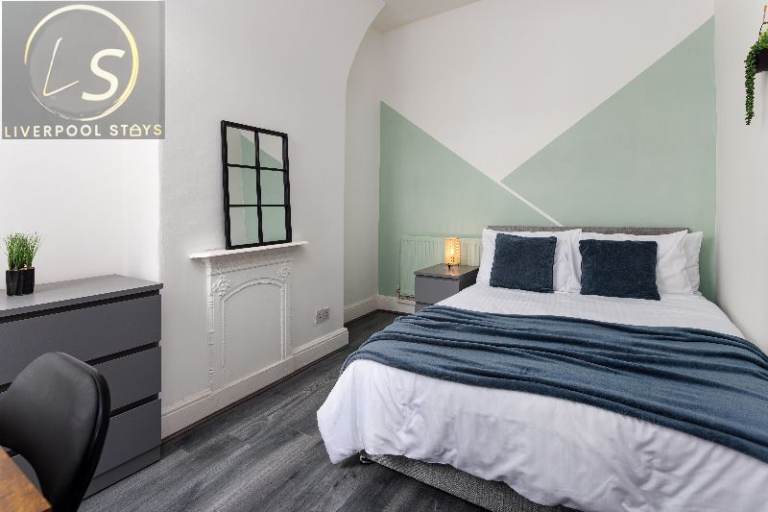
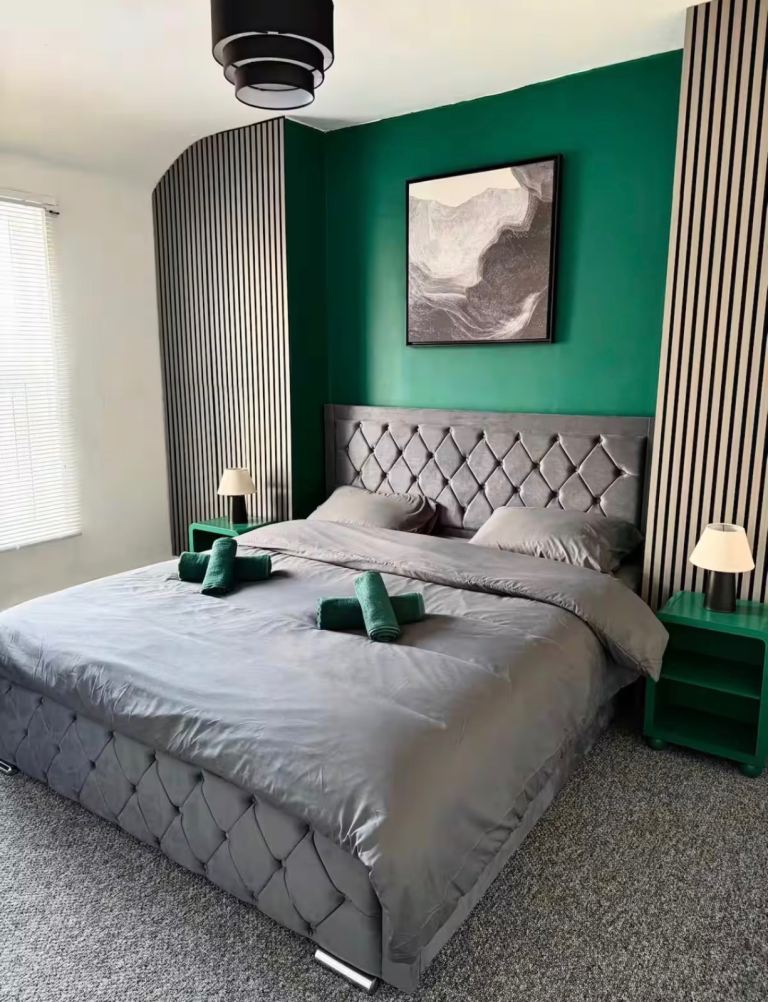
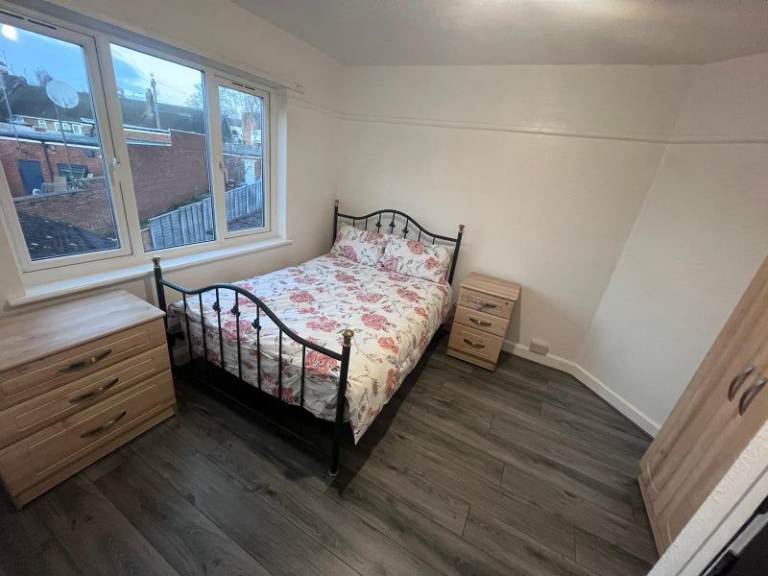
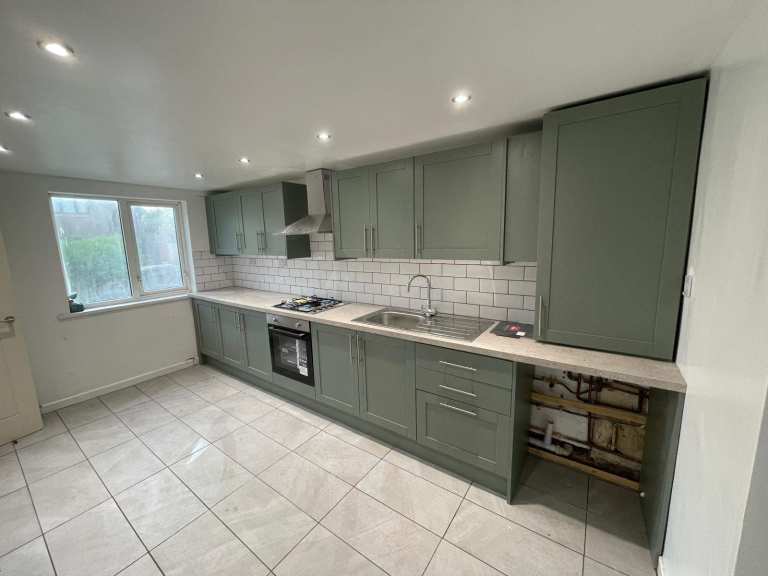
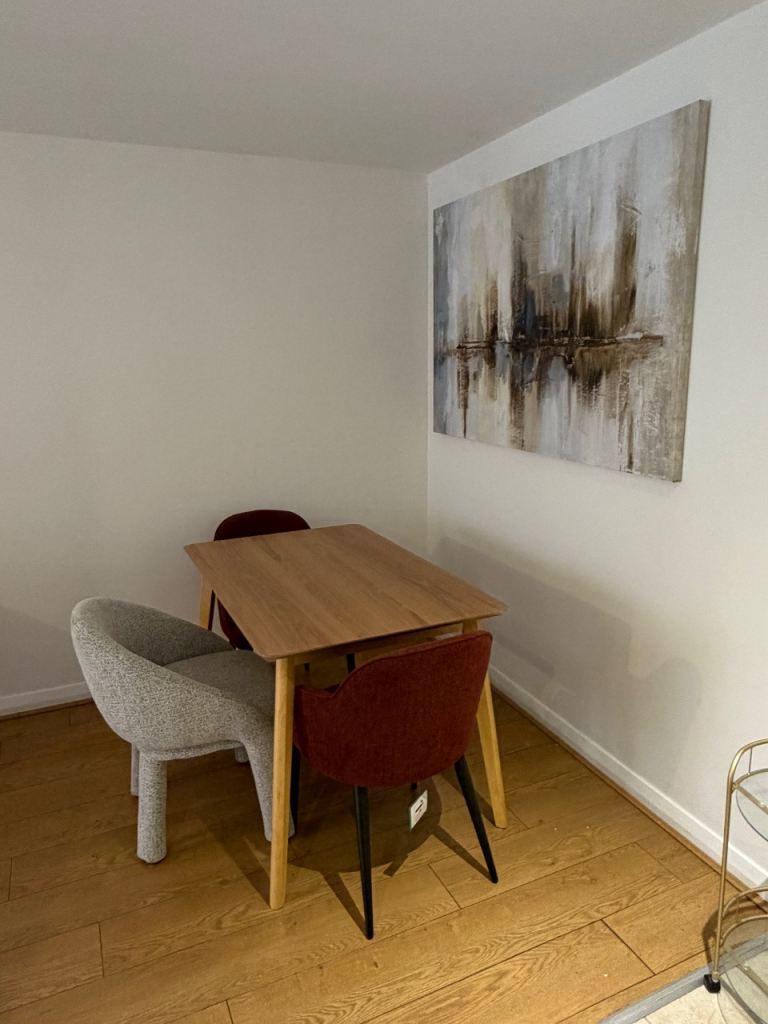
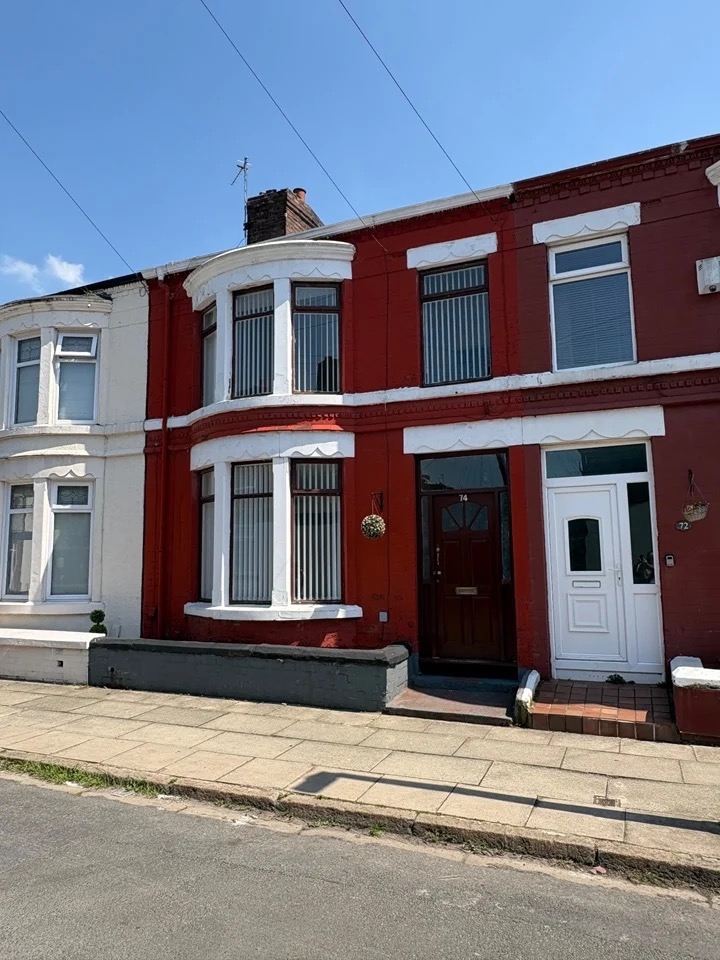
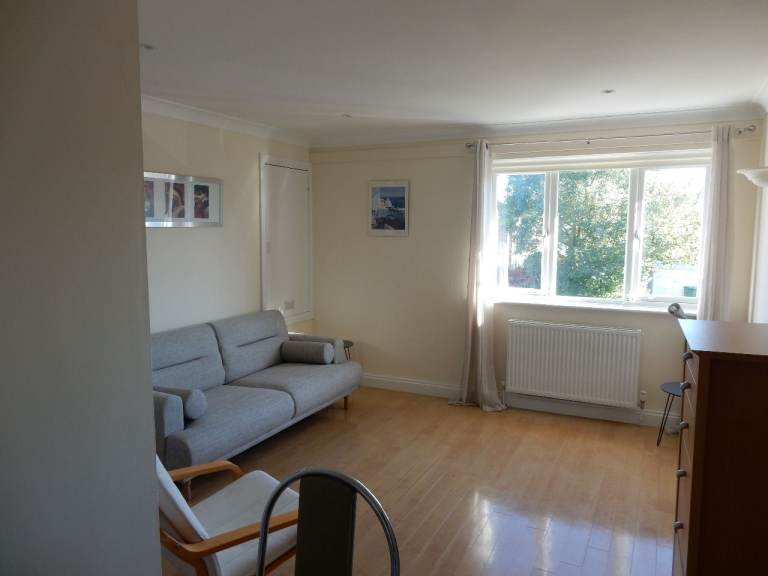
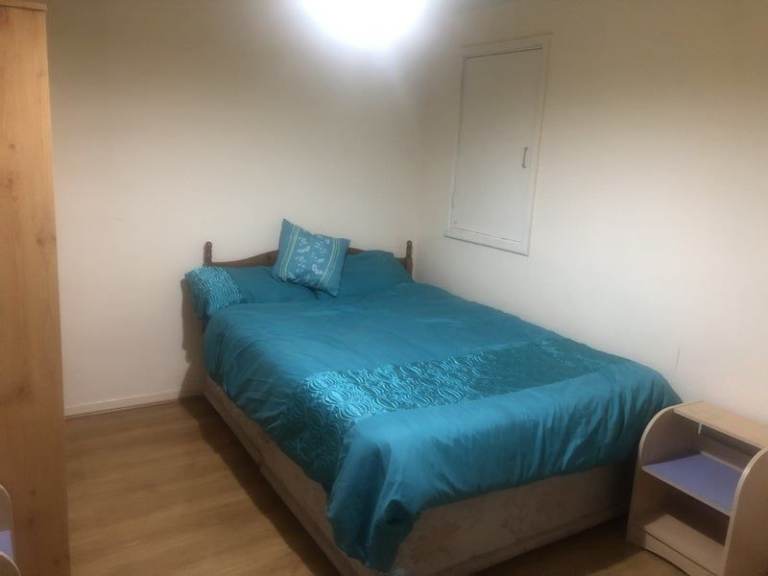
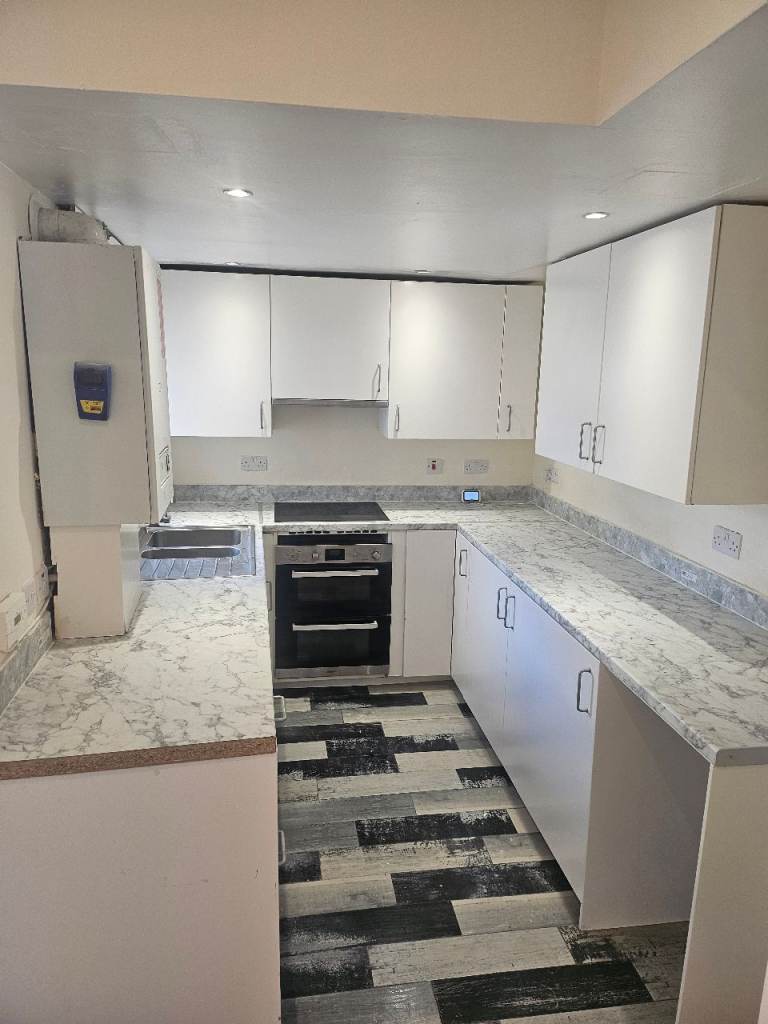
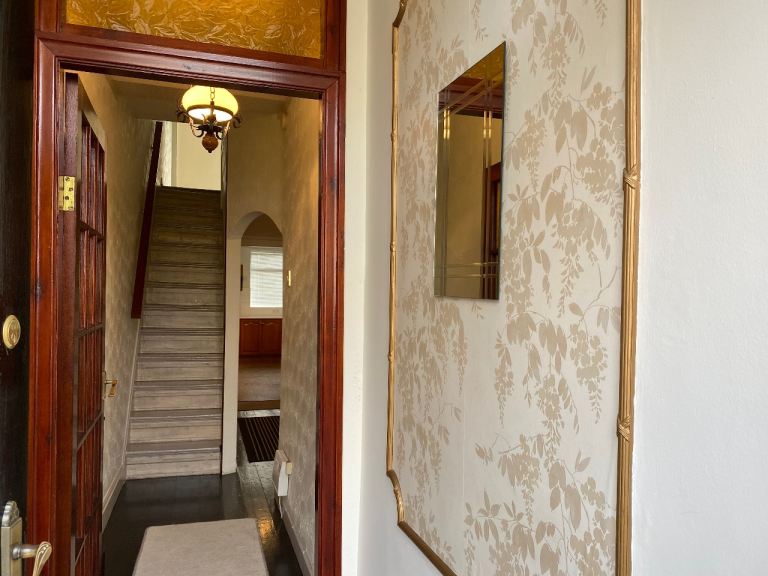
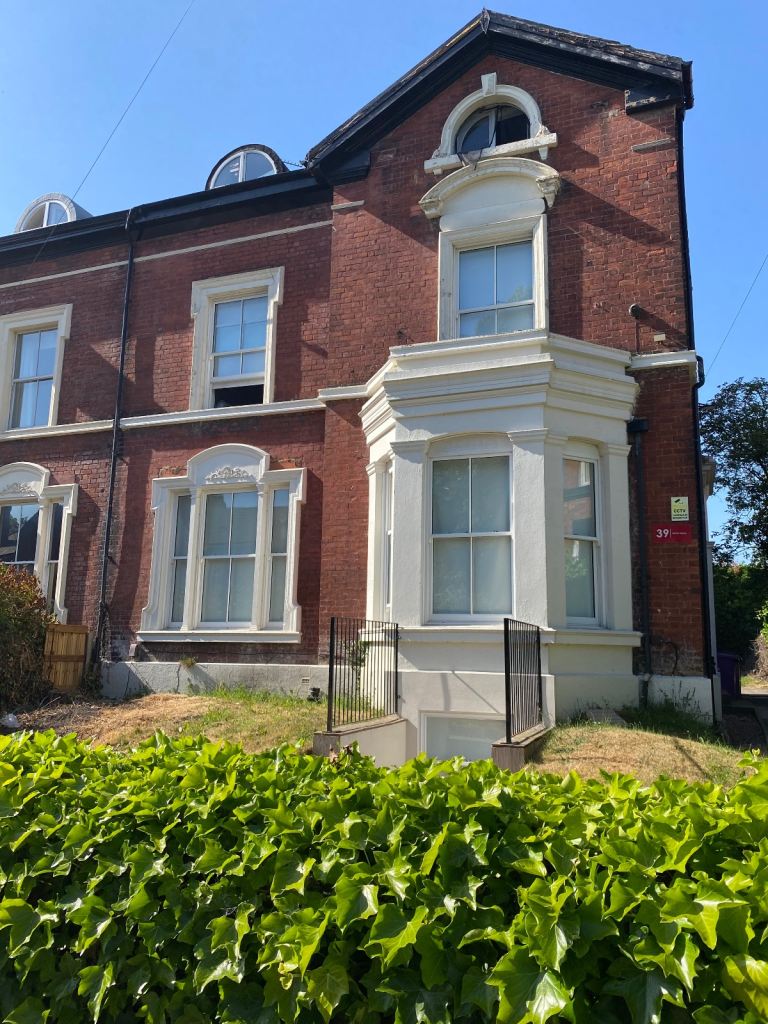
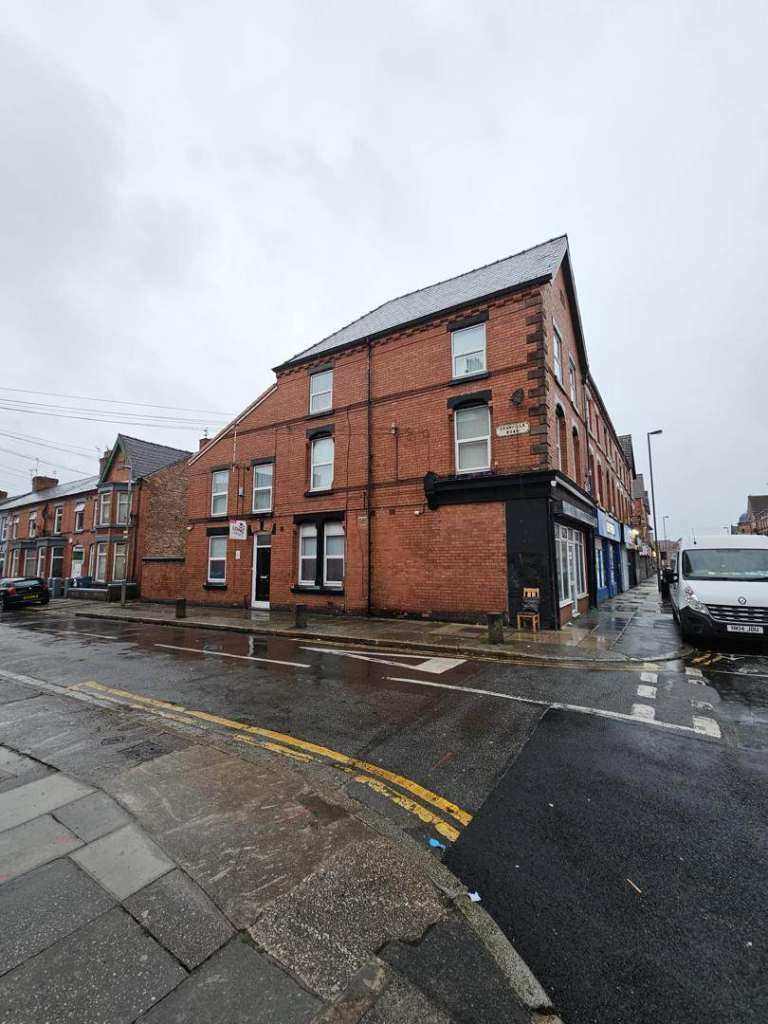
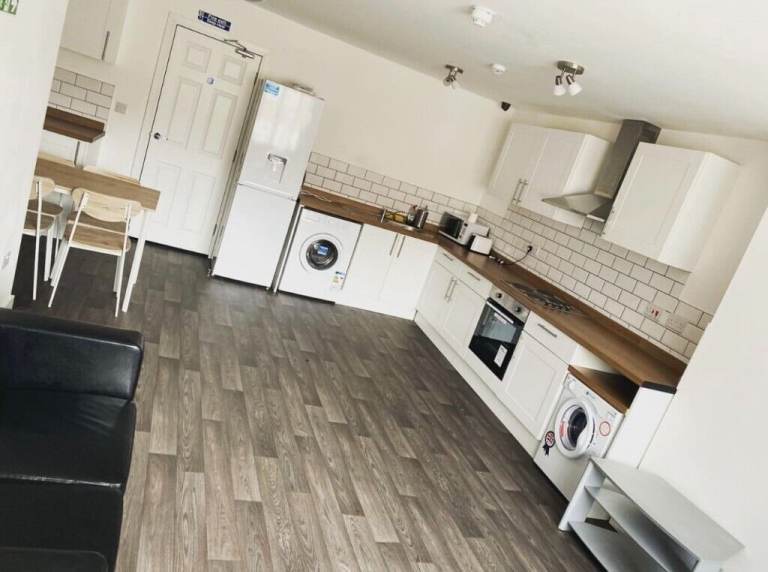
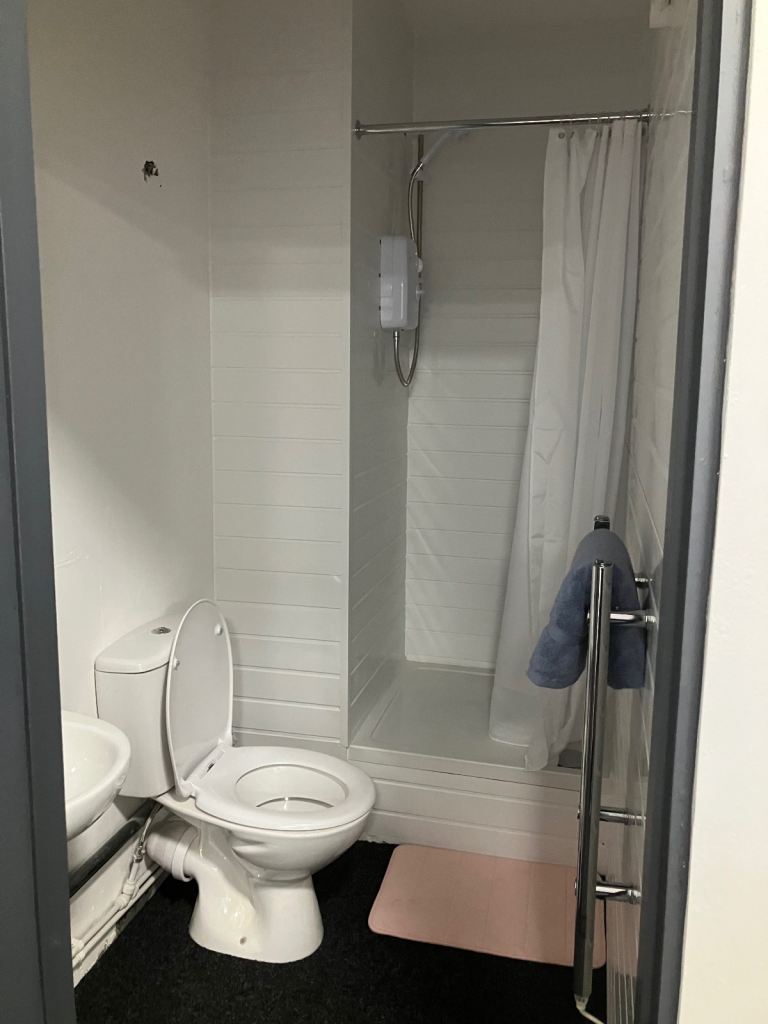
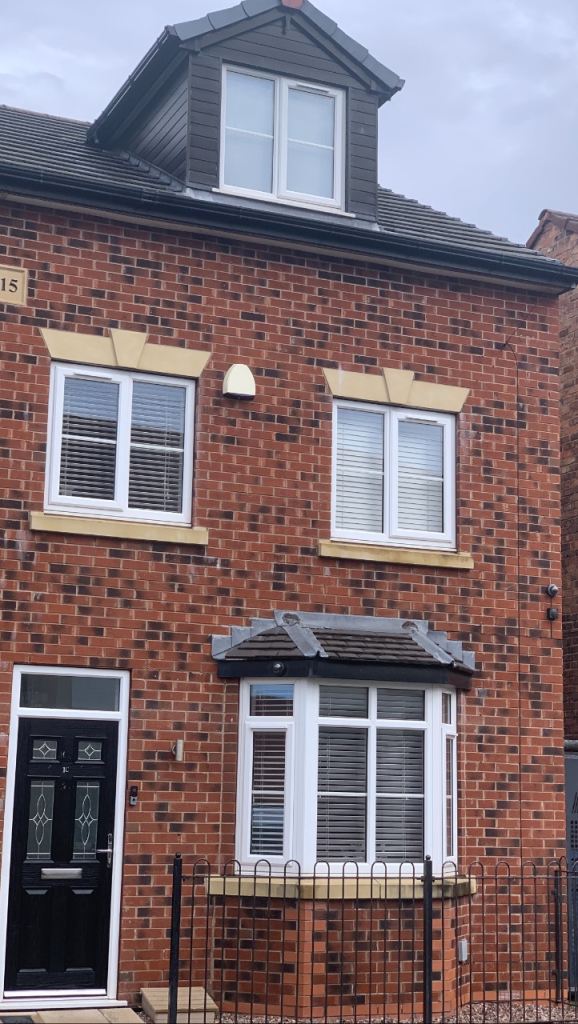
4 bedroom semi-detached house Liverpool 13
PrivateDate available: 18 Jul 2026House4 Beds
Old Swan, Merseyside
£1,250pm
When viewing a property, carefully inspect for any signs of damp, mould, or structural issues. Check that all appliances listed in the inventory are in good working order. Also, pay attention to the overall cleanliness and maintenance of the property. It's wise to take photos or videos of any existing damage before moving in to avoid disputes later.
Landlords in the UK, including Liverpool, must protect your deposit in a government-approved scheme within 30 days of receiving it. They must also provide you with an Energy Performance Certificate (EPC) and a 'How to Rent' guide. Ensure the property has a valid gas safety certificate if it has gas appliances and that smoke alarms are fitted on each storey and carbon monoxide alarms are installed in rooms with a solid fuel burning appliance.
Ask about the length of the tenancy agreement, the deposit amount and how it will be protected, what bills are included (if any), the council tax band, and the landlord's policy on pets and subletting. Also, enquire about the procedure for reporting repairs and how quickly they are typically addressed.
Be wary of landlords asking for large upfront payments before you've viewed the property. Never send money to someone you haven't met in person or whose identity you can't verify. Scammers may also list properties that don't exist or are already occupied. Always view the property in person before signing a tenancy agreement or transferring any funds.
In England, a landlord can only ask for a maximum deposit of 5 weeks' rent if your annual rent is less than £50,000, or 6 weeks' rent if it's £50,000 or more. Your landlord must protect your deposit in a government-approved deposit protection scheme (DPS). They must also provide you with details of the scheme within 30 days of receiving your deposit. At the end of the tenancy, you should receive your deposit back promptly, minus any agreed-upon deductions for damages or unpaid rent.