4
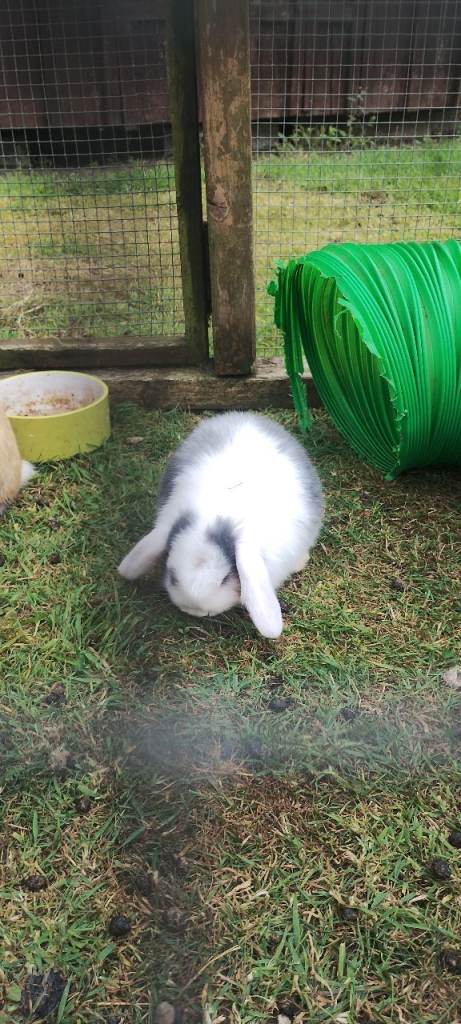
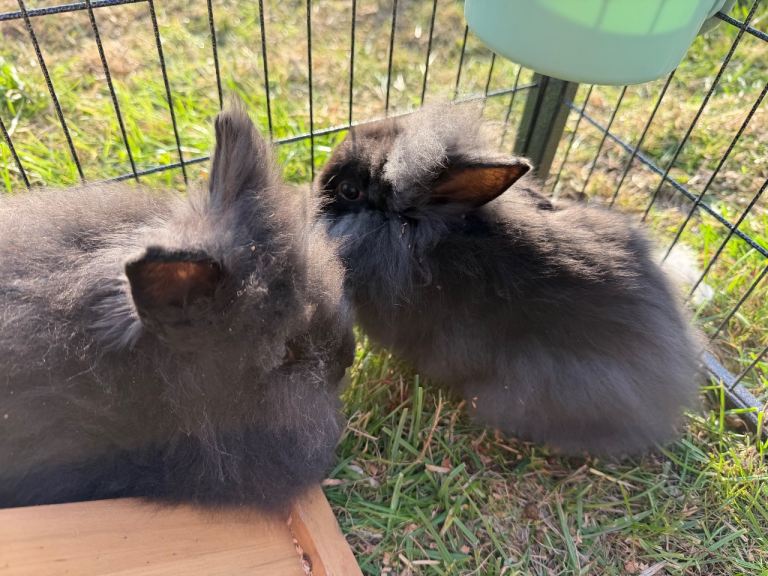
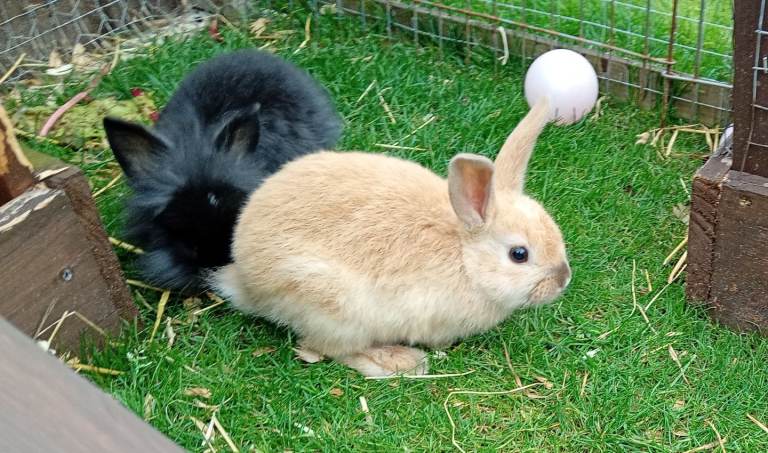
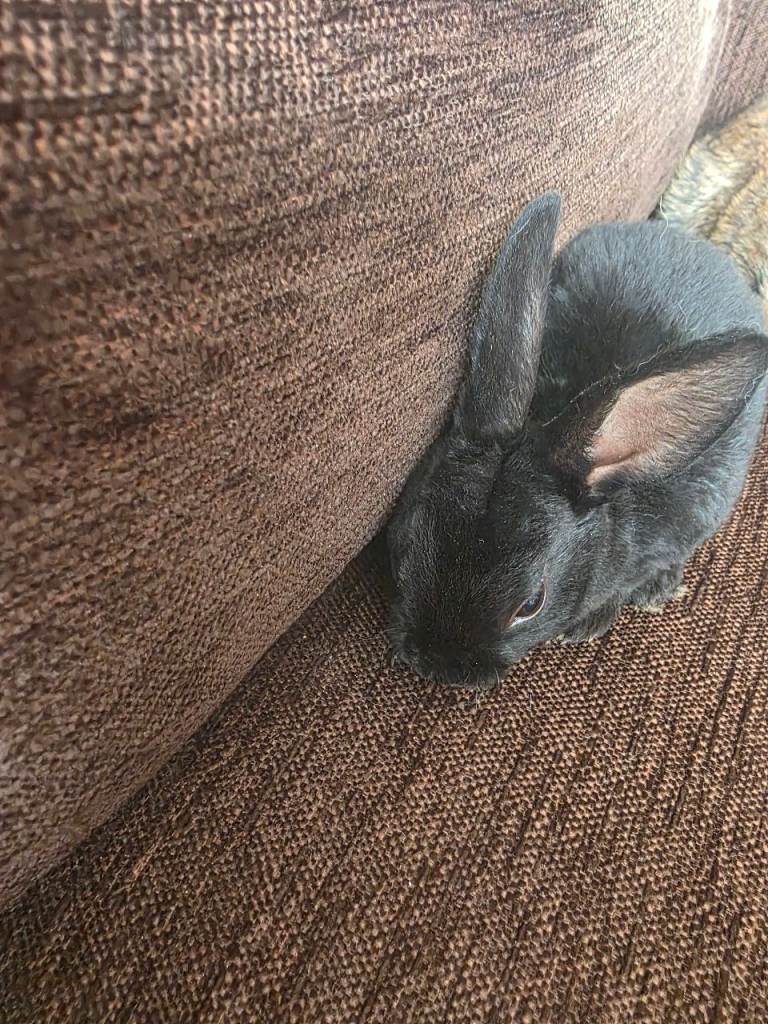
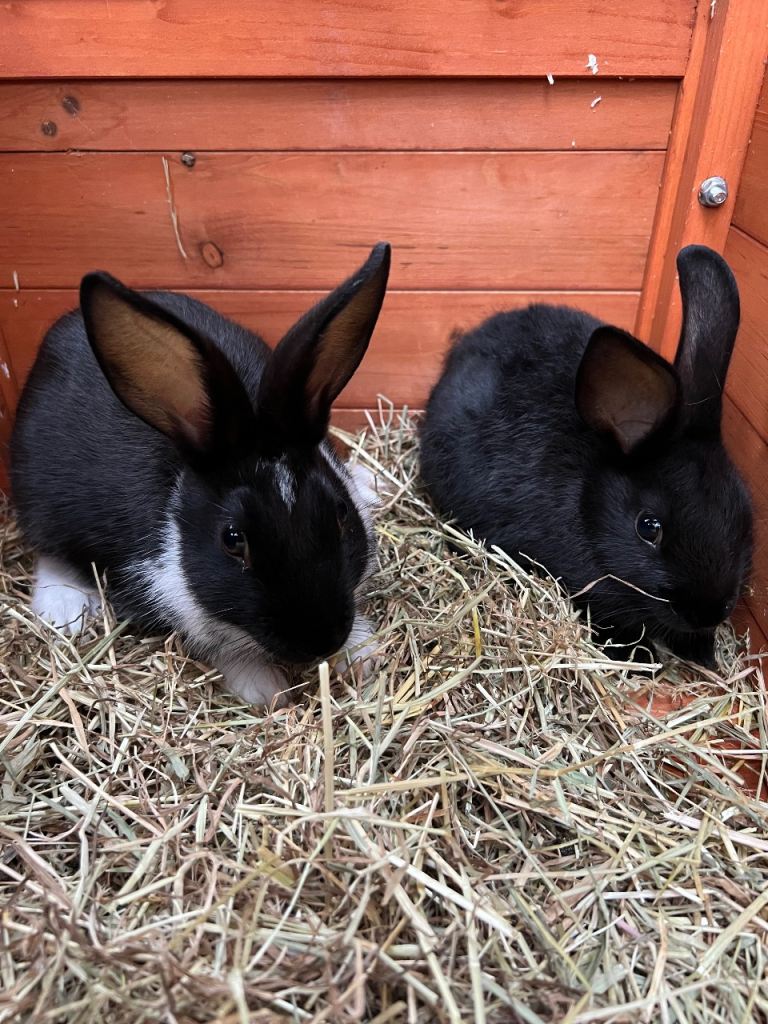
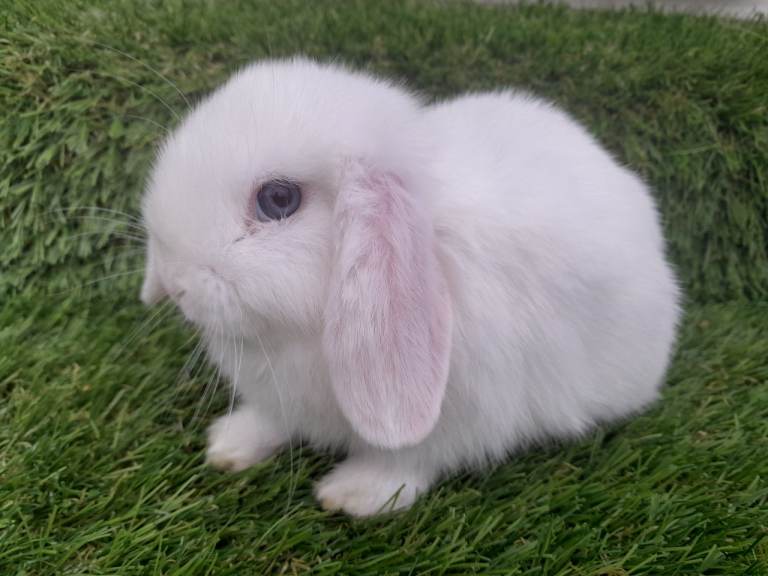
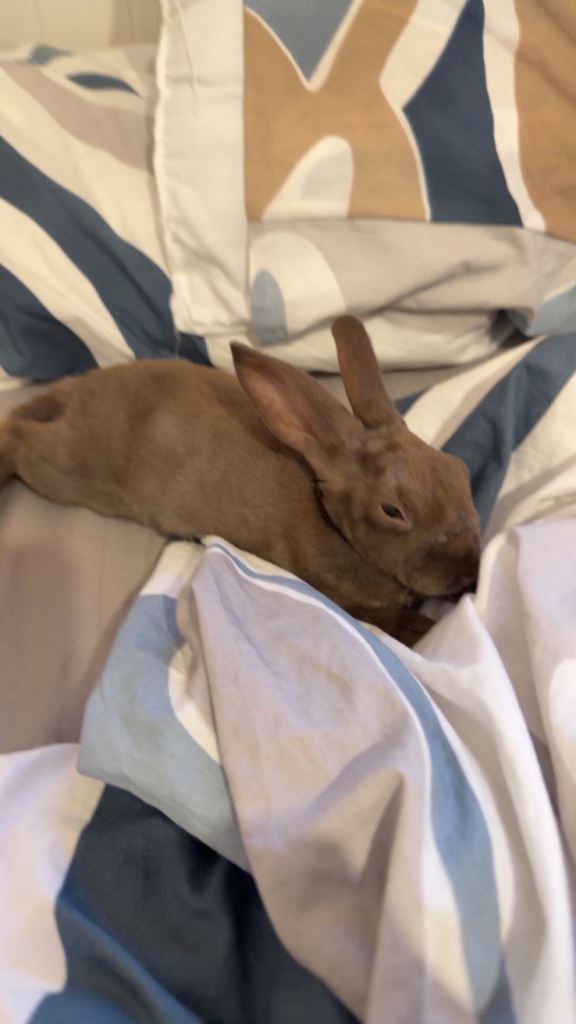
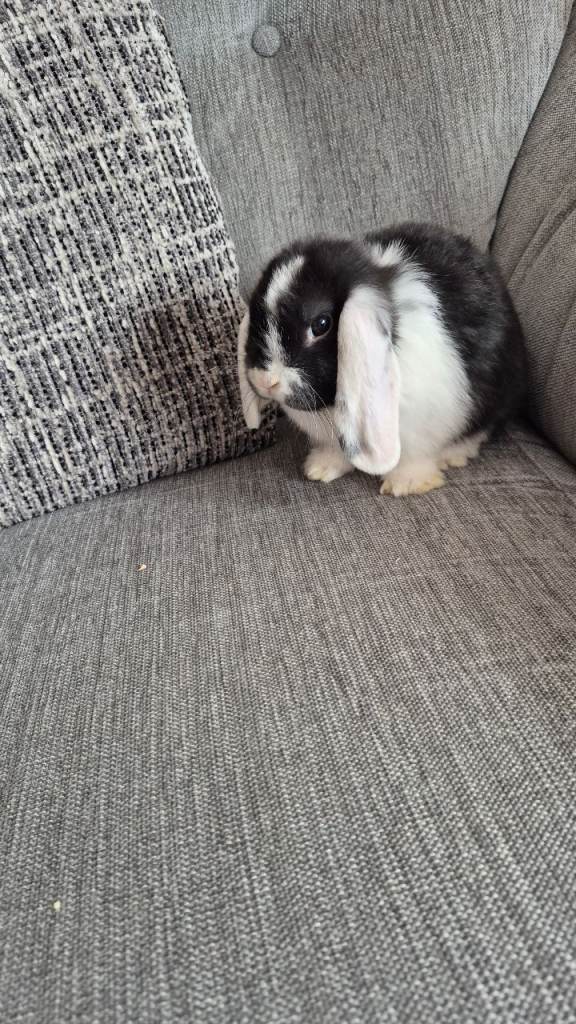
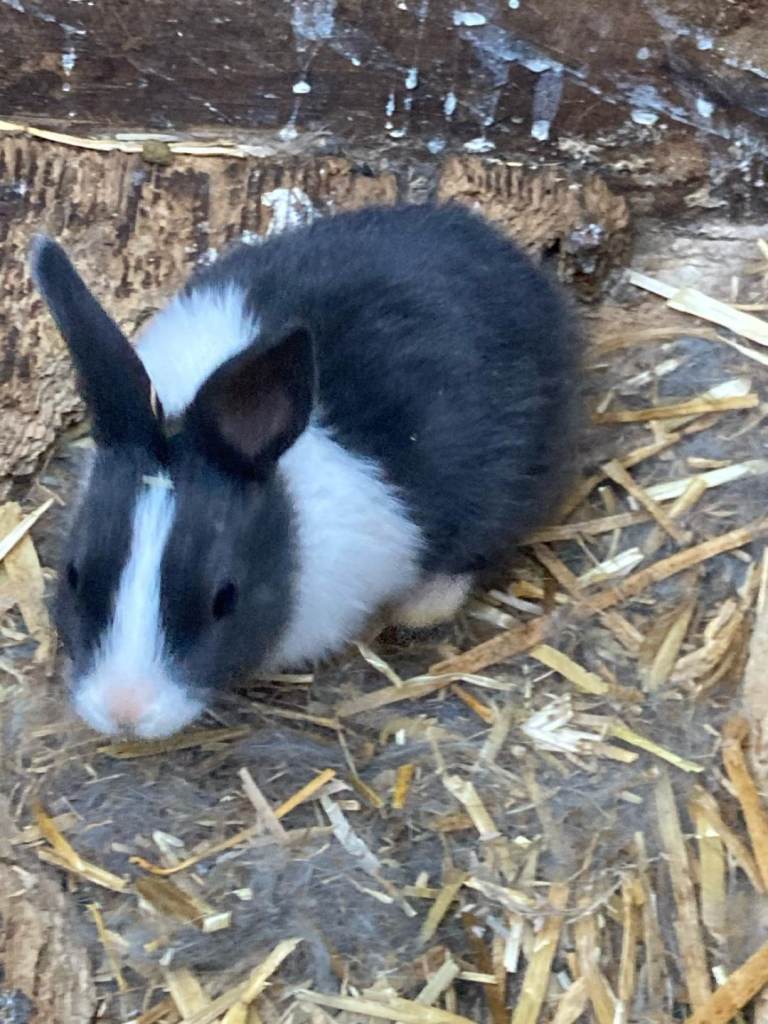
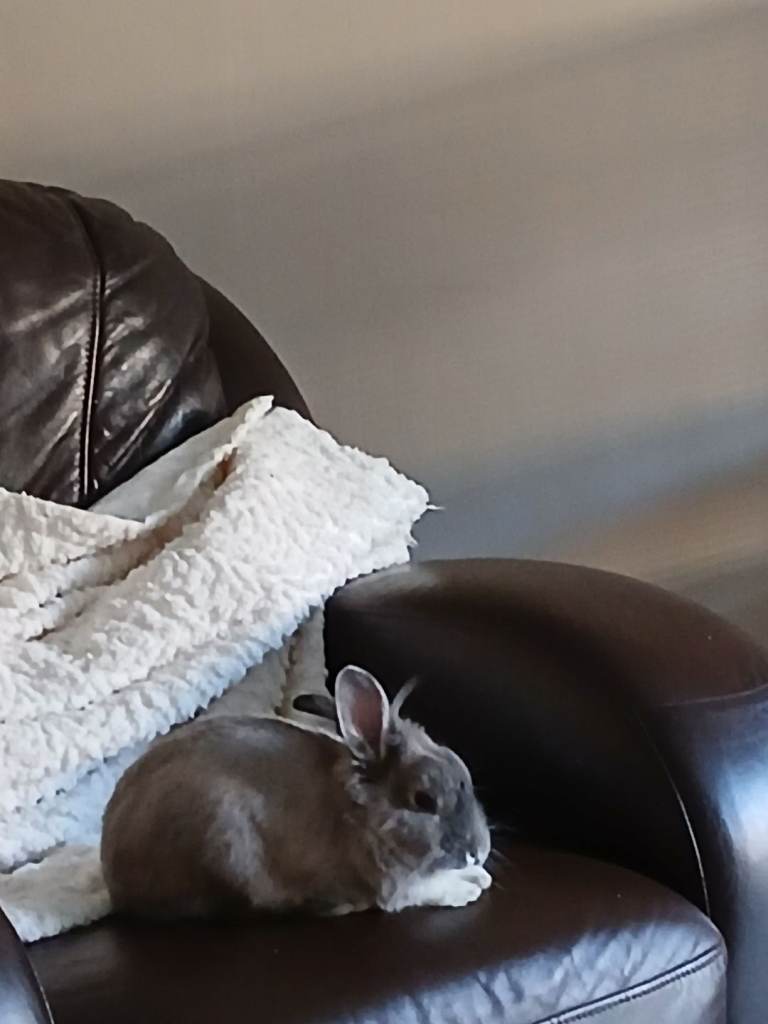
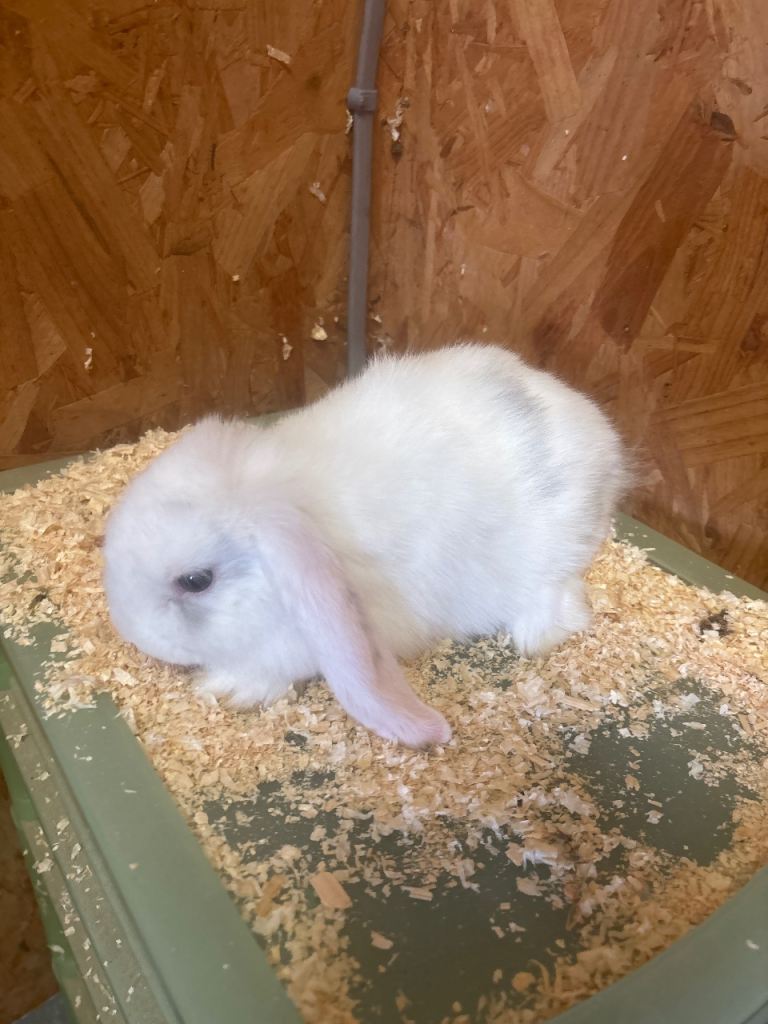
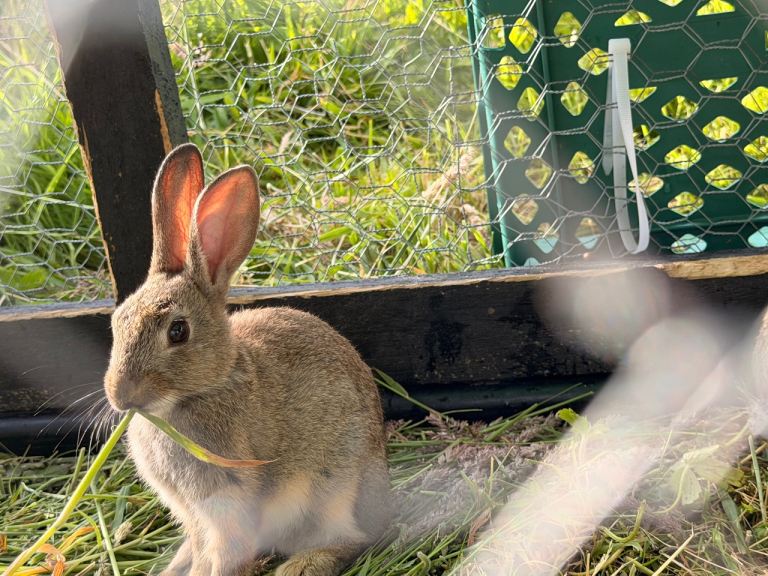
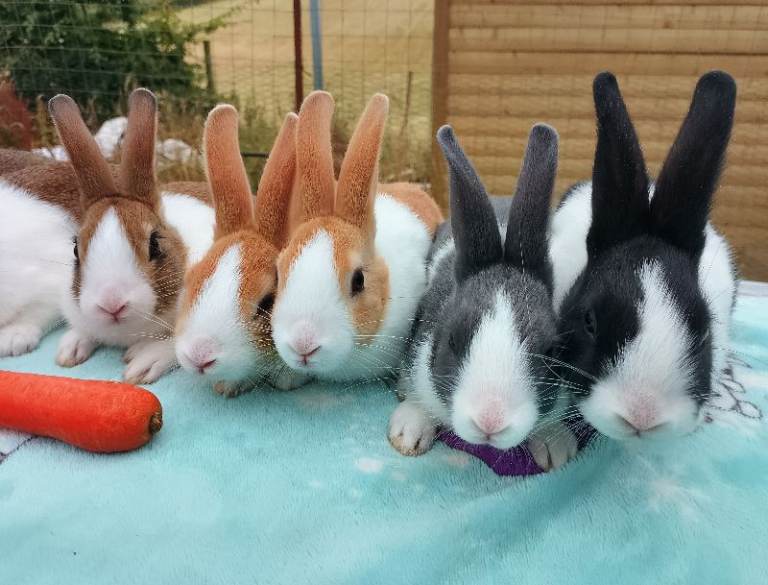
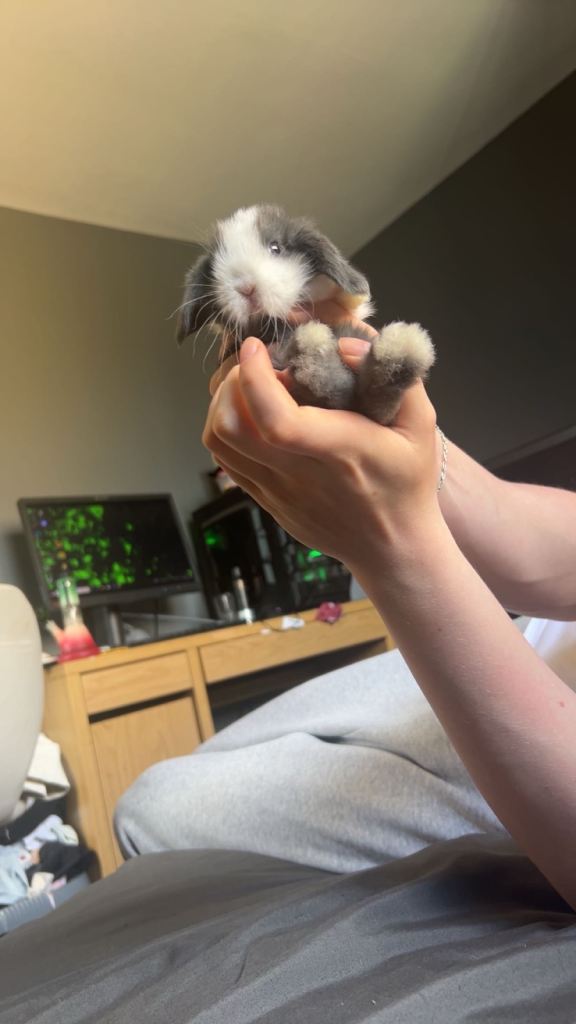
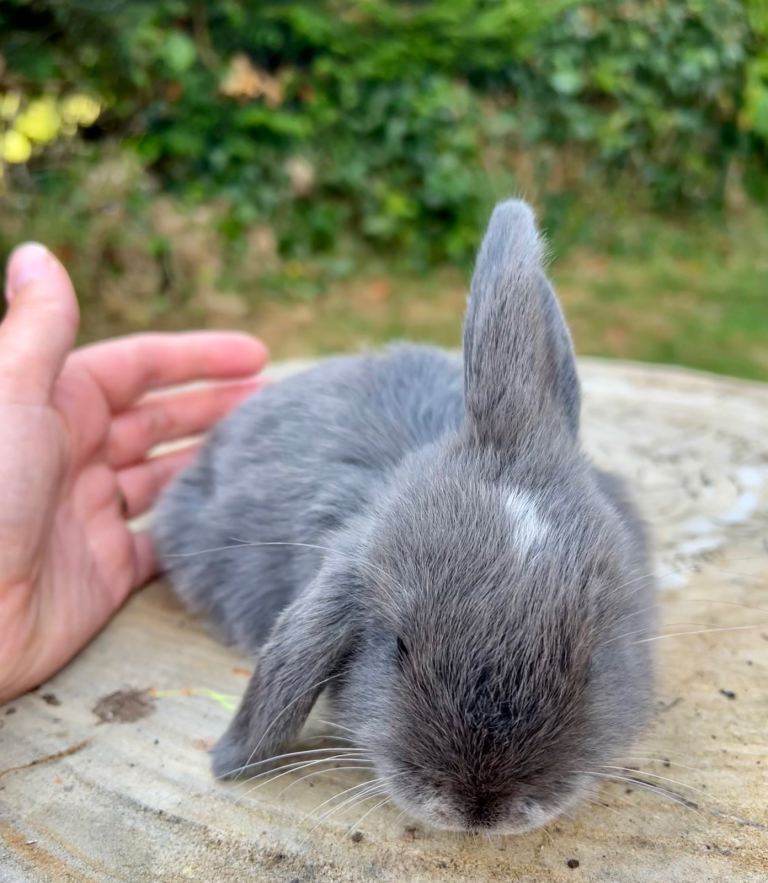
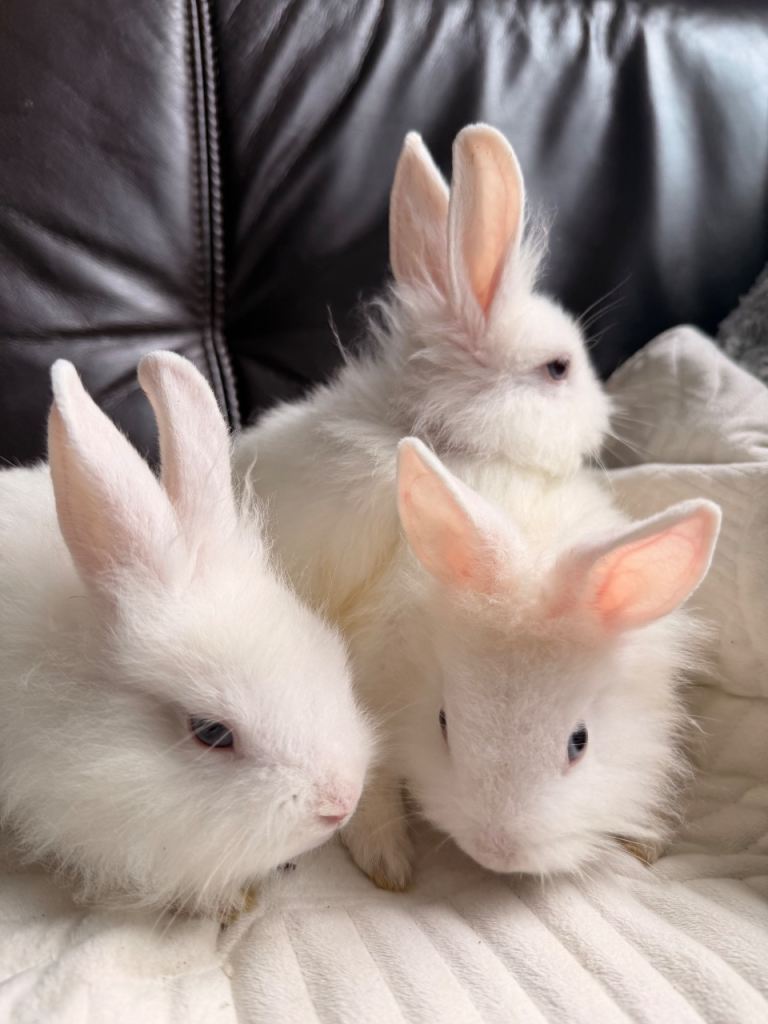
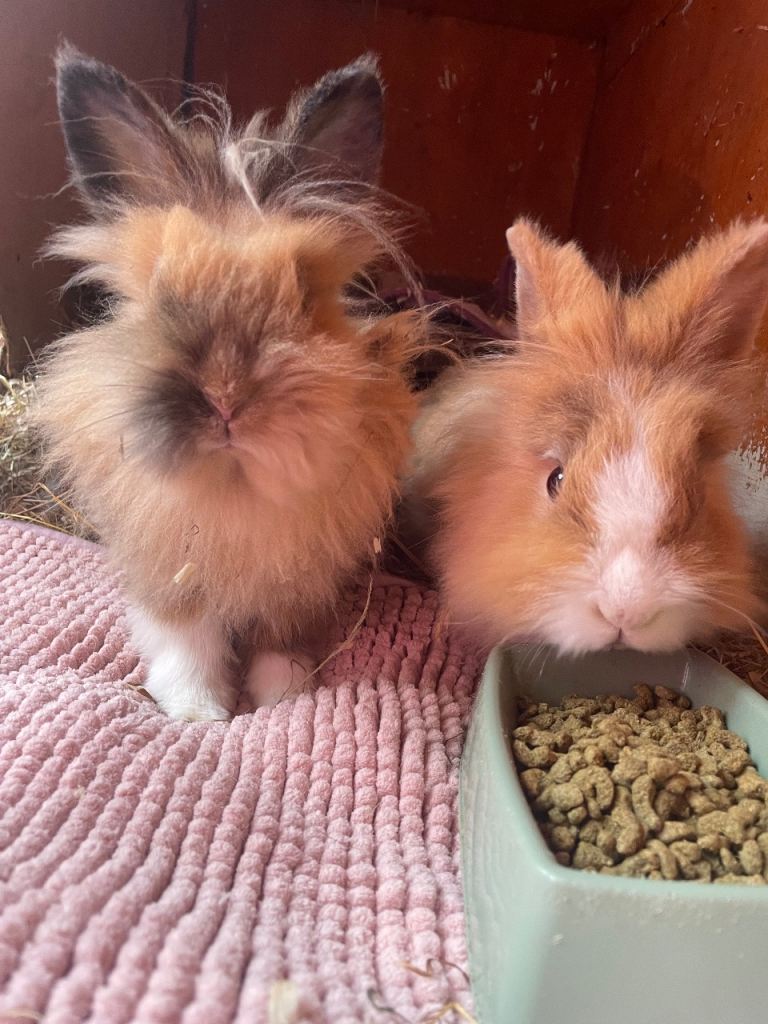
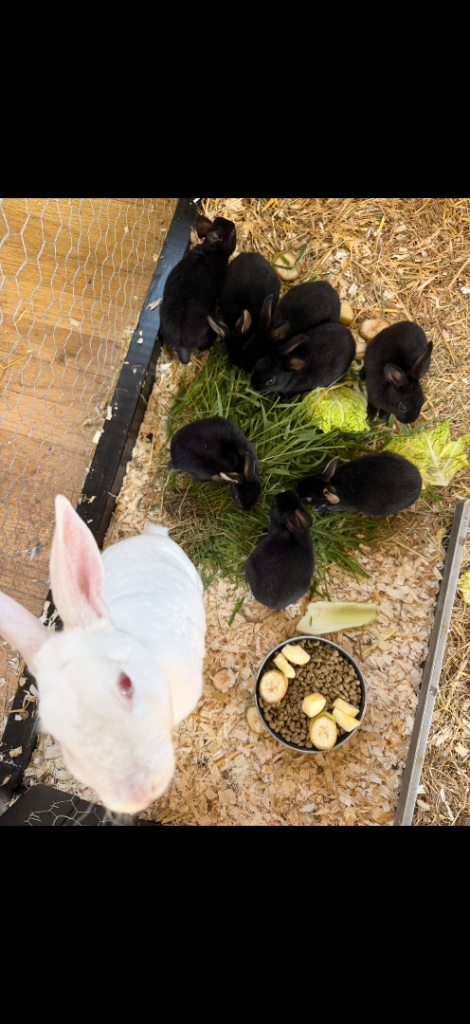
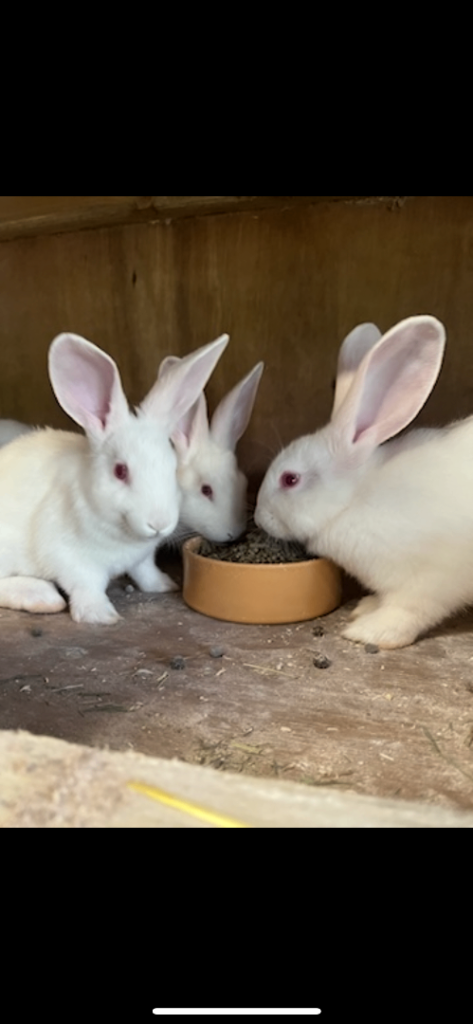
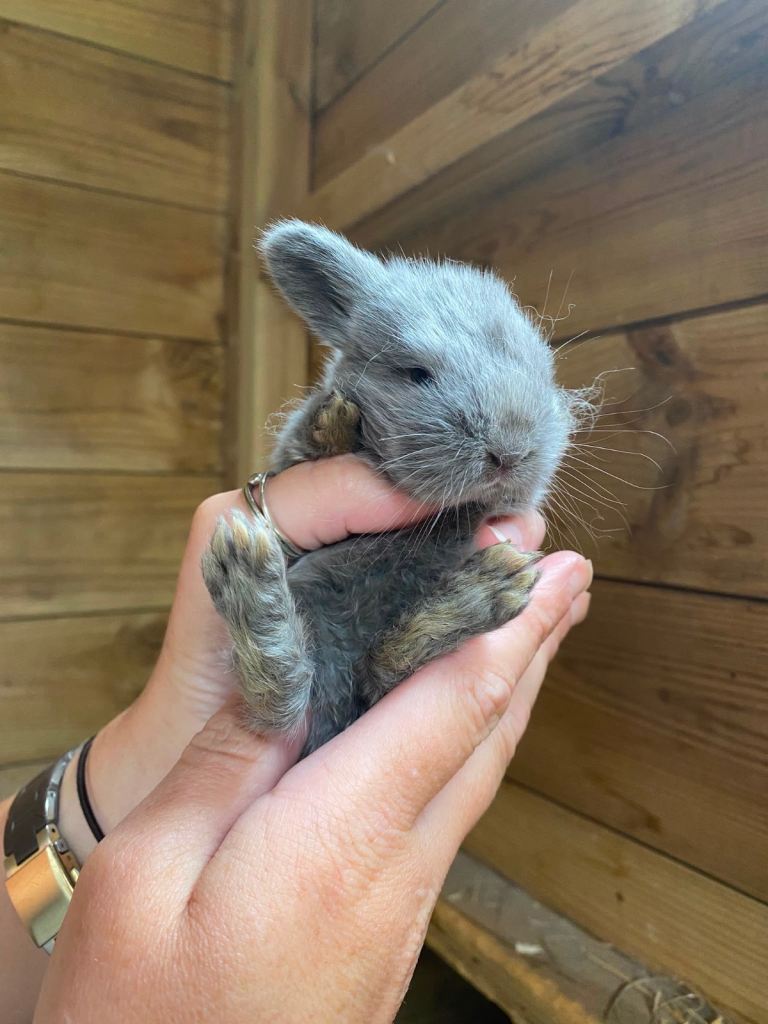
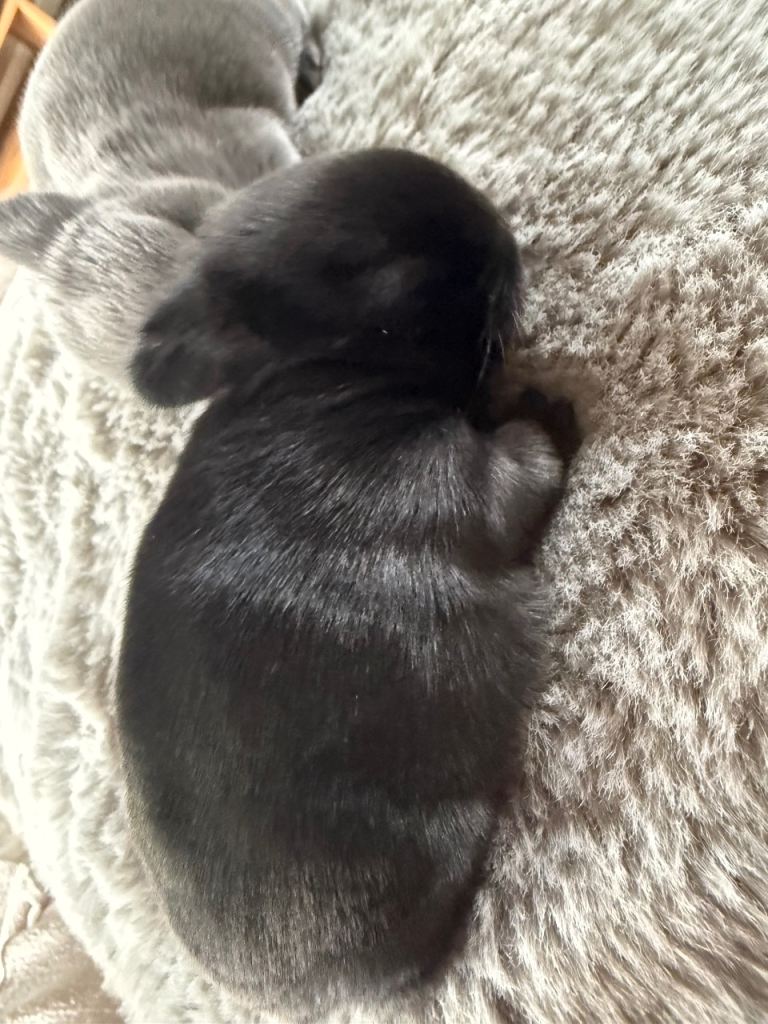
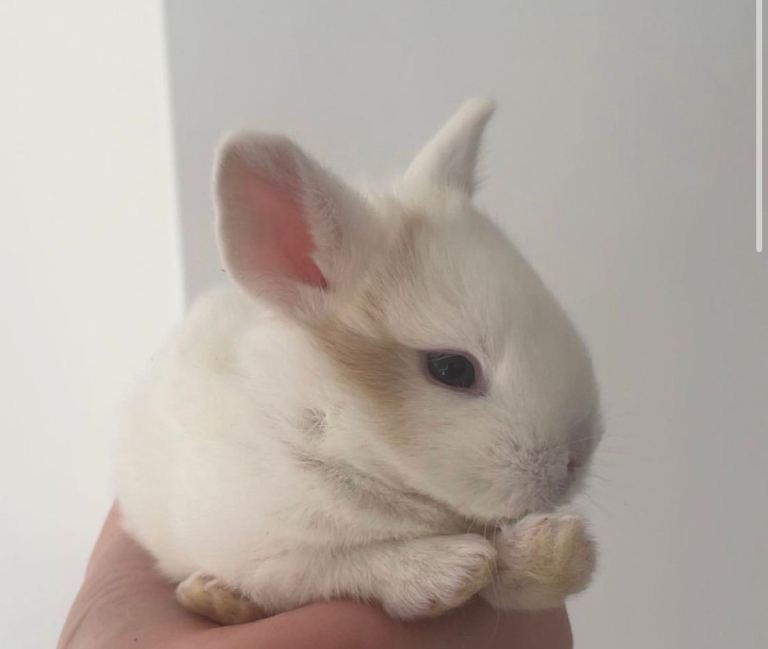
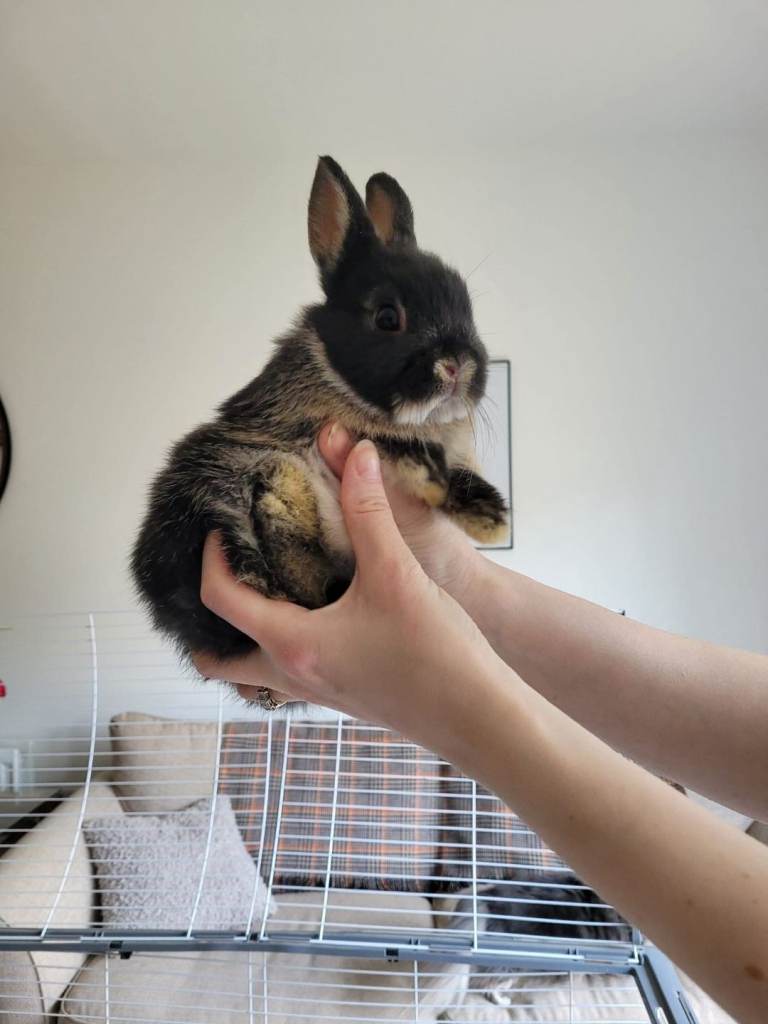
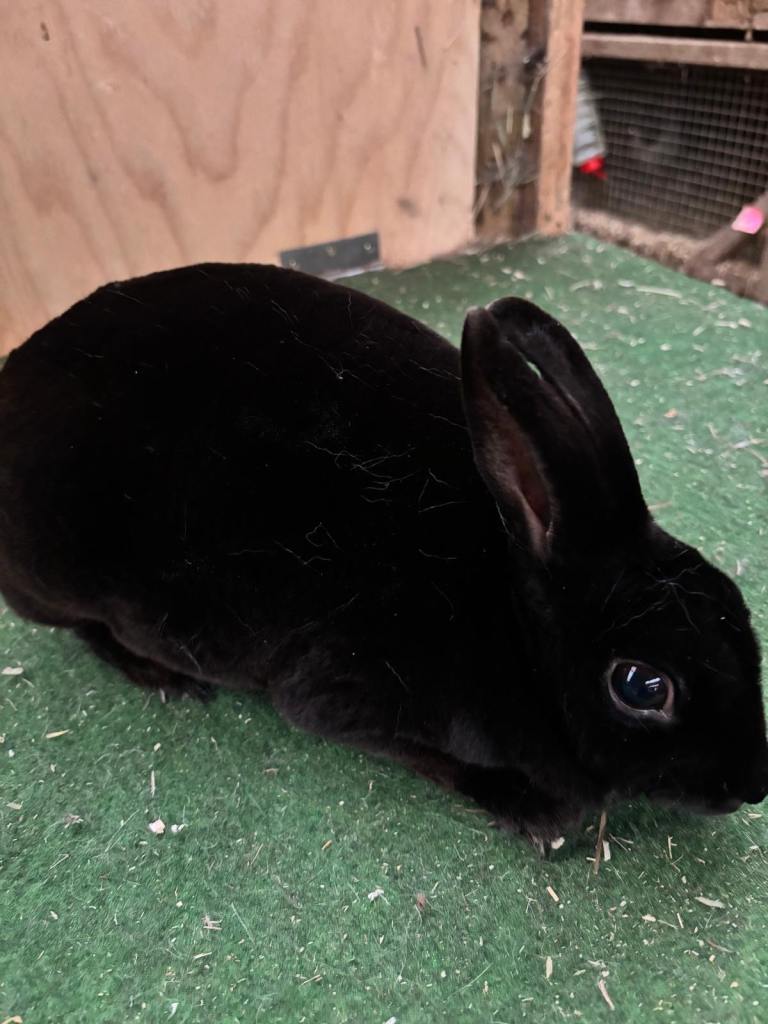
Black mini rex doe and blue Dutch doe rabbit
Age: 5 months
Ready to leave: Now
Cookstown, County Tyrone
£40
Consider the rabbit's breed, size, and temperament to ensure it suits your lifestyle and living space. Observe the rabbit's behaviour; it should be alert, active, and curious. Check for signs of good health, such as bright eyes, a clean nose and ears, and a healthy coat. Ensure you have appropriate housing and resources available before bringing a rabbit home.
Under the Animal Welfare Act (Northern Ireland) 2011, you have a legal duty to ensure the welfare of your rabbit. This includes providing a suitable environment, a healthy diet, appropriate veterinary care, and protection from pain, suffering, injury, and disease. Failure to meet these needs can result in prosecution.
Be aware of potential health issues such as dental problems (malocclusion), ear infections, respiratory infections (snuffles), and parasites (fleas, mites). Check the rabbit for signs of these conditions before purchasing. Ask the seller if the rabbit has been vaccinated against myxomatosis and rabbit haemorrhagic disease (RHD1 and RHD2), and if not, arrange vaccinations with a vet promptly.
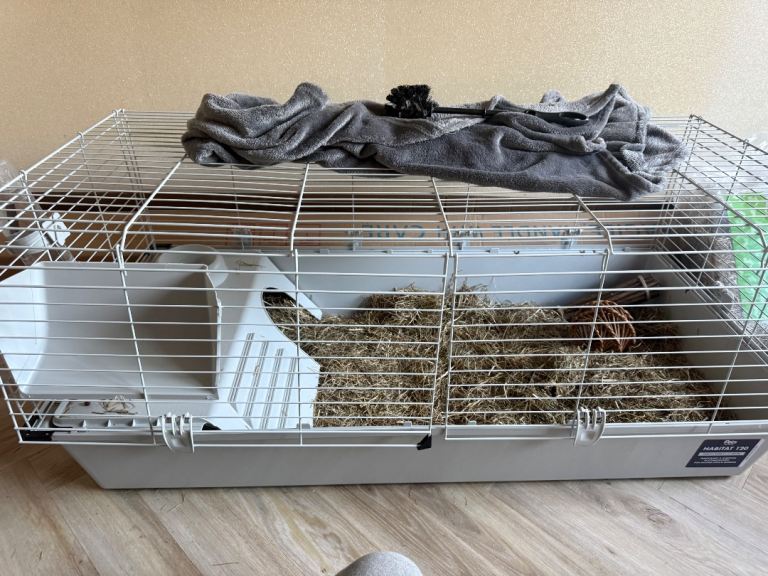
Rabbits need a spacious and secure hutch or enclosure that protects them from the elements and predators. The hutch should be raised off the ground and have a solid floor. Provide plenty of bedding material such as hay or straw for warmth and comfort. Rabbits also need access to a larger run for exercise. Ensure the run is secure to prevent escapes and protect them from predators. Regularly clean the hutch and run to prevent the build-up of bacteria and parasites.
A rabbit's diet should consist primarily of hay (around 80-90%), with a smaller portion of fresh greens and a limited amount of high-quality rabbit pellets. Avoid sugary treats and human food, as these can cause digestive problems. Ensure fresh water is always available. Introduce new foods gradually to avoid upsetting their digestive system.