6
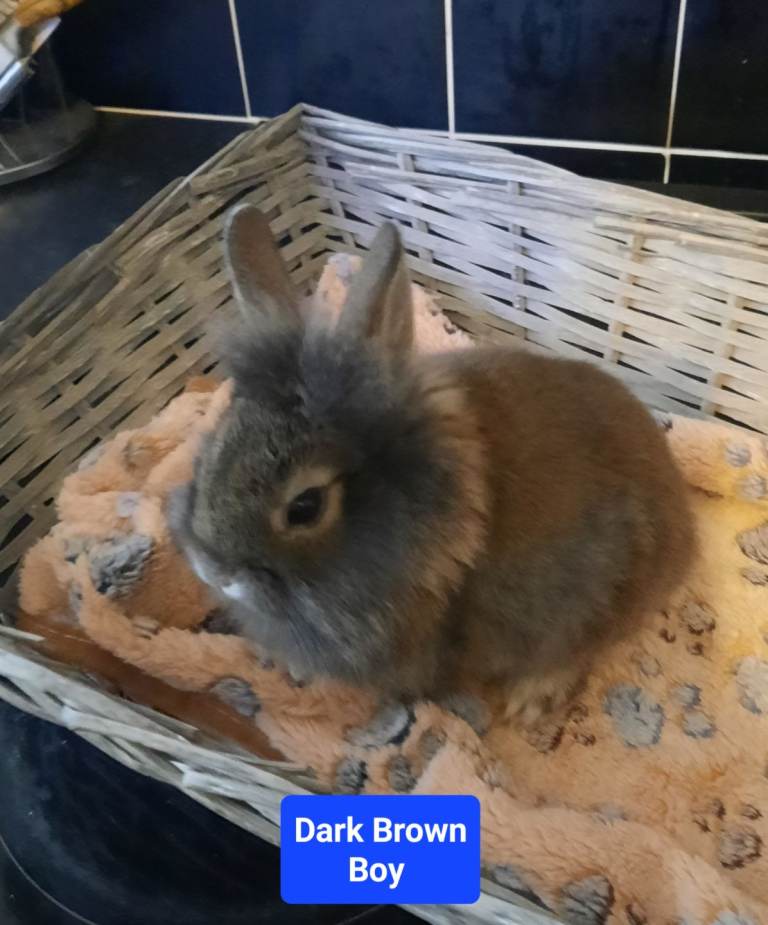
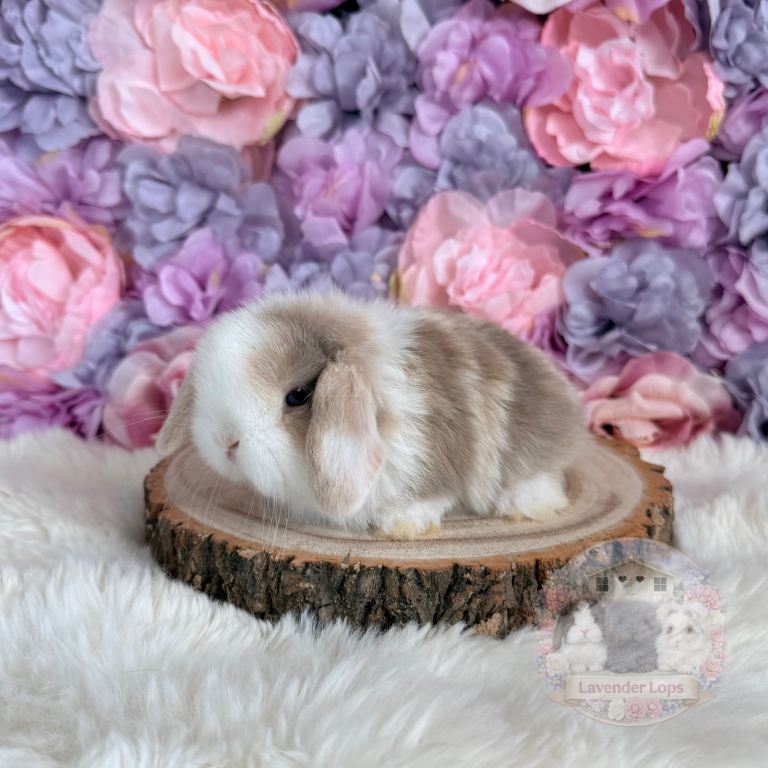
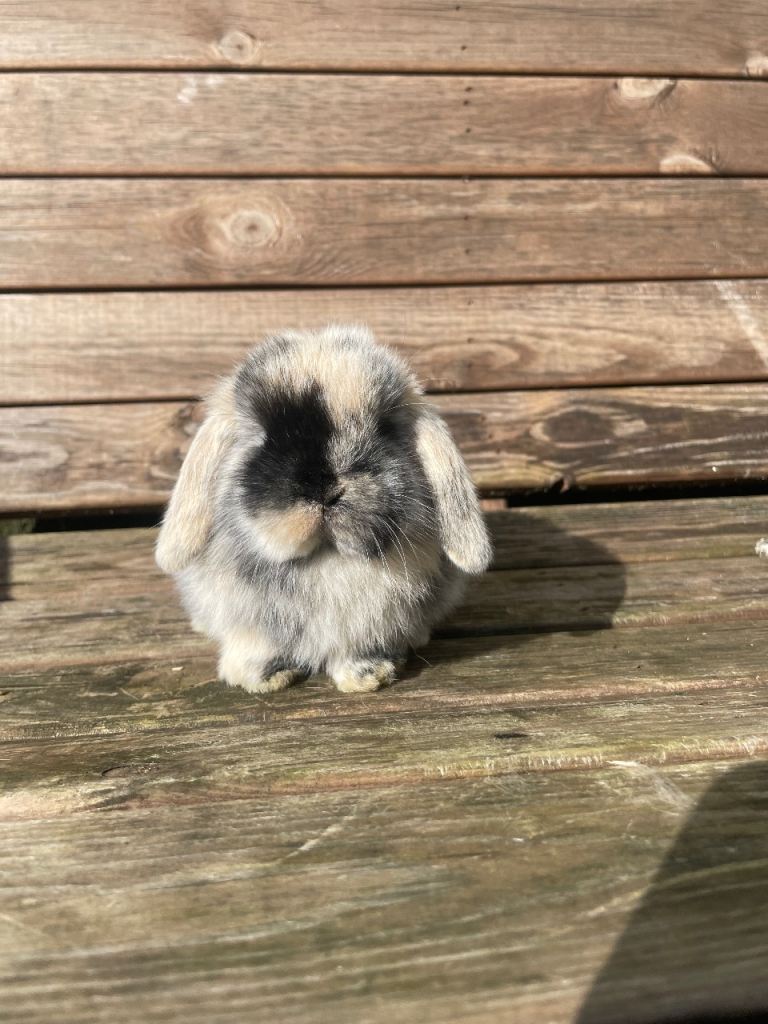
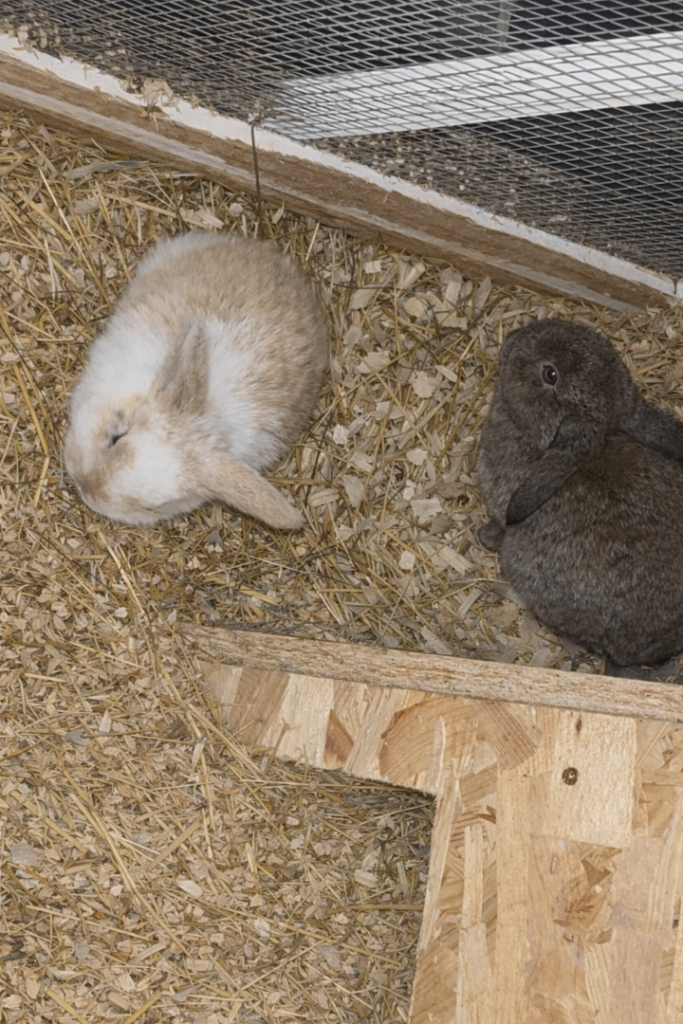
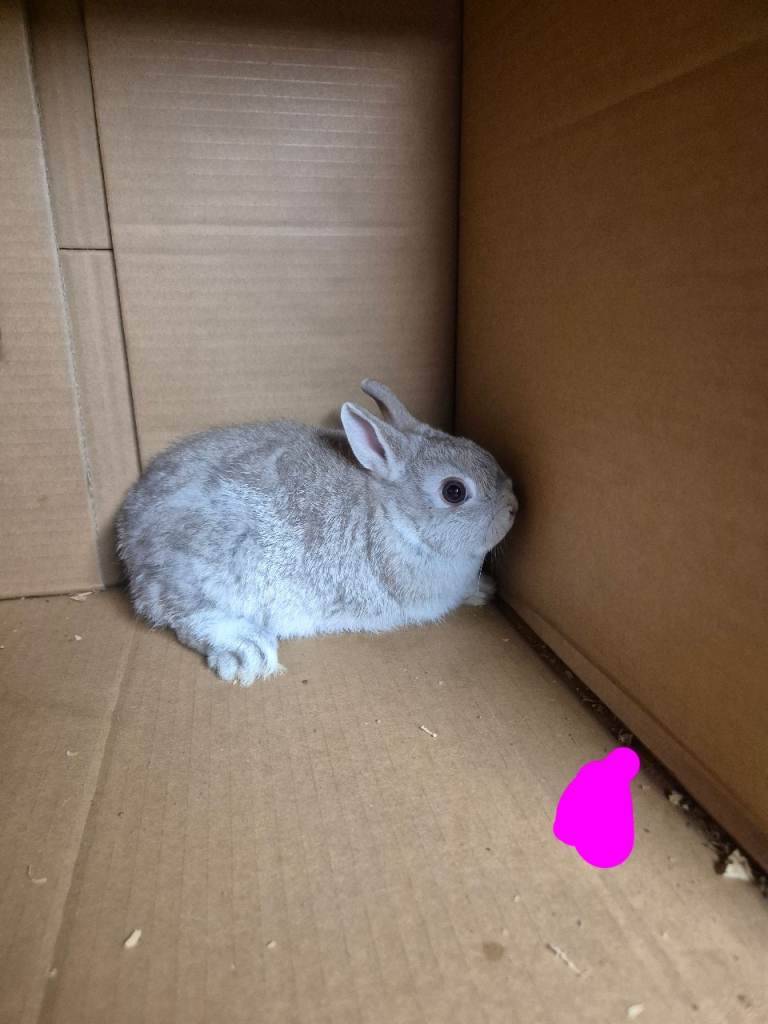
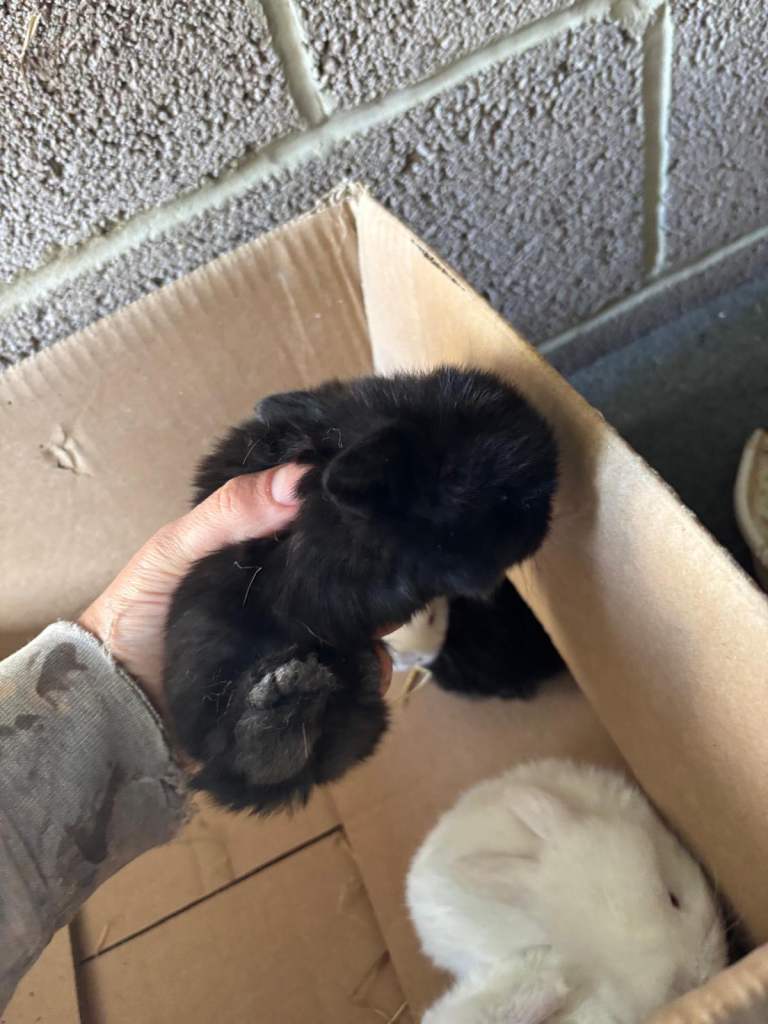
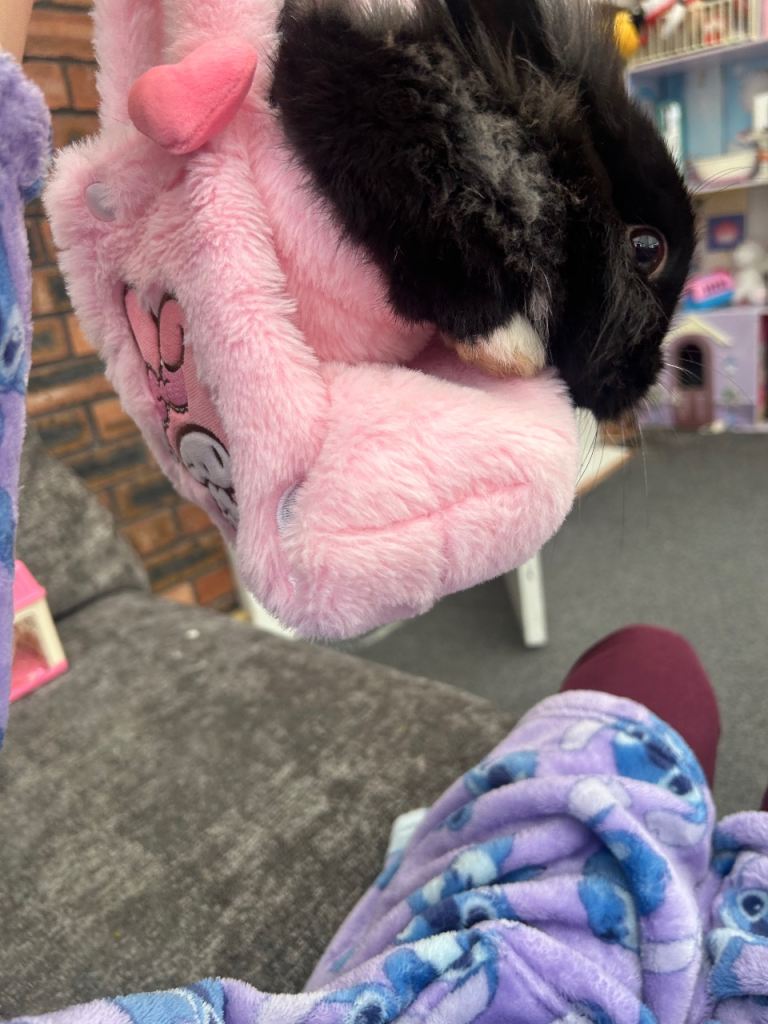
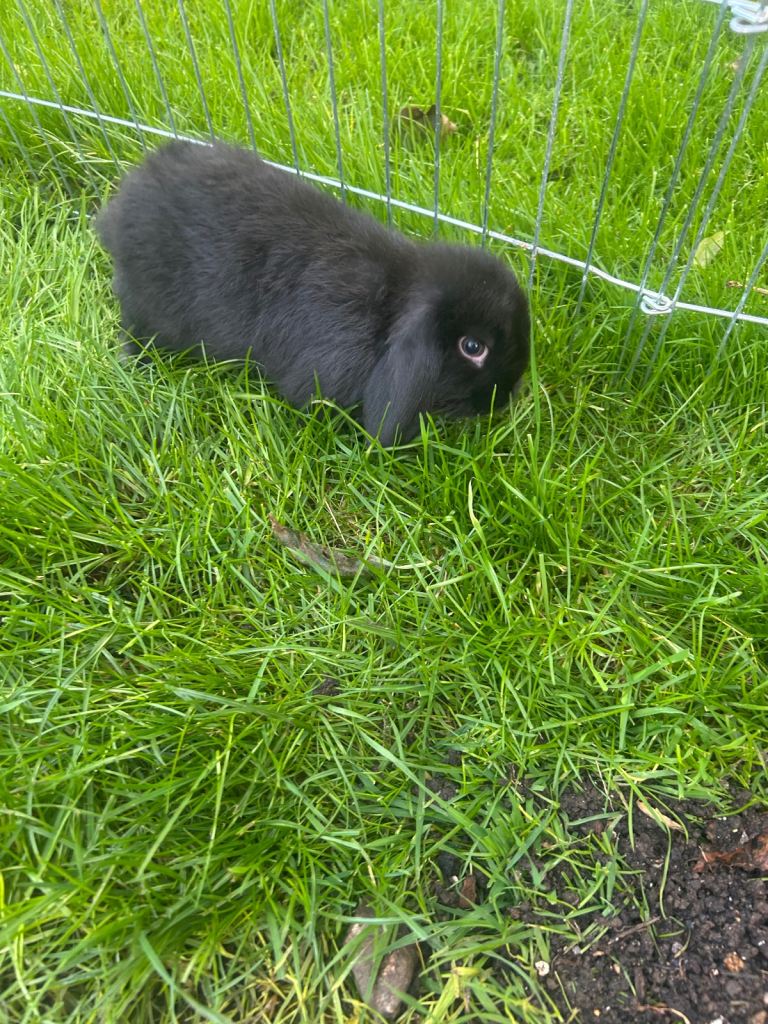
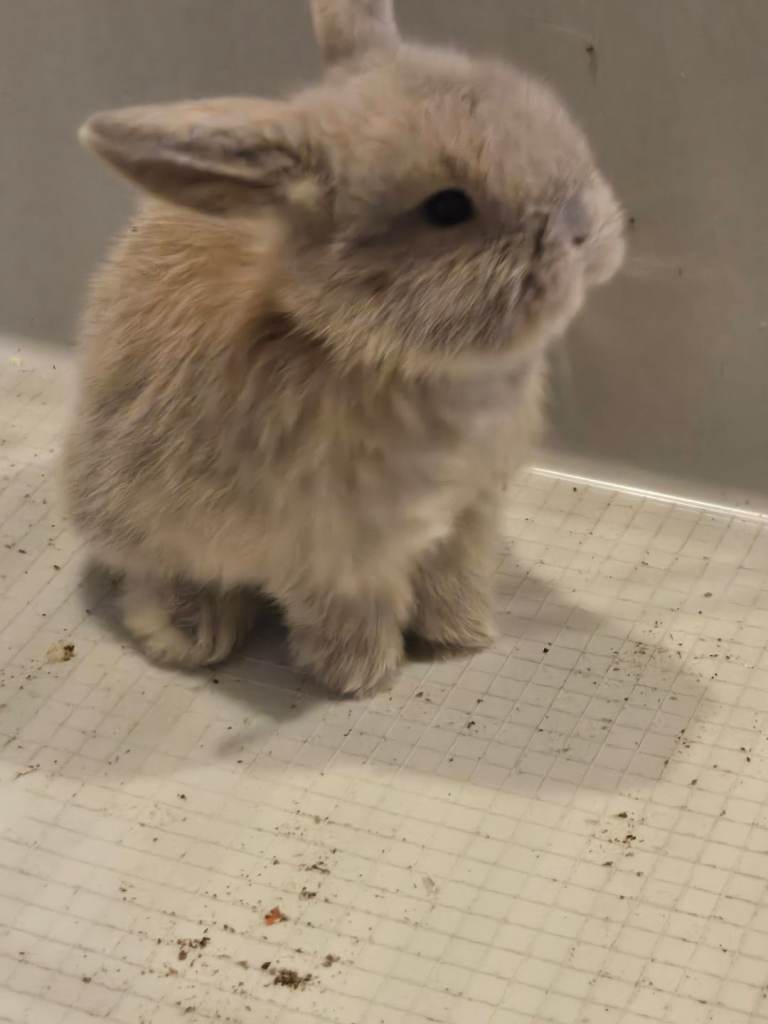
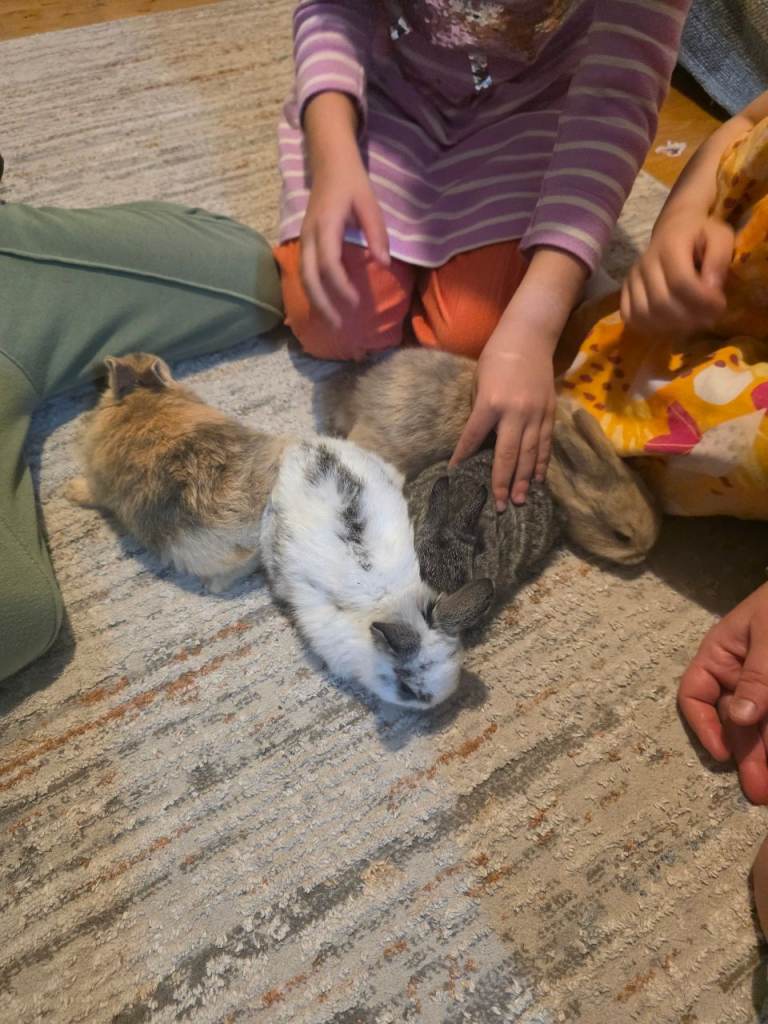
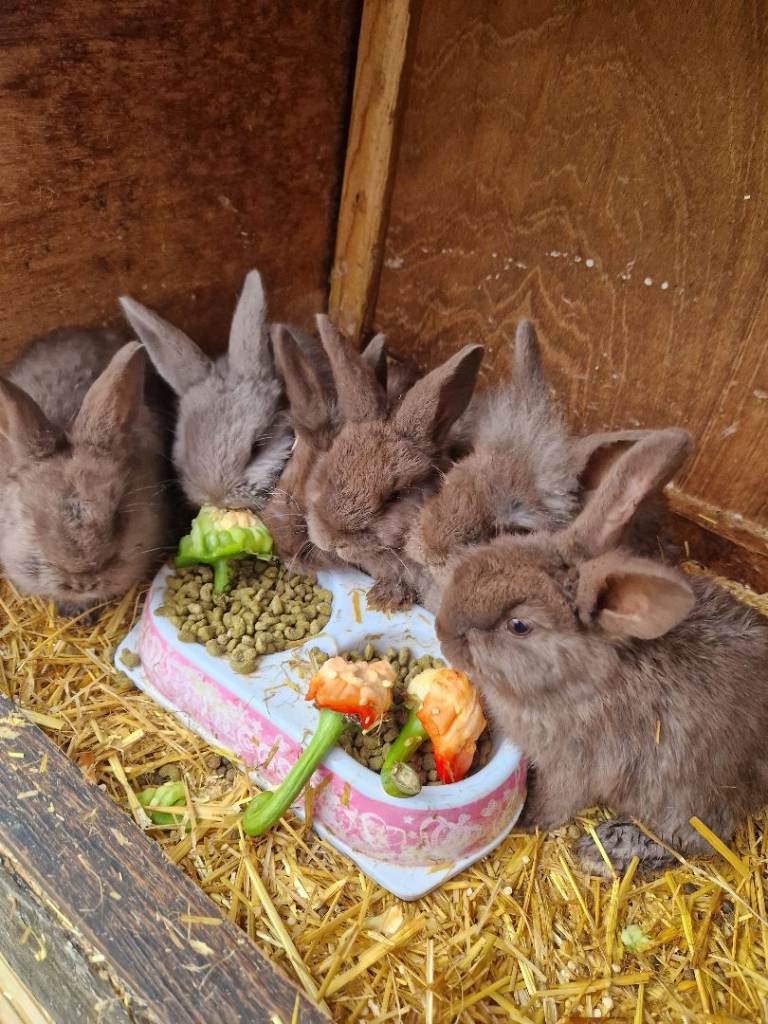
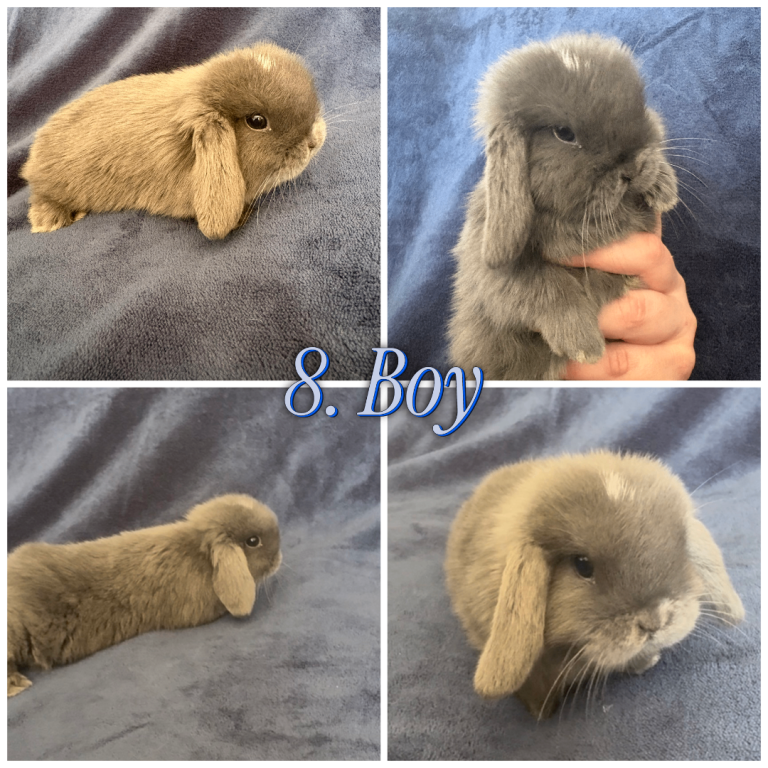
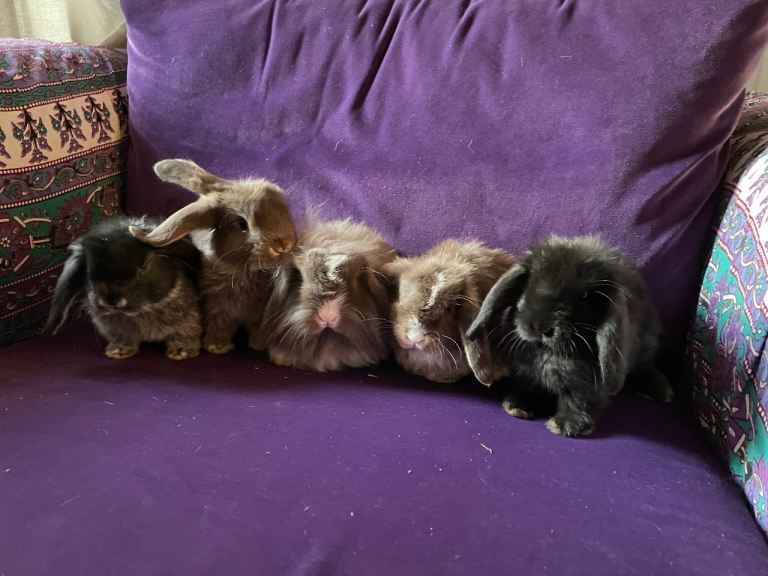
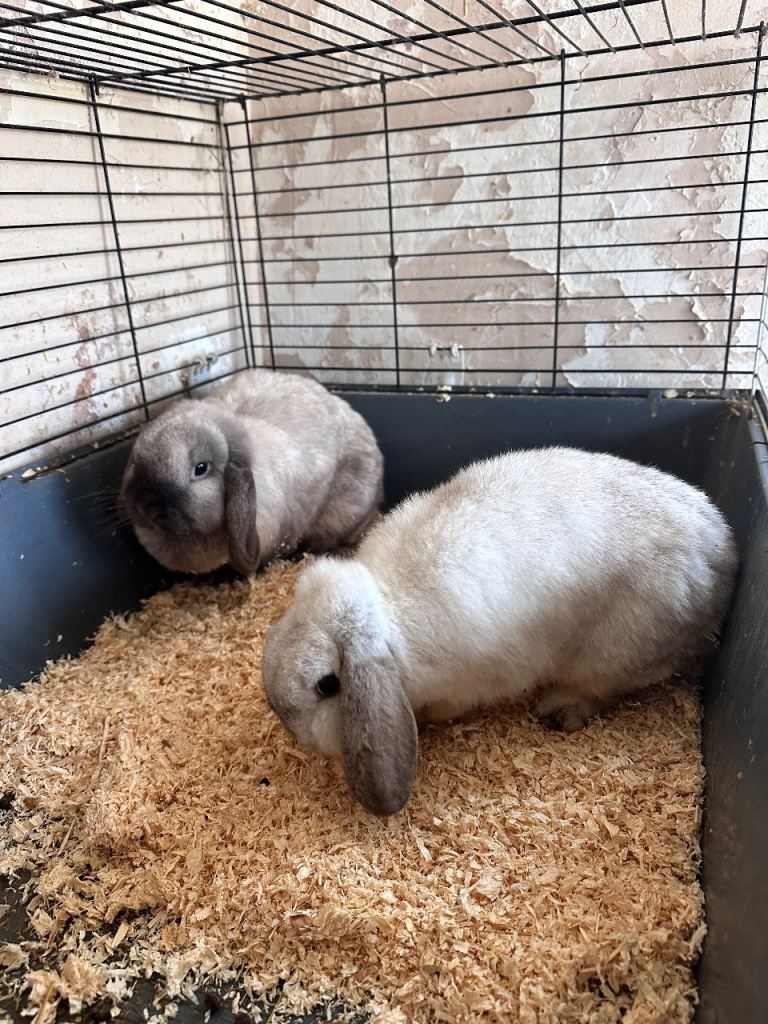
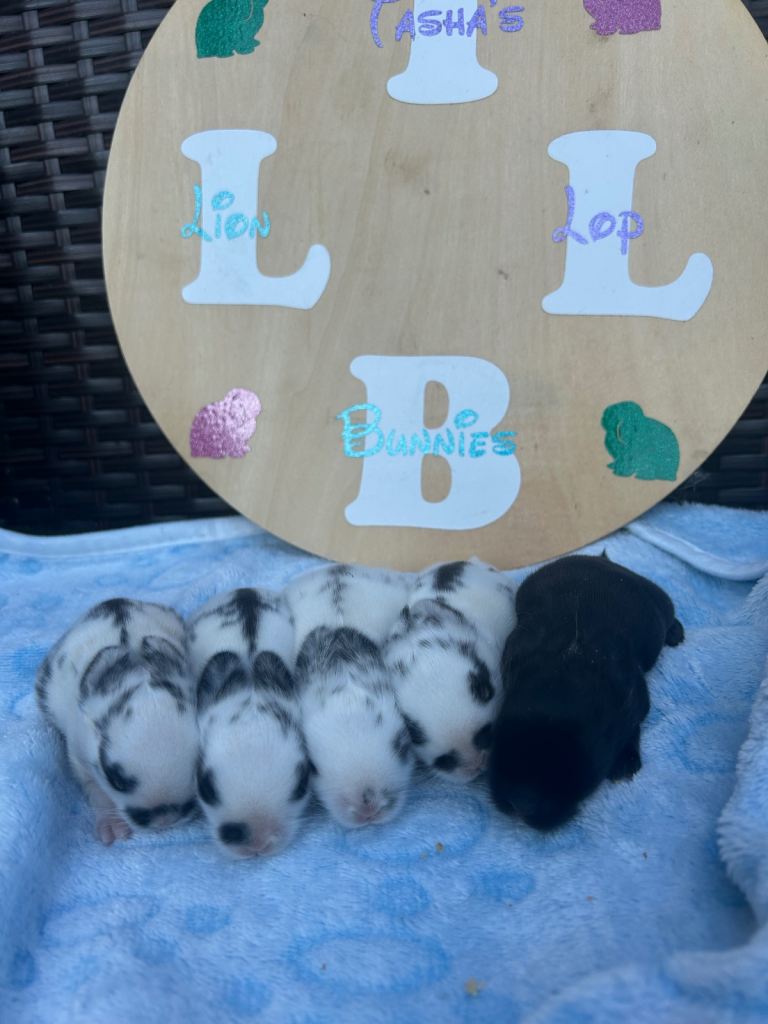
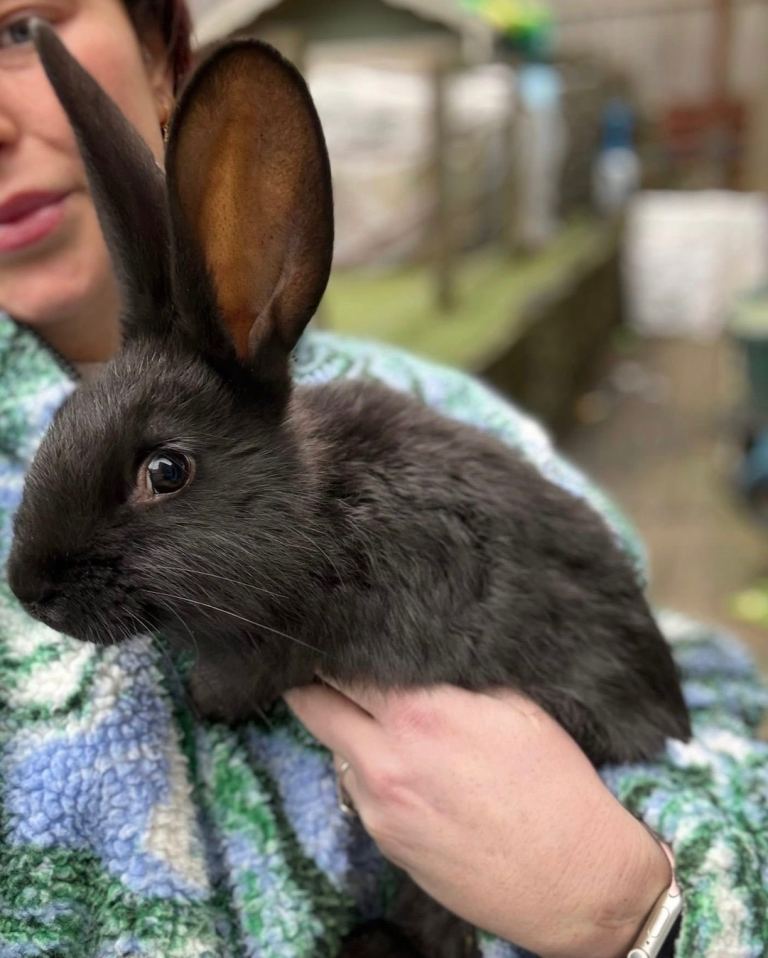
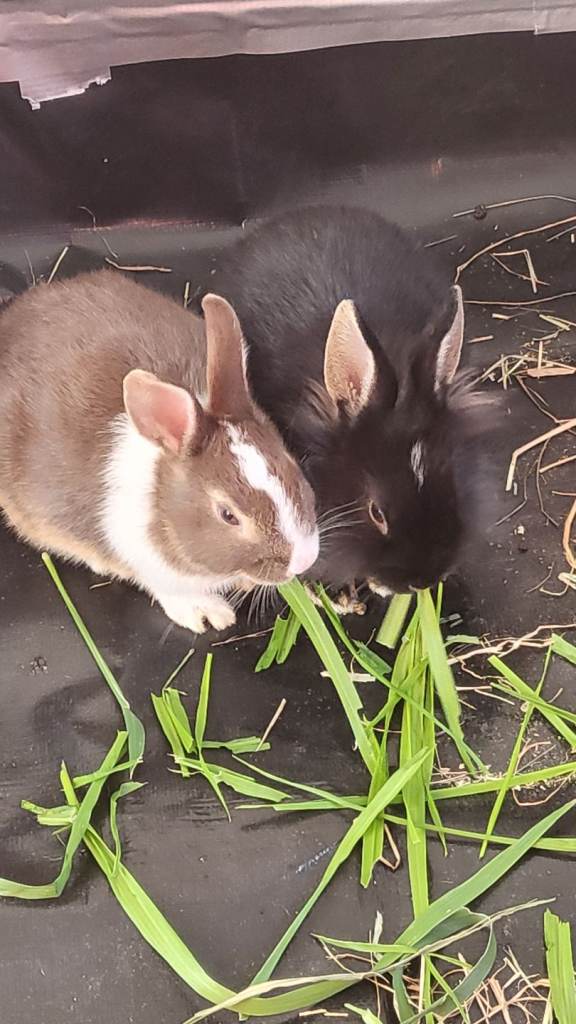
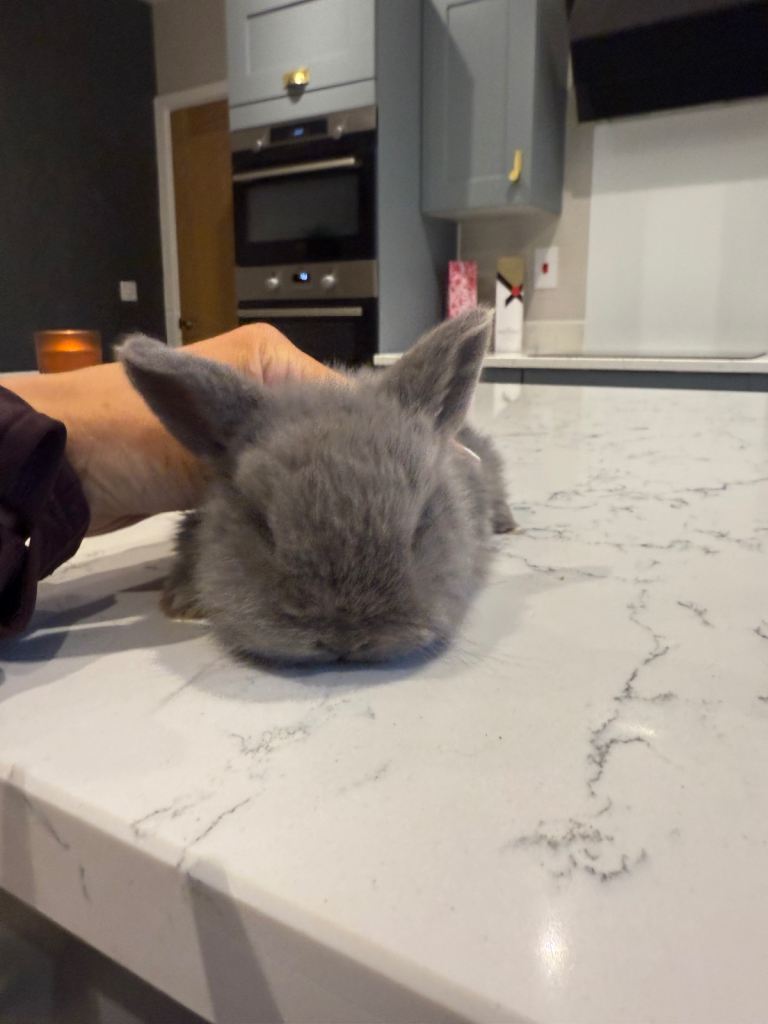
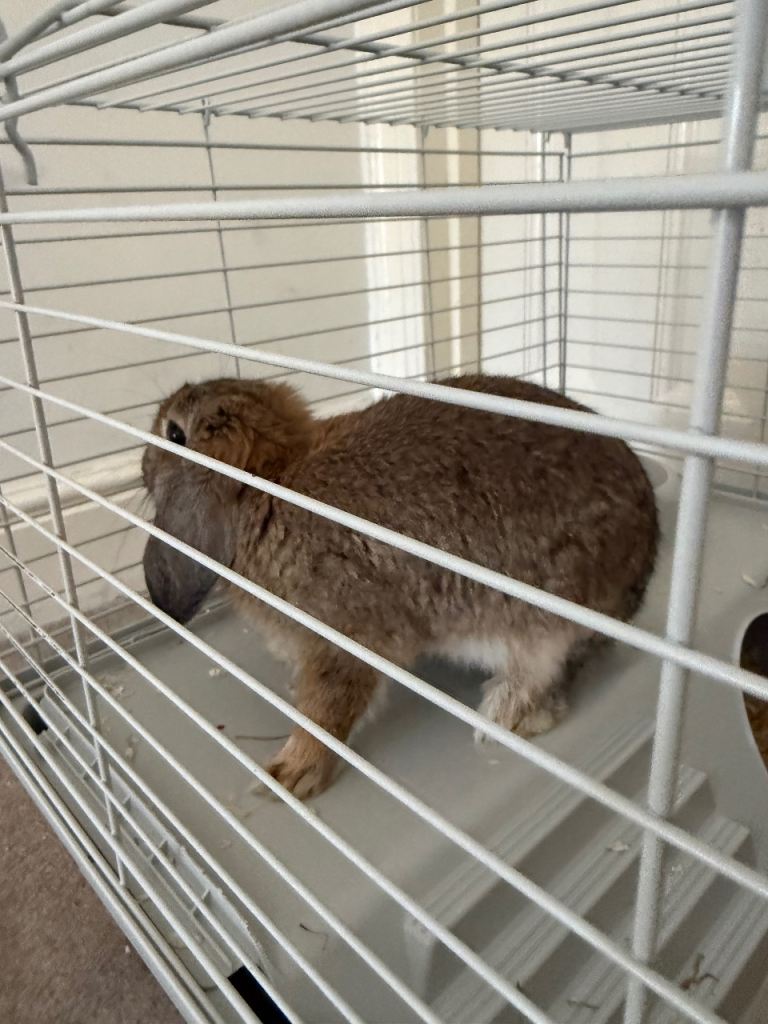
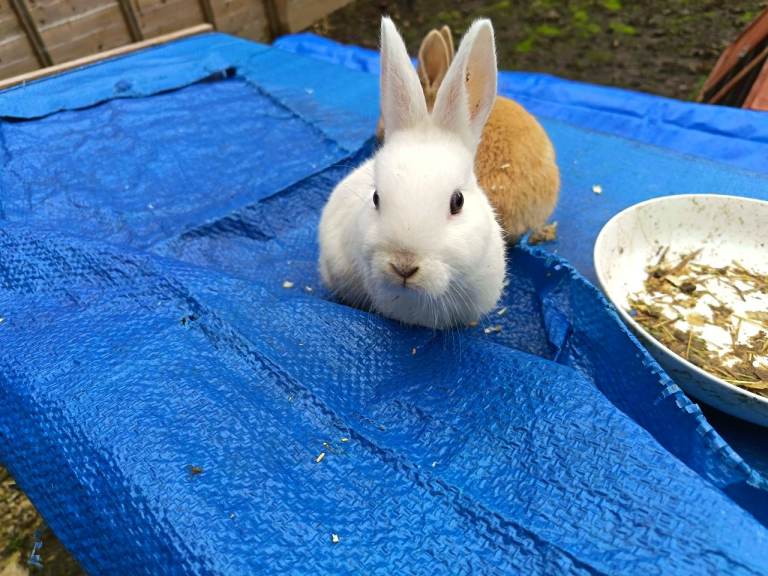
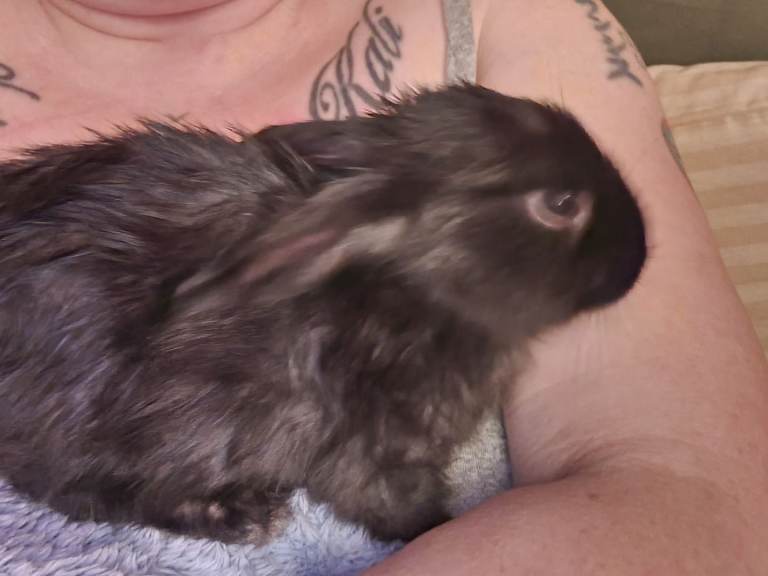
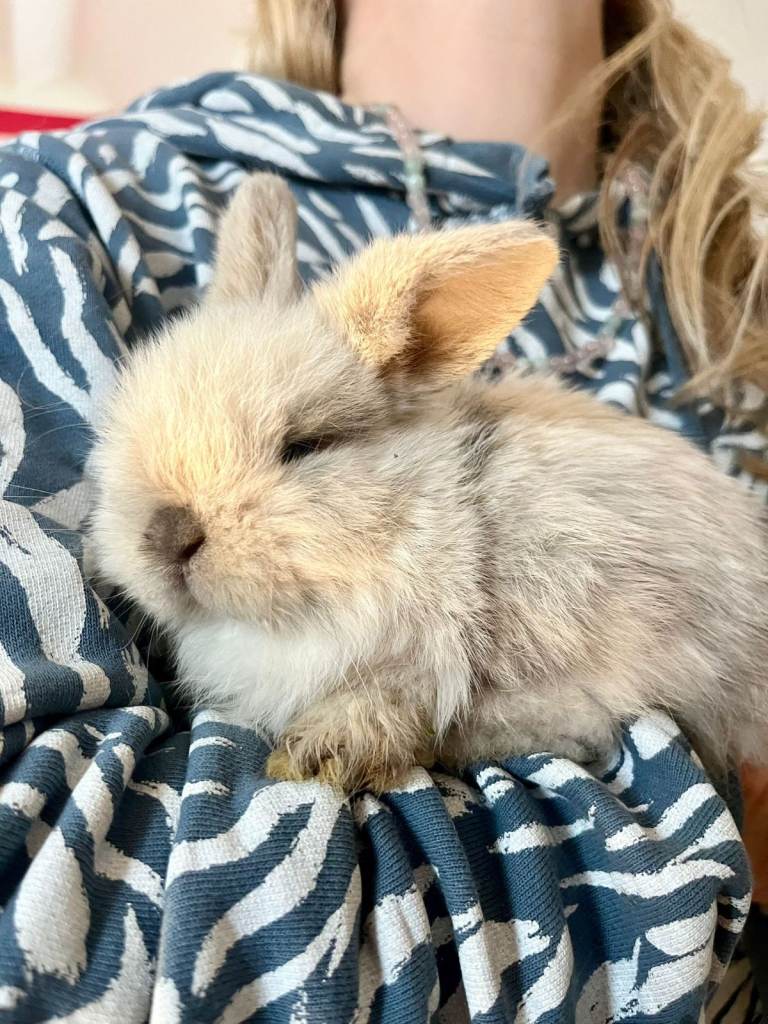
Mini Lop Rabbits
Age: 7 weeks
Ready to leave: in 1 week
Buckfastleigh, Devon
£50
When choosing a rabbit, observe its behaviour. A healthy rabbit should be active, alert, and have bright eyes. Check for any signs of illness, such as a runny nose or eyes, diarrhoea, or difficulty breathing. Ensure the rabbit's coat is clean and well-groomed, free from bald patches or parasites. Consider the rabbit's breed and temperament to ensure it suits your lifestyle and experience.
In the UK, you are legally responsible for ensuring your rabbit's welfare under the Animal Welfare Act 2006. This includes providing a suitable environment, a healthy diet, and protection from pain, suffering, injury, and disease. It's also your responsibility to ensure your rabbit has access to veterinary care when needed. Microchipping rabbits is not legally required in the UK, but it is strongly recommended to help reunite you with your pet if it gets lost.
Rabbits need a spacious and secure hutch or enclosure that protects them from the elements and predators. The hutch should be large enough for the rabbit to stand up, stretch out, and hop around comfortably. Provide a separate sleeping area with soft bedding, such as straw or hay. The enclosure should be cleaned regularly to prevent the build-up of bacteria and parasites. Rabbits also require access to a secure outdoor run for exercise.
A rabbit's diet should primarily consist of fresh hay (around 80-90%), which is essential for their digestive health and dental wear. Supplement this with a small portion of high-quality rabbit pellets (around 5% of their diet). Fresh leafy greens, such as kale, romaine lettuce, and parsley, can be offered in moderation (around 10-15% of their diet). Avoid sugary treats and human food, as these can be harmful to rabbits. Always provide fresh, clean water.
Common health problems in rabbits include dental issues (such as overgrown teeth), respiratory infections (such as snuffles), digestive problems (such as gut stasis), and parasitic infestations (such as fleas and mites). Regular veterinary check-ups are crucial for early detection and treatment of these problems. Be vigilant for changes in your rabbit's behaviour, appetite, or droppings, and seek veterinary advice if you have any concerns.