15
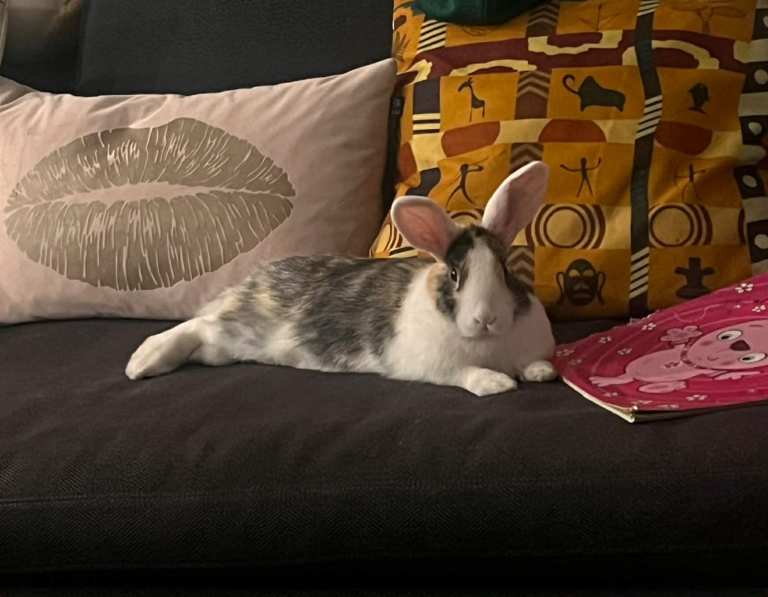
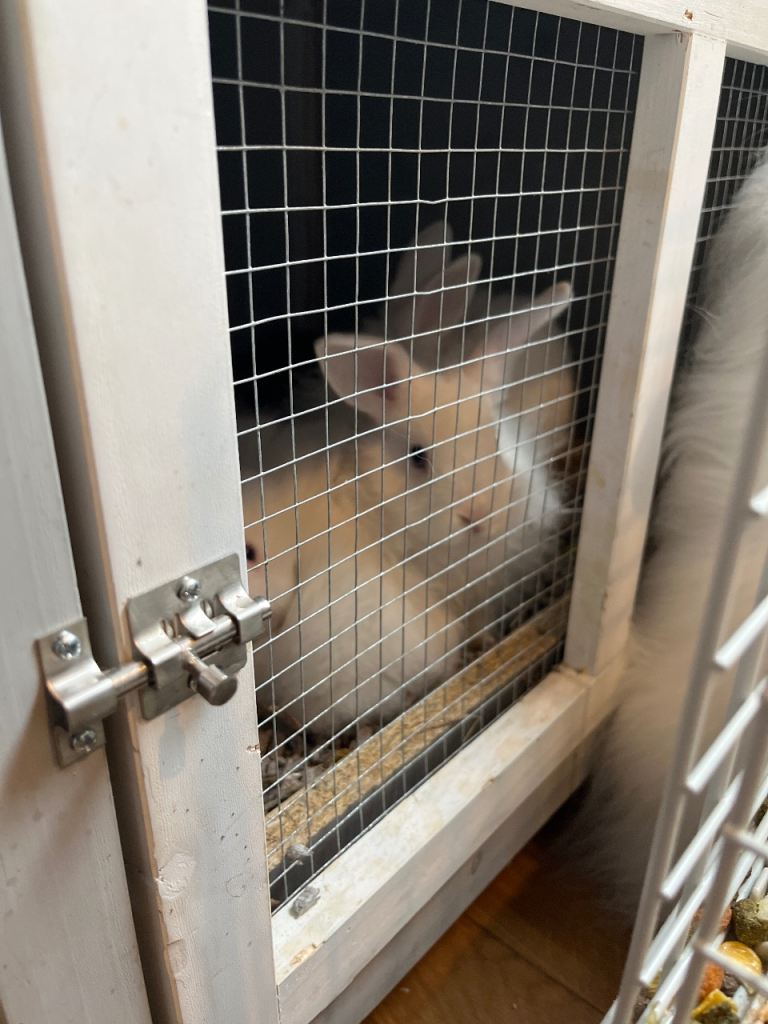
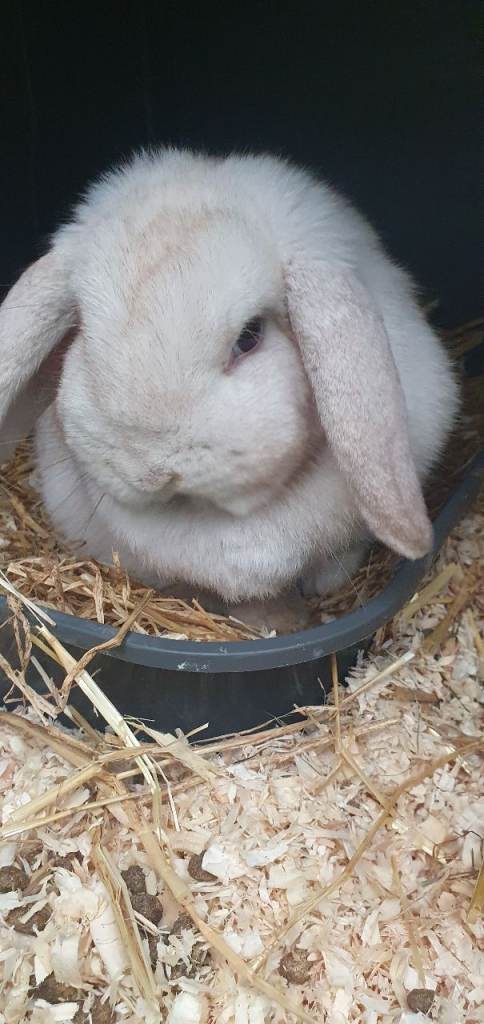
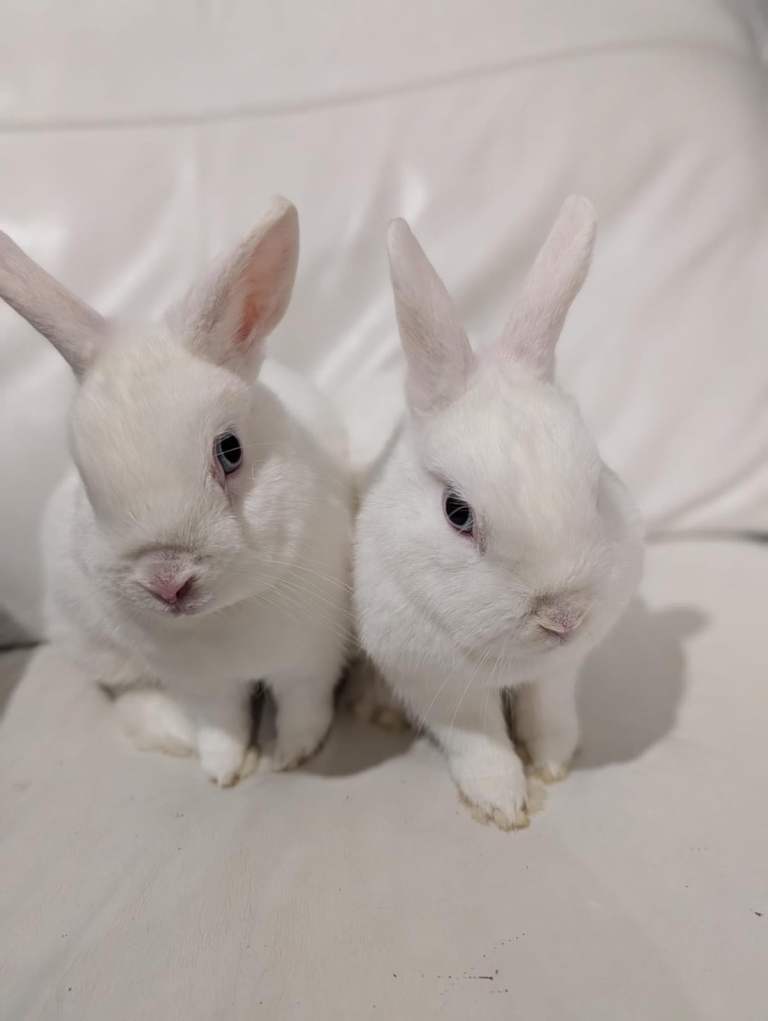
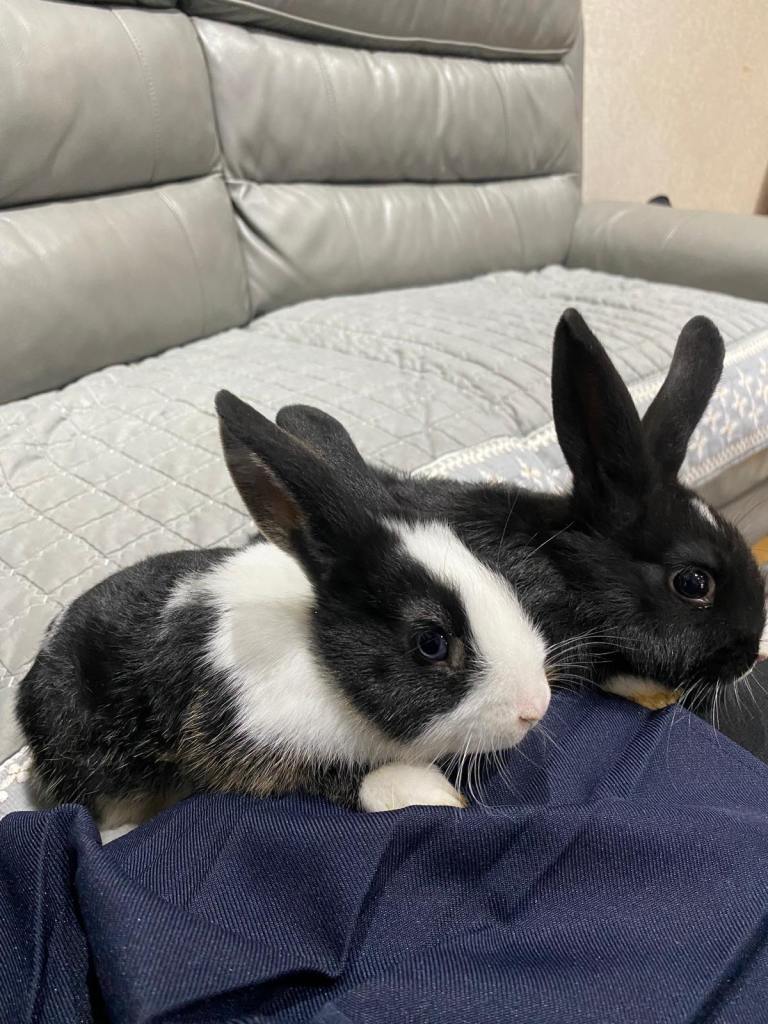
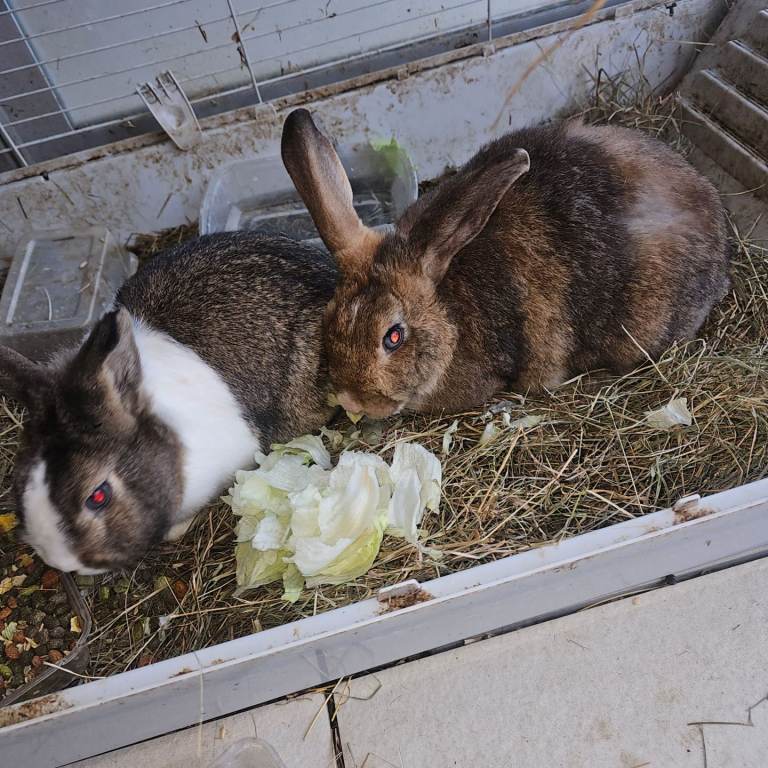
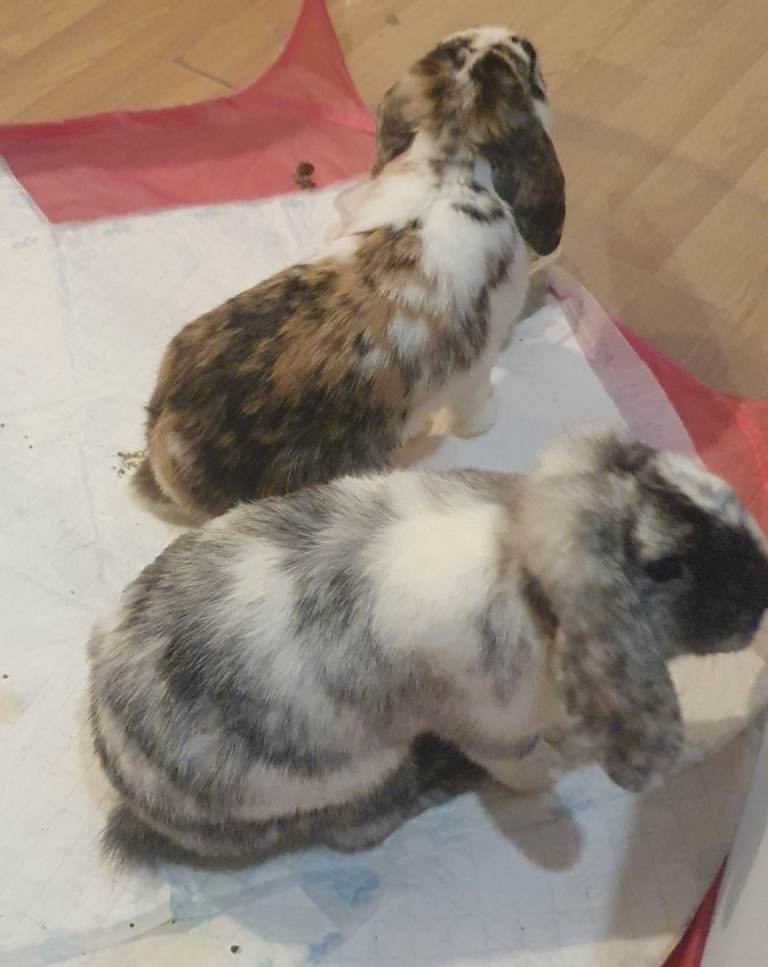
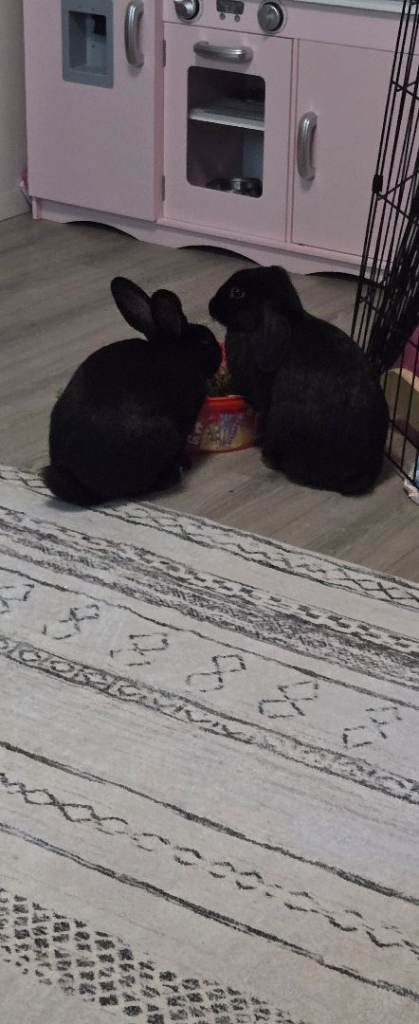
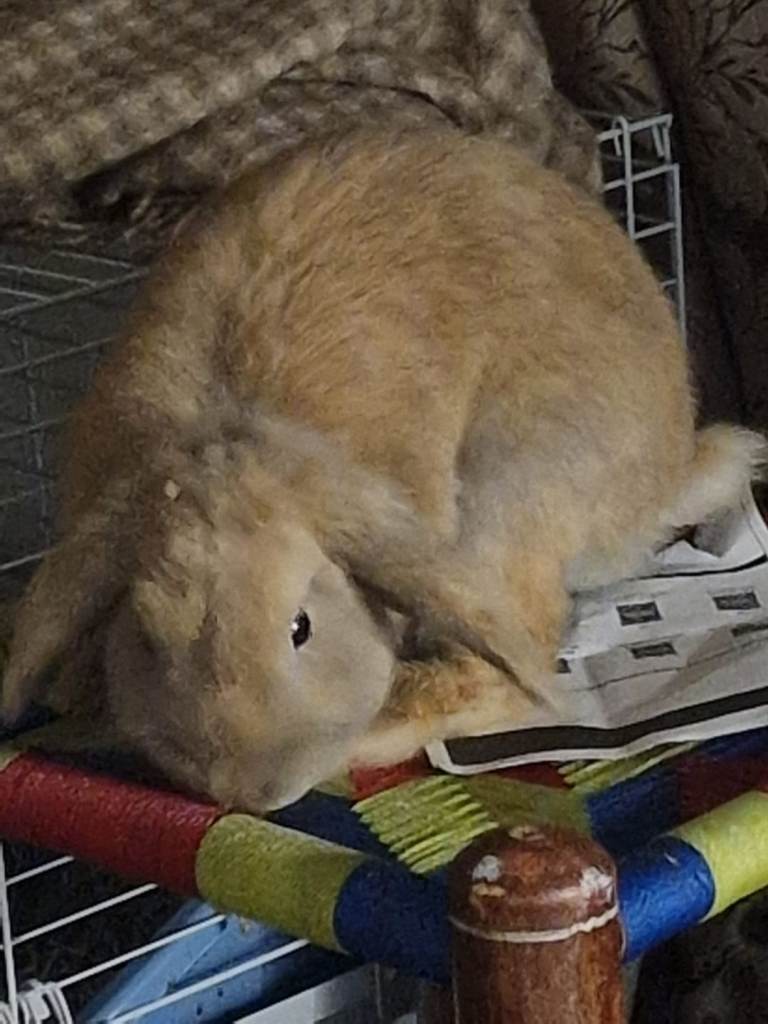
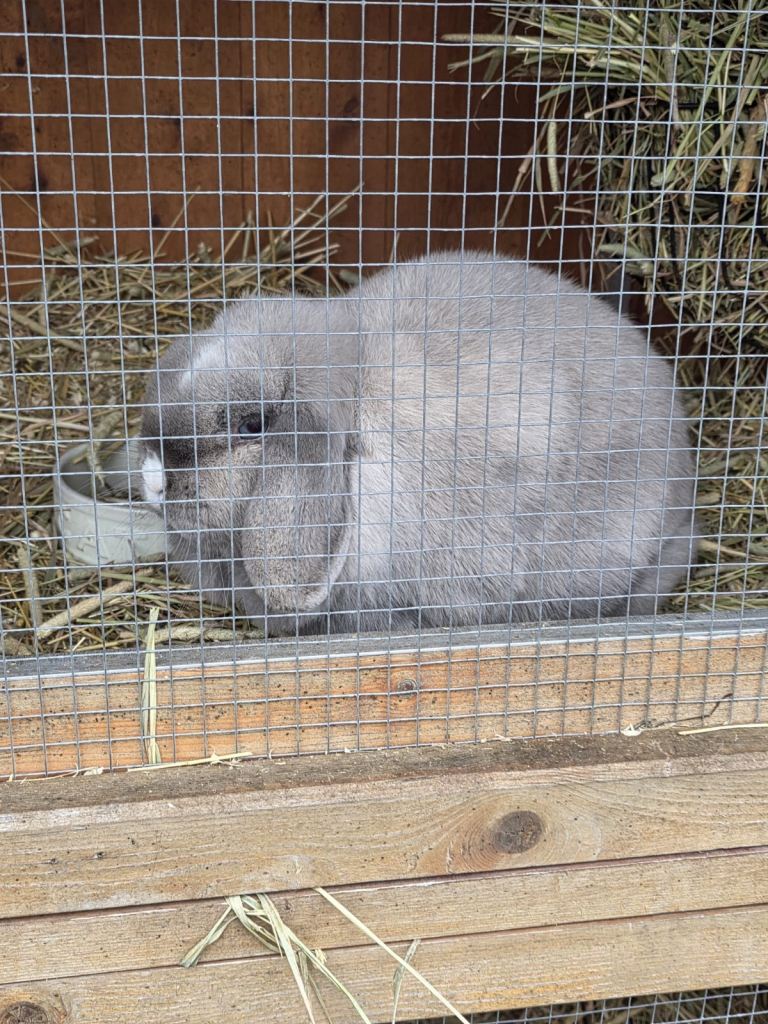
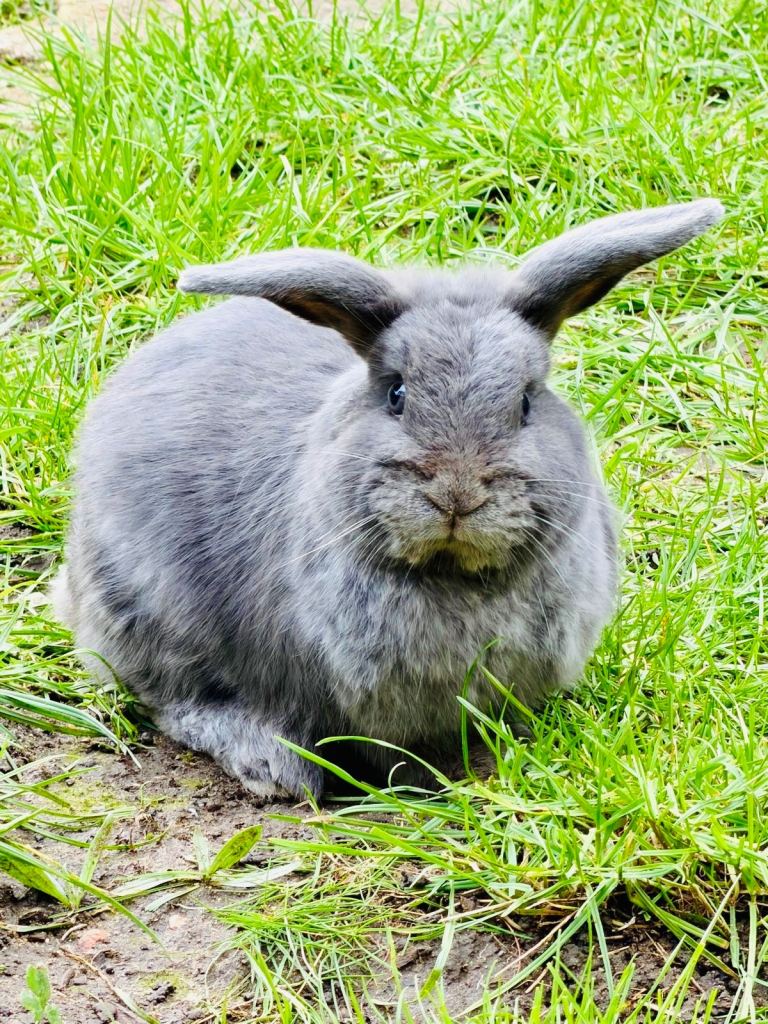
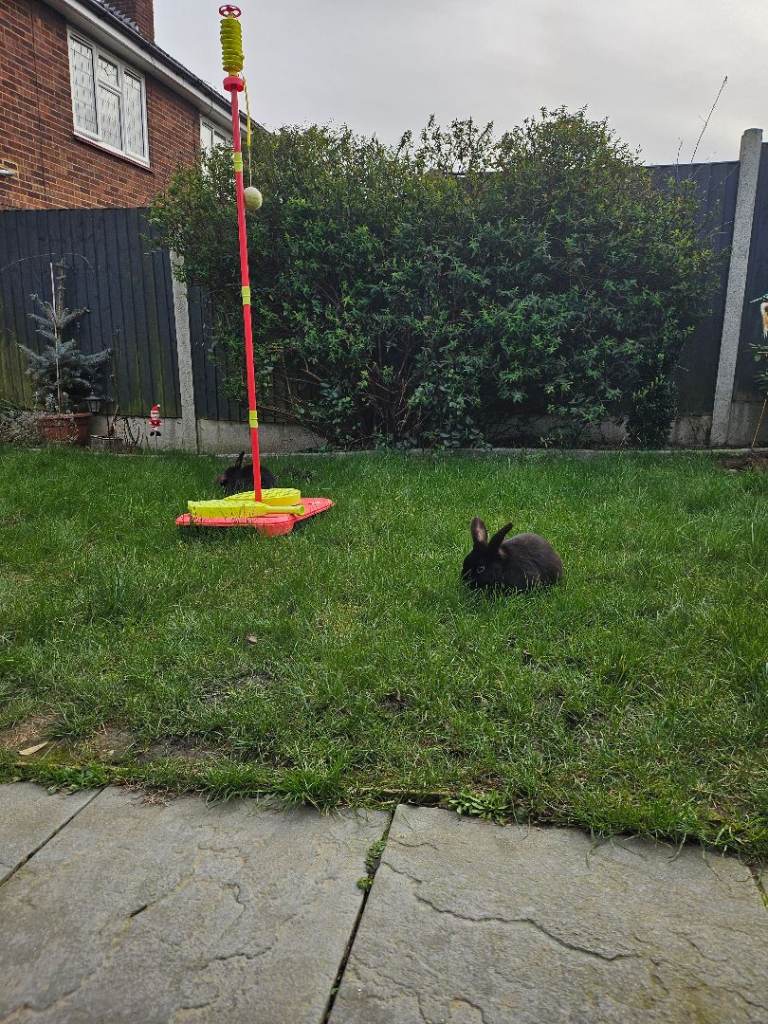
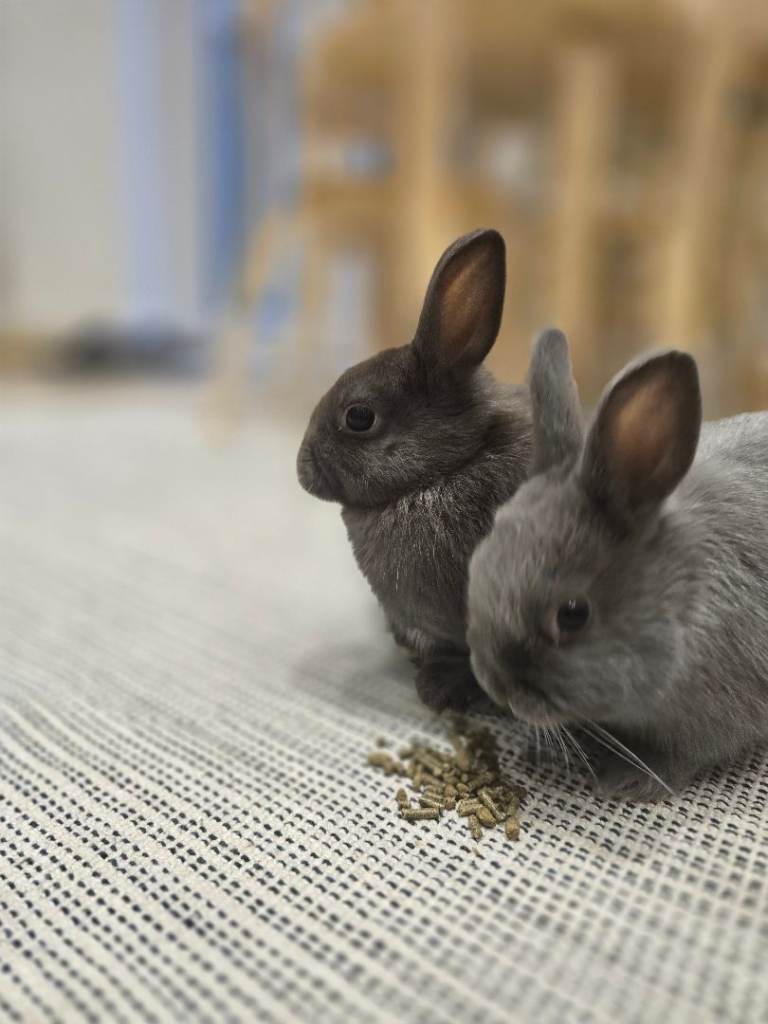
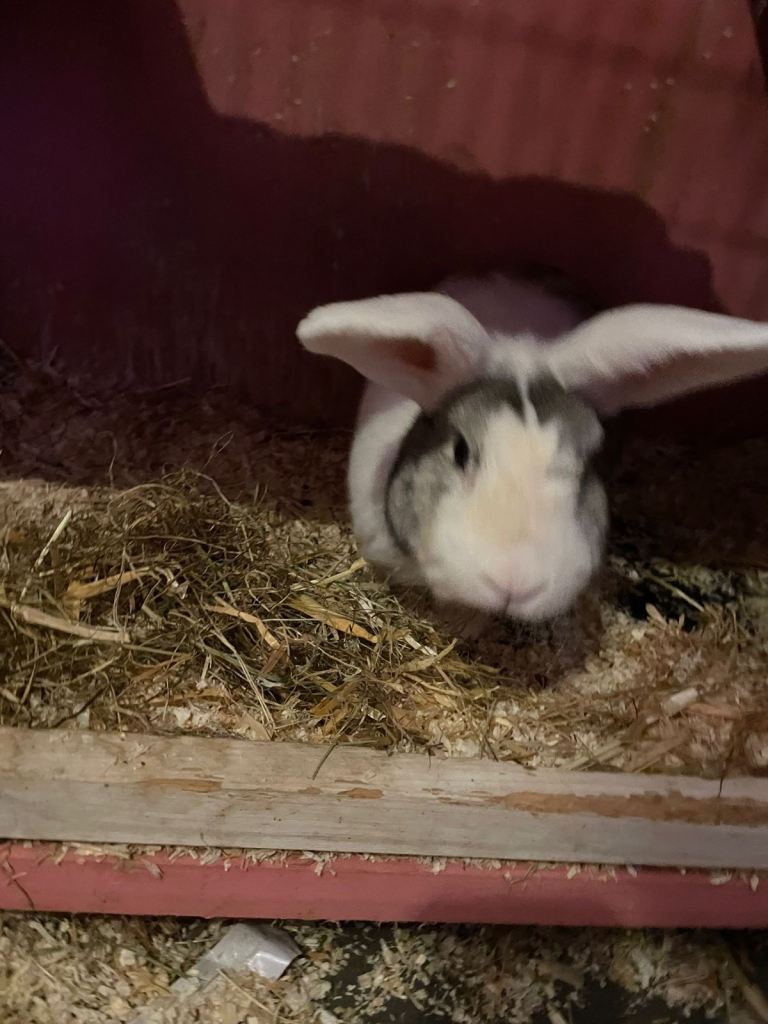
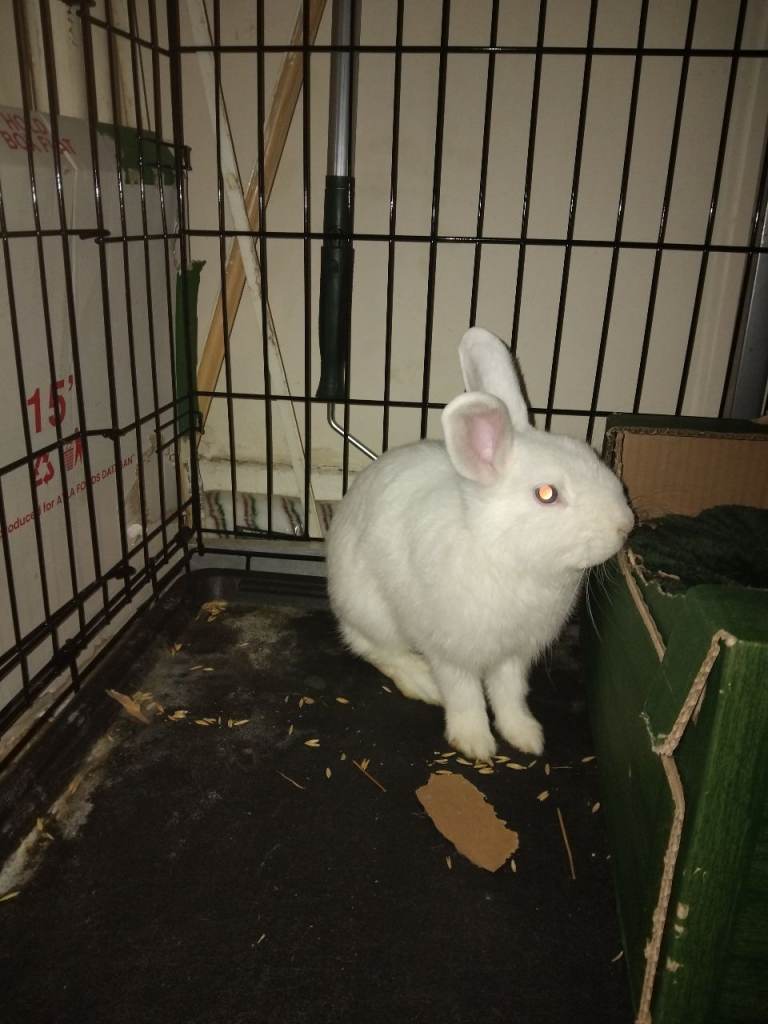
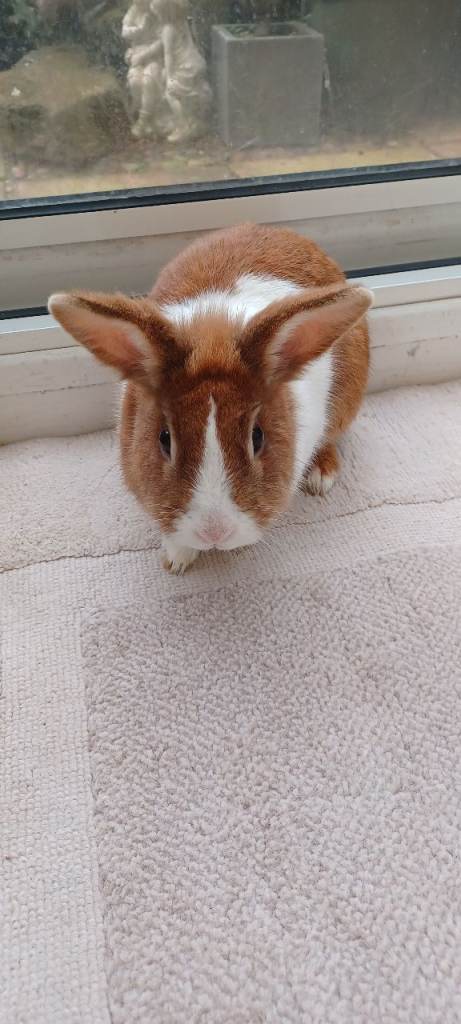
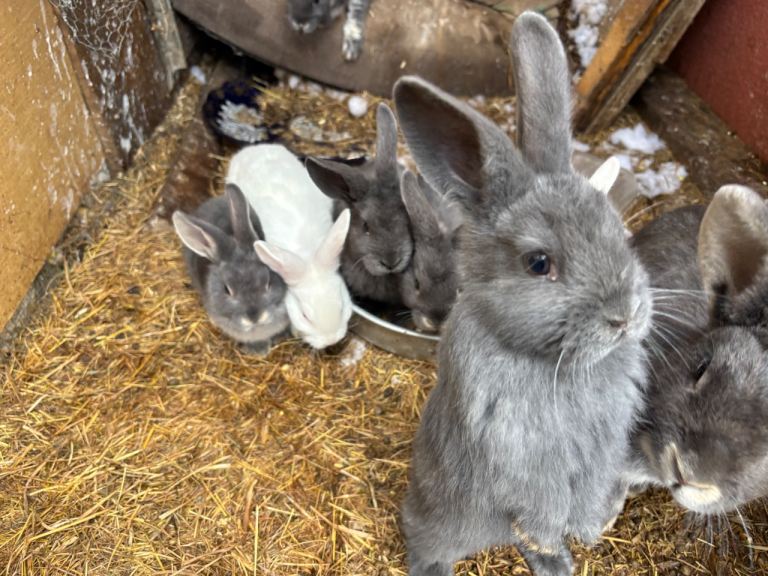
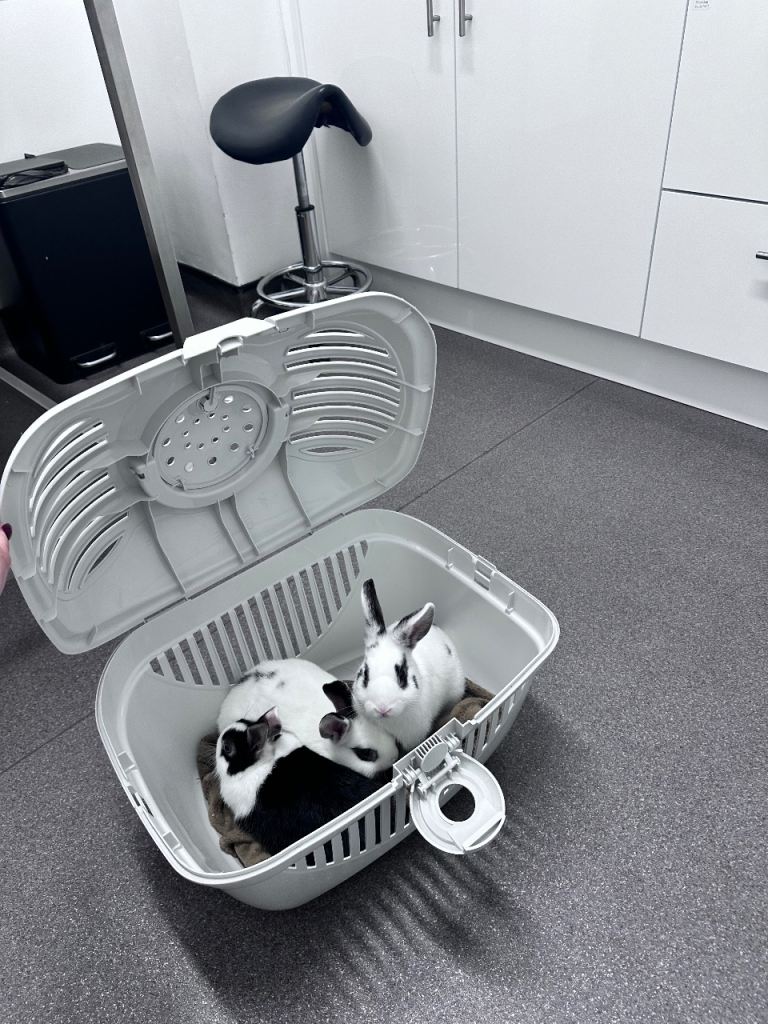
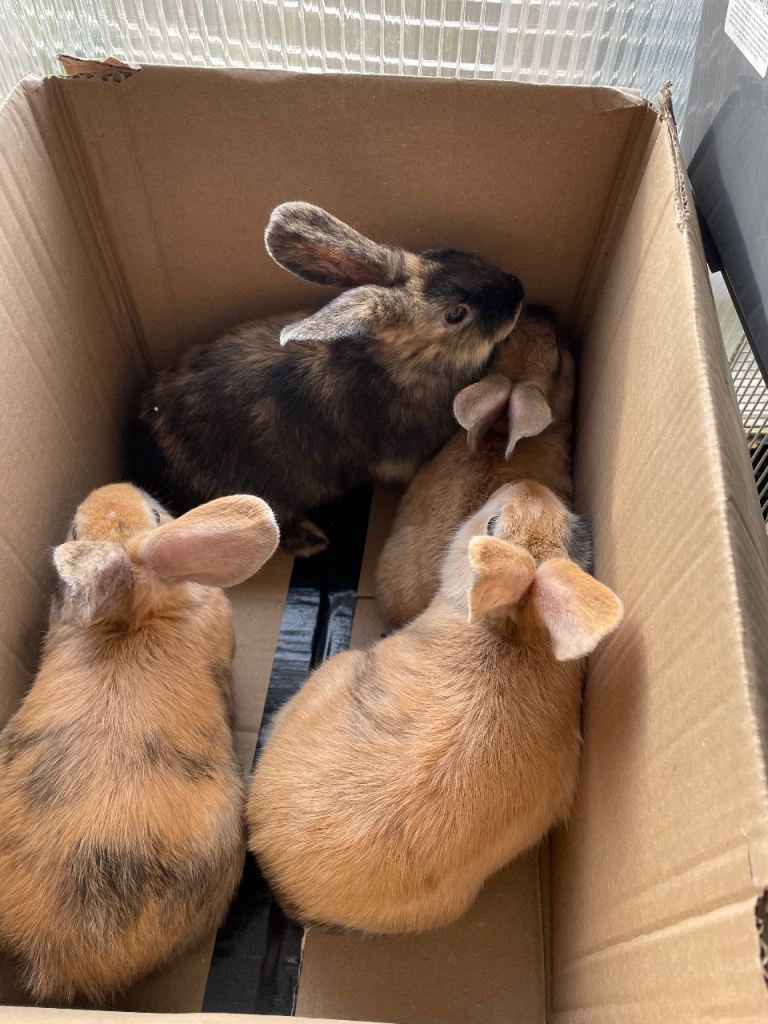
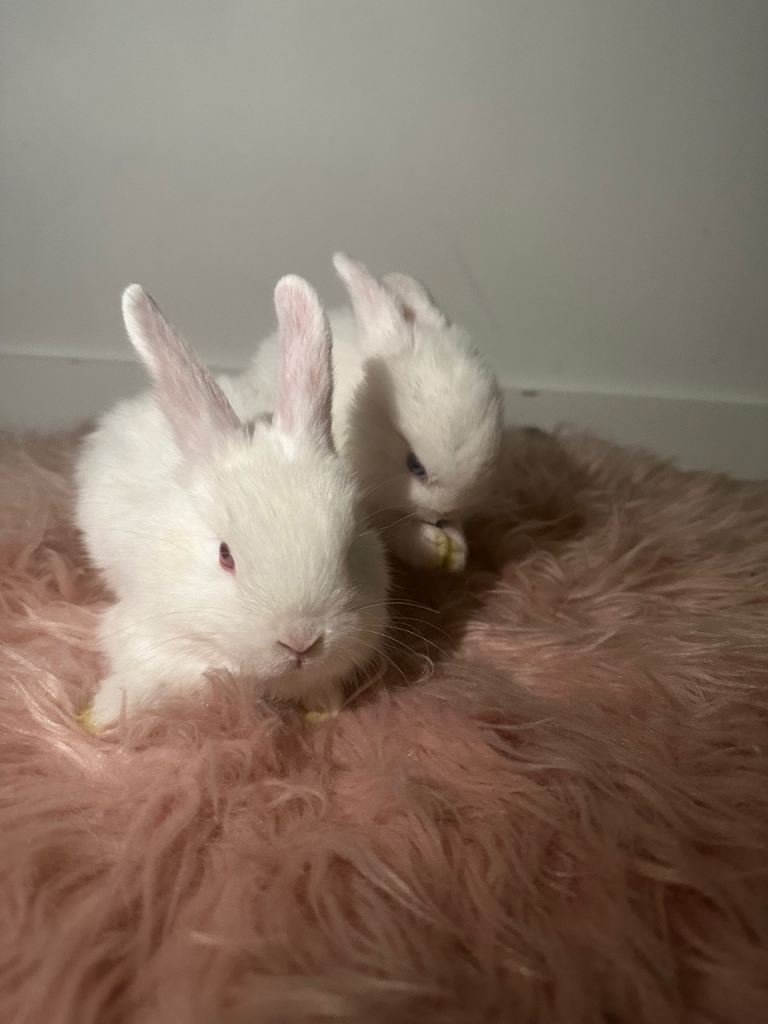
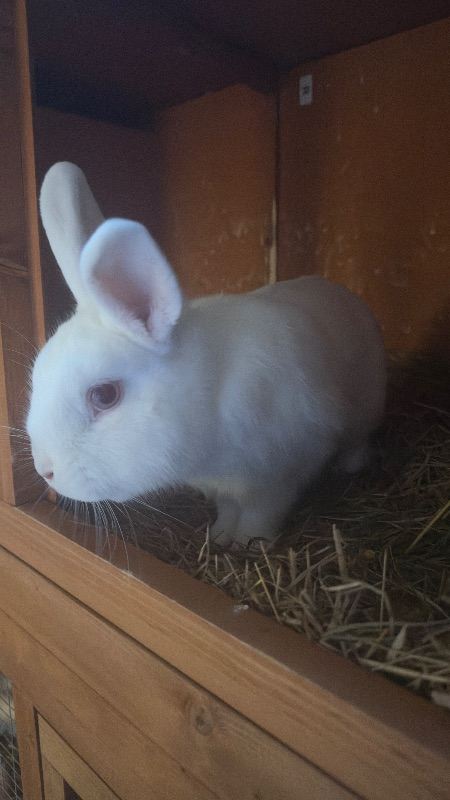
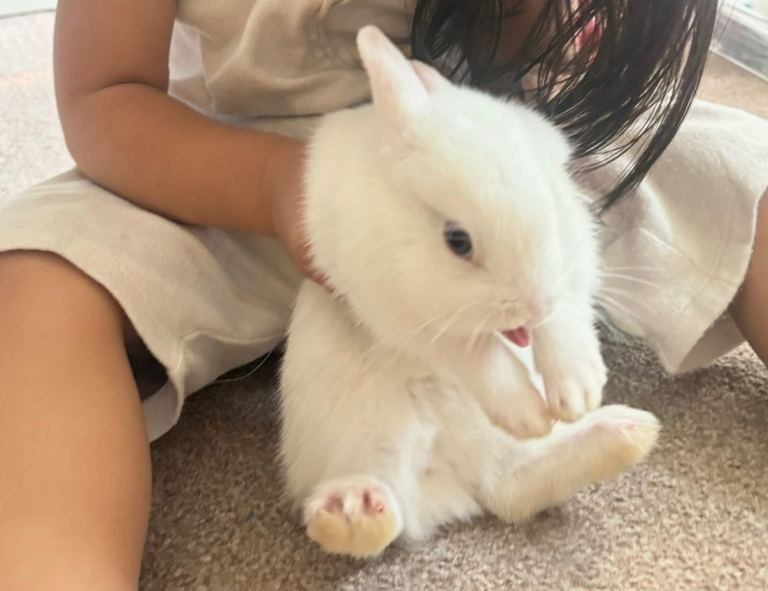
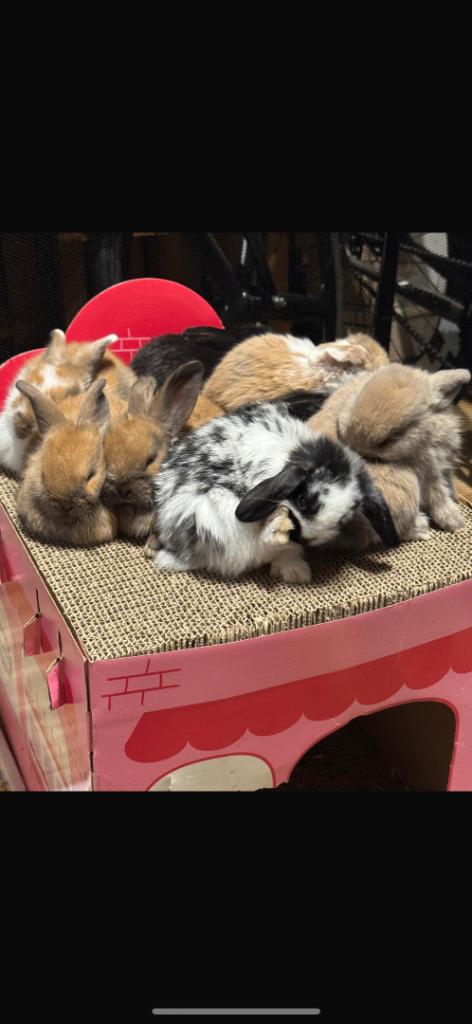
8 Beautiful Mini Lop Bunnies - Mixed Colours
Age: 8 weeks
Ready to leave: Now
Shepherds Bush, London
£50
Consider the rabbit's breed, size, and temperament to ensure it suits your lifestyle and living space. Research the specific needs of different breeds, as some require more space or grooming than others. Observe the rabbit's behaviour; a healthy rabbit should be alert, active, and have a good appetite. Check its overall condition, including its fur, eyes, and teeth.
In the UK, you are legally responsible for ensuring your rabbit's welfare needs are met. This includes providing a suitable environment, a healthy diet, the ability to exhibit normal behaviour, appropriate company, and protection from pain, suffering, injury, and disease. While rabbits don't require a license, neglecting their welfare can result in prosecution under the Animal Welfare Act 2006.
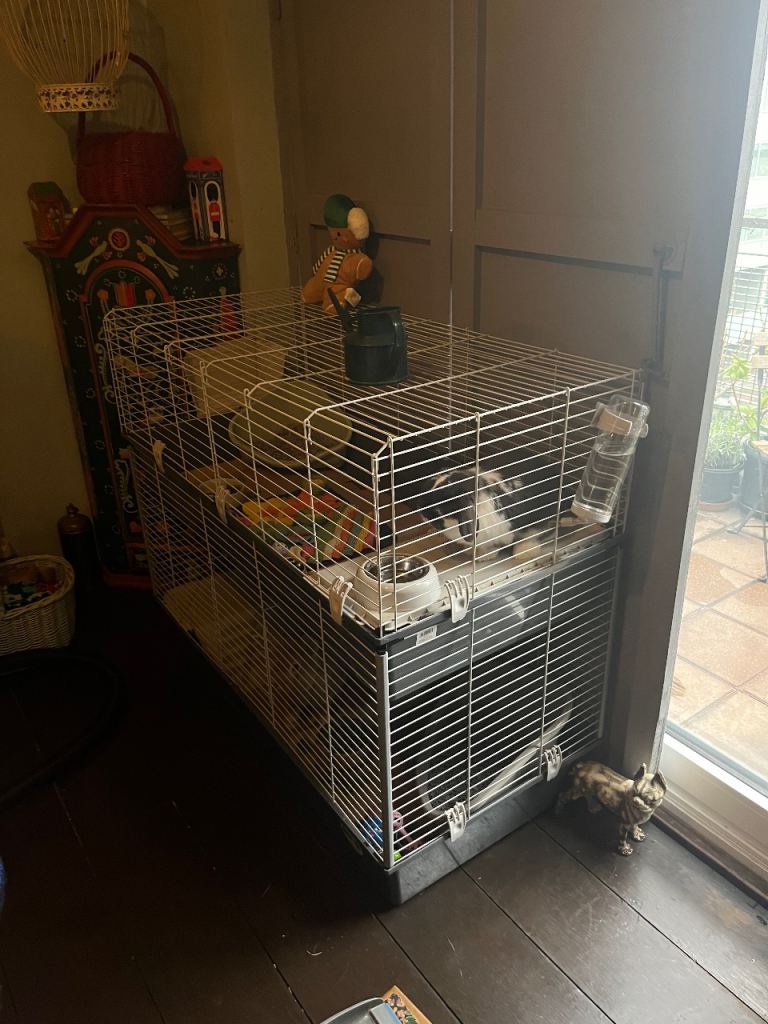
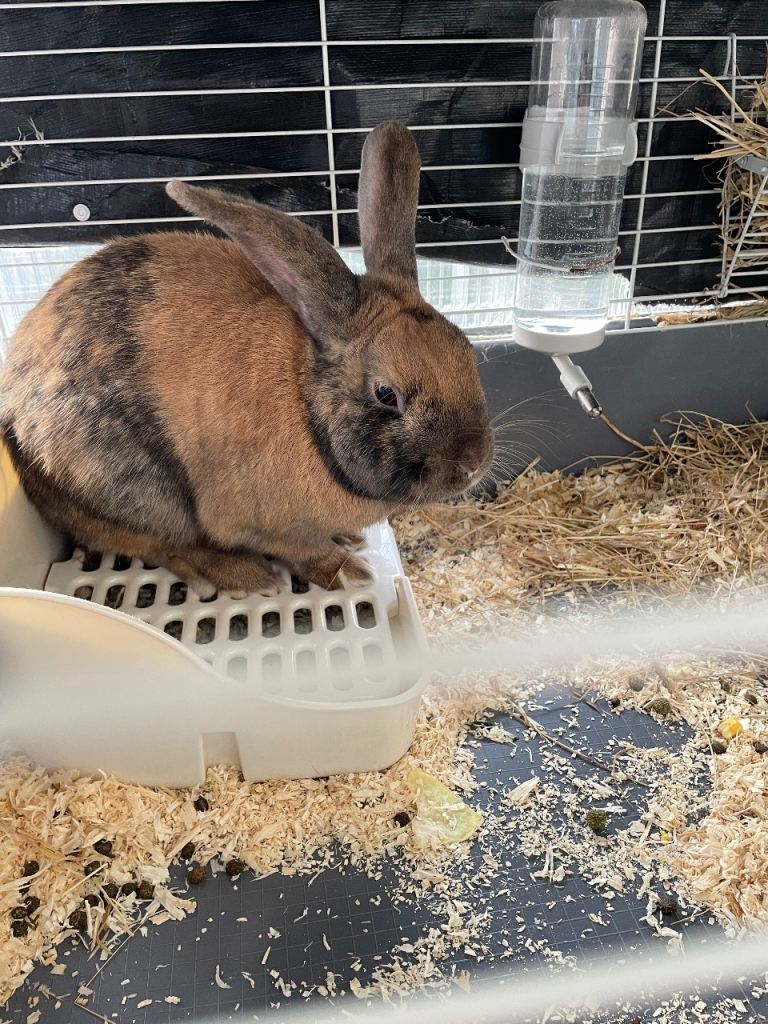
Rabbits need a spacious and secure hutch or enclosure that protects them from the elements and predators. The hutch should be large enough for the rabbit to stand up, stretch out, and hop around comfortably. Provide a separate area for sleeping and hiding. The enclosure should be lined with absorbent bedding, such as straw or hay, which needs to be cleaned regularly to maintain hygiene. Rabbits also need access to a larger exercise area for daily playtime.
A rabbit's diet should consist primarily of hay (around 80%), which is essential for their dental health and digestion. Supplement this with a small amount of high-quality rabbit pellets (about 5% of their diet) and a daily portion of fresh, leafy green vegetables (about 15% of their diet). Avoid giving rabbits sugary treats or human food, as these can cause digestive problems. Always provide fresh, clean water.
Before bringing a rabbit home, check for signs of good health, such as bright, clear eyes, a clean nose, and healthy fur. Inspect the rabbit's teeth to ensure they are not overgrown or misaligned. Check for any signs of skin problems, such as bald patches or sores. It's advisable to take your new rabbit to a vet for a health check shortly after bringing it home to ensure it is healthy and to discuss vaccinations and parasite prevention.