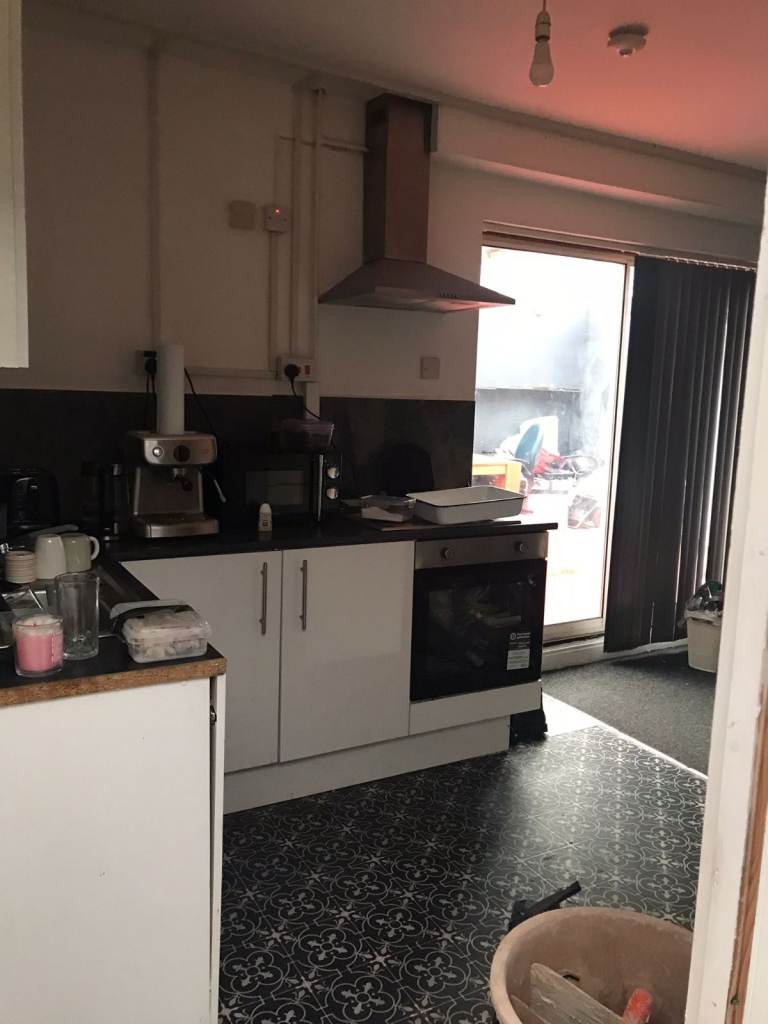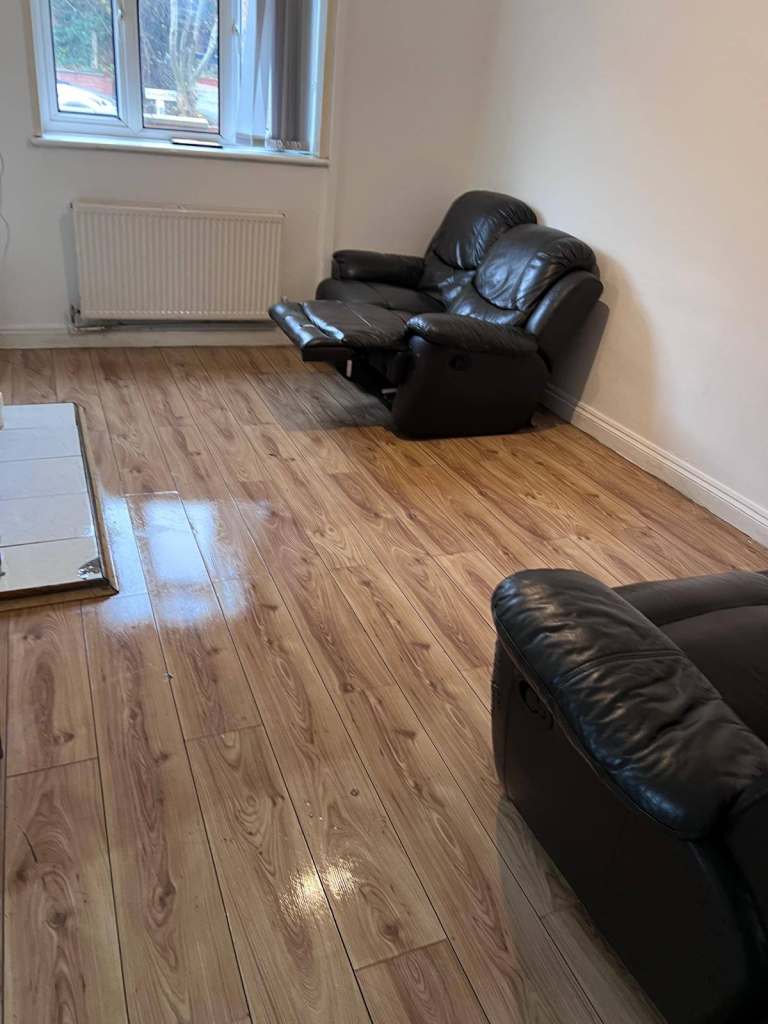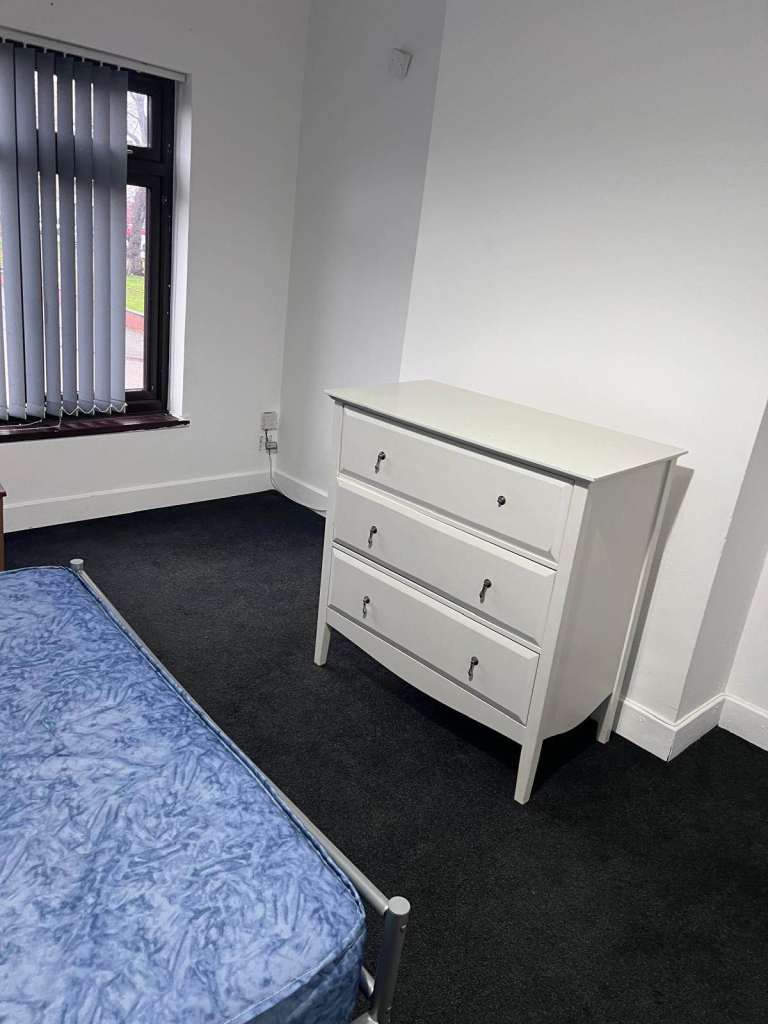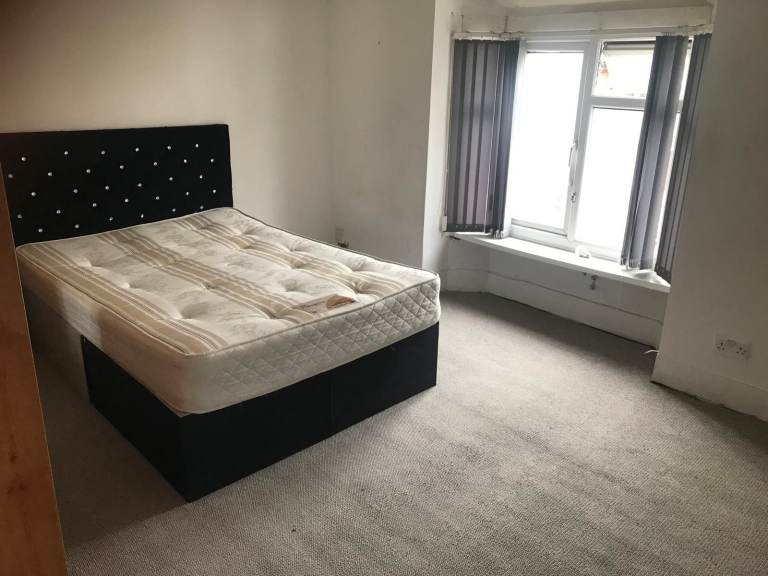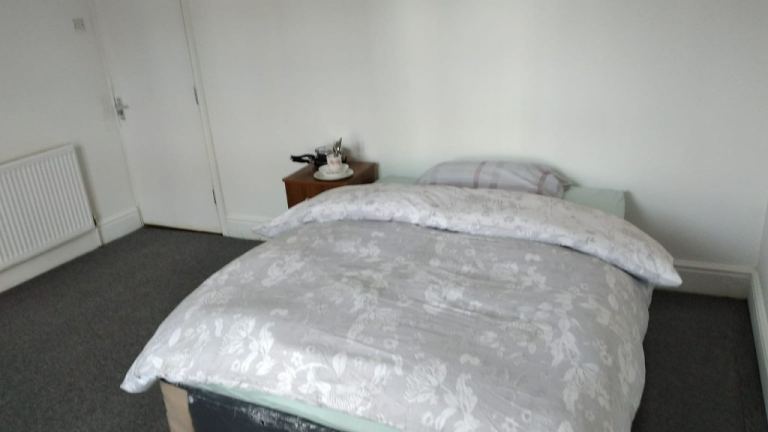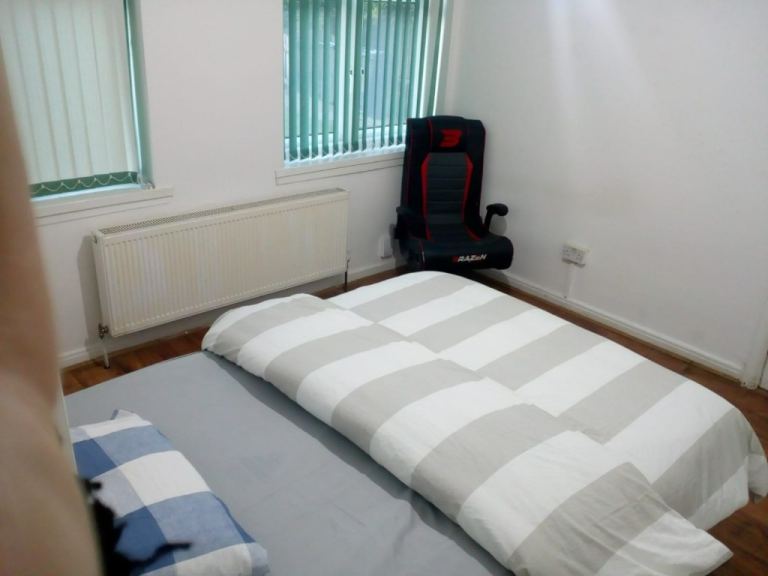
3
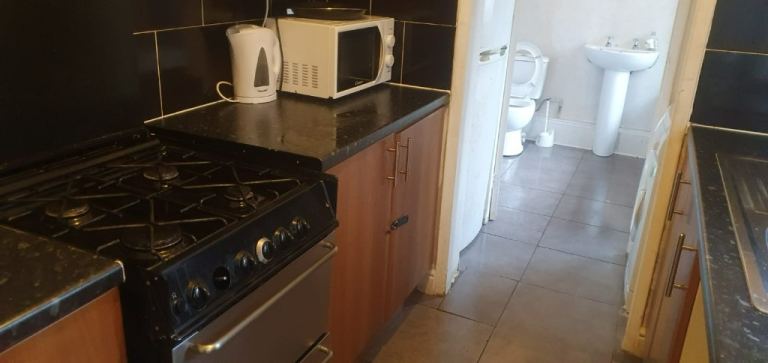
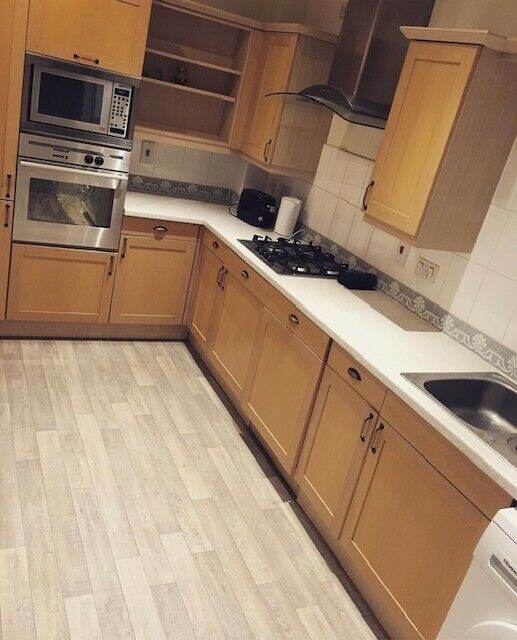
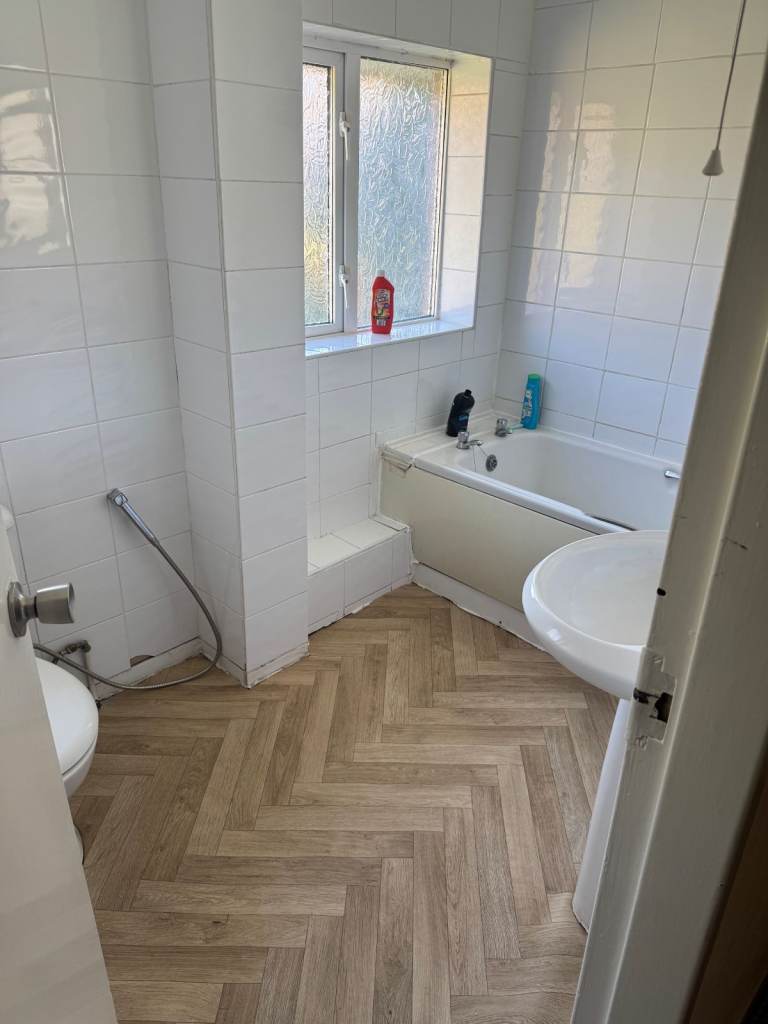
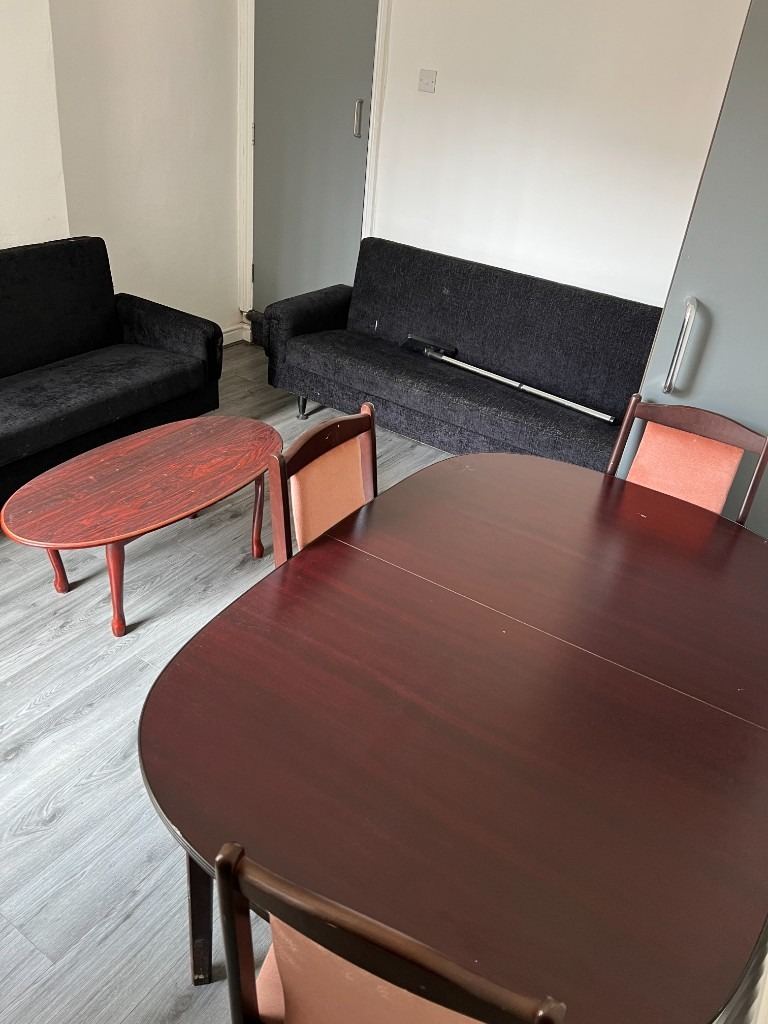
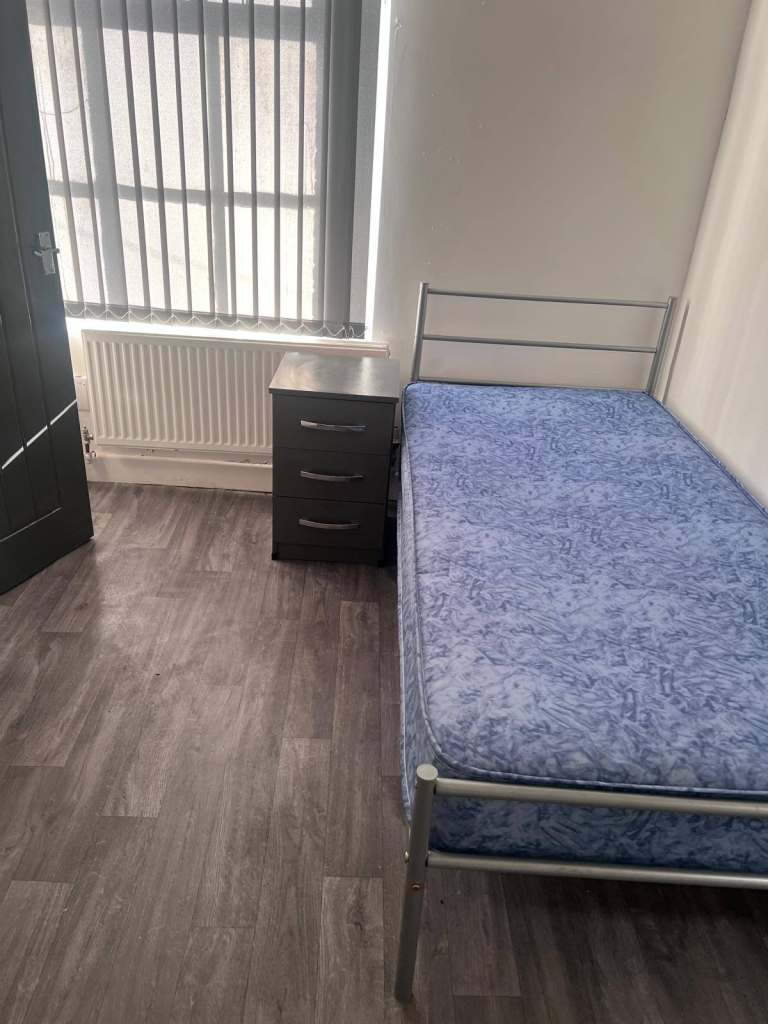
📢Self Contained Flats (Supported Accommodation) Available at Richmond Road B18 (All DSS Accepted)🏠
AgencyDate available: 06 Jan 2026FlatStudio Bed
Handsworth, West Midlands
£0pw
When viewing a property, thoroughly inspect for any signs of damp, mould, or structural issues. Check that all appliances are in good working order and that the property is adequately insulated. Pay attention to the neighbourhood and consider its proximity to amenities, transport links, and local services.
As a tenant in the UK, you have the right to live in a safe and well-maintained property. Your landlord is responsible for essential repairs, and you have the right to quiet enjoyment of the property. You also have protection from unfair eviction. Familiarise yourself with your rights under the Housing Act 1988.
DSS accepted' is an outdated term referring to landlords who accept tenants who receive benefits, such as Universal Credit or Housing Benefit. While direct discrimination against benefit recipients is unlawful, some landlords may still have policies that indirectly disadvantage them. Ensure the landlord is aware of your situation and that the tenancy agreement is clear.
You will typically need to provide proof of identity (passport or driving licence), proof of address (utility bill or bank statement), proof of income (payslips or bank statements), and references from previous landlords or employers. Be prepared to provide a guarantor if required, especially if you have a limited credit history.
A tenancy deposit is a sum of money paid by the tenant to the landlord as security against damage to the property or unpaid rent. In the UK, landlords are legally required to protect your deposit in a government-approved tenancy deposit protection (TDP) scheme. This ensures that your deposit is returned to you at the end of the tenancy, provided you have met the terms of the agreement and the property is in good condition. Ask your landlord which scheme they use.