Featured
1/20
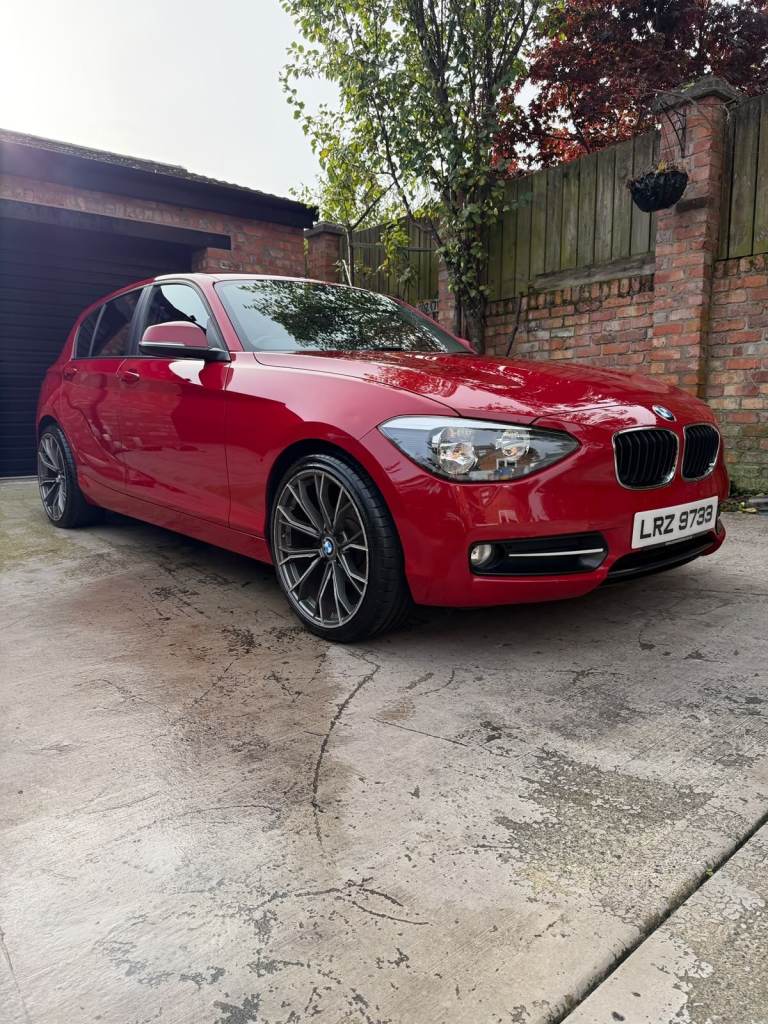
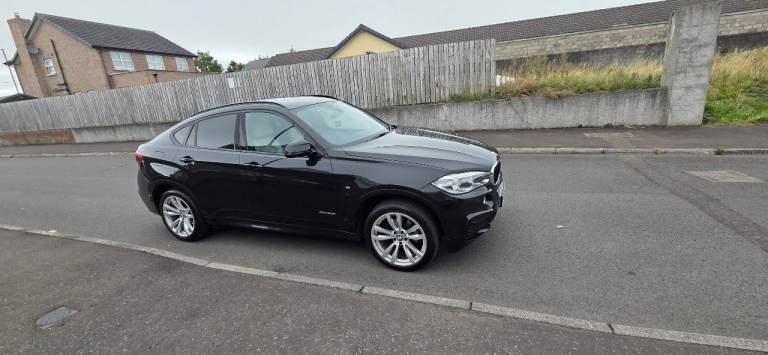
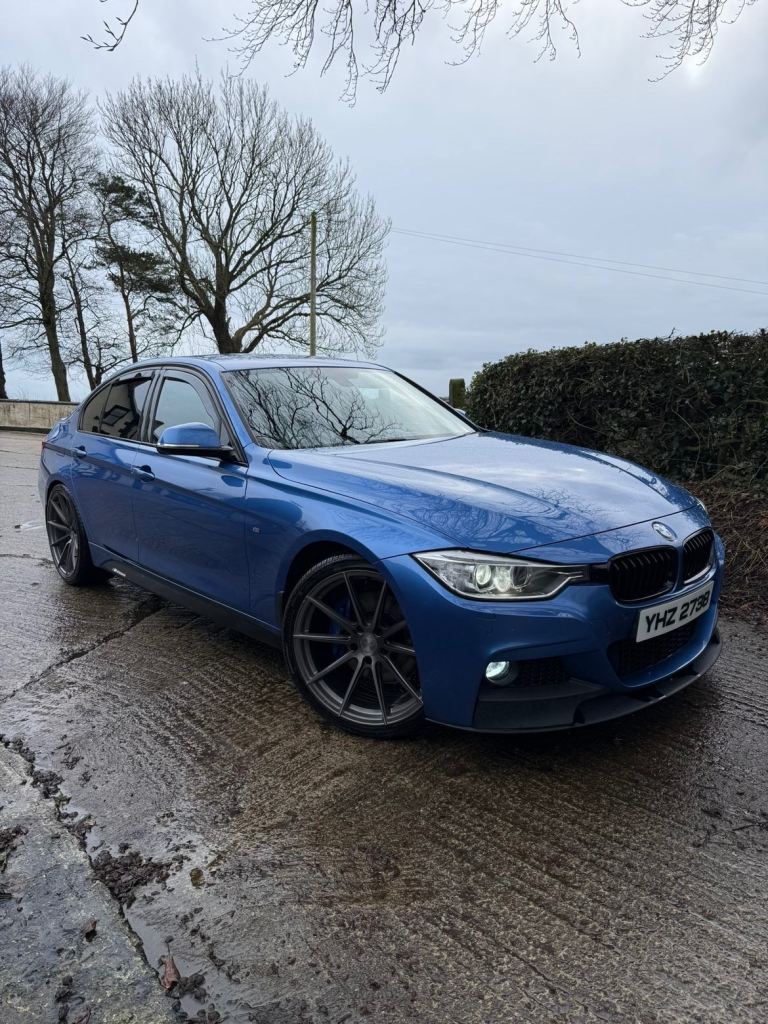
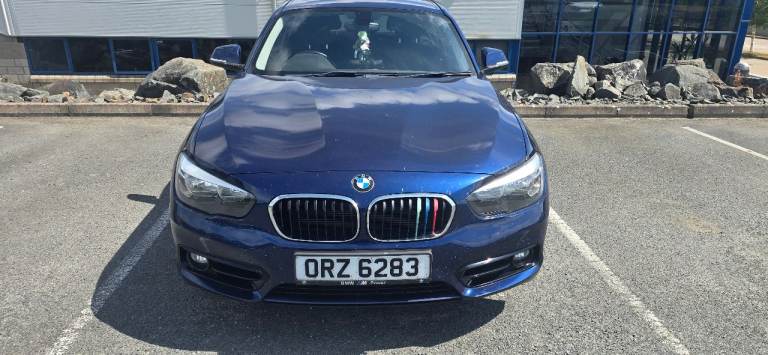
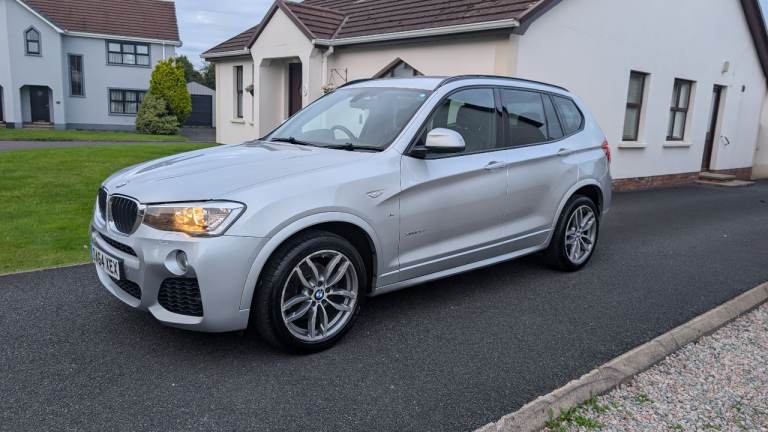
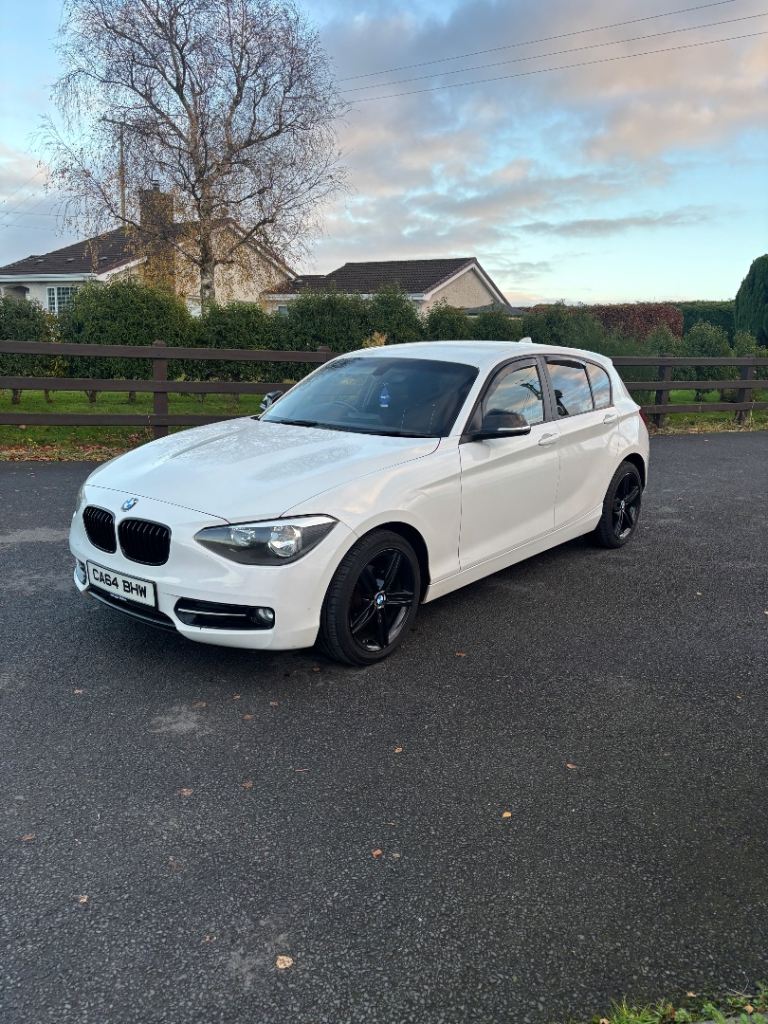
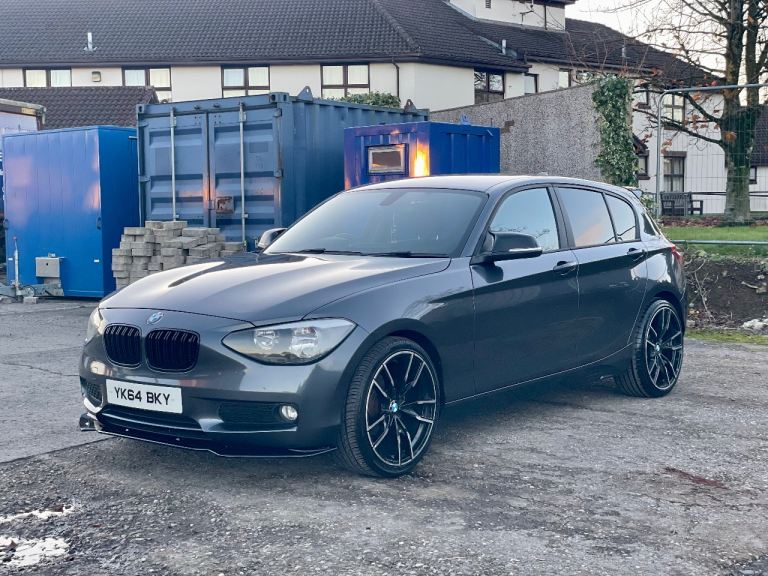
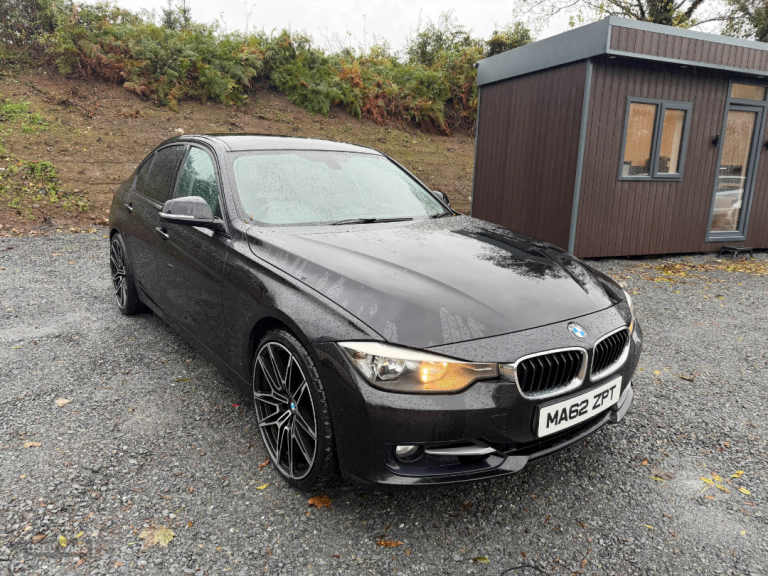
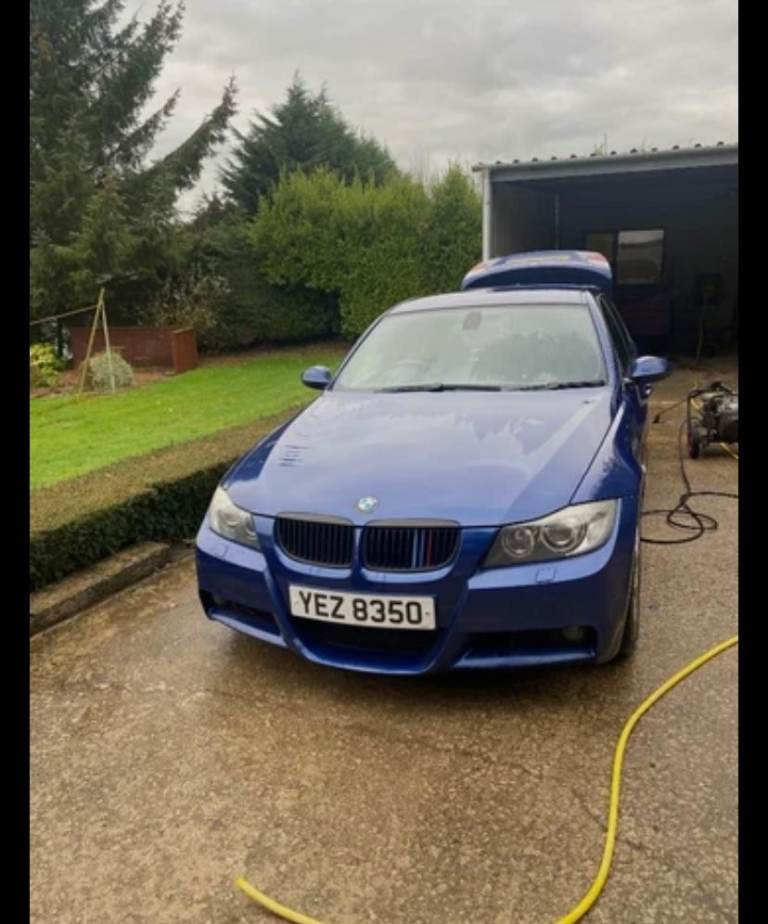
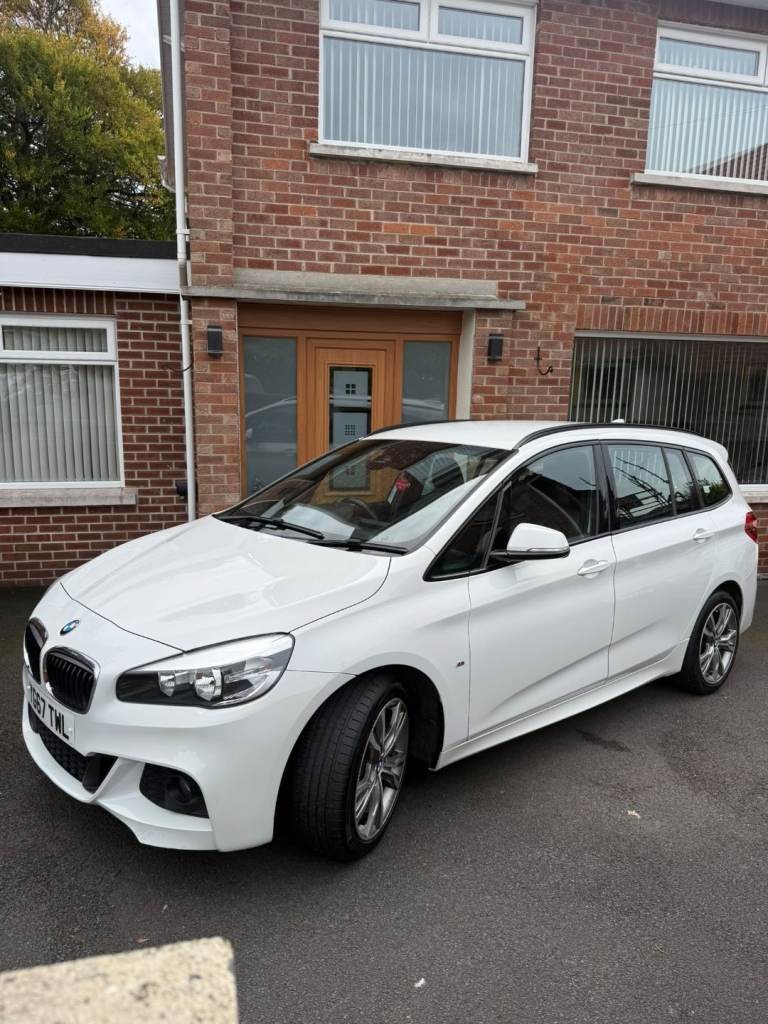
BMW, 2 SERIES, Estate, 2017, Manual, 1995 (cc), 5 doors PRICE DROP
201777,286 milesPrivateDiesel1,995 cc
County Antrim
£9,450
When buying a used BMW, thoroughly inspect the service history for documented maintenance. Check for any signs of accident damage, such as mismatched paint or panel gaps. Test all electronic features, including the iDrive system, and ensure the engine starts smoothly and runs without unusual noises. Also, verify the Vehicle Identification Number (VIN) matches the documentation. In Northern Ireland, ensure the car has a valid MOT certificate.
Common issues in used BMWs can include problems with the cooling system (water pump, thermostat), oil leaks (valve cover gasket, oil filter housing), and issues with the VANOS variable valve timing system. Also, be aware of potential electrical problems, particularly with older models. A pre-purchase inspection by a qualified mechanic is highly recommended.
You should receive the vehicle's V5C registration document (log book), MOT certificate, service history (if available), and any receipts for recent work carried out. Ensure the V5C matches the car's details and that the seller is the registered keeper. You'll also need a bill of sale with the agreed price and date of sale.
In Northern Ireland, it is illegal to sell a car that is not roadworthy. While the seller isn't legally obligated to disclose every minor fault, they must not knowingly misrepresent the car's condition. It's your responsibility to satisfy yourself that the car is safe and legal before buying it. A valid MOT certificate is a good indicator, but it's not a guarantee of the car's overall condition.
During the test drive, pay attention to the engine's performance, the smoothness of the gearbox, and the effectiveness of the brakes. Listen for any unusual noises from the engine, suspension, or drivetrain. Check that all warning lights on the dashboard extinguish after starting the engine. Also, test the car on different road surfaces to assess the suspension and handling.