What qualifications should a massage therapist in Northern Ireland have?
When seeking a massage therapist, it's important to check their qualifications and certifications. Look for therapists who are registered with a professional body such as the Complementary & Natural Healthcare Council (CNHC) or the Federation of Holistic Therapists (FHT). Registration indicates they have met certain standards of training and practice. Also, enquire about their specific training in the type of massage you are seeking (e.g., sports massage, deep tissue massage).
What should I expect during my first massage appointment?
During your first appointment, the therapist will typically ask about your medical history, lifestyle, and any specific areas of concern. They should explain the treatment plan and what to expect during the massage. You should feel comfortable discussing any discomfort or preferences you have during the session. The therapist should also ensure your privacy and comfort throughout the appointment.
Are there any health conditions that would make massage unsuitable?
Certain health conditions may make massage unsuitable or require modifications to the treatment. It's crucial to inform your therapist about any pre-existing conditions such as blood clots, skin infections, fever, contagious diseases, or recent surgery. They can then assess whether massage is appropriate and adapt the treatment accordingly. If in doubt, consult your GP before booking a massage.
How do I ensure the massage environment is safe and hygienic?
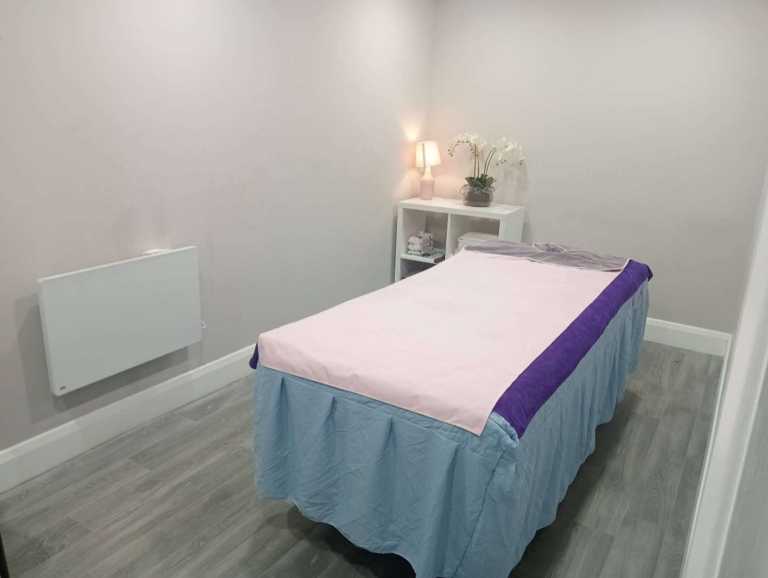
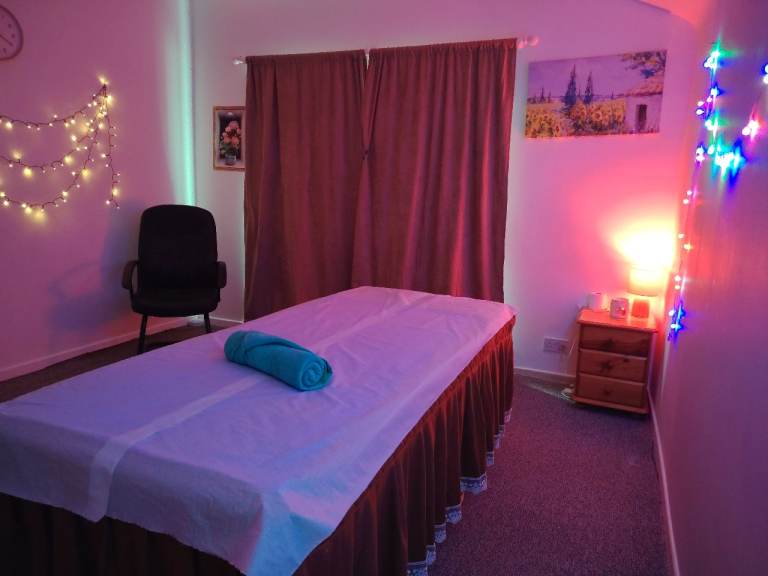
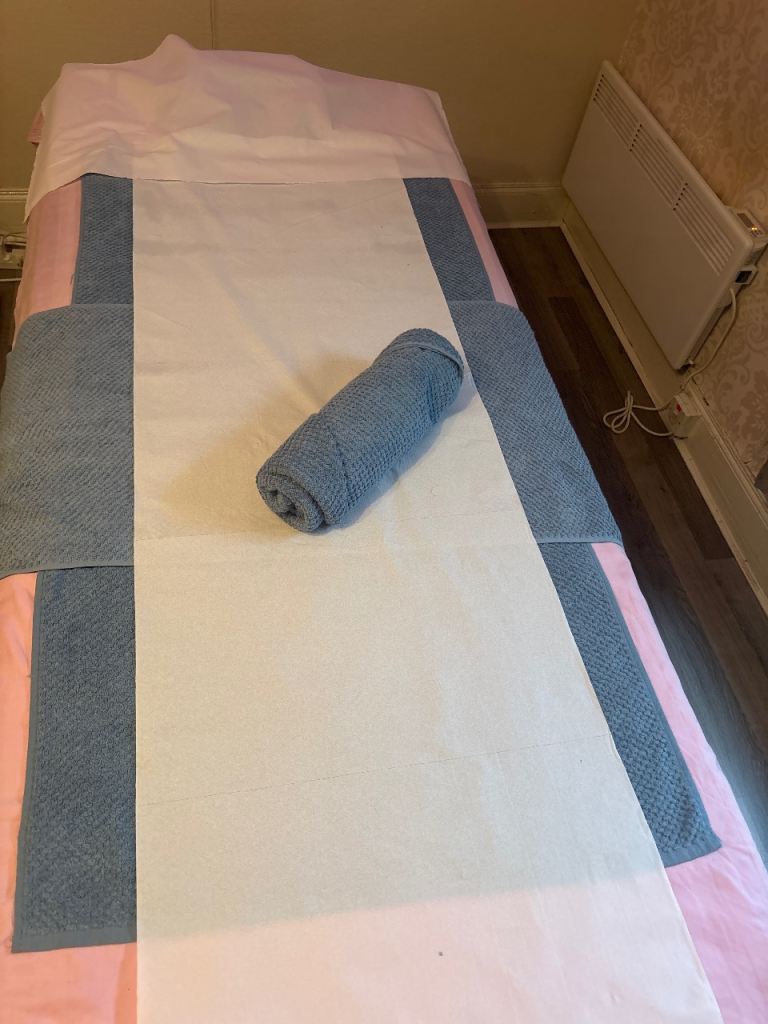
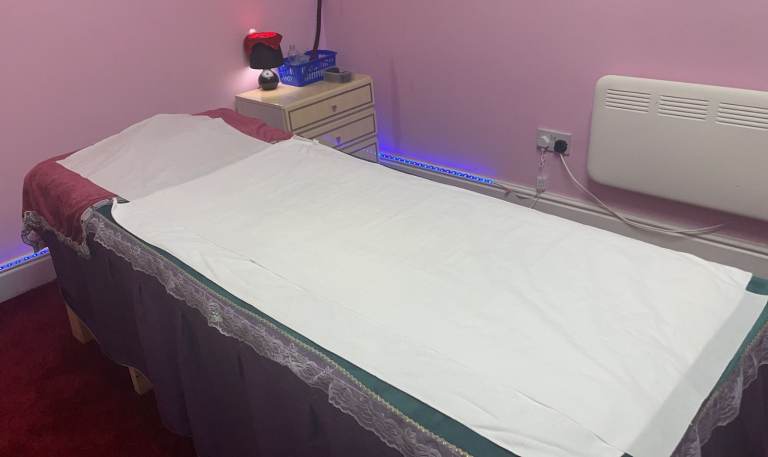
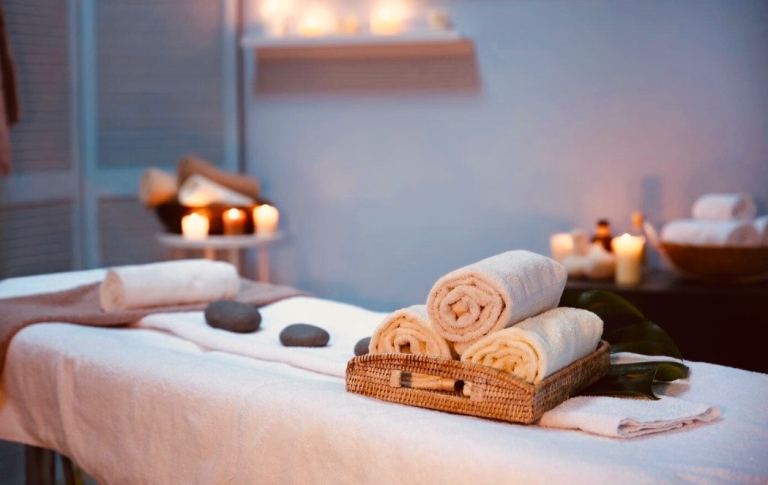
Ensure the massage environment is clean and well-maintained. The therapist should use clean linens and towels for each client and wash their hands thoroughly before and after the massage. The treatment room should be private and comfortable. If you have any concerns about hygiene, don't hesitate to raise them with the therapist.
What are the different types of massage available in Northern Ireland, and which is right for me?
Various types of massage are available, including Swedish massage (for relaxation), deep tissue massage (for muscle tension), sports massage (for athletes), and aromatherapy massage (using essential oils). Consider your needs and preferences when choosing a massage type. If you're unsure, discuss your concerns with the therapist, who can recommend the most suitable treatment for you. For example, if you have chronic muscle pain, a deep tissue massage might be beneficial, while if you're looking for relaxation, a Swedish massage could be more appropriate.