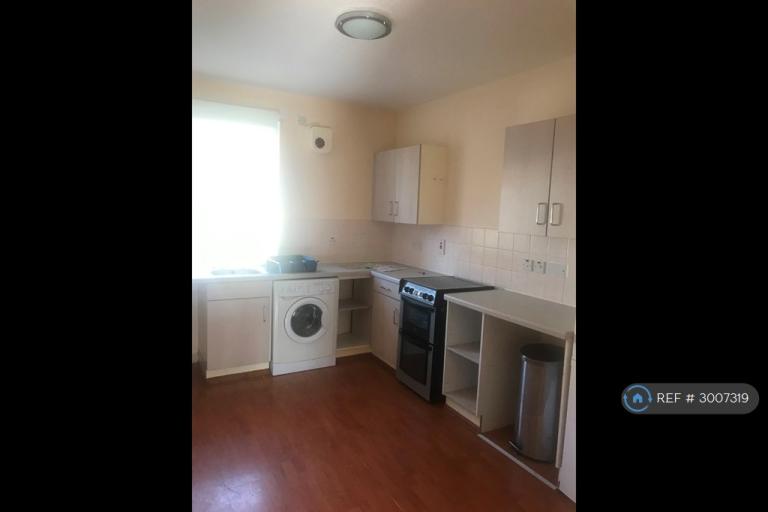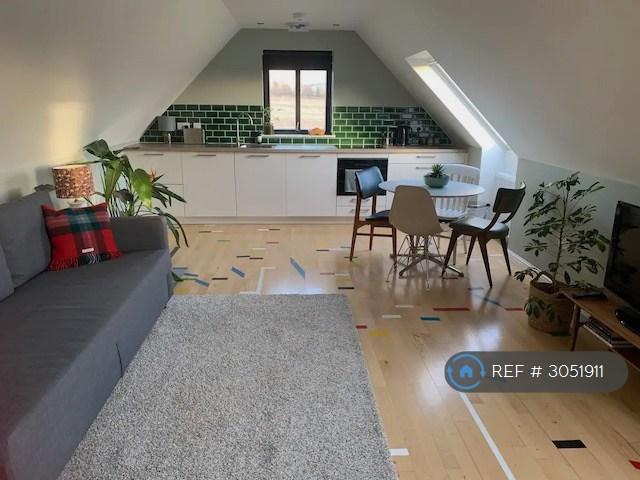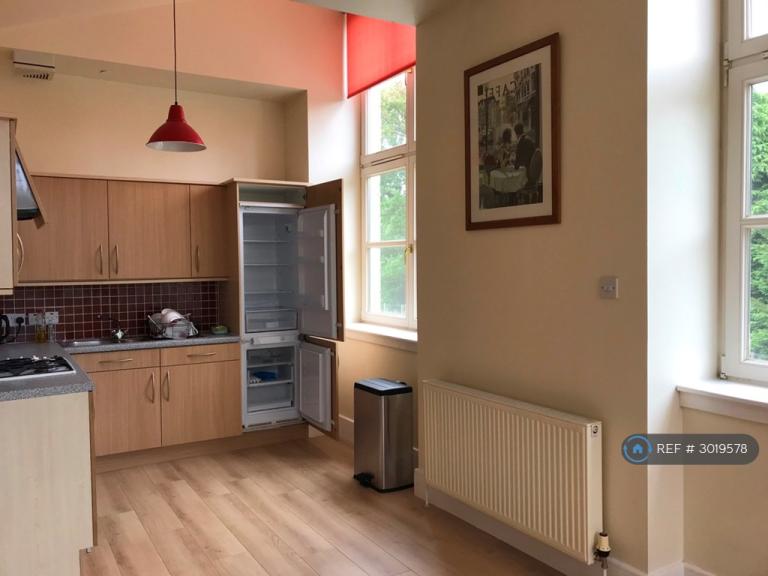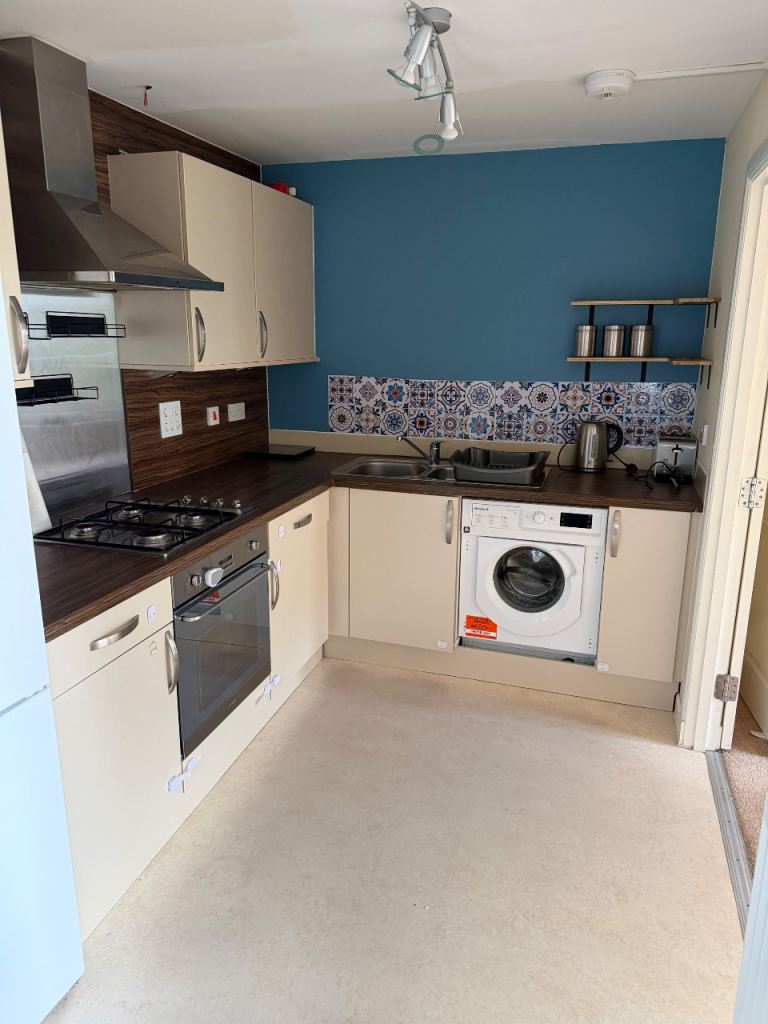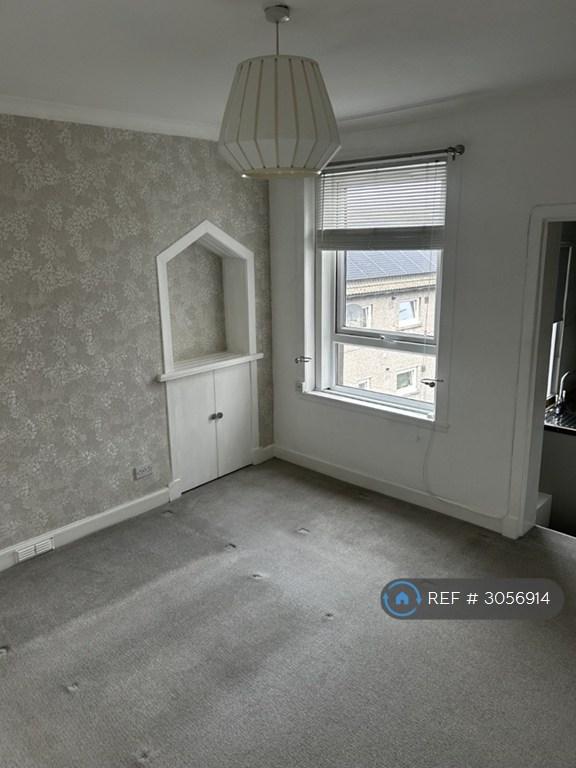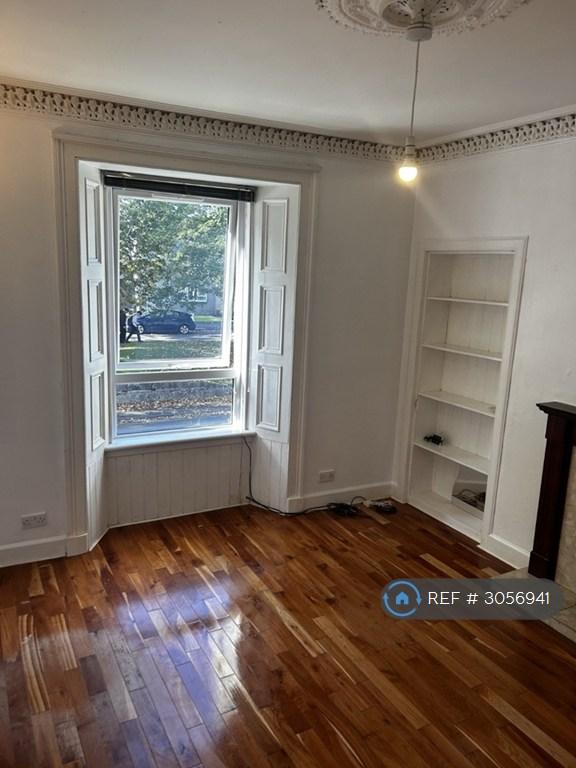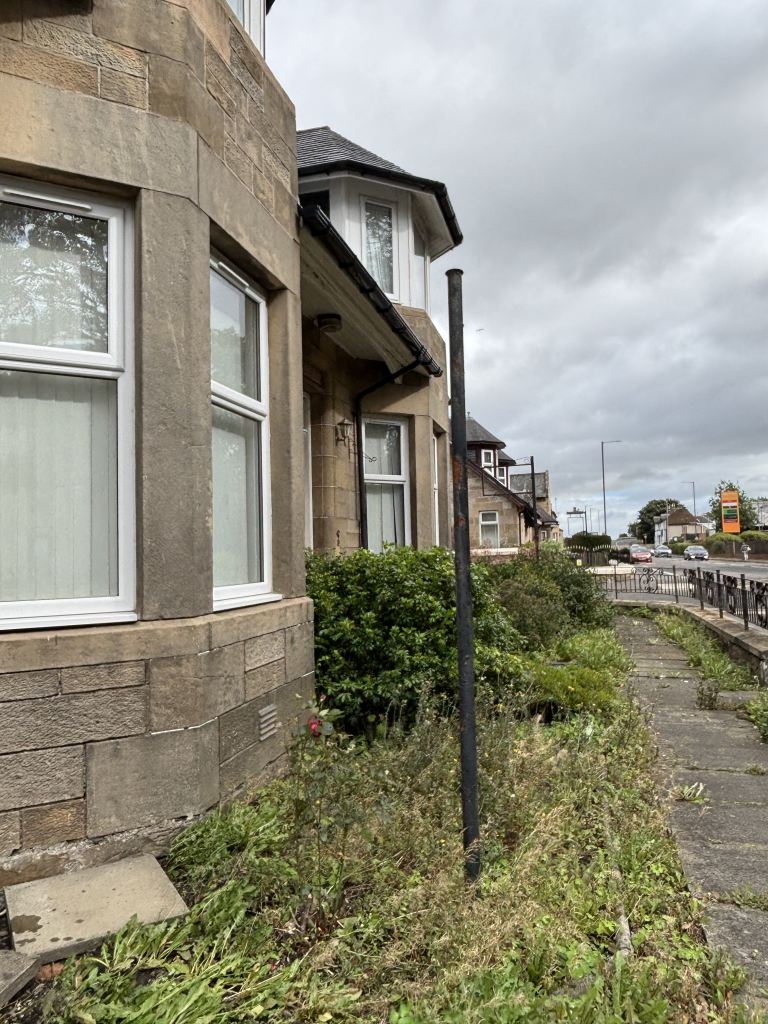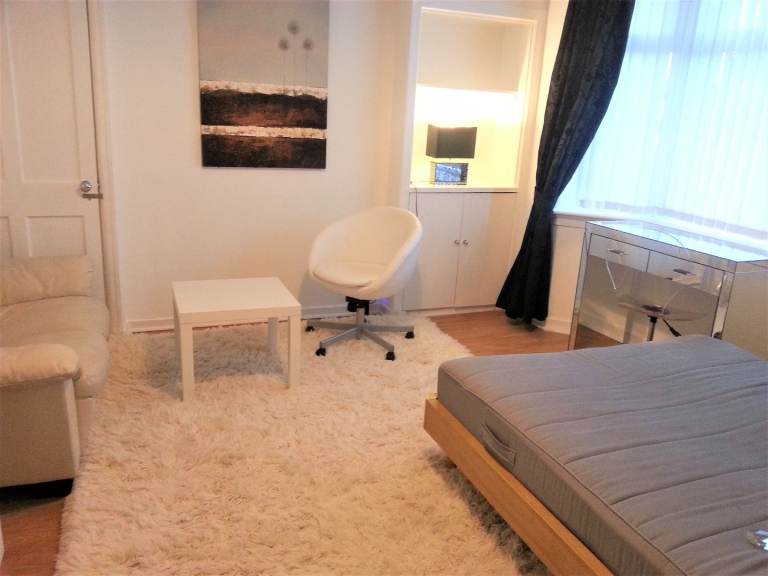
1/13
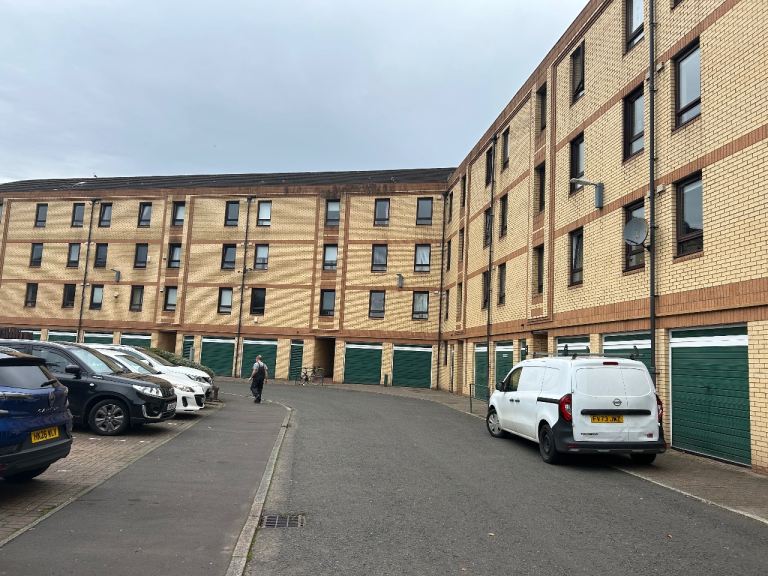
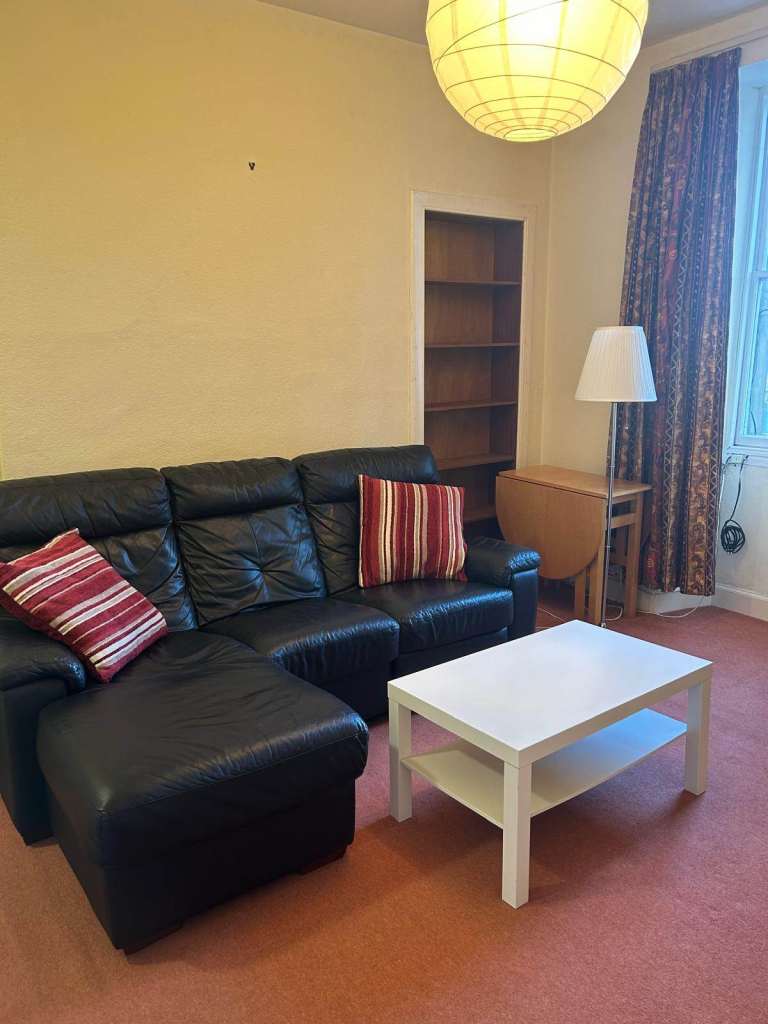
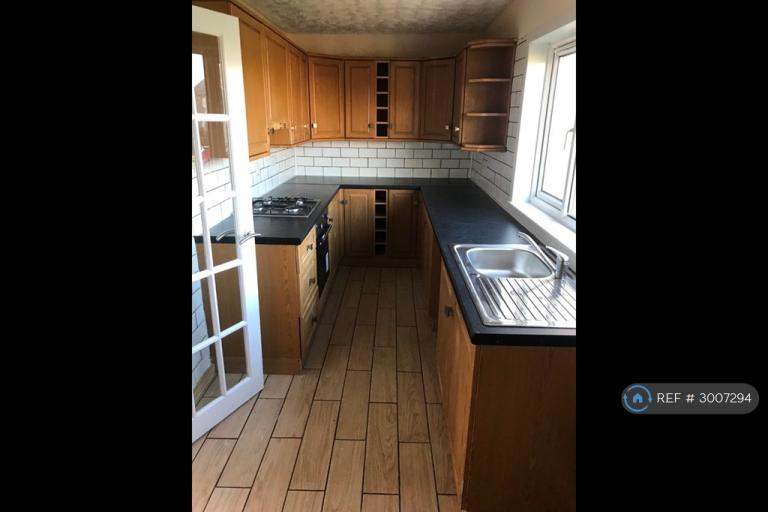
2 bedroom flat in Torbrex, Stirling, FK7 (2 bed) (#3007294)
AgencyFlat2 Beds
Stirling
£1,000pm
During a viewing, thoroughly inspect the property for any signs of damp, mould, or structural issues. Check that all appliances are in working order, including the heating system and any provided white goods. Pay attention to the energy performance certificate (EPC) rating, as this will affect your energy bills. Ensure all windows and doors seal properly to prevent drafts. Note any existing damage and discuss it with the landlord or letting agent before signing a tenancy agreement.
In Scotland, your deposit must be protected in a government-approved tenancy deposit scheme within 30 working days of the start of the tenancy. The landlord must also provide you with specific information about the scheme used. At the end of the tenancy, the deposit must be returned promptly, minus any agreed-upon deductions for damages or unpaid rent. You have the right to challenge any unfair deductions through the deposit scheme's dispute resolution service.
Landlords in Scotland must be registered with the local authority (Stirling Council). The property must meet certain safety standards, including having a valid Energy Performance Certificate (EPC), a Landlord Gas Safety Certificate (if applicable), and working smoke and carbon monoxide alarms. Landlords must also ensure the property is 'fit for human habitation' which covers things like being structurally sound, free from damp, and having adequate heating and ventilation.
Consider the proximity to amenities such as shops, schools, public transport, and healthcare facilities. Research the local crime rates and neighbourhood safety. Think about noise levels, especially if you are sensitive to noise. Check the availability of parking. Consider the council tax band for the property, as this will affect your monthly expenses. Visiting the area at different times of day can give you a better feel for the neighbourhood.
The Private Residential Tenancy is the standard tenancy agreement in Scotland. Key features include open-ended tenancies (no fixed end date), rent increase limitations (landlords can only increase rent once per year and must provide at least three months' notice), and stronger protection against eviction (landlords must follow specific procedures and have valid grounds for eviction). Tenants also have the right to challenge unfair rent increases through Rent Service Scotland.