1
Yard/Land/Rooms/office/workshop CCTV
AgencyDate available: 15 Mar 2026Other
Uxbridge, London
£80pm
Before committing to a rental agreement, verify that the yard's current planning permission aligns with your intended business activities. Contact the local council's planning department to confirm permitted uses and any restrictions. Operating without appropriate planning permission can result in enforcement action.
Lease terms for commercial yards can vary significantly. Common terms range from short-term licenses (e.g., monthly rolling) to longer leases (e.g., 3-5 years or more). Pay close attention to break clauses, rent review clauses, and repair obligations within the lease agreement. Seek legal advice to fully understand your rights and responsibilities.
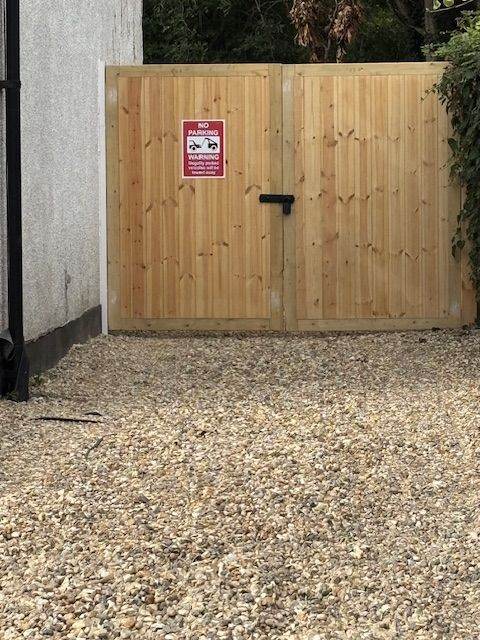
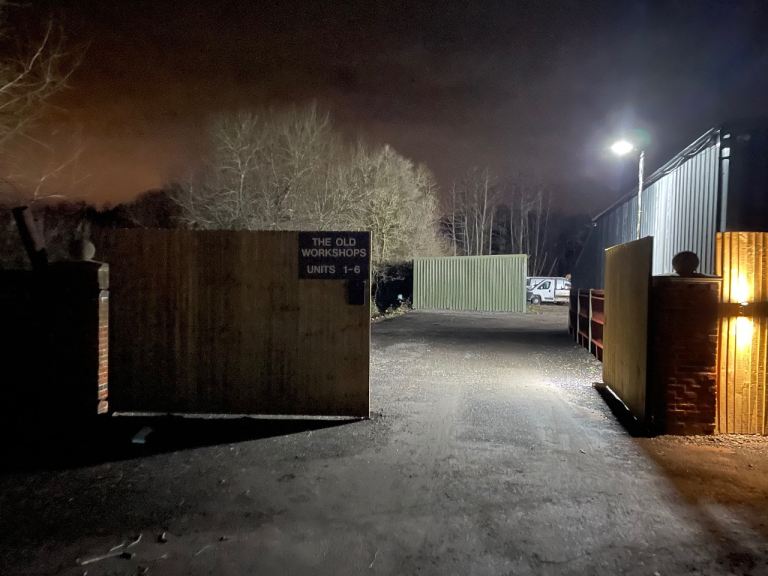
Security is paramount. Assess existing security features such as fencing, gates, lighting, and CCTV. Consider the neighbourhood's crime rate. Discuss security responsibilities with the landlord and factor in additional measures like security patrols or alarm systems if necessary. Ensure adequate insurance cover for your business and assets stored on the property.
Be aware of potential environmental liabilities, particularly if your business involves handling hazardous materials. Check for any existing contamination on the site and clarify responsibilities for remediation with the landlord. Ensure compliance with environmental regulations regarding waste disposal, pollution control, and storage of chemicals. A Phase 1 Environmental Assessment may be advisable.
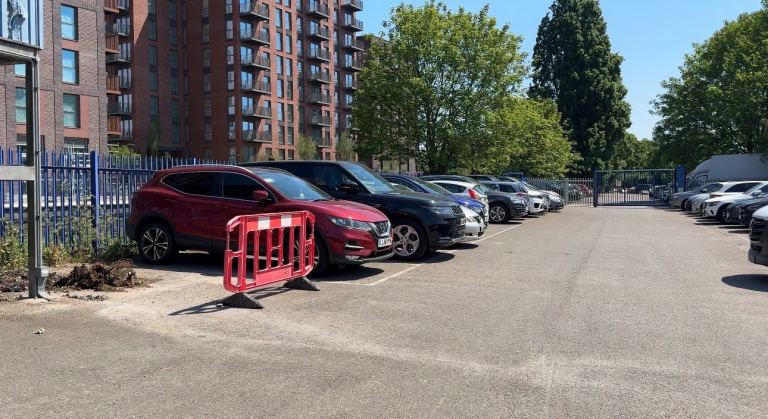
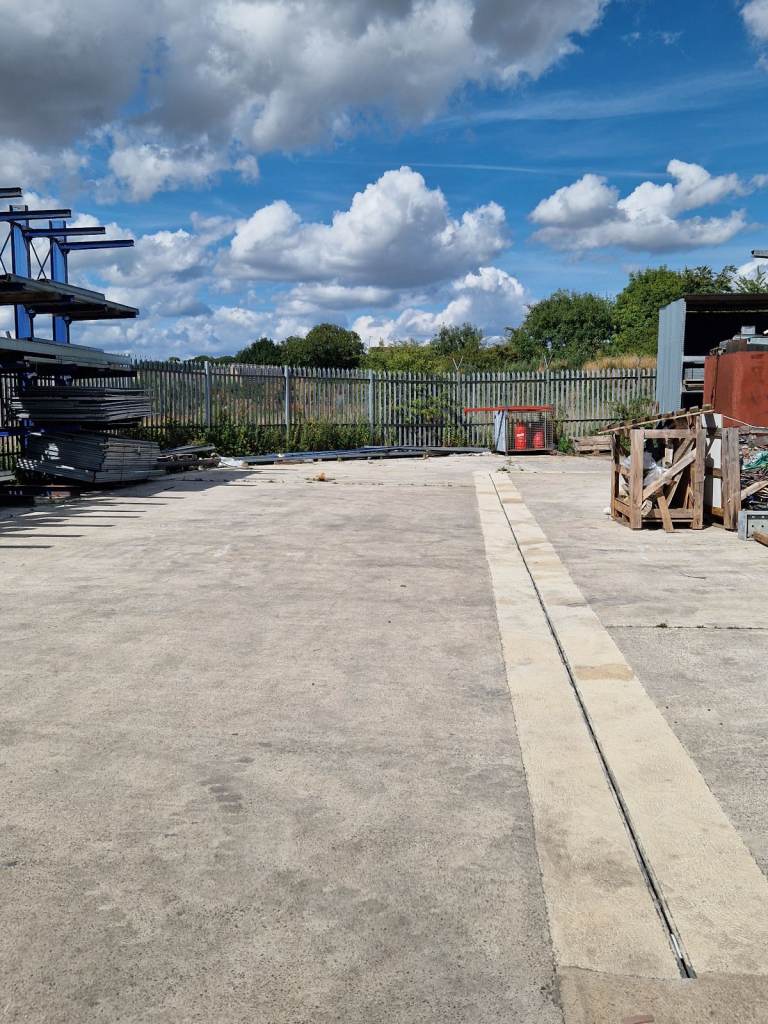
Ensure the yard has adequate access for your vehicles and equipment, considering turning circles and weight restrictions. Verify the availability and capacity of essential utilities such as electricity, water, and drainage. Confirm who is responsible for utility bills and maintenance of services. Check for any restrictions on operating hours due to noise or other factors.