5
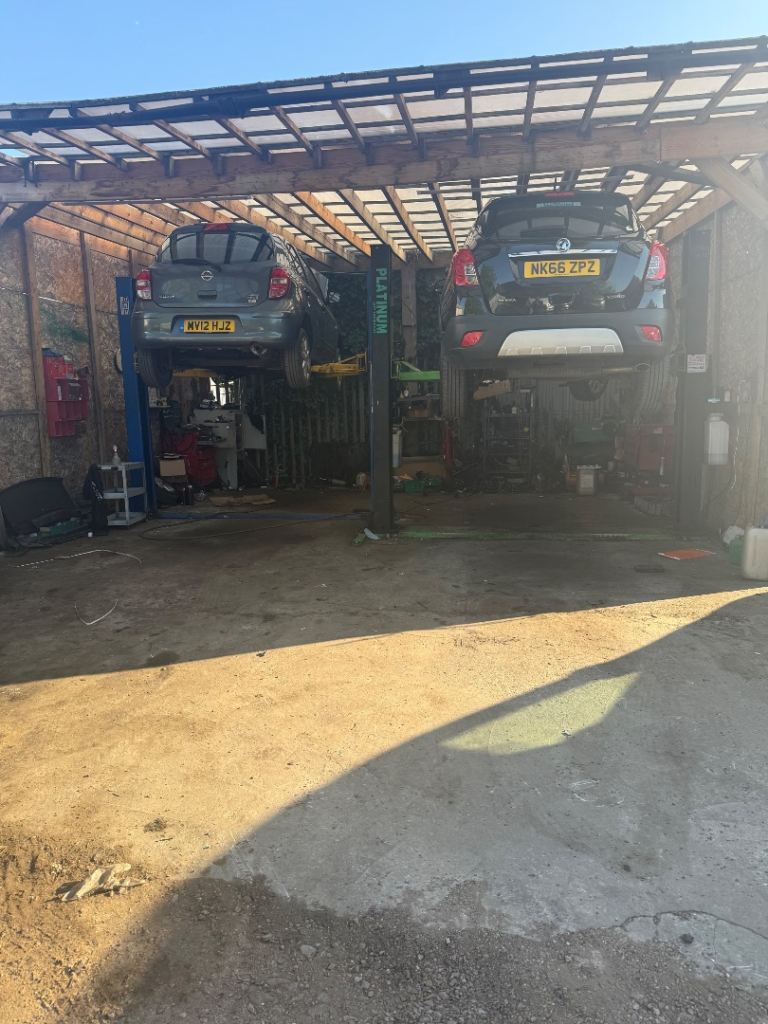
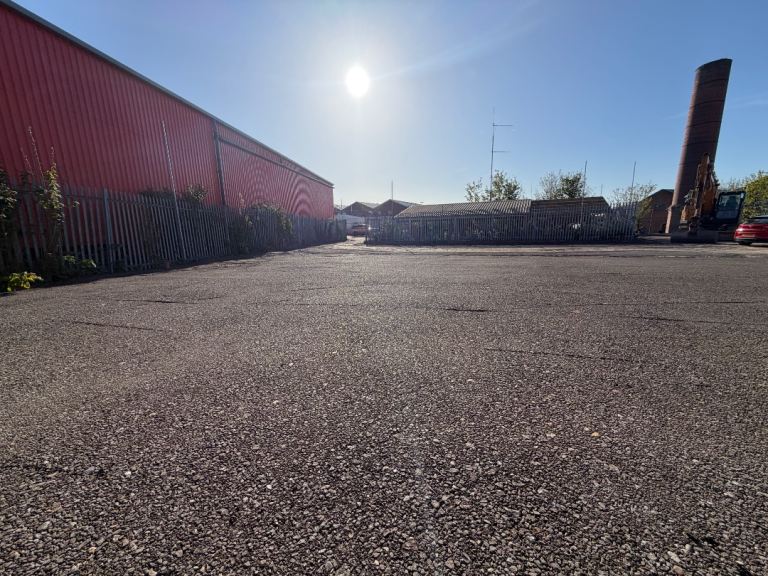
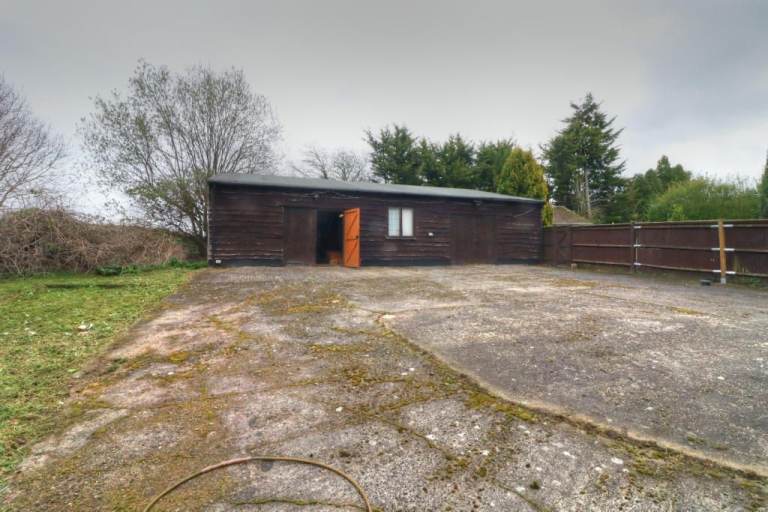
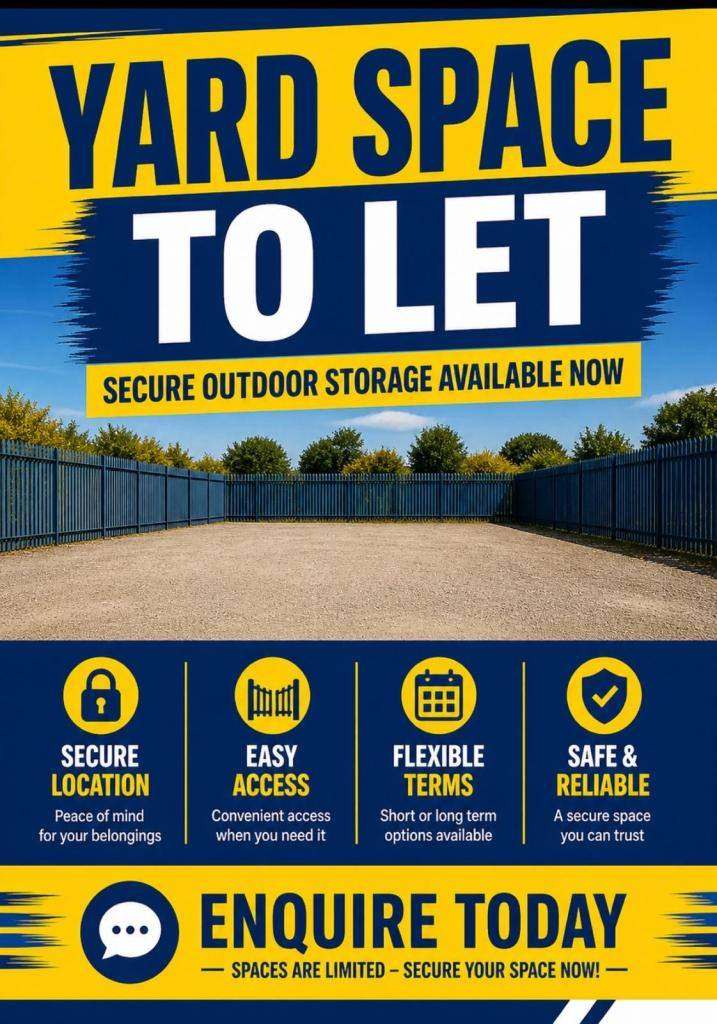
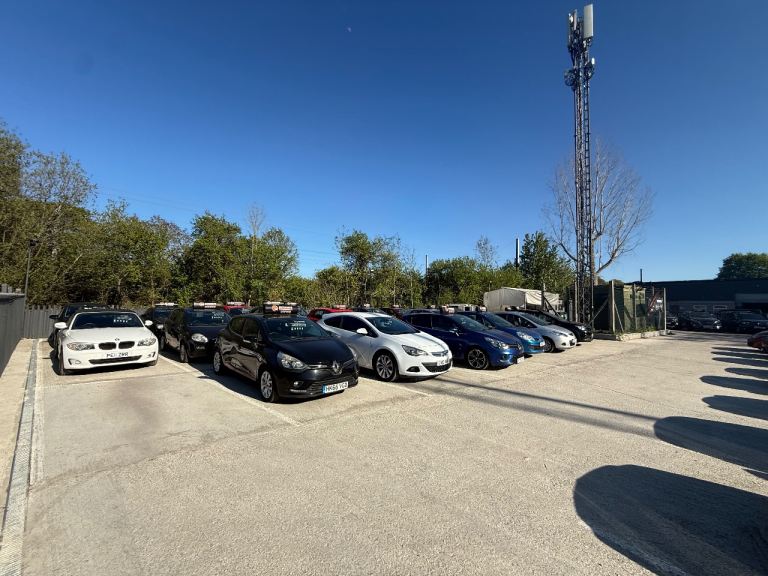
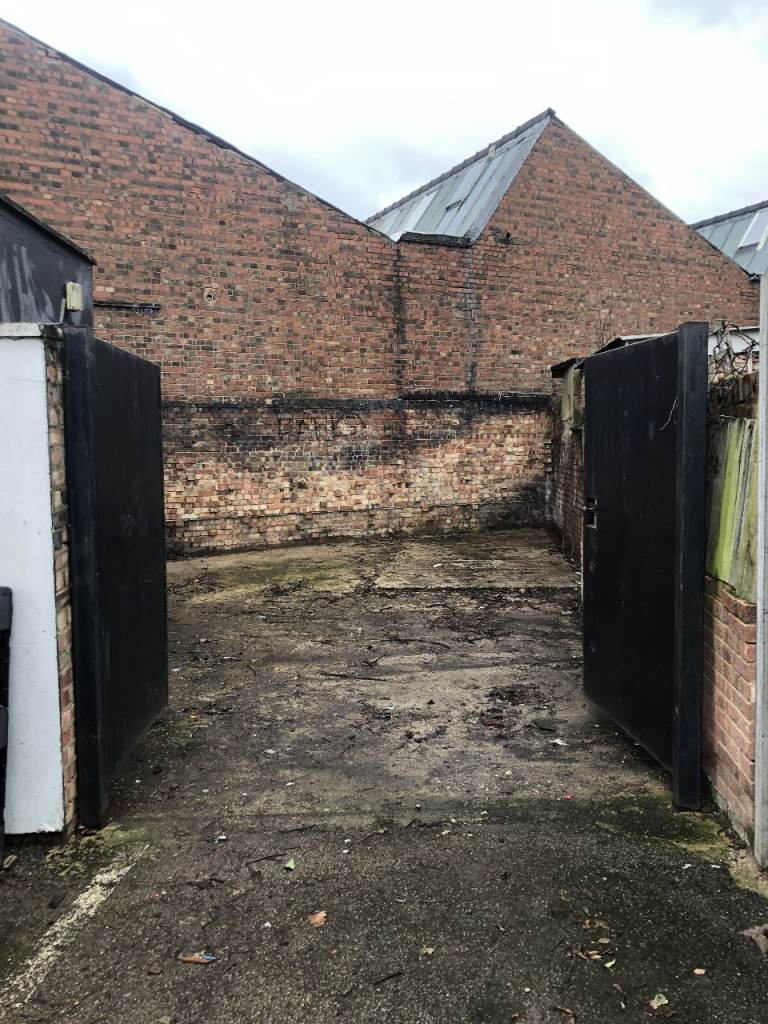
Yard for storage to rent secure space, no car repairs or car washes
PrivateDate available: 24 May 2026Industrial
Haringey, London
£350pm
When viewing a commercial property, carefully inspect the condition of the building, including the roof, walls, and floors. Check for any signs of damp, leaks, or structural issues. Ensure that the electrical and plumbing systems are in good working order and meet your business's requirements. Also, verify the accessibility of the property for both staff and customers, considering factors like disabled access and parking.
Lease terms for commercial properties can vary significantly, typically ranging from 3 to 25 years. Shorter leases might offer more flexibility, while longer leases can provide greater security and potentially lower rental costs. It's crucial to negotiate the lease terms carefully, including break clauses and rent review periods, with the landlord or their agent.
Business rates are a tax on non-domestic properties, such as shops, offices, and warehouses. The amount you pay depends on the rateable value of the property, which is assessed by the Valuation Office Agency (VOA). You can estimate your business rates liability using the VOA's online tool. Small businesses may be eligible for business rates relief. Contact your local council for details on eligibility and how to apply.
Before signing a lease, it's essential to check the property's permitted use class to ensure it aligns with your business activities. Different use classes have specific restrictions on what activities can be carried out. You can check the property's use class with the local planning authority. If you intend to use the property for a purpose that is not permitted, you may need to apply for a change of use planning permission.
Commercial properties must comply with various safety regulations, including fire safety regulations, health and safety regulations, and building regulations. As a tenant, you are typically responsible for ensuring that your business operations comply with these regulations. However, the landlord may be responsible for maintaining the structural integrity of the building and ensuring that essential safety systems, such as fire alarms and emergency lighting, are in good working order. It is important to clarify these responsibilities in the lease agreement.