2
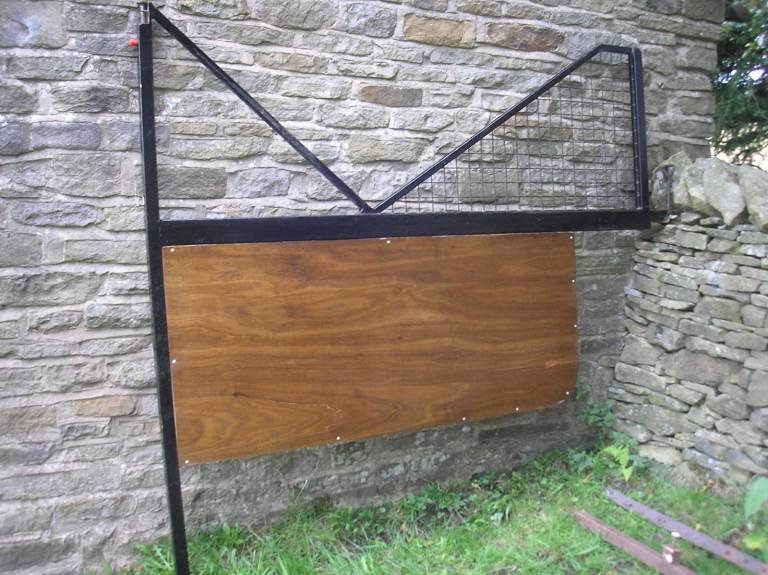
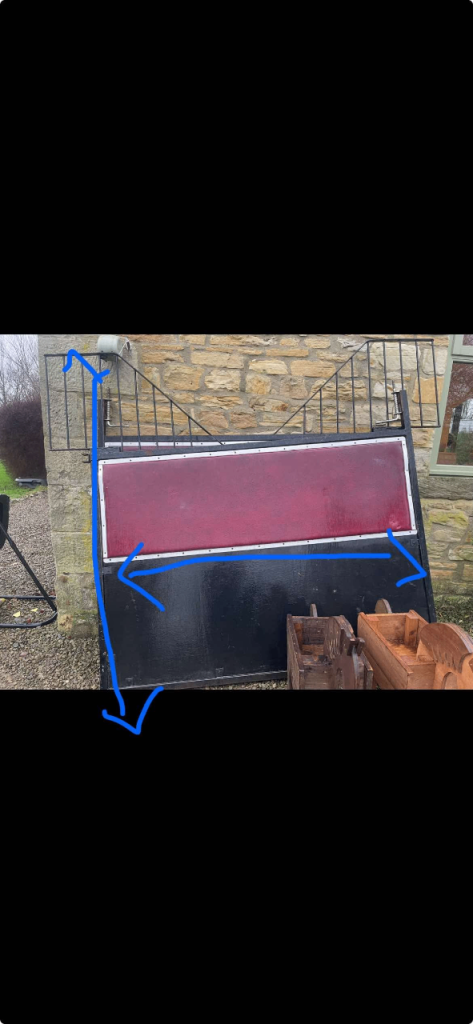
Horsebox partitions
Private
Ponteland, Tyne and Wear
FREE
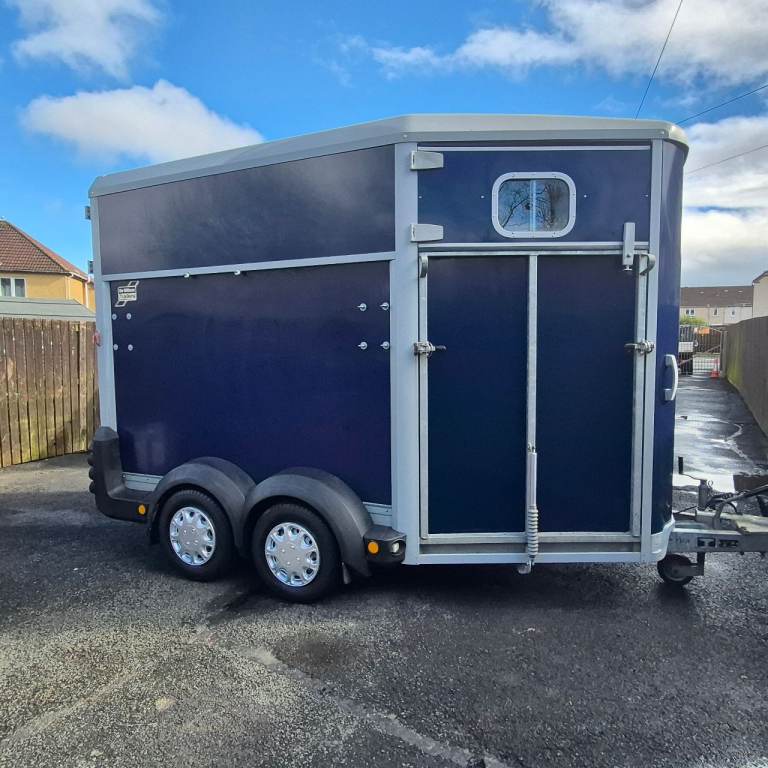
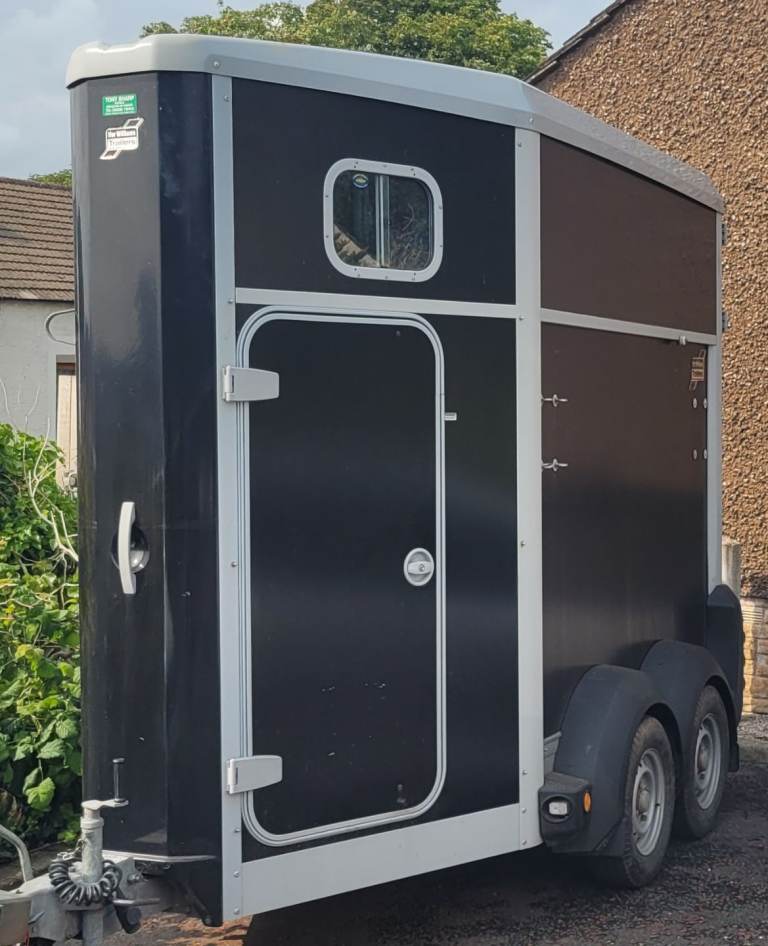
Thoroughly inspect the horsebox for signs of rust, especially around the wheel arches, floor, and ramp. Check the floor for soft spots or damage, as this could indicate rot. Examine the ramp for ease of use and structural integrity. Ensure all lights are working correctly, and the tyres have adequate tread and are in good condition. Also, inspect the horse area for sharp edges or protrusions that could injure your horse.
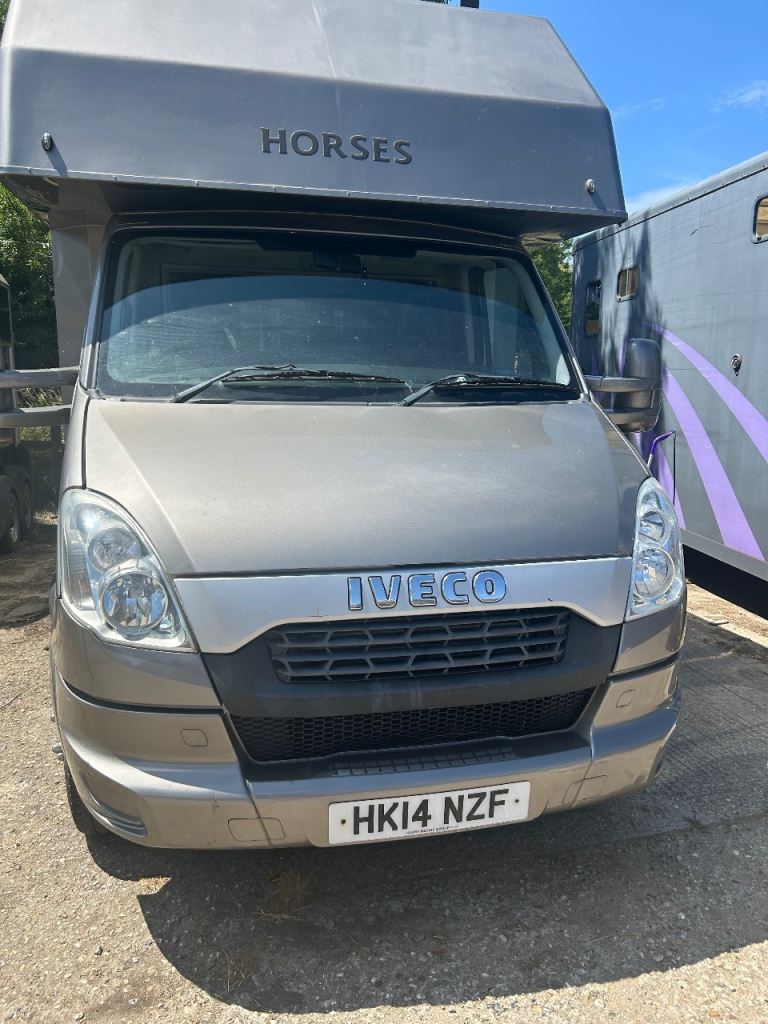
Ensure the horsebox has a valid MOT certificate if required (depending on its age and weight). Check the gross vehicle weight (GVW) and ensure your driving licence allows you to drive a vehicle of that weight. If the horsebox is over 3,500kg, it may be subject to operator licensing. It's also advisable to check the horsebox's history for outstanding finance or if it has been written off.
Look for a horsebox with a sturdy partition system that is adjustable and safe for your horses. Ensure the ramp is non-slip and easy to operate. Good ventilation is crucial to prevent overheating, so check for adequate vents or windows. Internal lighting is also important for loading and unloading in low light conditions. Consider a horsebox with a CCTV system to monitor your horses during transit.
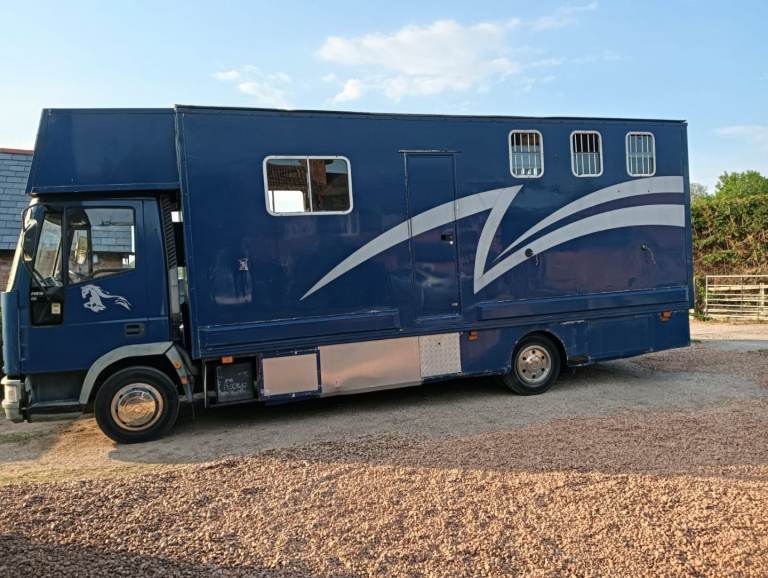
The best type of horsebox depends on the size and number of horses you need to transport, your budget, and your driving licence. Smaller horseboxes (3.5t) can often be driven on a standard car licence, but they may only be suitable for one or two smaller horses. Larger horseboxes offer more space and payload capacity but require a different licence. Consider the type of journeys you'll be making (short trips vs. long distances) and choose a horsebox with appropriate features and comfort for your horses.
Regular maintenance is essential to keep your horsebox in good condition and ensure the safety of your horses. This includes regular servicing, checking tyre pressures and condition, lubricating moving parts, and inspecting the brakes. It's also important to clean the horse area thoroughly after each use to prevent the build-up of bacteria and ammonia. Consider having a professional inspection carried out annually.