1/50
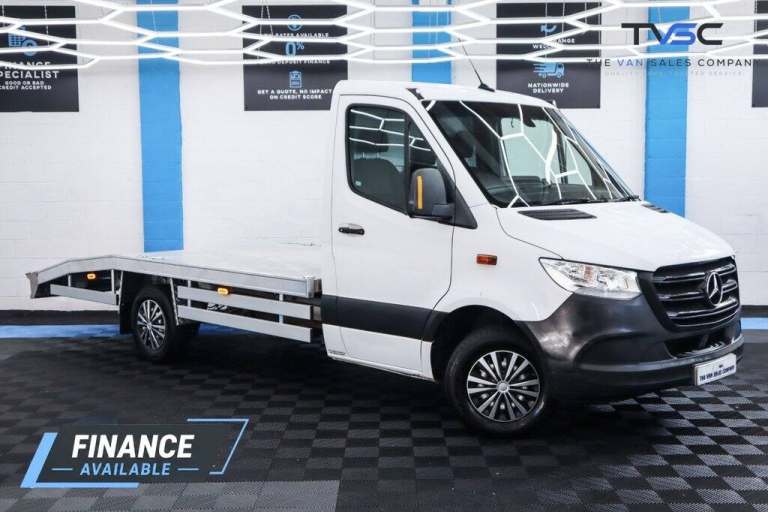
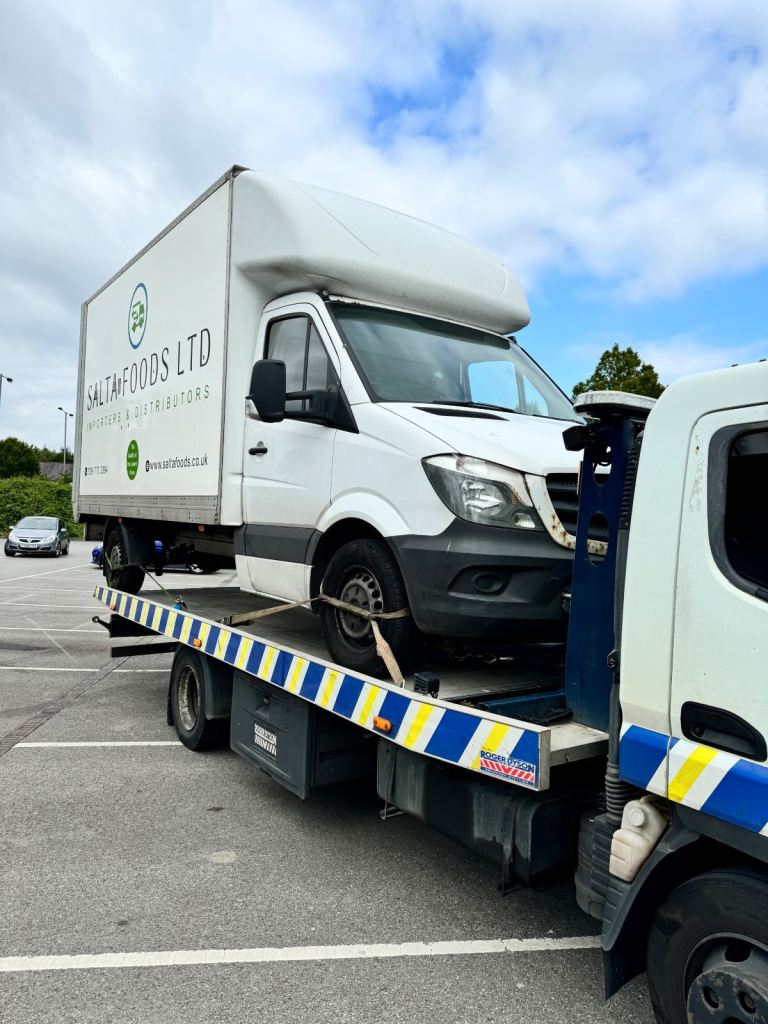
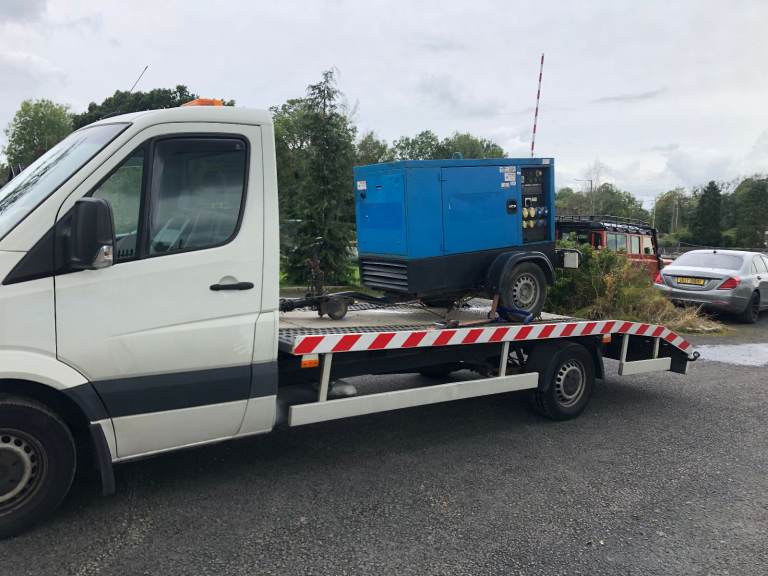
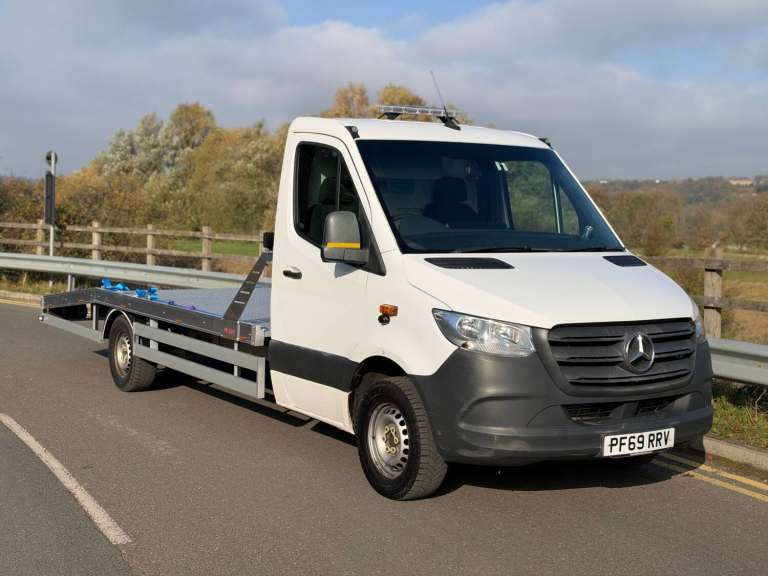
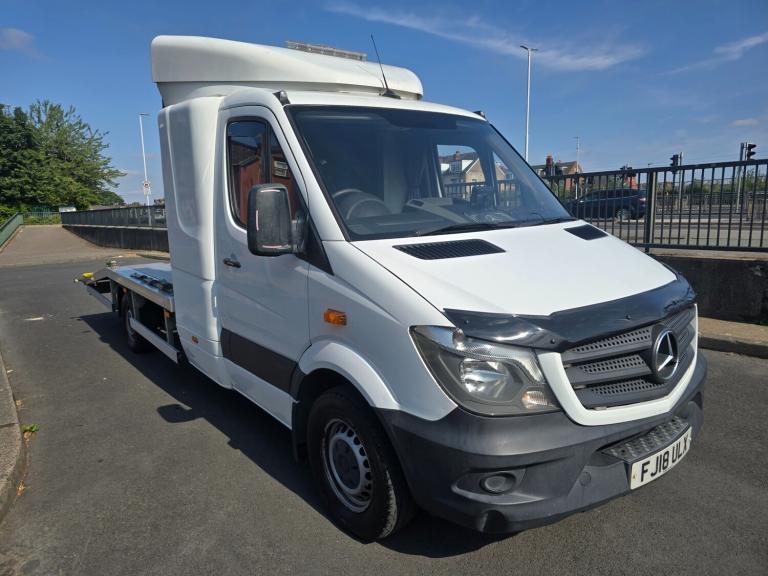
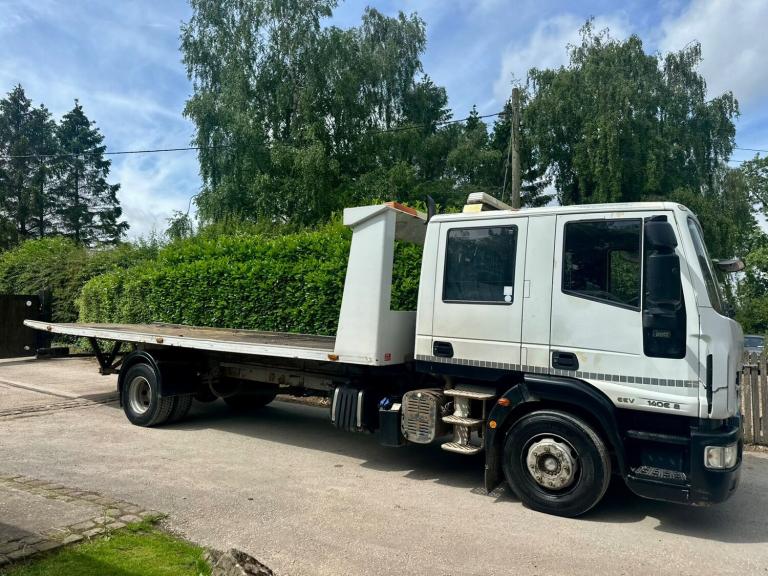
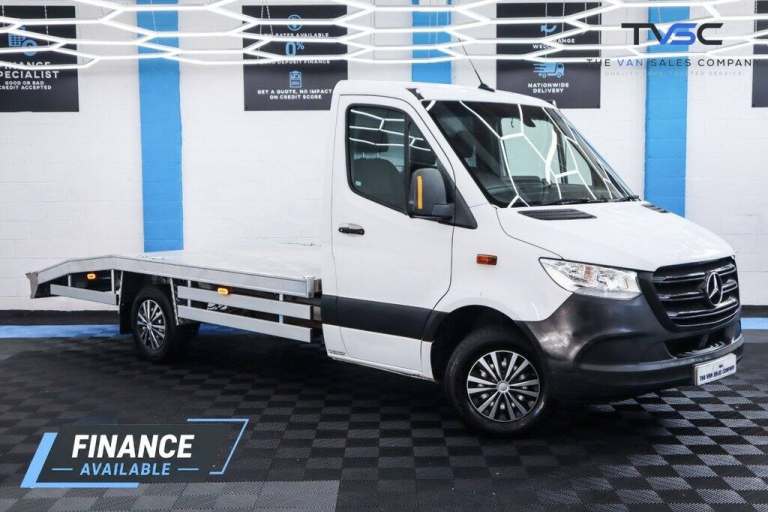
2020 Mercedes-Benz Sprinter 2.0 315 CDI PROGRESSIVE RECOVERY TRUCK 2DR DIESEL AUTOMATIC 9G-TRONIC...
2020130,000 milesTradeDiesel1,950 cc
Oldham, Manchester
£13,944(No VAT)
Finance from £293 pm
When buying a used recovery truck, thoroughly inspect the chassis for rust and damage, paying close attention to welding points. Check the condition of the ramps, winch, and other recovery equipment. Ensure the truck has a valid MOT certificate and that the mileage is consistent with its age and condition. A full service history is highly desirable.
Operating a recovery truck requires a valid operator's licence if you are using it for commercial purposes. You'll also need appropriate insurance, including goods in transit cover. Ensure you comply with all regulations regarding load security and weight limits. Drivers may need specific driving licences depending on the vehicle's weight and configuration.
Common problems in used recovery trucks include worn clutches, gearbox issues, and problems with the hydraulics of the recovery equipment. Check for leaks around the engine and transmission. Inspect the tyres for wear and damage. A pre-purchase inspection by a qualified mechanic is highly recommended.
Regular maintenance for a recovery truck includes oil changes, filter replacements, and brake inspections. Pay close attention to the condition of the winch cable and hydraulic hoses. Regularly grease all moving parts. Keep the truck clean and free from rust to prolong its lifespan.
Always wear appropriate personal protective equipment (PPE), including high-visibility clothing and safety footwear. Ensure the recovery area is safe and well-lit. Use caution when operating the winch and ramps. Follow all safety guidelines provided by the equipment manufacturer. Never exceed the vehicle's weight limits.