4
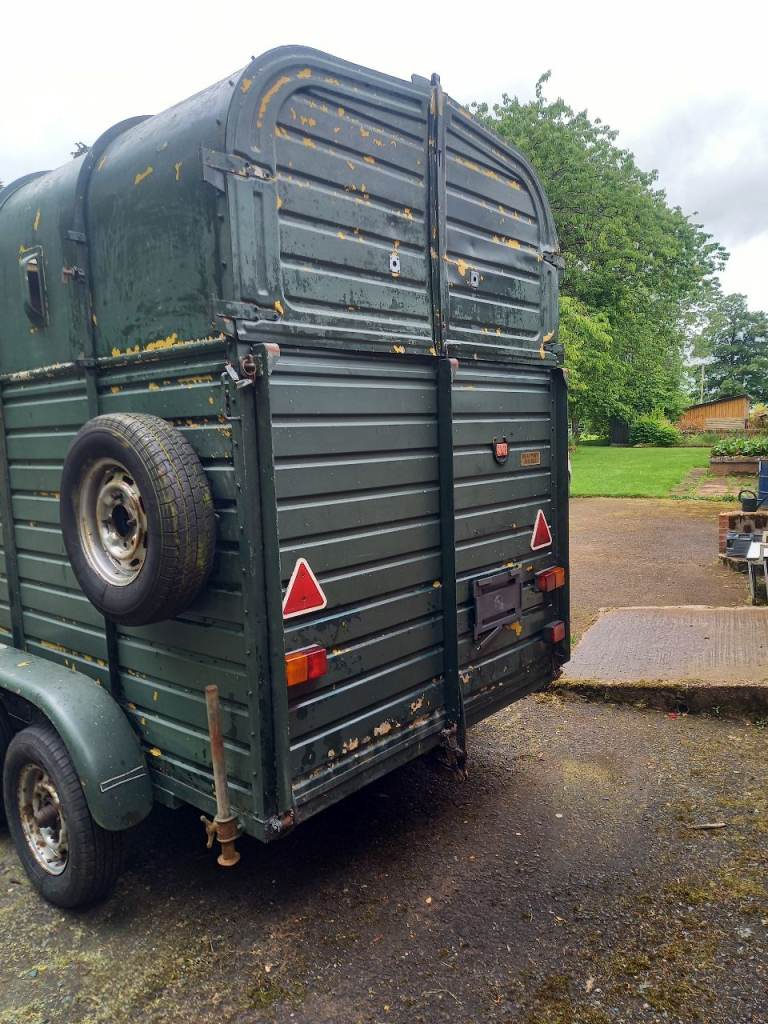
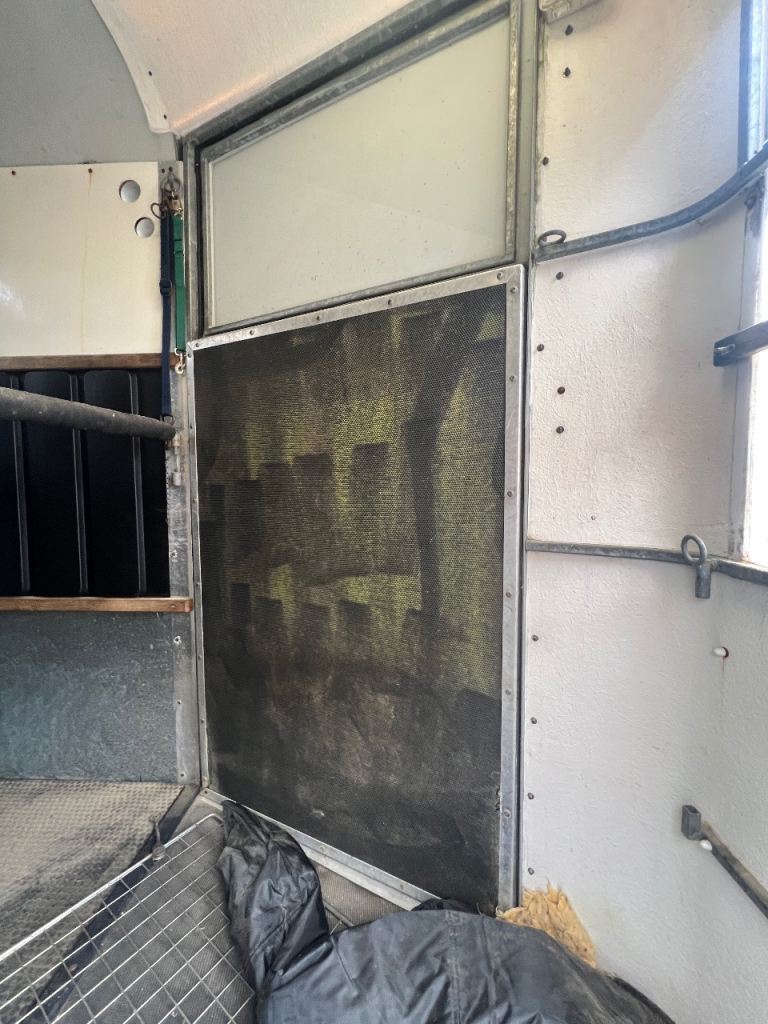
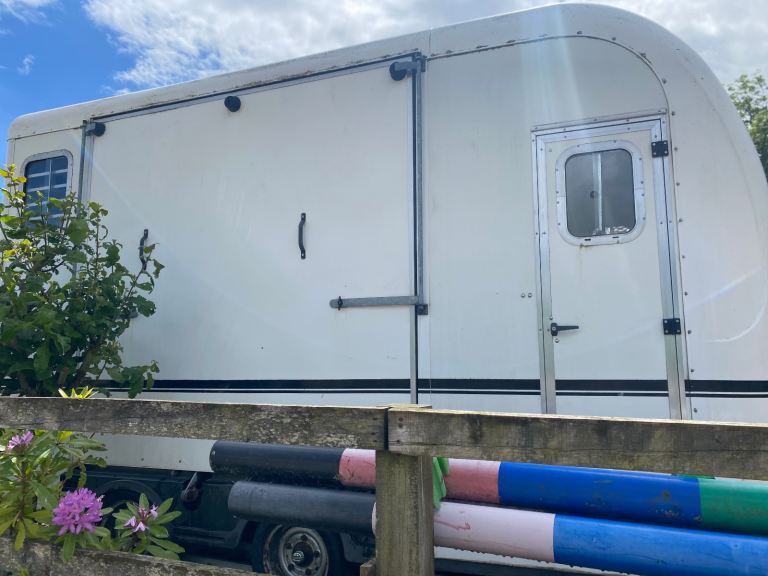
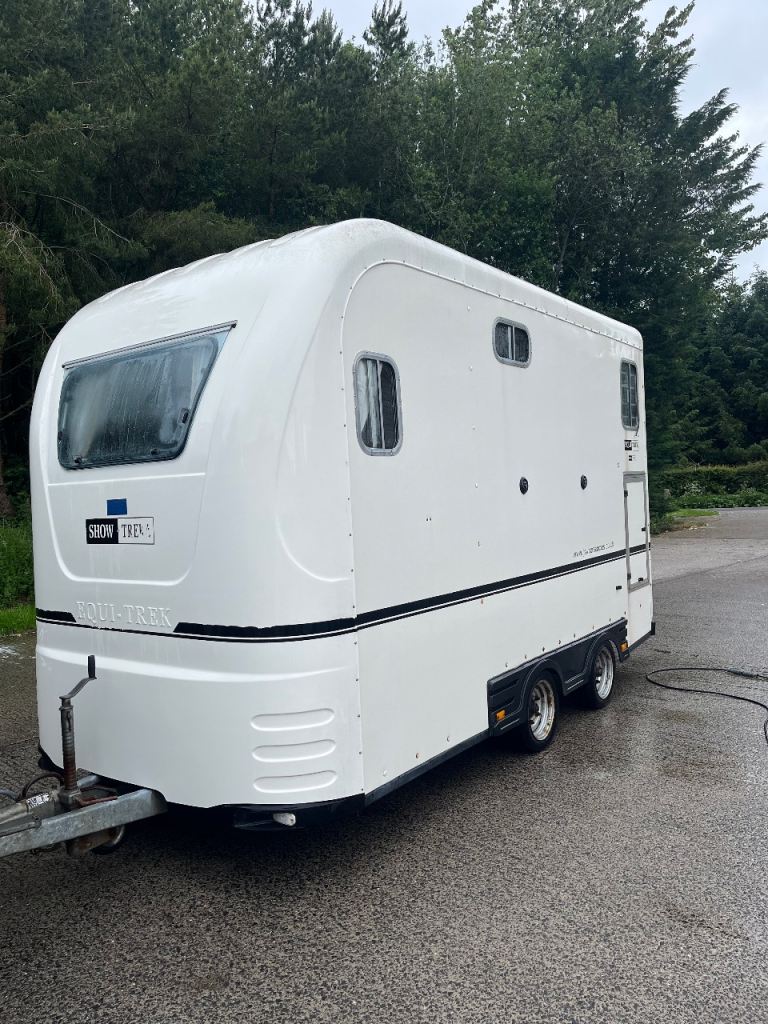
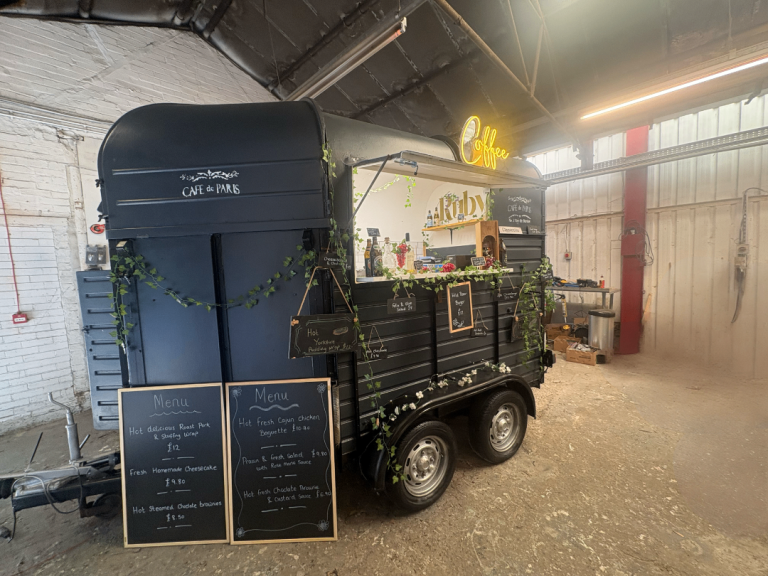
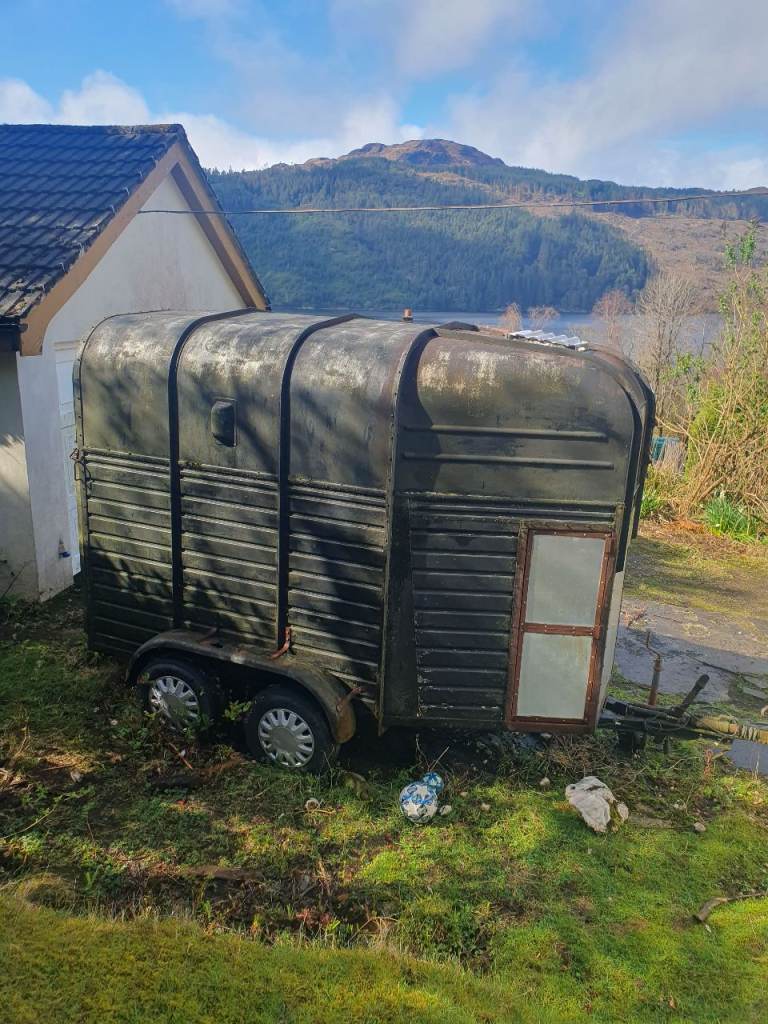
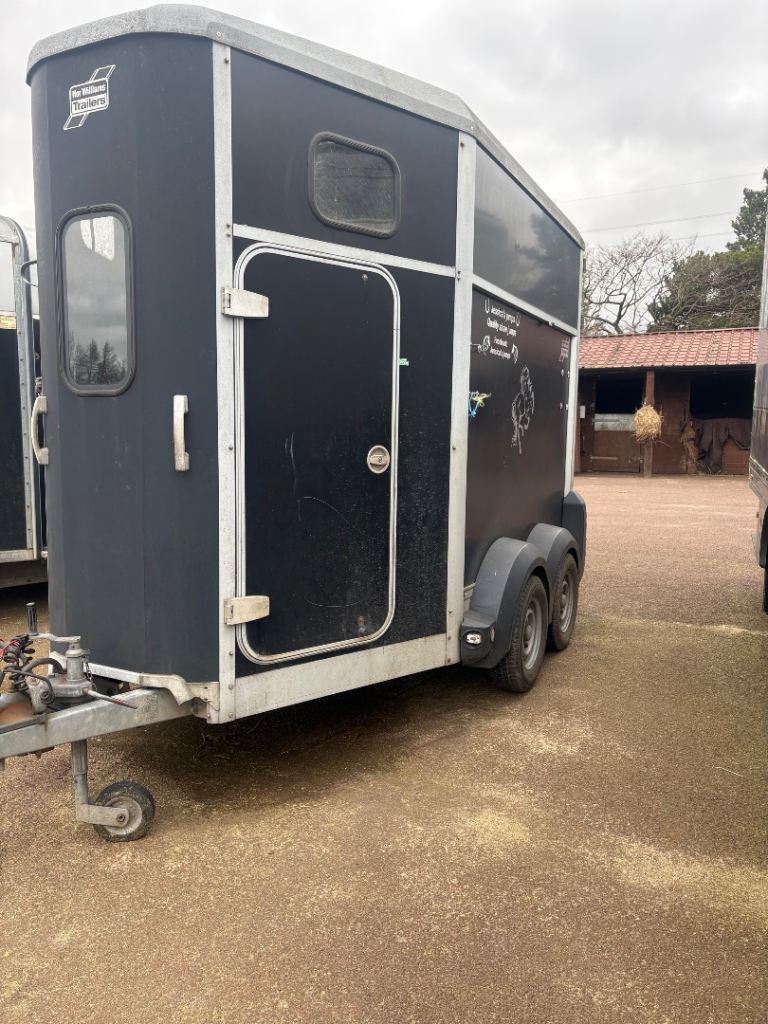
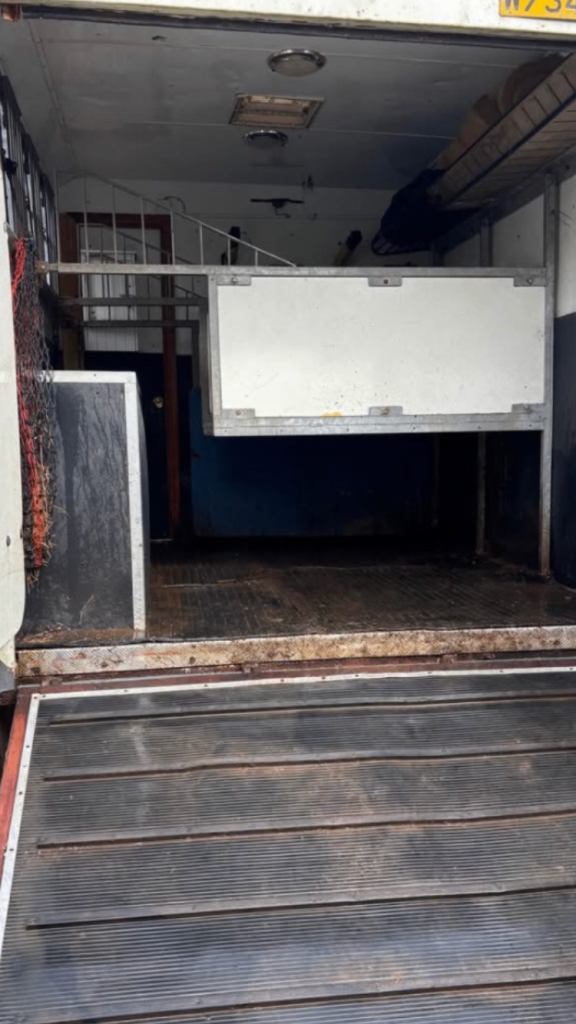
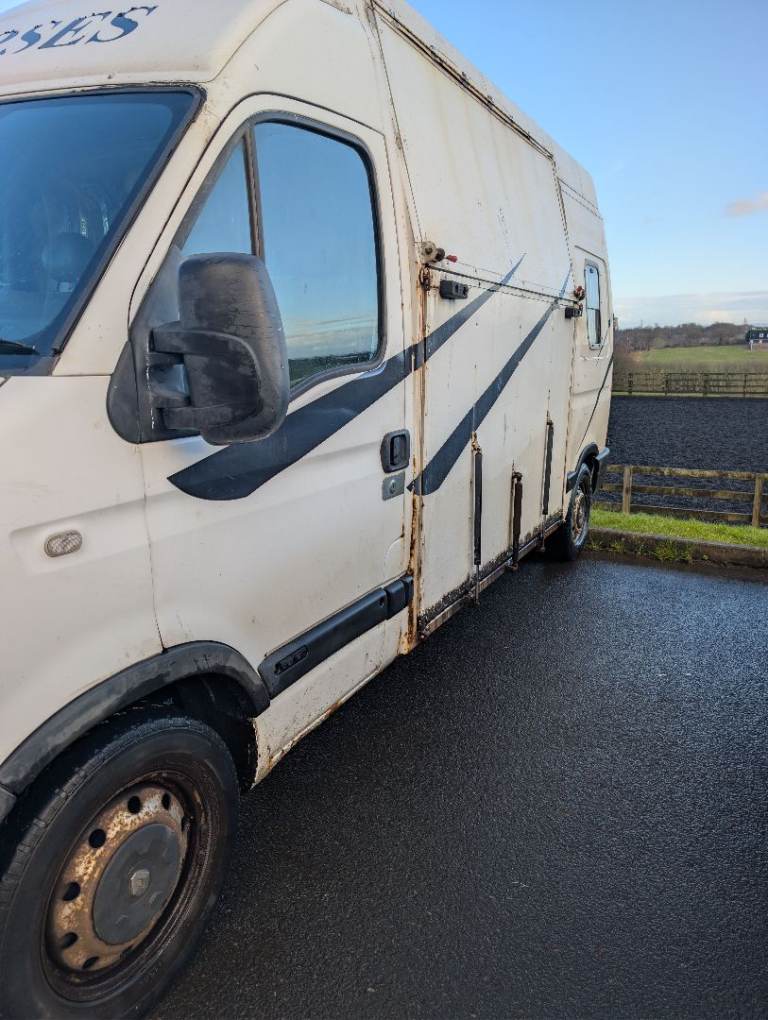
Renault master horsebox
Private
Gartcosh, Glasgow
£1,000
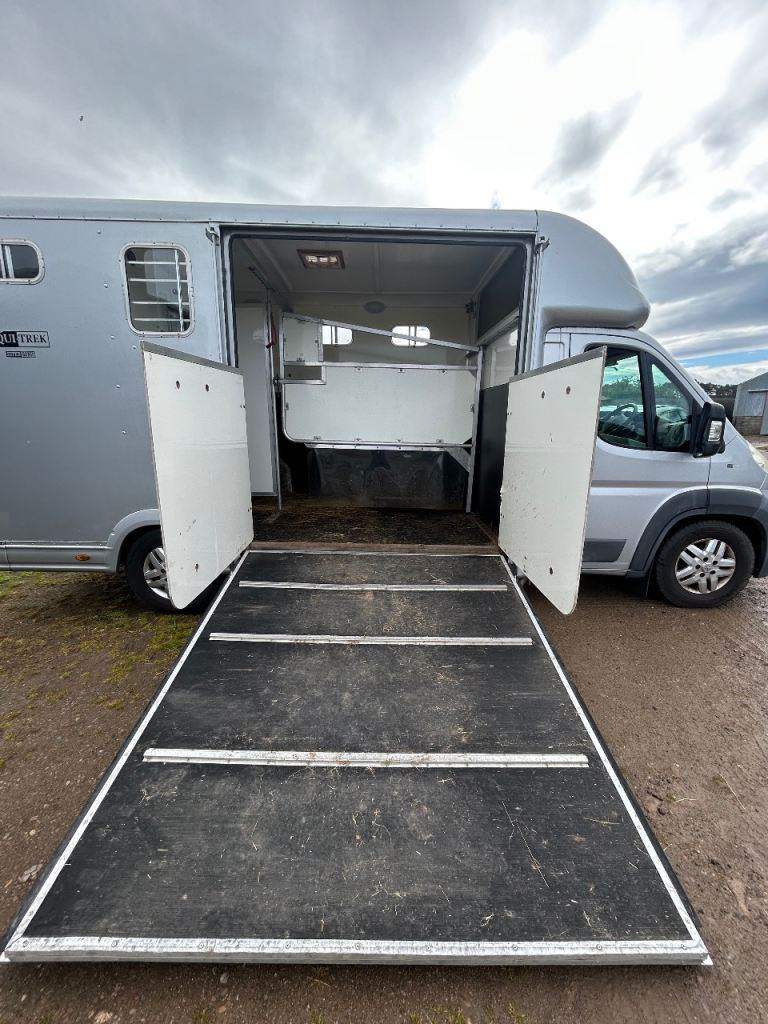
Thoroughly inspect the horsebox for rust, particularly around the wheel arches, floor, and ramp. Check the floor for soft spots or damage, as this could indicate rot. Examine the ramp mechanism for smooth operation and ensure it's structurally sound. Also, verify the brakes, lights, and tyres are in good working order. Consider having a professional mechanic inspect the horsebox before purchase.
It's crucial to understand the maximum authorised mass (MAM) and payload of the horsebox. Ensure your towing vehicle is capable of safely towing the horsebox, and that you have the appropriate driving licence. Overloading a horsebox is illegal and dangerous. Check the vehicle's VIN plate for weight information and consult the DVLA website for guidance on towing regulations in the UK.
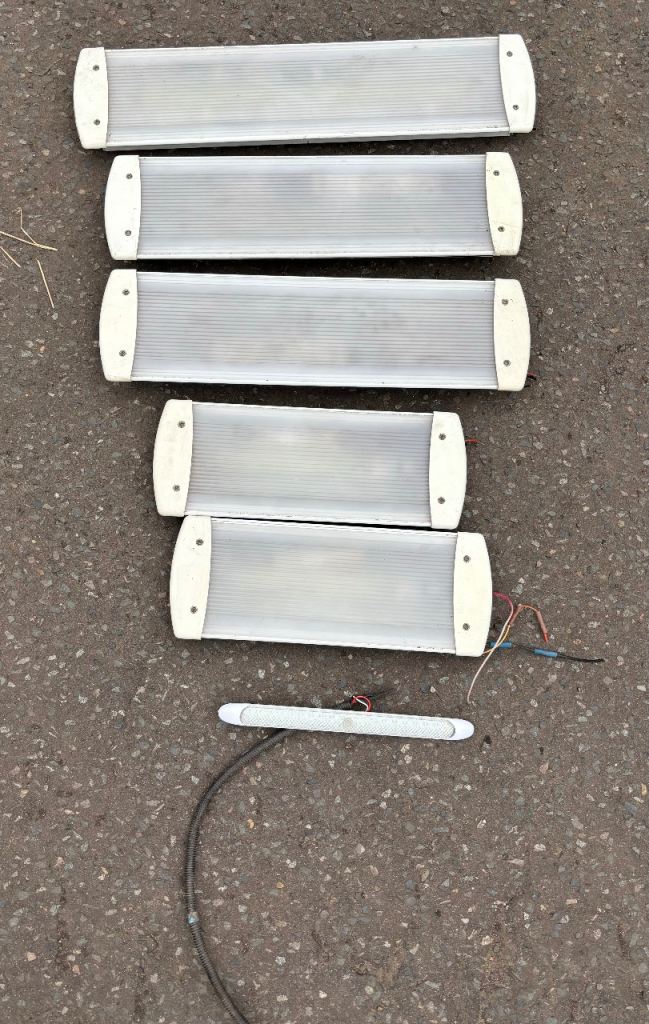
Essential safety features include a strong and secure partition system, adequate ventilation, and emergency exits. Check that the horsebox has proper lighting, including brake lights, indicators, and internal lights. Look for features like padded walls and floors to minimise the risk of injury to your horses during transit. Ensure the ramp is slip-resistant and has a secure locking mechanism.
Always request the vehicle's V5C registration document (logbook) to verify ownership and ensure the vehicle is registered in the seller's name. Check the MOT certificate (if applicable) to ensure the horsebox has passed its roadworthiness test. Ask for any service history or maintenance records to get an idea of the vehicle's condition and upkeep. A bill of sale is also recommended, detailing the sale price and terms.
Yes, there are regulations concerning the welfare of animals during transport. Ensure the horsebox provides adequate space, ventilation, and protection from the elements. Horses should be fit to travel and transported in a way that minimises stress and injury. You may need a certificate of competence for transporting horses commercially or over long distances. Consult the DEFRA (Department for Environment, Food & Rural Affairs) website for detailed guidance on animal transport regulations in the UK.