Featured
12
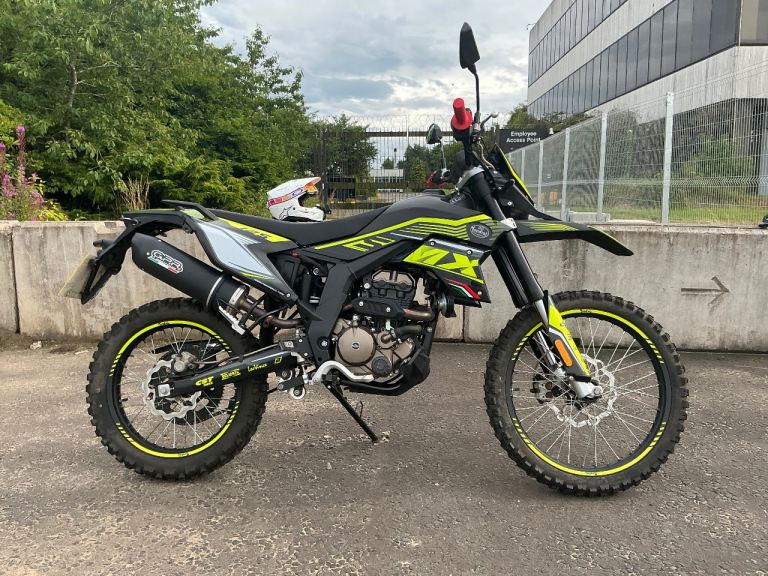
FB Mondial SMX Enduro 125, 125 (cc) Motorbike
20242,375 milesPrivate124 cc
Bishopbriggs, Glasgow
£1,550
When buying a used motorbike or scooter, thoroughly inspect its condition. Check for signs of damage, rust, or leaks. Examine the tyres for wear and tear, and ensure the lights, indicators, and brakes are functioning correctly. It's wise to get a vehicle history check to verify its ownership and accident history, and always test ride the bike before committing to a purchase.
Ensure the seller provides the Vehicle Registration Document (V5C), which proves ownership. Check that the VIN (Vehicle Identification Number) on the V5C matches the one on the bike. You should also ask for any service history, MOT certificates, and receipts for previous repairs or maintenance. This paperwork helps verify the bike's history and condition.
To legally ride a motorbike or scooter in Scotland, you must have a valid driving licence with the appropriate category for the vehicle. The vehicle must be registered with the DVLA, have a valid MOT certificate (if applicable), and be properly insured. You must also wear a helmet that meets British safety standards. Check the latest regulations on the DVLA website.
Beyond the legal requirement of a helmet, it's highly recommended to wear appropriate protective gear, including a motorcycle jacket and trousers (preferably with armour), gloves, and sturdy boots. Brightly coloured or reflective clothing can also improve visibility to other road users, especially in poor weather conditions.
Motorbike and scooter insurance costs can vary significantly depending on factors like your age, experience, the bike's engine size, and your location. Get quotes from multiple insurers to find the best deal. Consider the level of cover you need (third party, third party fire and theft, or comprehensive) and whether you require additional features like breakdown cover or legal protection. Ensure the insurance covers your intended use of the bike, such as commuting or leisure riding.