Featured
10
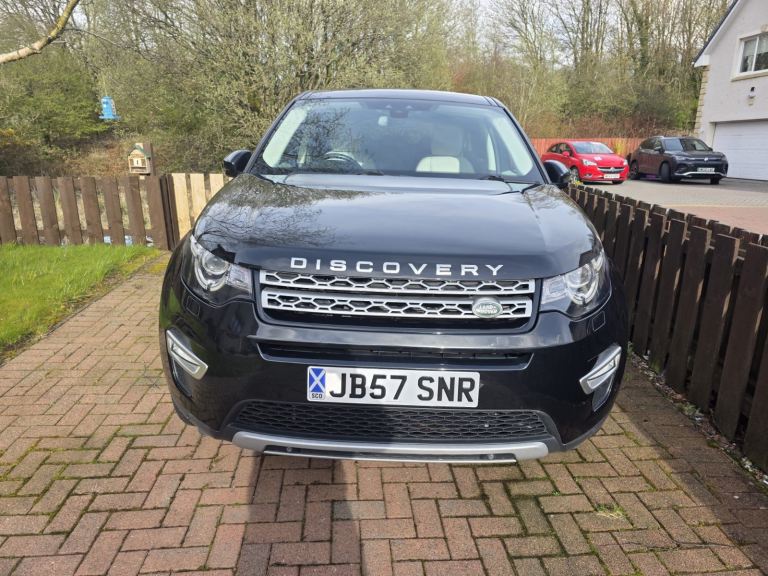
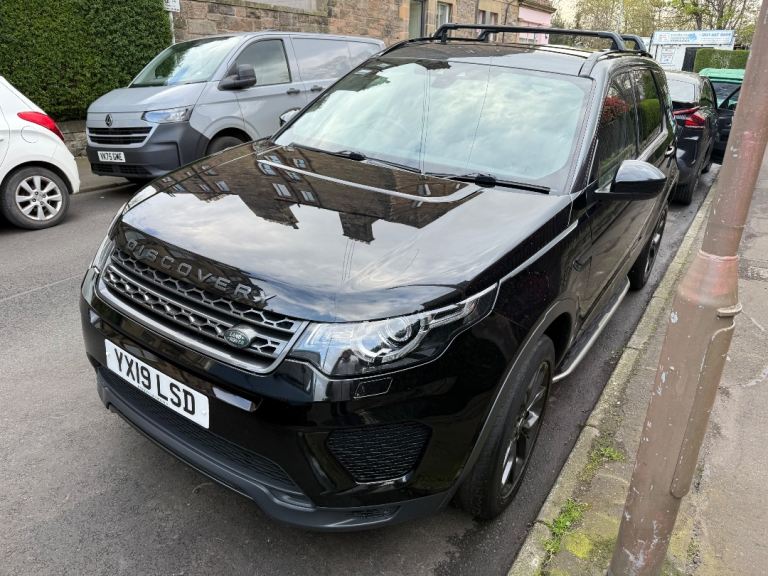
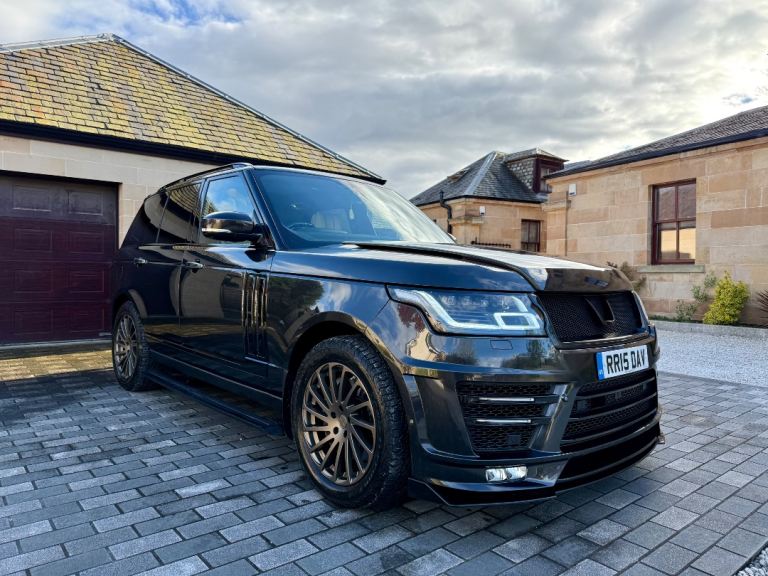
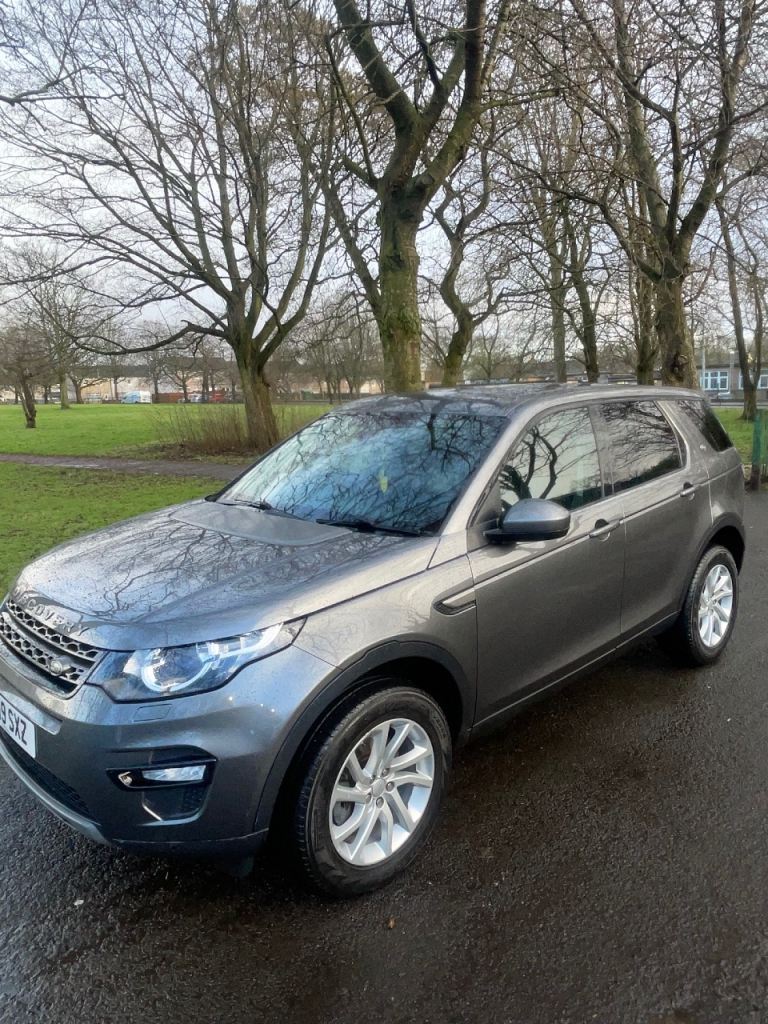
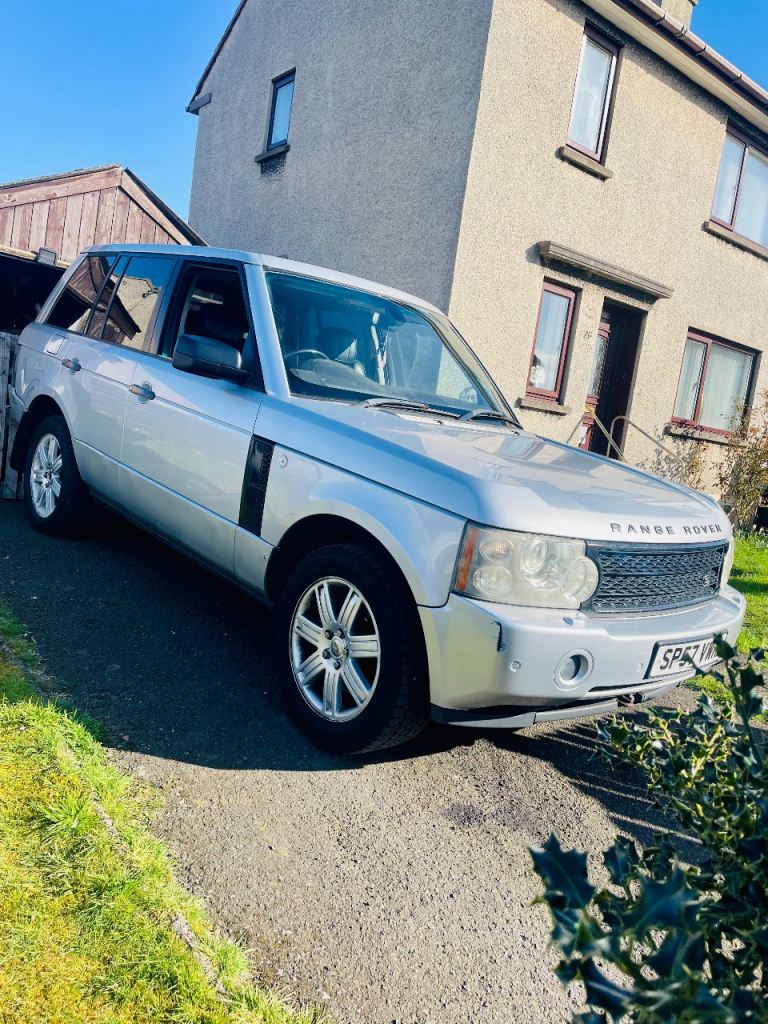
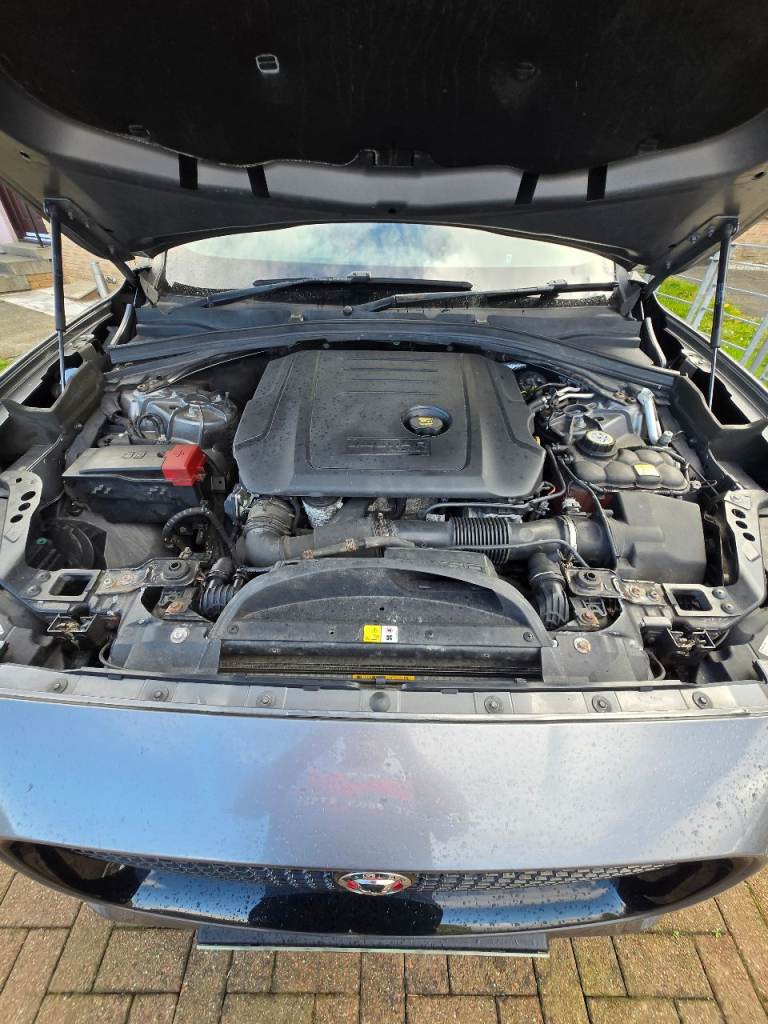
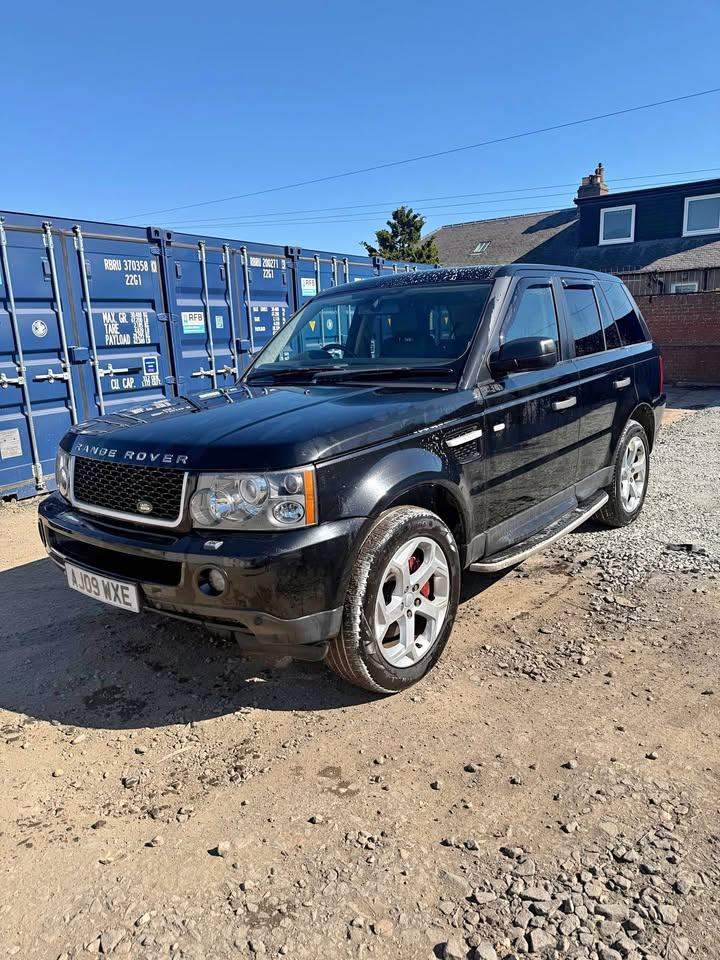
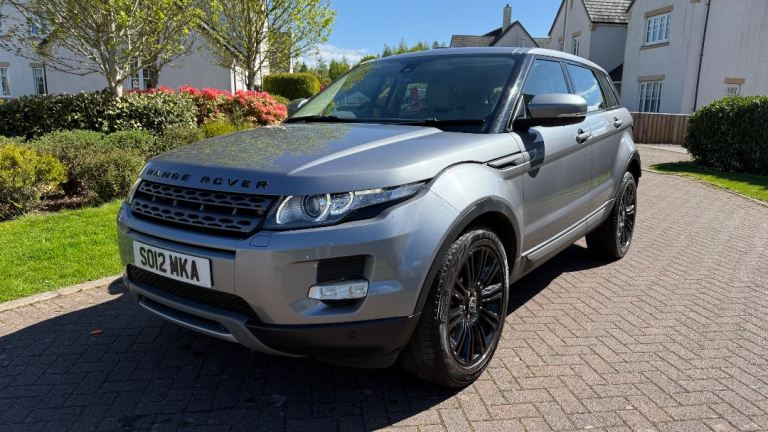
RANGE ROVER EVOQUE (Land Rover) SD4 2012
2012130,000 milesPrivateDiesel2,179 cc
Auchterarder, Perth and Kinross
£5,950
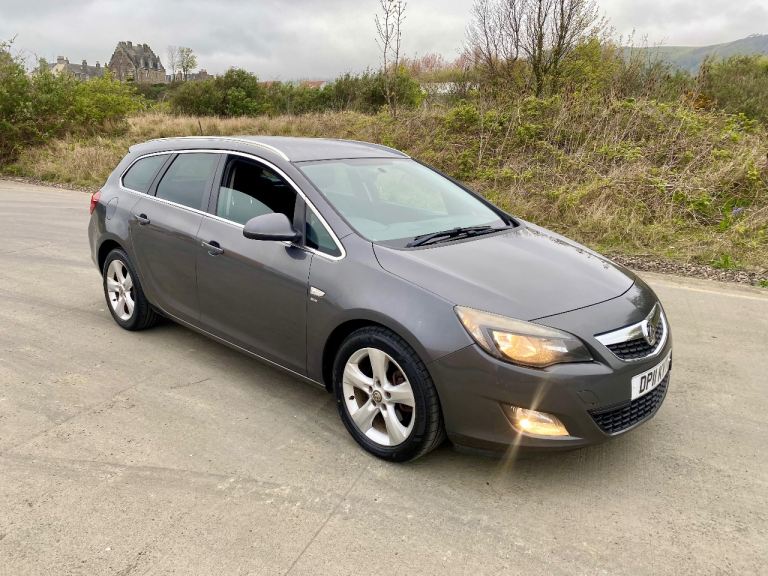
When buying a used estate car, thoroughly inspect the bodywork for rust, especially around wheel arches and sills, which can be exacerbated by Scottish weather. Check the engine for leaks and unusual noises. Ensure all electrics work, including rear window wipers and lights, which are crucial for visibility in Scotland's often poor weather. Verify the service history and MOT certificate, paying close attention to any advisories.
Ensure the seller is the registered keeper of the vehicle and can legally sell it. Check the V5C (log book) matches the vehicle's details and the seller's identification. Be aware of your rights under the Consumer Rights Act 2015, which provides protection if the car is not of satisfactory quality, fit for purpose, or as described. In Scotland, you can seek advice from Citizens Advice Scotland regarding your consumer rights.
Common issues in estate cars include worn suspension components due to carrying heavier loads, tailgate issues (hinges, struts, and locking mechanisms), and wear and tear on the rear seats and boot lining. Check for dampness in the boot, which could indicate water leaks. Test all folding mechanisms for the rear seats to ensure they function correctly.
Before purchasing, check the tyre tread depth and condition, ensuring they meet the legal minimum of 1.6mm. Inspect the brakes for wear and tear, and test them thoroughly during a test drive. Ensure all seatbelts are in good working order. Verify the car's MOT history online to check for any recurring issues or failures. Consider having an independent mechanic inspect the car for a professional assessment.
The seller should provide you with the V5C (log book), any service history documentation, the car's MOT certificate, and any receipts for recent work carried out. You should also receive a bill of sale, detailing the car's make, model, registration number, agreed price, and date of sale. Both you and the seller should sign the bill of sale. Ensure the V5C is updated with your details and sent to the DVLA promptly.