20
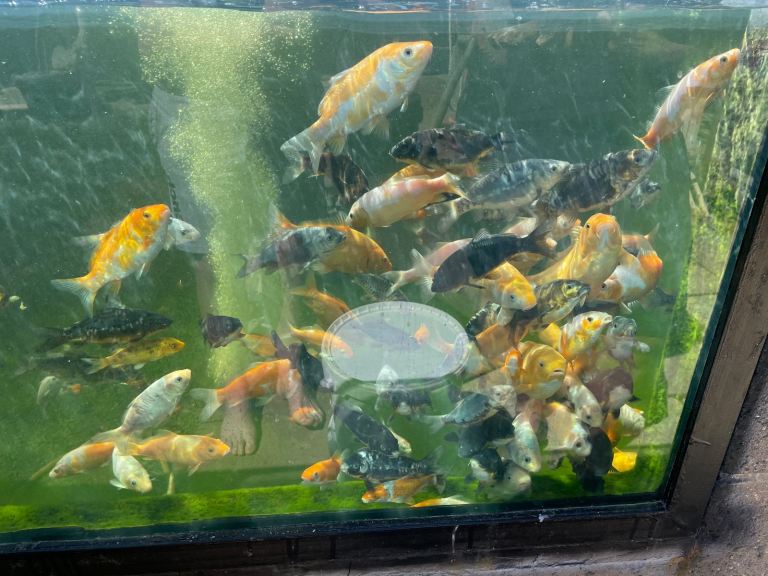
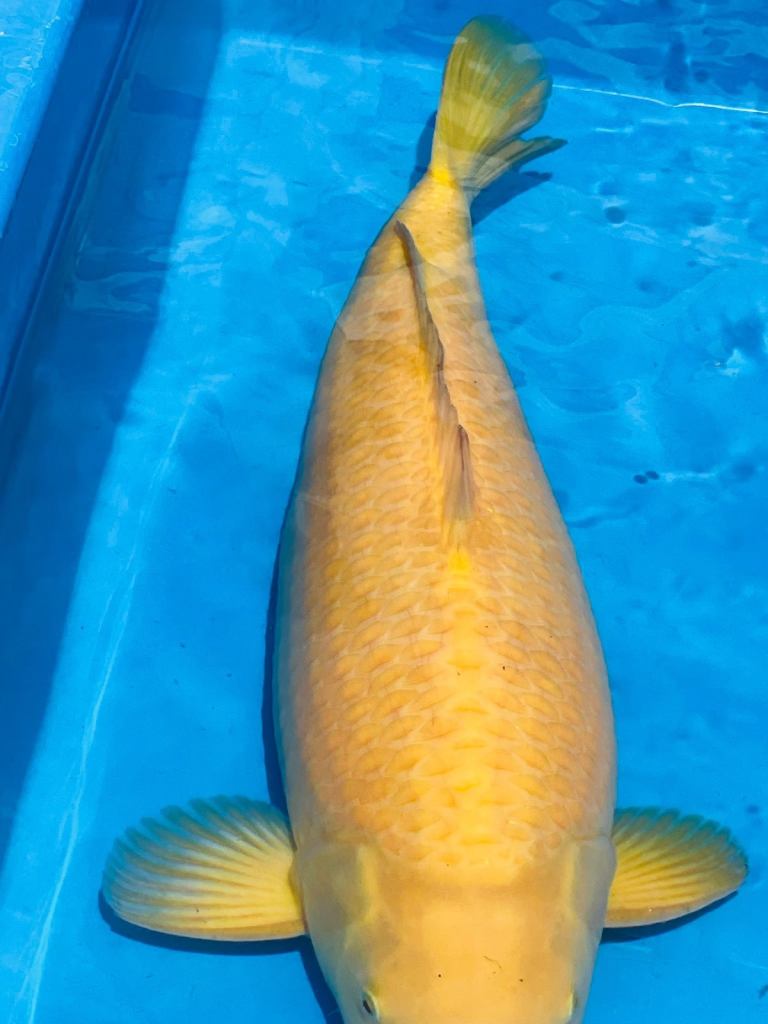
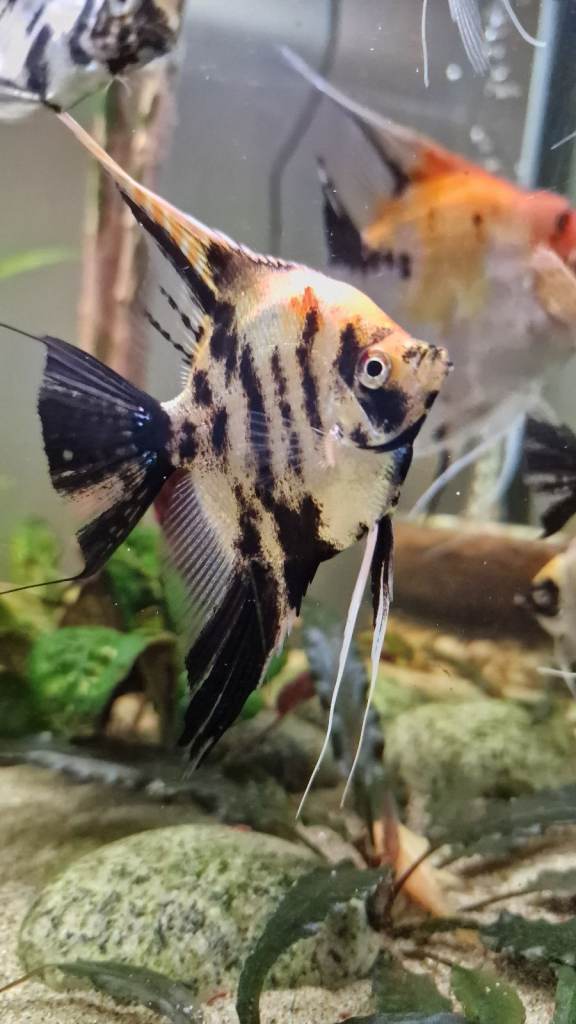
Koi Angelfish
Age: 6 months
Ready to leave: Now
Warrington, Cheshire
£8
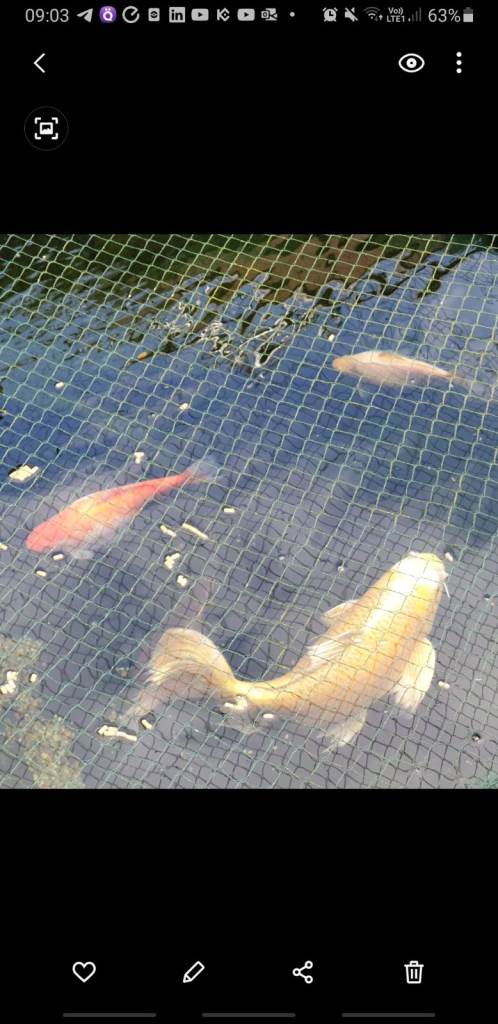
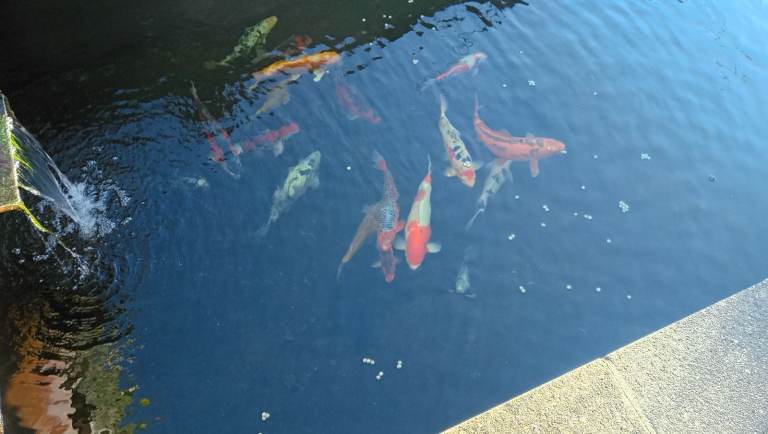
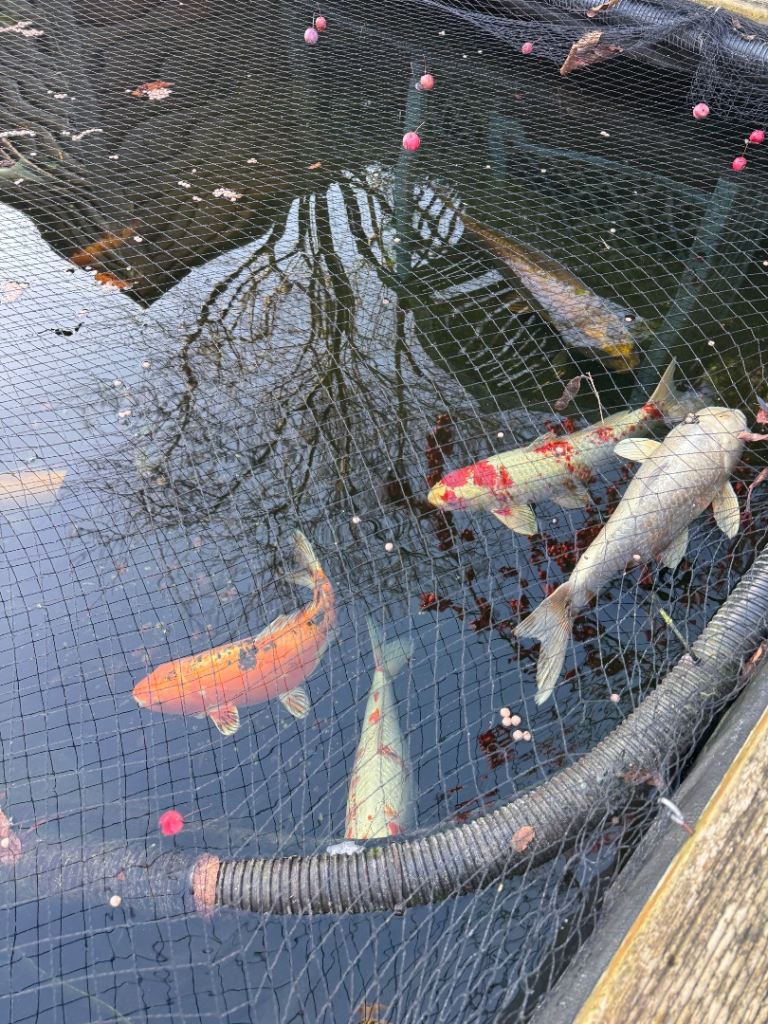
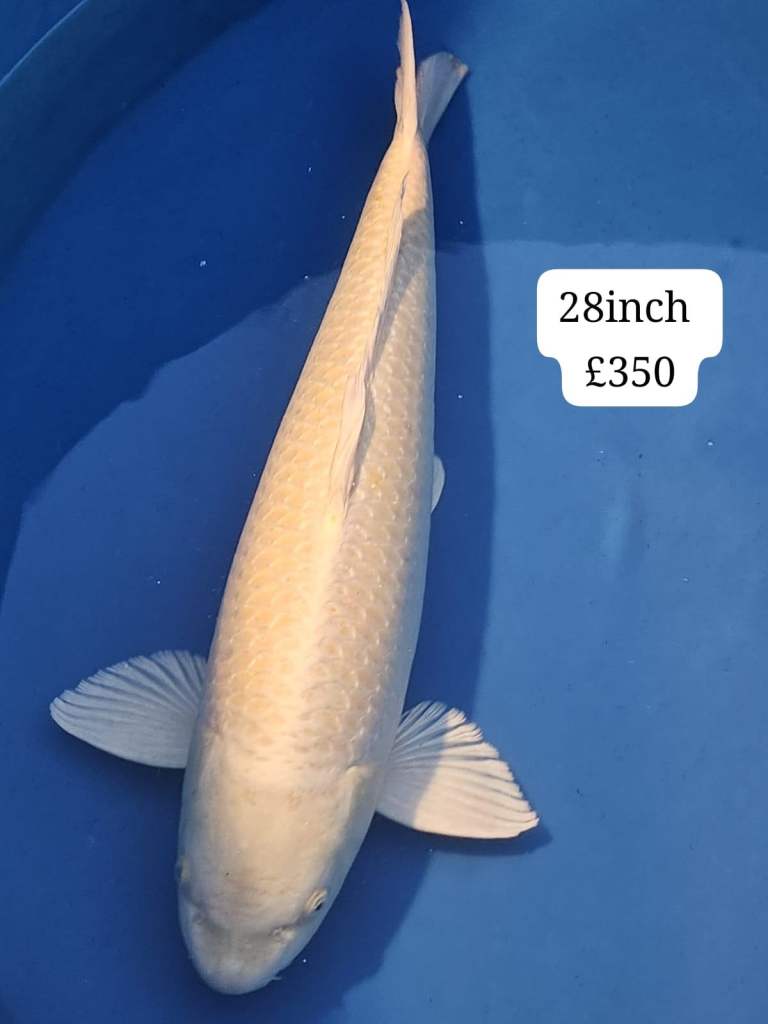
When buying Koi, observe their behaviour. Healthy Koi are active and swim gracefully. Check for any signs of disease, such as ulcers, fin rot, or parasites. Ensure the Koi's colours are vibrant and that its body shape is symmetrical and well-proportioned. Ask about the Koi's age and lineage if possible.
There are no specific licensing requirements for owning Koi carp in the UK for personal enjoyment. However, it's essential to be aware of animal welfare regulations. Koi should be kept in suitable conditions with adequate space, filtration, and oxygenation. Introducing non-native species into the wild is illegal under the Wildlife and Countryside Act 1981.
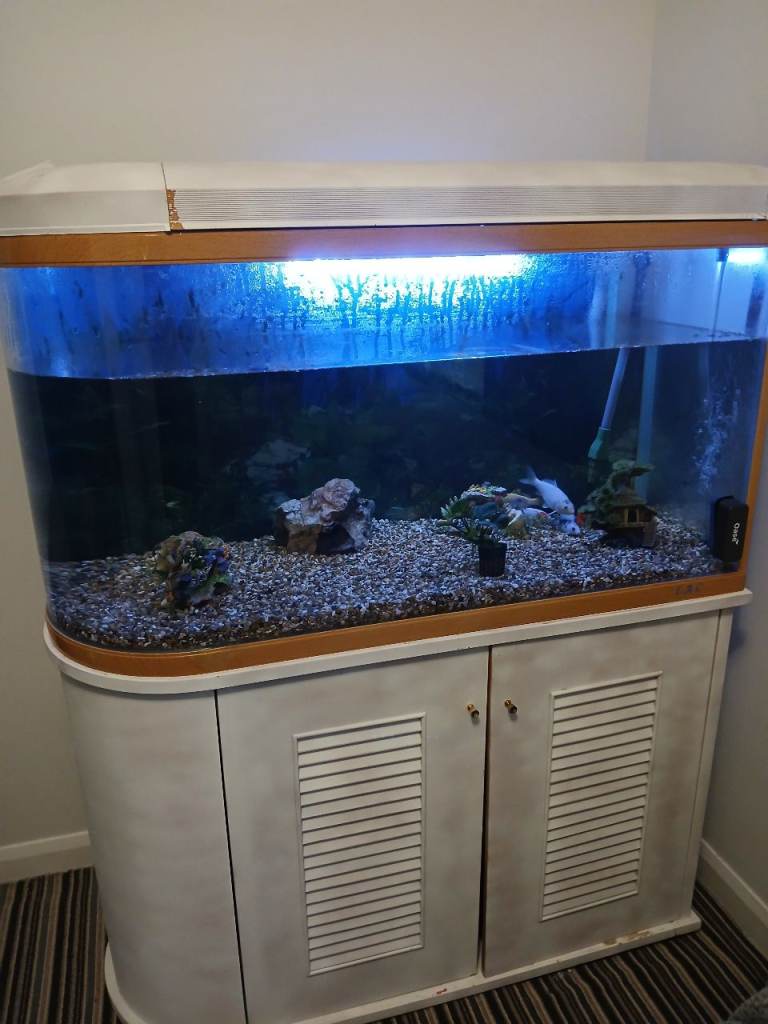
Koi require a substantial pond to thrive. As a general rule, a mature Koi (over 24 inches) needs at least 1000 litres of water. A pond should be at least 4 feet deep to provide adequate space and protection from predators and temperature fluctuations. Overcrowding can lead to stress and disease.
Maintaining good water quality is crucial for Koi health. Regularly test the water for ammonia, nitrite, nitrate, and pH levels. Ammonia and nitrite should be zero, while nitrate should be kept below 50ppm. The ideal pH range is between 7.0 and 8.0. Regular water changes (10-20% weekly) are necessary to maintain water quality.
Koi require a balanced diet to maintain their health and colour. Choose a high-quality Koi food that contains a mix of protein, carbohydrates, and vitamins. Feed Koi multiple times a day in small amounts, only what they can consume in a few minutes. Adjust the feeding amount based on water temperature; Koi eat less in colder water. Avoid overfeeding, as this can pollute the water.