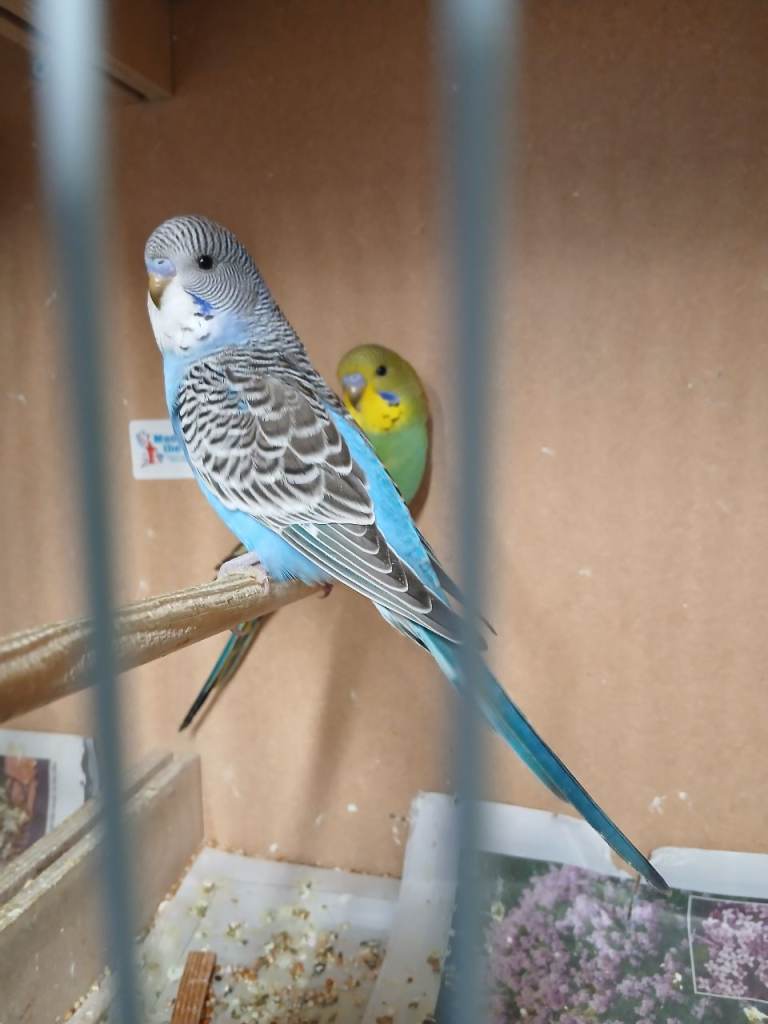
1/5
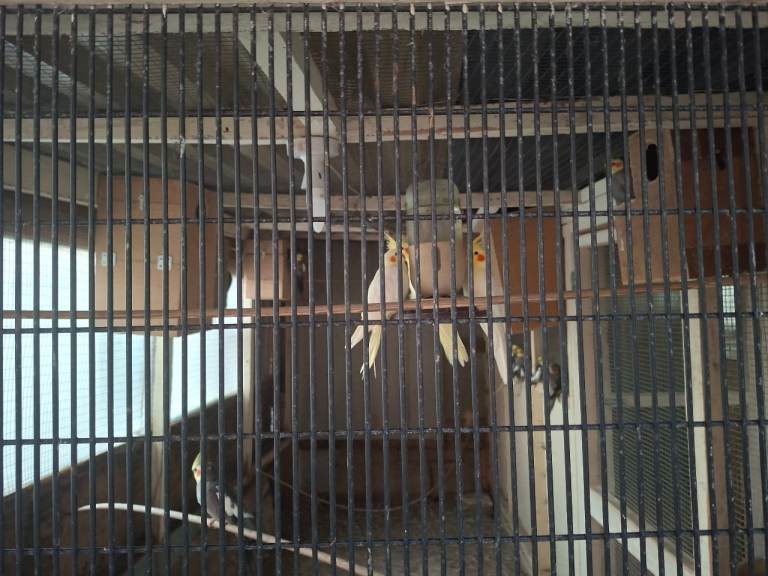
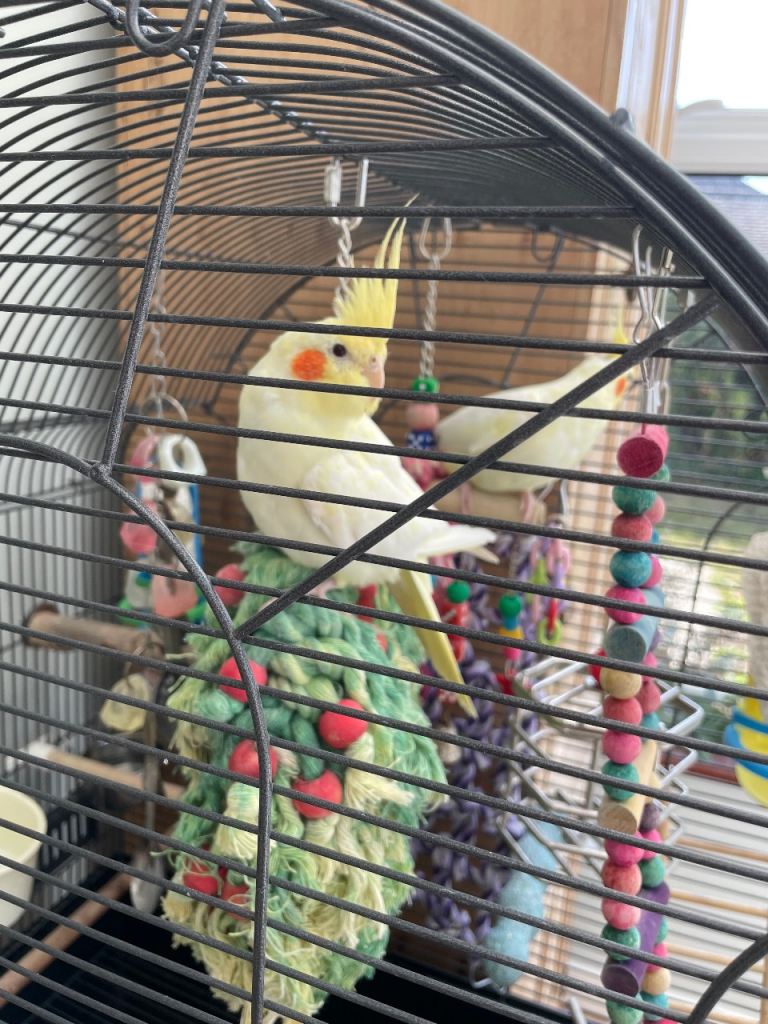
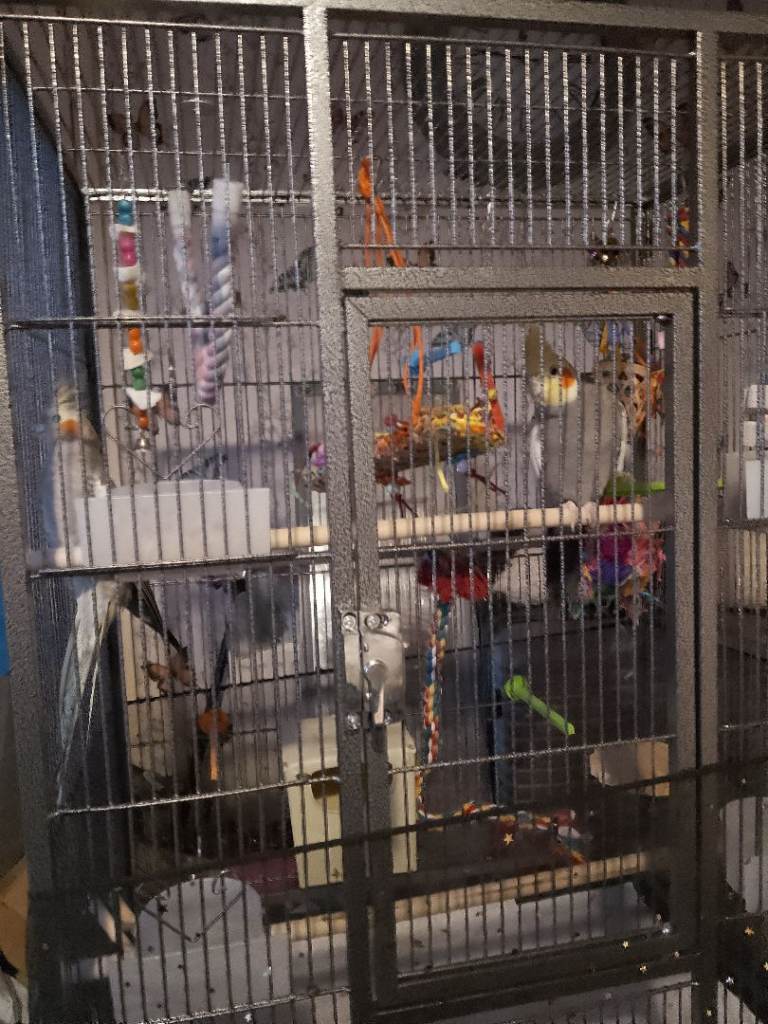
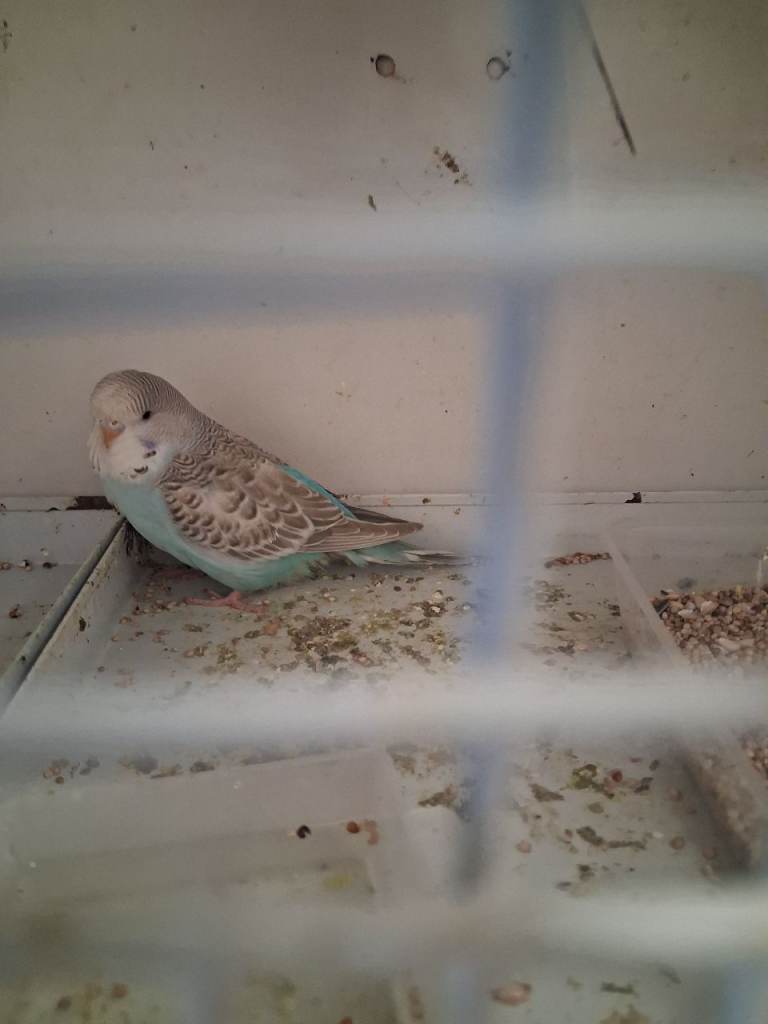
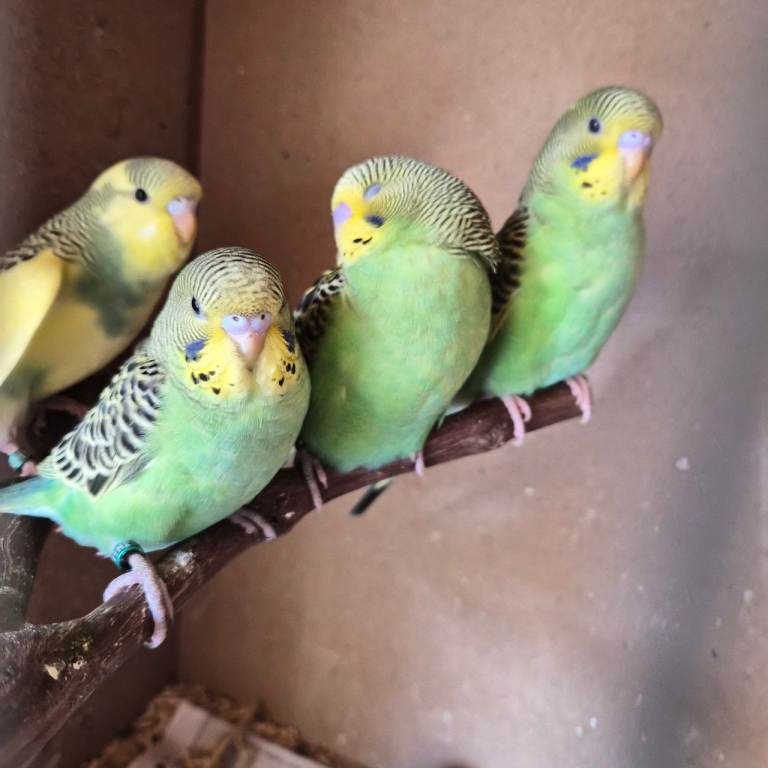
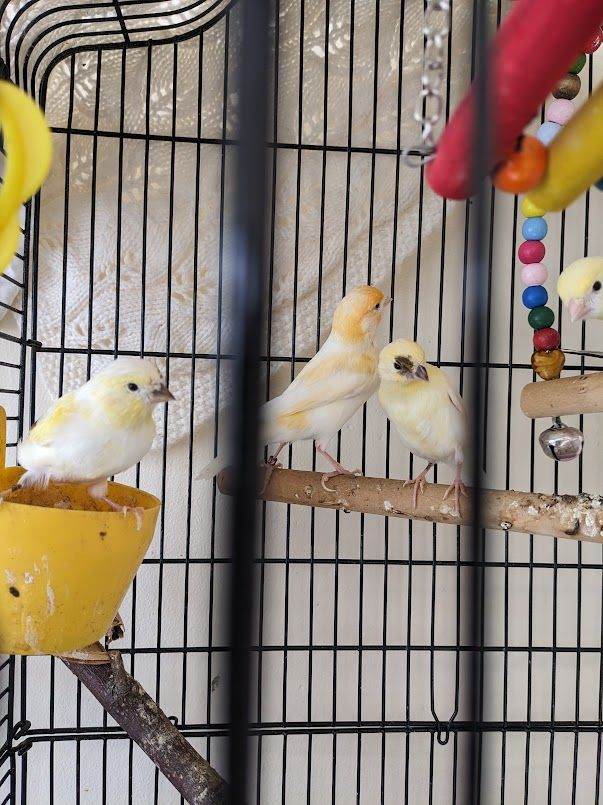
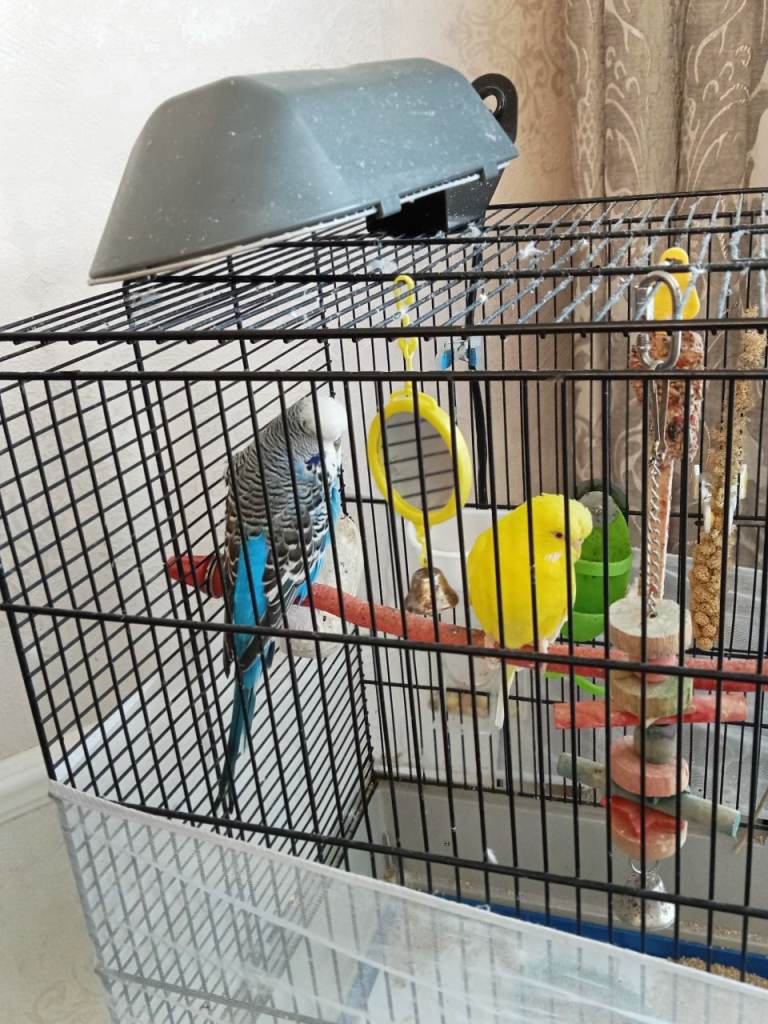
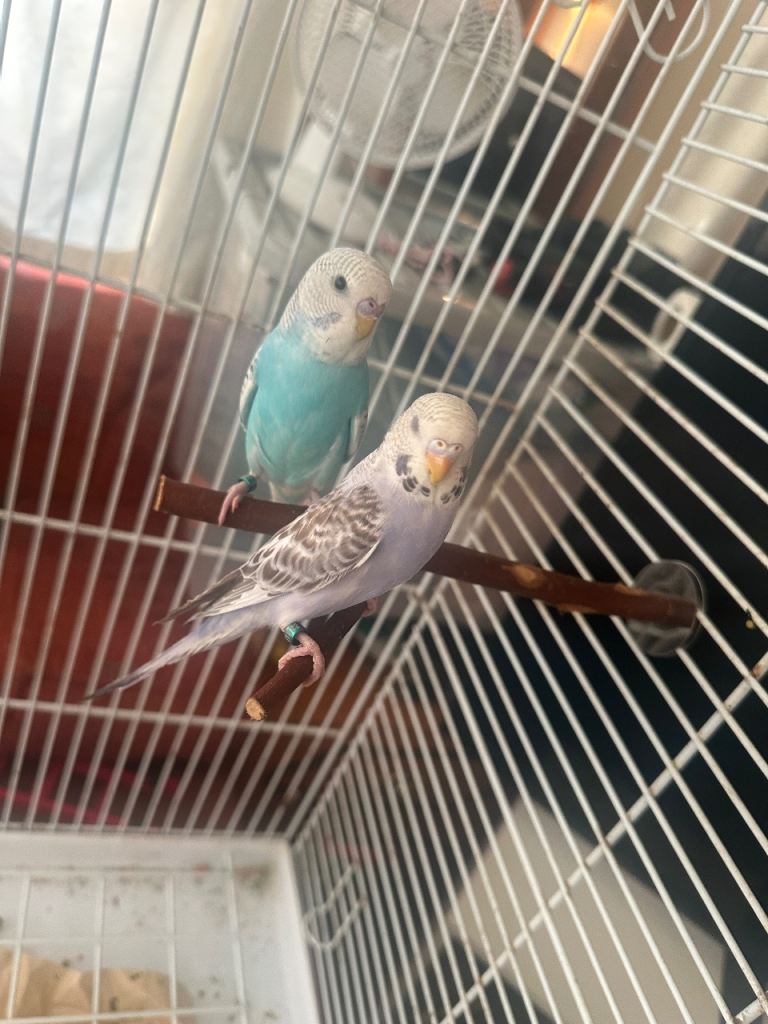
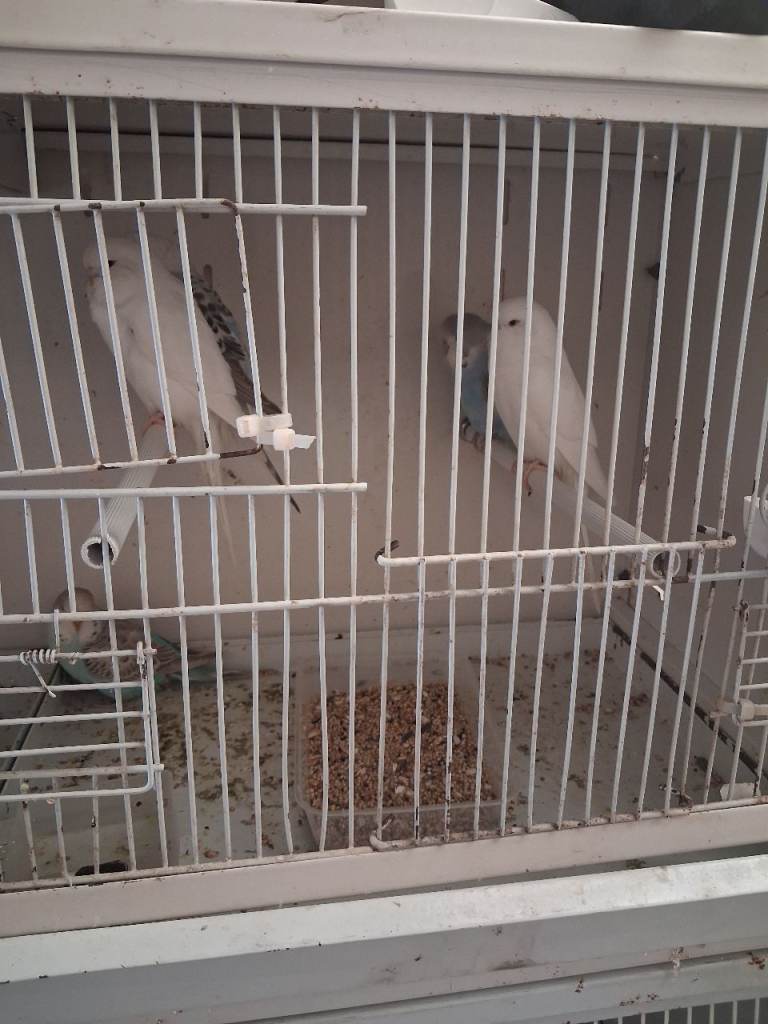
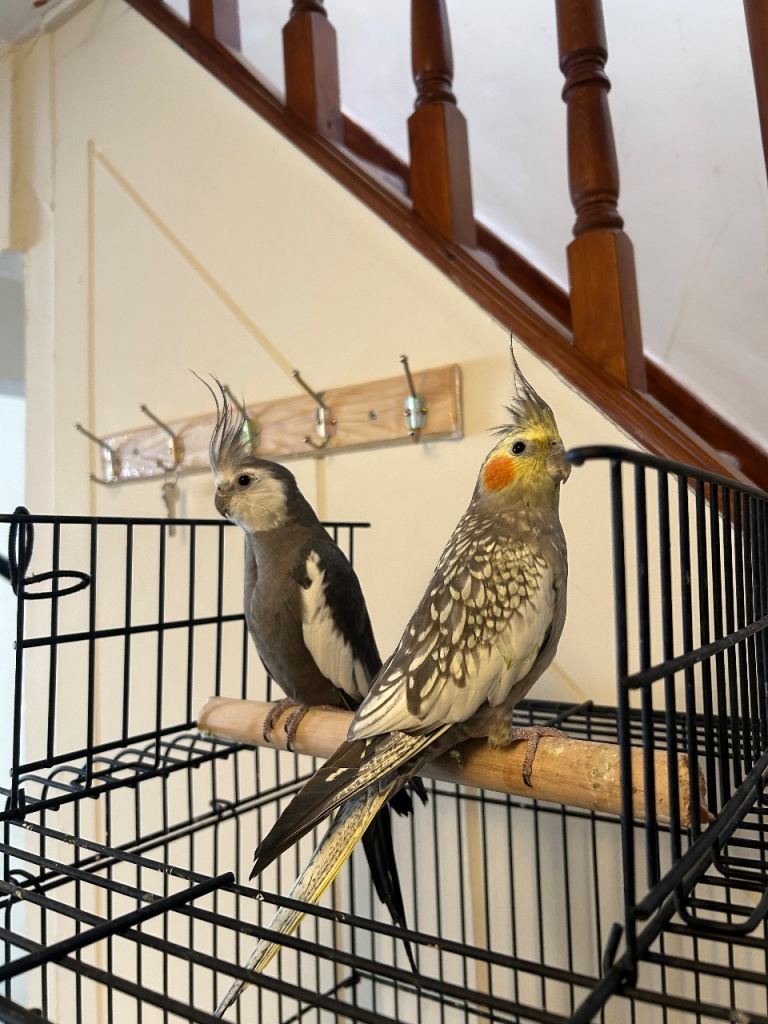
Baby budgies
Age:4 months
Ready to leave:Now
Patchway, Bristol
£30
When buying a bird, carefully observe its behaviour. Look for signs of alertness, activity, and healthy plumage. Check for any discharge from the eyes or nostrils, and ensure the bird's vent area is clean. A healthy bird should be eating and drinking normally. If possible, ask the seller about the bird's history and any previous health issues. It's advisable to have a new bird checked by a vet experienced with avian species shortly after purchase.
While most common pet bird species don't require specific permits for ownership in the UK, it's crucial to ensure the bird was legally obtained. Certain species, particularly those protected under CITES (Convention on International Trade in Endangered Species), may require permits for ownership or sale. Always ask the seller for proof of legal origin and any necessary documentation. Check with DEFRA (Department for Environment, Food & Rural Affairs) for the most up-to-date information on protected species and permit requirements.
Enquire about the bird's age, species, and origin (e.g., captive-bred or wild-caught – captive-bred is preferable). Ask about its diet, typical behaviour, and any previous health issues or veterinary care. Find out if the bird is used to being handled and its temperament towards humans and other animals. Understanding the bird's history will help you provide appropriate care and ensure a smooth transition to its new home.
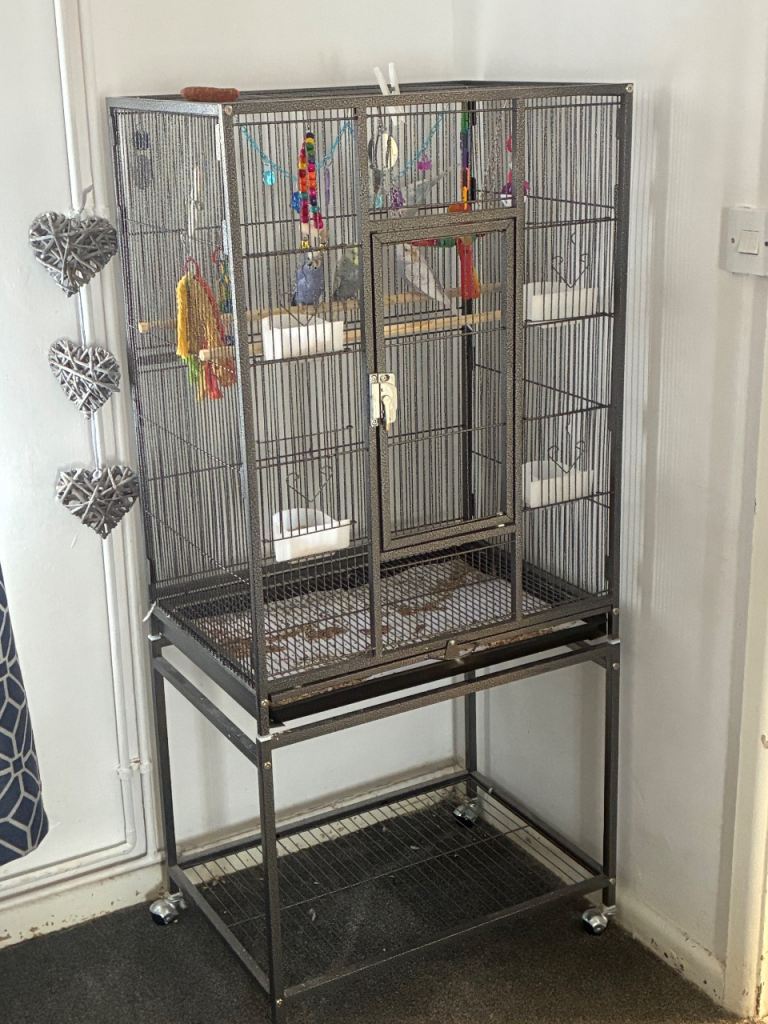
Before bringing a bird home, ensure you have a suitable cage or aviary that is large enough for the bird to move around comfortably and spread its wings. The cage should be placed in a safe location away from drafts, direct sunlight, and potential hazards. Provide appropriate perches of varying sizes and textures to exercise the bird's feet. Offer a balanced diet of seeds, pellets, fruits, and vegetables, and ensure fresh water is always available. Research the specific needs of the bird species you are considering to provide the best possible environment.
Be vigilant for any changes in your bird's behaviour, appetite, or droppings. Common signs of illness include lethargy, ruffled feathers, loss of appetite, weight loss, changes in droppings (colour, consistency, or frequency), difficulty breathing, discharge from the eyes or nostrils, and abnormal posture. If you notice any of these signs, consult an avian veterinarian immediately. Early detection and treatment are crucial for a bird's recovery.