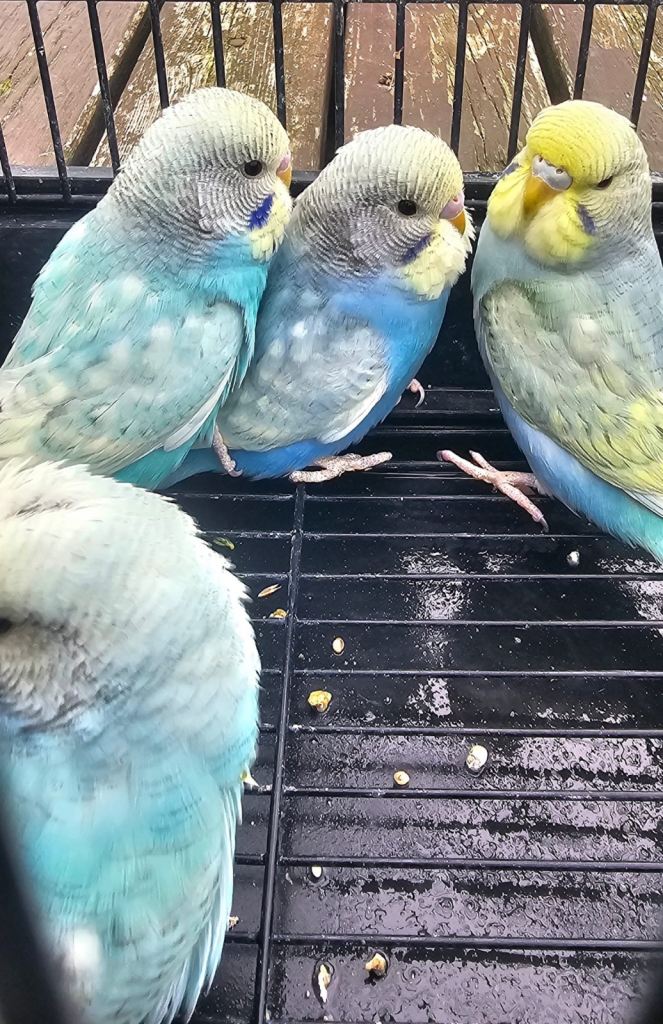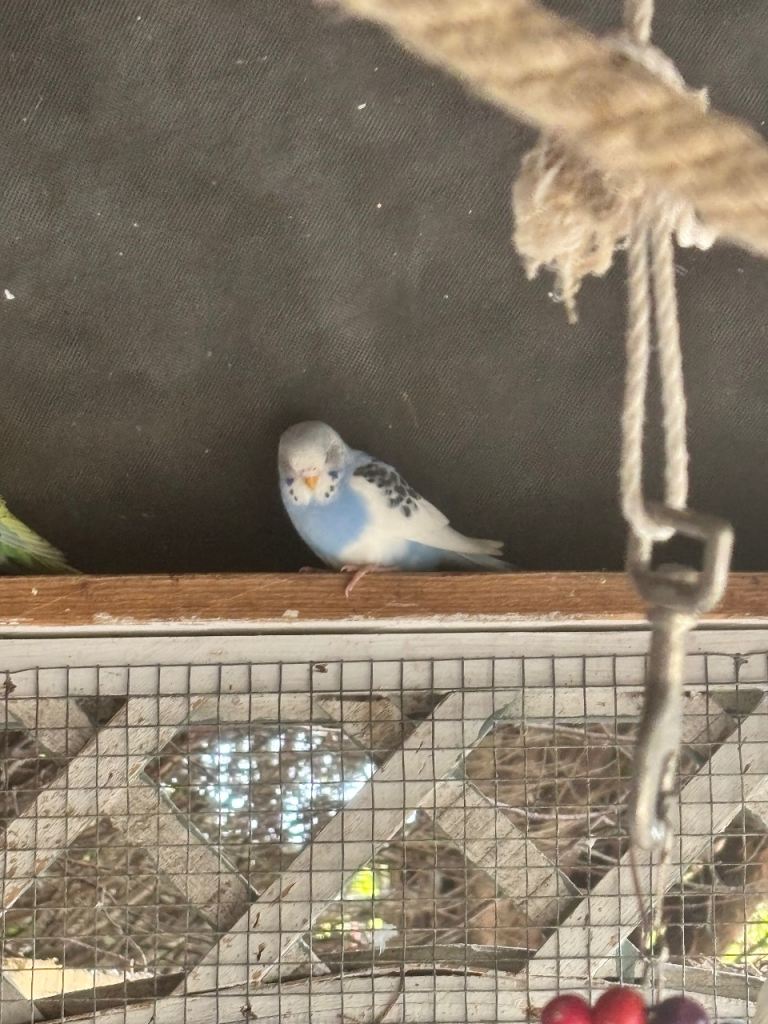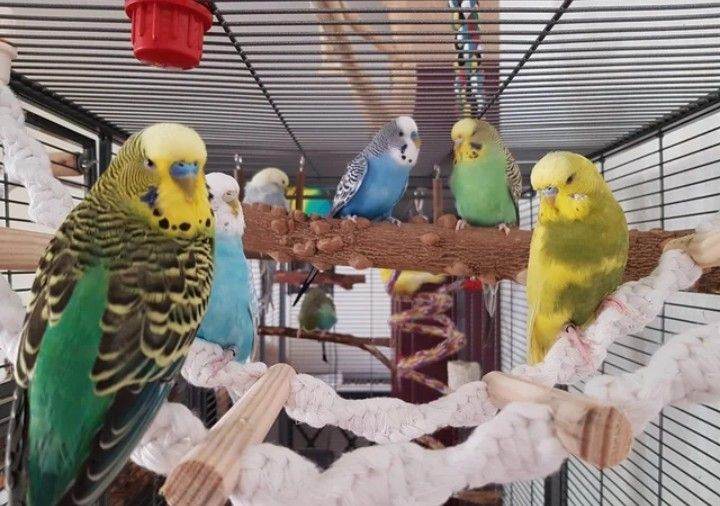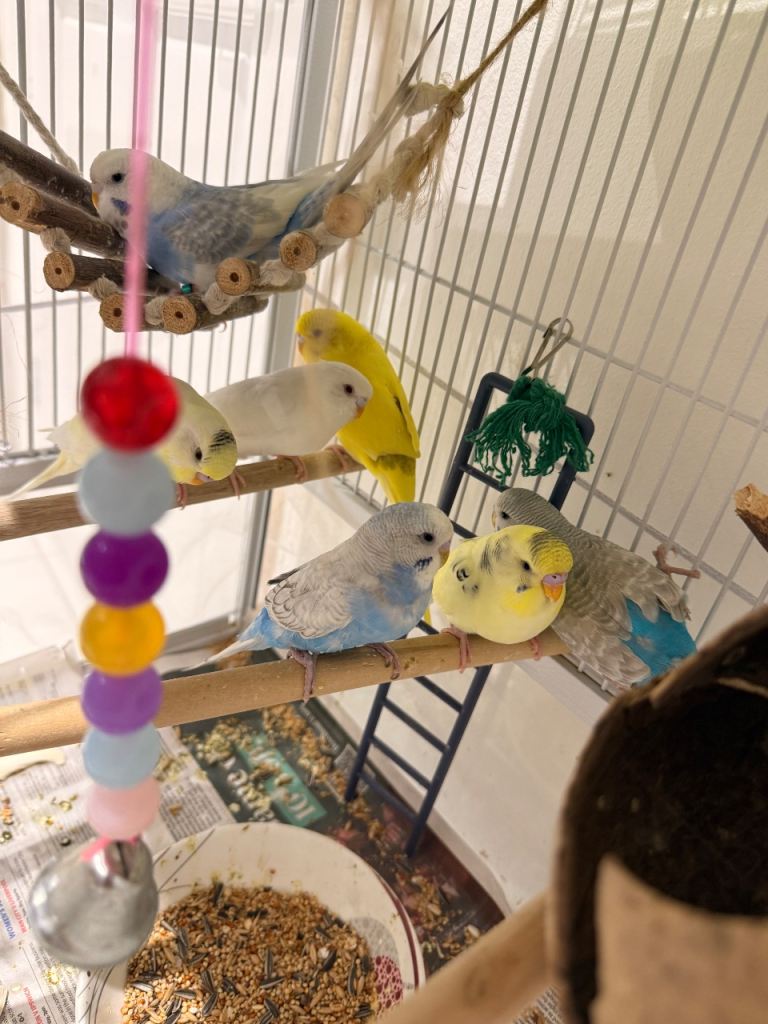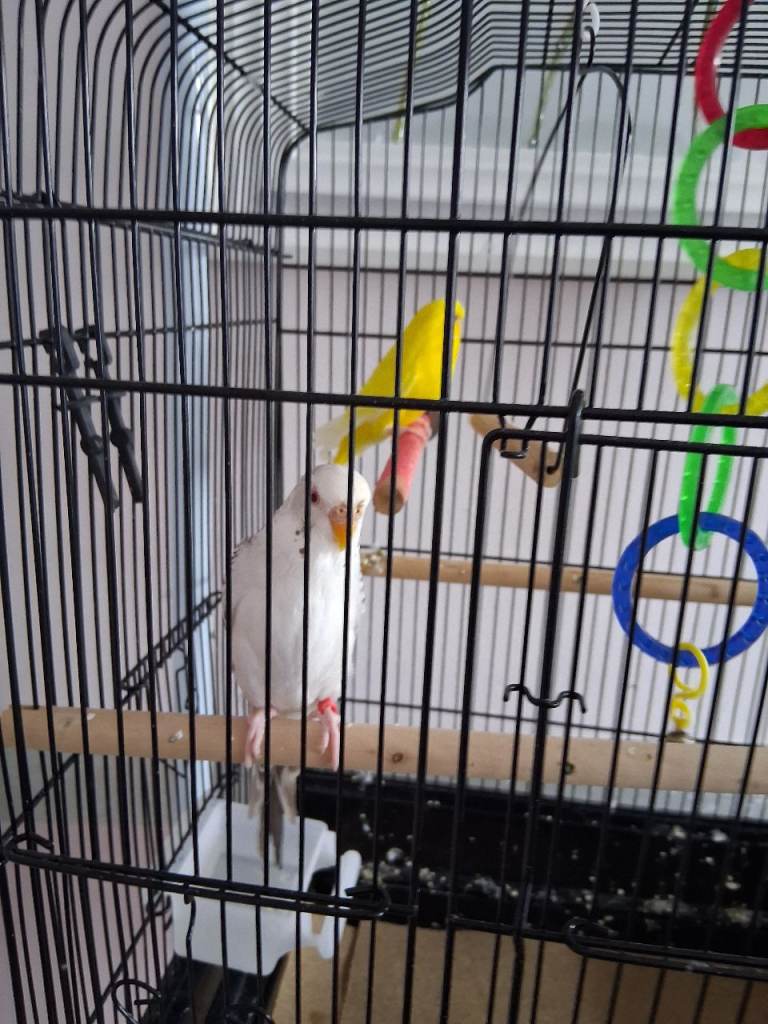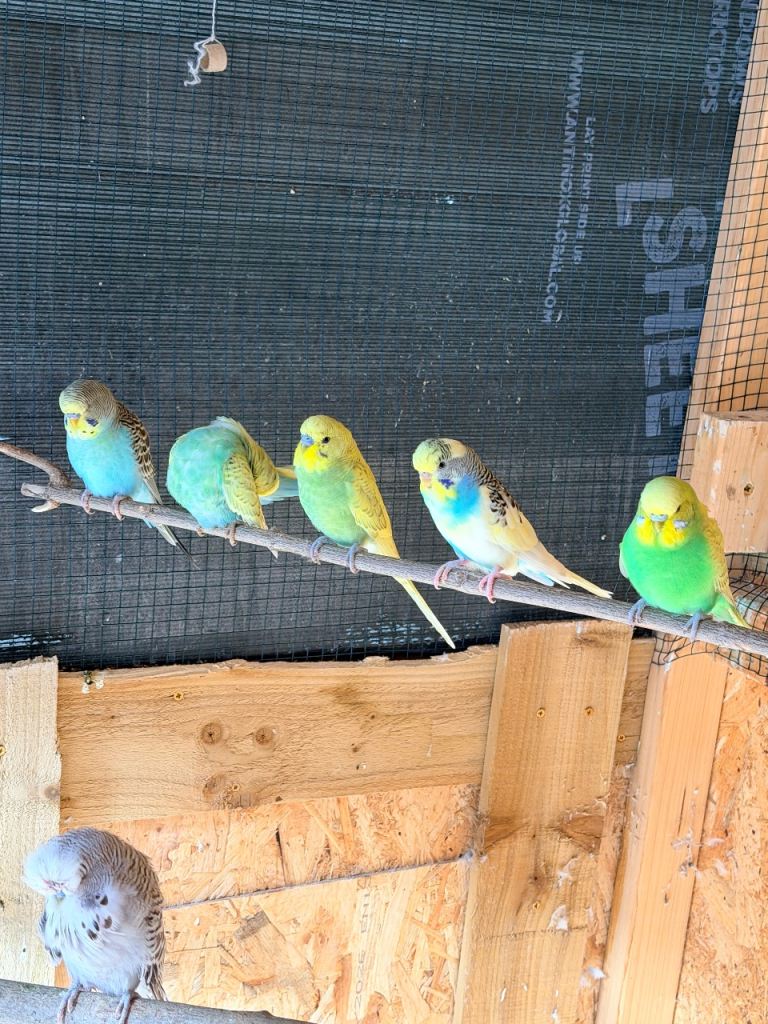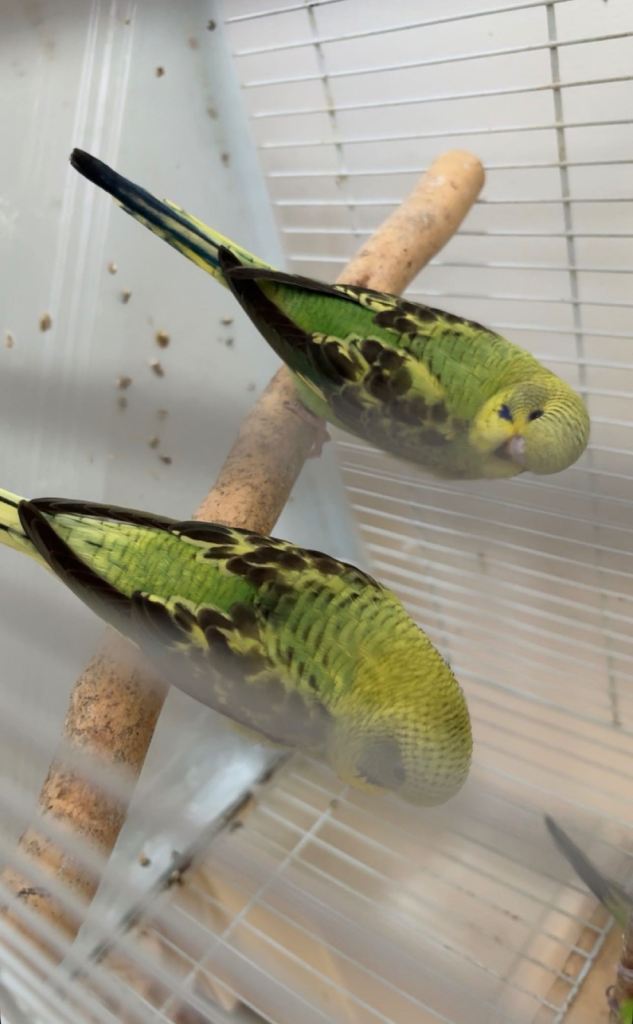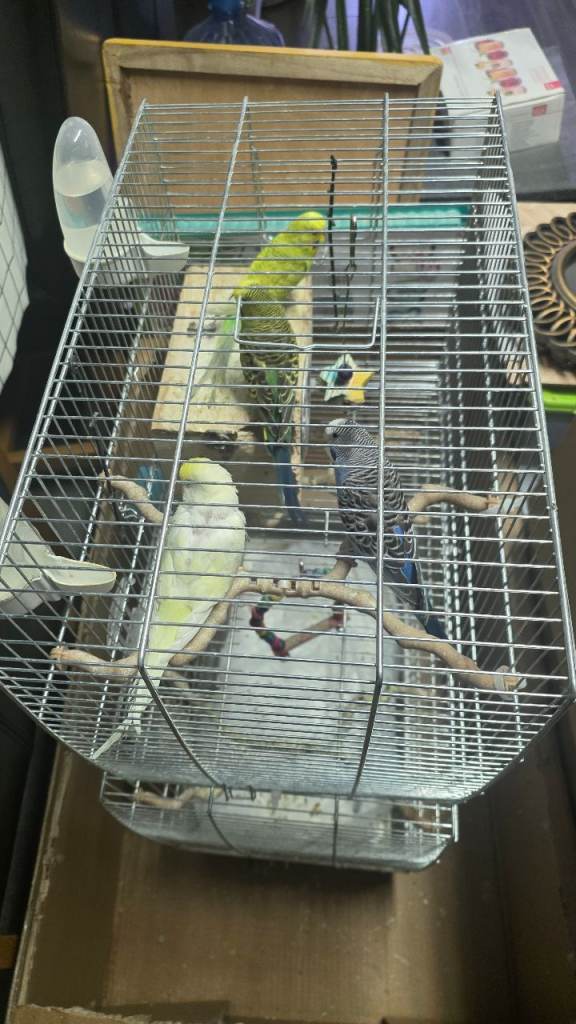
1/1
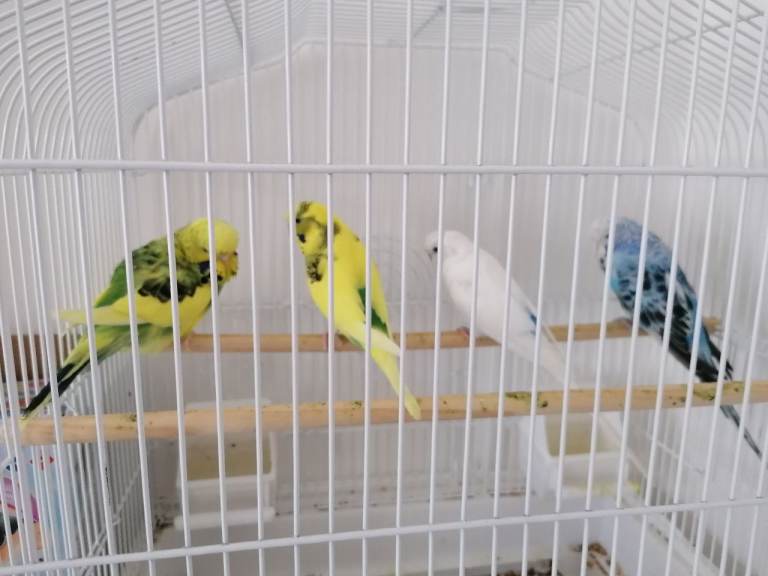
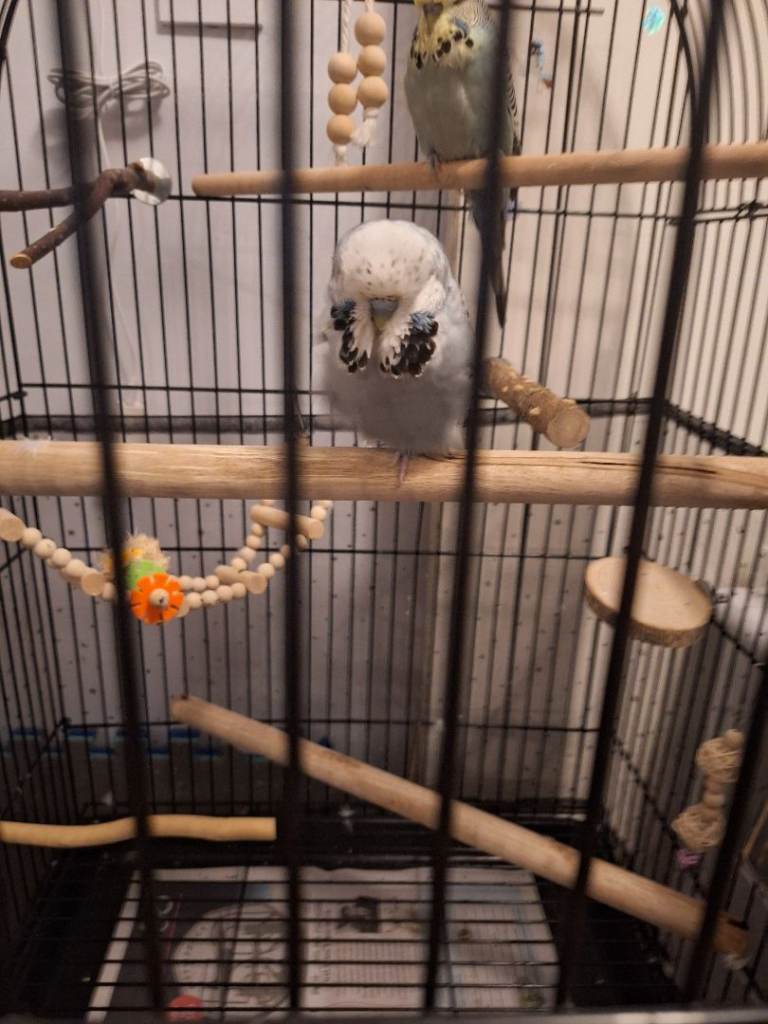
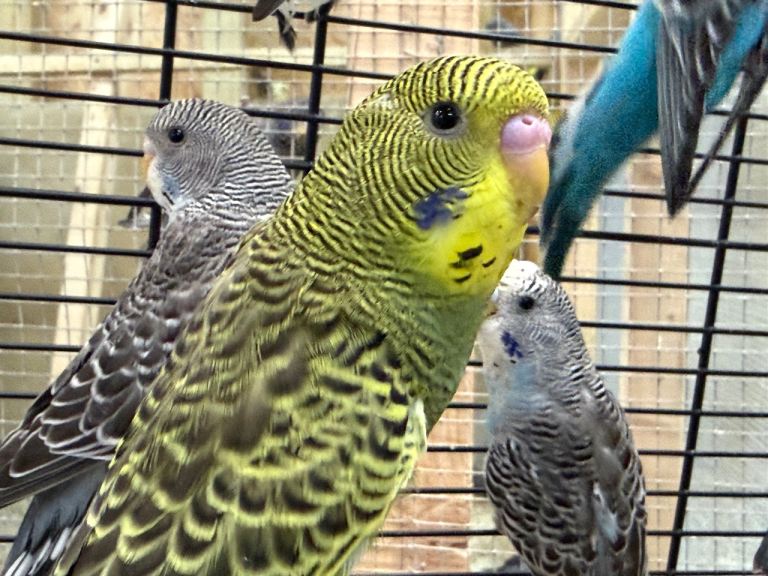
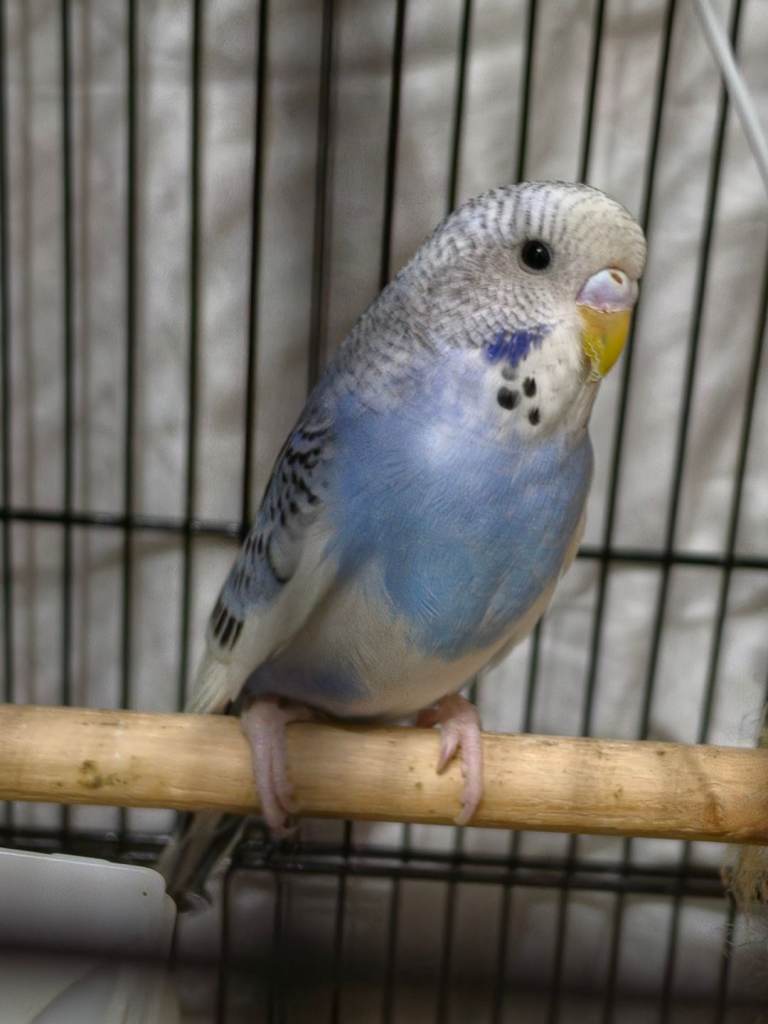
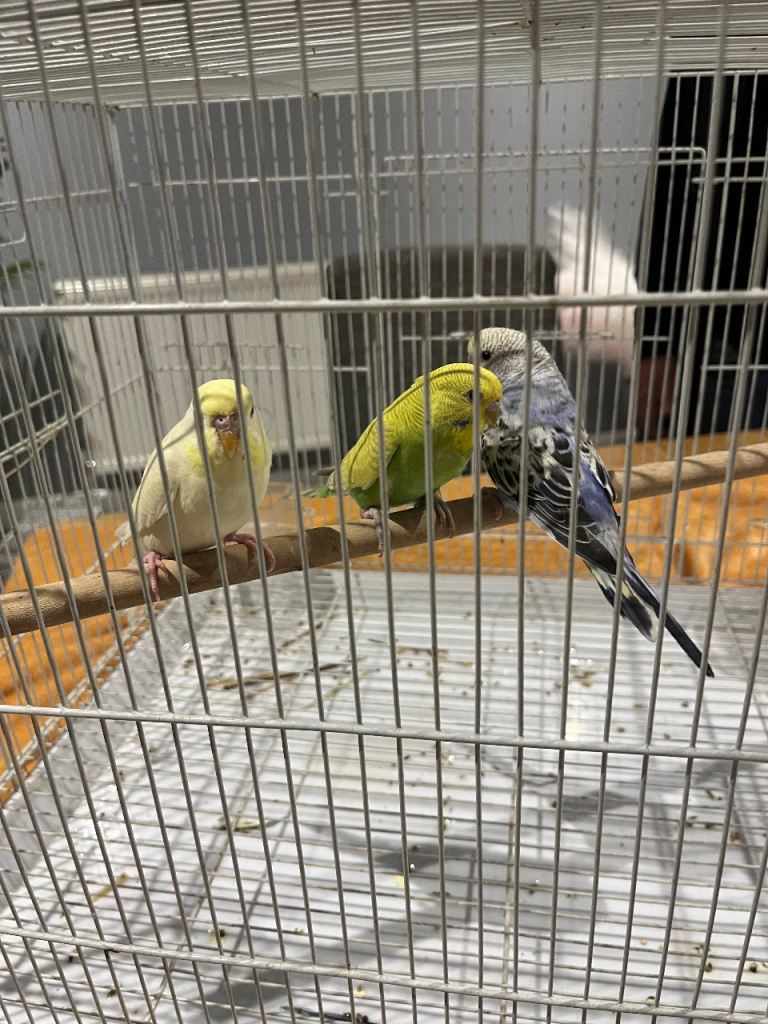
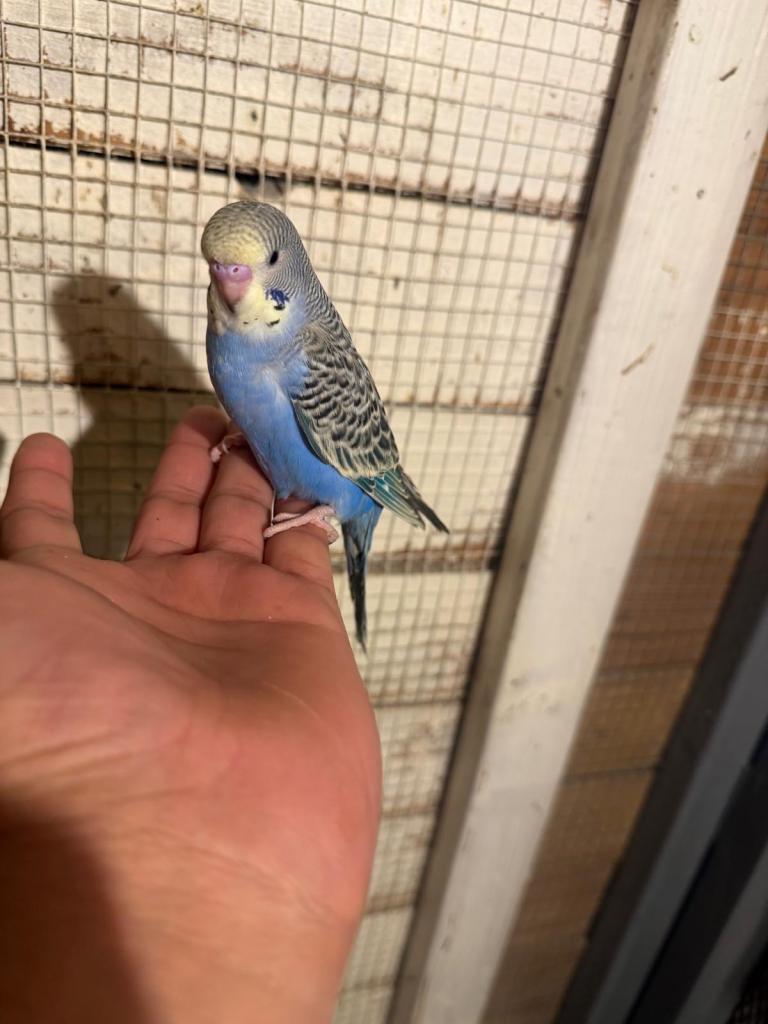
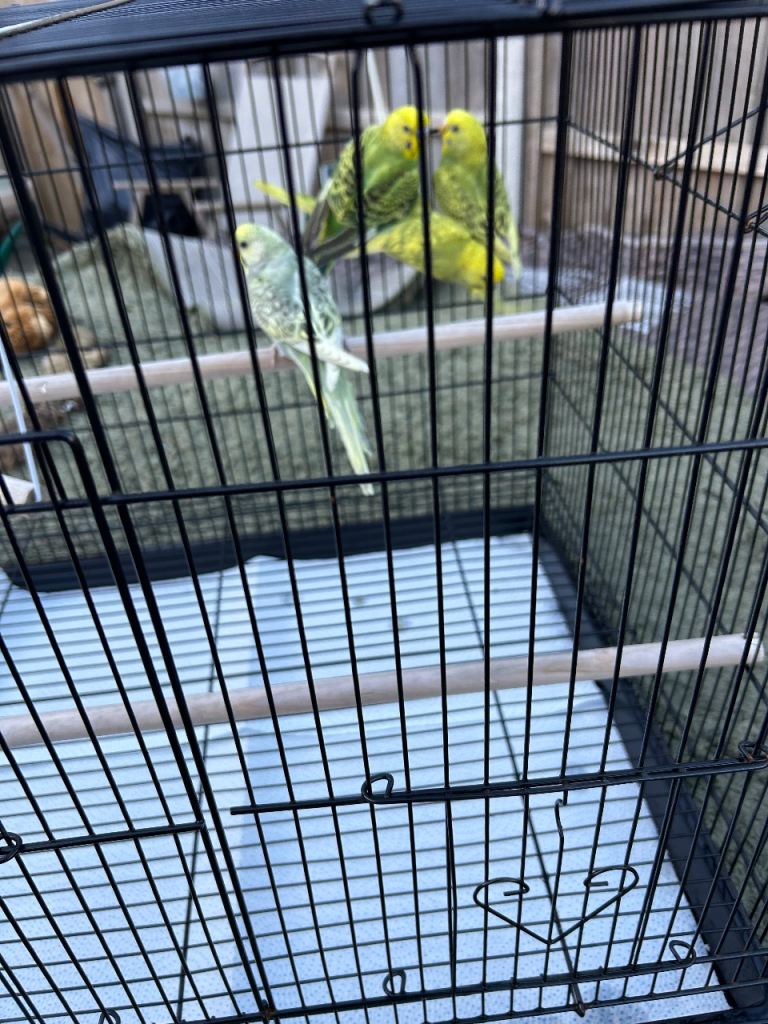
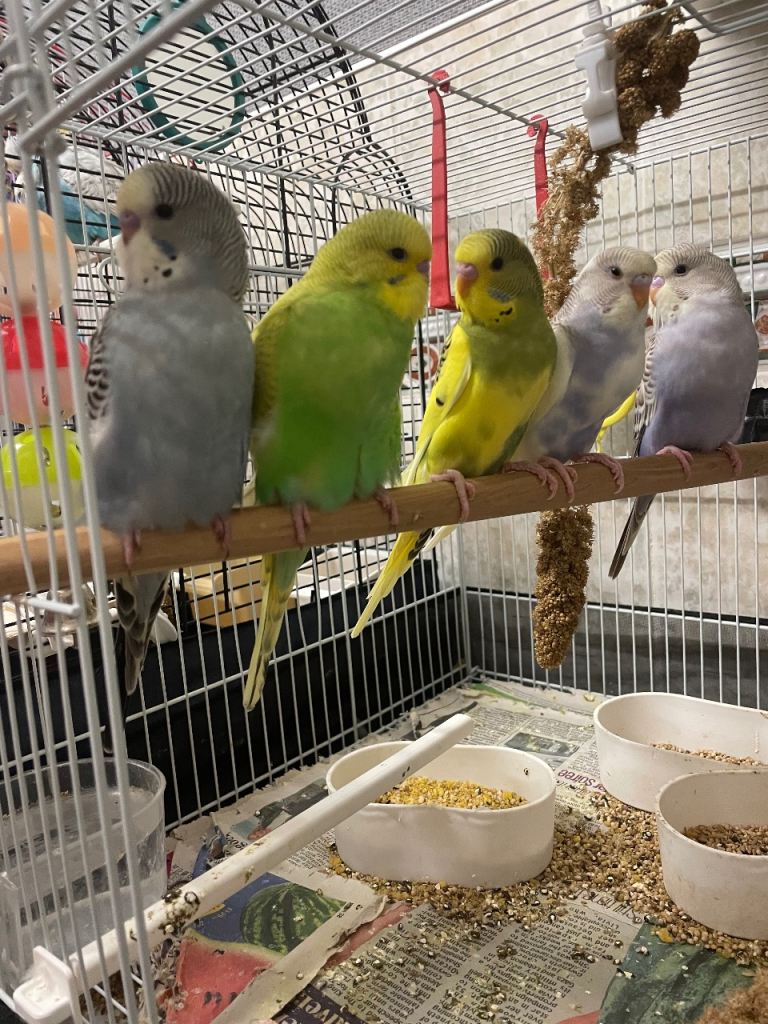
Budgies
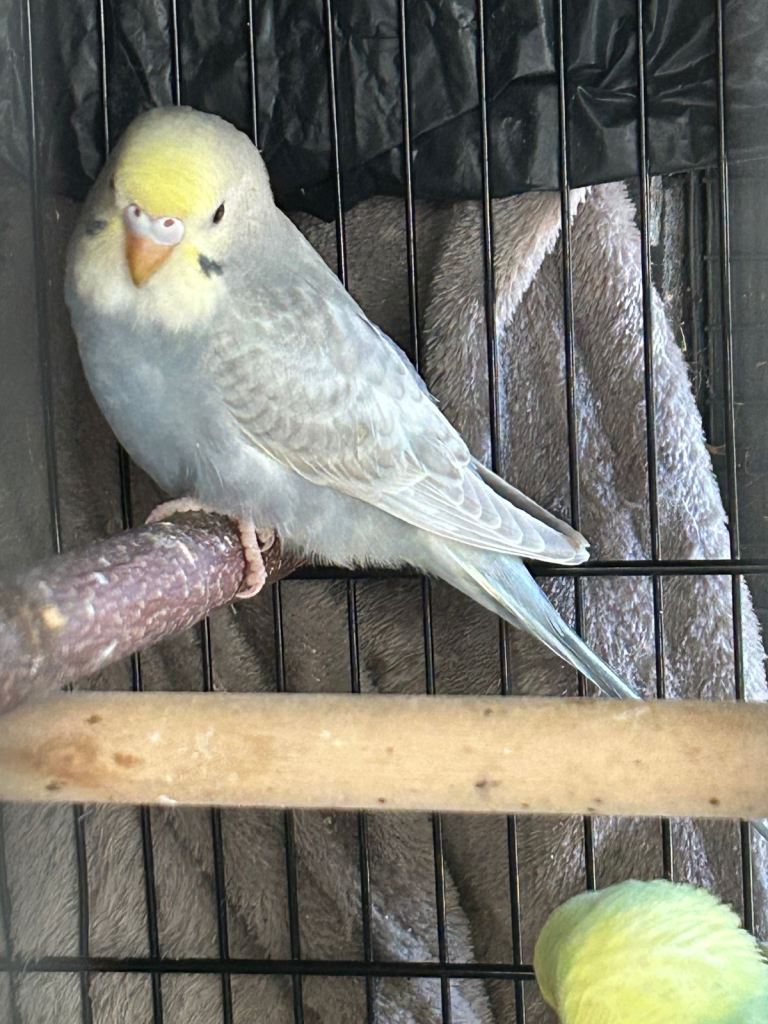
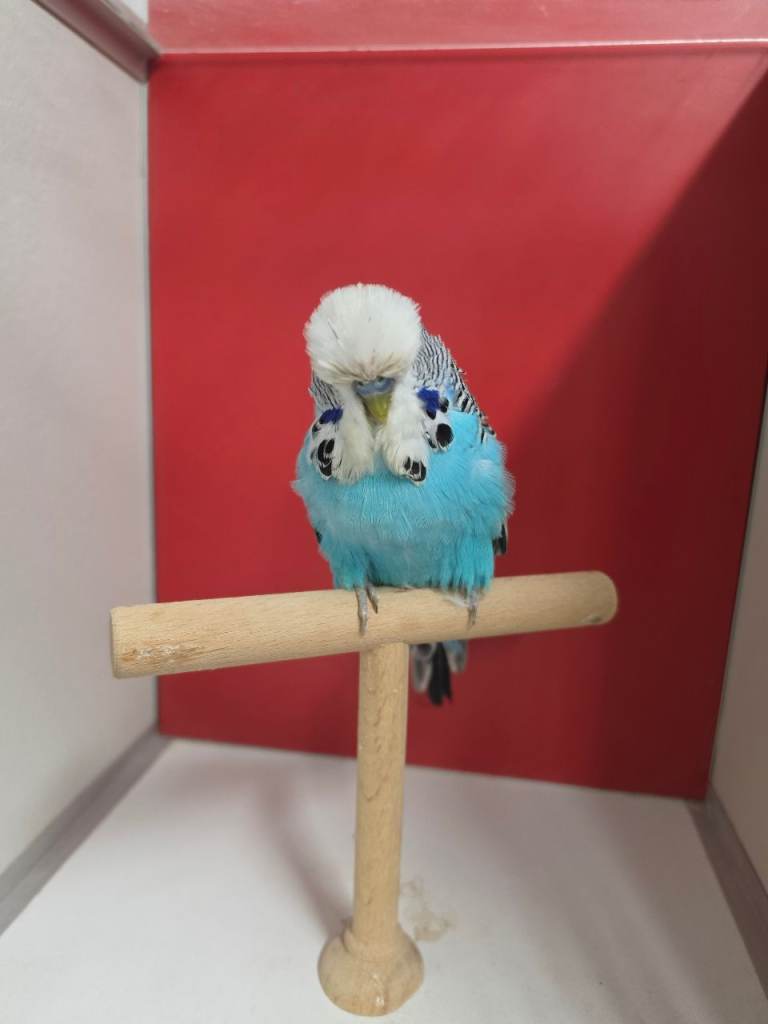
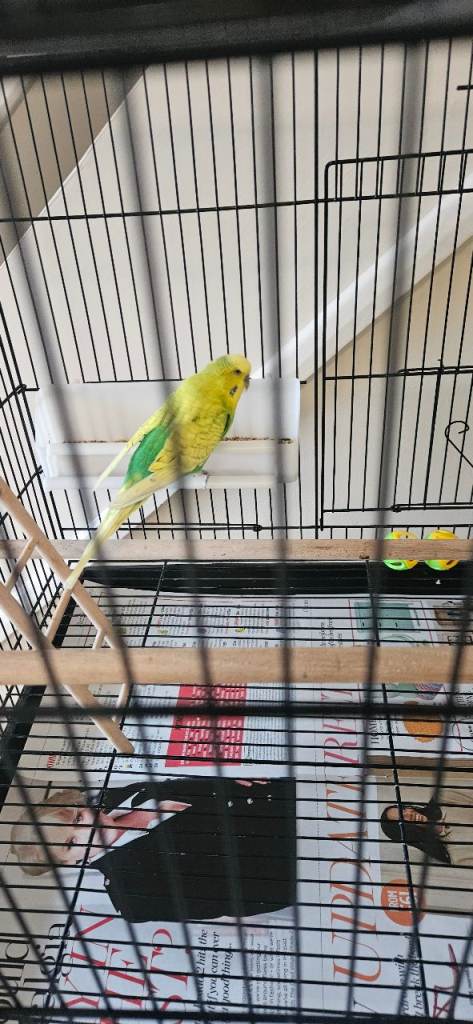
Age:3 months
Ready to leave:Now
Canvey Island, Essex
£15
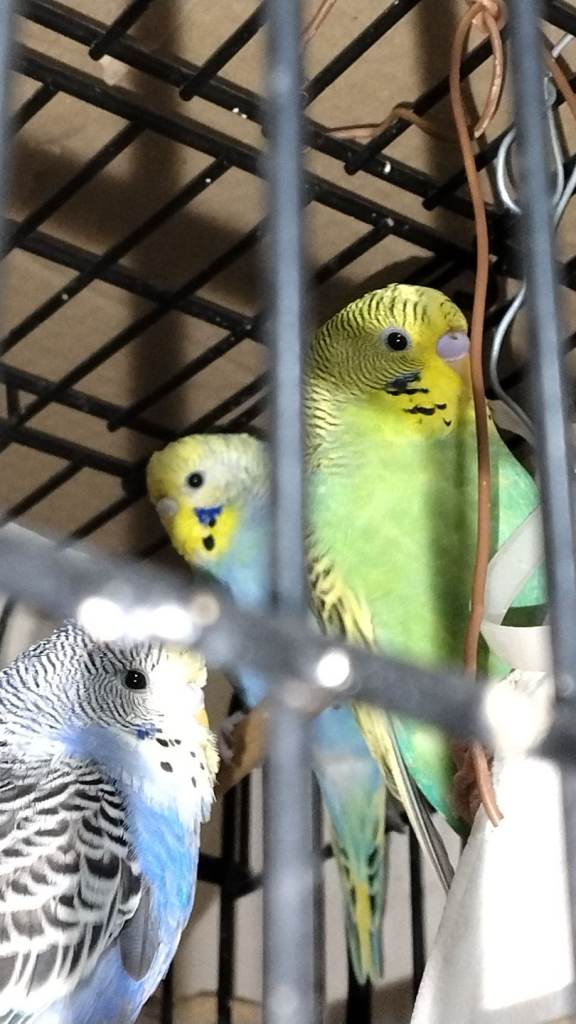
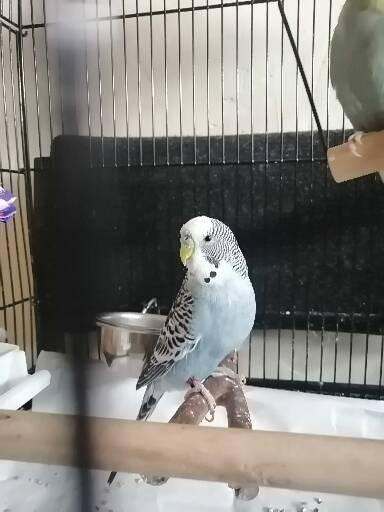
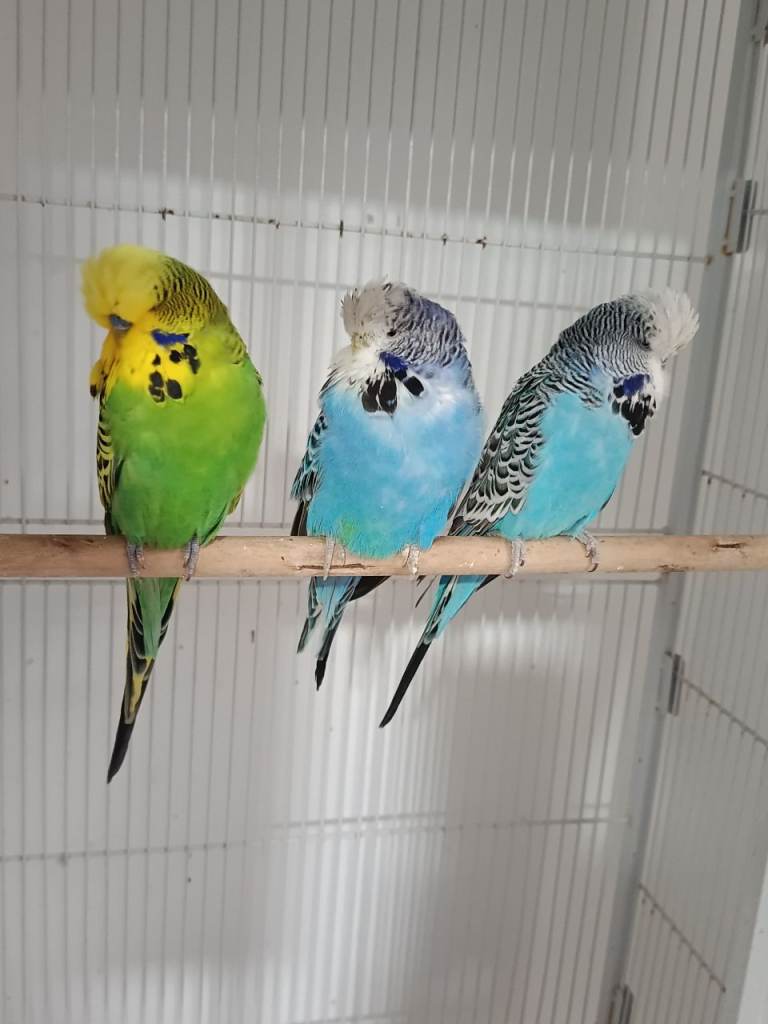
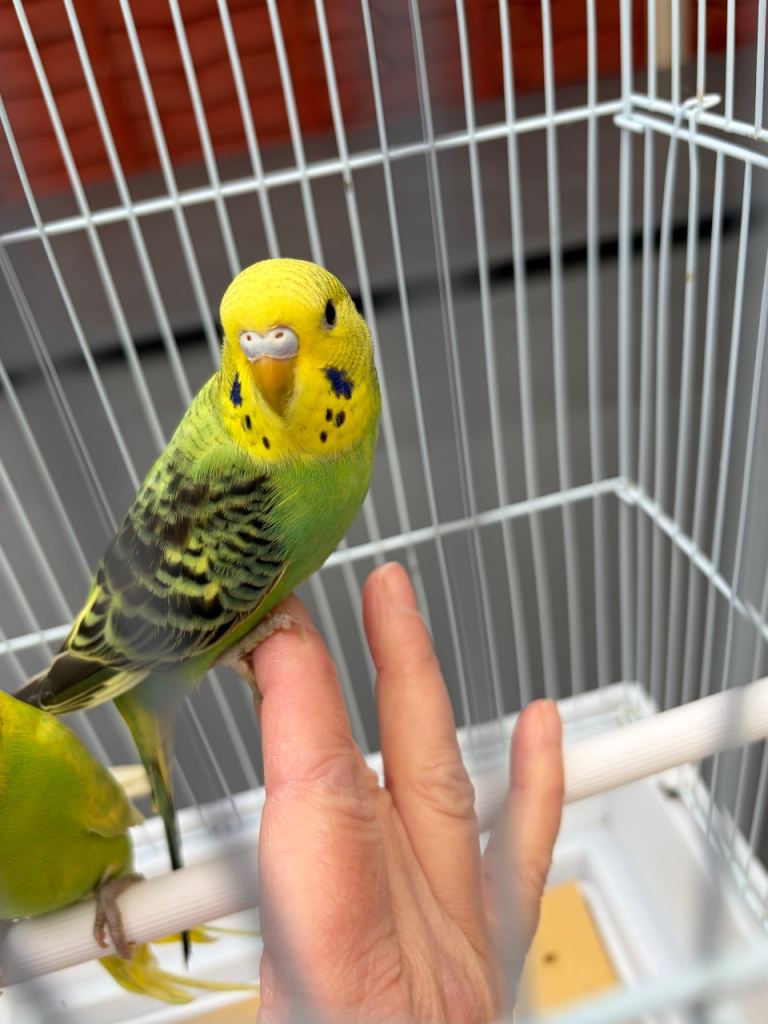
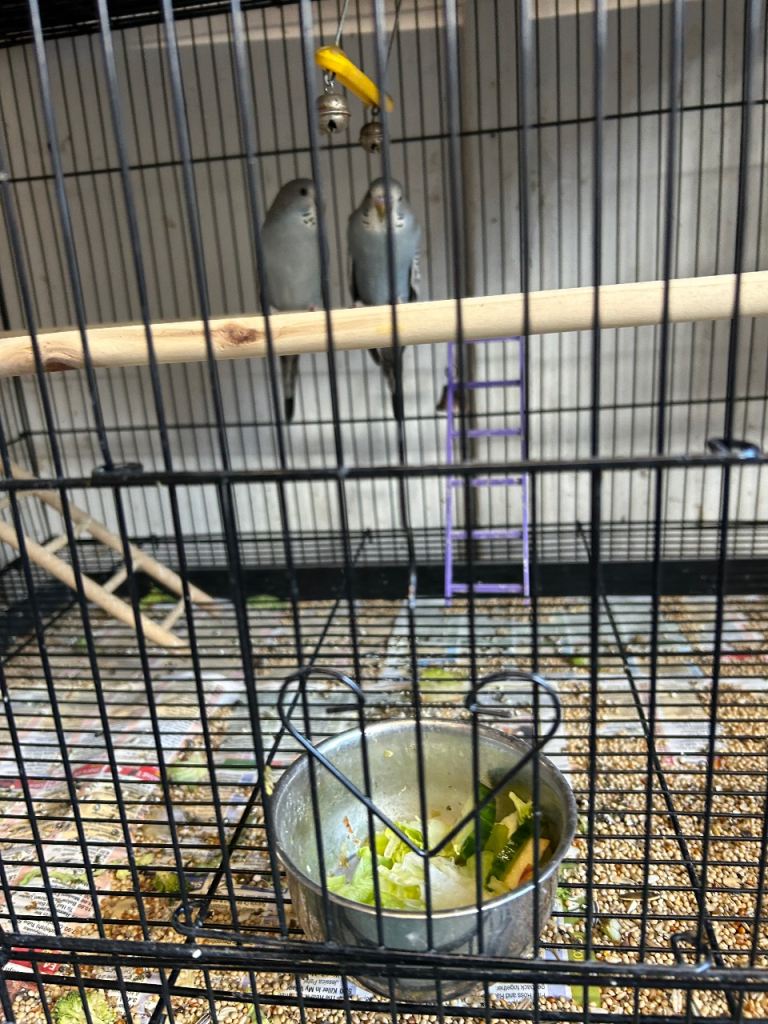
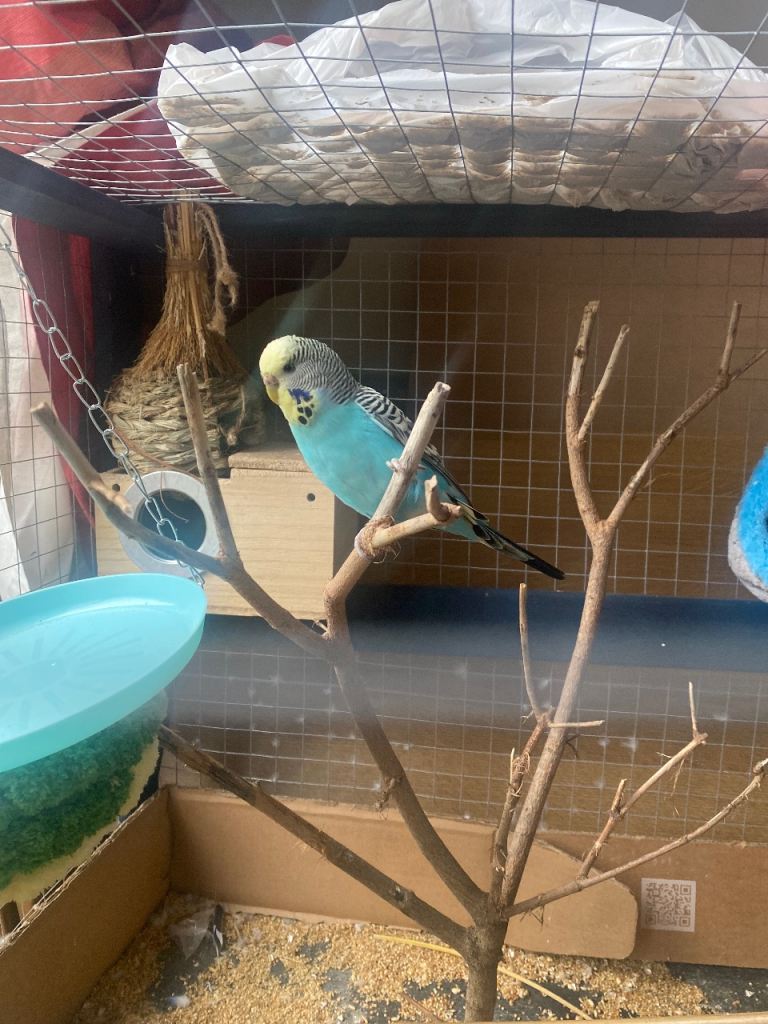
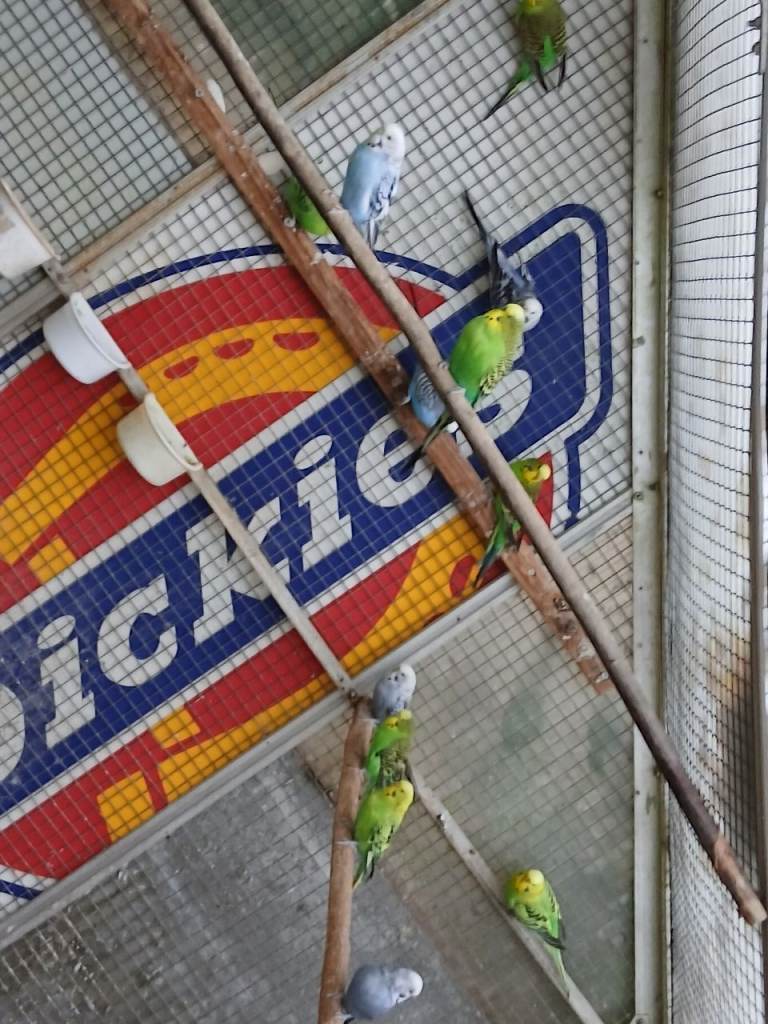
When selecting a budgie, observe its behaviour. A healthy budgie should be active, alert, and have bright, clear eyes. Check for clean feathers, a well-formed beak, and healthy droppings. Avoid budgies that appear lethargic, have ruffled feathers, or show signs of illness such as discharge from the eyes or nostrils.
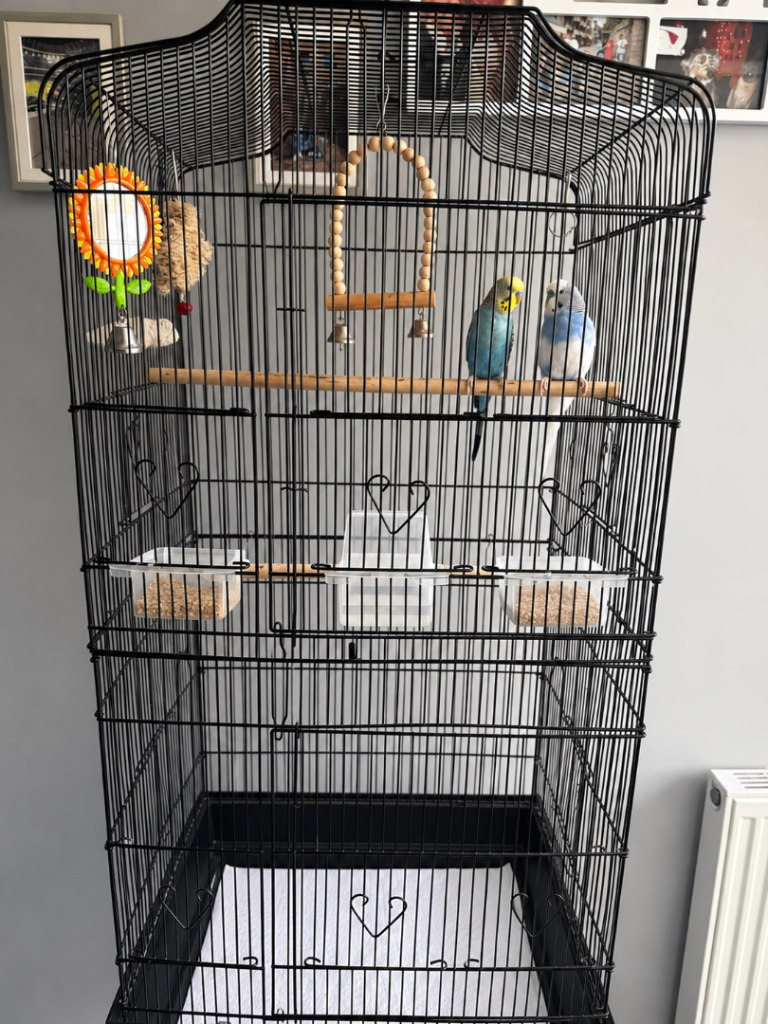
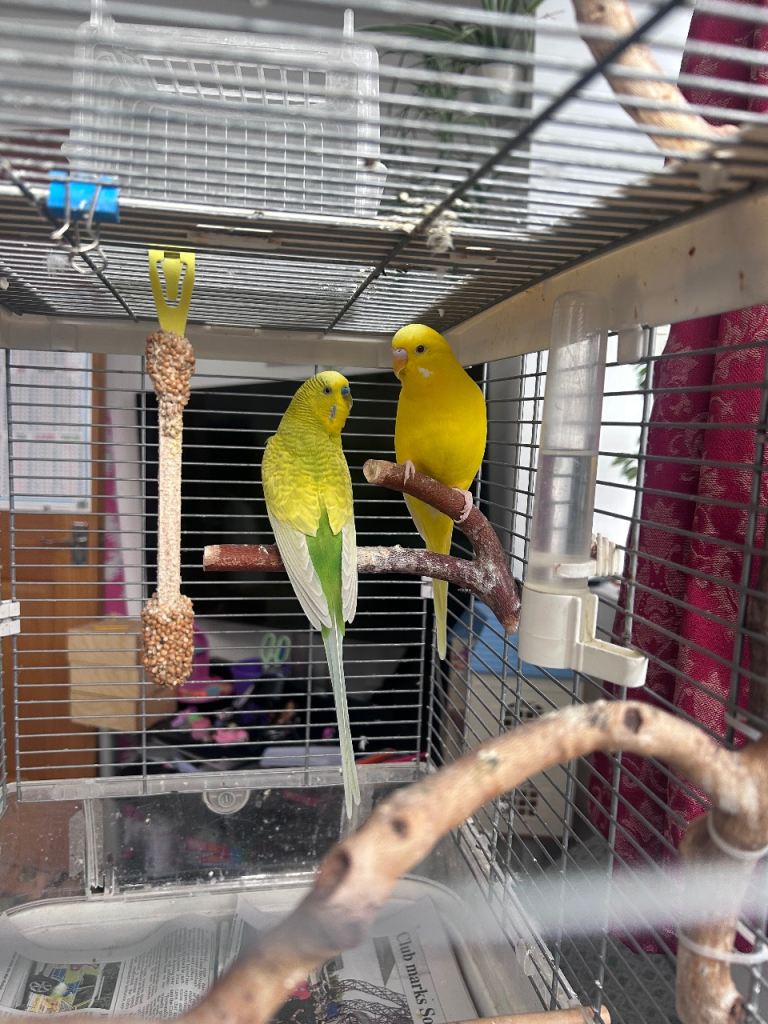
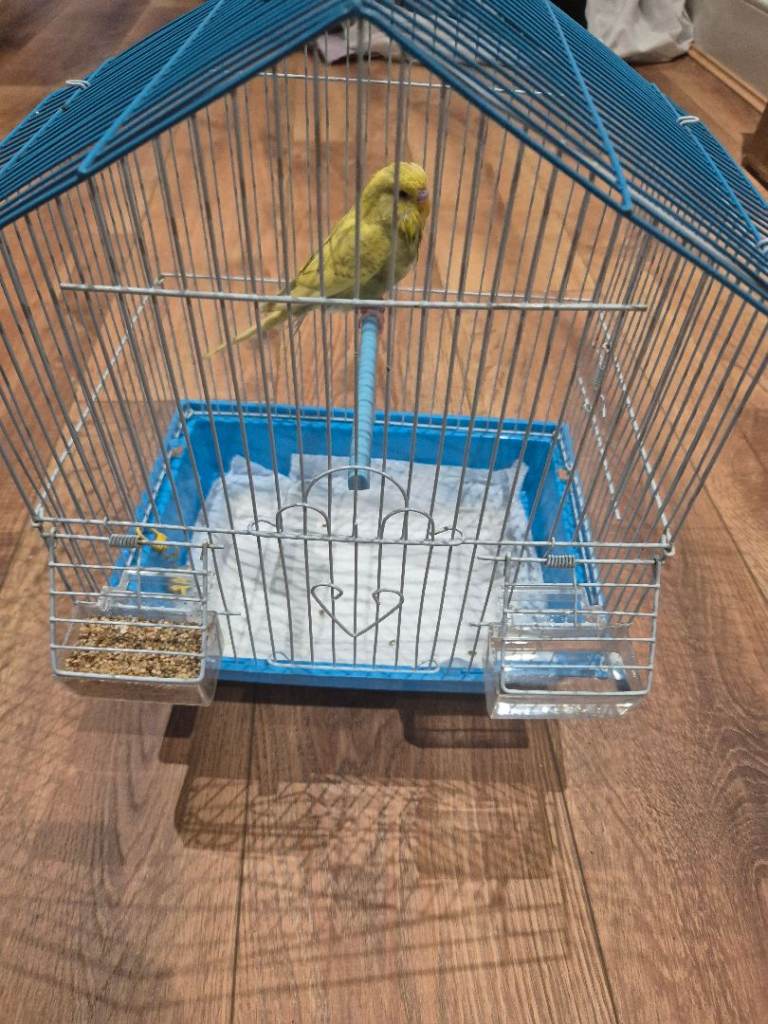
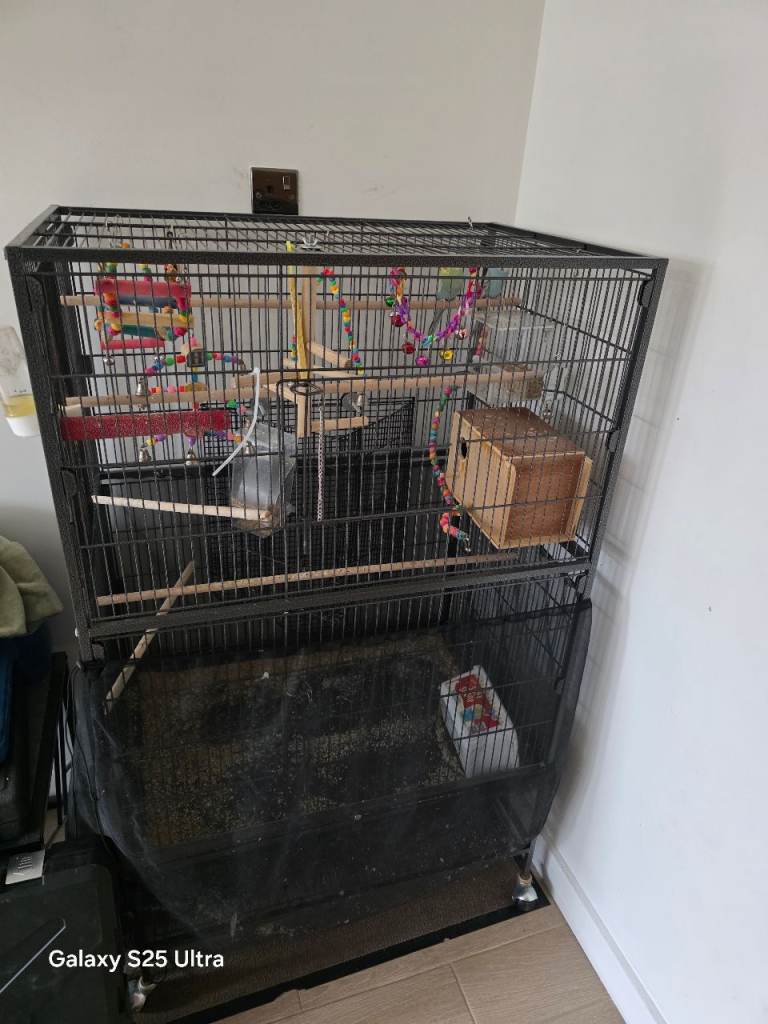
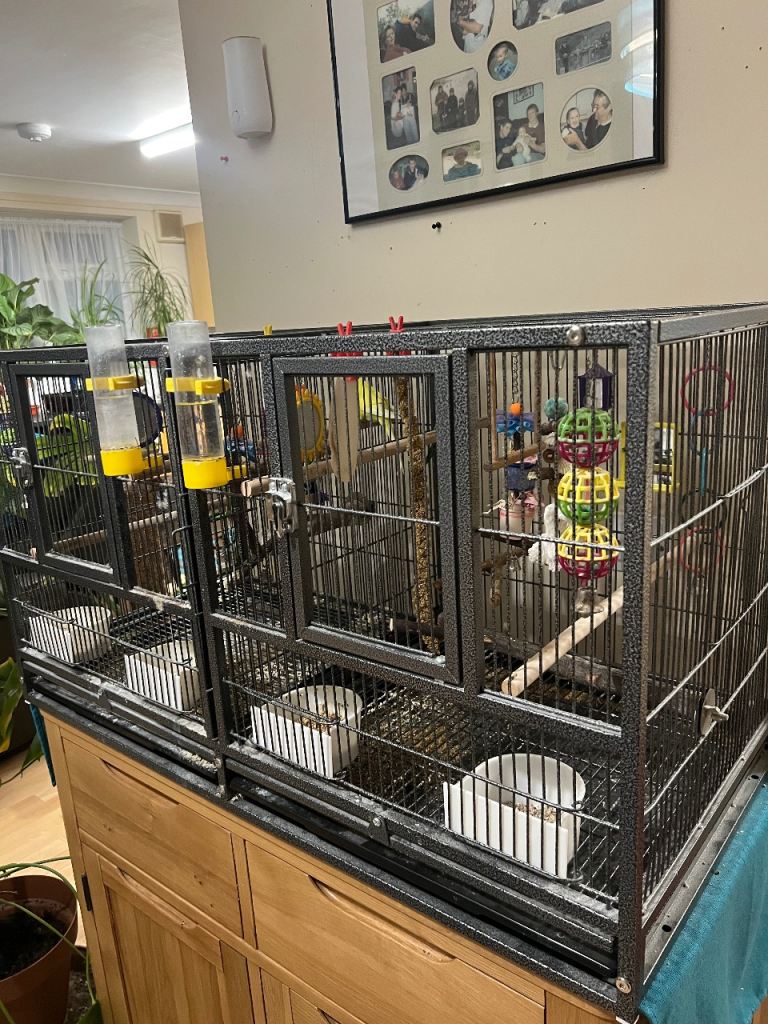
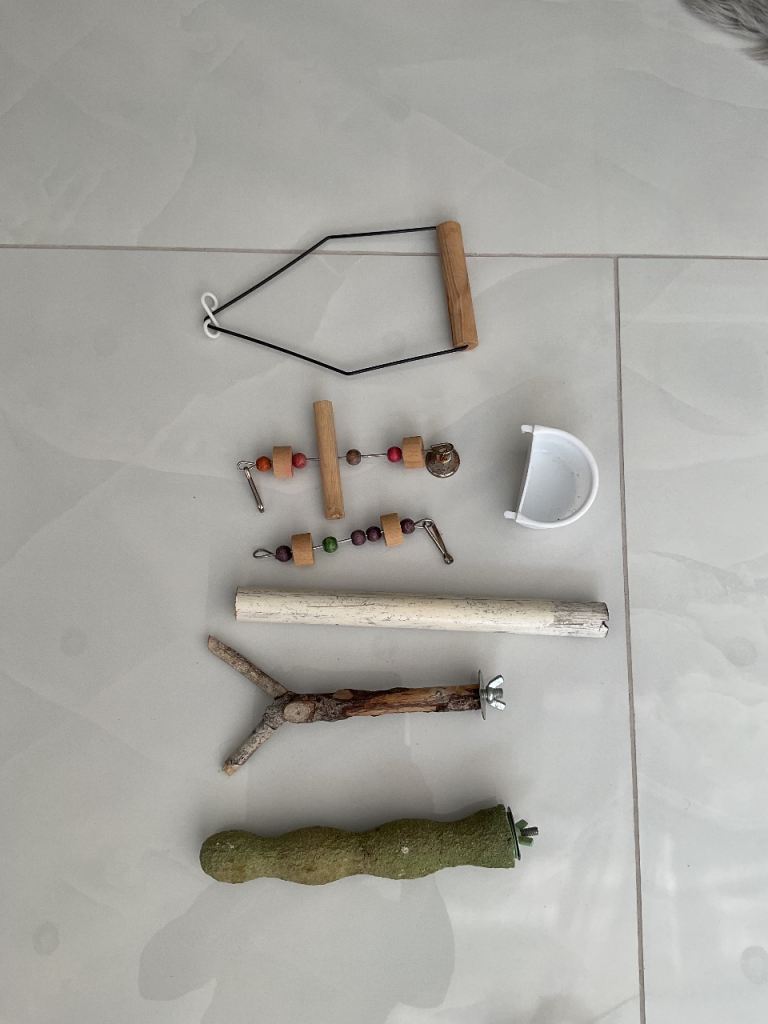
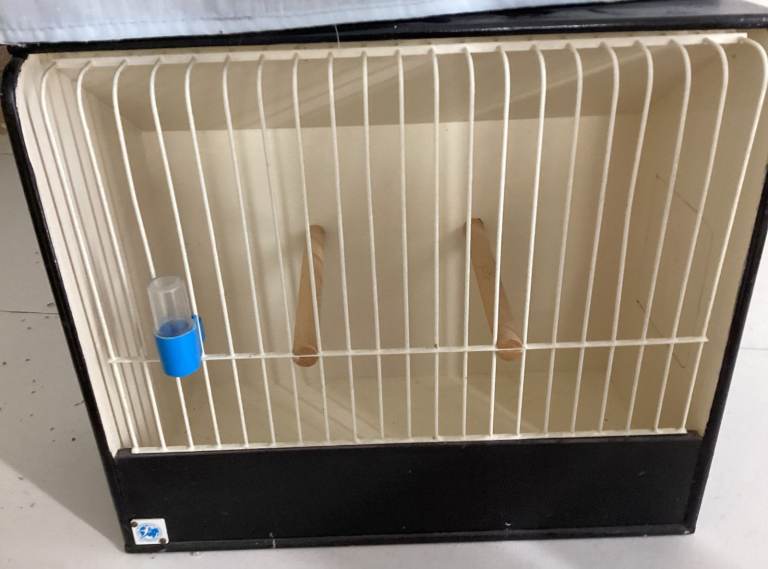
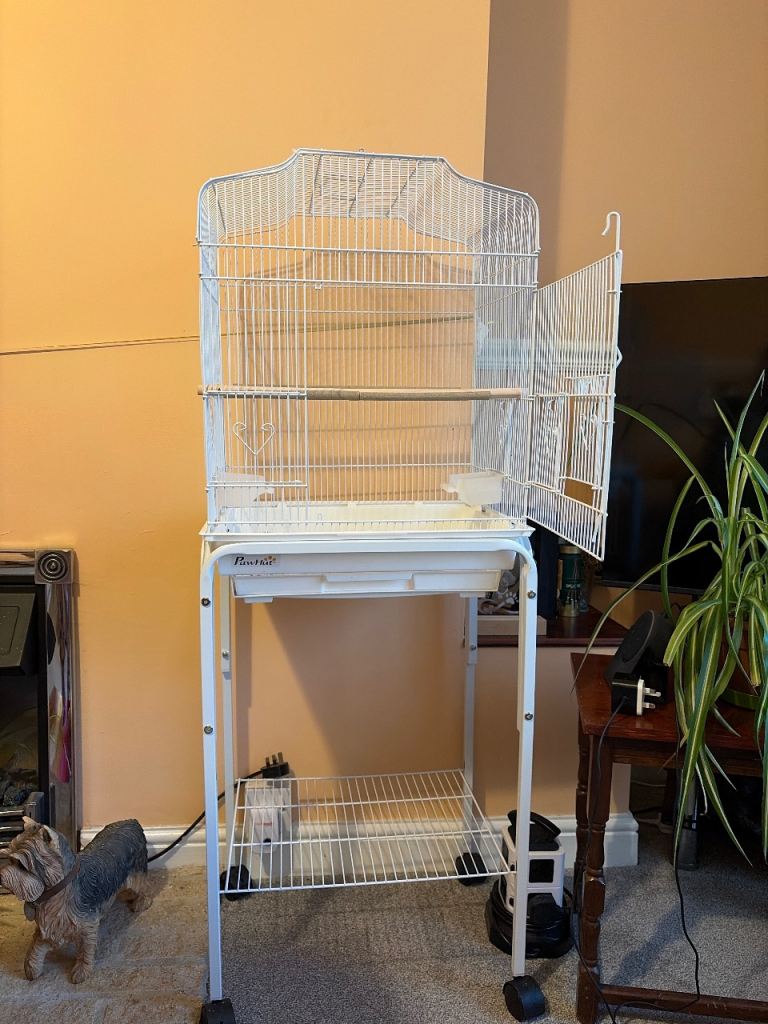
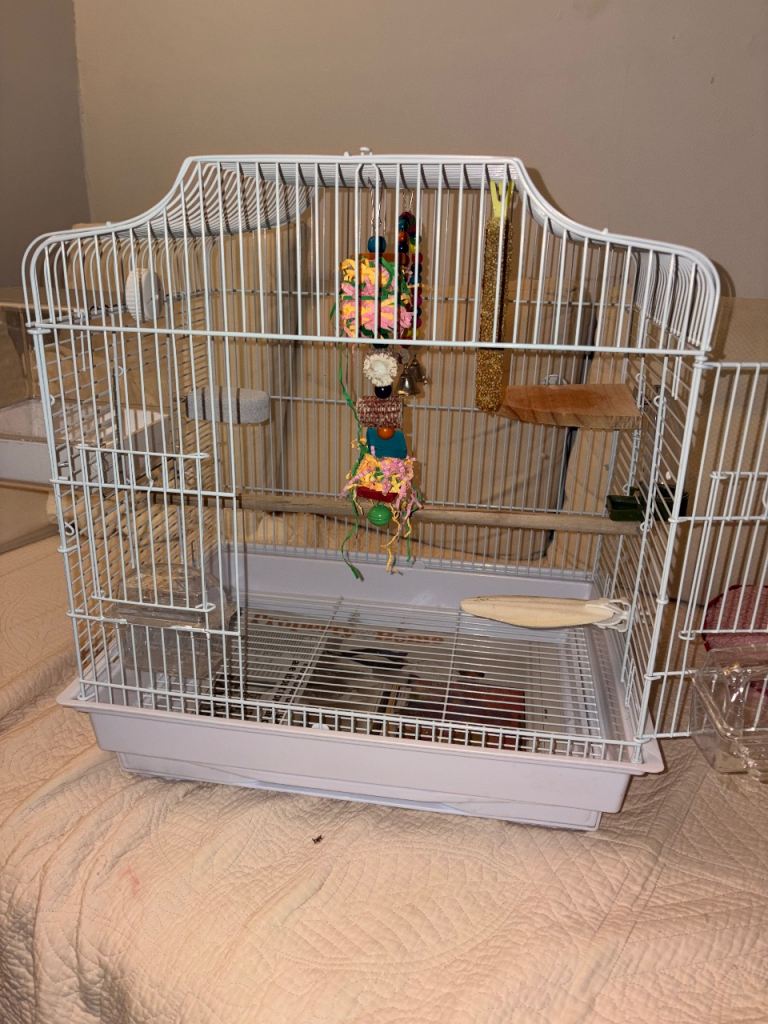
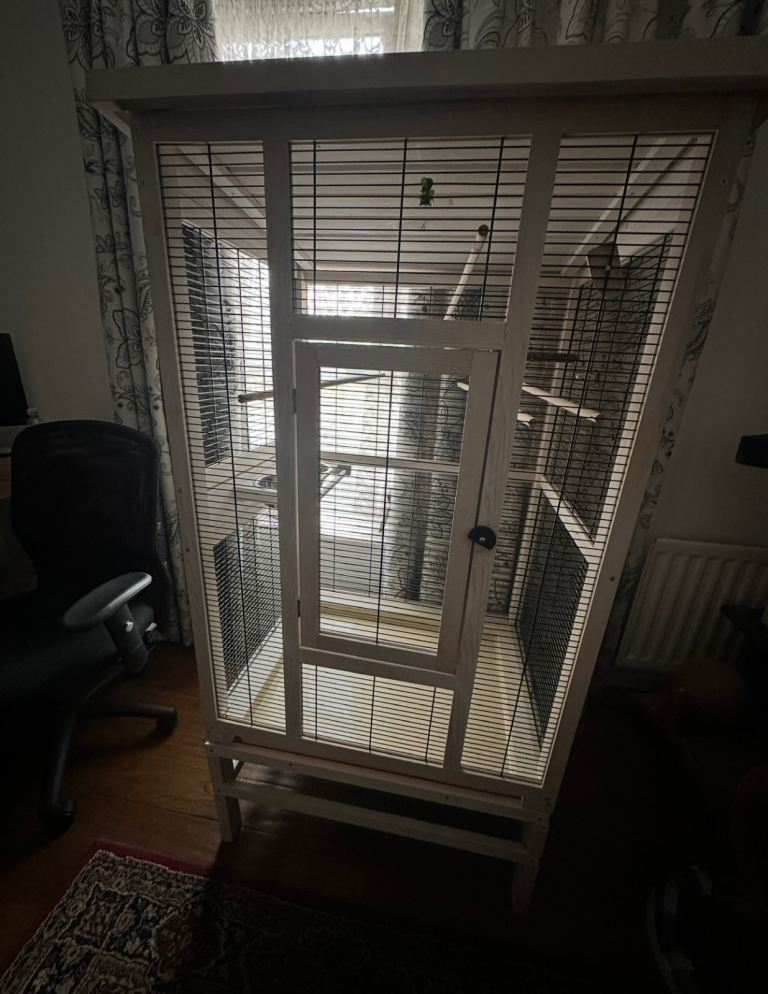
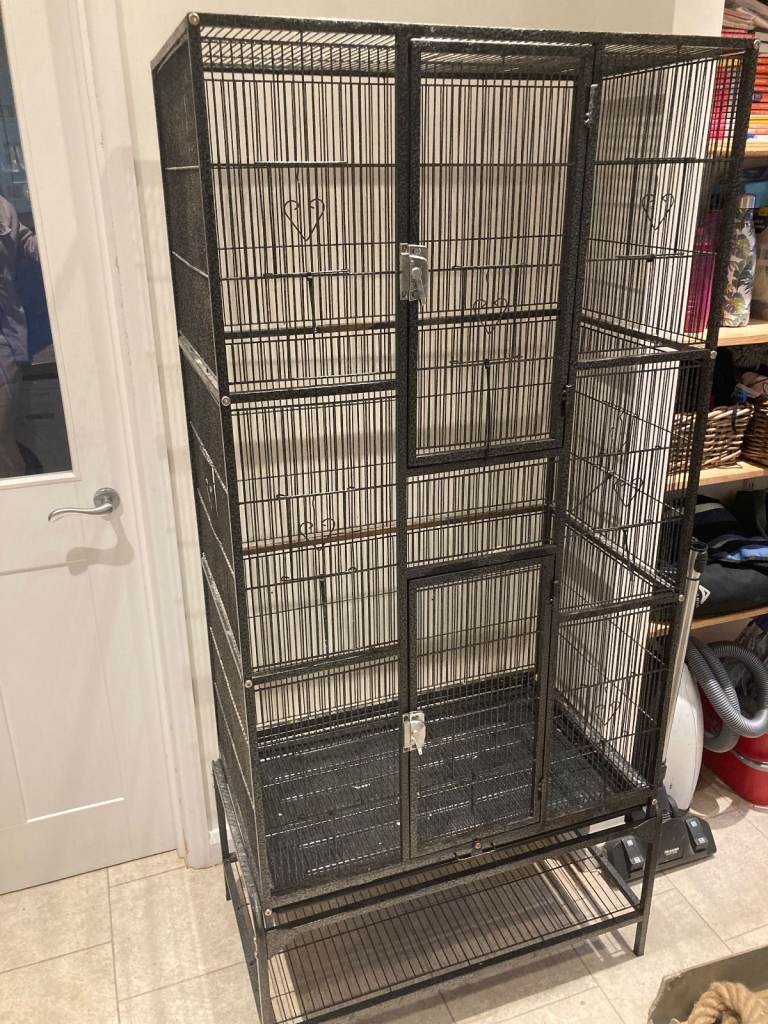
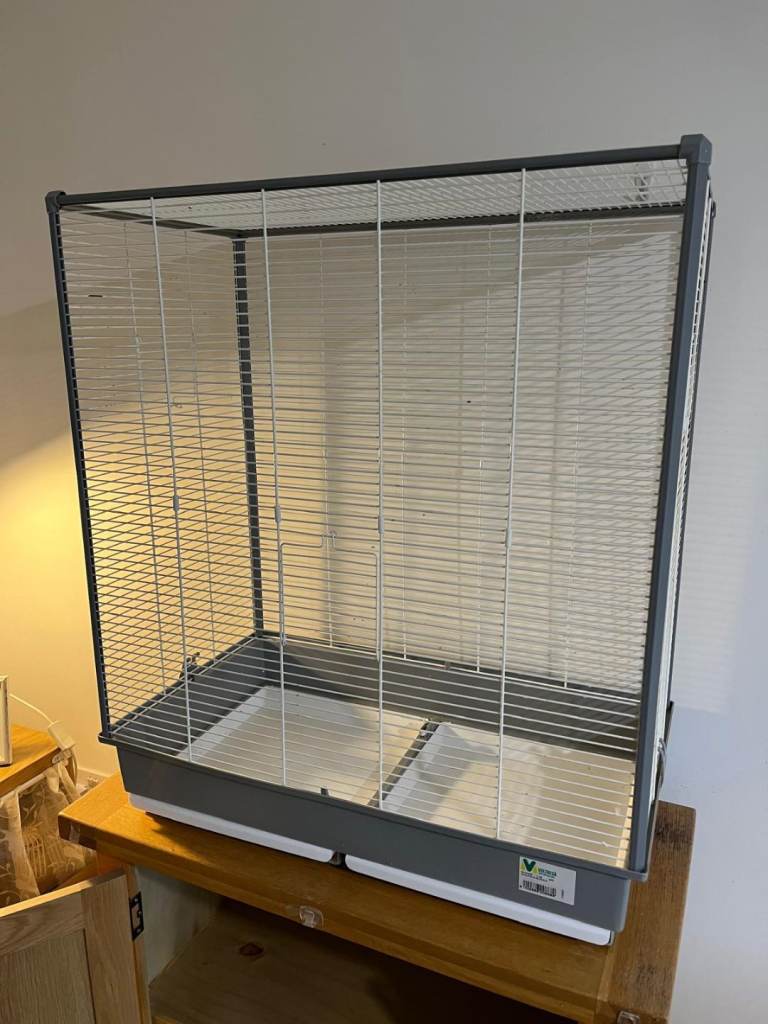
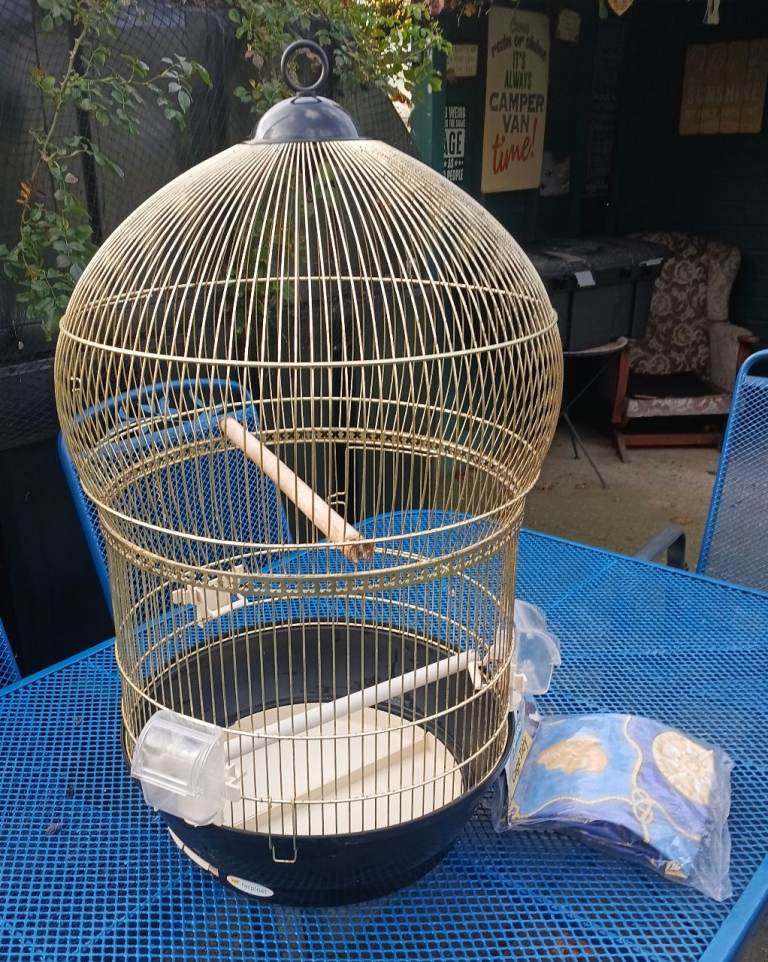
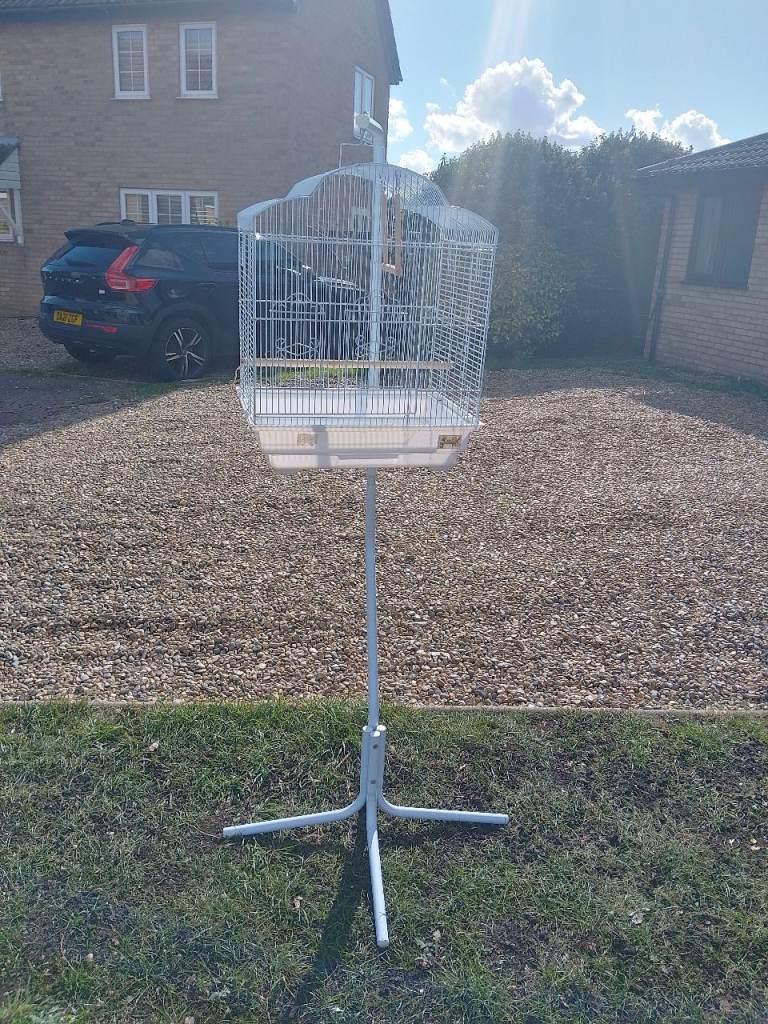
A cage for budgies should be large enough to allow them to fly comfortably. A minimum size for a pair of budgies is approximately 60cm wide x 40cm deep x 50cm high. The cage should have horizontal bars for climbing and plenty of space for perches, food and water bowls, and toys.
A balanced diet for budgies consists of a good quality seed mix supplemented with fresh fruits and vegetables. Offer a variety of greens like kale, spinach, and broccoli, as well as small pieces of apple, carrot, or berries. Avoid feeding them avocado, chocolate, or onions, as these are toxic to budgies. Provide fresh water daily.
In the UK, including Northern Ireland, you are legally responsible for ensuring the welfare of any animal in your care, including budgies. This includes providing a suitable environment, a healthy diet, and protecting them from pain, suffering, injury, and disease. While budgies themselves don't typically require specific licenses, it's important to be aware of and comply with general animal welfare laws. Check with your local council for any specific regulations regarding keeping birds in your area.
Common health problems in budgies include feather plucking, psittacosis (parrot fever), and scaly face mites. To prevent these issues, provide a stimulating environment with plenty of toys and opportunities for social interaction. Regularly clean the cage and food/water bowls to prevent bacterial infections. Quarantine new birds before introducing them to existing ones to prevent the spread of disease. Consult a vet experienced in avian care if you notice any signs of illness.