What should I check for when buying a used aquarium?
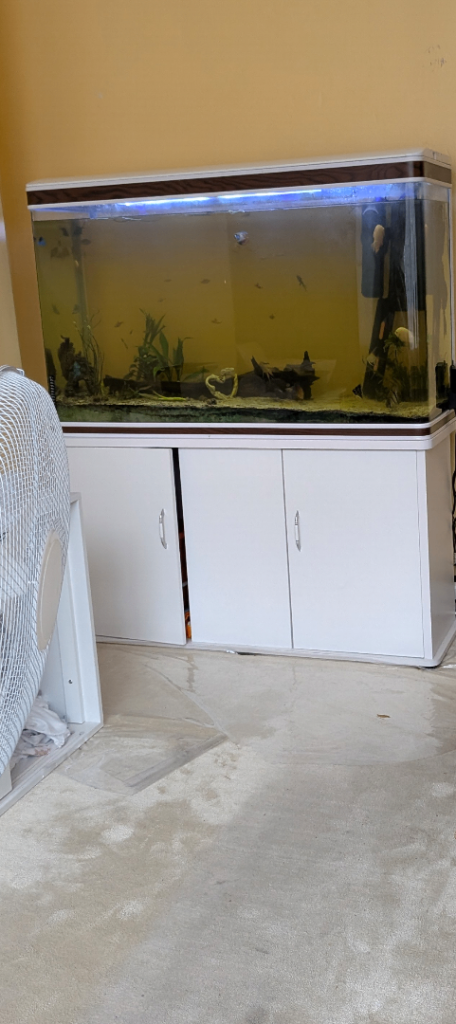
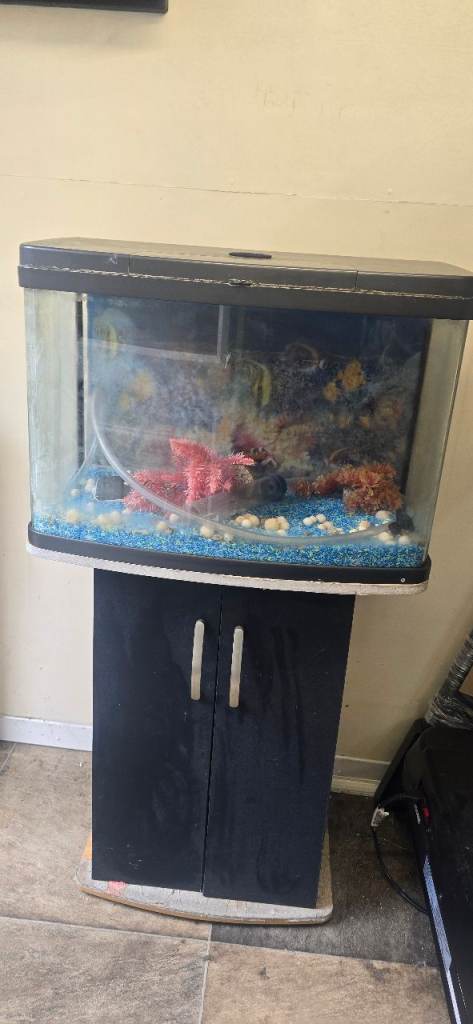
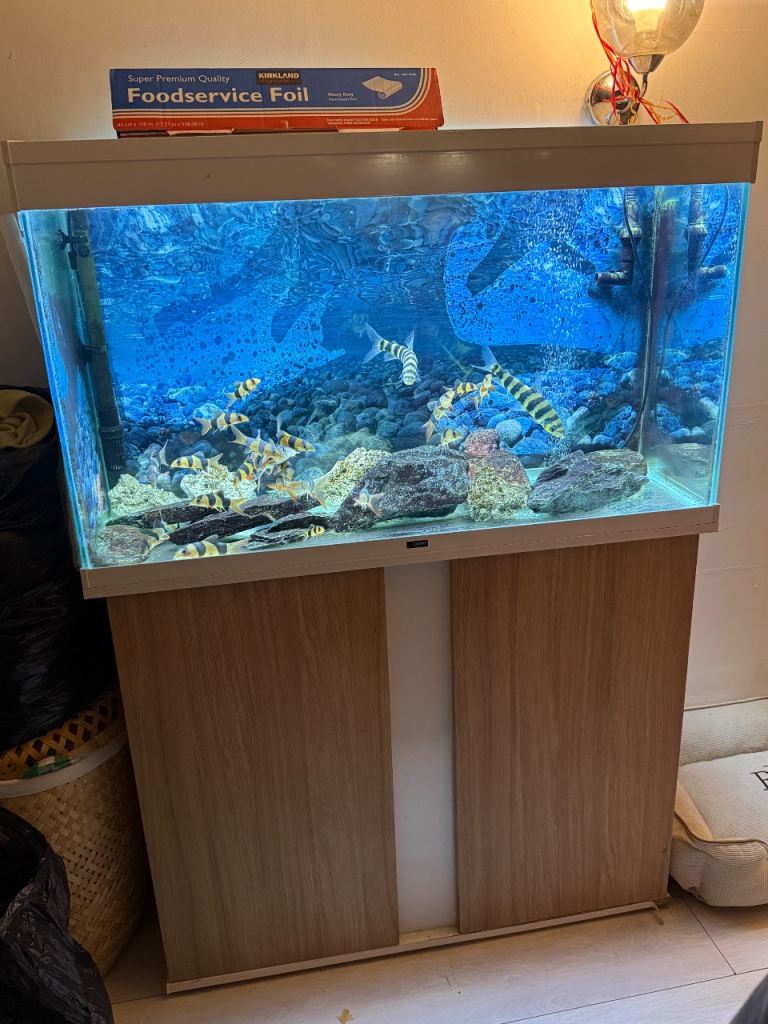
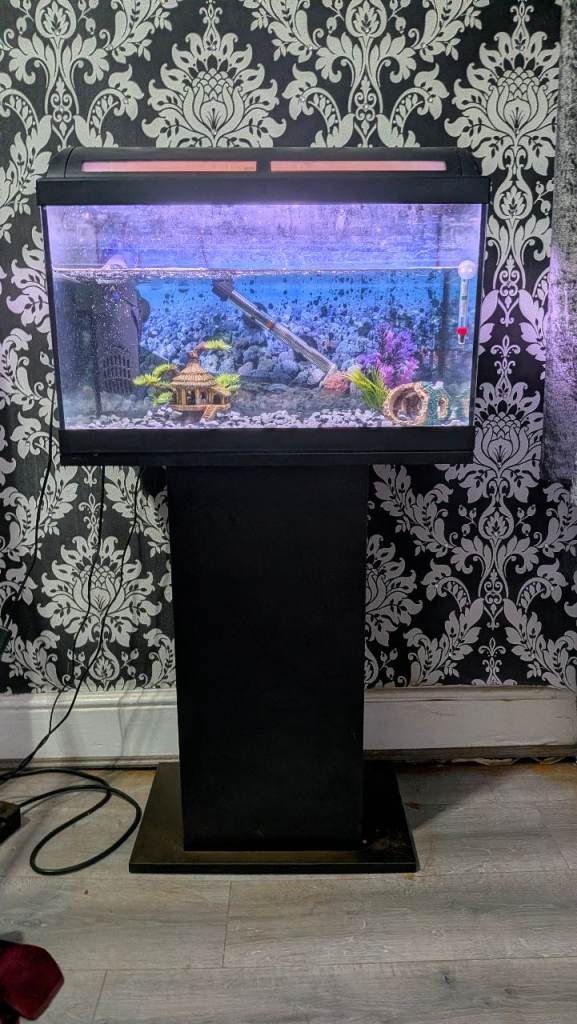
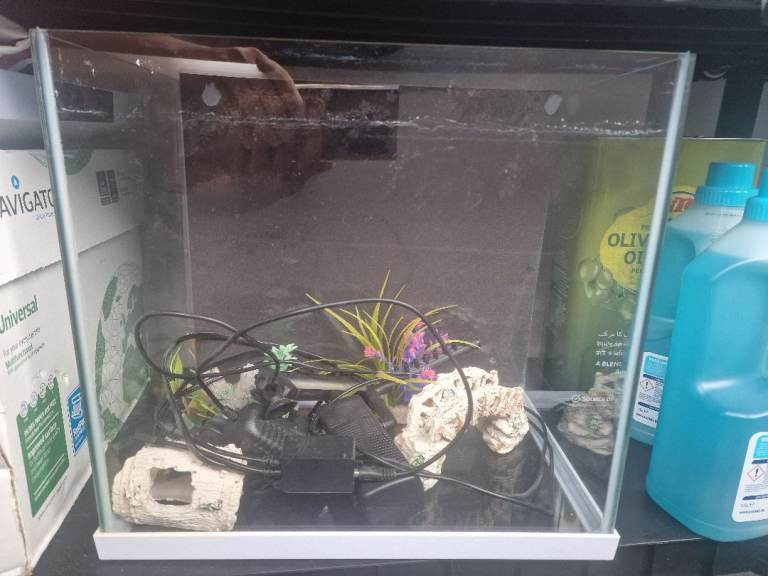
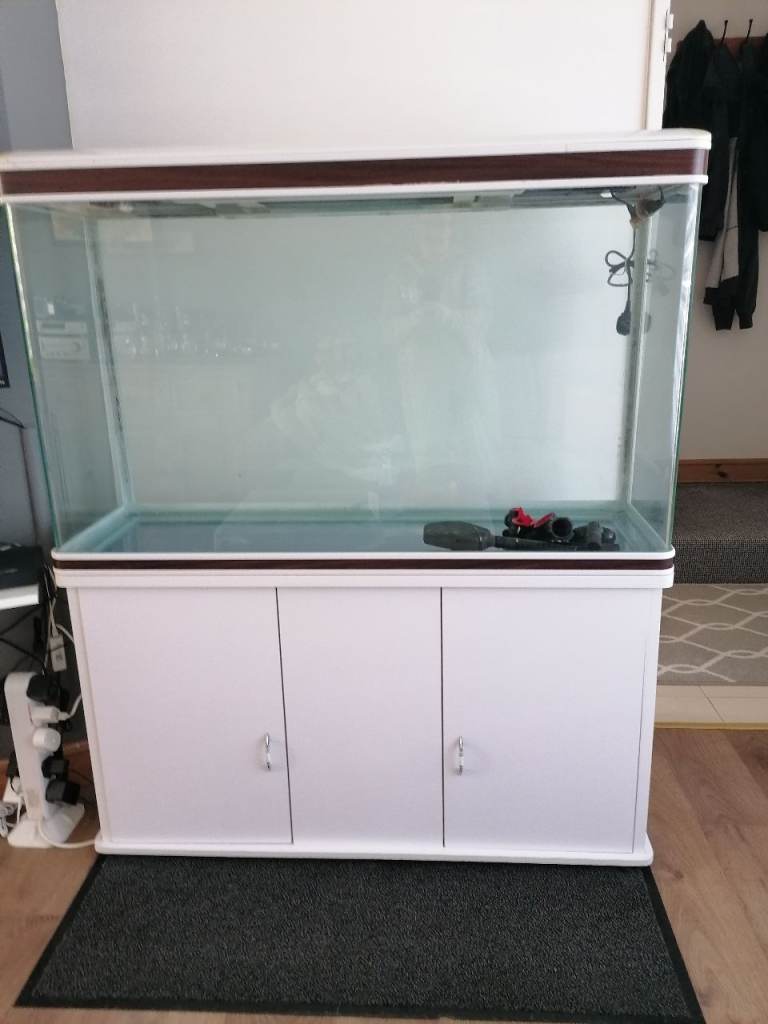
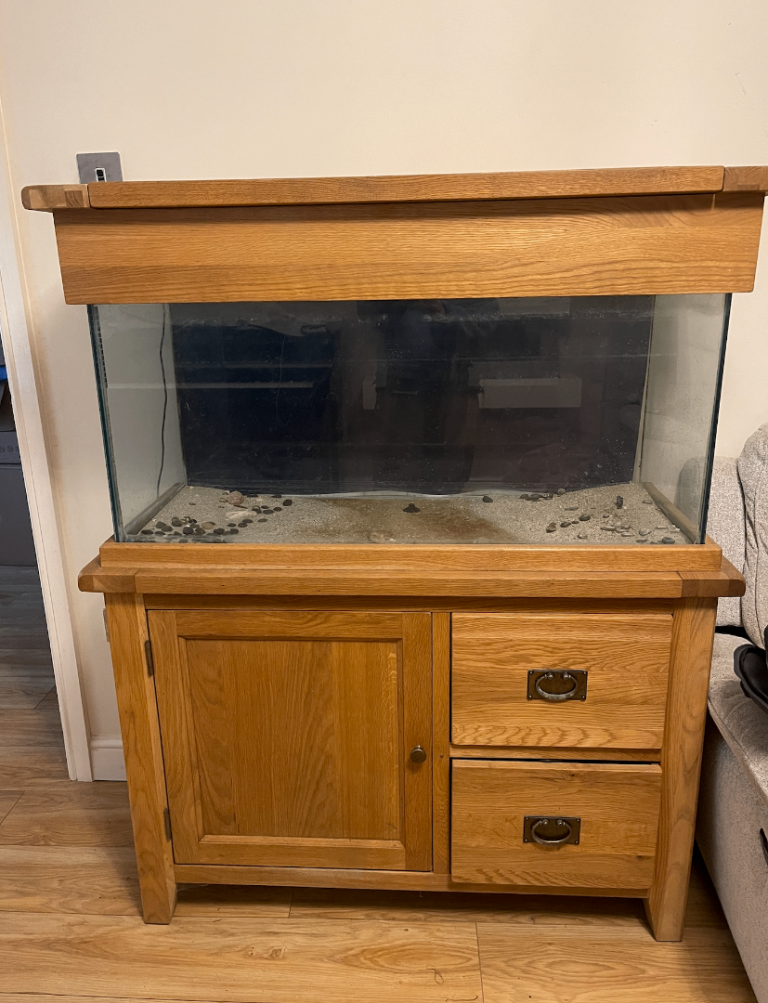
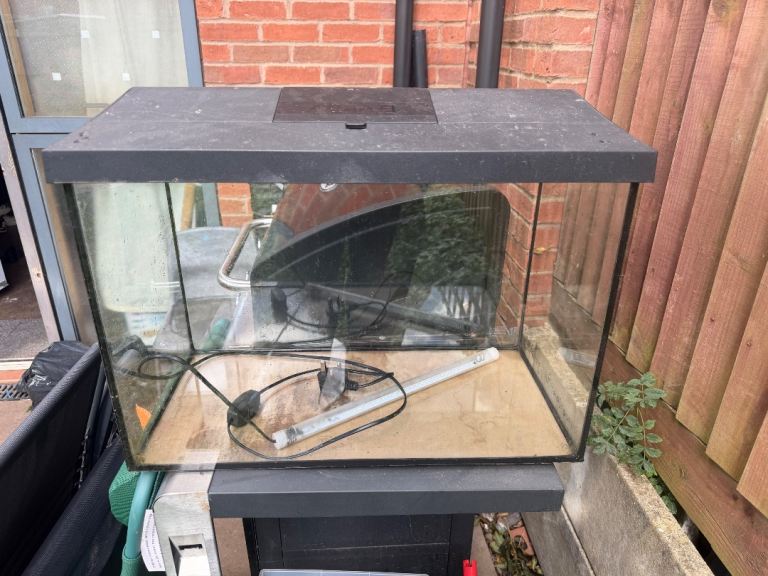
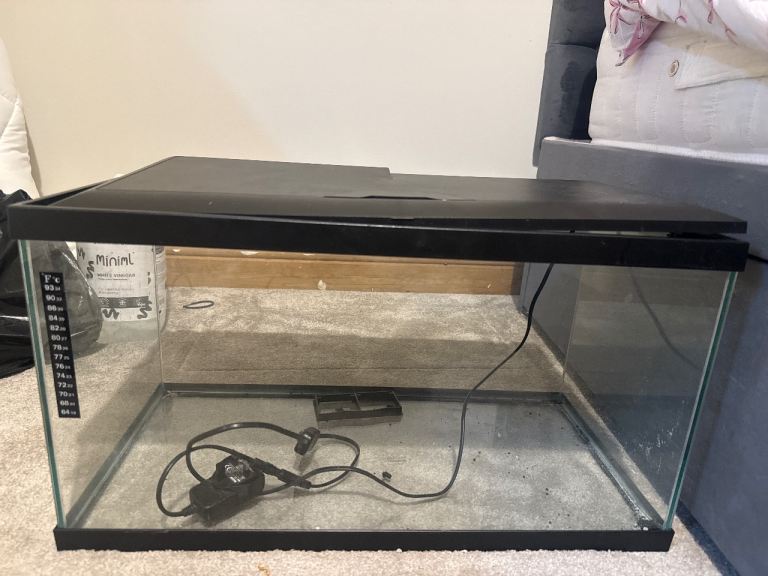
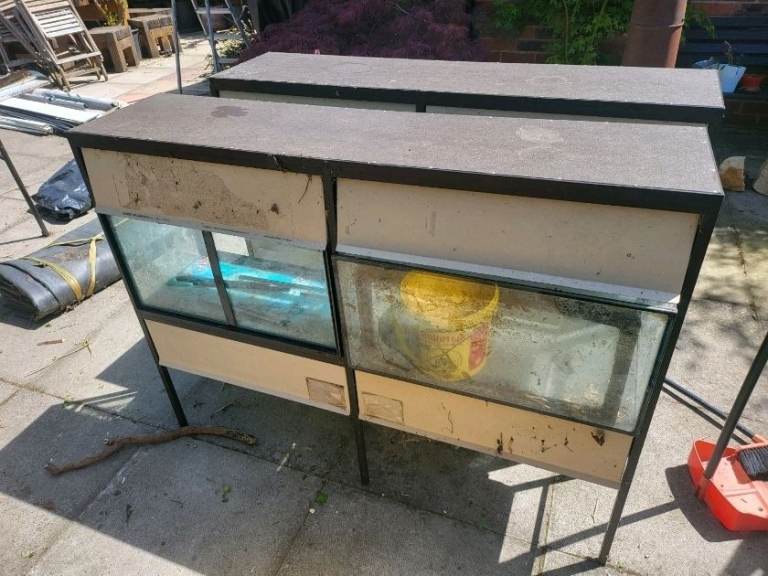
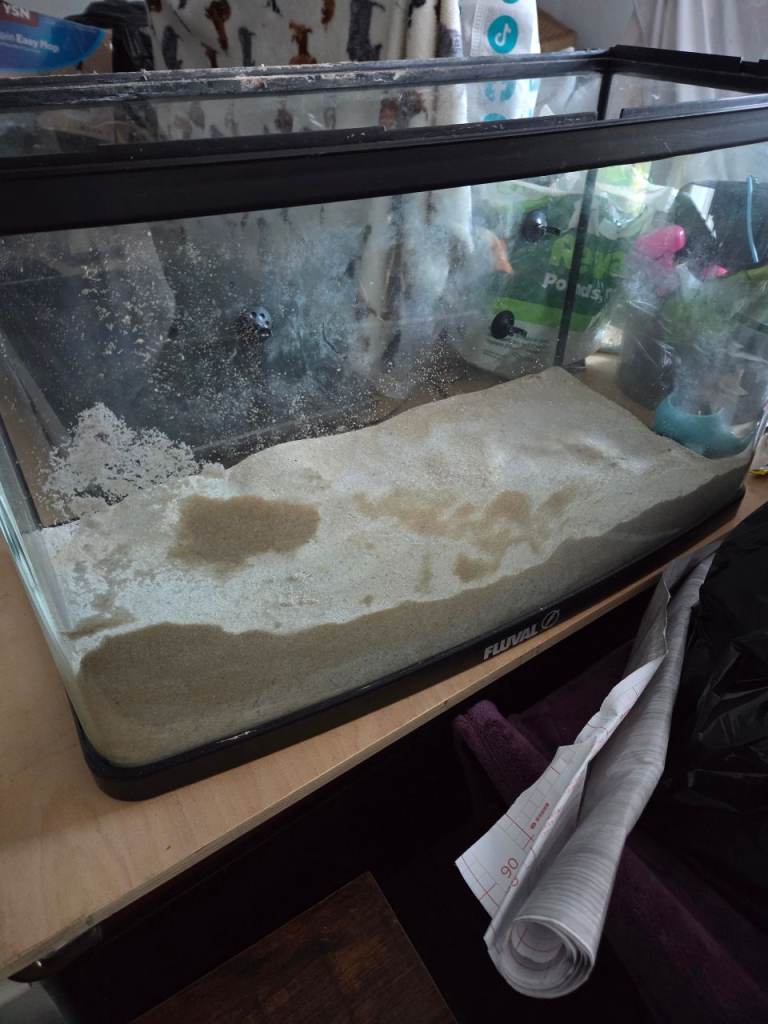
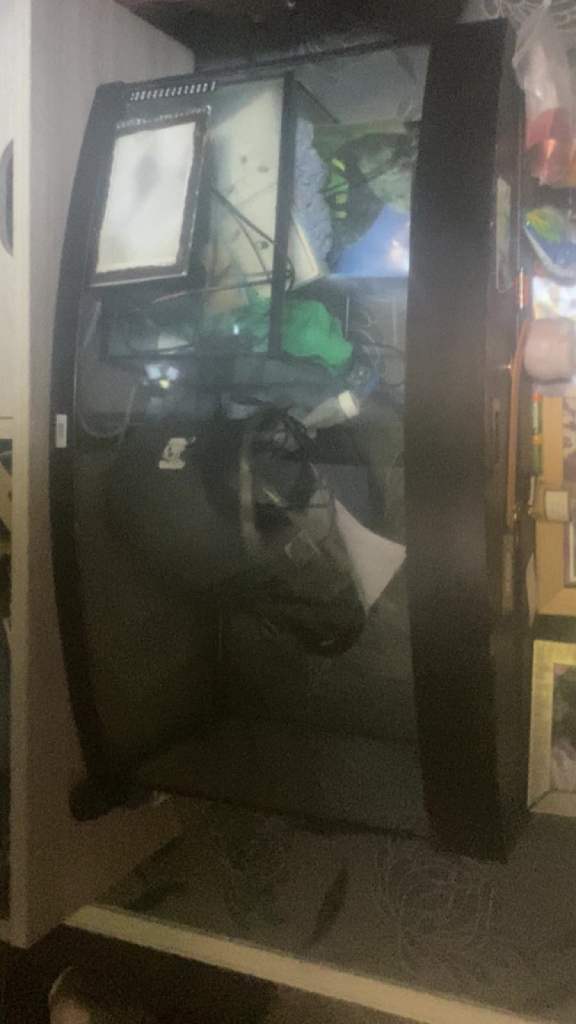
Carefully inspect the aquarium for any cracks, chips, or leaks. Pay close attention to the silicone seals, ensuring they are intact and not peeling away from the glass. Ask the seller if the aquarium has been previously repaired and, if so, what type of repair was carried out. It's also wise to fill the tank with water (if possible and with the seller's permission) to test for leaks before purchasing.
What size aquarium is suitable for different types of fish?
The size of the aquarium depends on the type and number of fish you intend to keep. Research the specific needs of your chosen fish species, including their adult size and swimming habits. Overcrowding can lead to stress, disease, and poor water quality. A general rule is that smaller fish require at least 1 gallon of water per inch of fish, while larger fish need significantly more.
What equipment is essential for setting up an aquarium?
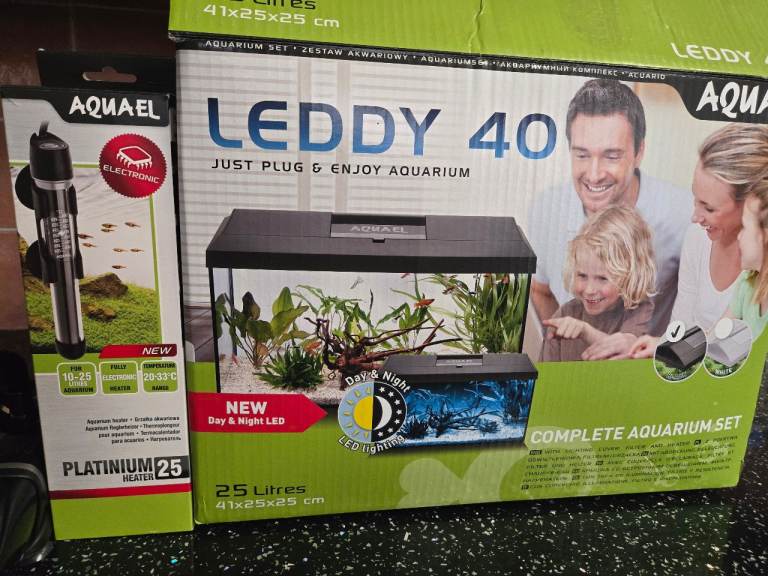
Essential equipment includes a filter to maintain water quality, a heater to regulate temperature (especially for tropical fish), a light to support plant growth and provide a day/night cycle, and a gravel vacuum to clean the substrate. You will also need a thermometer to monitor water temperature and a water test kit to check water parameters like pH, ammonia, nitrite, and nitrate.
How do I safely transport an aquarium?
Empty the aquarium completely before transporting it. Remove all decorations, gravel, and water. Wrap the aquarium securely in bubble wrap or blankets to protect it from damage. Support the bottom of the aquarium during transport to prevent stress on the glass. For larger aquariums, it's advisable to use a vehicle with a flat loading area and enlist help to lift and carry the tank safely. Consider insuring the aquarium during transit.
How often should I clean my aquarium and perform water changes?
Regular maintenance is crucial for a healthy aquarium. Perform partial water changes (around 25%) every 2-4 weeks, depending on the size of the tank and the number of fish. Use a gravel vacuum to remove debris from the substrate during water changes. Clean the filter regularly according to the manufacturer's instructions. Avoid overfeeding fish, as uneaten food can contribute to poor water quality. Always use a dechlorinator when adding fresh water to the aquarium to remove harmful chemicals.